Guide to Choosing High Quality hose assembly machines for Industry
The Ultimate Guide to High Quality Hose Assembly Machines
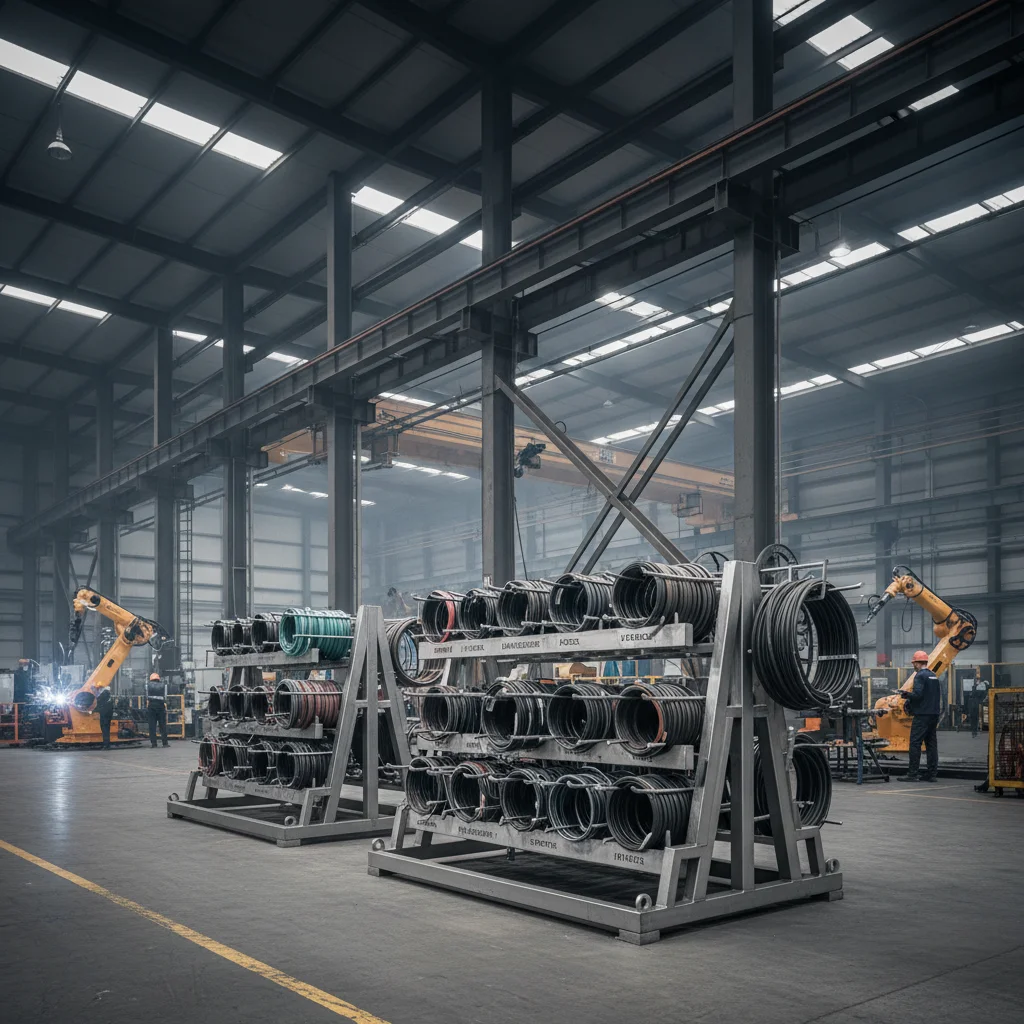
In the demanding world of hydraulic and pneumatic systems, the integrity of a connection can be the difference between seamless operation and catastrophic failure. Investing in High Quality hose assembly machines is no longer just an option for industrial workshops—it is a necessity for ensuring safety, precision, and long-term reliability. Whether you are managing a large-scale manufacturing plant or a specialized repair shop, the right crimping technology ensures that every fitting is secured with mathematical precision. In this comprehensive guide, we will explore how to identify the best equipment, the technical advantages of professional-grade machinery, and how to optimize your production line for maximum efficiency.
Precision Engineering in High Quality Hose Assembly Machines
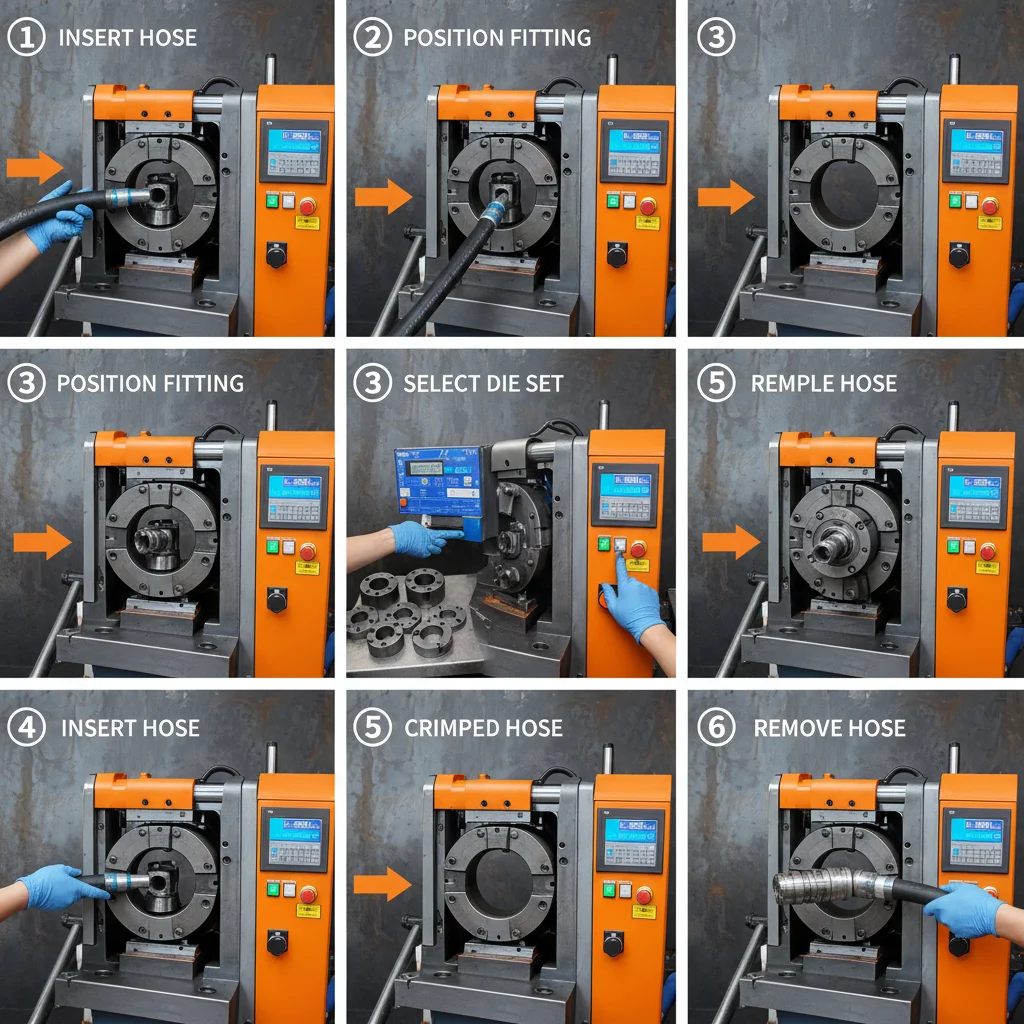
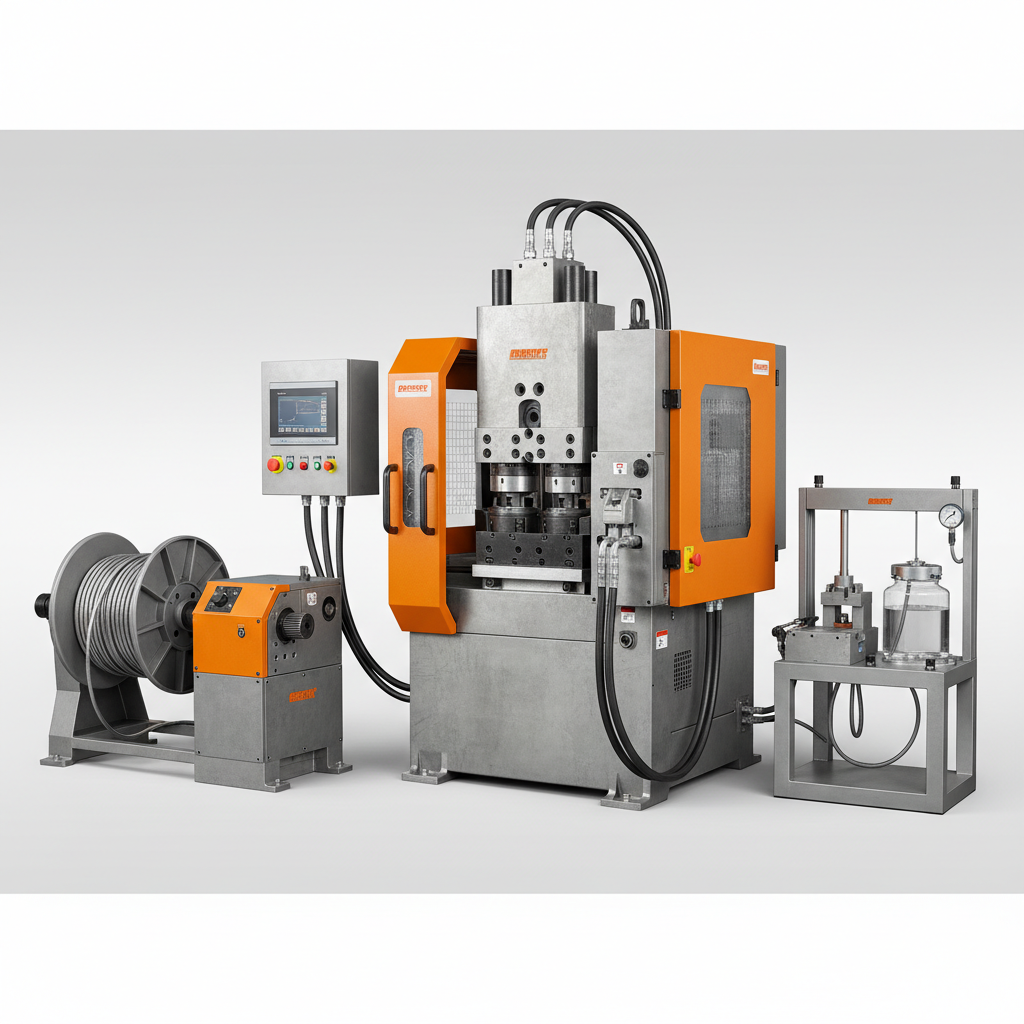
The core of any High Quality hose assembly machine lies in its ability to apply consistent, uniform pressure around the circumference of the hose. Unlike entry-level tools, professional machines utilize advanced hydraulic systems and precision-ground dies to prevent hose deformation. This ensures that the fitting is "locked" onto the hose without compromising the internal structure of the reinforcement layers. Consistency is key; a variance of even a fraction of a millimeter can lead to leaks under high-pressure conditions, making the choice of a reputable manufacturer critical for operational safety.
Pro Tip: Look for machines with digital pressure displays and programmable settings to eliminate human error and ensure every assembly meets international safety standards.
Comparing Manual vs. Automated Hose Assembly Solutions
When selecting the right equipment, businesses often struggle between manual, semi-automatic, and fully automated systems. While manual tools are suitable for low-volume, on-site repairs, High Quality hose assembly machines in the automated category offer unmatched throughput and repeatability. For high-volume production, automation reduces labor costs and virtually eliminates the risk of under-crimping or over-crimping, which are common issues with manual operations.
Essential Components of Professional Hose Equipment
To maintain the status of High Quality hose assembly machines, several key components must work in harmony. First, the hydraulic pump must provide a steady flow of pressure without fluctuations. Second, the crimping dies must be made from high-grade alloy steel to resist wear and tear over thousands of cycles. Finally, the control system—whether mechanical or PLC-based—must allow for rapid adjustments to accommodate different hose diameters and wall thicknesses. When these components are engineered to a high standard, the machine's lifespan increases and maintenance costs drop significantly.
Technical Specifications for High Quality Hose Assembly Machines
Understanding the technical specifications is vital for ensuring the machine fits your specific application. Factors such as maximum crimping diameter, hydraulic pressure capacity, and power requirements determine the machine's versatility. Professional grade machines typically offer a wide range of interchangeable dies, allowing a single unit to handle everything from small hydraulic lines to massive industrial hoses. Below are the standard specifications one should expect from a premium system:
Maintenance Tips for Long-term Reliability
To keep your High Quality hose assembly machines operating at peak performance, a strict maintenance schedule is required. Regularly checking the hydraulic oil levels and replacing filters prevents contaminants from damaging the internal valves. Additionally, lubricating the moving parts of the crimping head reduces friction and prevents premature wear on the dies. Calibration is another critical step; periodically verifying the crimp diameter with a digital caliper ensures that the machine has not drifted from its programmed specifications.
Industry Applications: Who Needs High Quality Assembly Machines?
From aerospace and automotive manufacturing to agriculture and mining, the demand for precision hose assemblies is universal. In the automotive sector, high-pressure brake and fuel lines require absolute precision to prevent leaks that could lead to accidents. In agriculture, hydraulic hoses for tractors must withstand extreme vibration and environmental stress. By using High Quality hose assembly machines, companies can guarantee that their products meet the rigorous demands of these harsh environments, reducing warranty claims and improving brand reputation.
Conclusion: Elevating Your Production with Professional Equipment
Choosing High Quality hose assembly machines is an investment in the safety and efficiency of your business. By prioritizing precision, durability, and advanced control systems, you not only improve the quality of your final product but also streamline your operational workflow. In an industry where precision is paramount, the right equipment is the most powerful tool in your arsenal. Upgrade your assembly process today to ensure your connections remain unbreakable.
Frequently Asked Questions (FAQs)
How do I choose the right dies for my hose assembly machine?
Selecting the correct dies depends entirely on the outer diameter of the hose after the fitting has been inserted and the specific requirements of the hose manufacturer. You must refer to the "crimping specification chart" provided by the hose producer, which lists the exact finished crimp diameter. High quality machines usually offer a wide array of interchangeable dies. It is essential to use dies that match the fitting material (steel, brass, or stainless) to avoid damaging the fitting or the die itself. Using an incorrect die can lead to a loose connection or a crushed hose.
What are the signs that my hose assembly machine needs calibration?
The most obvious sign is a change in the finished crimp diameter. If you notice that assemblies are consistently coming out slightly over or under the specified size, your machine requires calibration. Other warning signs include unusual noises during the crimping cycle, hydraulic fluid leaks, or a noticeable increase in the time it takes to reach full pressure. Regular calibration every 6 to 12 months is recommended to maintain the high standards associated with professional assembly equipment and to ensure safety compliance across all your hydraulic projects.
Can one machine handle different types of hoses and fittings?
Yes, provided the machine is a versatile, high-quality model. The flexibility comes from the interchangeable die sets. A single machine can handle various hose types—such as braided, spiral, or textile-reinforced—as long as the appropriate die for that specific hose and fitting combination is used. However, you must ensure the machine's maximum pressure capacity is sufficient for the thickest hose you plan to assemble. For businesses handling a massive variety of sizes, investing in a machine with a digital memory system is highly recommended, as it allows you to save and recall settings for different hose types instantly.
Why is hydraulic pressure control so important in hose assembly?
Hydraulic pressure control is the heart of the crimping process. If the pressure is too low, the fitting will not grip the hose securely, leading to "blow-offs" under pressure. If the pressure is too high, the hose reinforcement can be crushed, creating a weak point that leads to premature failure or bursting. High quality hose assembly machines use precision valves to ensure the pressure is applied evenly and stops exactly at the required limit. This precision ensures a permanent, leak-proof bond that can withstand the high-pressure surges typical in industrial hydraulic systems.
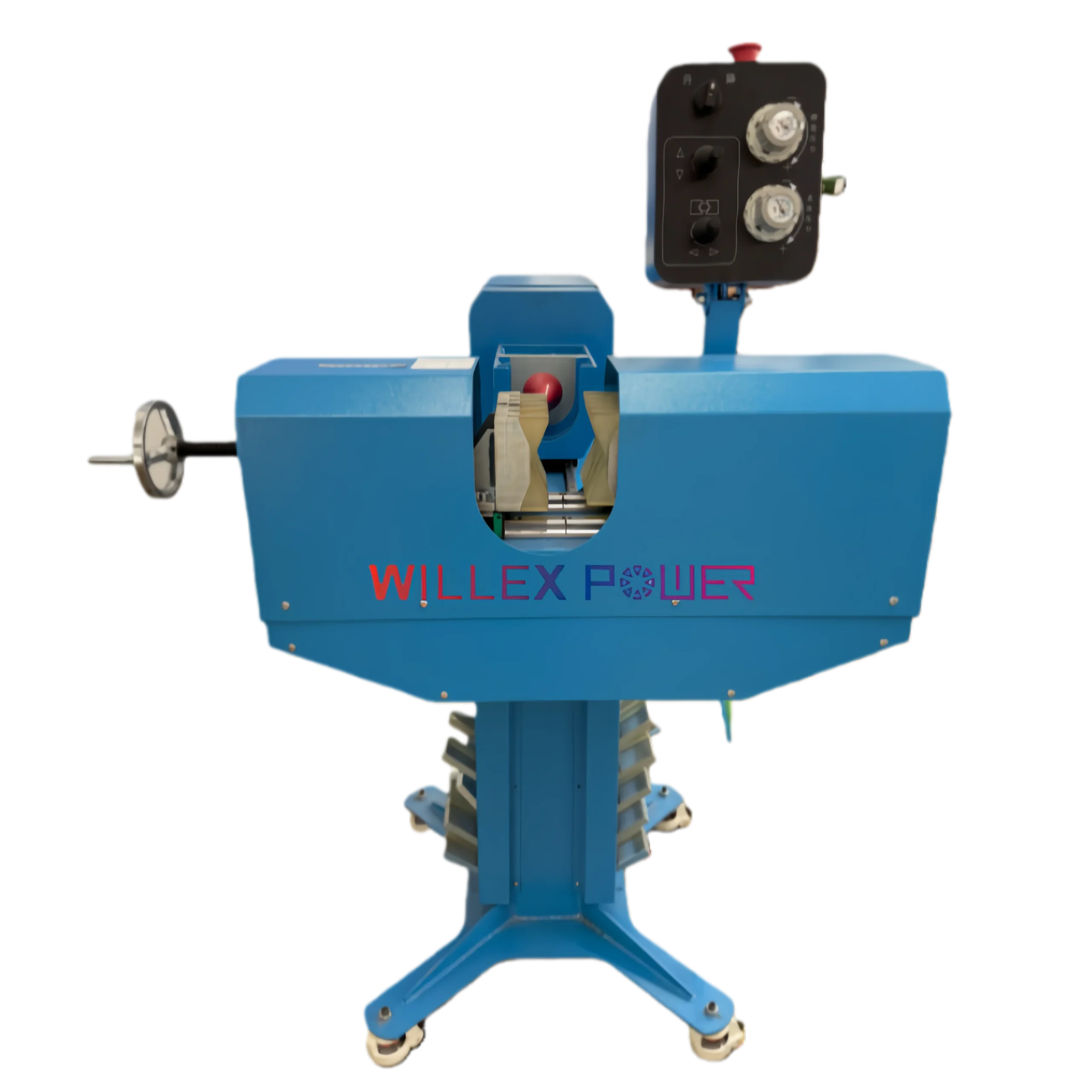
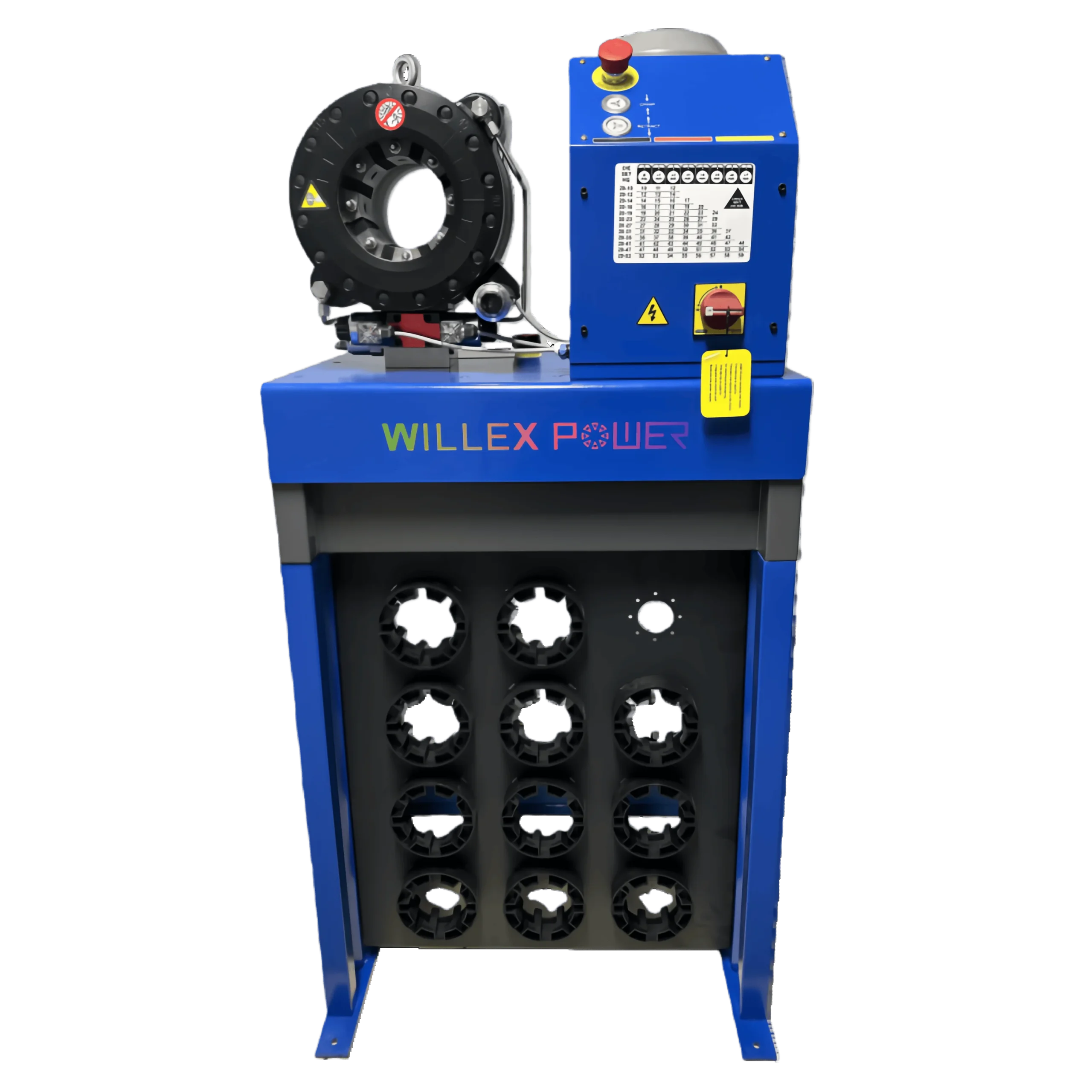
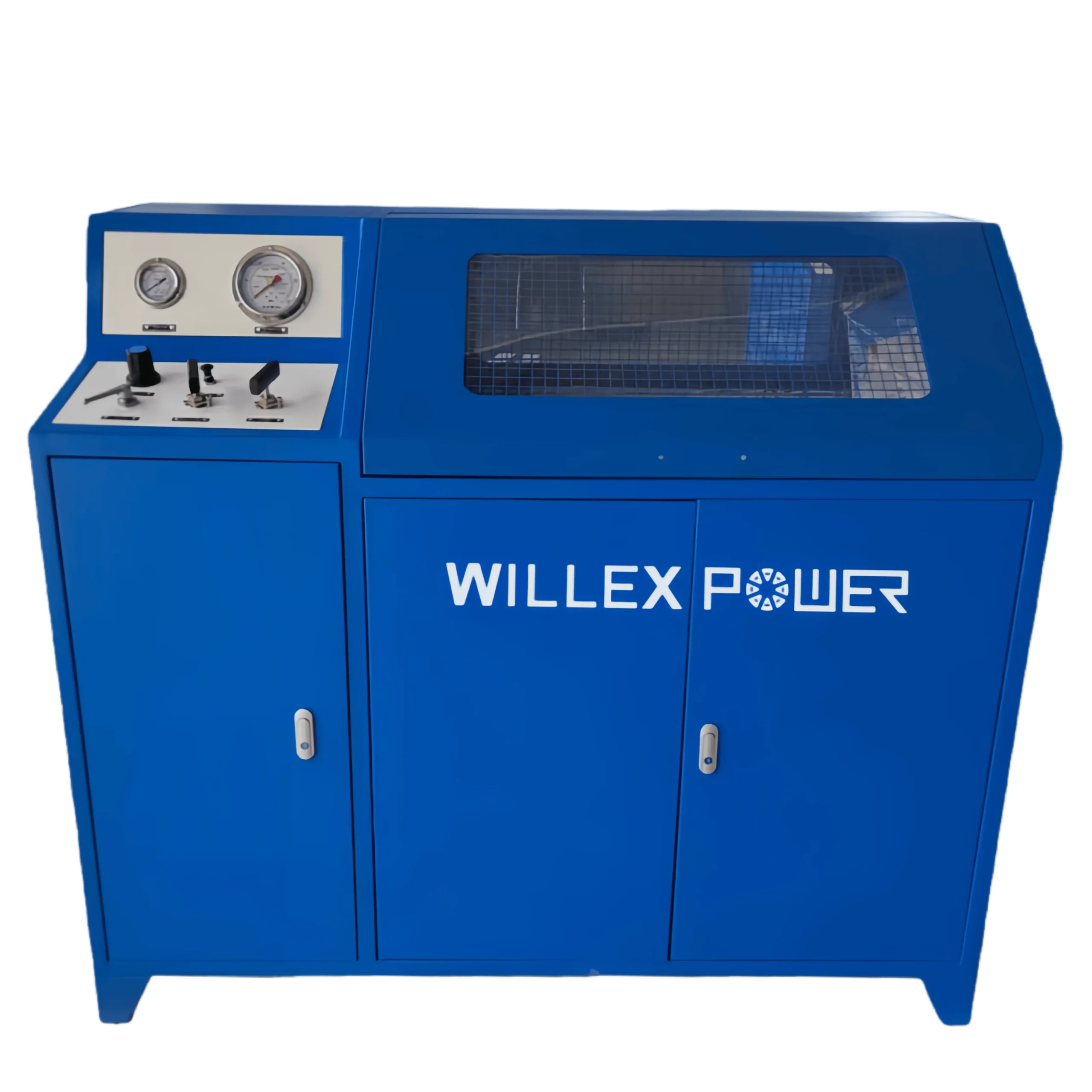
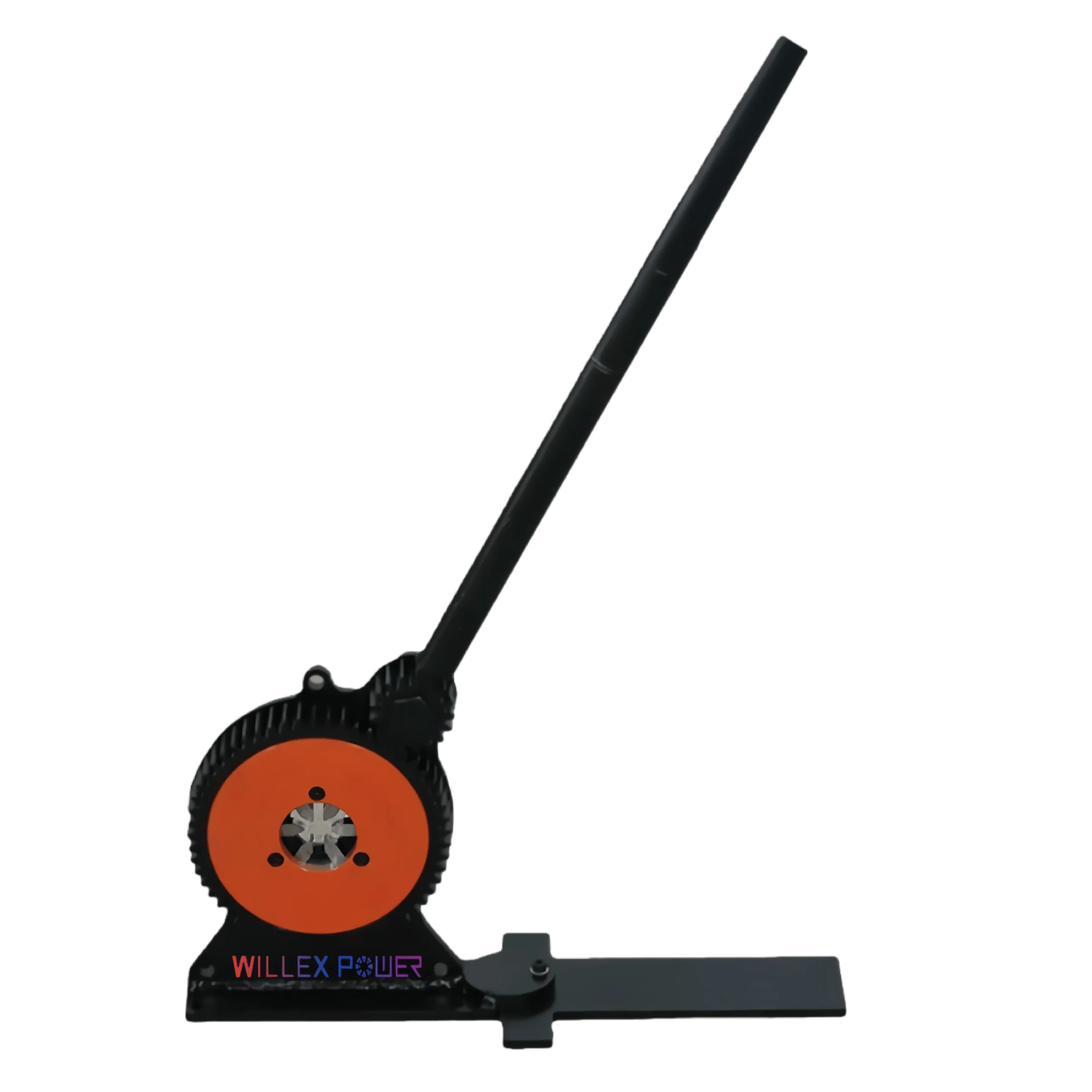
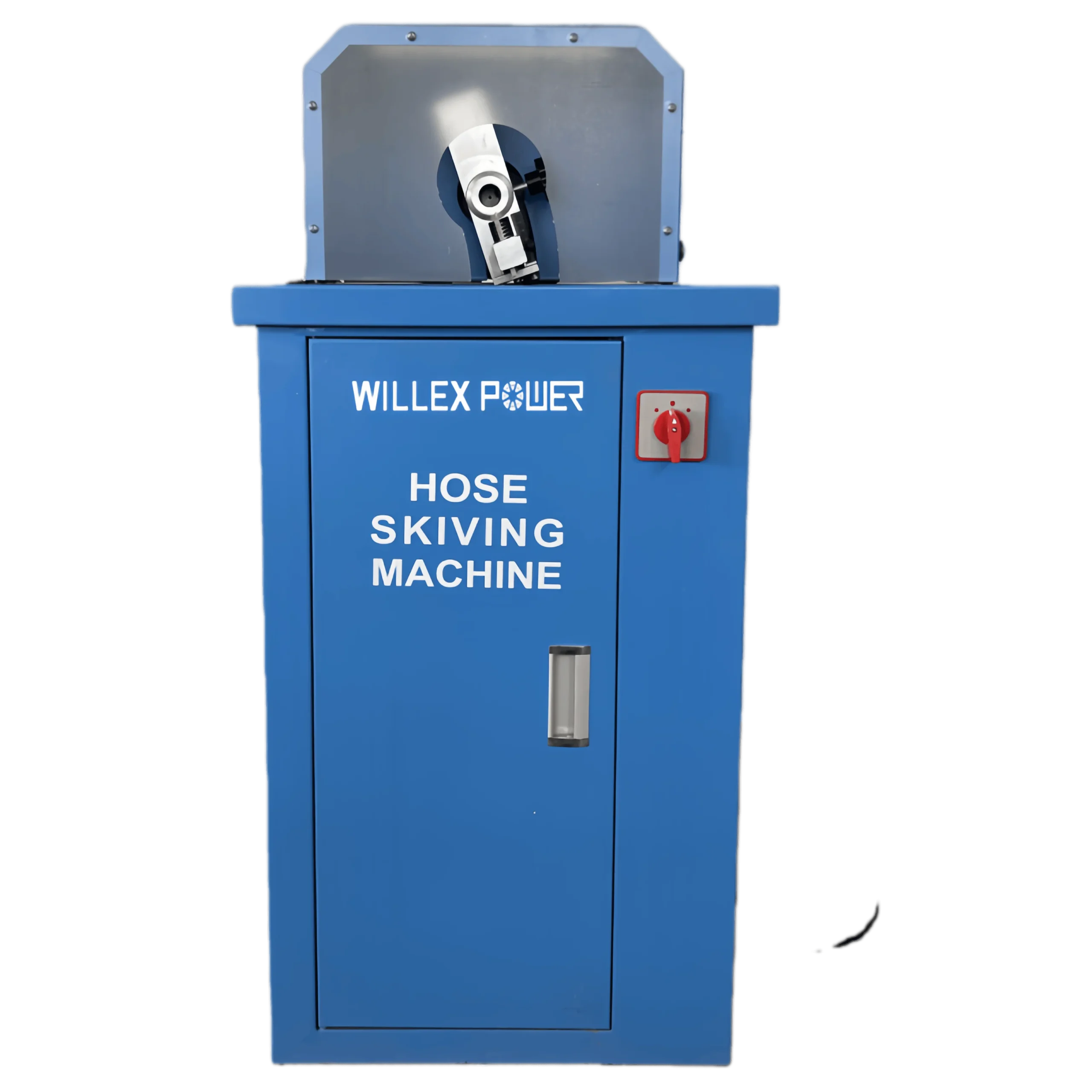
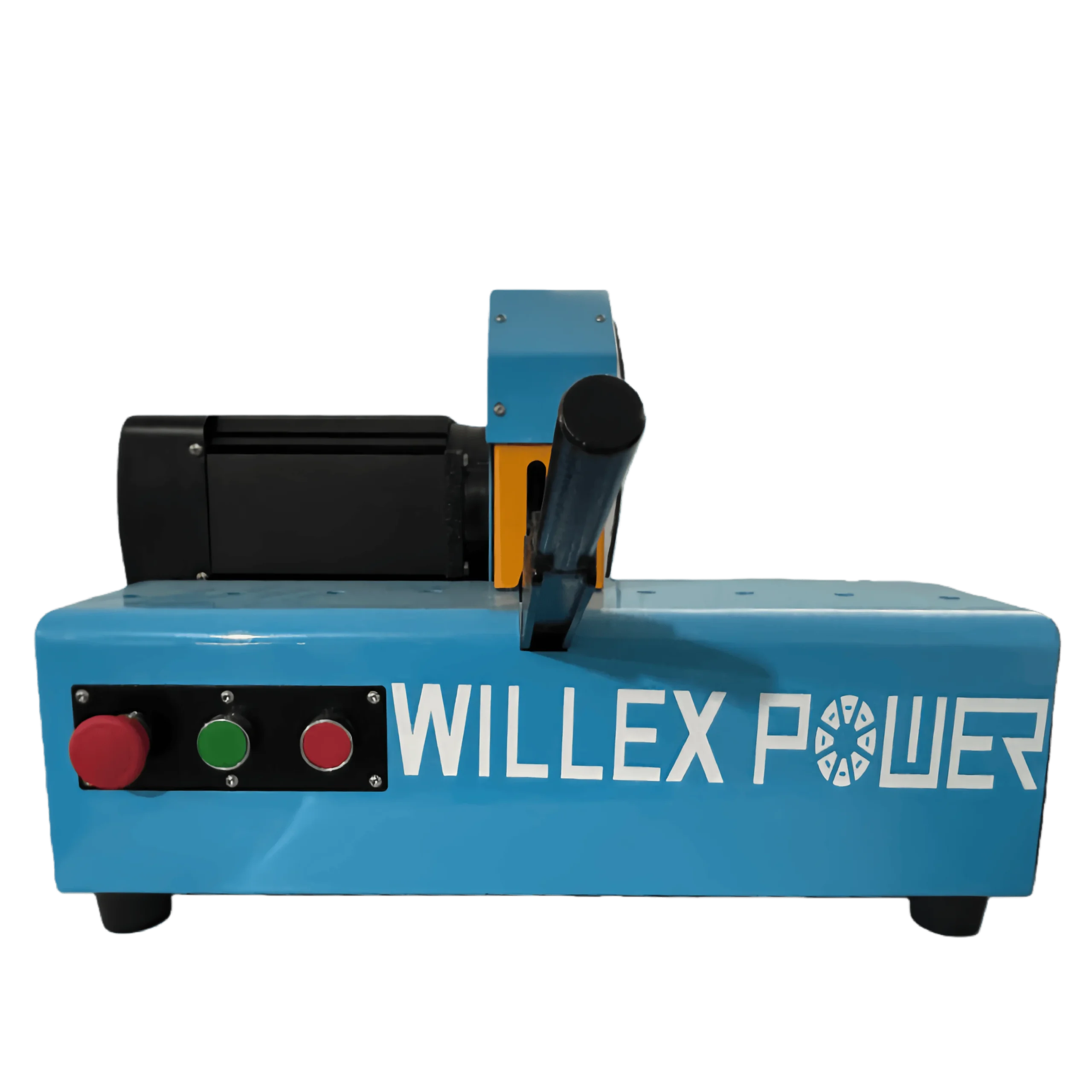
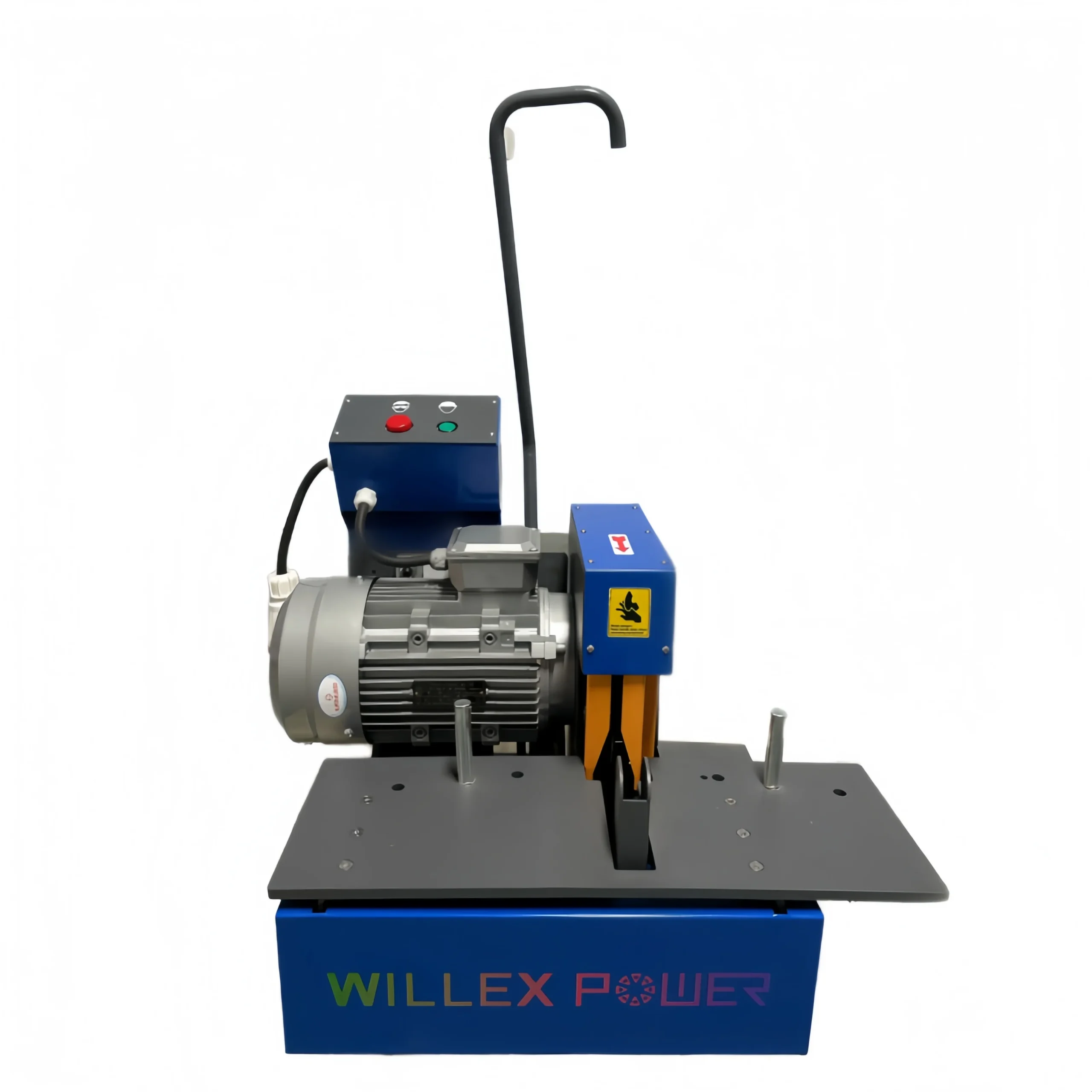
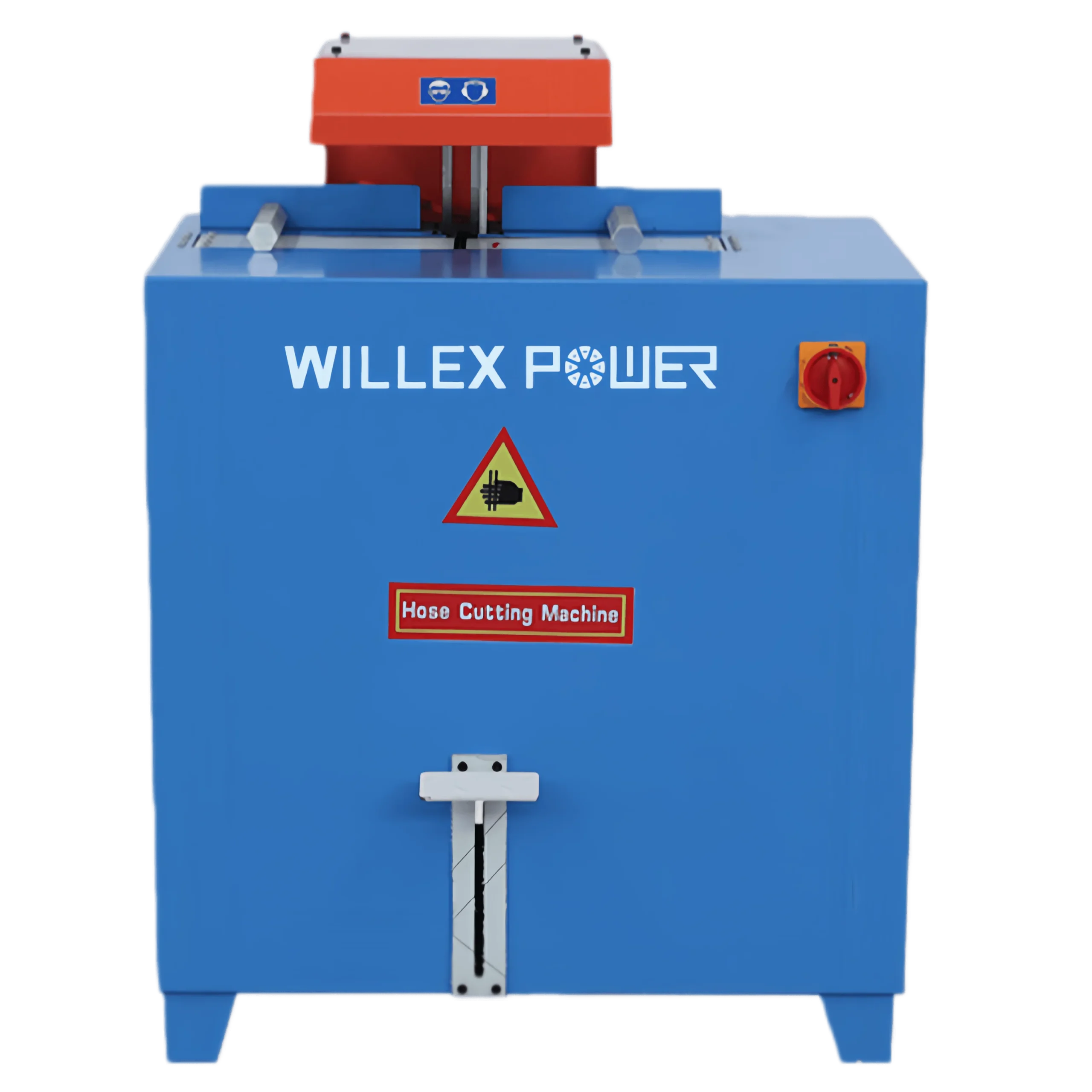
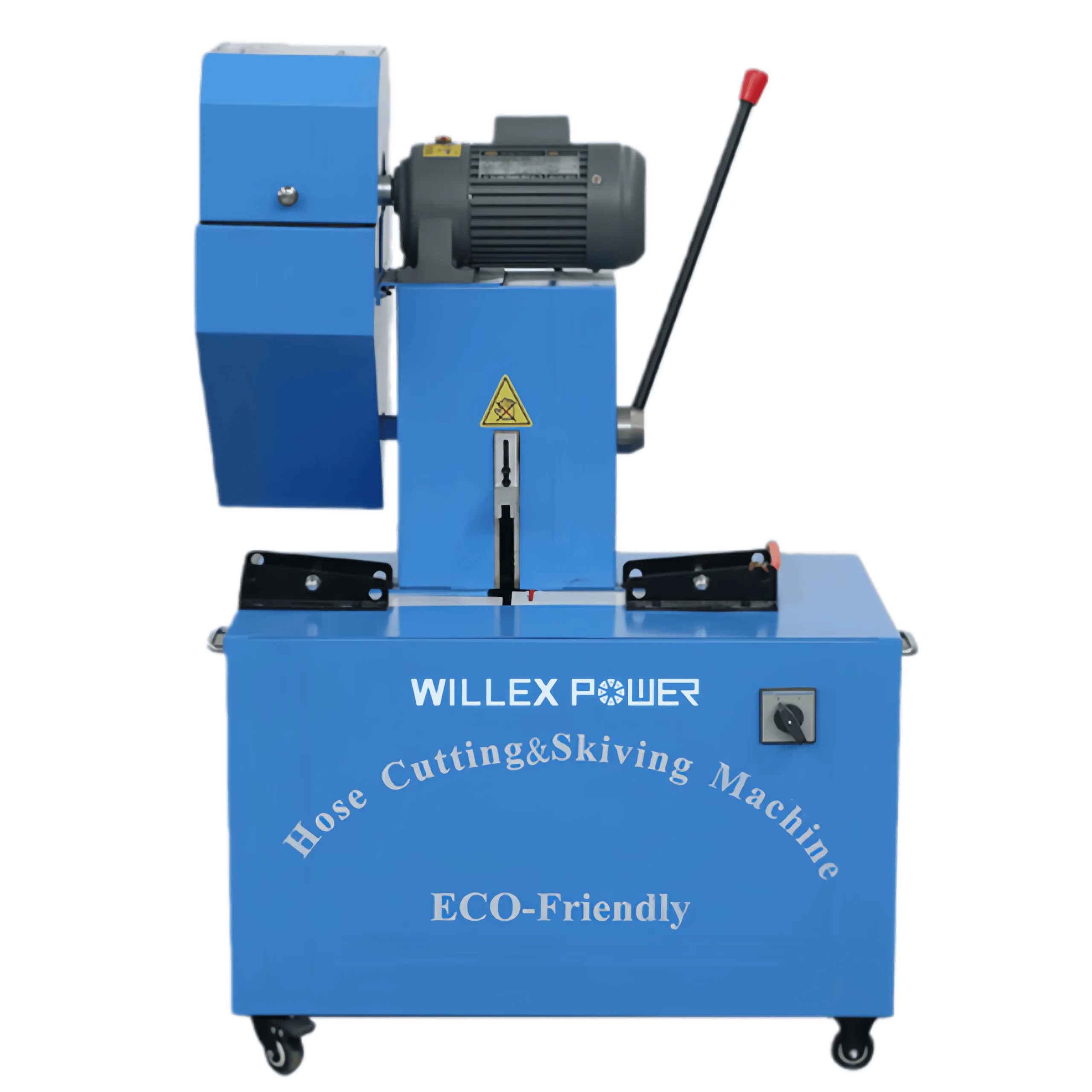
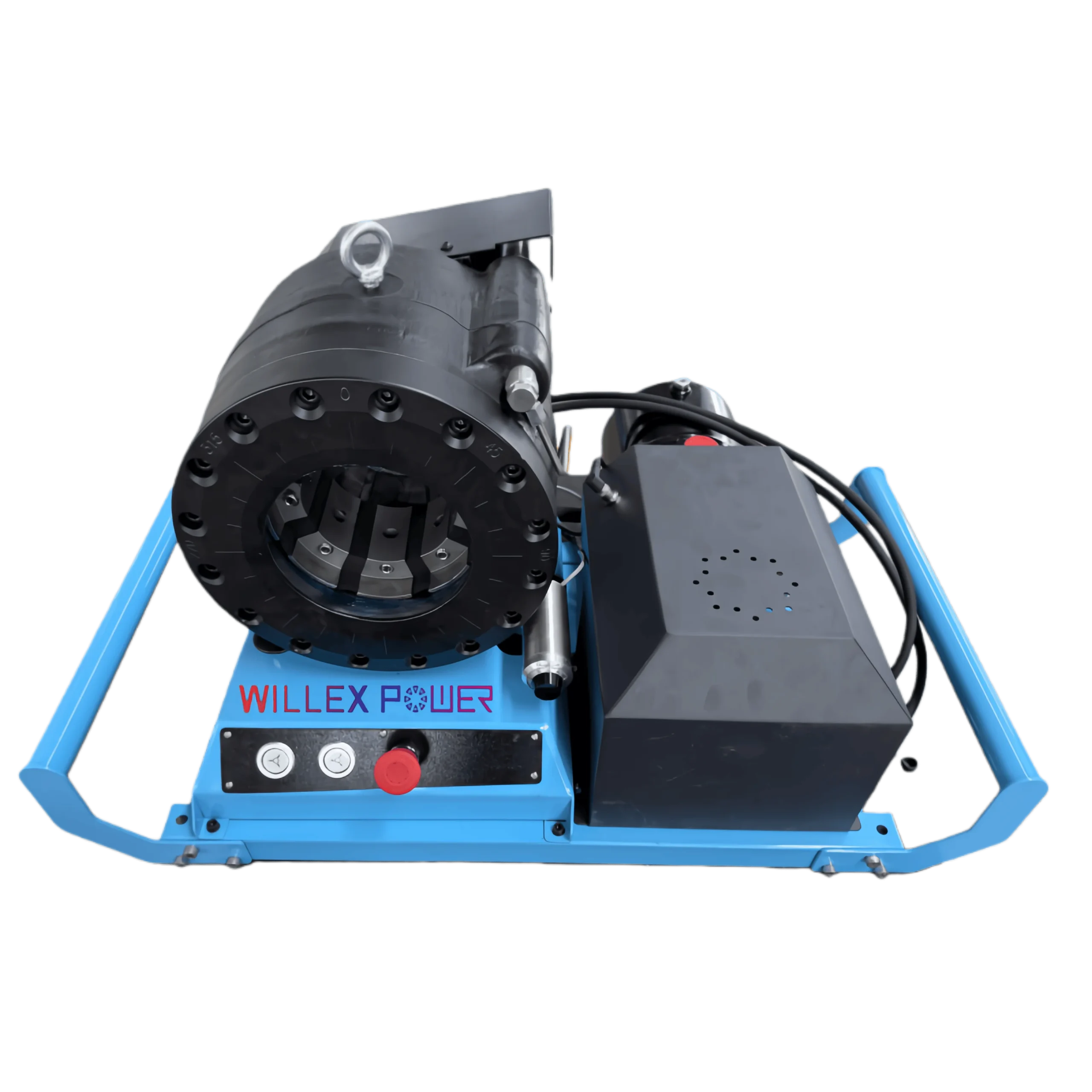
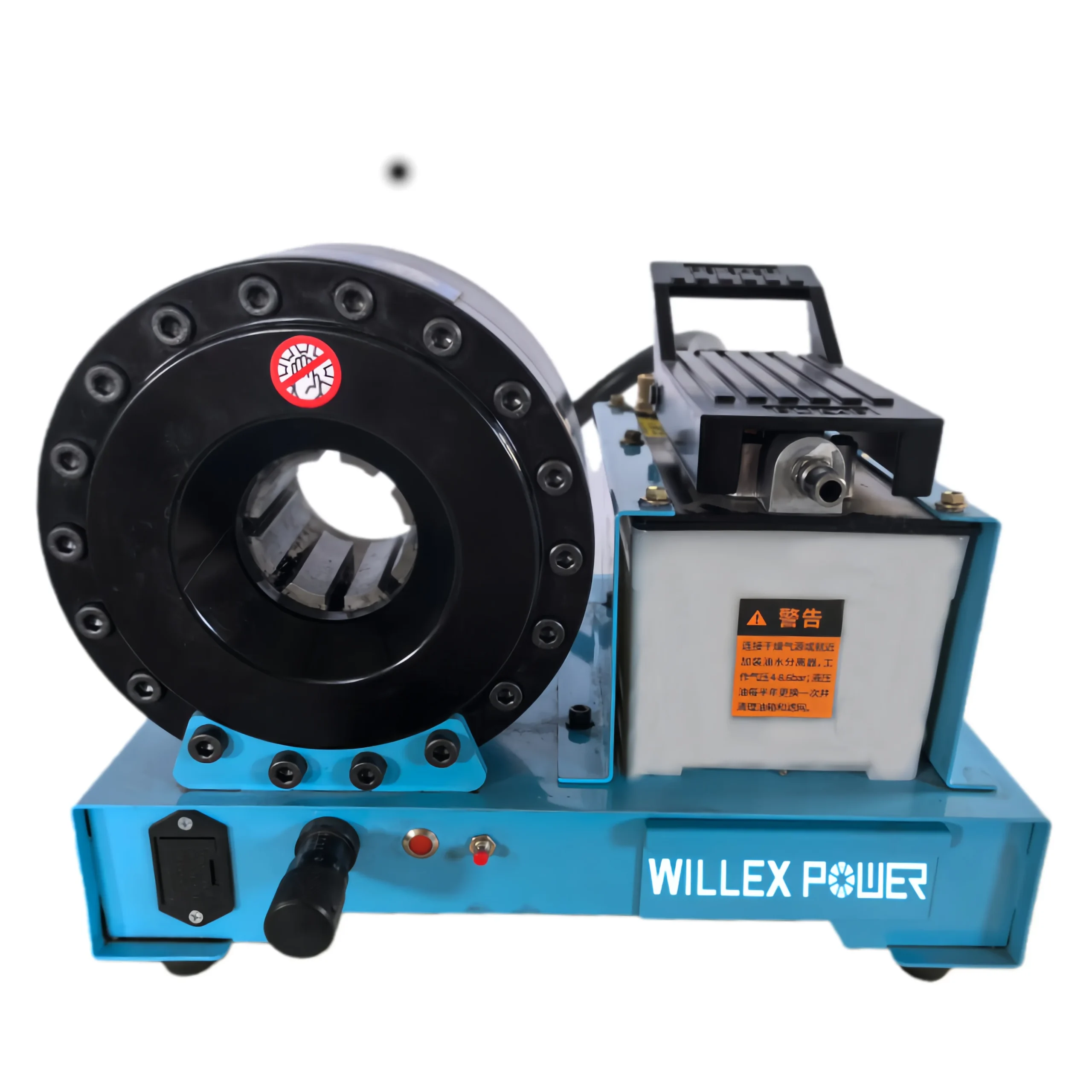
-20260121013914-scaled.webp "WILLEX POWER DZW-A10-1 Hose Crimping Machine")
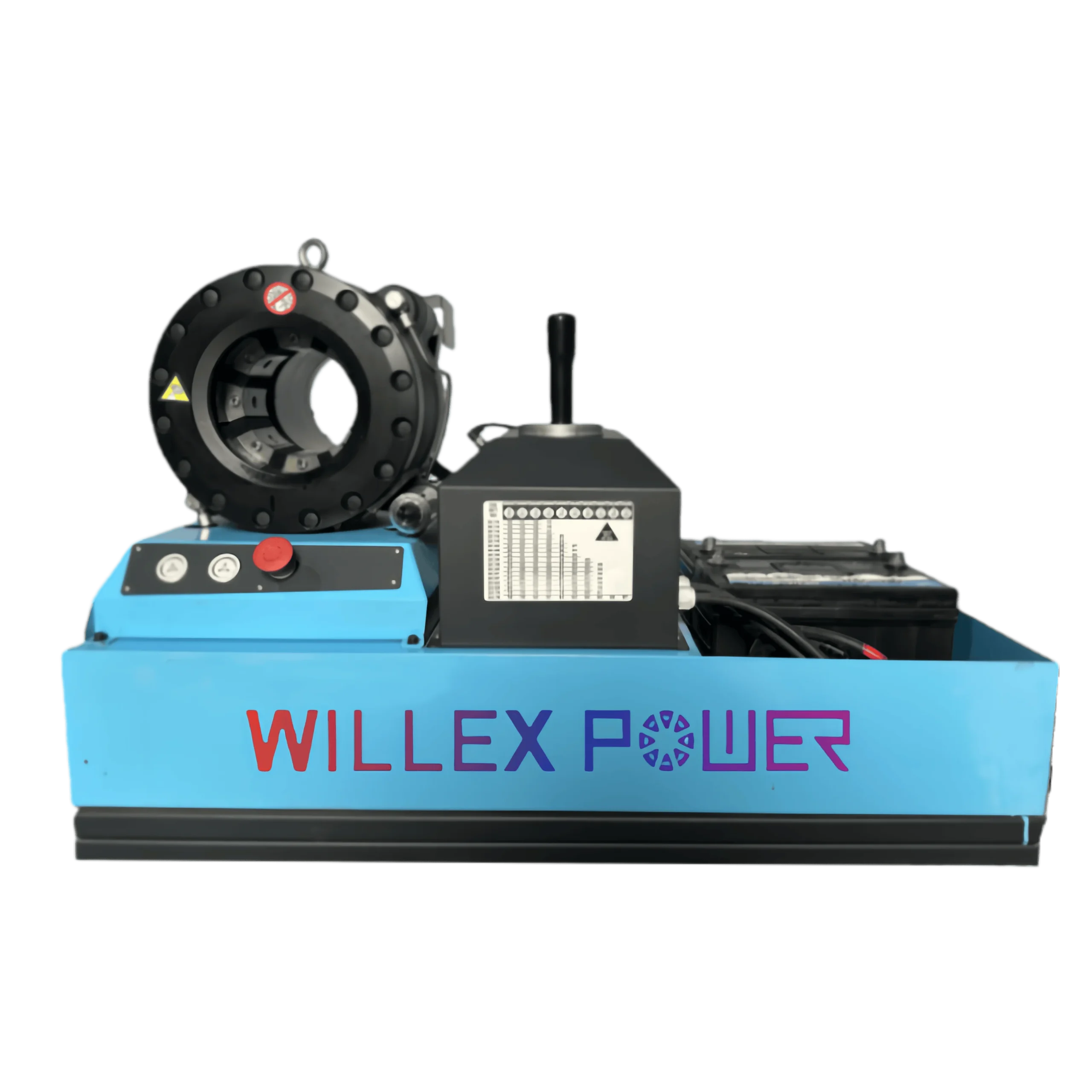
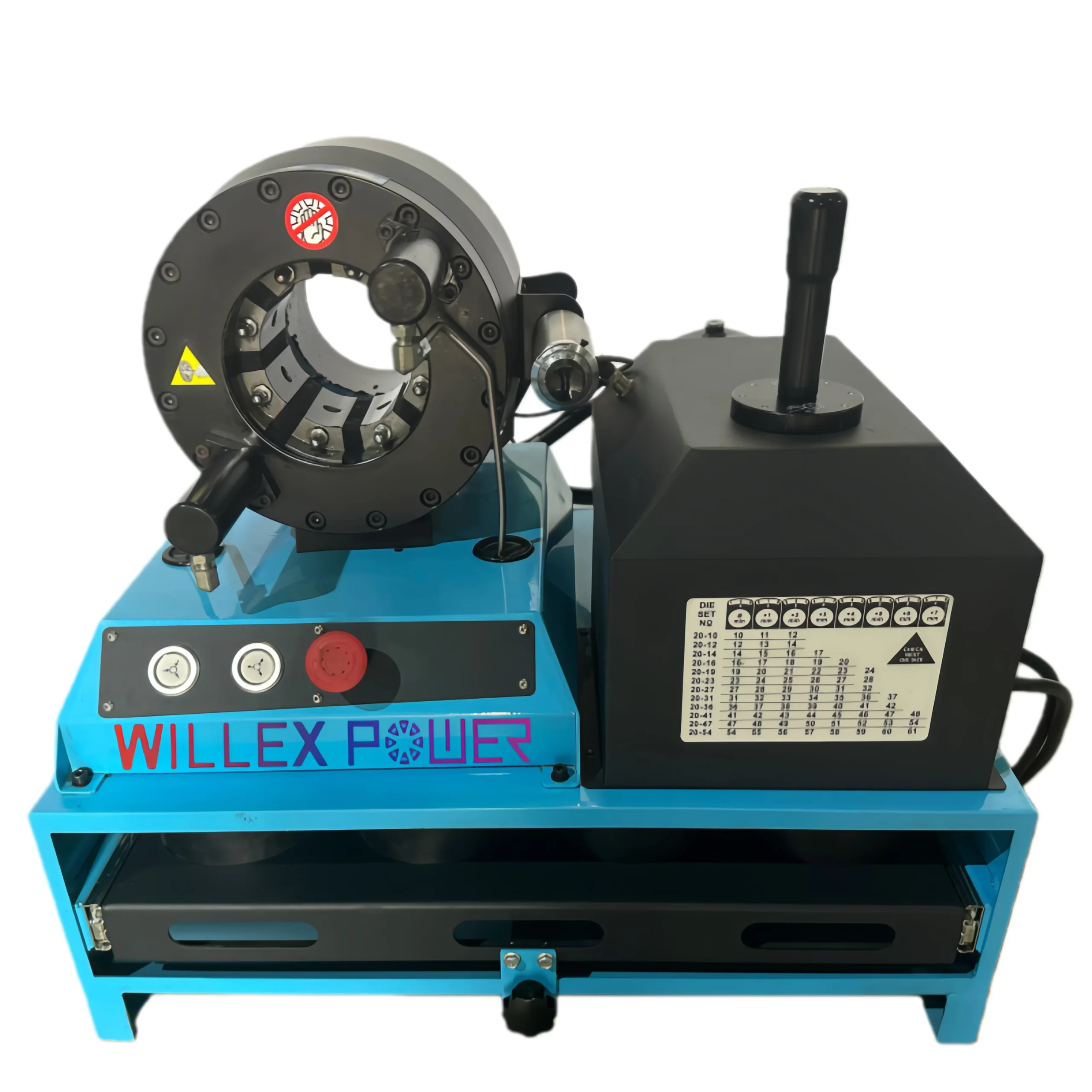
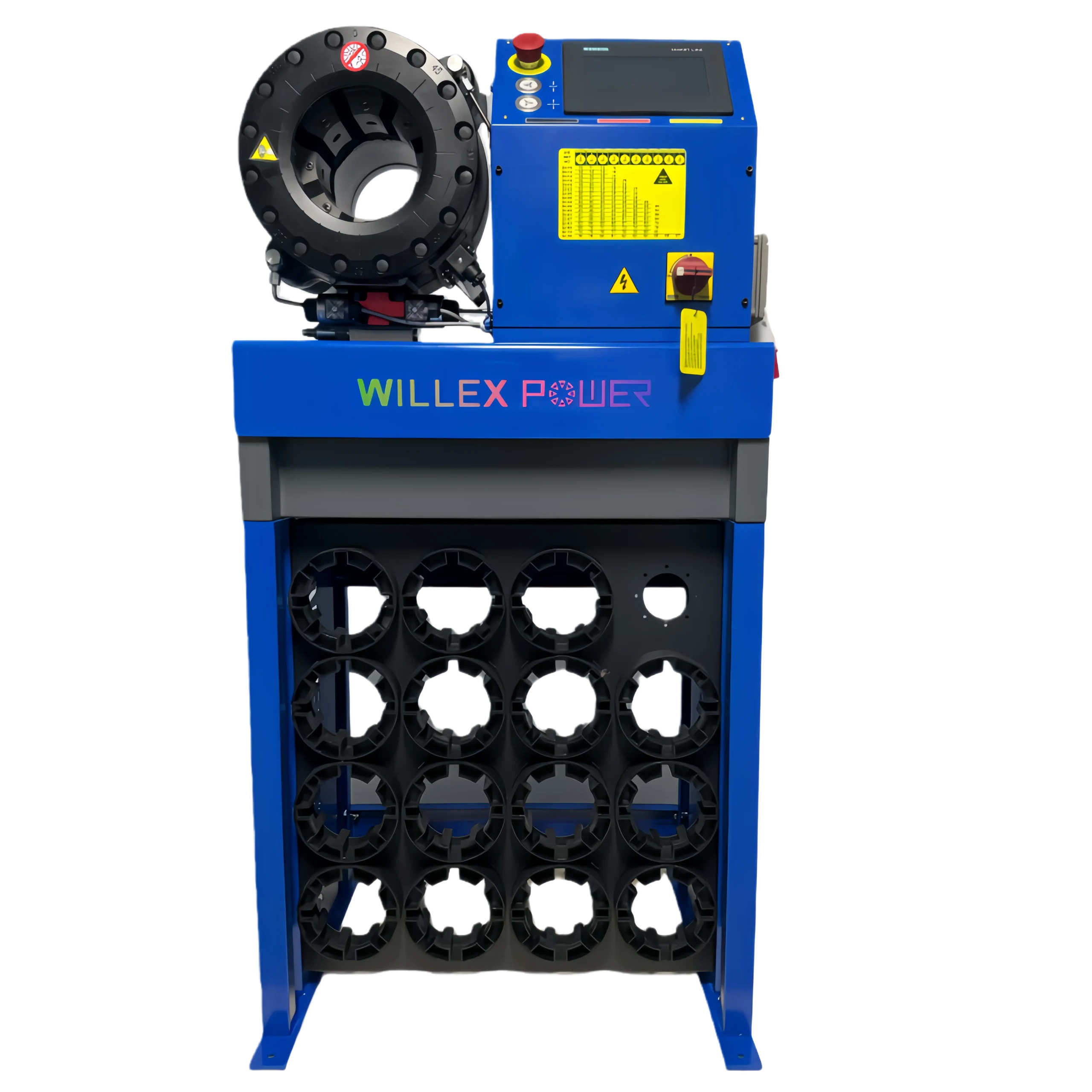
-20260121014427-scaled.webp "Hose Crimping Machine DZW-A10")
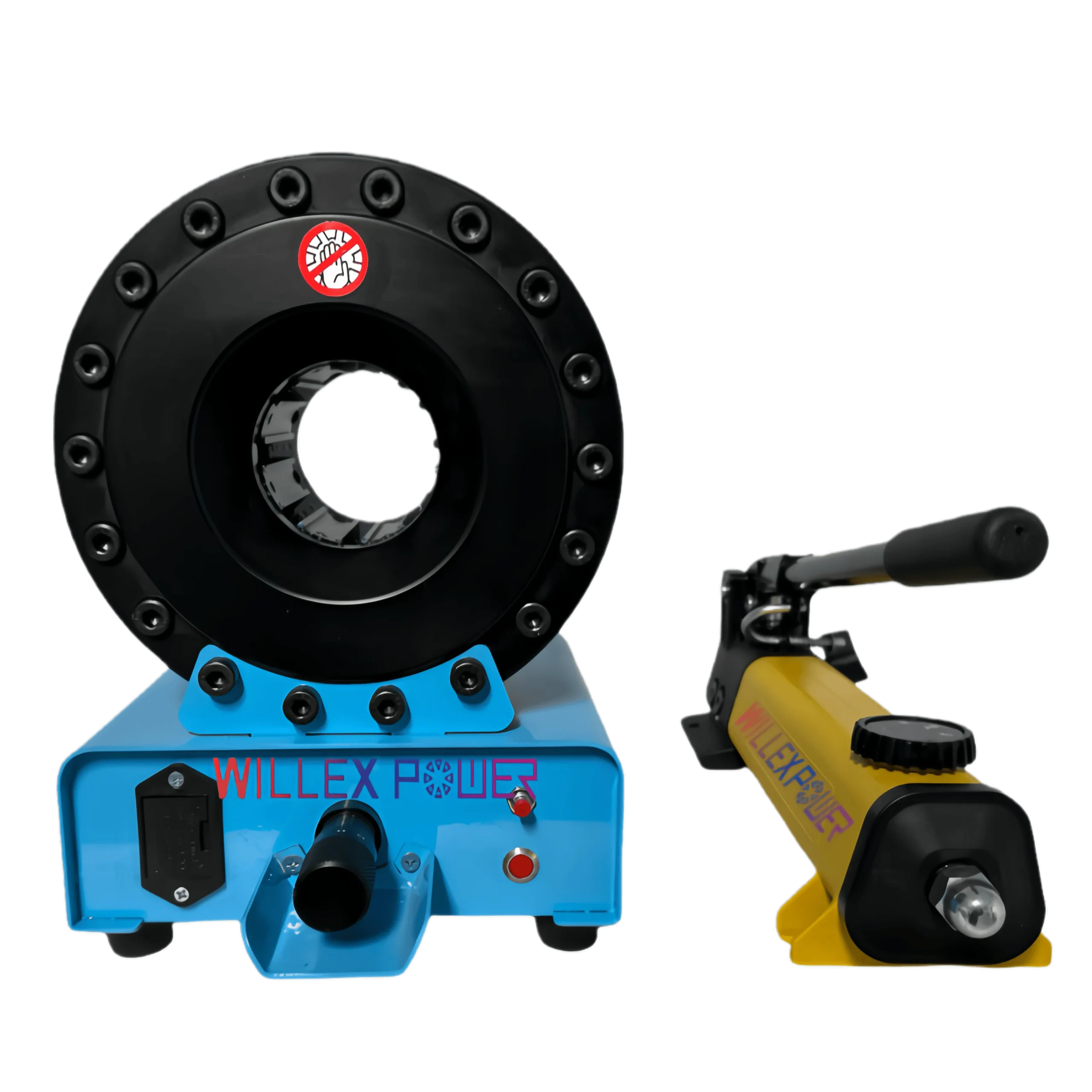
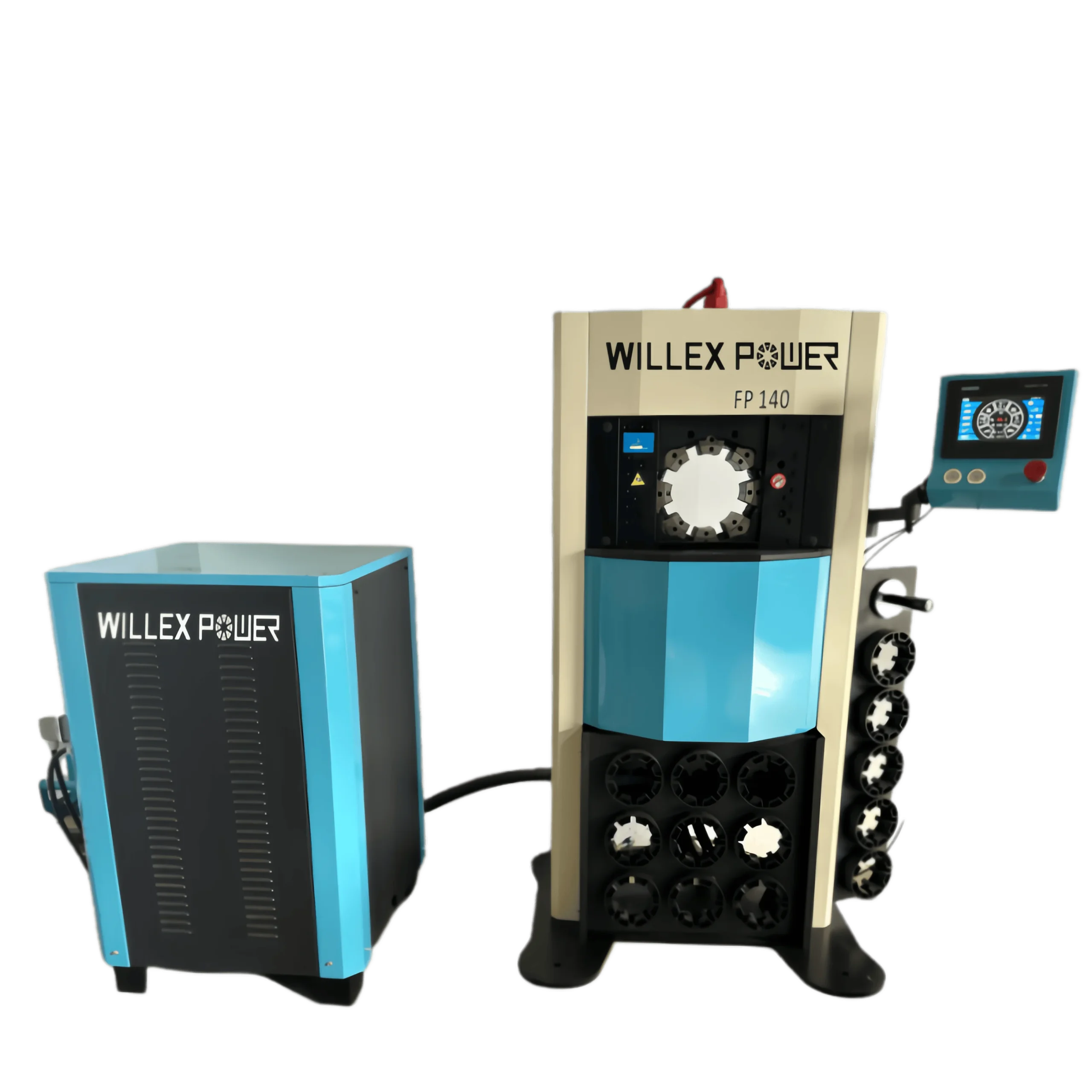
-20260121015636-scaled.webp "Hose Skiving Machine DZW-51BJ-M")
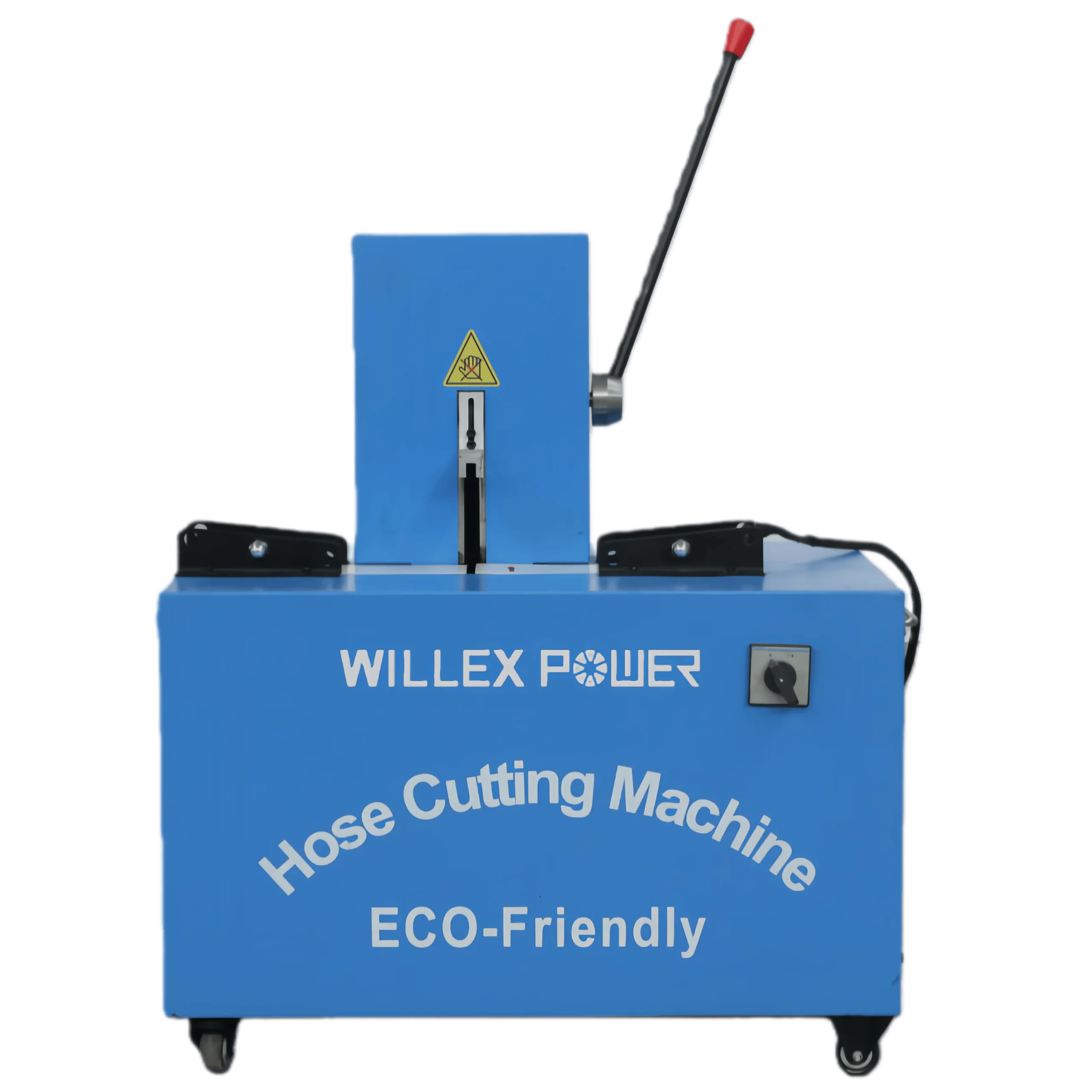
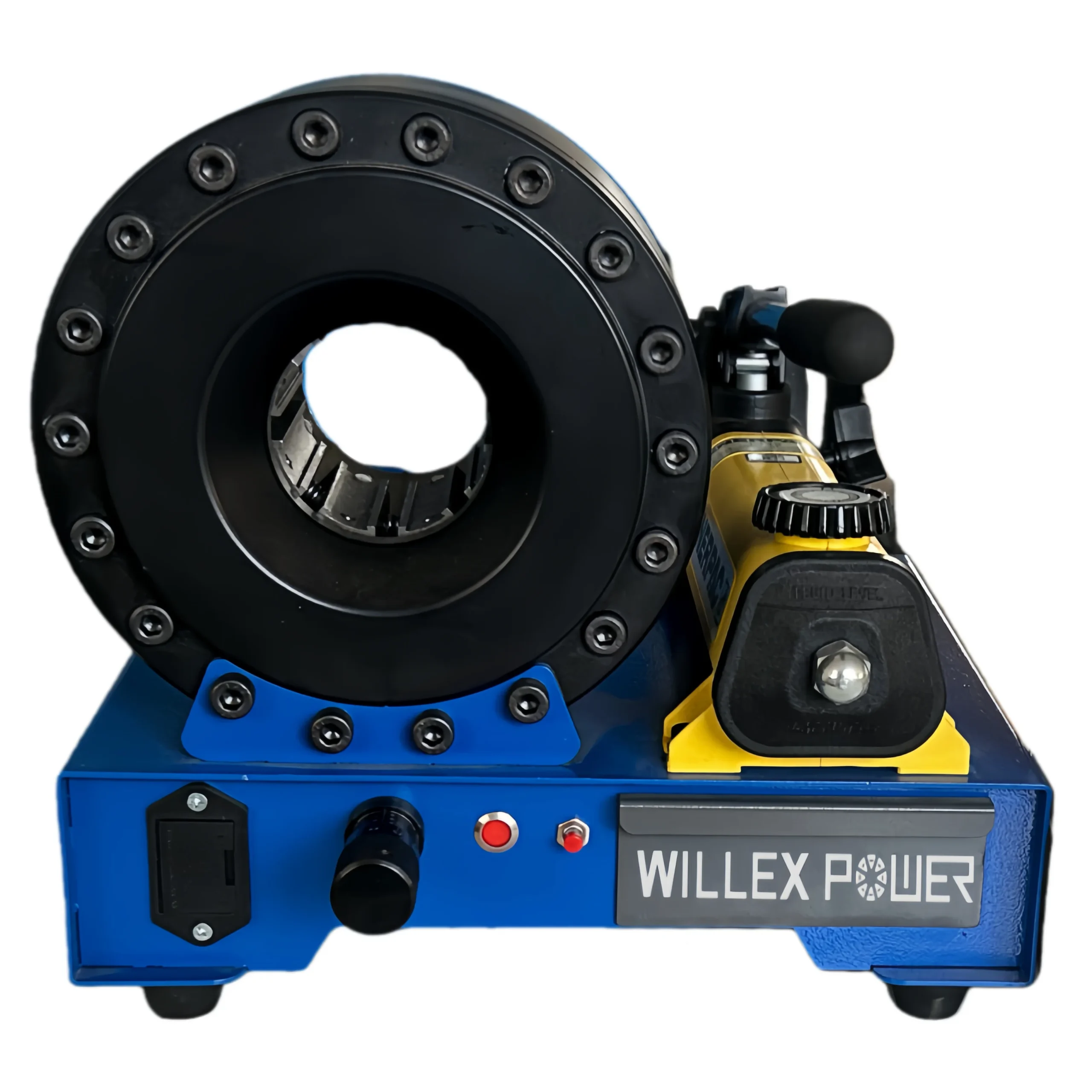
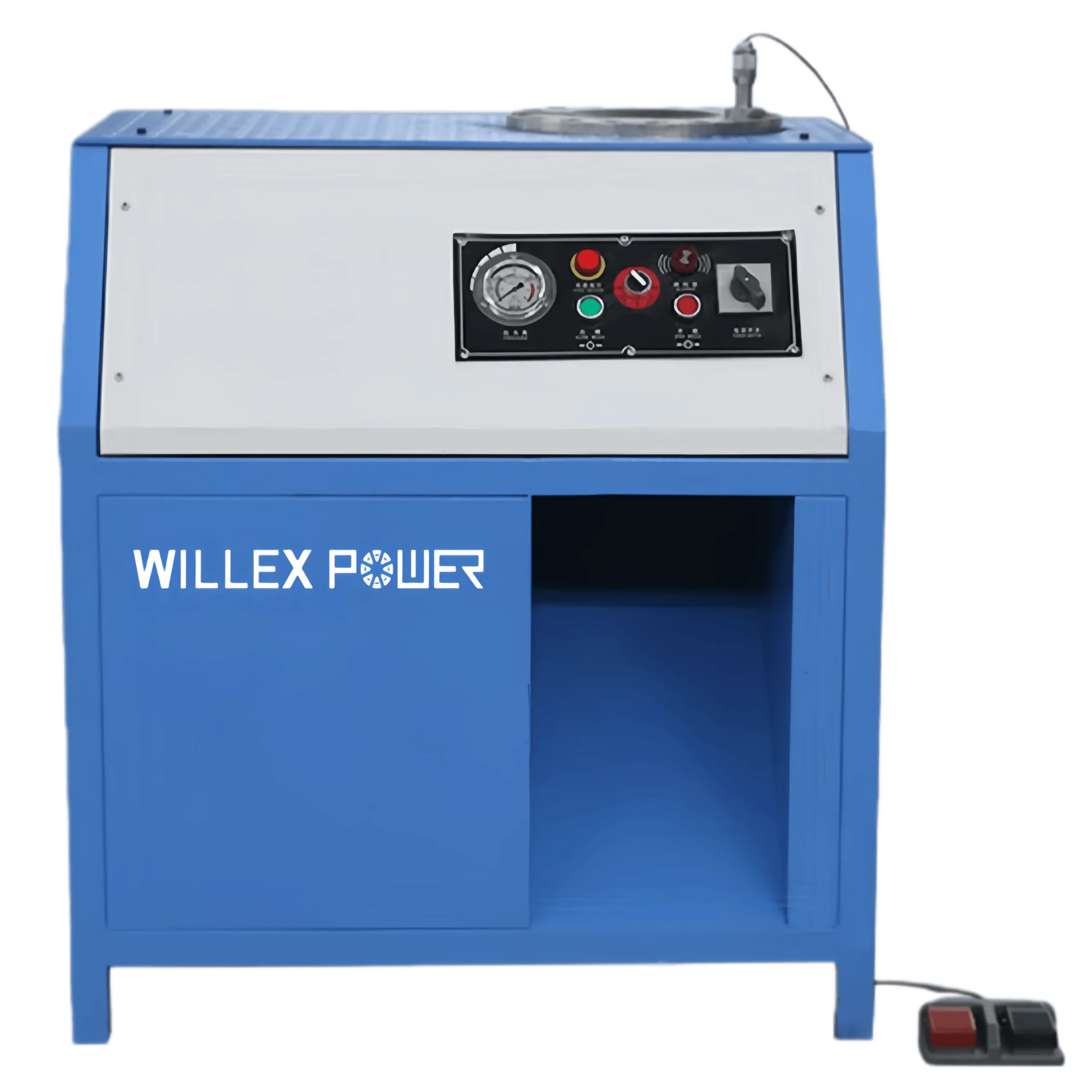
-20260121015753-scaled.webp "Hose Skiving Machine DZW-51BJ-C")
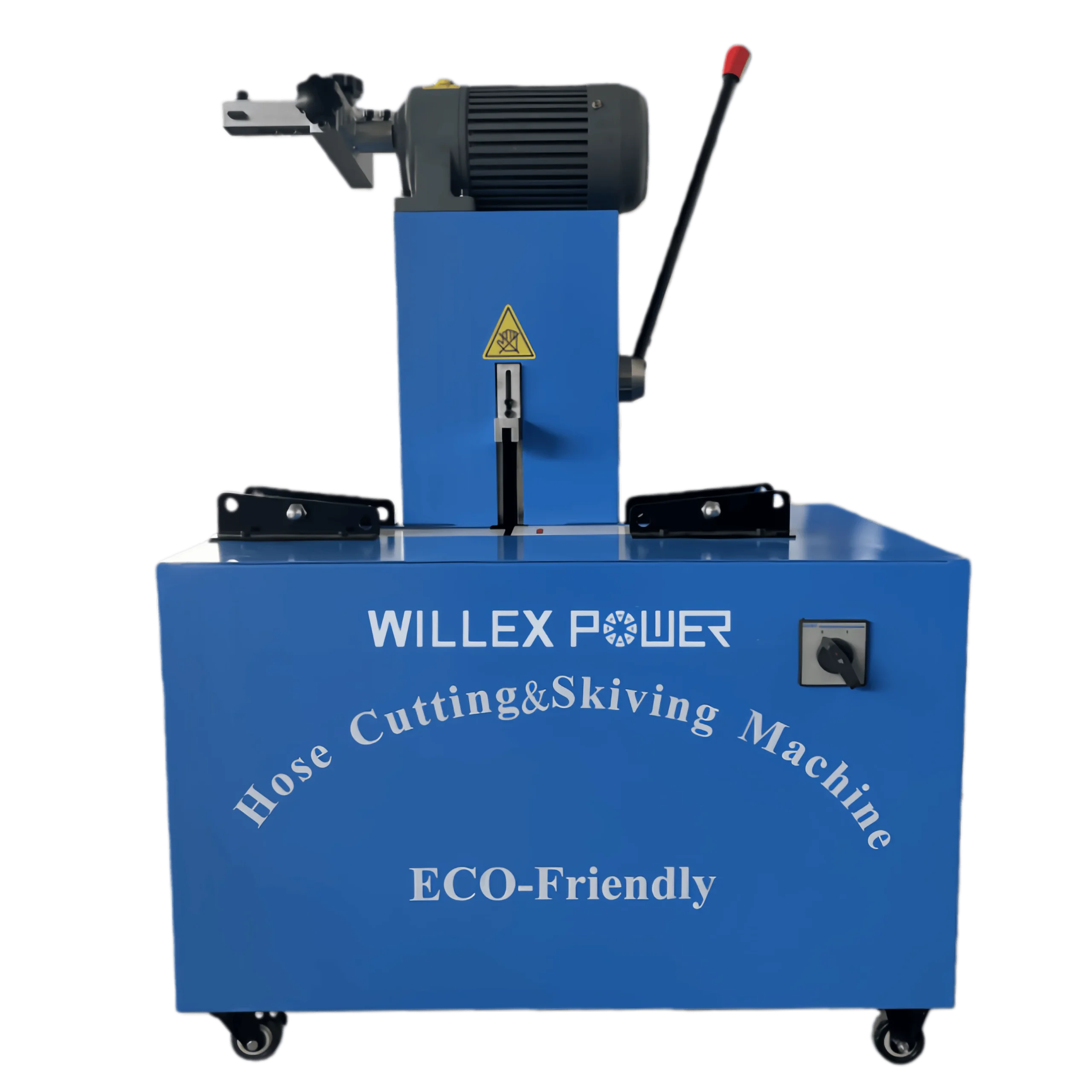
-20260121020311-scaled.webp "Hose Skiving Machine DZW-51BJ-E")