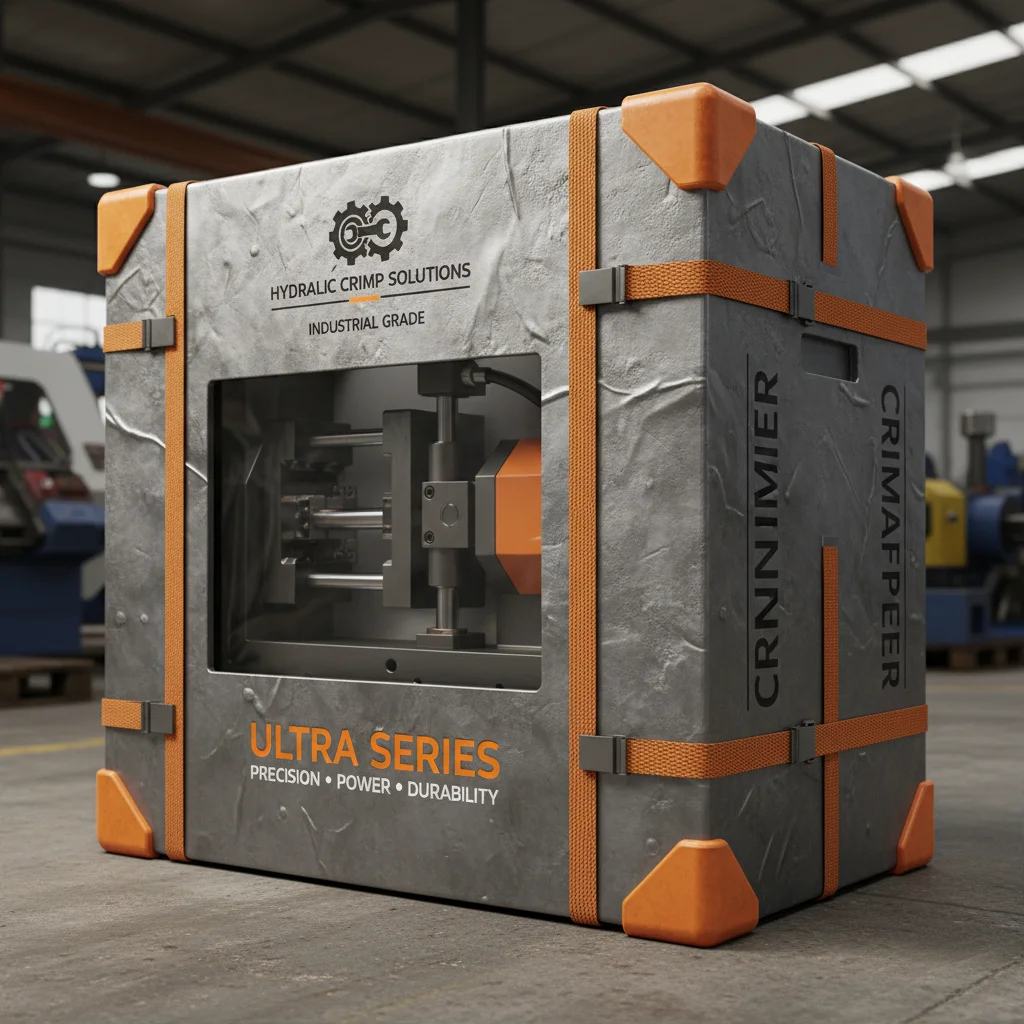
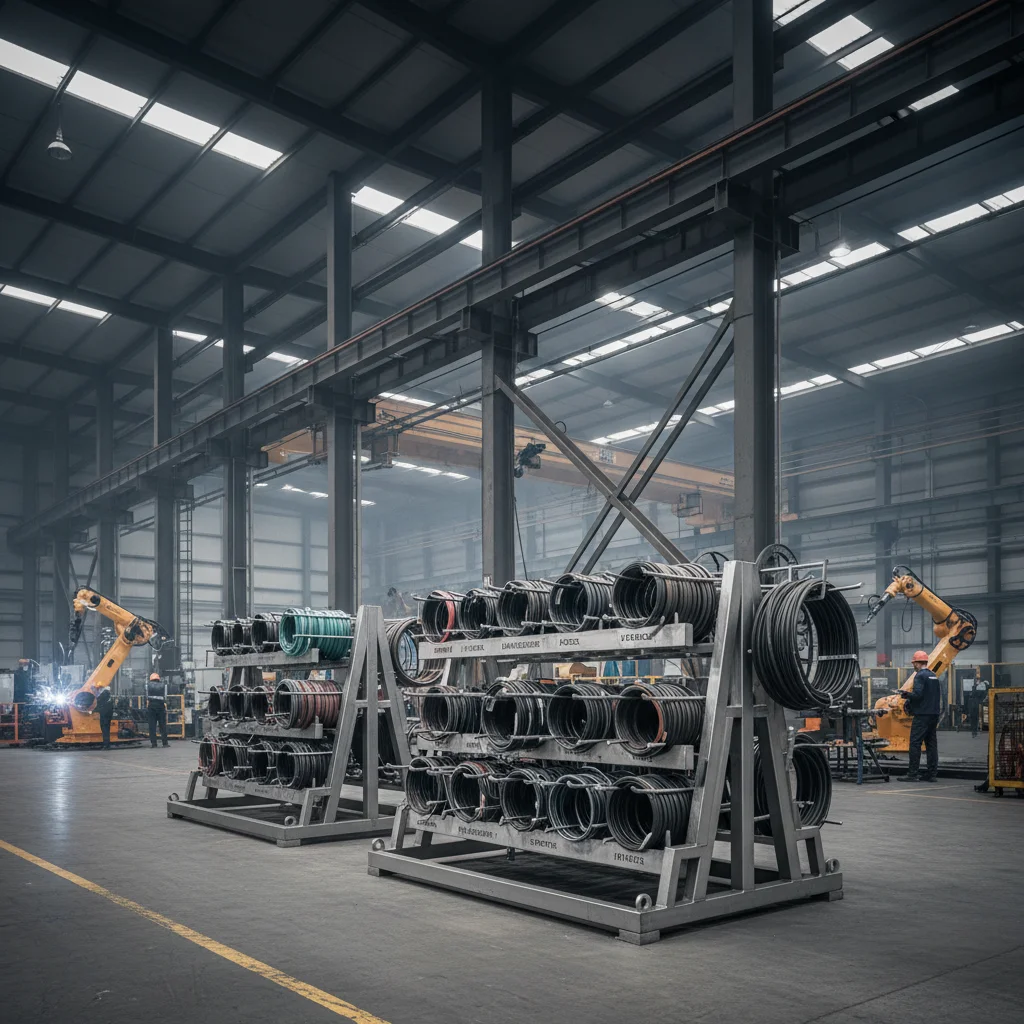
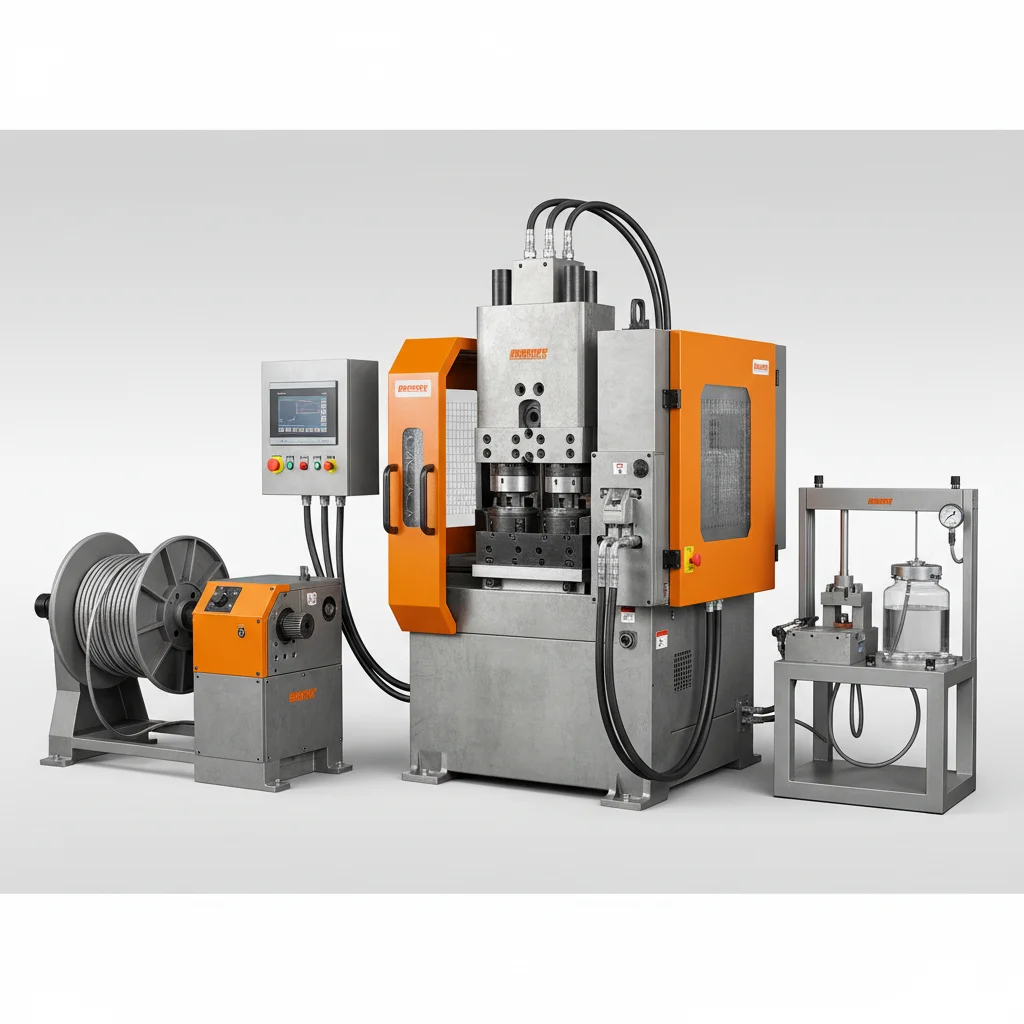
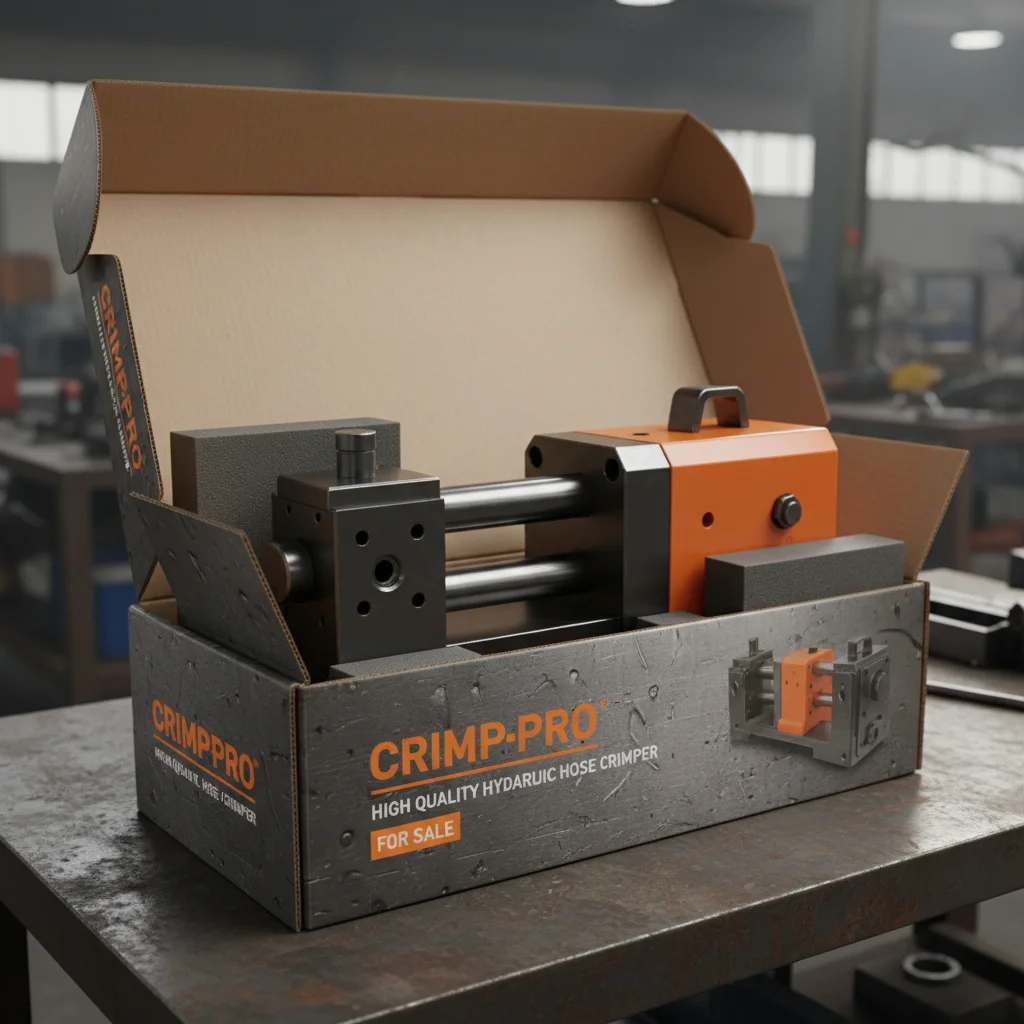
In the demanding world of industrial hydraulics, the integrity of a connection is the only thing standing between seamless operation and catastrophic system failure. A high-performance hose crimper serves as the critical link in this chain, ensuring that hydraulic fittings are permanently and securely bonded to high-pressure hoses. Whether in mining, metallurgy, or heavy machinery, the precision of the crimping process determines the safety and longevity of the entire fluid power system.
Globally, the demand for precision engineering in fluid transmission has surged as industries shift toward higher operating pressures and more extreme environments. Standardizing the assembly process through advanced hose crimper technology allows manufacturers to eliminate human error and meet stringent ISO safety standards. By converting mechanical force into a precise deformation of the fitting, these machines prevent leaks and blowout risks that could lead to expensive downtime or workplace injuries.
Understanding the nuances of crimping technology—from the selection of the right dies to the calibration of pressure settings—is essential for any facility managing its own hose assemblies. Investing in a professional-grade hose crimper not only improves production efficiency but also provides a level of reliability that manual or low-end tools simply cannot match, ultimately safeguarding the operational continuity of global industrial infrastructure.
The Industrial Significance of Hose Crimper Technology
In the global landscape of hydraulic manufacturing, the hose crimper is more than just a tool; it is a critical quality-assurance device. As industrial pressures exceed 600 bar in many mining and metallurgical applications, the margin for error in fitting attachment becomes non-existent. The ability to apply consistent, radial compression across the entire circumference of a fitting is what separates a professional assembly from a hazardous failure point.
The economic impact of utilizing a precision hose crimper is seen in the reduction of "leakage costs." According to industrial maintenance data, unplanned downtime due to hose failure can cost heavy industry operators thousands of dollars per hour. By implementing standardized crimping procedures, companies ensure that every hose assembly meets ISO 1436 or SAE standards, thereby maximizing the uptime of critical machinery in remote industrial zones.
Defining the Modern Hose Crimper and Its Mechanism
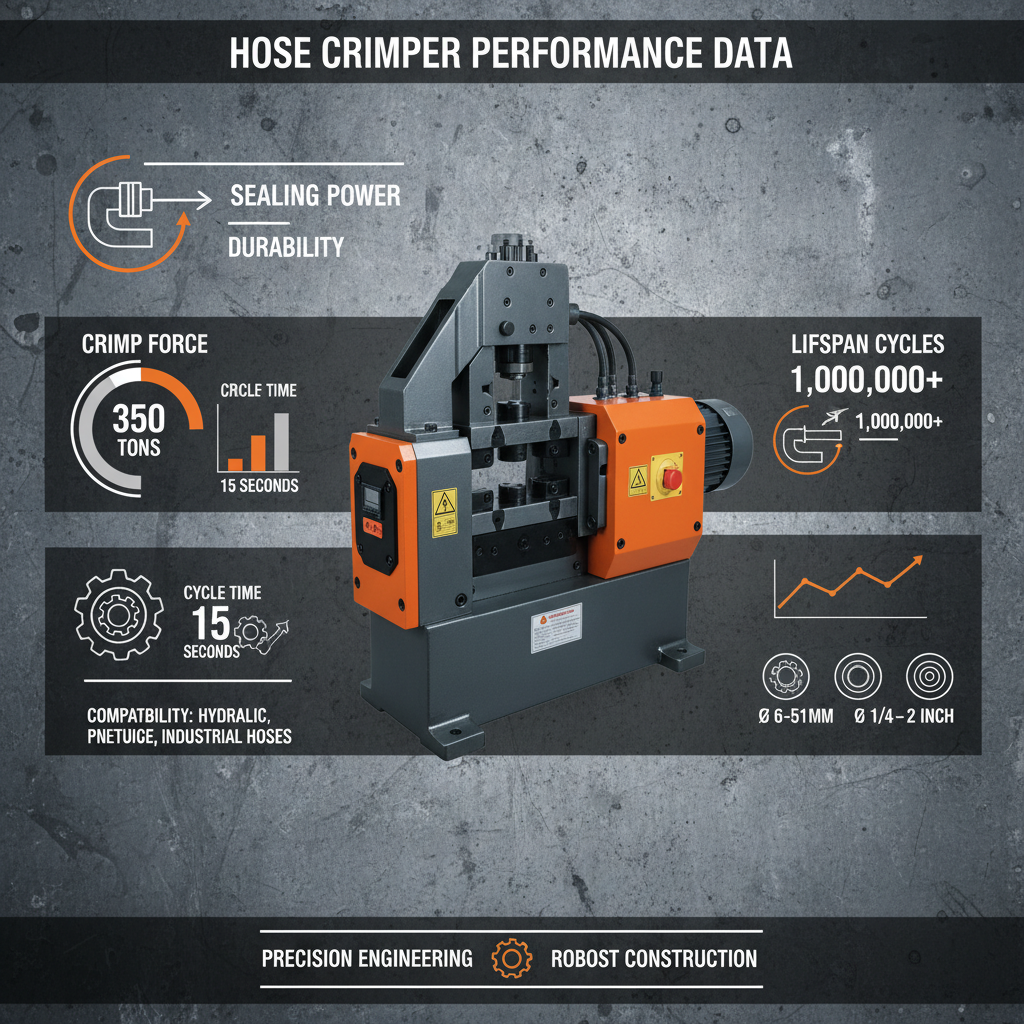
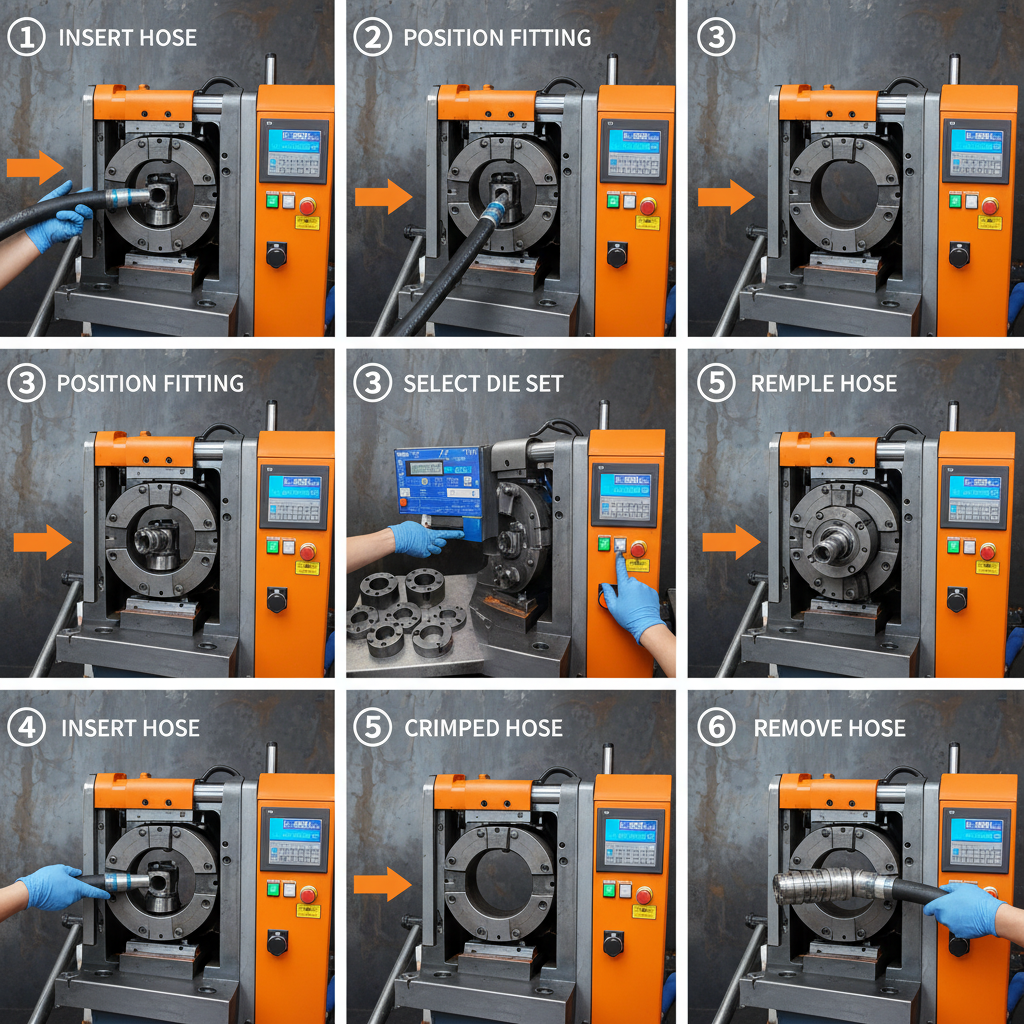
At its core, a hose crimper is a specialized hydraulic press designed to permanently deform a metal sleeve or fitting around a reinforced hose. This process creates a mechanical interlock between the hose's outer reinforcement layer and the fitting, preventing the hose from slipping out under extreme internal pressure. Modern machines utilize a set of precision-machined dies that collapse inward with immense force to achieve a specific "crimping diameter."
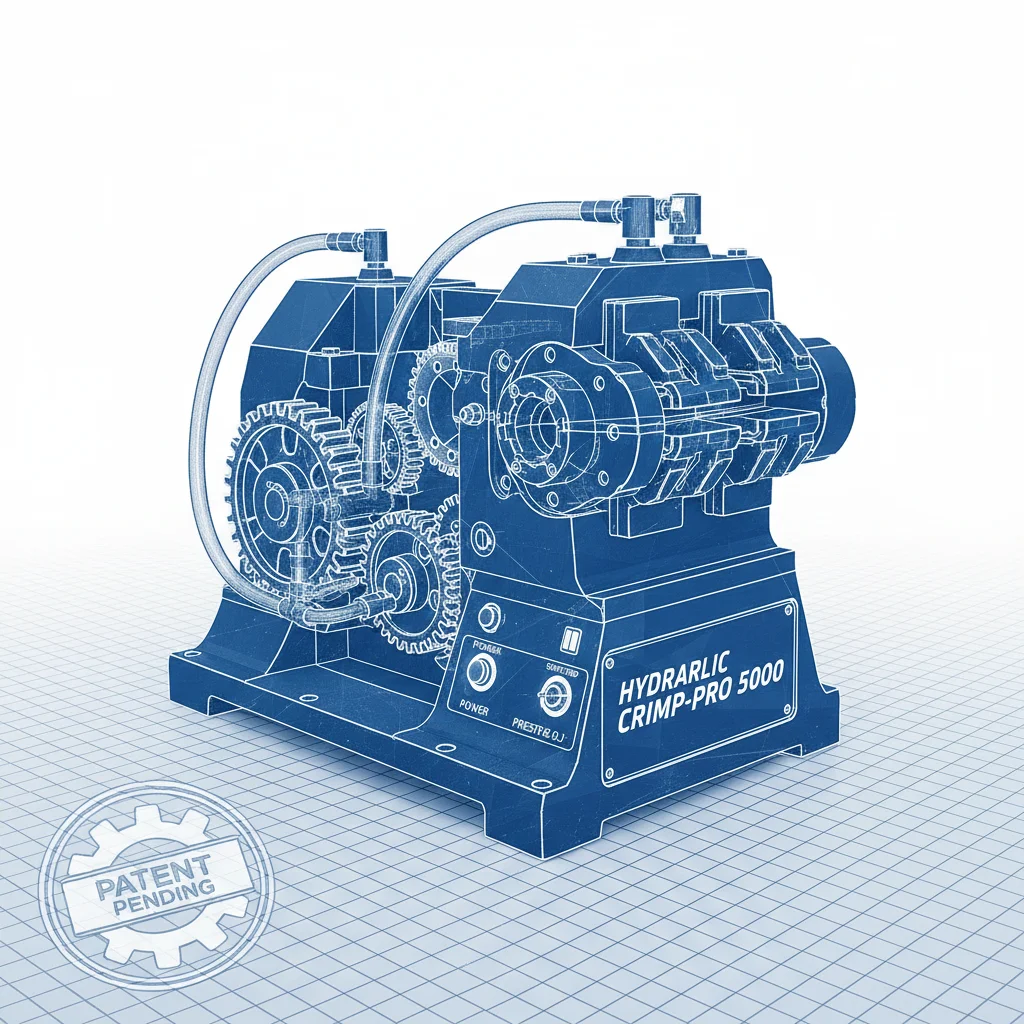
The mechanism typically involves a high-pressure hydraulic cylinder that drives a piston, which in turn pushes the dies toward the center of the machine. The sophistication of a contemporary hose crimper lies in its ability to control this movement with micron-level accuracy. Digital readouts and programmable controllers now allow operators to store specific settings for different hose types, ensuring that the same compression is applied every single time.
Beyond the simple act of pressing, the modern hose crimper integrates safety features such as emergency stops and pressure relief valves. This evolution from manual hand-crimpers to automated, PLC-controlled systems reflects the broader trend of "Industry 4.0," where data-driven precision replaces guesswork in the assembly of critical fluid power components.
Core Components for Maximum Crimping Precision
The heart of any hose crimper is the die set. These hardened steel rings are engineered to specific geometries to ensure the pressure is distributed evenly around the fitting. If a die is worn or incorrectly sized, it can lead to "under-crimping," where the hose blows out, or "over-crimping," where the hose reinforcement is crushed, compromising the structural integrity of the assembly.
Another vital element is the hydraulic power unit, which provides the raw force required by the hose crimper. The stability of the hydraulic pressure directly affects the consistency of the crimp. High-end machines utilize precision valves to ensure that the piston moves at a constant speed, preventing sudden shocks that could distort the fitting's shape.
Finally, the control system—whether it be a manual dial or a digital touchscreen—acts as the brain of the hose crimper. Modern digital interfaces allow for the integration of "recipes," where the operator simply selects the hose brand and size, and the machine automatically adjusts the crimping depth, drastically reducing the risk of human error.
Performance Metrics of Different Crimping Methods
Selecting the right hose crimper method depends on the volume of production and the required pressure rating of the hoses. Manual crimpers are suitable for low-volume field repairs, while semi-automatic and fully automatic machines are the standard for factory-level pre-assembly. The efficiency of these methods is usually measured by the cycle time and the variance in the final crimp diameter.
In professional settings, the focus shifts from mere speed to "repeatability." A high-quality hose crimper must be able to produce a thousand identical fittings without a single deviation outside of the tolerance range. This consistency is what allows engineers to calculate the safety factors of a hydraulic system with confidence.
Performance Comparison of Hose Crimper Technologies
Global Applications Across Heavy Industries
The application of a professional hose crimper spans every sector that relies on fluid power. In the mining industry, where massive excavators and haul trucks operate in abrasive environments, the reliability of hydraulic hoses is paramount. A single failed crimp on a steering cylinder can bring a million-dollar machine to a halt, making the use of high-precision crimping equipment a operational necessity.
Similarly, in the metallurgical and steel-making sectors, hoses must often withstand not only high pressure but also extreme heat. In these contexts, the hose crimper is used to assemble specialized heat-resistant hoses that power cooling systems and forging presses. From remote oil rigs in the North Sea to industrial zones in Southeast Asia, these machines ensure that the lifeblood of heavy industry—hydraulic fluid—stays exactly where it belongs.
Long-Term Value and Operational Reliability
Investing in a premium hose crimper yields long-term dividends in the form of safety and waste reduction. When fittings are crimped incorrectly, the entire hose assembly is often scrapped, leading to significant material waste. A precision machine minimizes these errors, ensuring that expensive high-pressure hoses are utilized to their full potential without the need for costly re-dos.
From a safety perspective, the value of a reliable hose crimper is immeasurable. Hydraulic injection injuries, caused by pinhole leaks in over-crimped or under-crimped hoses, are severe medical emergencies. By utilizing equipment that guarantees a uniform seal, companies protect their employees and reduce their liability, fostering a culture of safety and trust within the workshop.
Furthermore, the ability to perform in-house crimping reduces dependency on third-party suppliers. Instead of waiting days for a replacement hose to be shipped from a vendor, a facility equipped with its own hose crimper can fabricate a custom replacement in minutes. This agility is a competitive advantage that translates directly into higher productivity and lower operational risk.
Future Trends in Automated Crimping Systems
The future of the hose crimper is trending toward full integration with the Internet of Things (IoT). We are seeing the emergence of "smart crimpers" that can log every single crimp operation into a cloud database, recording the exact pressure and diameter for every serialized hose. This creates a digital birth certificate for every component, allowing for total traceability in highly regulated industries like aerospace and defense.
Automation is also evolving to include AI-driven quality inspection. Future hose crimper systems will likely incorporate laser scanning sensors that measure the fitting diameter in real-time, automatically adjusting the press if a deviation is detected. This closed-loop feedback system will virtually eliminate the possibility of defective assemblies leaving the factory floor.
Sustainability is another driving force, with a shift toward energy-efficient servo-hydraulic systems. Traditional hose crimper machines often run pumps continuously; however, new servo-driven models only consume power during the actual crimping stroke. This not only reduces the carbon footprint of the manufacturing process but also lowers noise levels in the workshop, improving the working environment.
Comparison of Hose Crimper Technical Specifications by Model Class
|
Model Category
|
Max Crimping Diameter
|
Control Accuracy
|
Typical Application
|
|
Light Duty (DZW-P16)
|
Up to 30mm
|
± 0.2mm
|
Small hydraulics/Lab
|
|
Mid-Range (DZW-P32)
|
Up to 60mm
|
± 0.1mm
|
General workshop repair
|
|
Heavy Duty (DZW-FP140)
|
Up to 140mm
|
± 0.05mm
|
Mining & Metallurgy
|
|
Industrial (DZW-EP120)
|
Up to 120mm
|
± 0.05mm
|
Factory assembly lines
|
|
Specialized (DZW-P51)
|
Up to 80mm
|
± 0.1mm
|
Custom industrial fittings
|
|
Compact (DZW-P20)
|
Up to 40mm
|
± 0.2mm
|
Mobile service vans
|
FAQS
Choosing the correct die depends on the hose's outer diameter and the fitting's specifications provided by the manufacturer. You must match the die's starting diameter to the fitting's outer diameter and ensure the final crimp diameter meets the specific tolerance for that hose brand. Using an incorrect die can lead to either hose slippage or permanent damage to the hose reinforcement.
A manual hose crimper relies on hand-operated leverage, which is suitable only for very small hoses and low-pressure applications. A hydraulic hose crimper uses a pump and cylinder to apply thousands of pounds of pressure uniformly around the fitting. Hydraulic systems are essential for high-pressure industrial hoses as they provide the consistency and force necessary to prevent blow-outs under load.
For high-volume industrial environments, calibration should be performed every 6 to 12 months, or whenever a new set of dies is introduced. Regular calibration ensures that the digital readouts match the actual physical compression of the fitting. Using a digital caliper to verify the "final crimp diameter" on a test piece daily is also a recommended best practice.
Yes, provided you have the corresponding die sets. While the machine itself provides the force, the dies determine the shape and size of the crimp. Since different brands (like Gates, Parker, or Eaton) have different fitting designs and crimp specifications, you will need a diverse library of dies to accommodate various brands on a single machine.
Slippage is usually caused by "under-crimping," where the die did not compress the fitting enough to bite into the hose reinforcement. This can be due to incorrect machine settings, a worn-out die, or using the wrong die for the hose type. It can also happen if the hose was not fully inserted into the fitting before the crimping process began.
Absolutely. Digital crimpers eliminate the guesswork associated with manual dials. They allow for precise, repeatable settings and often include memory functions for different hose sizes. This drastically reduces human error and increases the speed of assembly, making them the superior choice for any professional shop prioritizing safety and efficiency.
Conclusion
The role of a high-precision hose crimper in modern industry cannot be overstated. From ensuring the safety of personnel in high-pressure environments to reducing the astronomical costs of unplanned downtime, the right crimping technology is a cornerstone of operational reliability. By integrating precise die sets, robust hydraulic power, and intelligent control systems, businesses can transition from reactive repairs to a proactive, standardized assembly process.
Looking ahead, the shift toward IoT-enabled and automated crimping systems will further refine the quality of hydraulic assemblies, making "zero-defect" production a reality. For any company operating in the metallurgy, mining, or general machinery sectors, upgrading to a professional-grade hose crimper is not just a tool purchase—it is a strategic investment in safety, efficiency, and long-term industrial resilience. Visit our website for more information: www.willexcrimper.com