Wholesale Rubber Hose Cutting Machine: Essential Guide & Industry Insights
Wholesale Rubber Hose Cutting Machine: What It Is and Why It Matters
Rubber hoses play a vital role in countless industries — from automotive systems and manufacturing plants to agriculture and construction equipment. But the efficient production of these hoses requires precision, speed, and durability in cutting processes. That's where the wholesale rubber hose cutting machine steps in as a uniquely valuable piece of equipment.
Understanding this machine's capabilities means more than just optimizing factory output; it’s also about ensuring quality, cost-effectiveness, and sustainability in global supply chains. Whether you’re running a large-scale manufacturing operation or sourcing hoses for a humanitarian project, knowing the nuances of these machines can make all the difference.
Introduction: The Global Context of Rubber Hose Cutting Technology
According to recent industry analyses and research from organizations such as the ISO, the global demand for rubber hoses is steadily climbing due to booming sectors like oil and gas, agriculture, and manufacturing. However, the cutting process has often been a bottleneck — largely reliant on manual labor or outdated machines prone to errors and waste.
This challenge not only impacts production costs but also environmental footprint and supply chain reliability. Given that the World Bank has highlighted increased efficiency and automation as key drivers for emerging economies, it’s no wonder automated or wholesale rubber hose cutting machines are becoming standard in factories worldwide.
What Is a Wholesale Rubber Hose Cutting Machine?
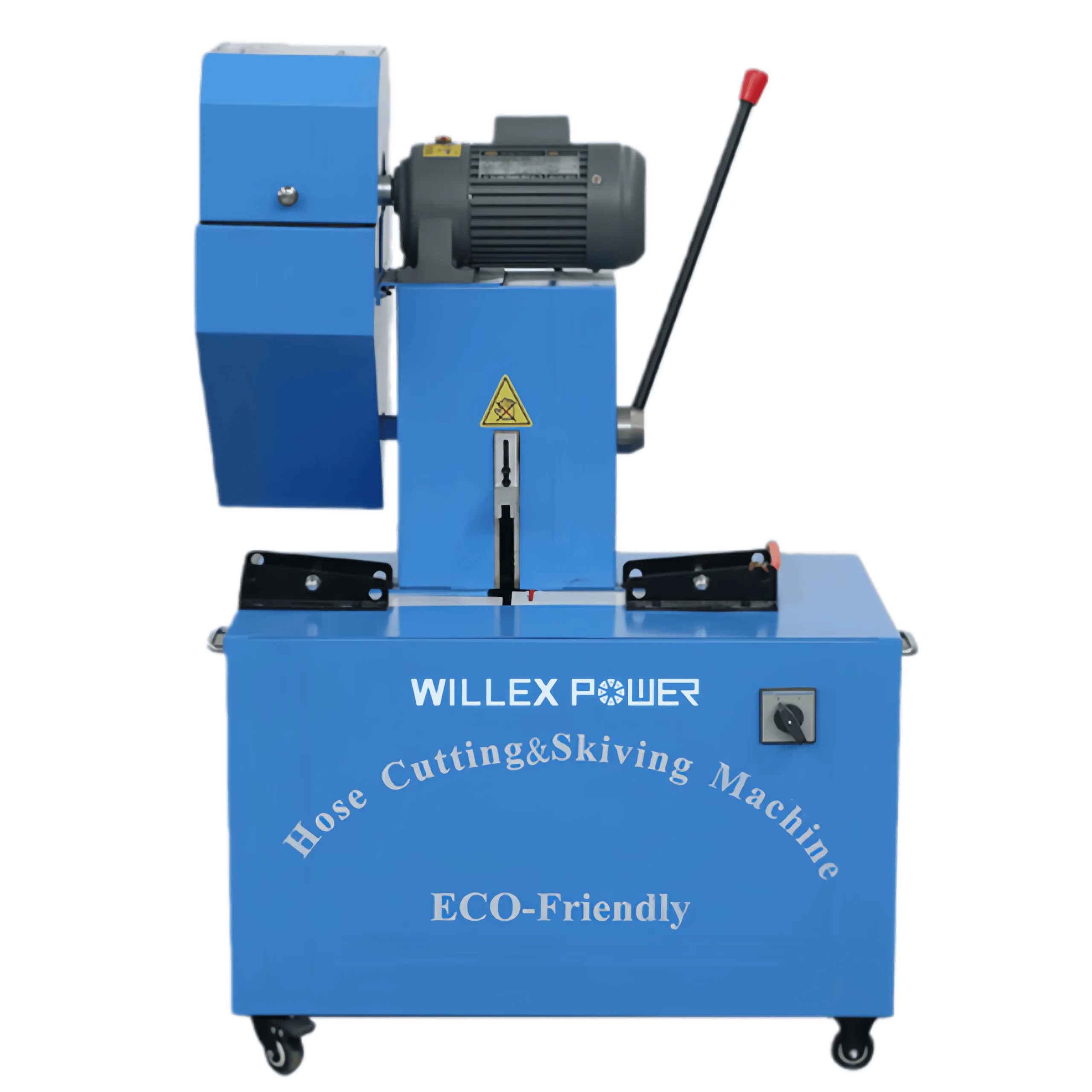
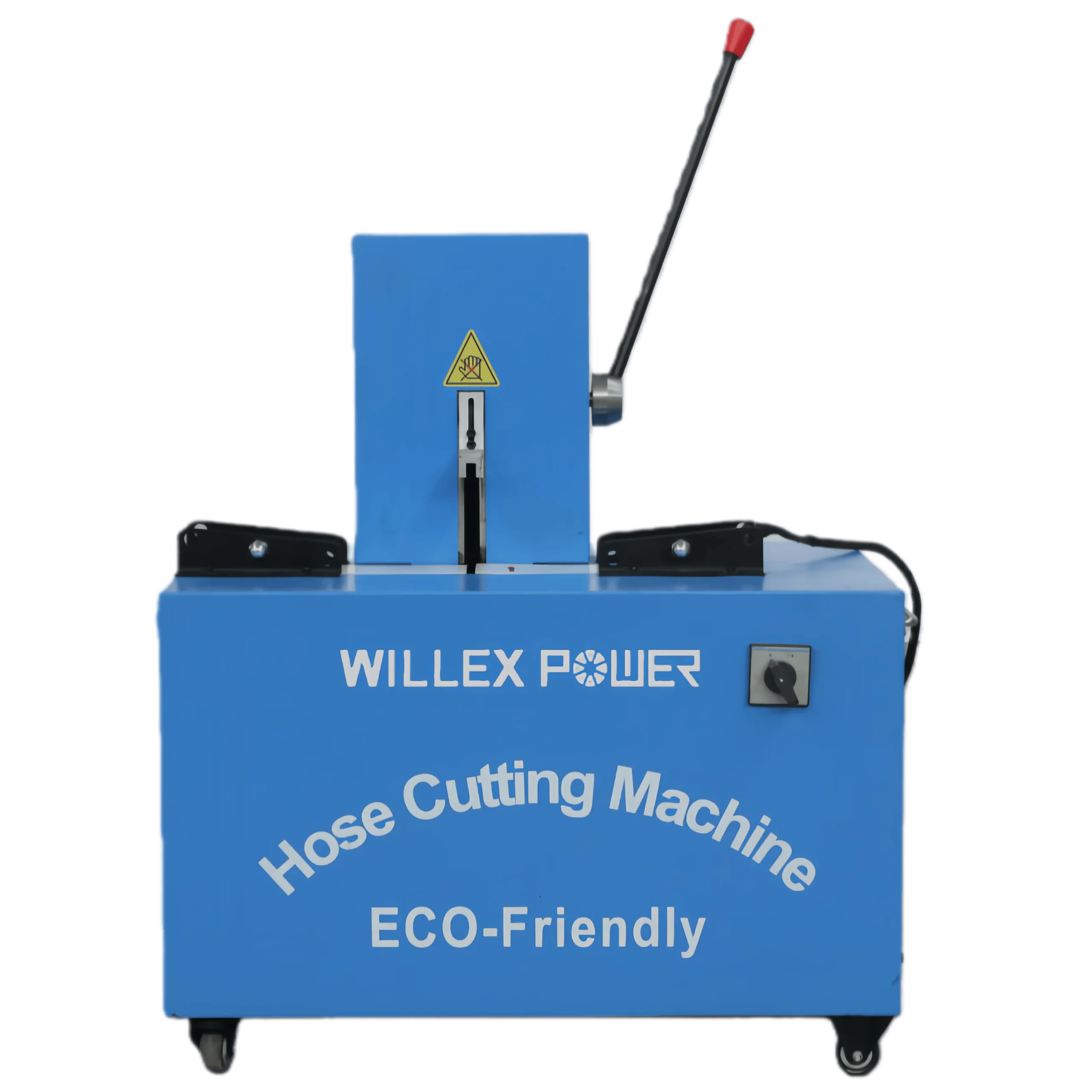
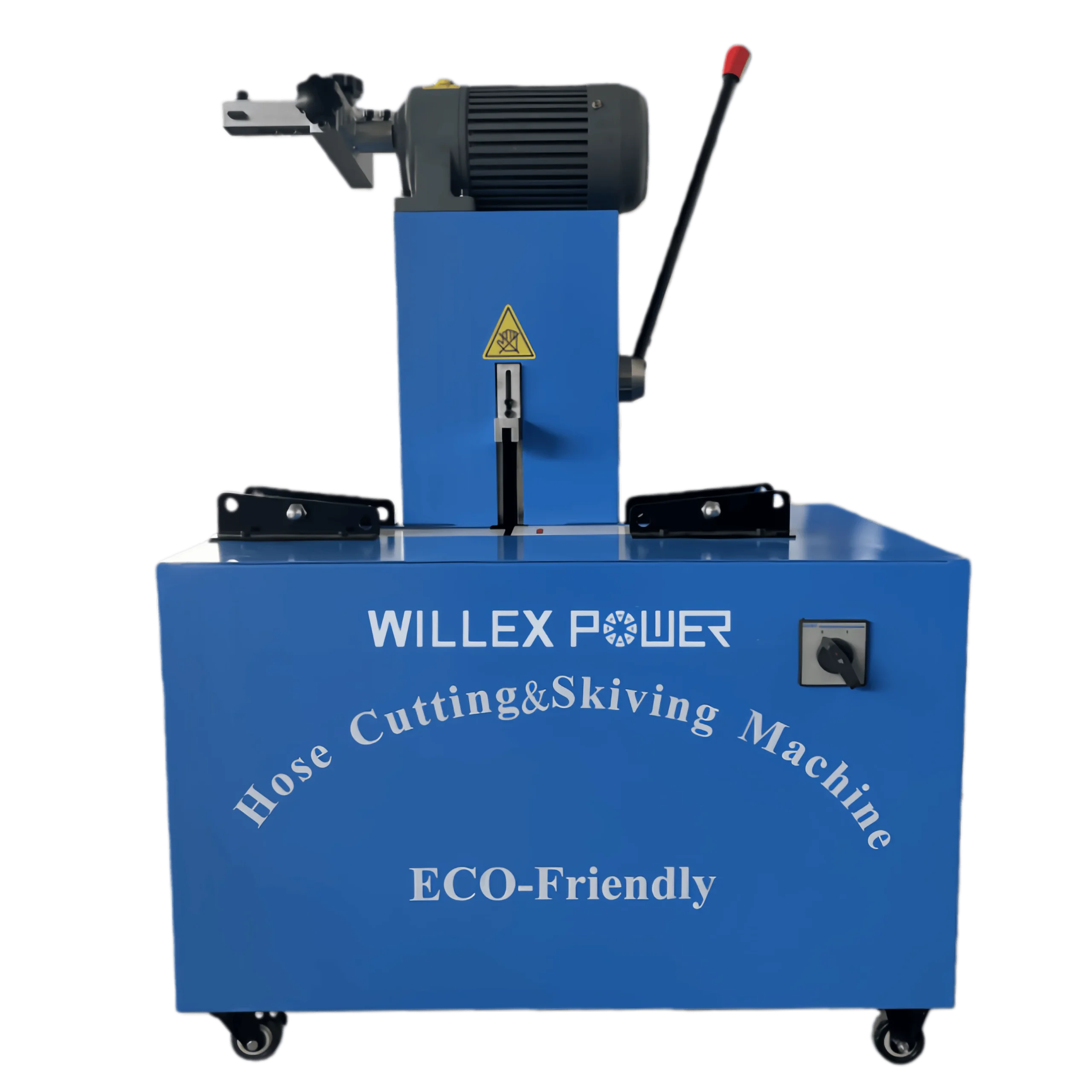
Put simply, a wholesale rubber hose cutting machine is an industrial-grade device designed to cut rubber hoses to precise lengths quickly and uniformly at scale. Unlike handheld cutting tools, these machines offer repeatable accuracy, reduce human error, and drastically speed up the workflow.
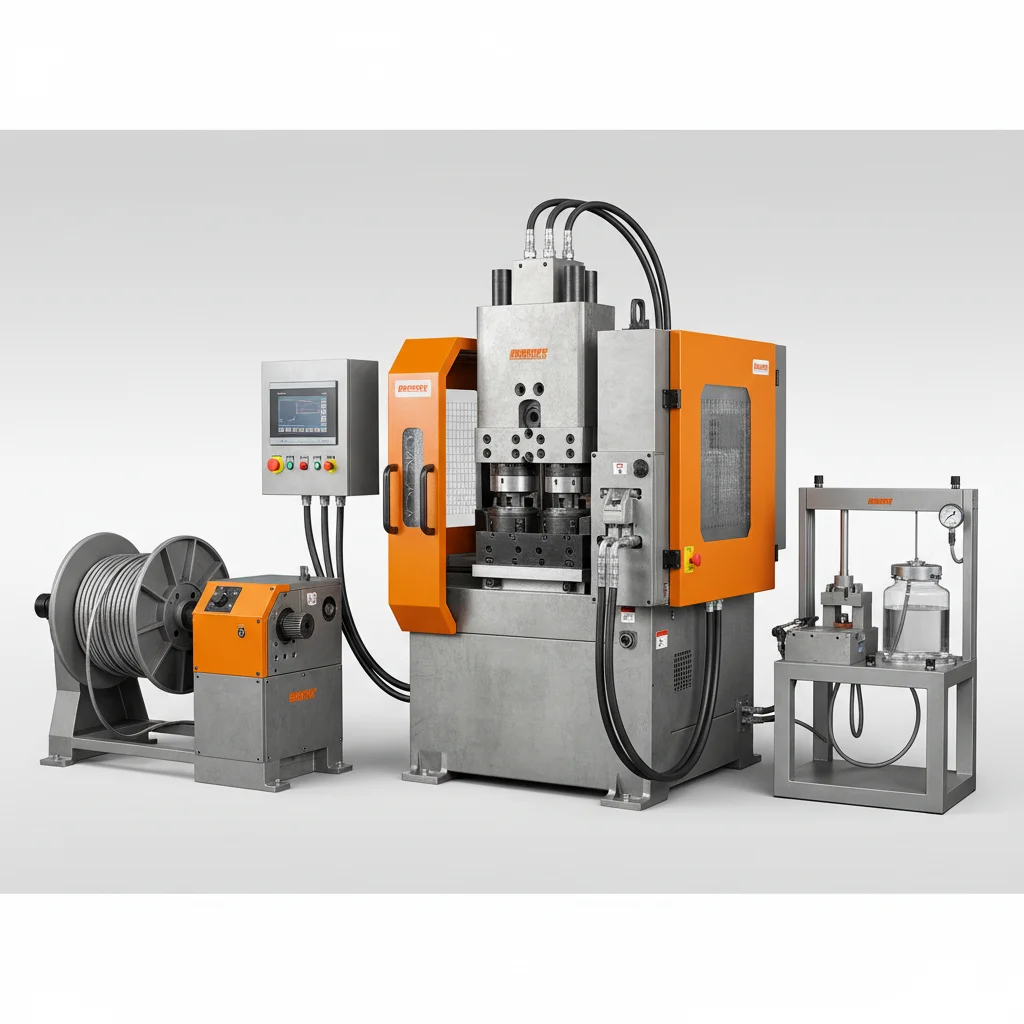
They integrate well with modern production lines and meet industry standards for safety and hygiene. More interestingly, these machines support diverse applications — from manufacturing large volumes for automotive brake lines to creating custom hose lengths needed for disaster relief shelters or medical equipment.
Core Components and Key Features
1. Cutting Precision and Speed
High-quality cutting blades coupled with computerized control systems enable these machines to cut accurately — down to millimeters — with minimal waste. Speeds often range from 20 to 60 cuts per minute, a quantum leap compared to manual methods.
2. Durability and Materials
Most machines feature blades made from tungsten steel or carbide alloys, offering extended life cycles even under continuous usage. The frame is typically constructed from heavy-duty steel or aluminum alloy to withstand vibration and ensure longevity.
3. Automated Controls and Scalability
With programmable logic controllers (PLCs), these machines allow for batch processing, length variation, and integration into larger production systems. This scalability means manufacturers can adapt to fluctuating demands without significant downtime.
4. Safety and Ergonomics
Safety guards, emergency stops, and ergonomic designs reduce workplace injuries and fatigue, which is crucial for meeting ISO 45001 occupational health standards.
5. Maintenance and Support
Most vendors now provide modular designs and straightforward maintenance routines, often with remote diagnostics — a big plus for factories in remote industrial zones.
Typical Product Specifications
| Feature | Specification | Detail |
|---|---|---|
| Cutting Speed | 20-60 cuts/min | Varies by model and hose thickness |
| Hose Diameter | 5mm-80mm | Adjustable depending on machine size |
| Cut Length Accuracy | ±1mm | Ensures uniform hose pieces |
| Power Supply | 220/380V, 50/60Hz | Single-phase or three-phase options |
| Weight | 150-500kg | Model dependent |
Global Applications and Use Cases
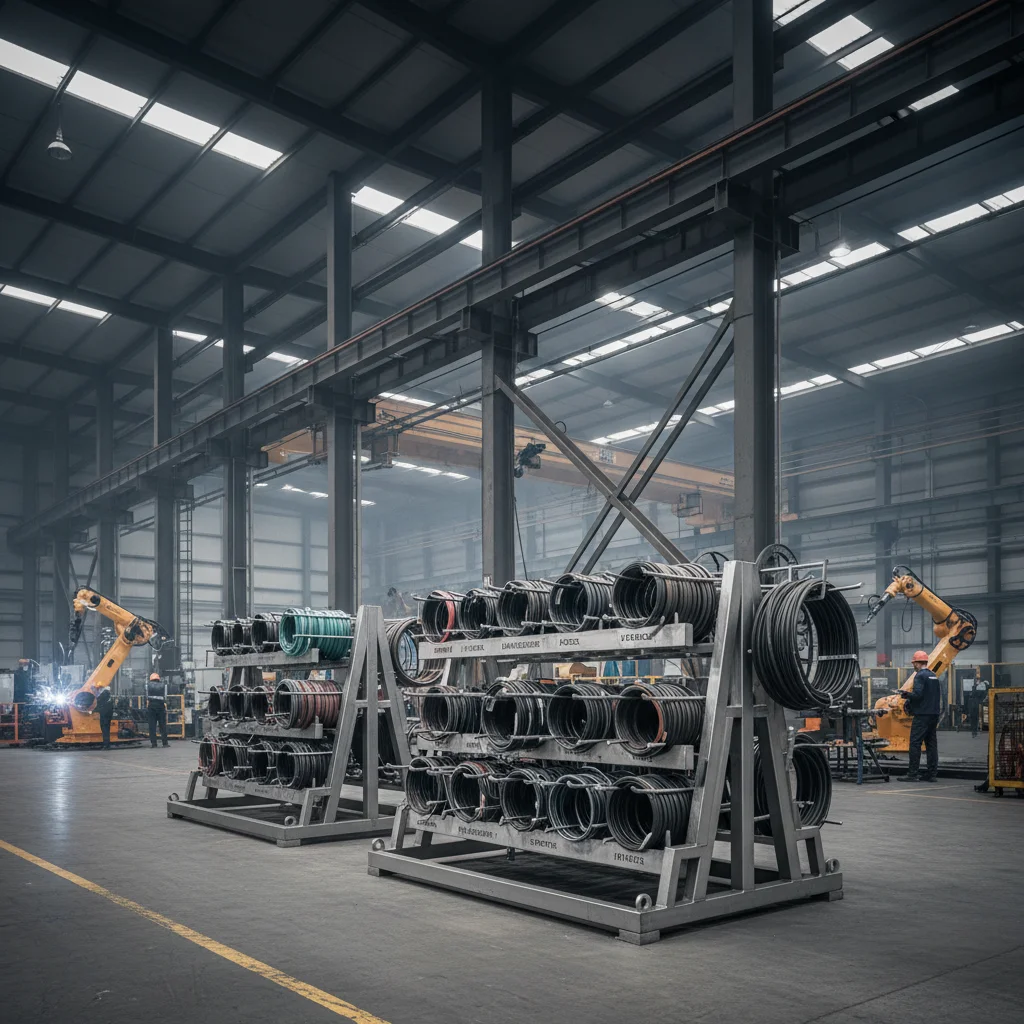
These machines are used worldwide — from large-scale factories in China and Germany manufacturing automotive parts, to agricultural equipment suppliers in Brazil and India. The versatility of cutting various hose types helps industries maintain efficiency whether they're producing irrigation systems or hydraulic lines.
In humanitarian settings, NGOs often require custom-sized rubber hose segments quickly during emergency water supply installations or temporary shelter setups. Cutting machines allow relief agencies to adapt their inventory swiftly.
Vendor Comparison: Leading Wholesale Rubber Hose Cutting Machines
| Vendor | Cutting Speed | Automation Level | Price Range | Support & Warranty |
|---|---|---|---|---|
| Willex Tech | 40 cuts/min | Fully Automated | $12,000–$18,000 | 24-month warranty, remote diagnostics |
| ProCut Machines | 30 cuts/min | Semi-automatic | $8,000–$13,000 | 18-month warranty, on-site support |
| CutMaster Intl. | 20 cuts/min | Manual + Automation | $6,000–$10,000 | 12-month warranty, online resources |
Advantages & Long-Term Value of Wholesale Rubber Hose Cutting Machines
- Cost Efficiency: Reduces raw material waste and lowers labor costs over time.
- Consistency: Achieves uniform hose lengths for reliable performance in complex systems.
- Sustainability: Supports recycling efforts by precise cuts and improved material usage.
- Safety: Minimizes operator risk via automation and integrated safety features.
- Innovation & Trust: Enables manufacturers to innovate with new hose materials knowing they can be processed accurately.
Frankly, these tangible benefits go hand-in-hand with brands building customer trust and long-term partnerships, because dependable equipment means fewer disruptions.
Future Trends & Innovations in Rubber Hose Cutting Technology
Looking ahead, many experts anticipate advances such as AI-powered vision systems for quality inspection during cutting, incorporation of eco-friendly blade materials, and IoT connectivity for predictive maintenance. Plus, the push toward green manufacturing encourages energy-efficient motors and use of biodegradable lubricants.
Challenges & Innovative Solutions
While wholesale rubber hose cutting machines have come far, challenges remain in cutting very thick or multi-layer hoses where blade wear or heating can reduce quality. Some vendors tackle this by employing cooled cutting heads or ultrasonic cutting technologies. Others focus on making user-friendly interfaces to reduce operator errors in complex settings.
FAQ: Frequently Asked Questions About Wholesale Rubber Hose Cutting Machine
- What hose diameters can these machines handle?
- Most machines handle hose diameters from as small as 5mm up to around 80mm, with options to customize for larger sizes depending on your industry needs.
- How accurate is the cut length?
- High-quality machines maintain length accuracy of ±1mm, ensuring uniformity which is crucial in automotive or hydraulic applications.
- Can these machines be integrated into existing production lines?
- Yes, the majority feature programmable logic controllers enabling batch processing and easy communication with other machinery for streamlined workflows.
- Are there energy-efficient models available?
- Many vendors now offer machines with energy-saving motors and automated standby modes that reduce power consumption when idle.
- What kind of maintenance do these machines require?
- Routine maintenance involves blade sharpening/replacement, lubrication, and system calibration, typically supported by remote monitoring tools offered by suppliers.
Conclusion & Call to Action
Ultimately, investing in a wholesale rubber hose cutting machine means boosting your operational efficiency, quality, and sustainability – a no-brainer in today’s competitive industrial landscape. If you’re eager to explore reliable options tailored to your volume and budget, don’t hesitate to visit our website: Wholesale rubber hose cutting machine.
In real terms, choosing the right cutting technology can transform your production line into a smooth, safe, and sustainable operation — and frankly, that’s the kind of forward-thinking every manufacturer needs.
Quick takeaway: investing in state-of-the-art cutting machines delivers measurable gains in quality, cost savings, and future-ready flexibility.
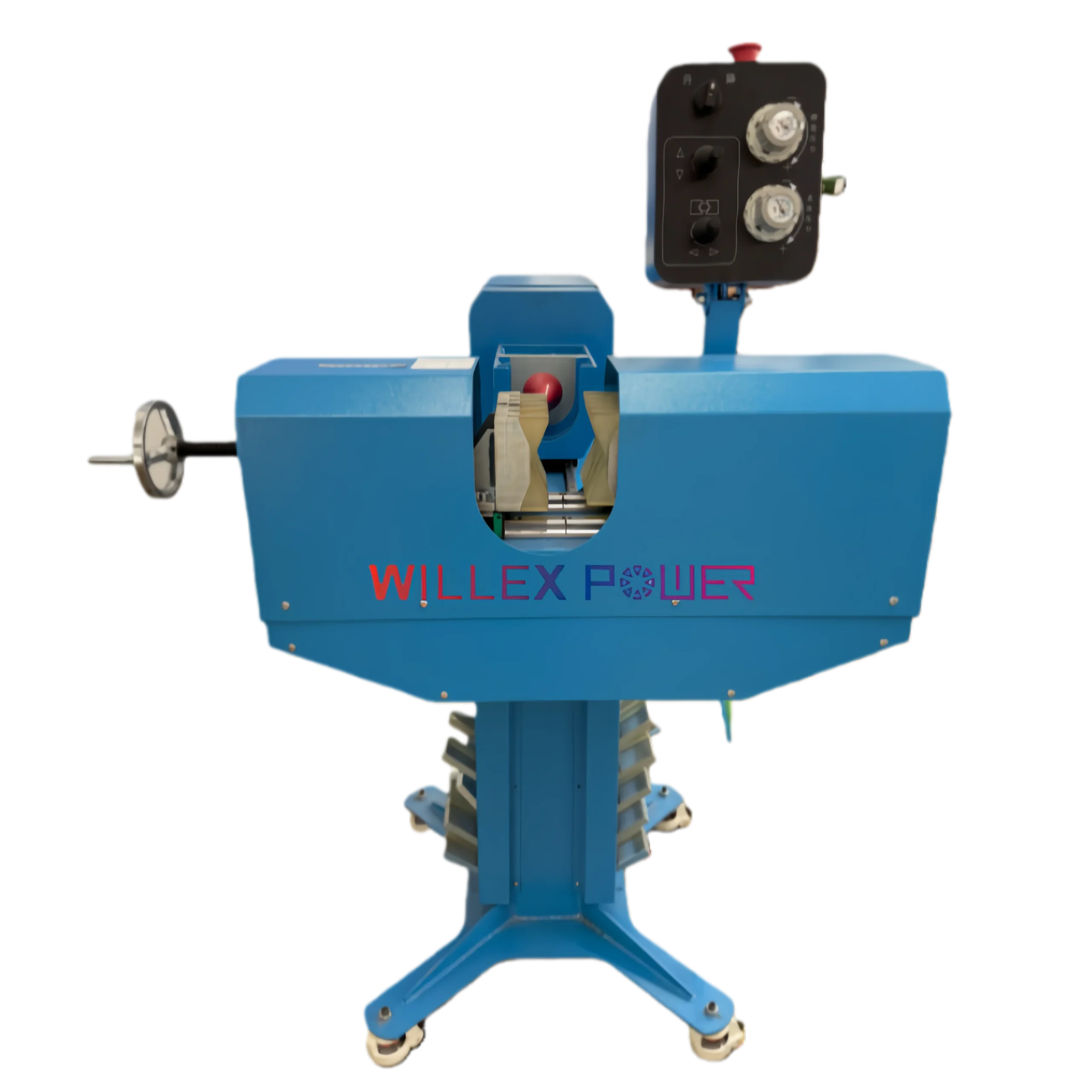
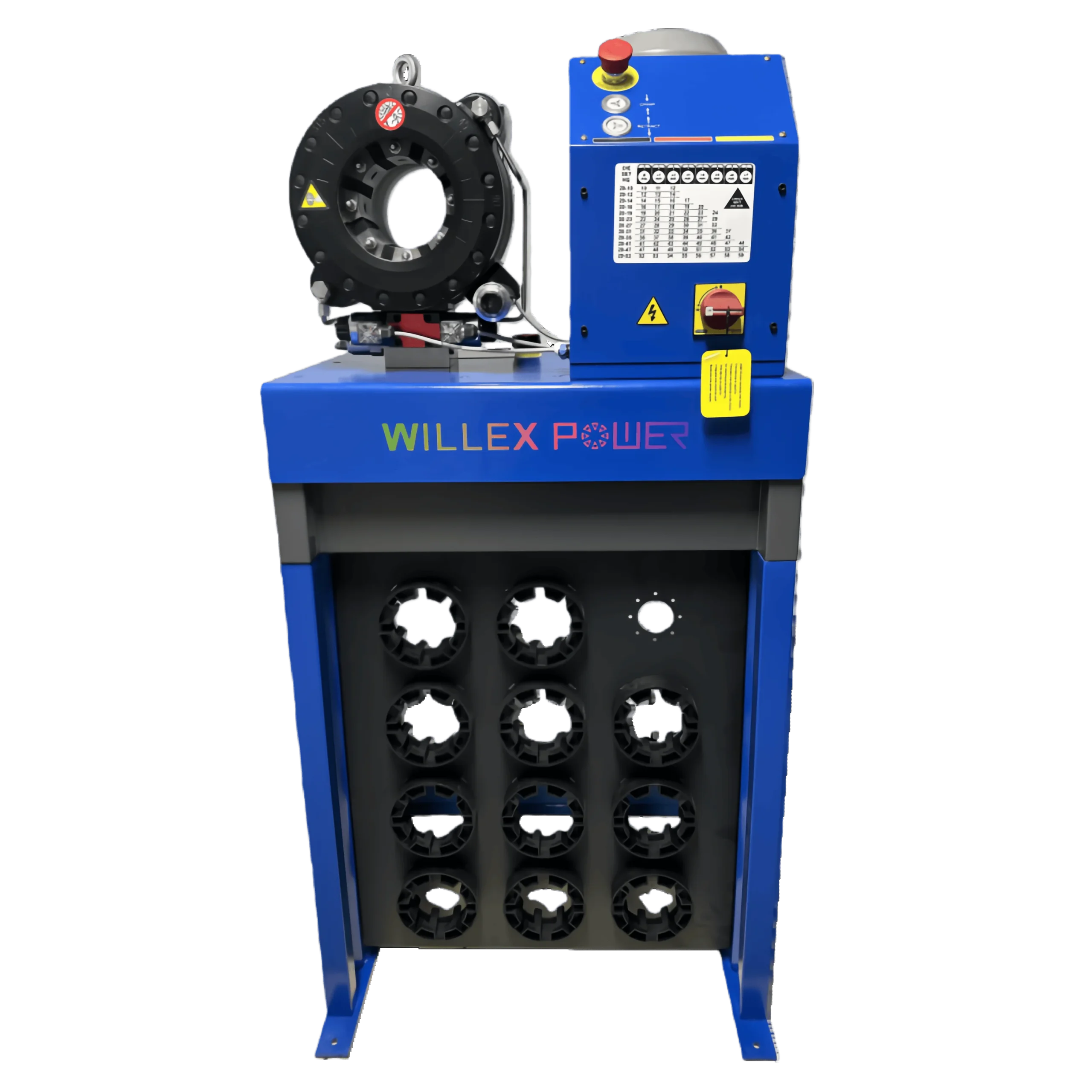
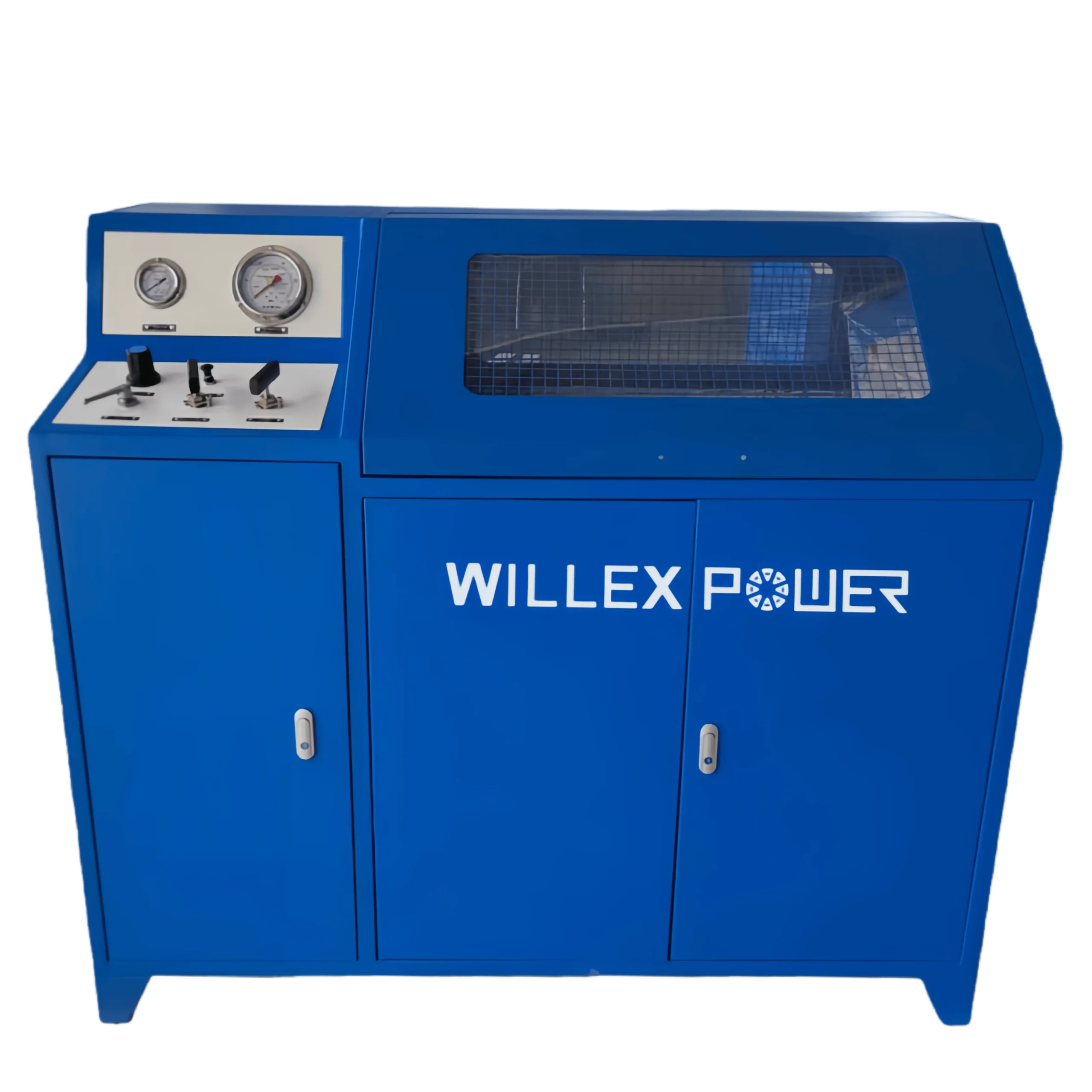
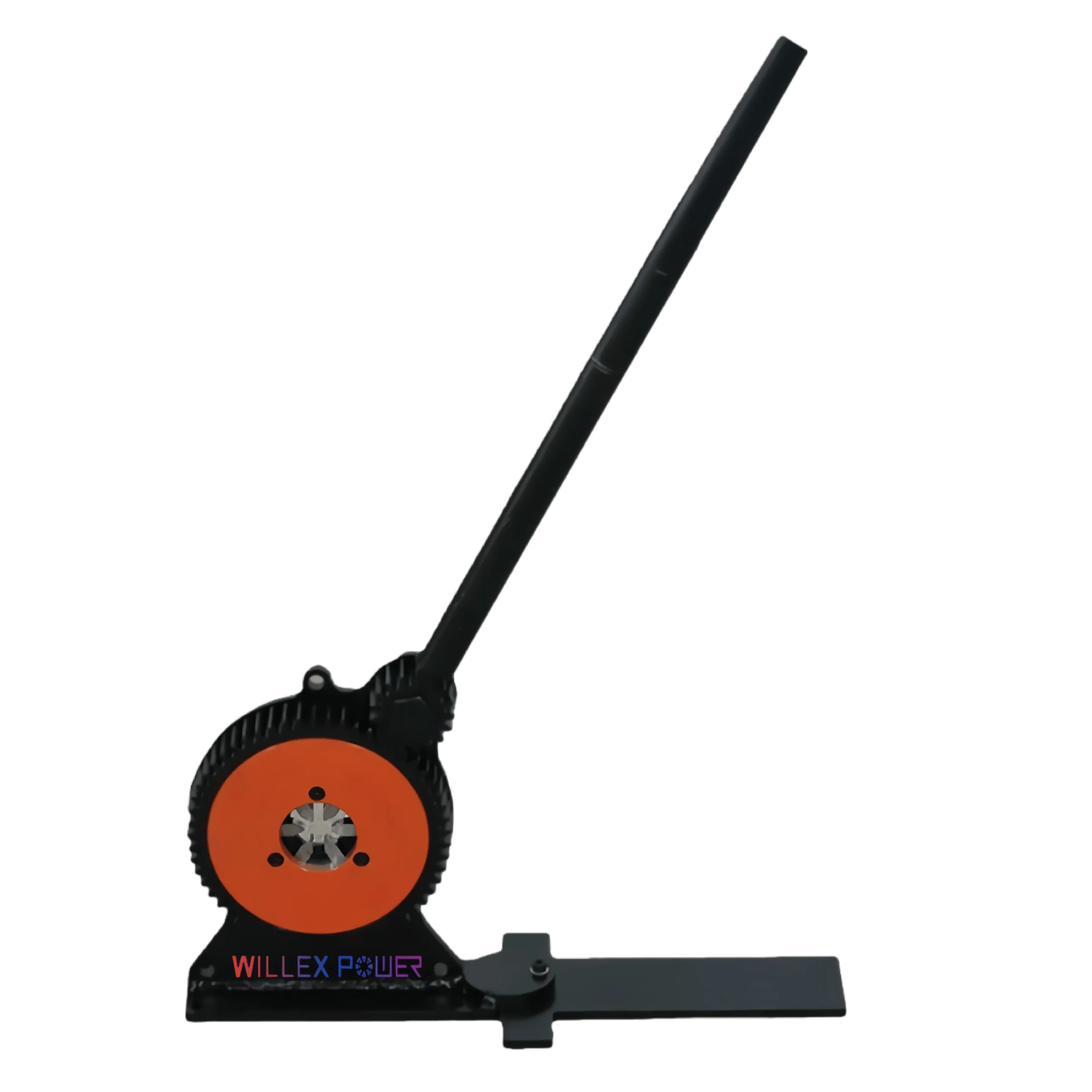
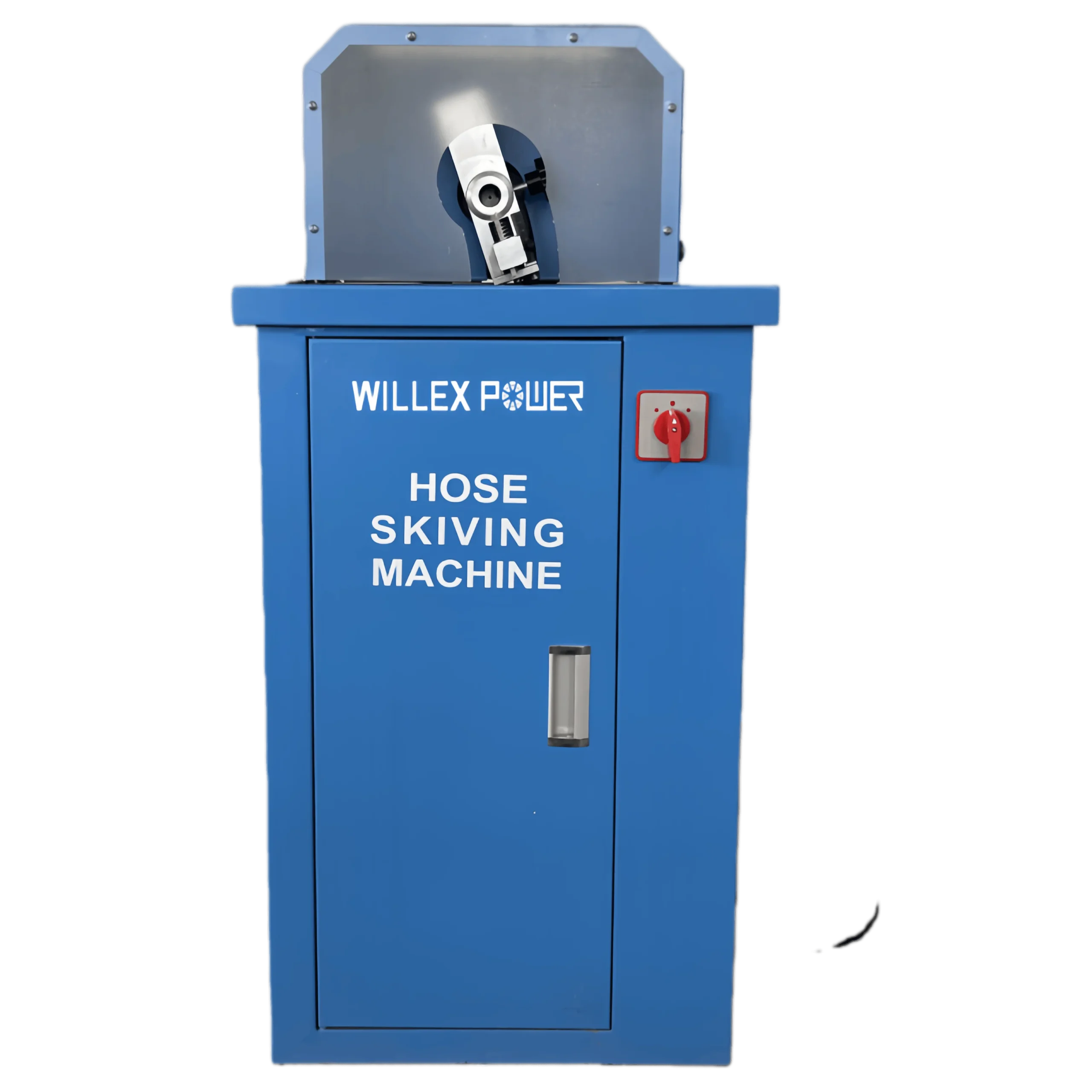
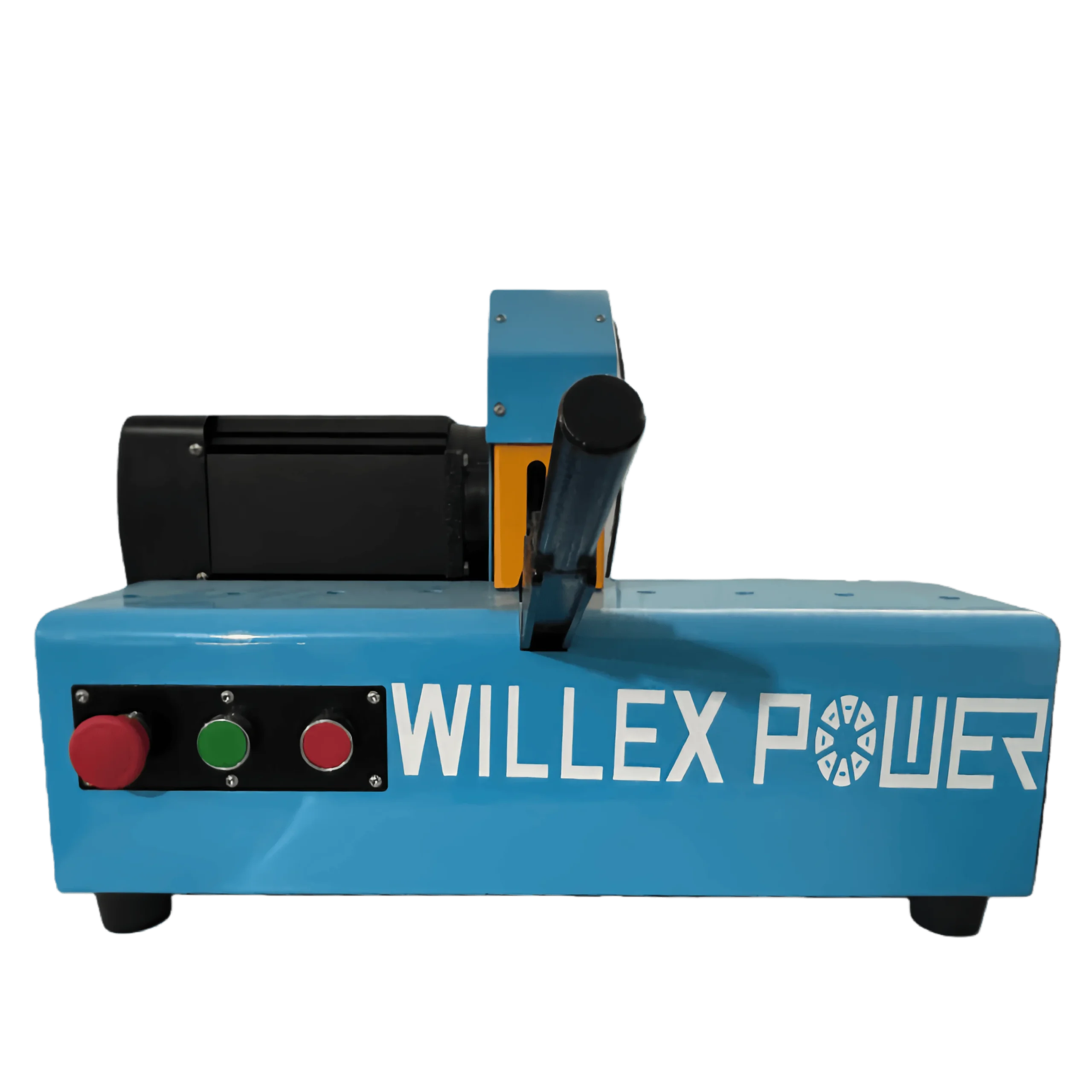
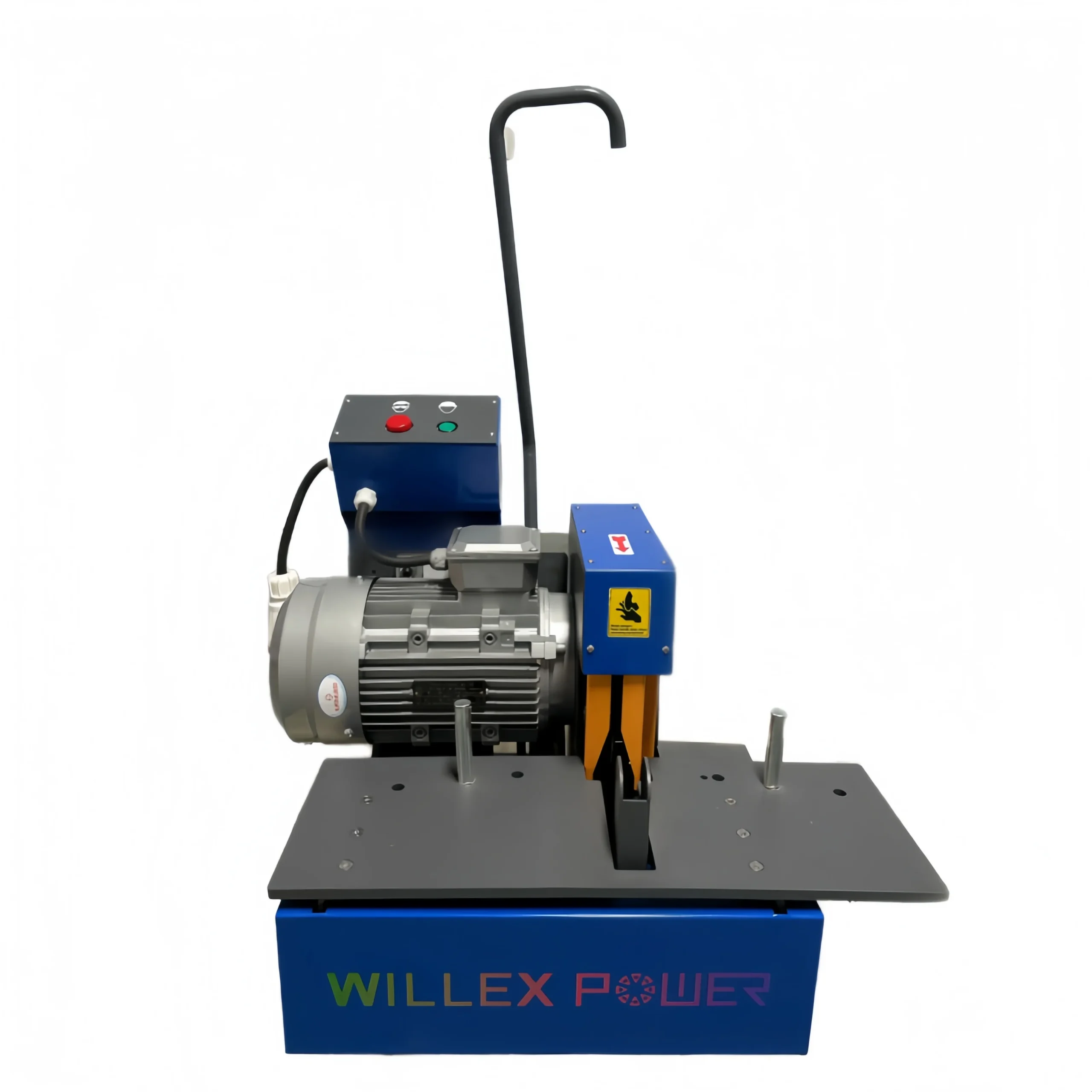
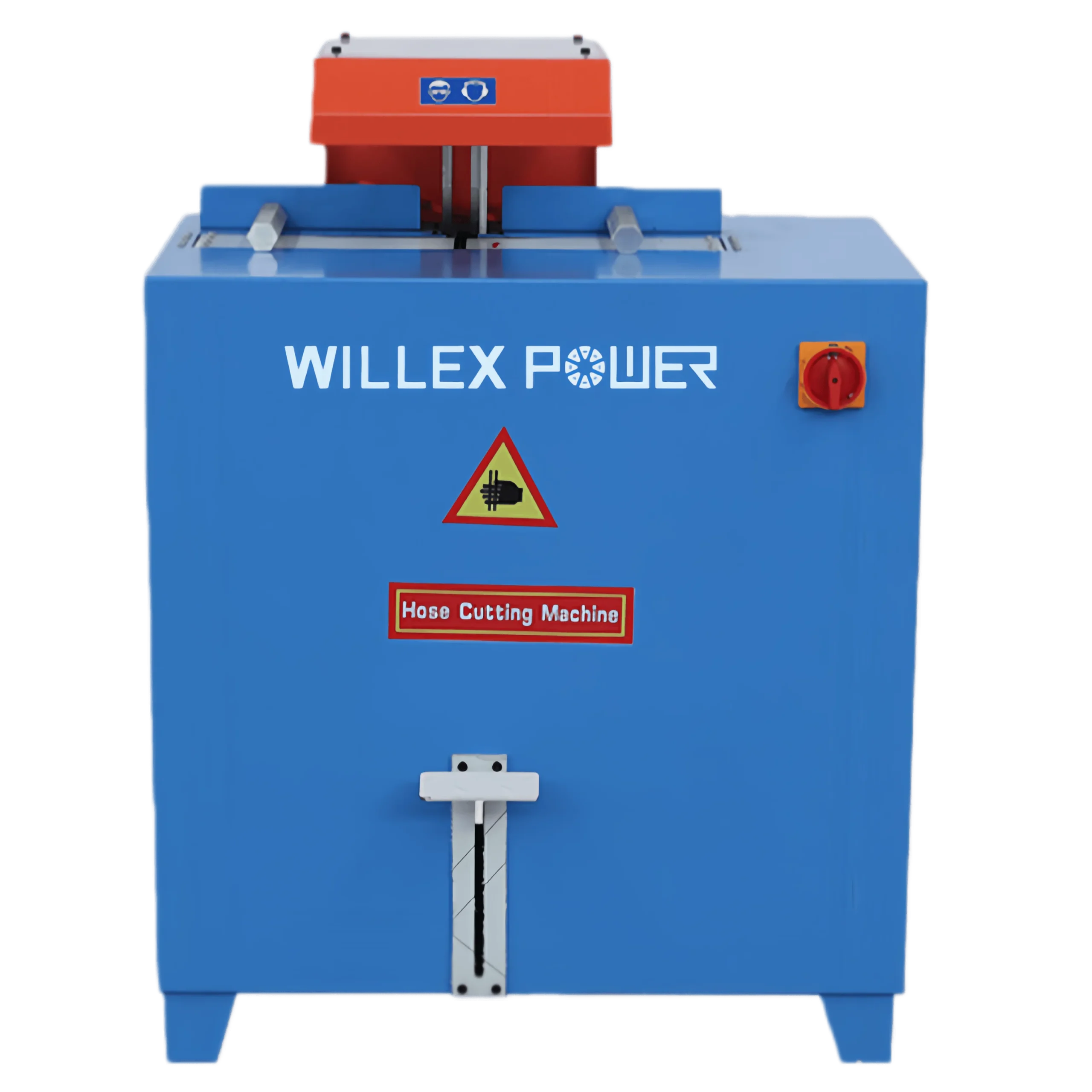
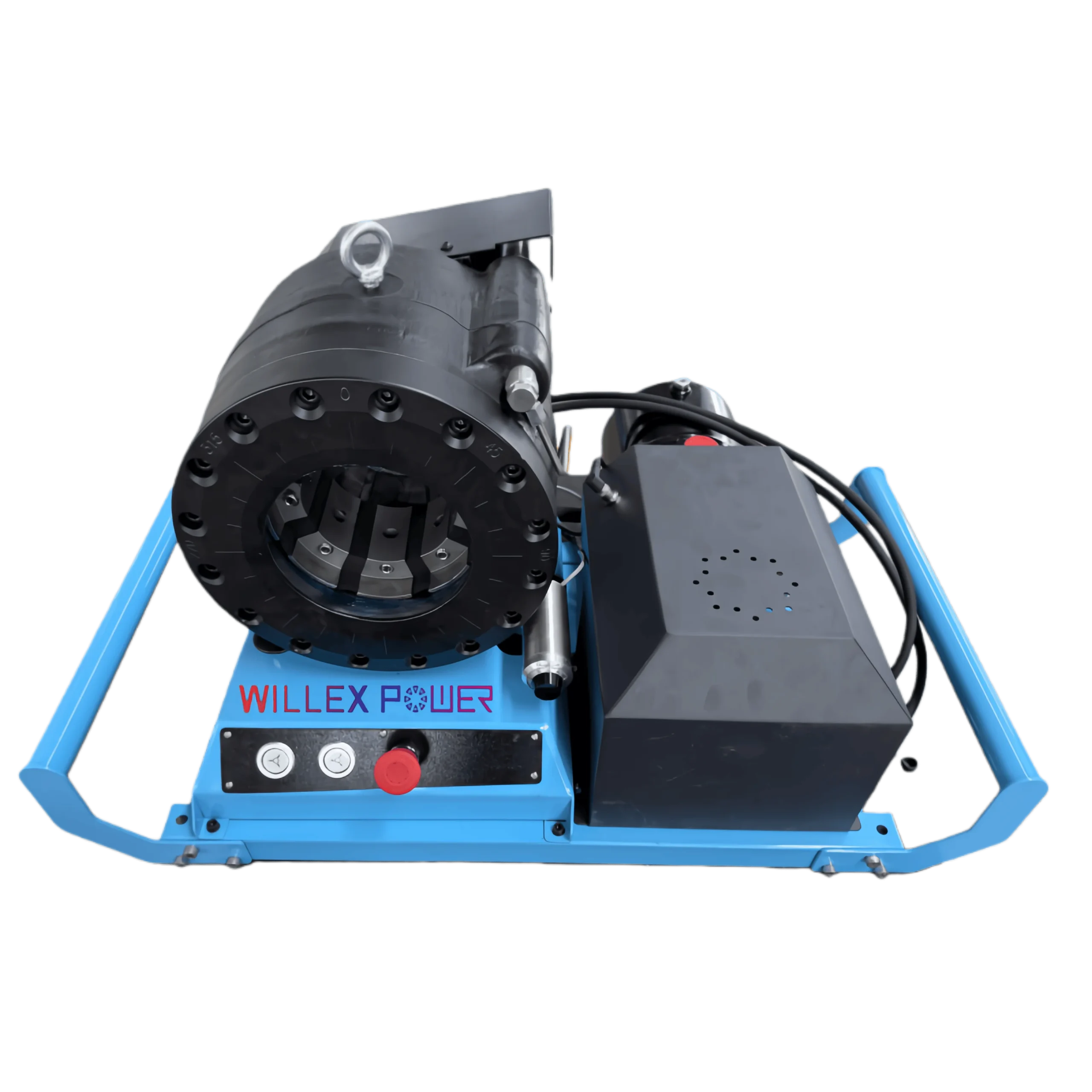
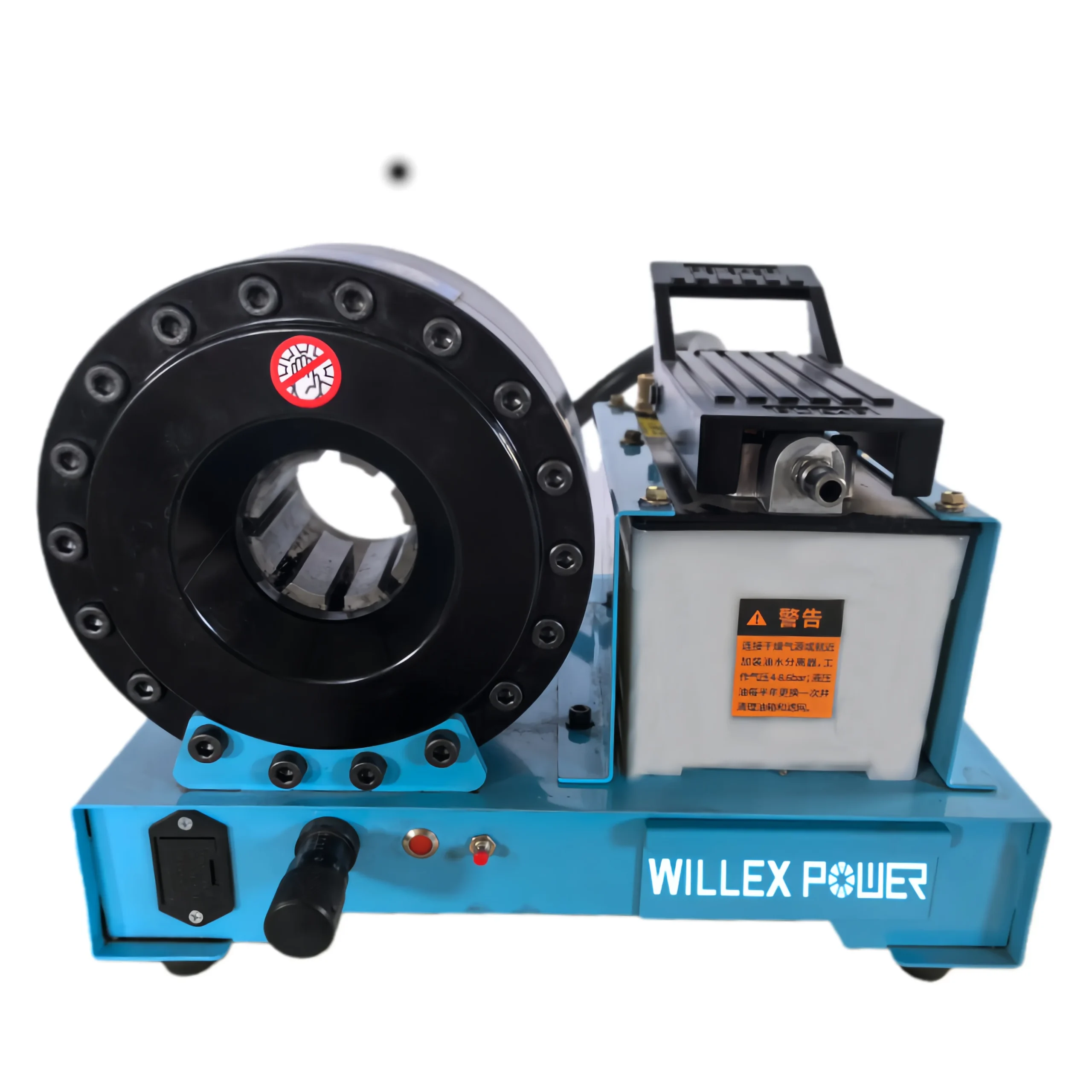
-20260121013914-scaled.webp "WILLEX POWER DZW-A10-1 Hose Crimping Machine")
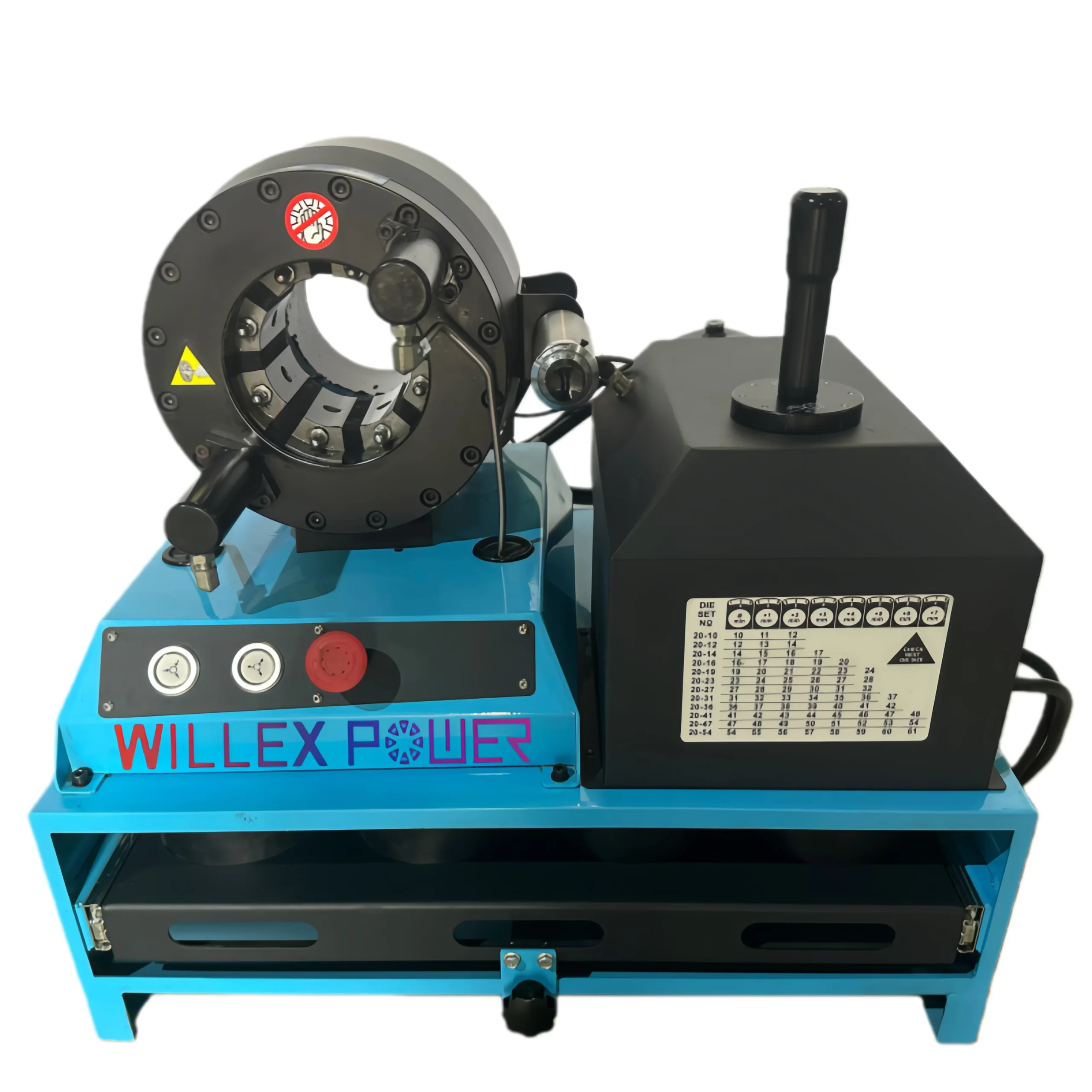
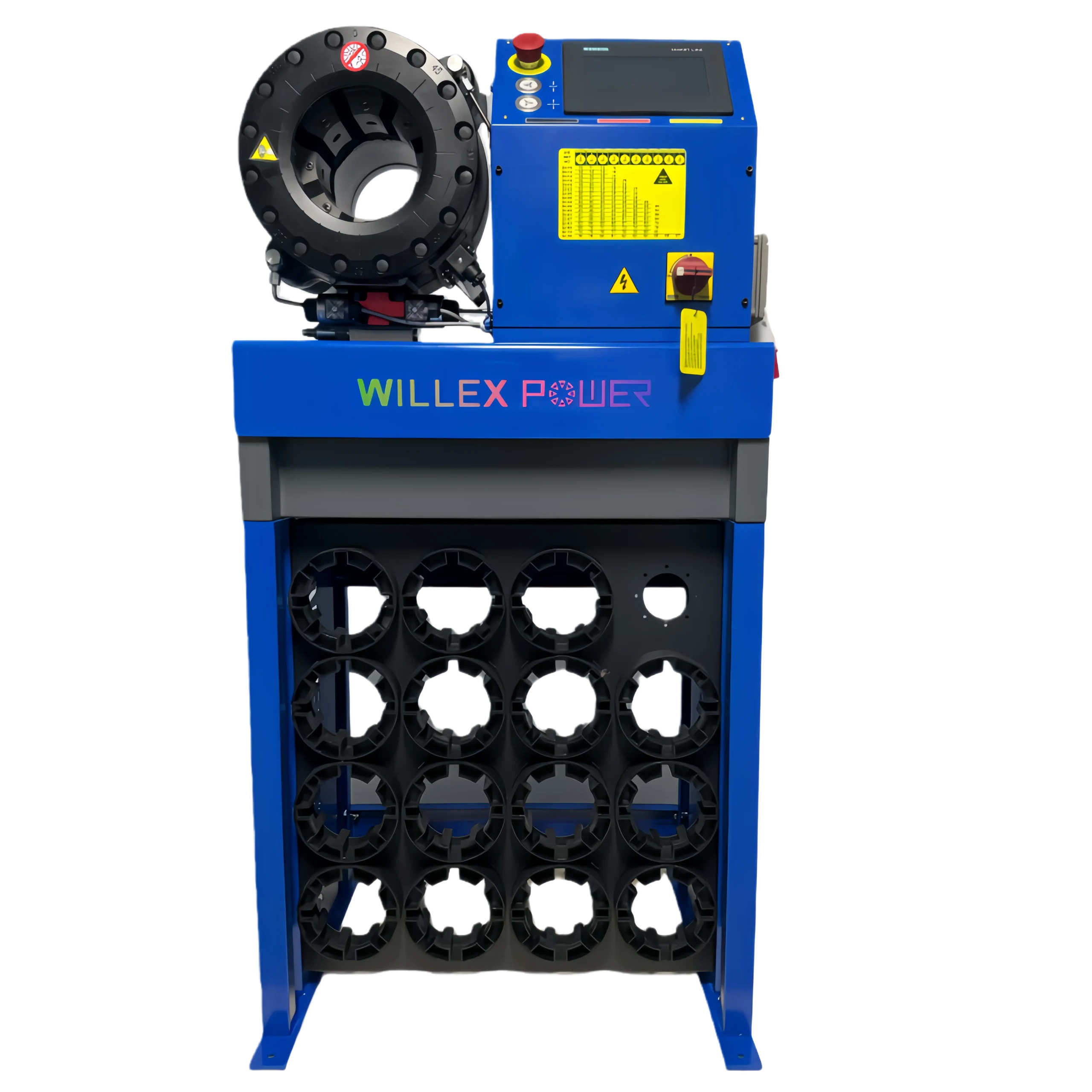
-20260121014427-scaled.webp "Hose Crimping Machine DZW-A10")
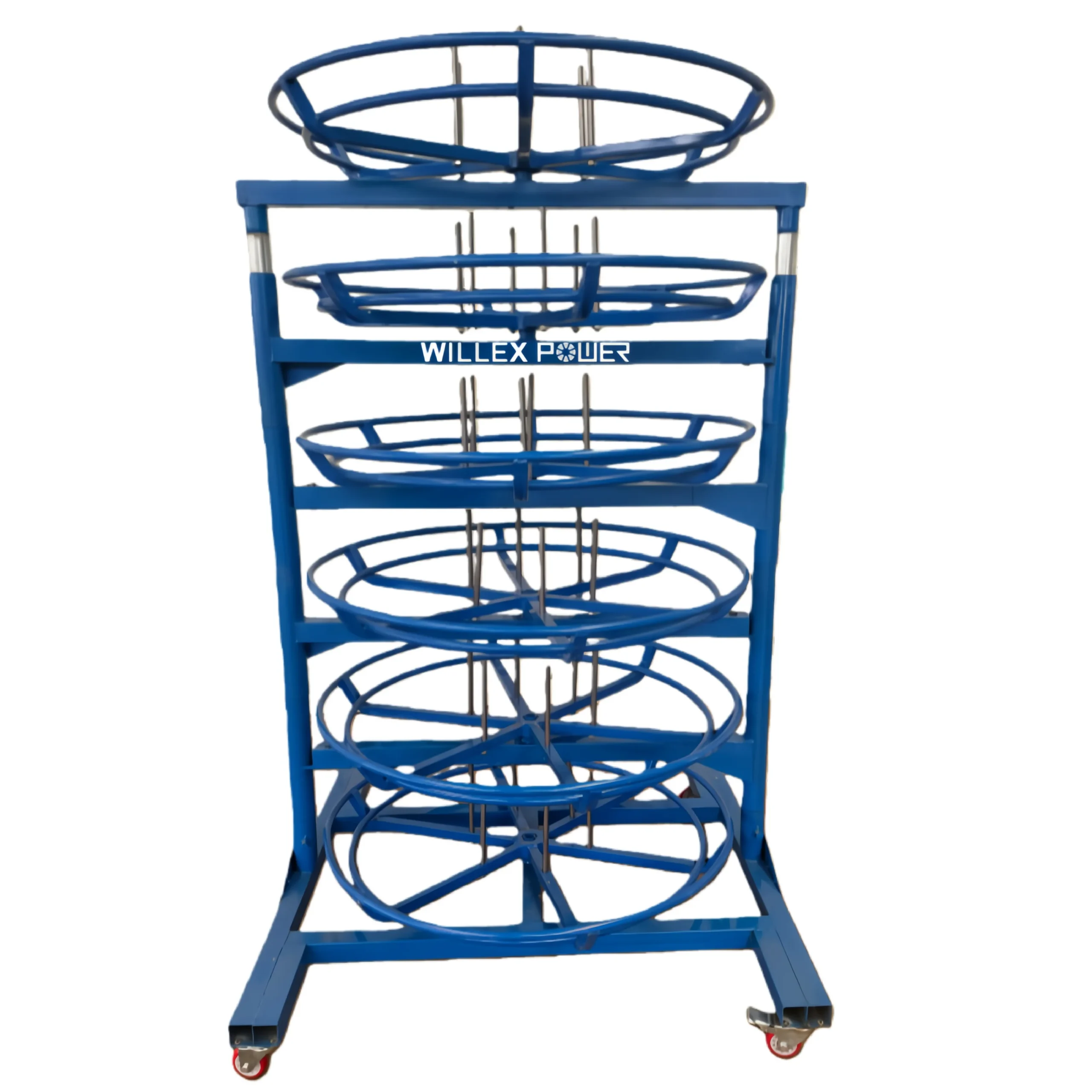
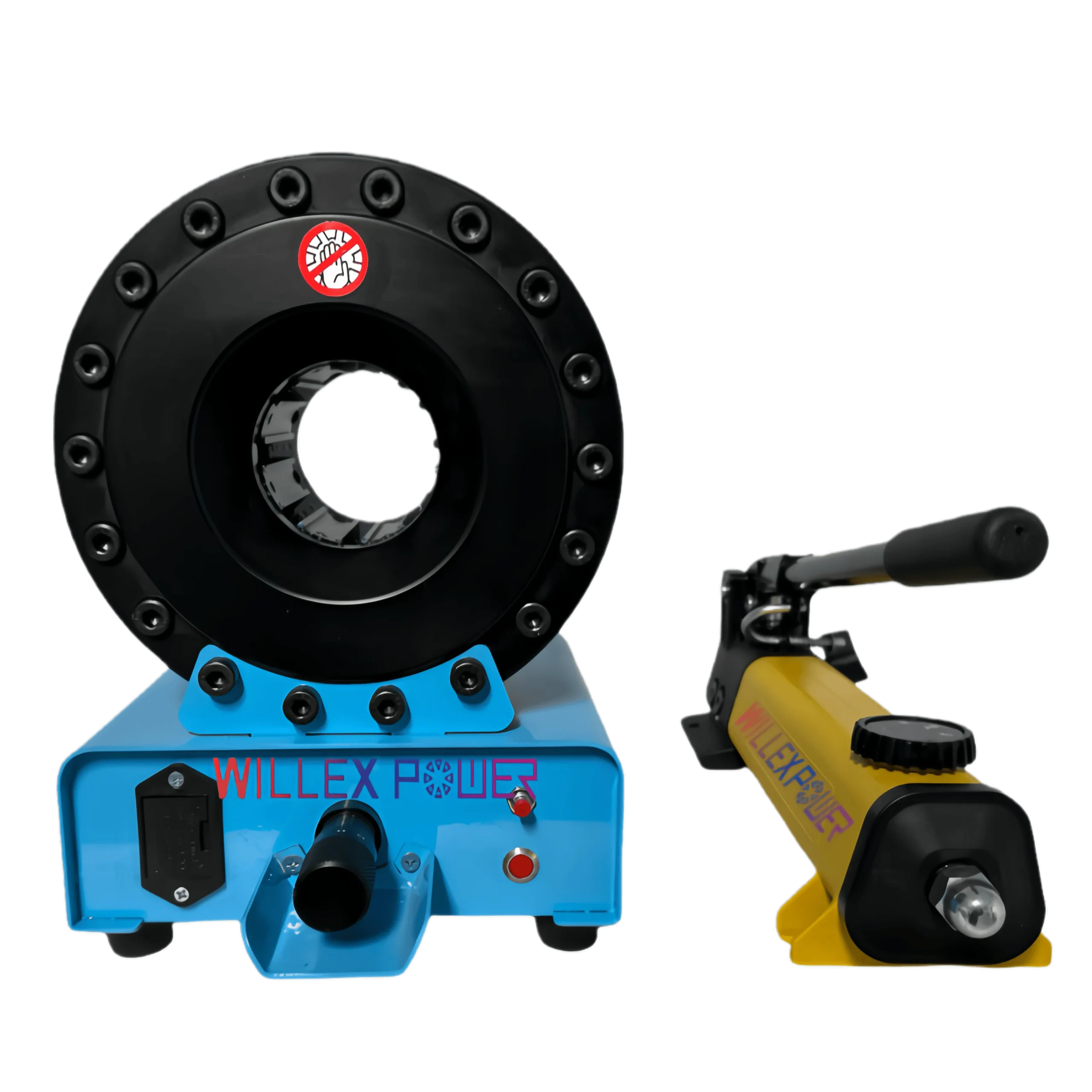
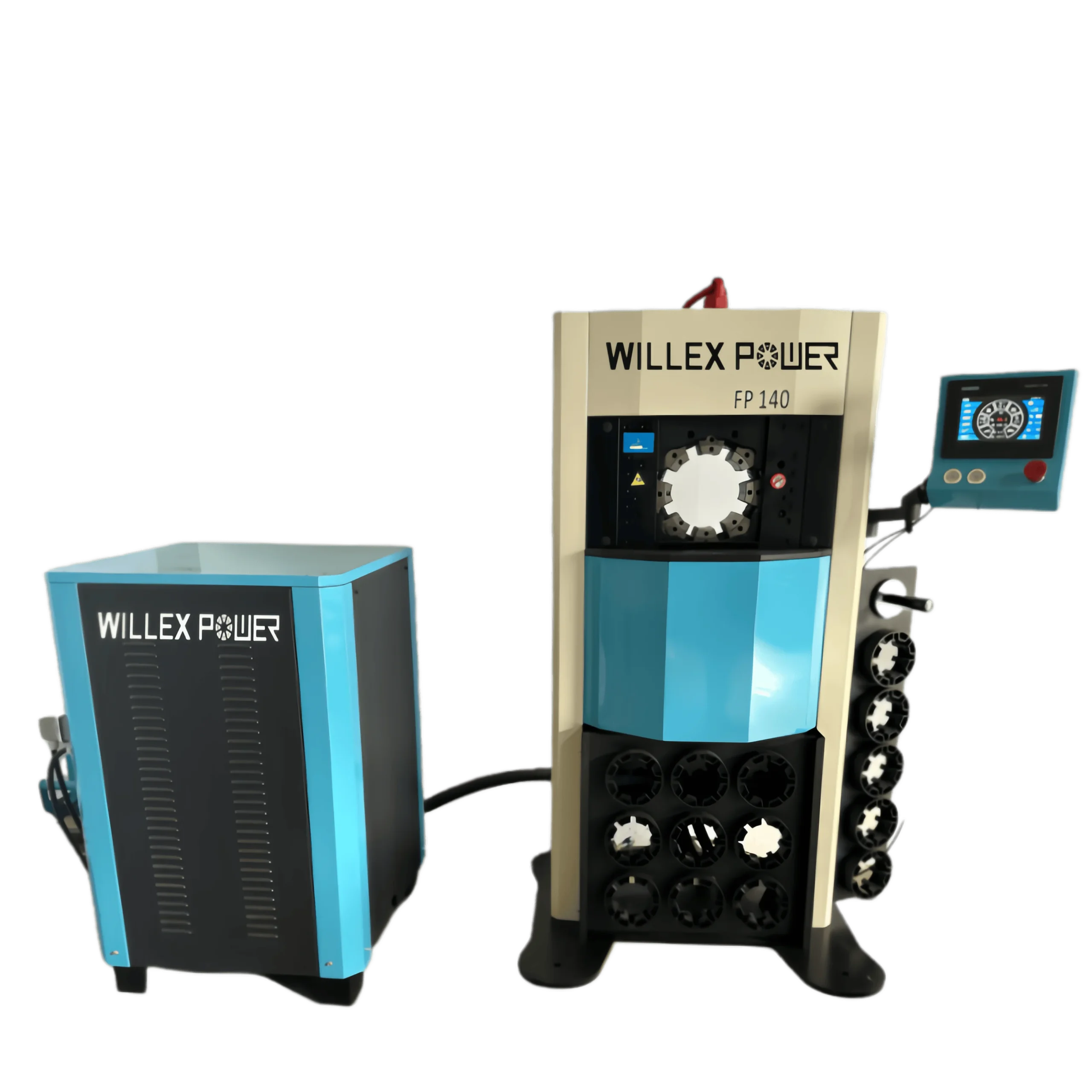
-20260121015636-scaled.webp "Hose Skiving Machine DZW-51BJ-M")
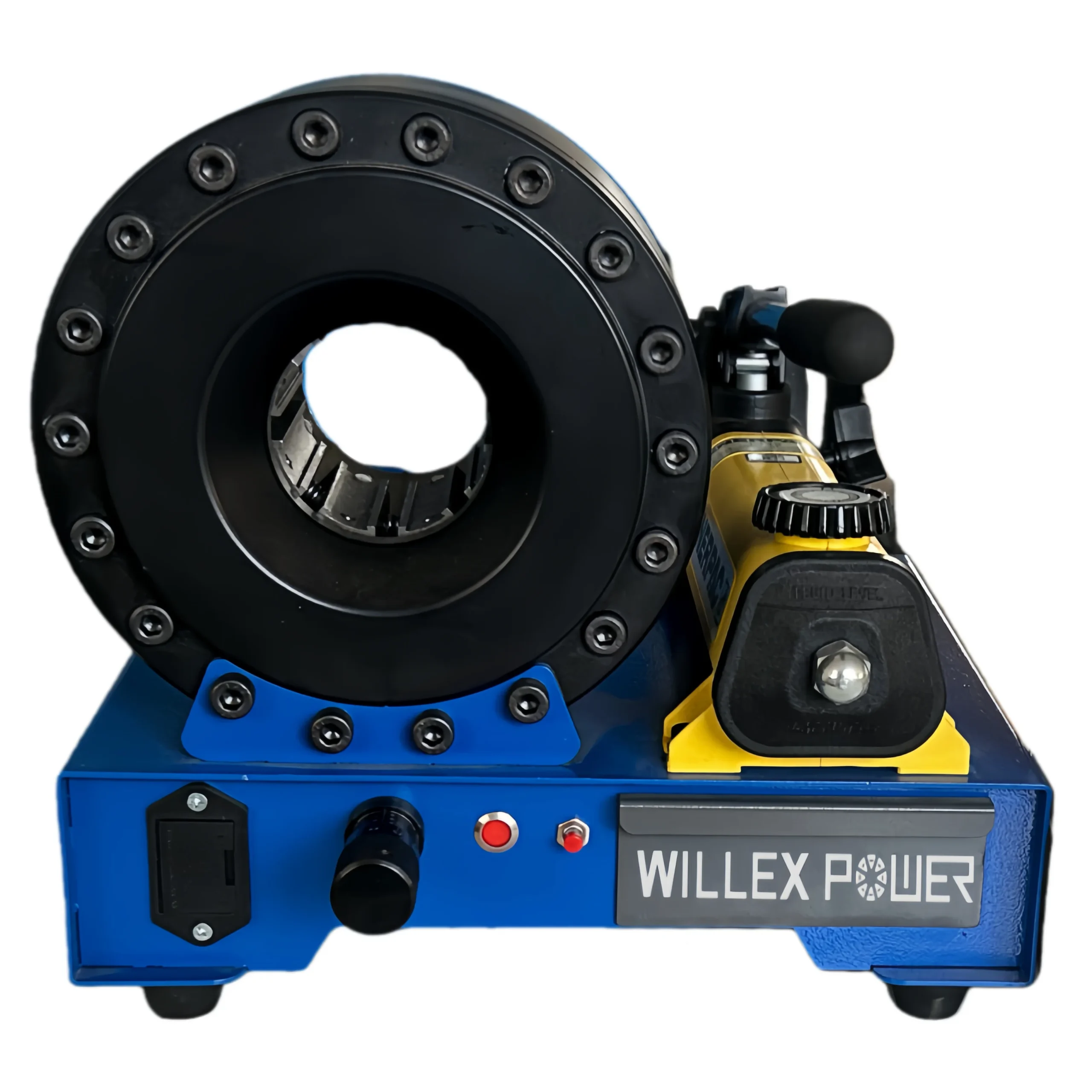
-20260121015753-scaled.webp "Hose Skiving Machine DZW-51BJ-C")
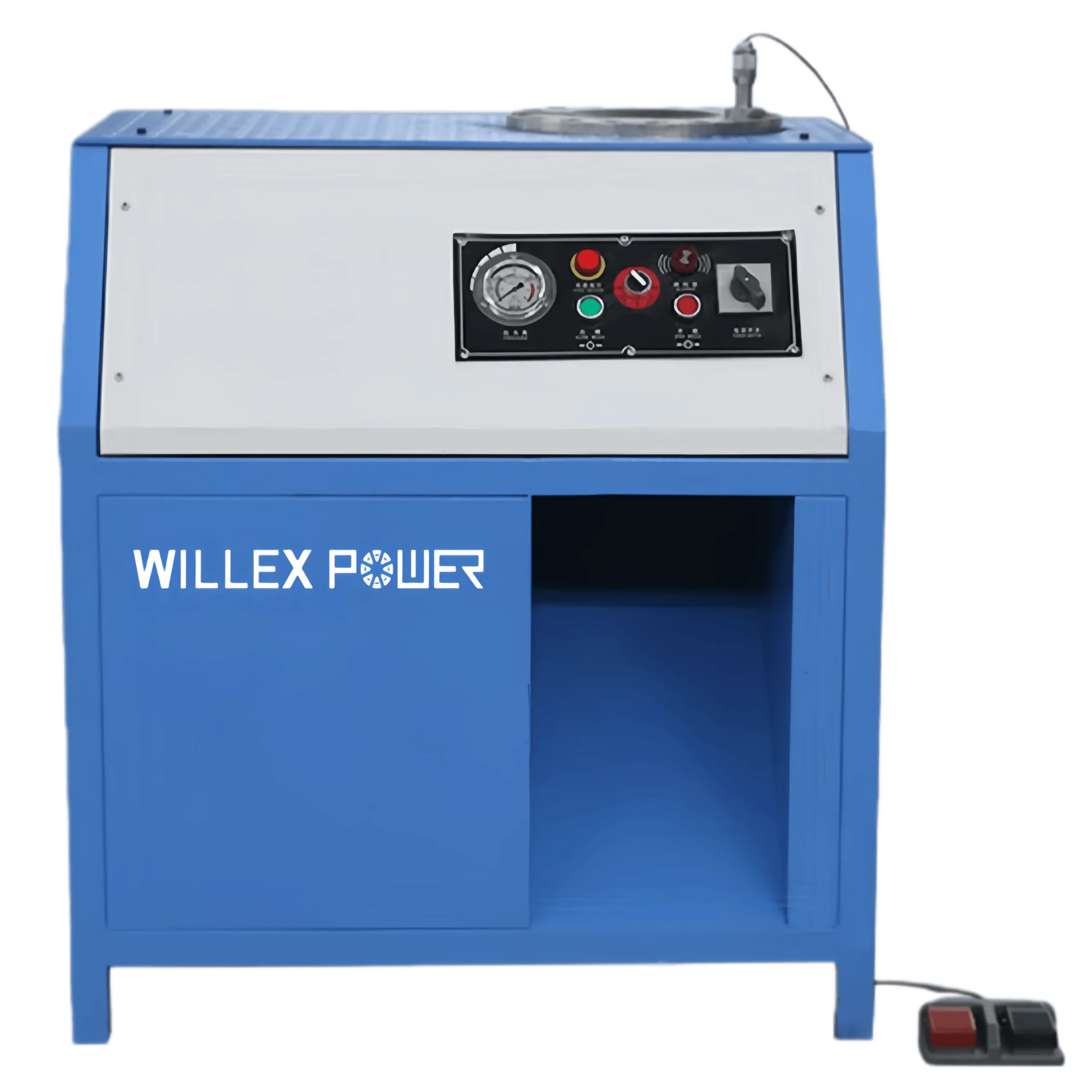
-20260121020311-scaled.webp "Hose Skiving Machine DZW-51BJ-E")