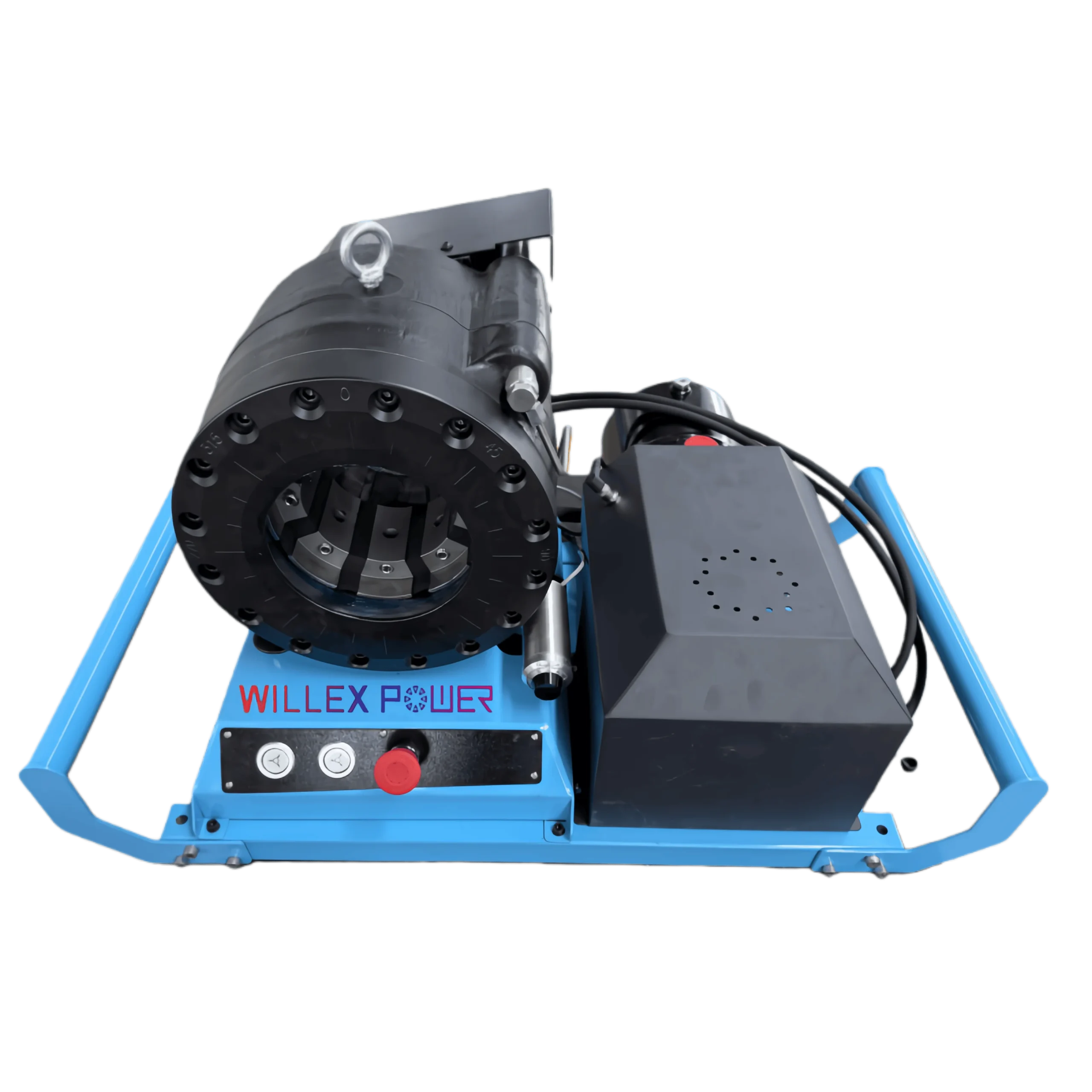
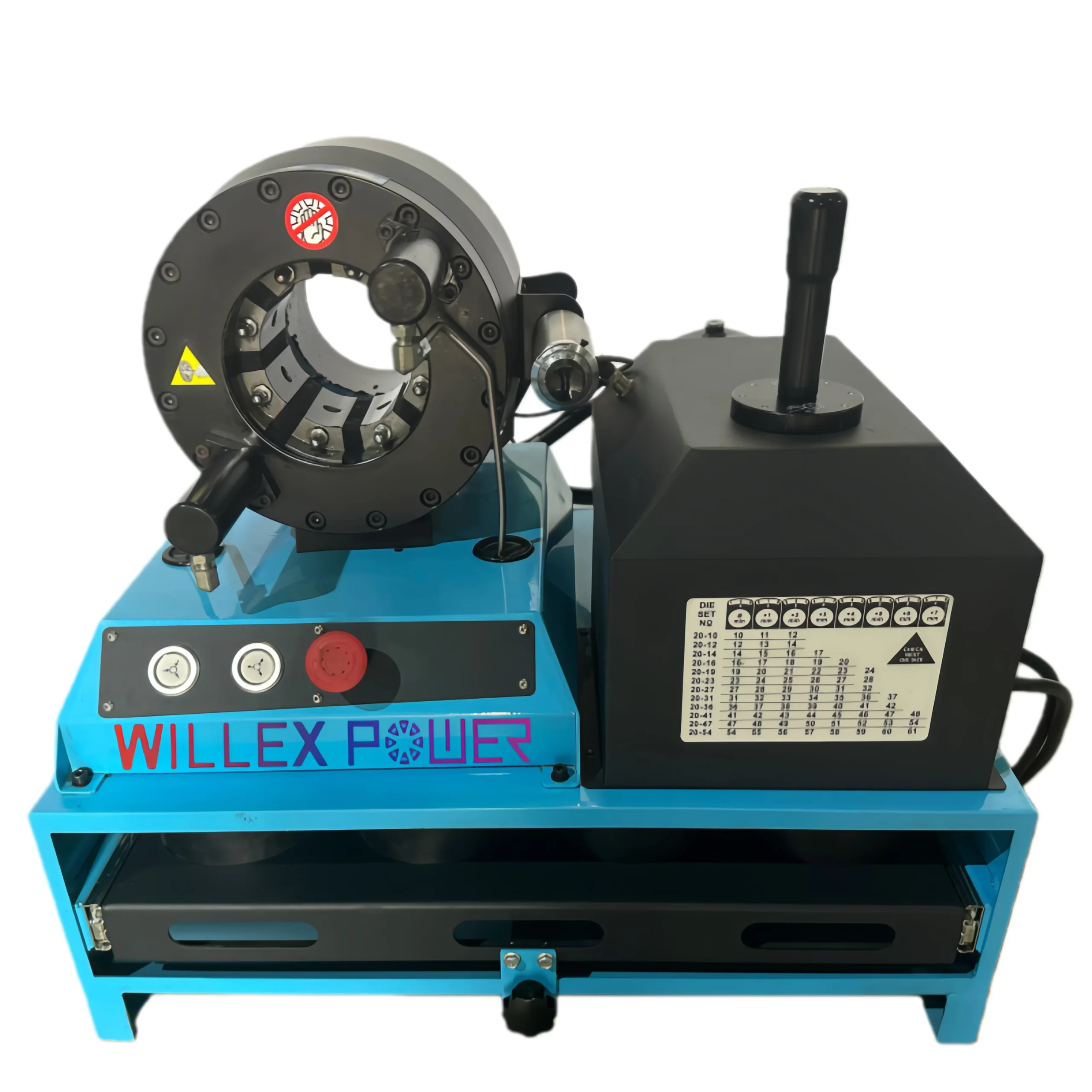
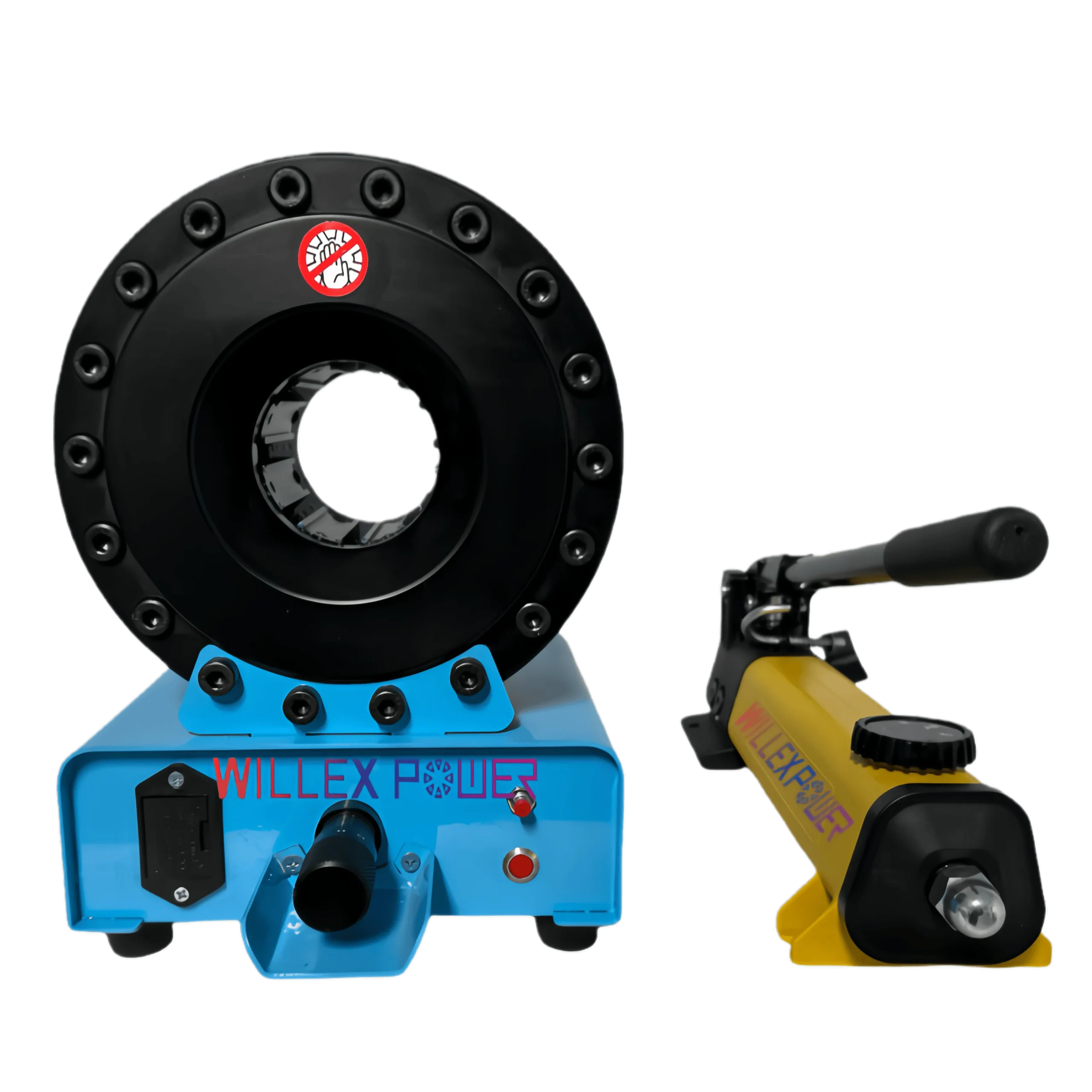
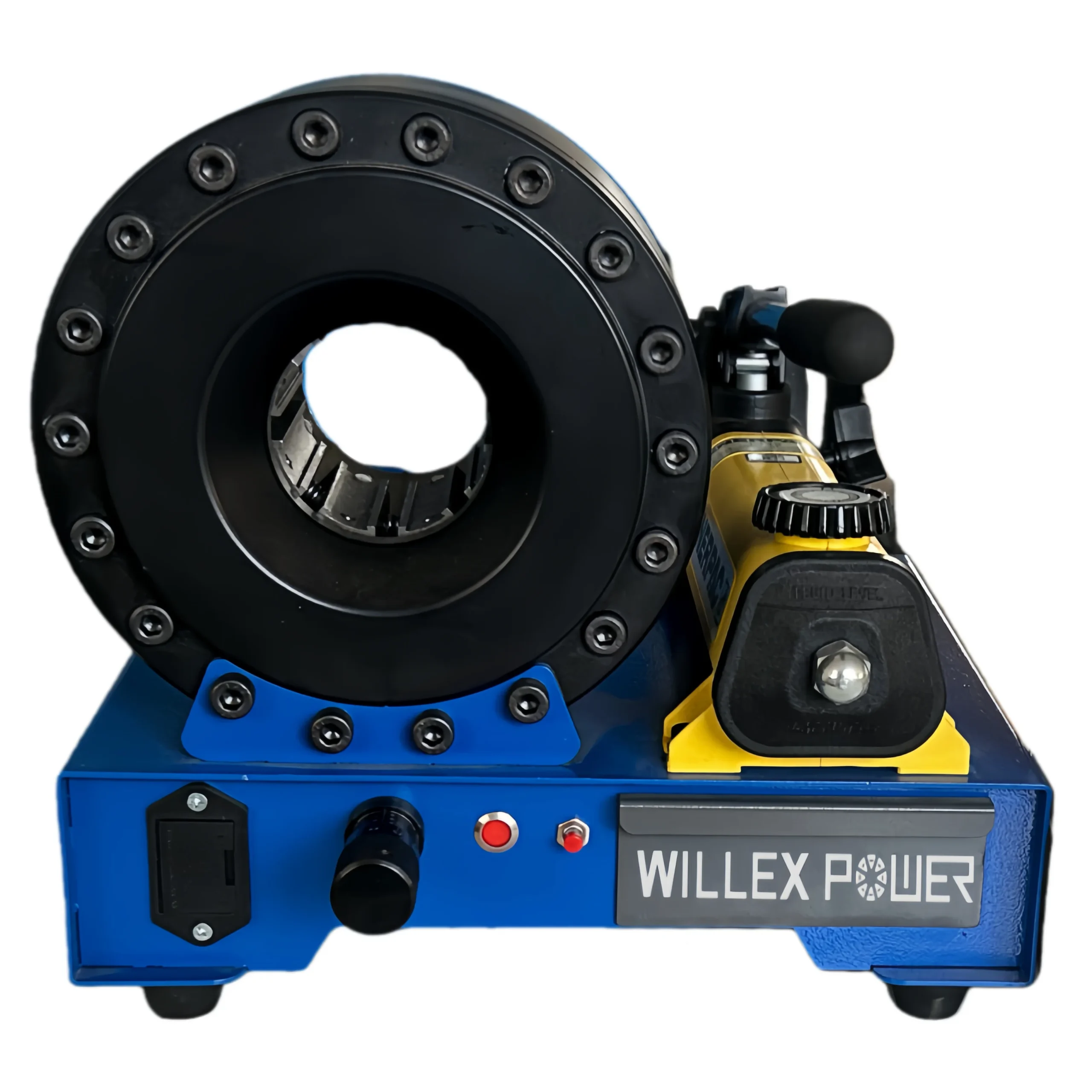
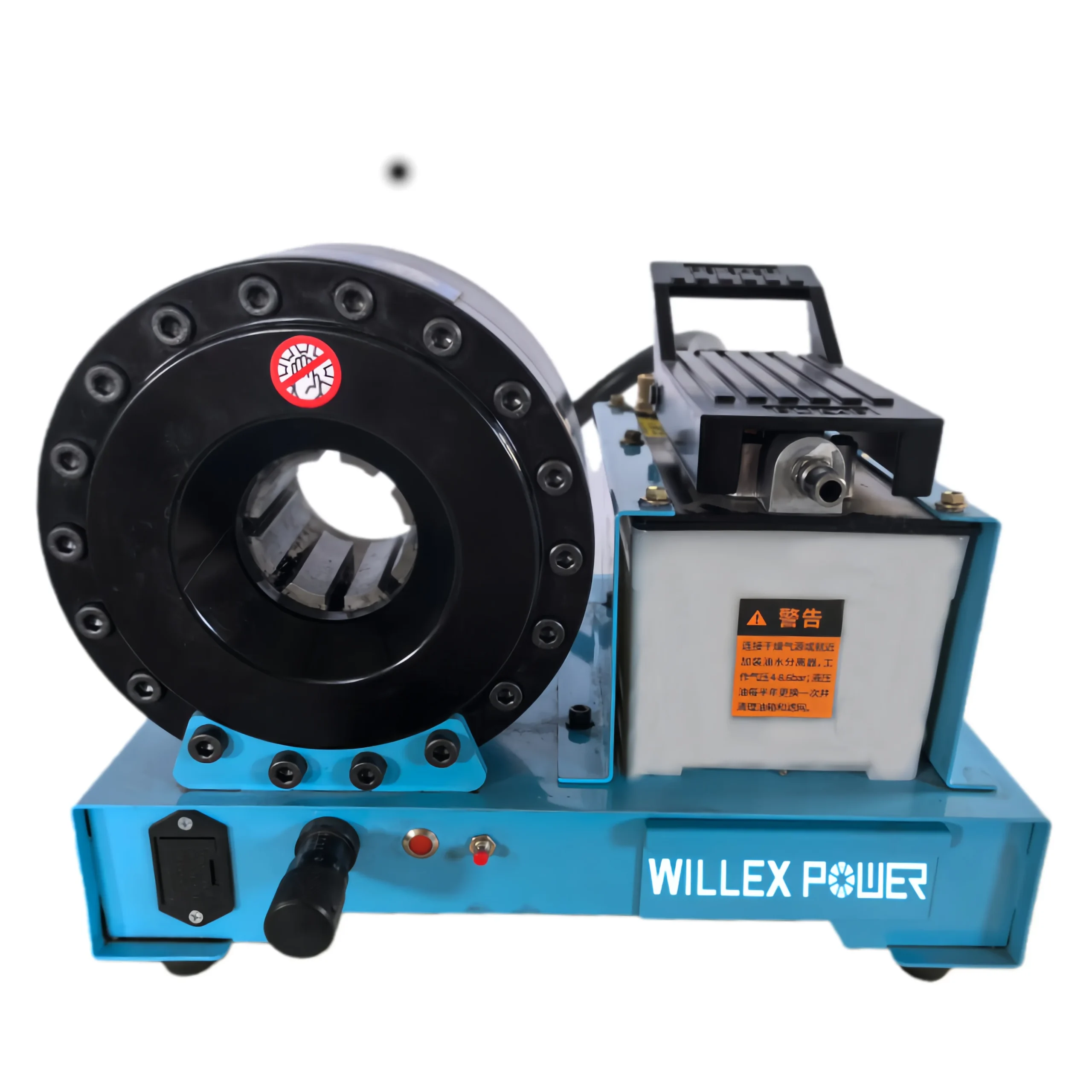
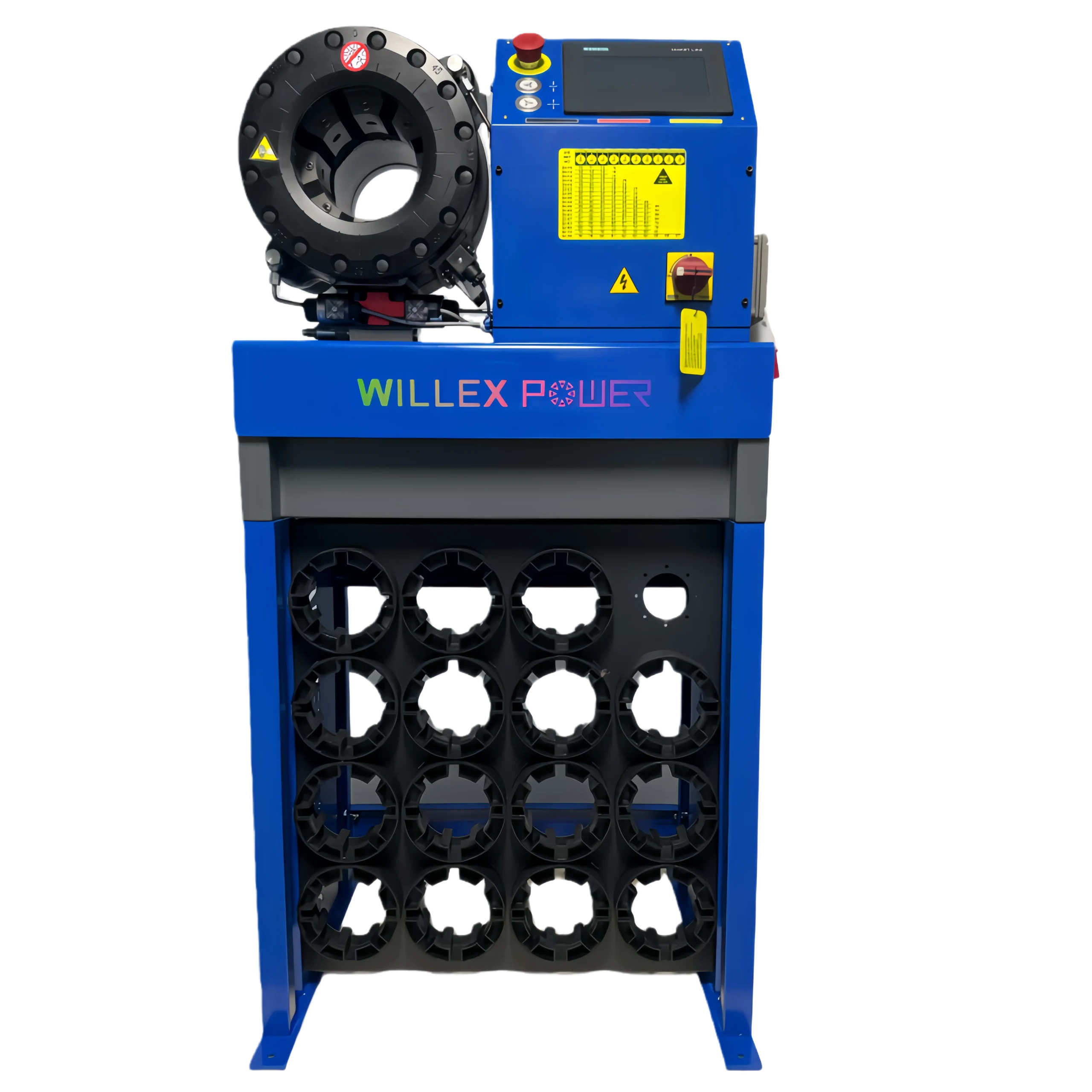
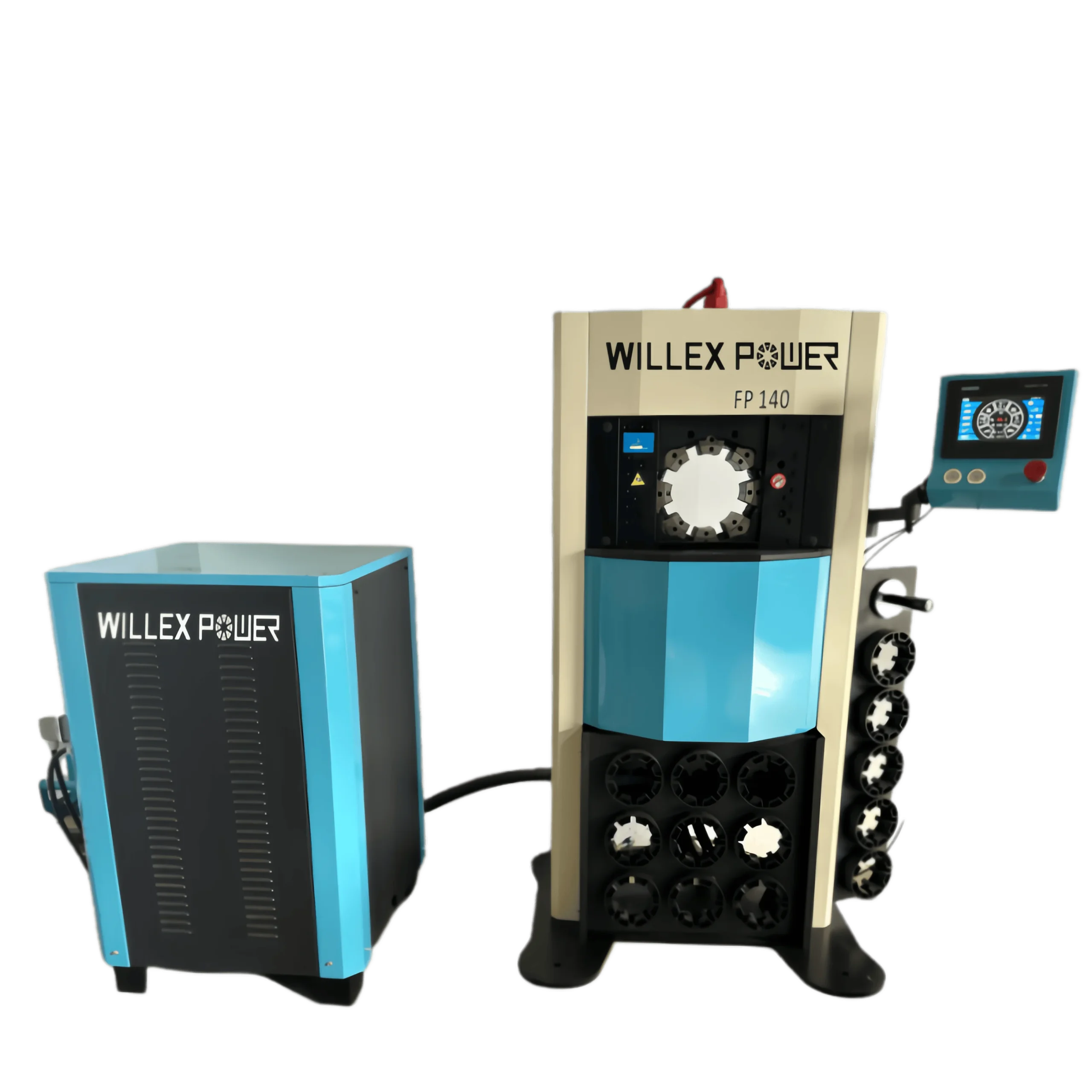
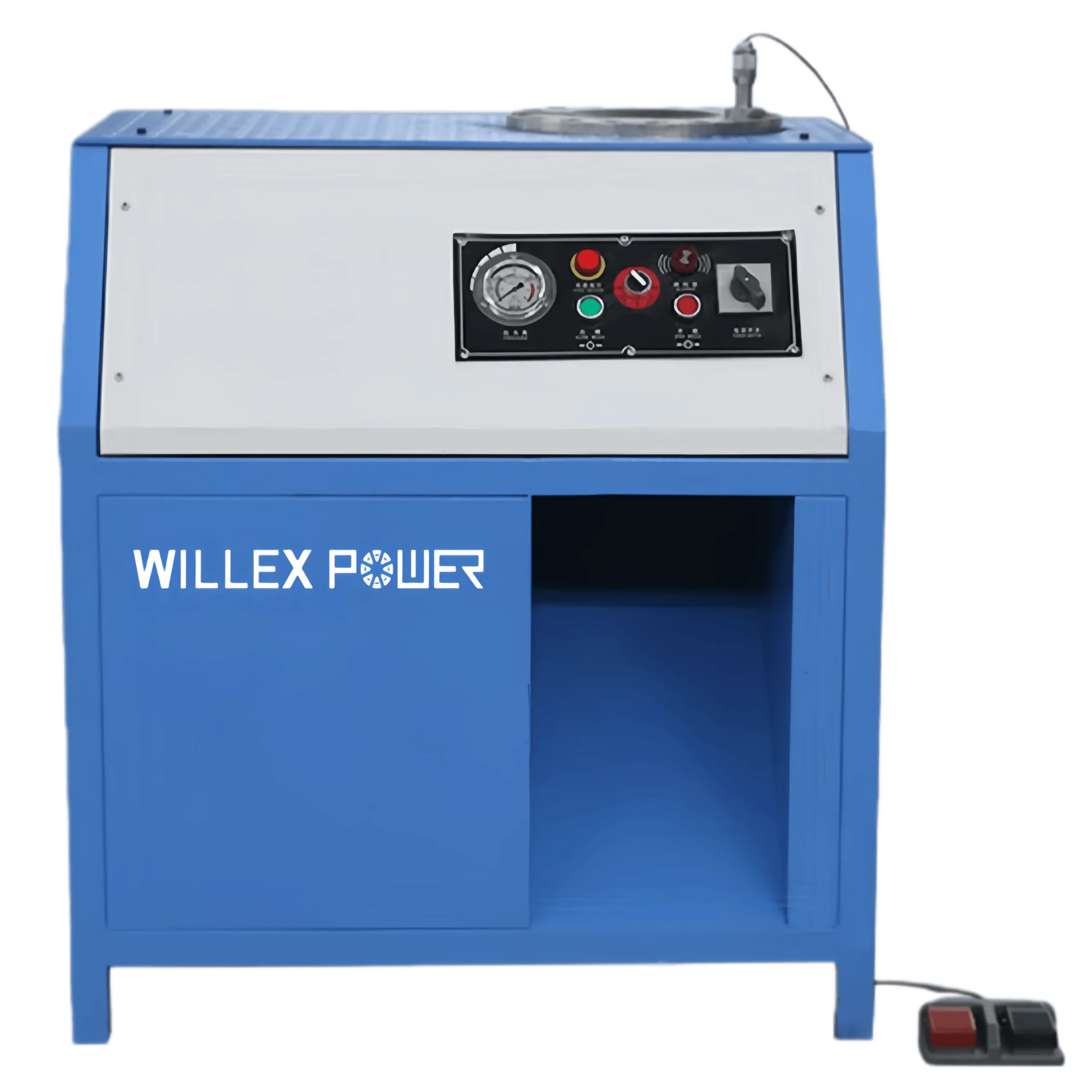
Wholesale Hydraulic Line Crimping Tool – Reliable Industrial Crimpers
Why a wholesale hydraulic line crimping tool is an Industrial Game-Changer
Having spent quite a few years in the industrial equipment trenches, I can tell you there’s something oddly satisfying about a good hydraulic line crimping tool. It’s one of those workhorses that doesn’t often get bragged about, but if it slips up on you, suddenly production grinds to a halt. Frankly, when you’re sourcing wholesale hydraulic line crimping tools, you want a balance between ruggedness, precision, and ease of use — not just the cheapest model that shows up.
Over the years, I’ve noticed how the right crimping tool can make or break an operation. It’s not just about size or crimping force; it’s about reliability over the long haul. These tools have to withstand harsh environments — dirt, oil splashes, high-pressure lines — yet keep every connection perfectly sealed. And boy, when you’re crimping hundreds of hydraulic hoses daily, hand fatigue can sneak up, so ergonomics matter too.
Most workshops gravitate towards buying wholesale because, let’s face it, you need multiple units across different stations; downtime is expensive. Oddly enough, buying wholesale can also open doors to better support and customization options — which is rare to find in industrial tools. Some vendors even tailor-make dies for non-standard hose sizes, which I’ve seen resolve headaches on custom builds.
Key Specs to Watch in a Hydraulic Line Crimping Tool
| Specification | Typical Range/Value | Why It Matters |
|---|---|---|
| Crimping Force | Up to 60 tons | Ensures solid and leak-proof connections |
| Crimping Diameter | 1/4" to 2 inches (6mm-50mm) | Versatility for various hose sizes |
| Power Source | Electric, battery, or manual hydraulic | Mobility and power options for site needs |
| Cycle Time | 10-20 seconds per crimp | Speed affects throughput and labor cost |
| Weight | 15-50 kg (33-110 lbs) | Portability and ease of handling |
You know, one thing I appreciate about wholesale hydraulic line crimping tools from reputable suppliers is how carefully the dies and jaws are machined. Precision like this isn’t just for show — it prevents hose damage, ensuring safety over time. I once had an older crimper that wore out its jaws after a year. It started leaking subtly and caused a major downtime. Learned my lesson then!
Comparing Top Wholesale Hydraulic Line Crimping Tool Vendors
| Vendor | Price Range (per unit) | Die Compatibility | Support & Warranty | Notable Features |
|---|---|---|---|---|
| Willex Crimper | $4,000 - $6,000 | Interchangeable, wide range | 2-year warranty, 24/7 support | Custom dies, portable design |
| HydraFix Tools | $3,500 - $5,500 | Standard sets only | 1-year warranty, business hours support | Compact, lightweight design |
| LinePro Equipment | $4,200 - $6,200 | Custom and standard dies available | 3-year warranty, extended support | Fast crimp cycles, automated options |
From my perspective, Willex Crimper stands out simply because of how user-focused their approach is. They’ve invested a lot in die compatibility and really quick field service. I recall a customer who needed emergency replacements on site and Willex sent out parts overnight — that kind of thing doesn’t go unnoticed. It’s proof that the backbone of industrial tool reliability is the after-sale service, not just the hardware.
In real terms, investing in quality wholesale crimping tools is an investment in your operational uptime. These things are not cheap in the short term but save a ton of headaches — and safety risks — in the long run.
Anyway, if you’re shopping for a robust wholesale hydraulic line crimping tool, do your homework on specs and vendor support. There’s nothing wrong with calling up suppliers and asking for trial periods or demos. I’ve found that seeing the equipment in action often cements buying decisions more than any data sheet.
To wrap up — hydraulic line crimpers might feel mundane when you first deal with them, but they really are pivotal pieces in industrial setups. Choose wisely and maintain them well, and they’ll keep your workflow humming along for years.
References:
- Willex Crimper official specifications and user manuals.
- Industry case studies on hydraulic hose fitting reliability.
- Technical forums and user testimonials from hydraulic technicians.
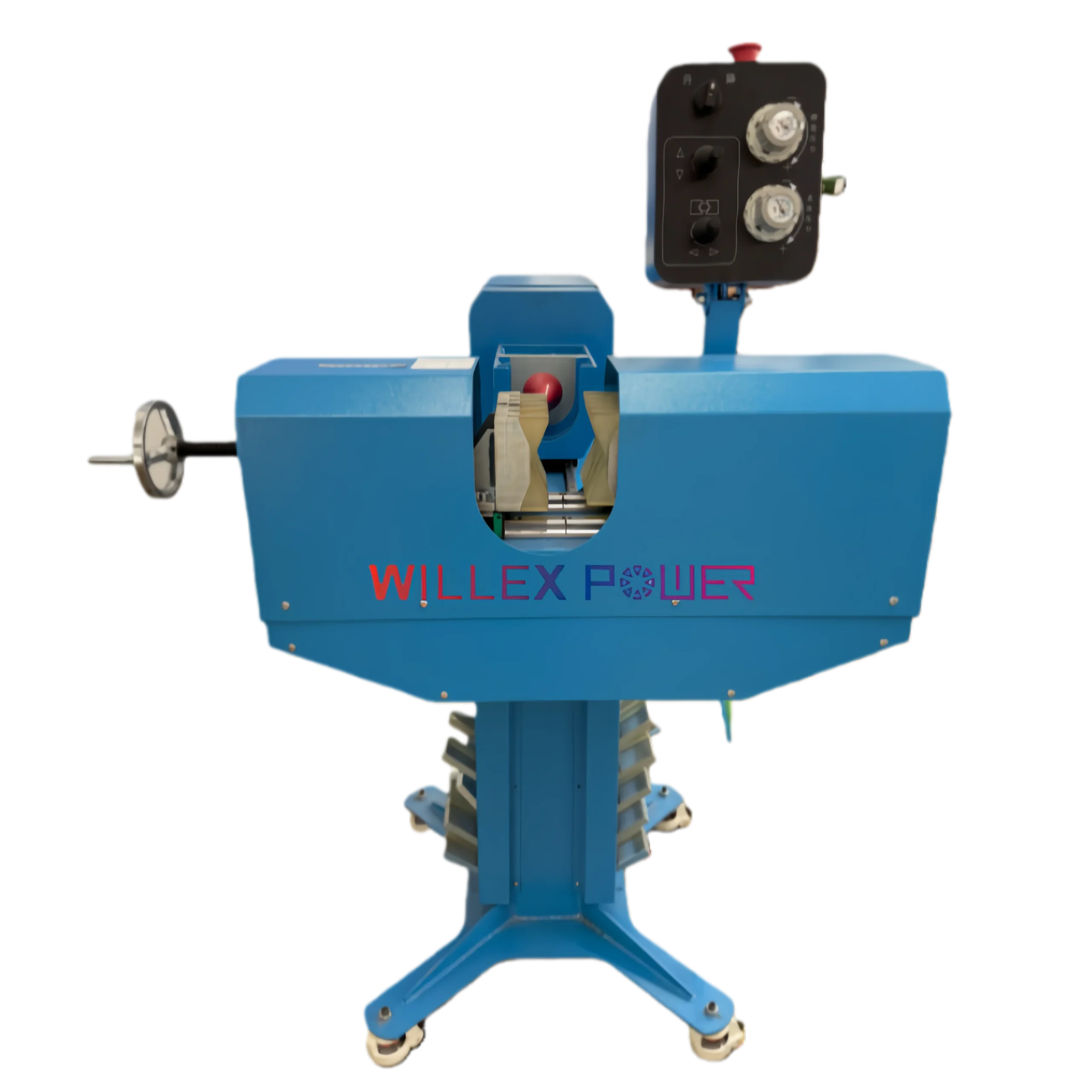
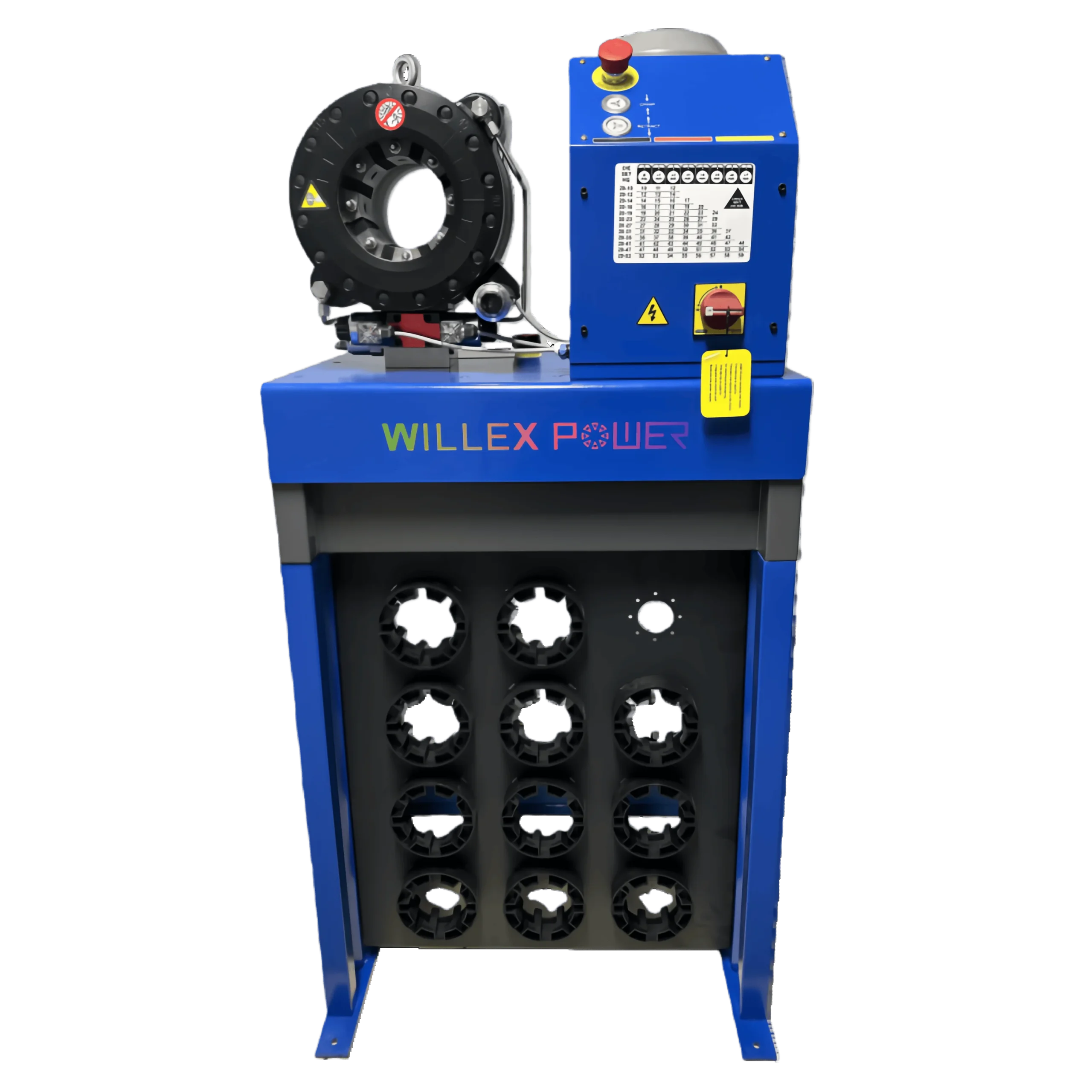
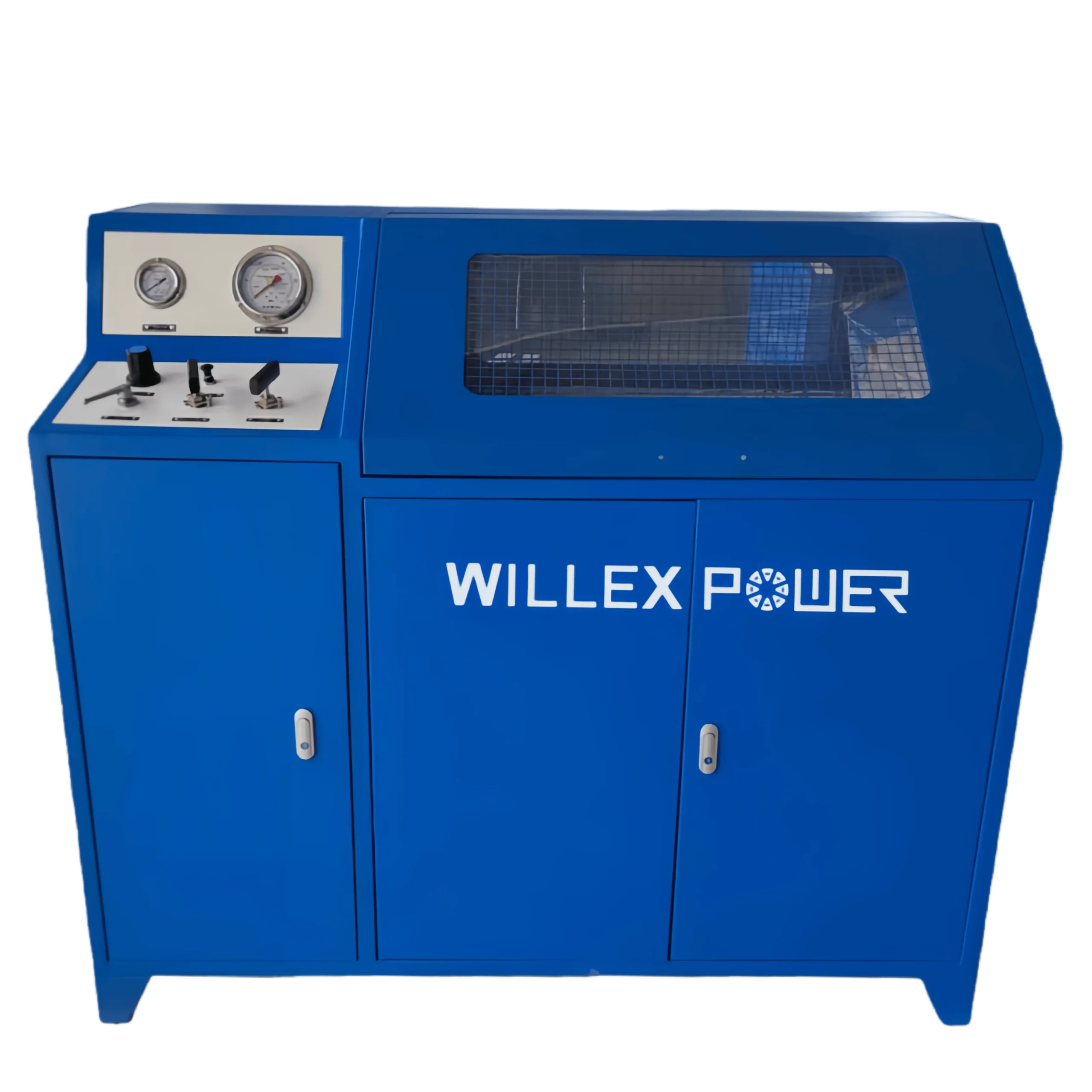
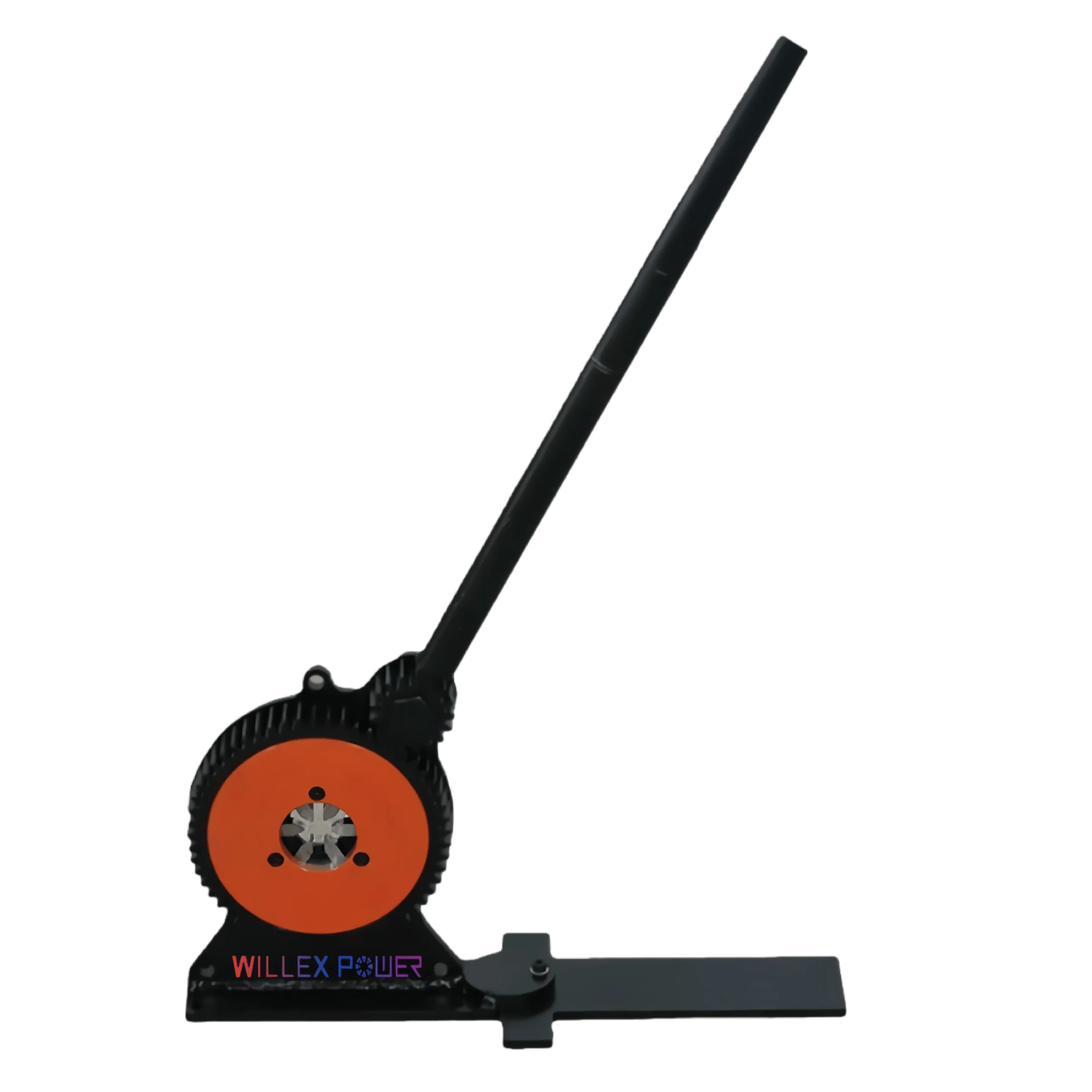
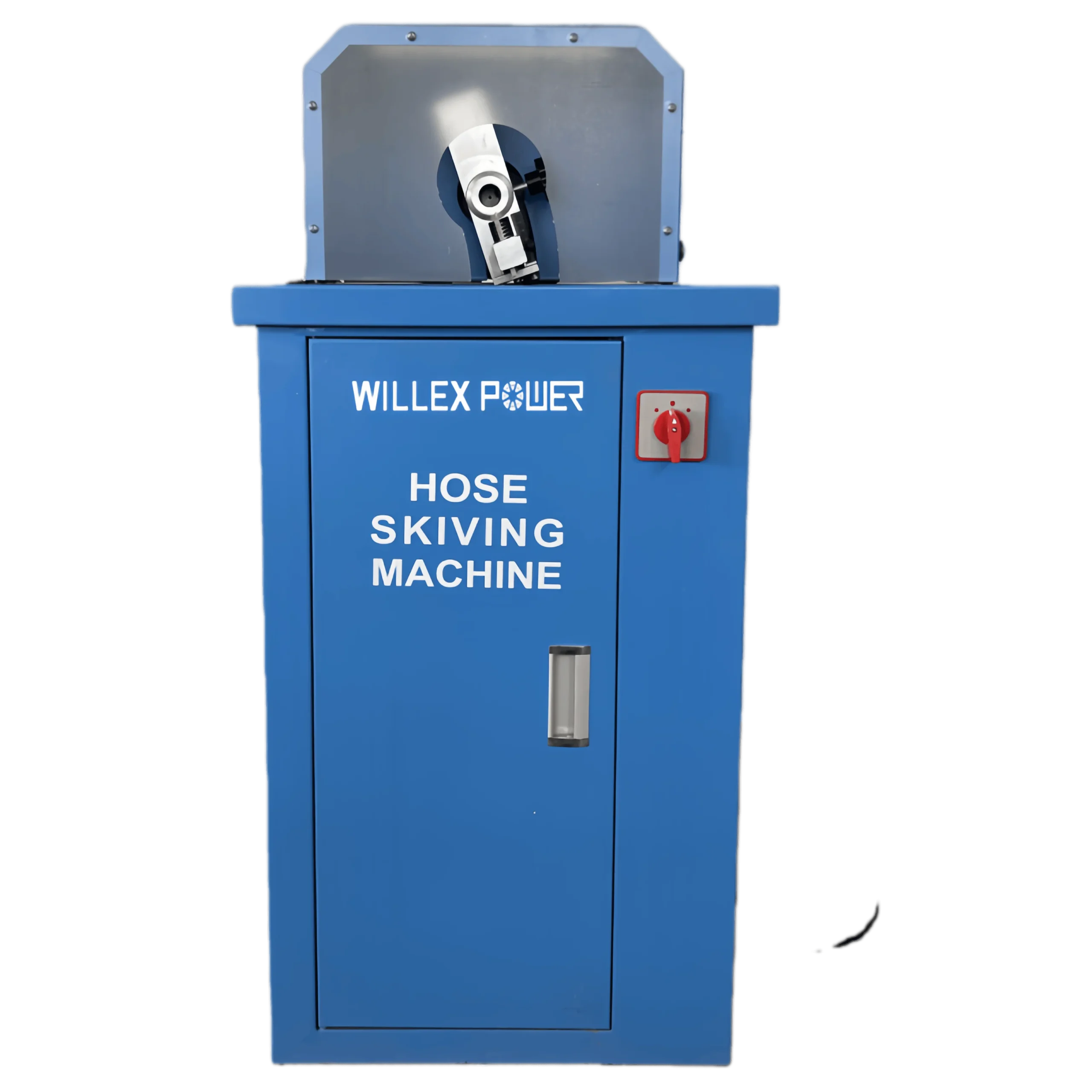
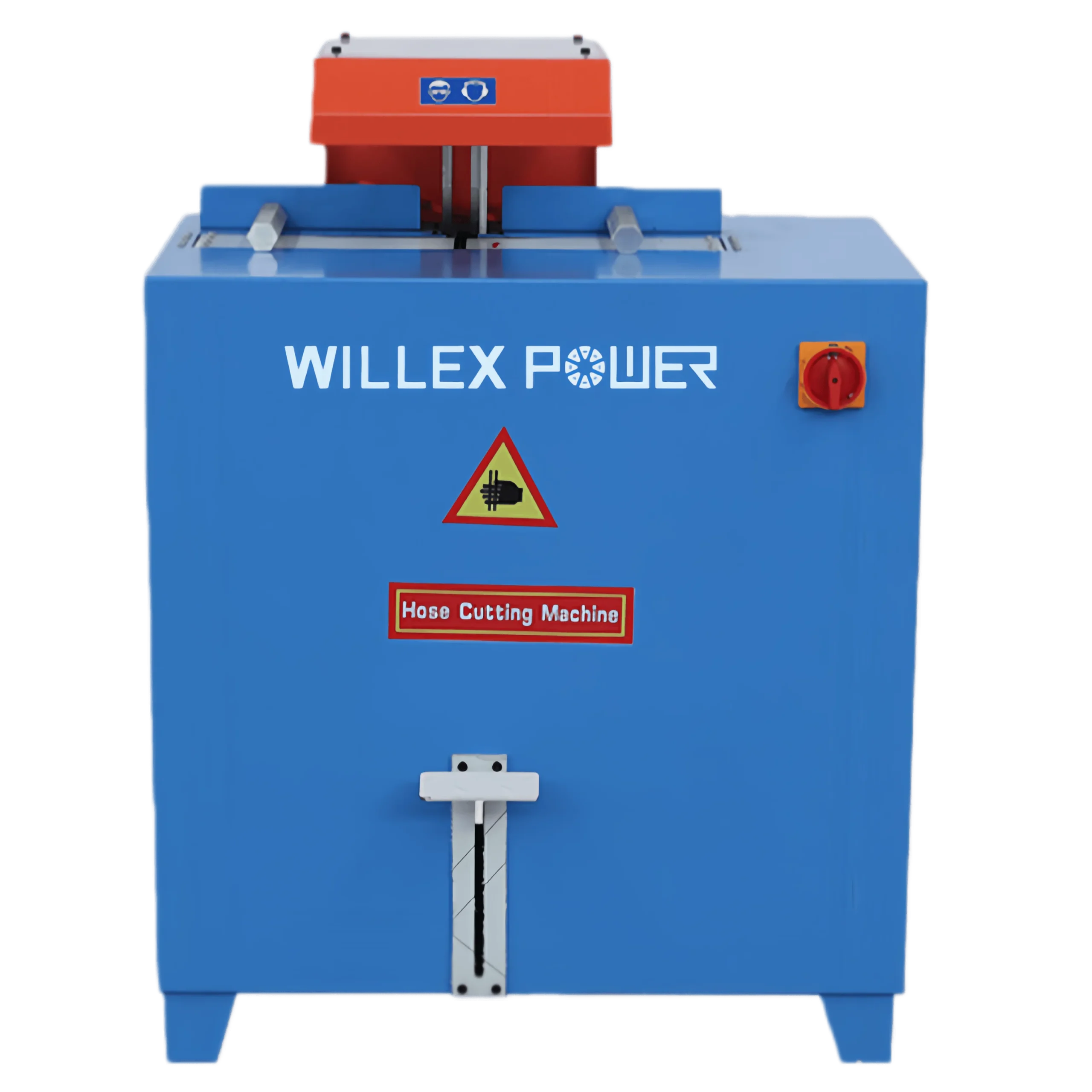
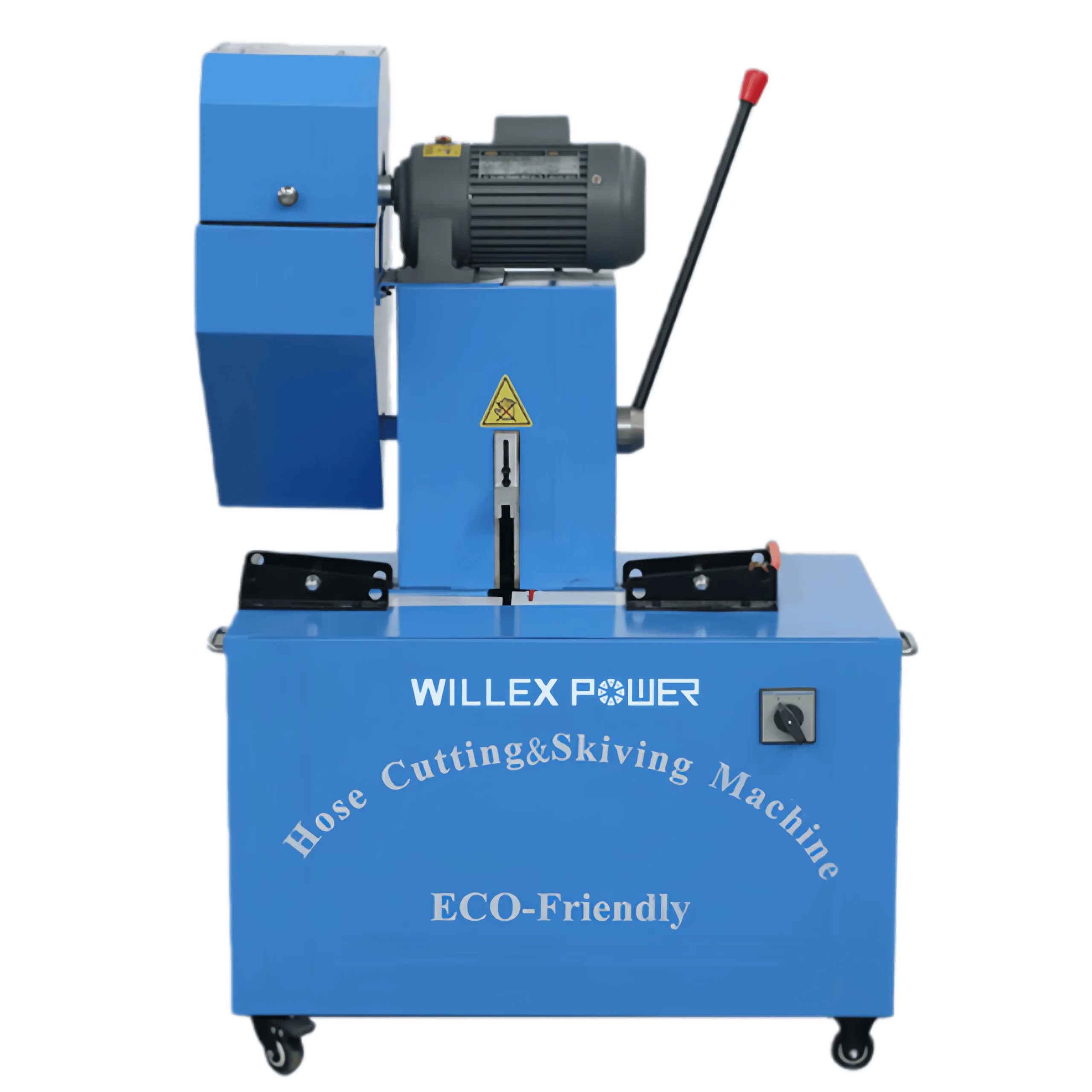
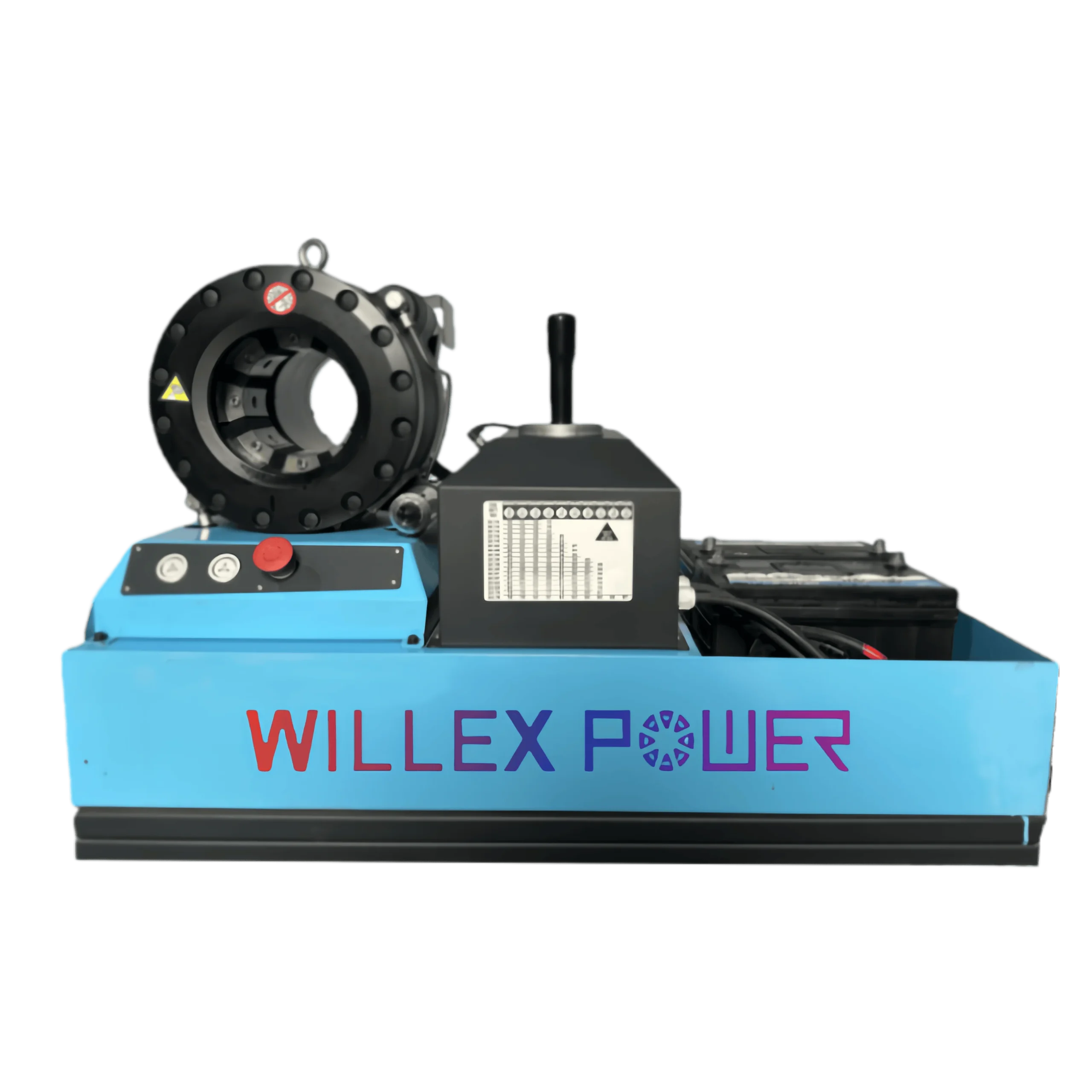
-20260121013914-scaled.webp "WILLEX POWER DZW-A10-1 Hose Crimping Machine")
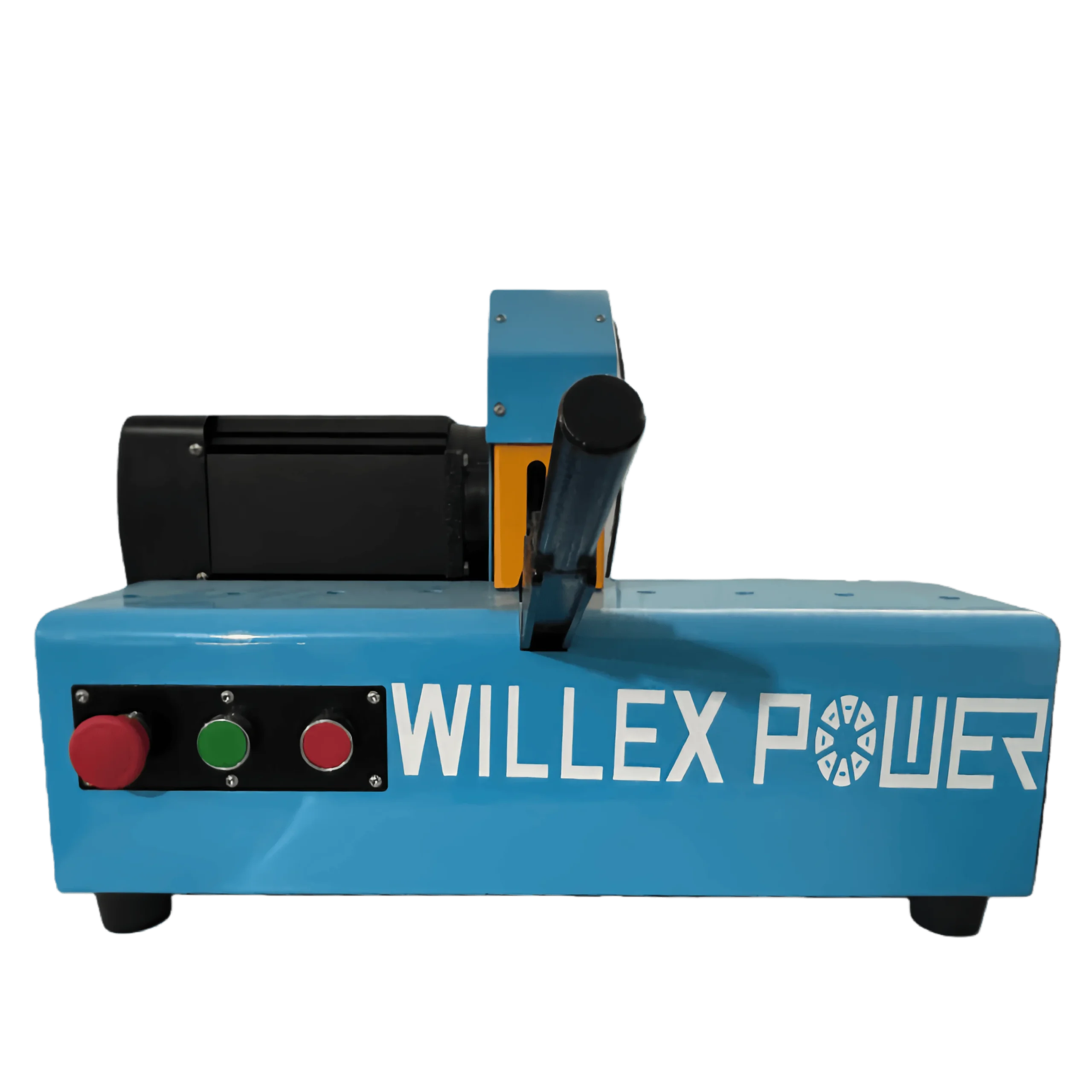
-20260121014427-scaled.webp "Hose Crimping Machine DZW-A10")
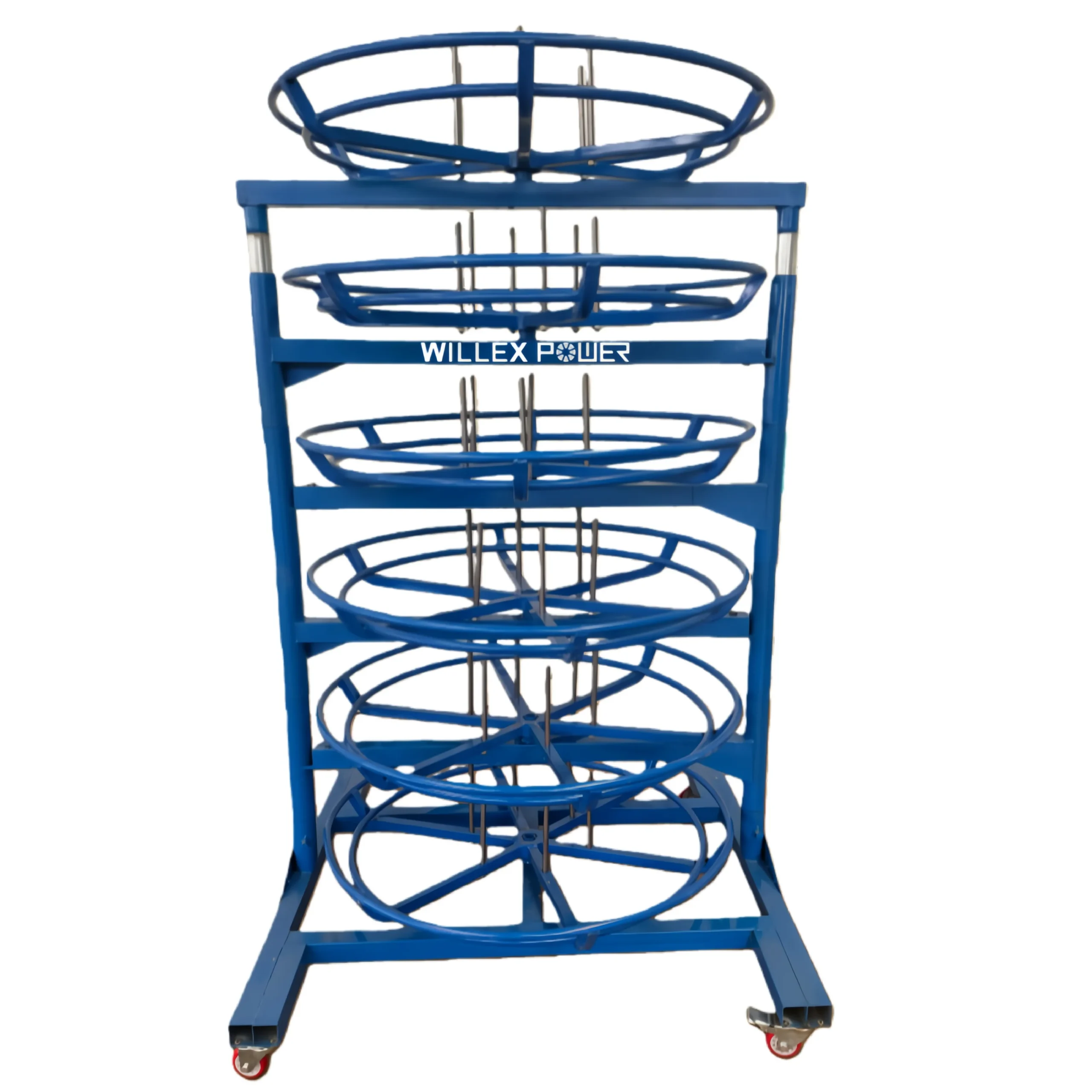
-20260121015636-scaled.webp "Hose Skiving Machine DZW-51BJ-M")
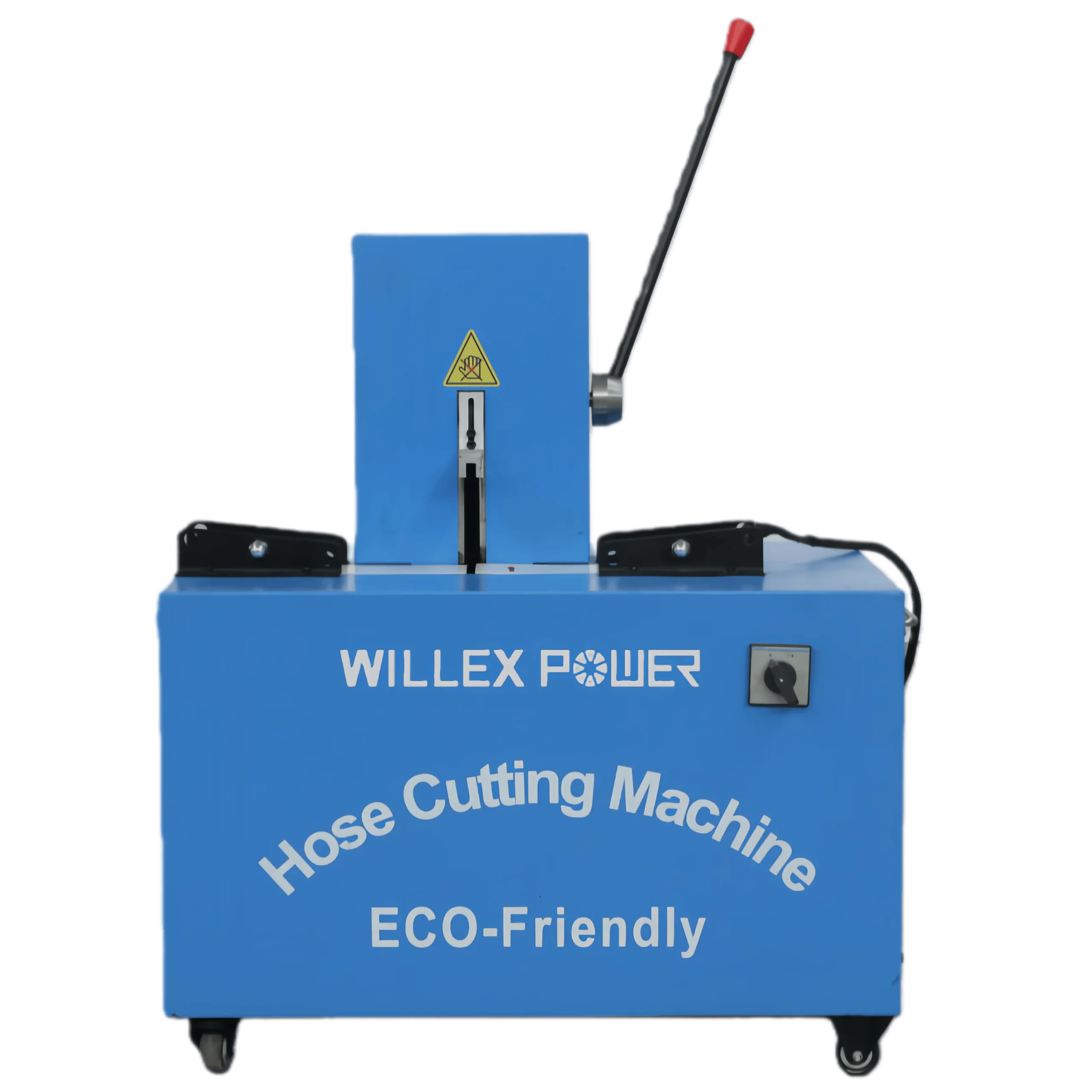
-20260121015753-scaled.webp "Hose Skiving Machine DZW-51BJ-C")
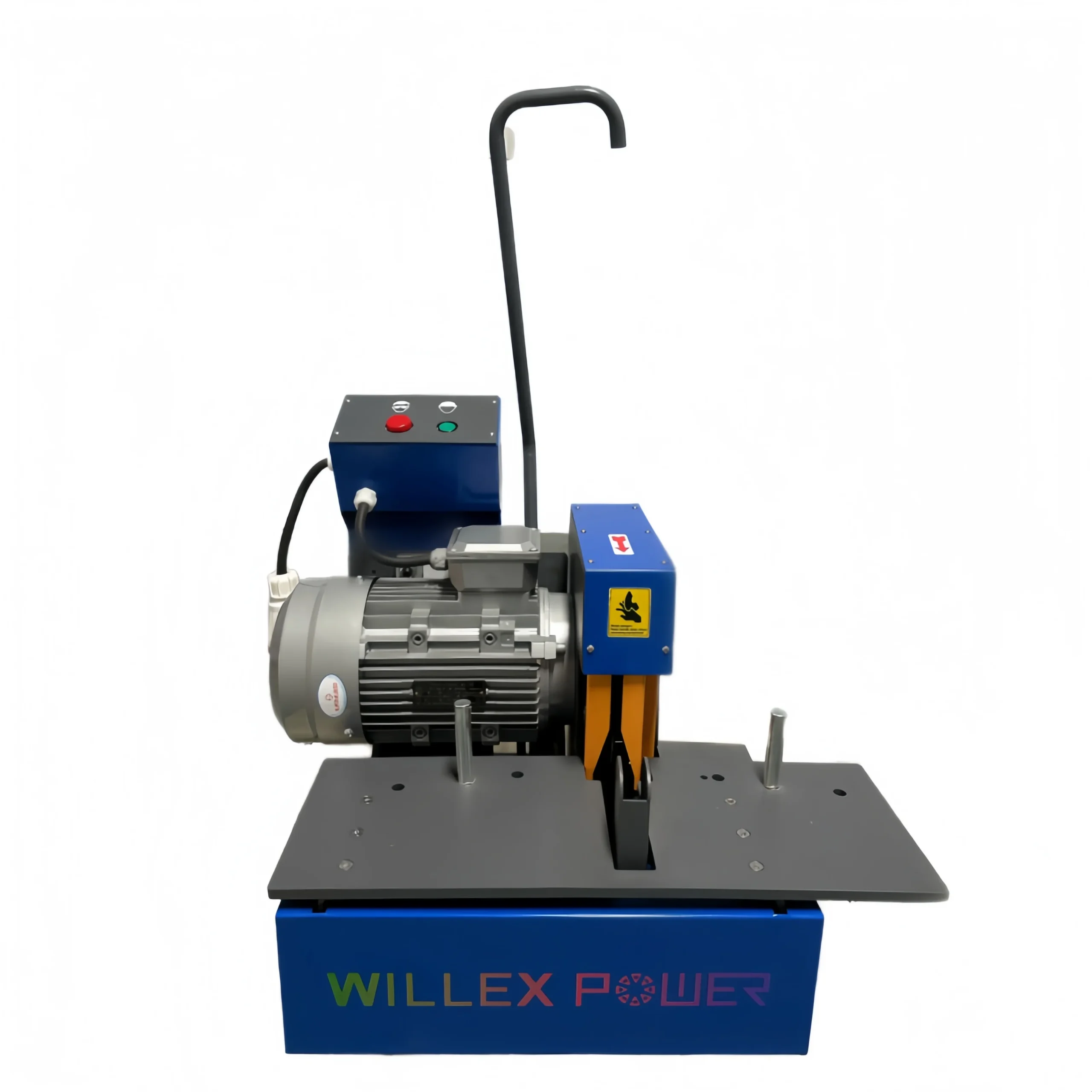
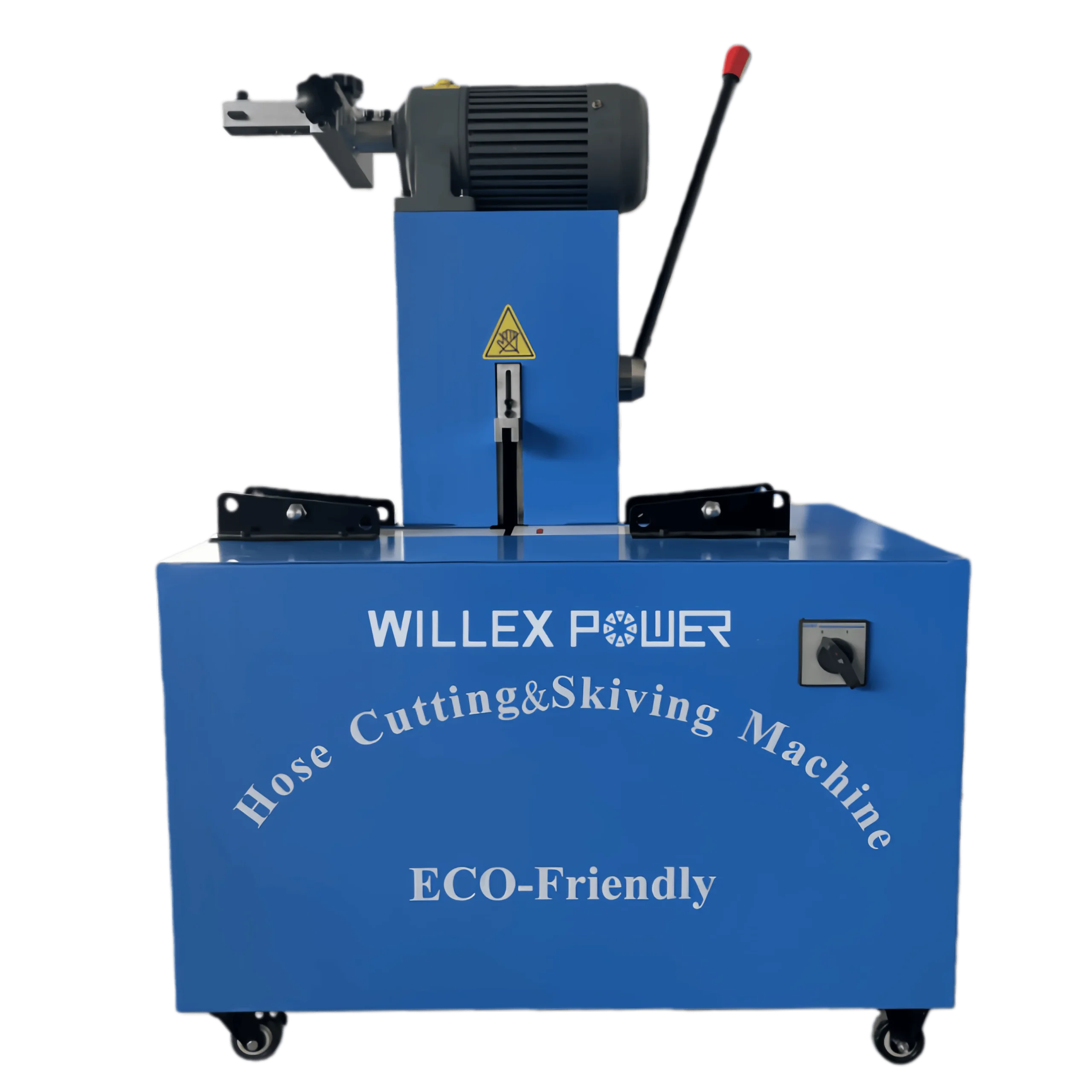
-20260121020311-scaled.webp "Hose Skiving Machine DZW-51BJ-E")