Wholesale Hose Crimper | Reliable Bulk Hose Crimping Machines for Industry
Understanding the Wholesale Hose Crimper: A Global Industrial Staple
The wholesale hose crimper may not be headline news, but it quietly shapes industries worldwide—from oil extraction to agriculture, firefighting to construction. You know, it’s one of those tools that keep essential infrastructure flowing smoothly. Basically, a hose crimper is a machine designed to seal fittings to hoses securely, creating flawless hydraulic or pneumatic connections. Selling these machines wholesale matters because large-scale industries demand reliability, cost-efficiency, and rapid deployment to maintain their operations across continents.
Why care about a hose crimper? Well, global statistics show that industries relying on fluid transport are growing fast. According to the International Organization for Standardization (ISO), hydraulic systems will expand by roughly 5% annually through the next decade, driven mainly by Asia-Pacific and North America. With such growth, understanding wholesale hose crimpers is not just a niche interest—it’s a fundamental piece of keeping infrastructure safe, operational, and sustainable worldwide.
Introduction: The Global Relevance of Wholesale Hose Crimpers
The world depends on hoses—for irrigation in drought-affected areas, fuel transfer in remote mining operations, or emergency water relief after natural disasters. The hidden bottleneck? Ensuring that hose fittings don’t fail under pressure, which can cause costly downtime or safety hazards. Wholesale hose crimpers tackle this by enabling bulk production of perfectly sealed hoses, reducing human error, speeding up deployment, and cutting costs. Oddly enough, despite their low profile, these machines influence everything from local farming communities to global oil rigs.
Defining Wholesale Hose Crimper
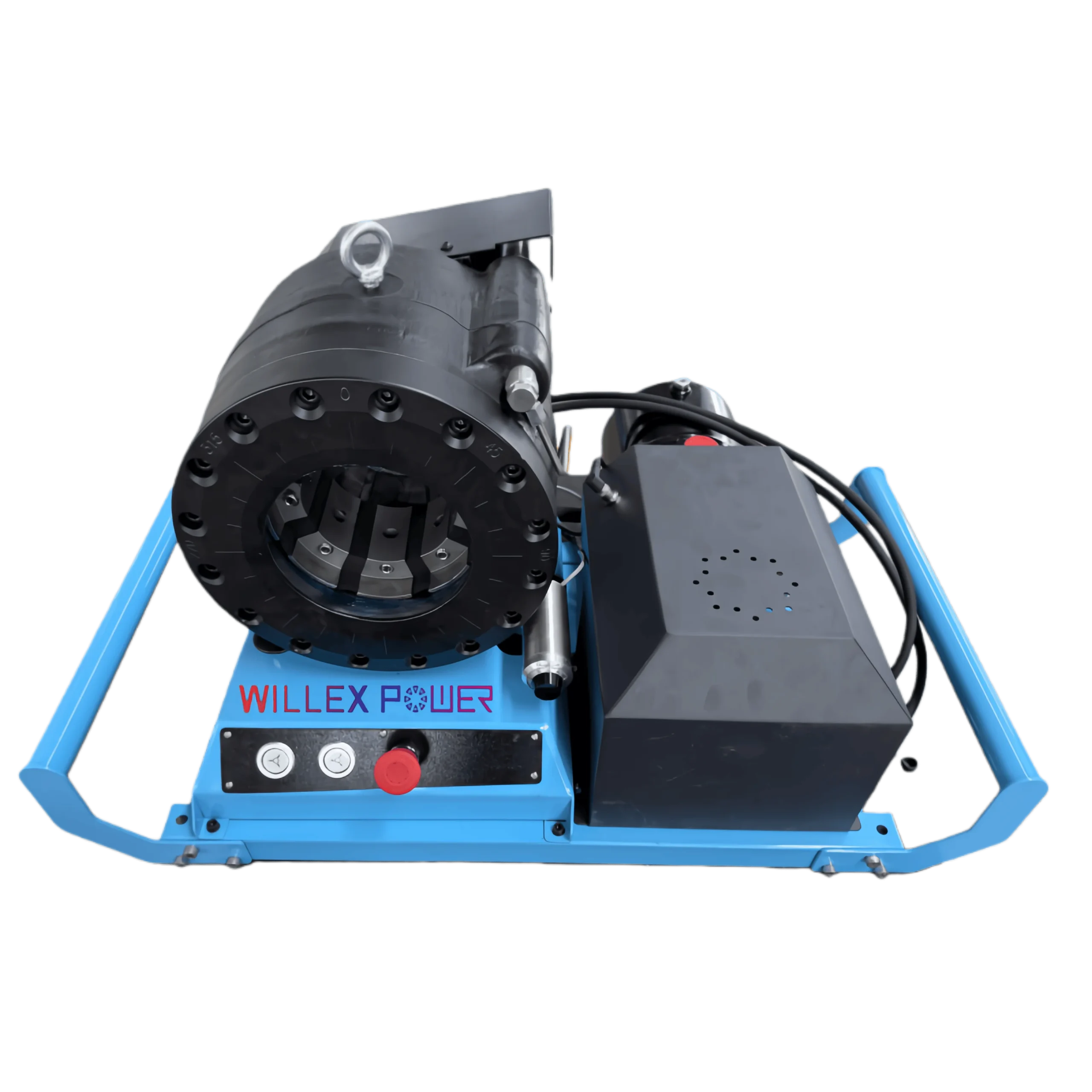
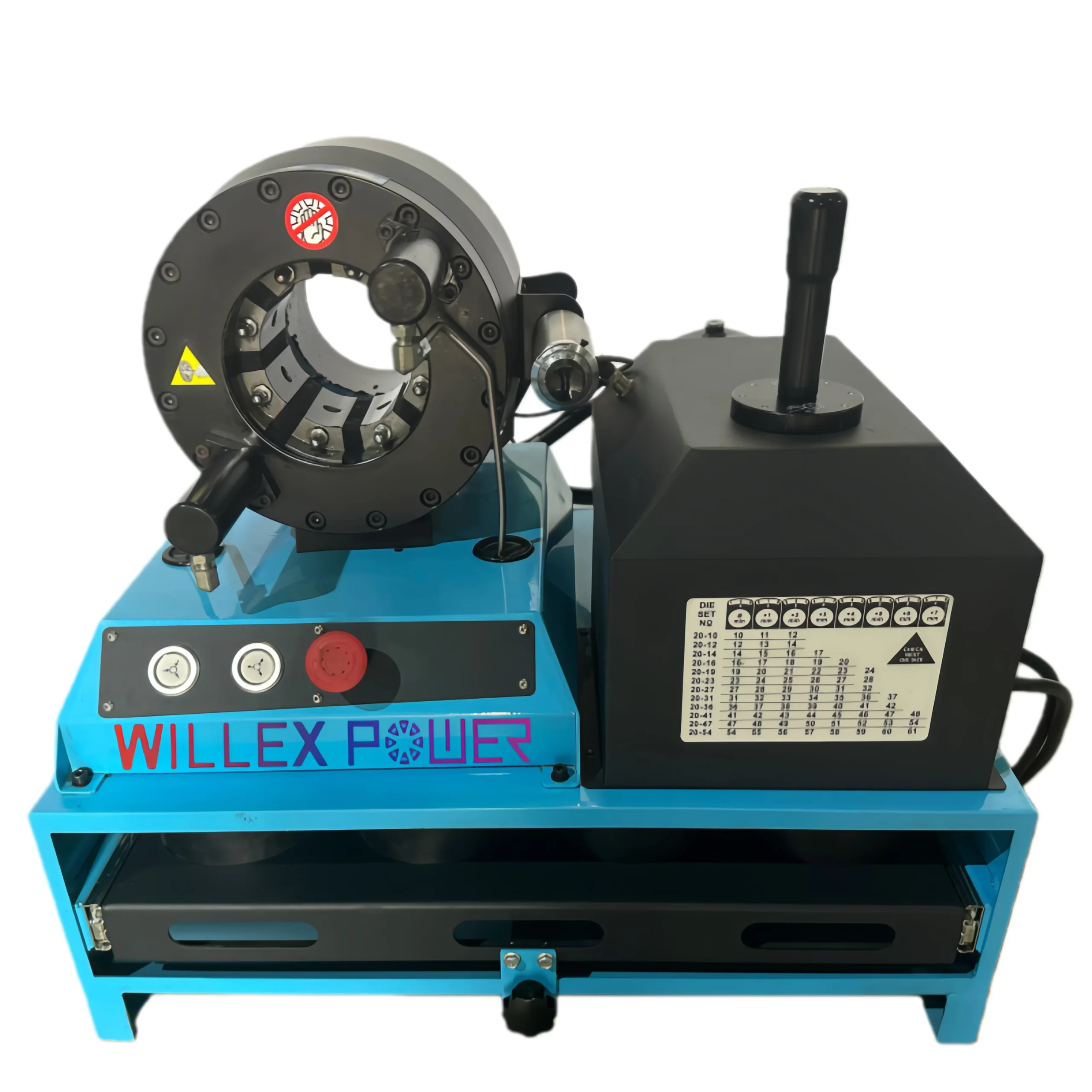
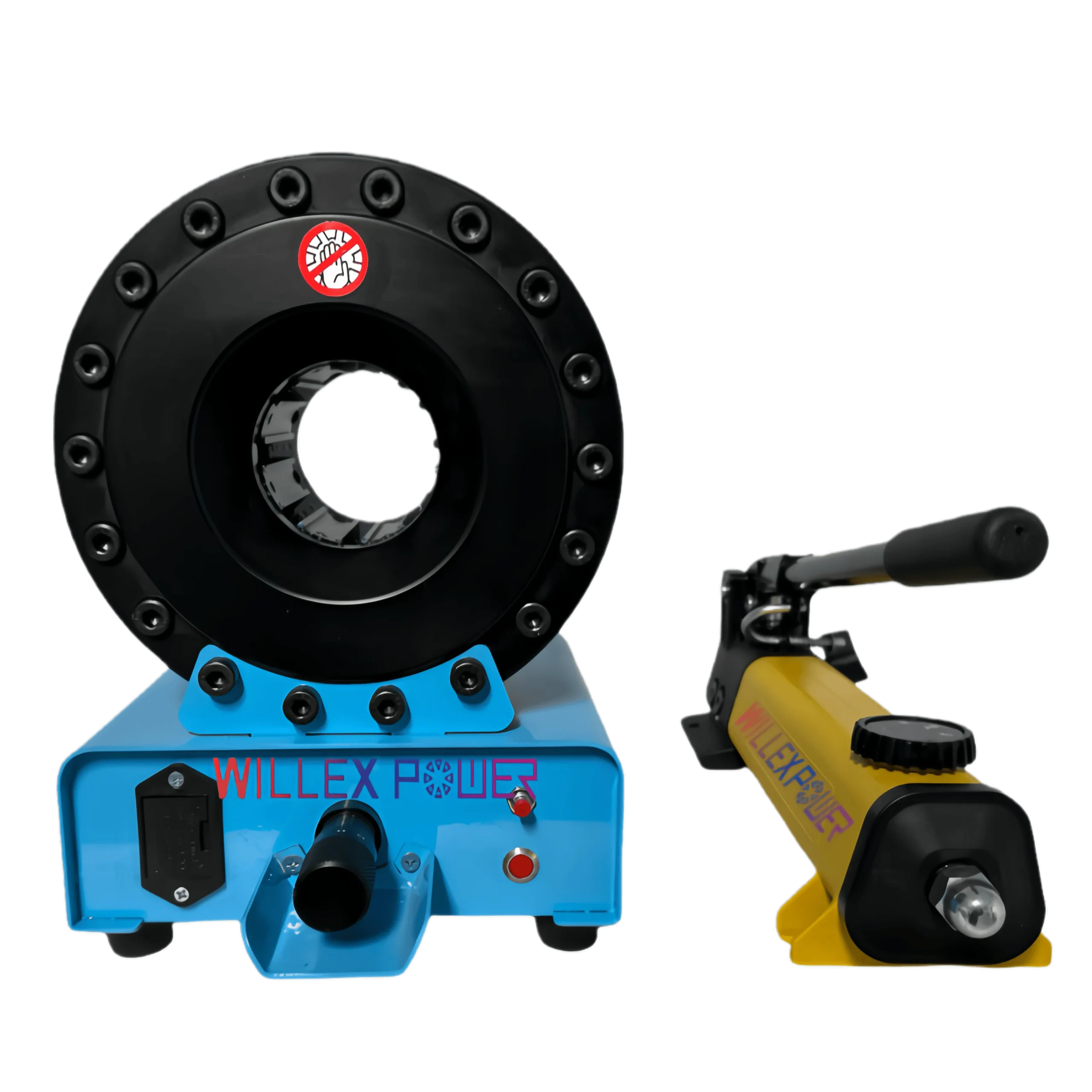
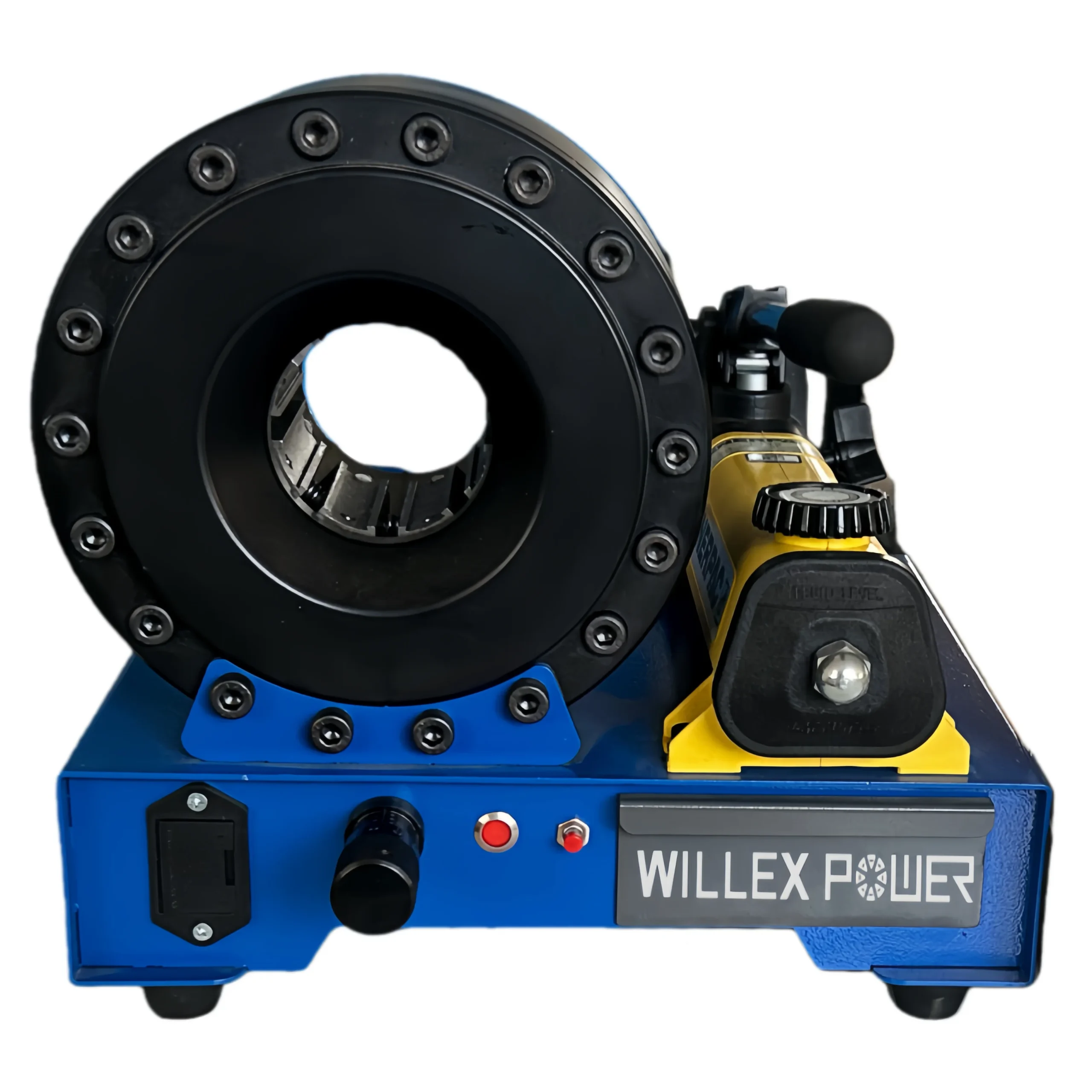
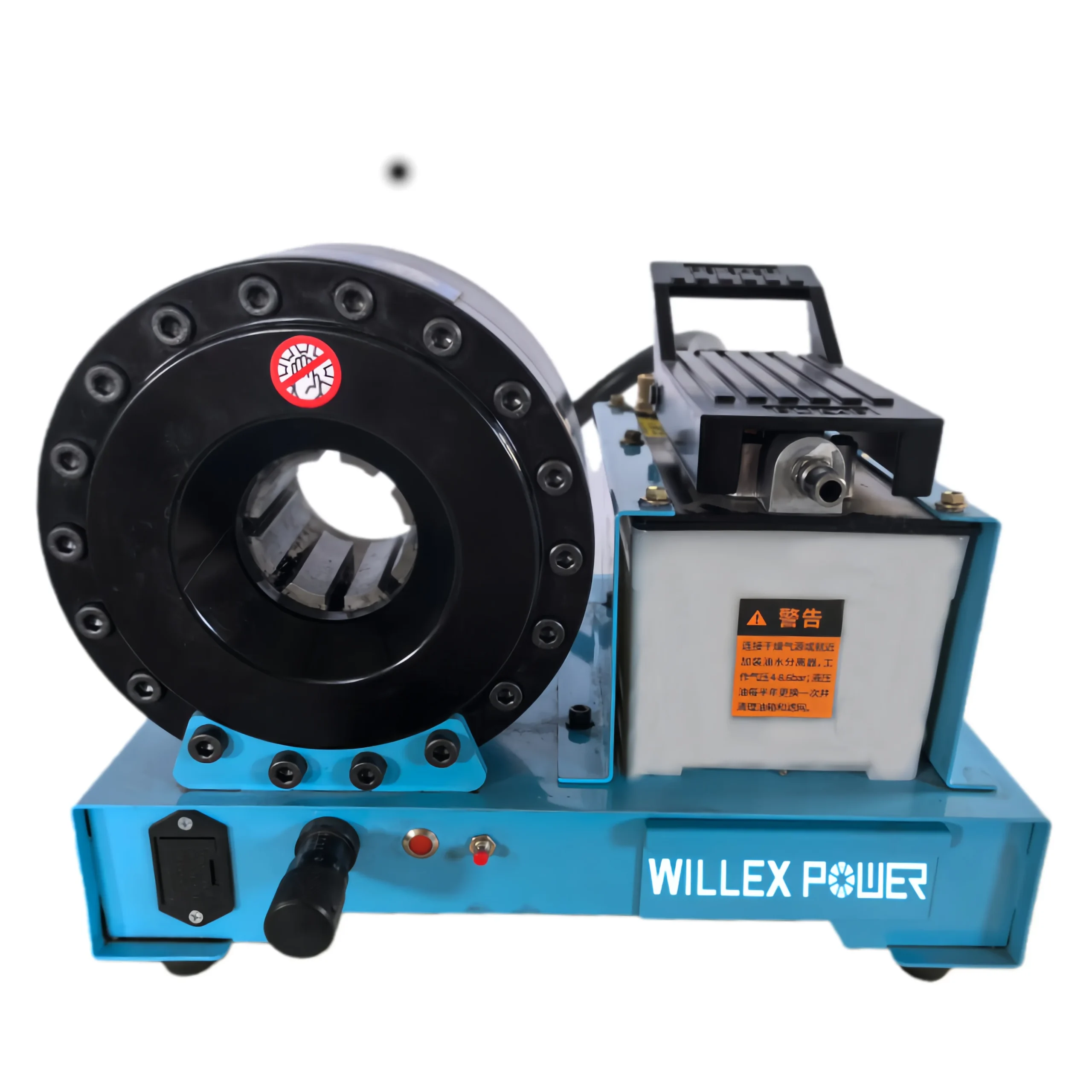
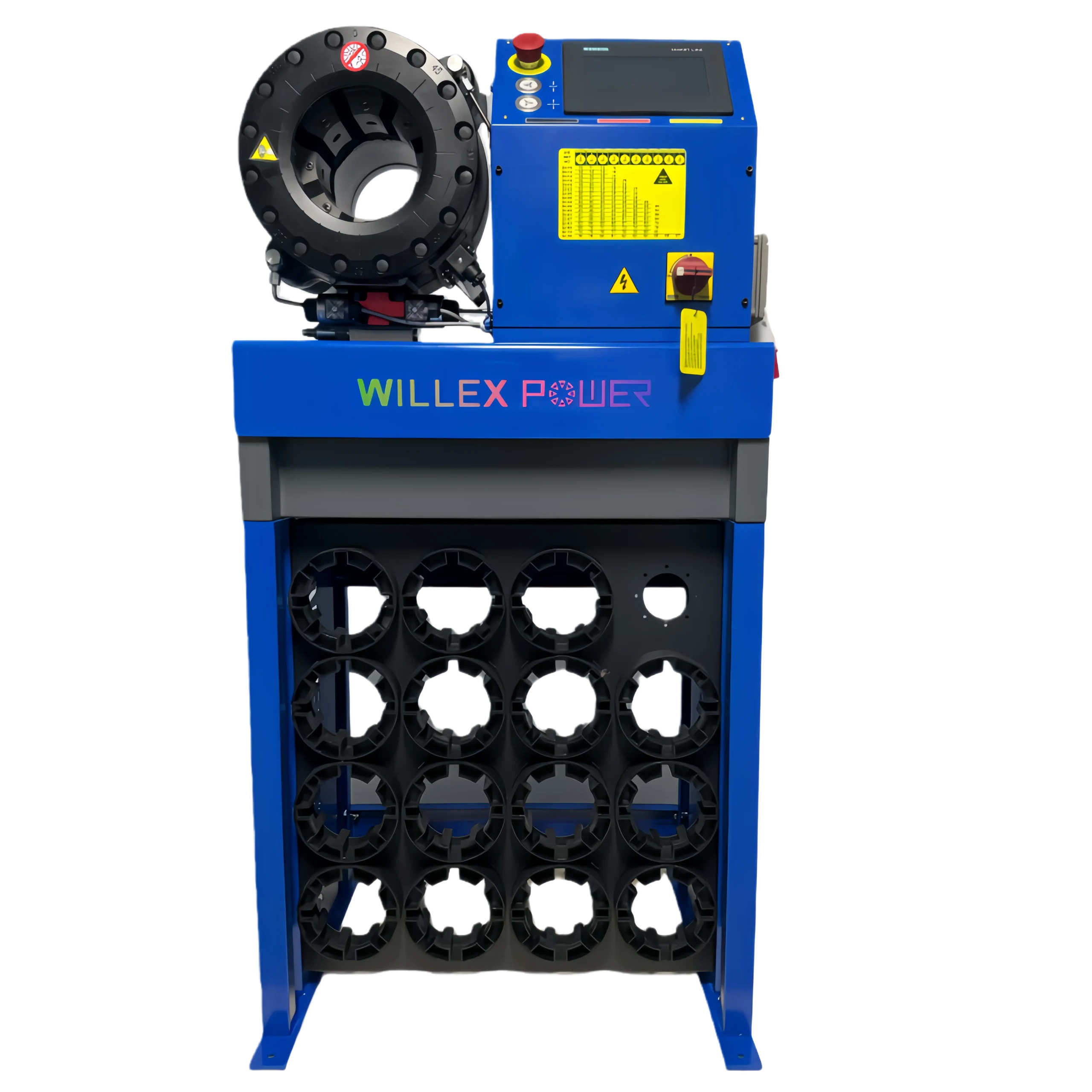
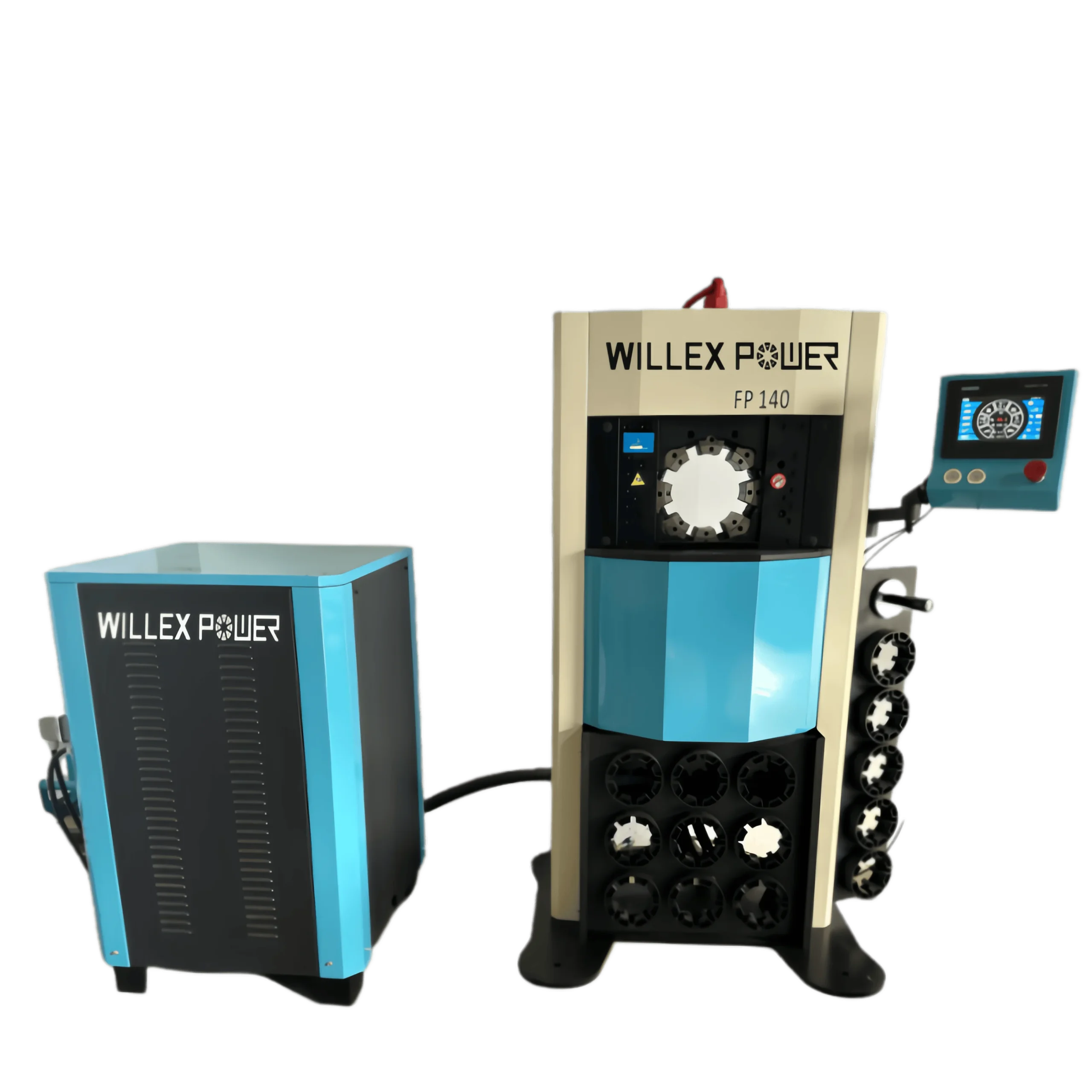
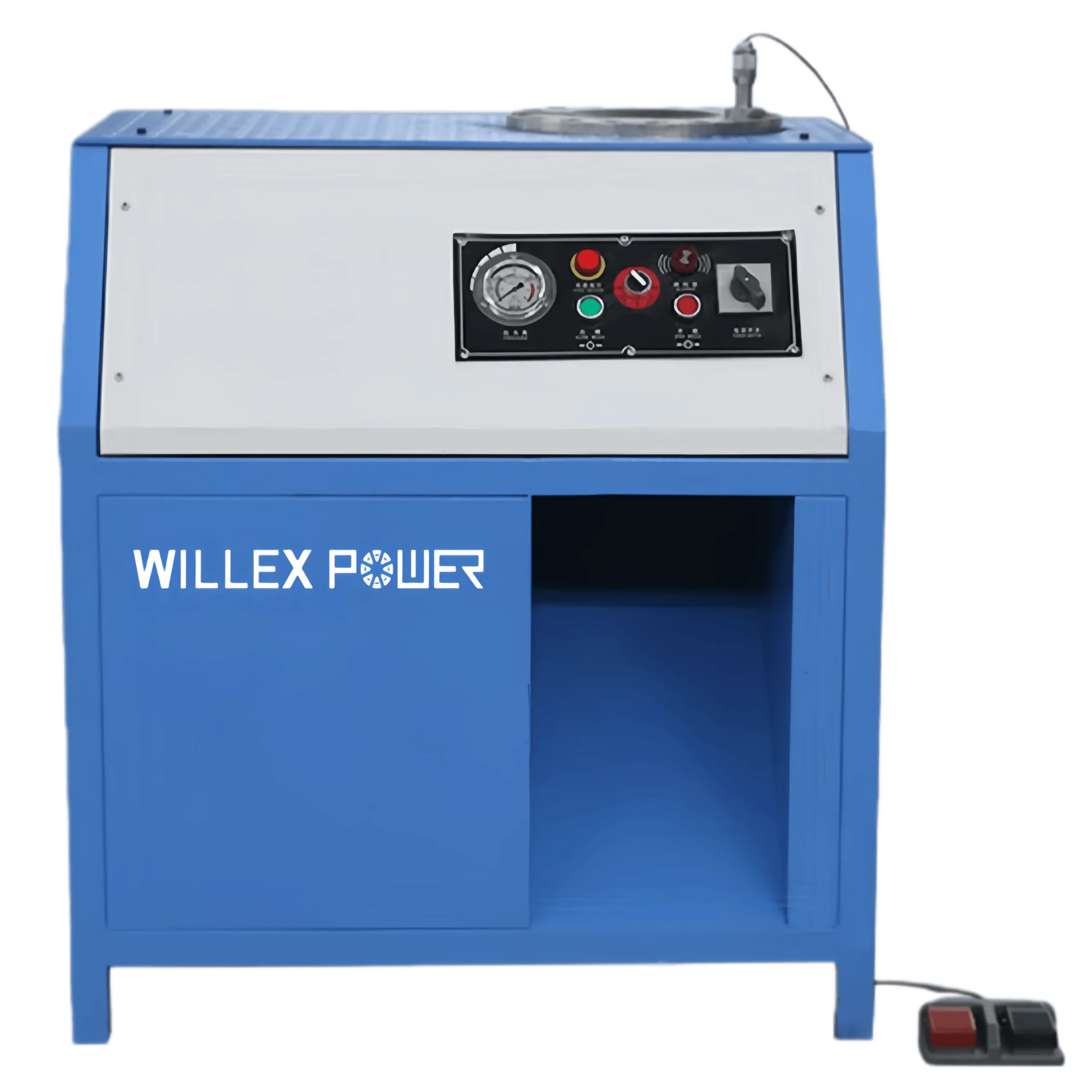
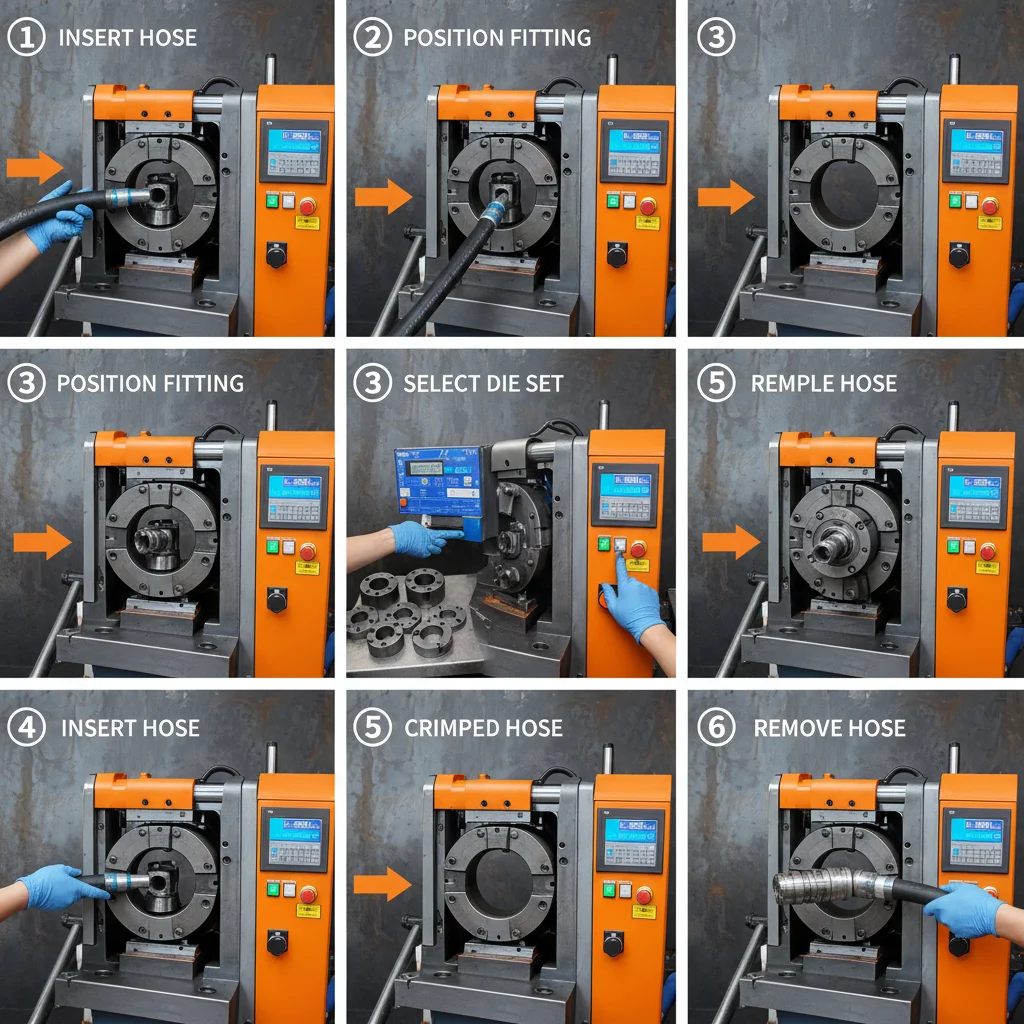
A wholesale hose crimper is essentially a machine that permanently attaches hose fittings through a precise compression action. Usually hydraulic or electric, these crimpers come in handheld models for fieldwork and heavy-duty bench or automated machines for factories. Their wholesale availability means companies and distributors can buy them in bulk, ensuring economies of scale and consistent stock. They’re directly linked to industries that pivot on fluid transfer—you can think of them as gatekeepers of fluid system integrity.
Core Components and Key Factors
1. Durability
Wholesale hose crimpers must resist years of abuse—dust, moisture, heavy use. Materials like hardened steel and reinforced hydraulics are common to extend life cycles.
2. Scalability
From a small repair shop needing a manual crimper to a large factory requiring automatic, programmable machines, scalability is key. Vendors cater to diverse needs, making bulk orders sensible.
3. Cost Efficiency
Buying wholesale typically reduces unit costs substantially, crucial for businesses needing dozens or hundreds of units. This means more budget for maintenance or new projects.
4. Precision & Consistency
Hydraulic crimpers offer uniform compression force per connection, critical for safety and system longevity. Consistency means fewer leaks and downtime.
5. Ease of Use & Maintenance
Machines designed for simple calibration and minimal upkeep keep operations smooth, especially in remote or harsh environments.
Global Applications & Use Cases
In post-disaster relief operations, quick deployment of water and fuel hoses is lifesaving; portable hose crimpers lend invaluable support. In remote industrial zones like Siberia or the Australian Outback, crews rely on wholesale hose crimpers to keep heavy machinery running. Even urban firefighting departments depend on dependable hose assembly to prevent equipment failure during emergencies.
Agricultural sectors in sub-Saharan Africa are adopting hydraulic irrigation systems augmented by bulk-purchased hose crimpers, improving water efficiency and crop yields. Oil and gas fields in the Middle East and Texas consistently order wholesale machines to outfit massive fleets of service vehicles and rig equipment. Wholesale hose crimper suppliers often work hand-in-hand with multinational clients across these varied industries.
Advantages & Long-Term Value
- Cost Savings: Bulk buying reduces per-unit price, freeing capital for other investments.
- Sustainability: Durable construction minimizes frequent replacements, lowering waste.
- Reliability: Uniform crimps mean less downtime and fewer accidents, building trust.
- Safety & Dignity: In humanitarian contexts, these tools help ensure clean water delivery with zero leaks.
Frankly, it’s a blend of logical and emotional benefits. When you know every hose fitted won’t fail under pressure, it feels like an unseen layer of protection for workers and communities alike.
Product Specification Table: Typical Wholesale Hose Crimper Models
| Model | Crimp Diameter (mm) | Power Type | Weight (kg) | Cycle Time (sec) |
|---|---|---|---|---|
| Willex WHC-500 | 6-32 | Electric | 48 | 8 |
| Willex HHC-1200 | 10-60 | Hydraulic | 120 | 12 |
| Willex PHC-01 | 4-16 | Manual Portable | 15 | ~20 |
Vendor Comparison: Leading Wholesale Hose Crimper Suppliers
| Supplier | Price Range (USD) | Warranty | Global Shipping | Customization |
|---|---|---|---|---|
| Willex Crimpers | $1,200-$15,000 | 2 Years | Yes | Available |
| HydroSeal Inc. | $1,500-$20,000 | 3 Years | Limited | Custom Only |
| PipePro Tools | $900-$10,000 | 1 Year | Yes | Limited |
Future Trends & Innovations in Hose Crimping
As industries digitize, expect hose crimpers to evolve beyond mechanical marvels. Laser-guided crimp alignment, IoT-connected devices for real-time quality monitoring, and AI-powered diagnostics are on the horizon. Green energy materials, like bio-composites used in crimper housing, aim to reduce environmental impact. Automating crimping processes with robotics can increase throughput while minimizing errors. Frankly, even in this old-school niche, tech and sustainability are converging fast.
Challenges & Expert Solutions
Still, some issues persist. For instance, in extreme environments like offshore rigs, corrosion threatens device lifespan. Plus, training workers to calibrate and maintain crimpers properly can be tough in low-resource settings. Experts suggest modular design improvements allowing easy part swaps and remote diagnostics to overcome these challenges. Also, partnering with local distributors for training boosts operational success.
FAQ: Frequently Asked Questions About Wholesale Hose Crimper
- Q1: How do I choose the right wholesale hose crimper for my business?
- A: Consider the hose diameters you work with, production volume, power source availability, and required cycle time. If you're scaling fast, automated electric or hydraulic models are best. For small-scale or fieldwork, portable manual types often suffice.
- Q2: Does buying wholesale mean I have to purchase large minimum quantities?
- A: Usually, yes, but many suppliers offer tiered pricing structures to accommodate smaller bulk orders. It’s worth discussing your needs directly for flexible solutions.
- Q3: What maintenance is required on a hose crimper?
- A: Routine lubrication, checking hydraulic fluid levels, cleaning dies, and calibrating pressure settings are typical tasks. Maintenance frequency depends on usage intensity and environment.
- Q4: Are wholesale hose crimpers compatible with all hose types?
- A: Most crimpers target hydraulic or pneumatic hoses with metal fittings. However, compatibility varies by model; always verify with supplier specifications.
Conclusion
Wholesale hose crimpers might seem unsung, but their impact reverberates globally wherever fluid systems operate. They enable industries to deliver water, fuel, and vital resources safely and efficiently for years to come. If you’re involved in infrastructure or industry supply chains, understanding this equipment can save you time, money, and headaches down the road.
Visit our website: https://www.willexcrimper.com to explore high-quality, customizable wholesale hose crimpers ready to meet diverse operational needs worldwide.
In real terms, the humble hose crimper is a linchpin for industrial reliability—who knew?
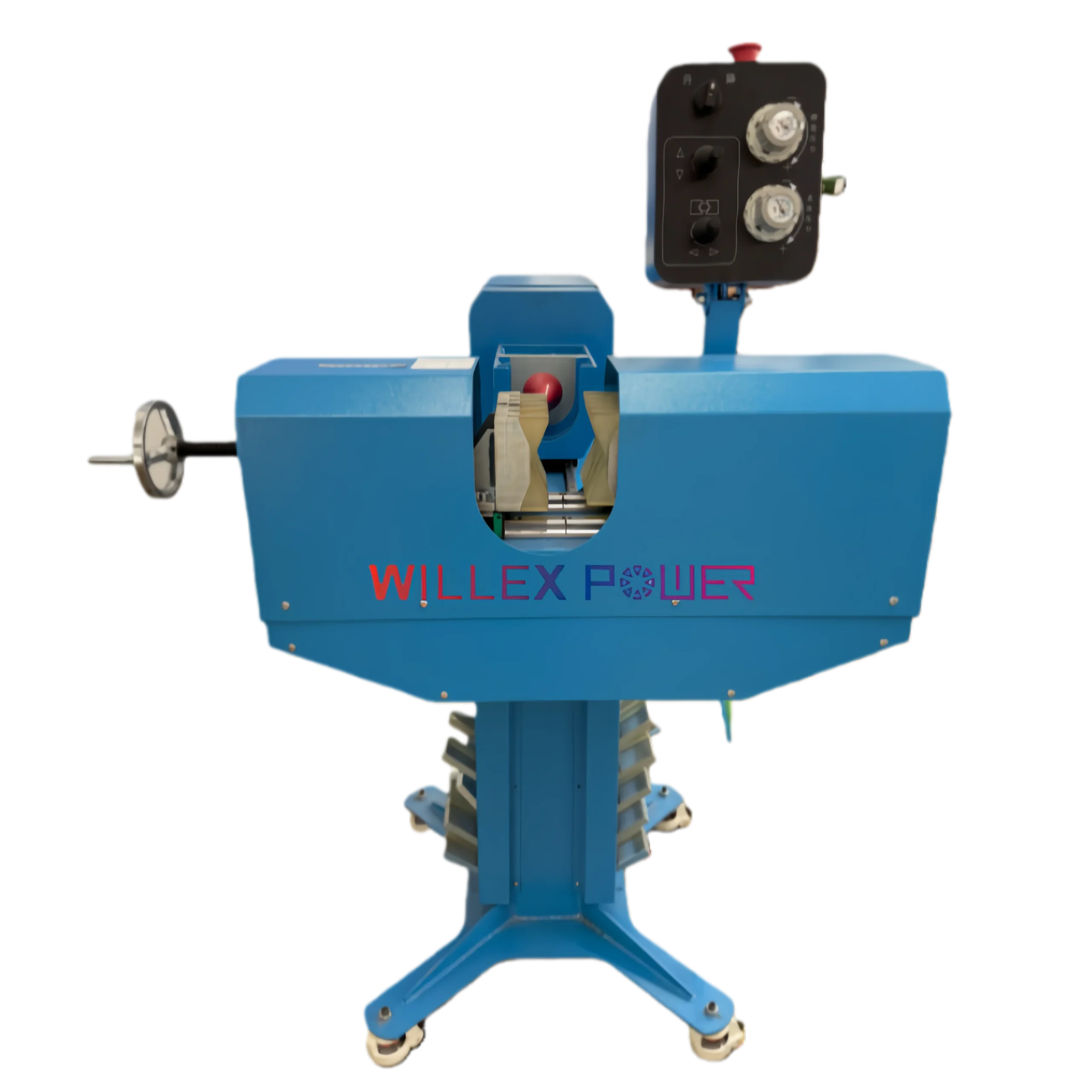
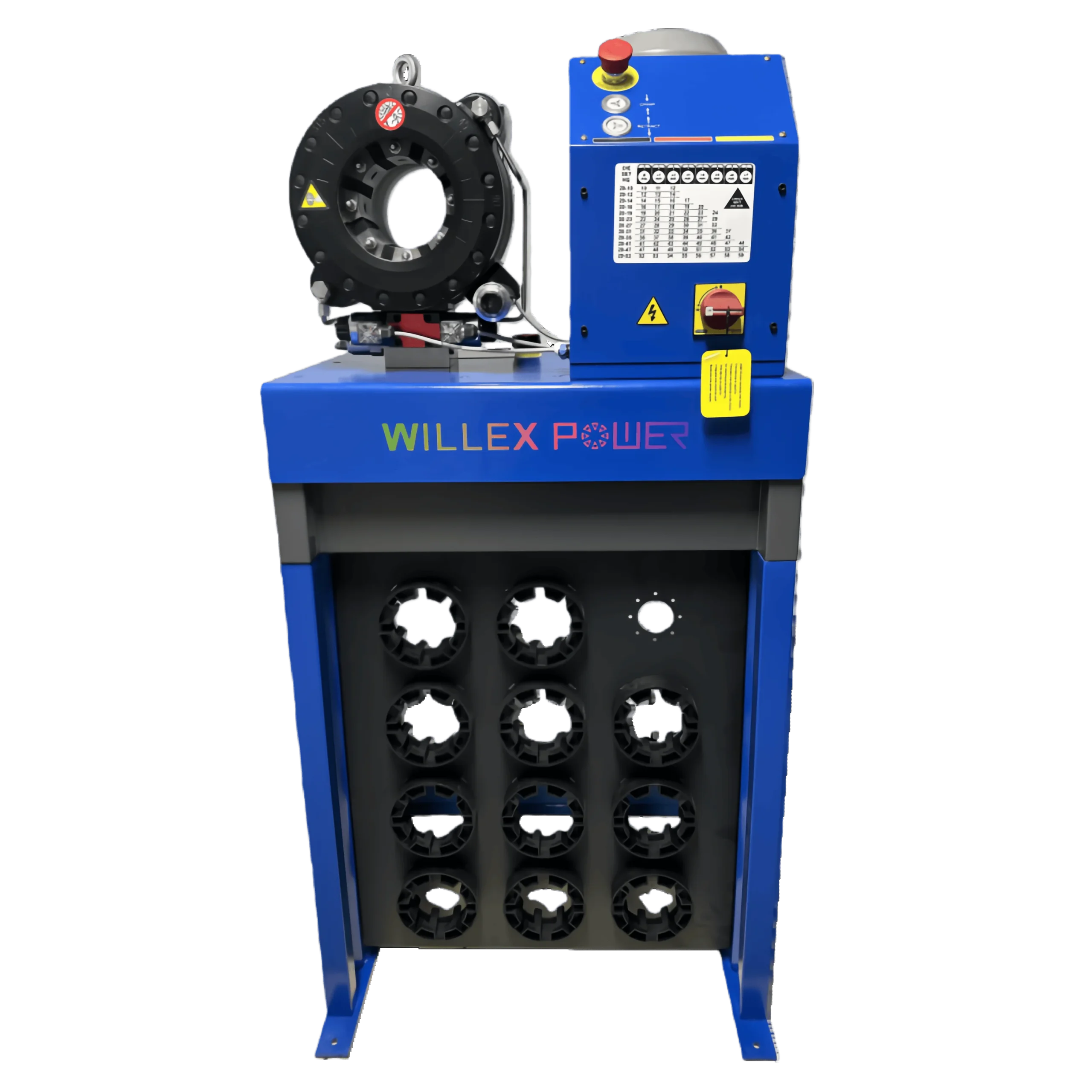
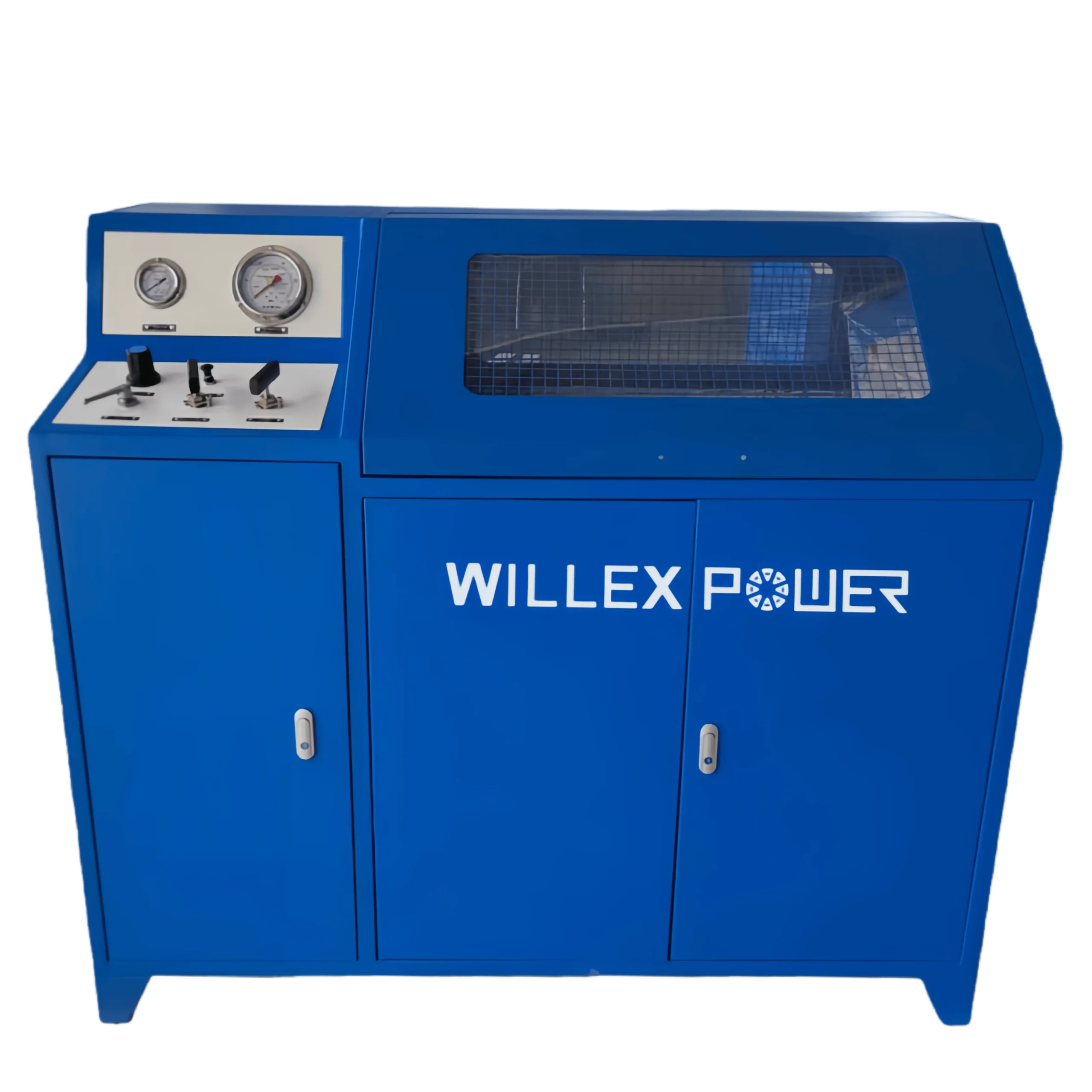
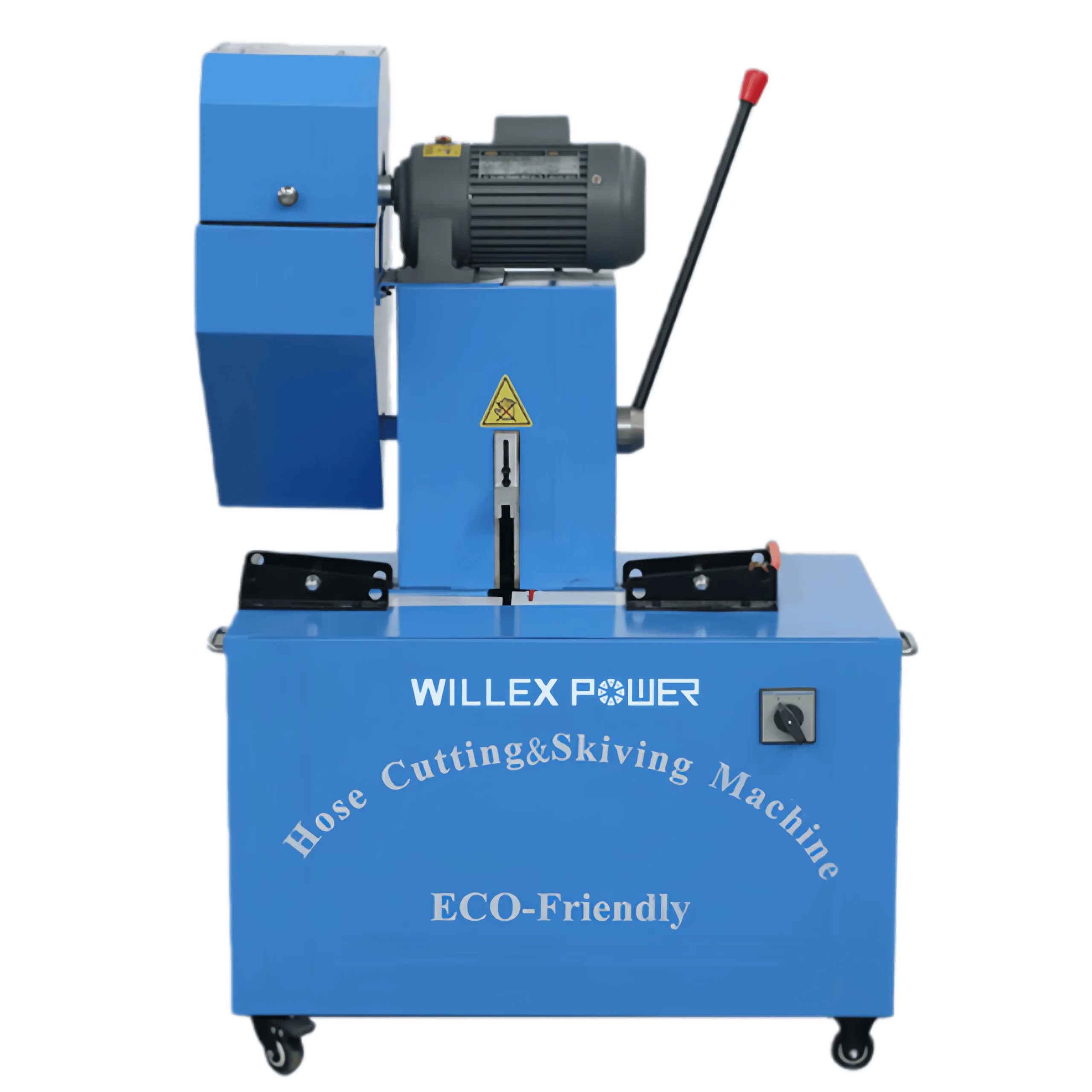
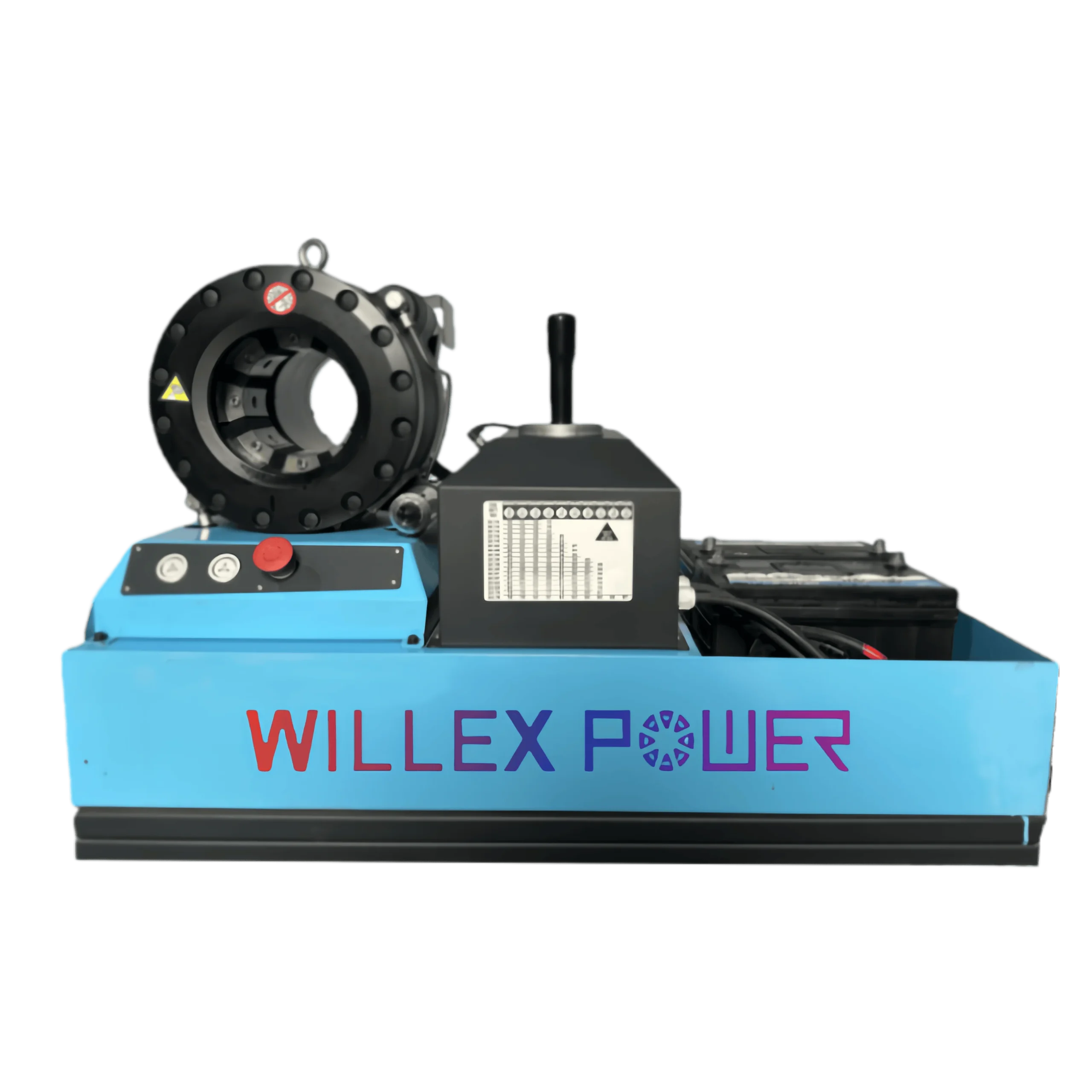
-20260121013914-scaled.webp "WILLEX POWER DZW-A10-1 Hose Crimping Machine")
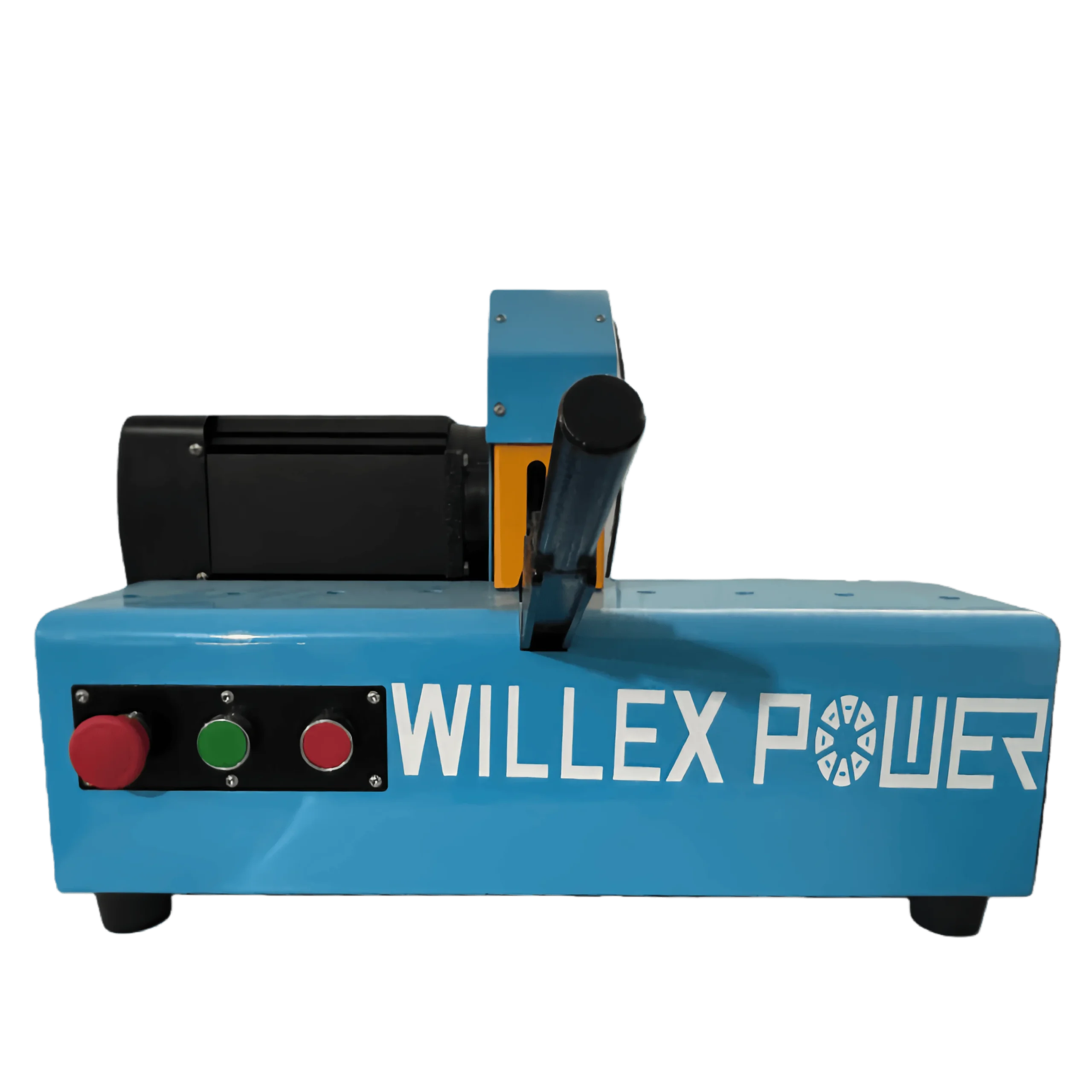
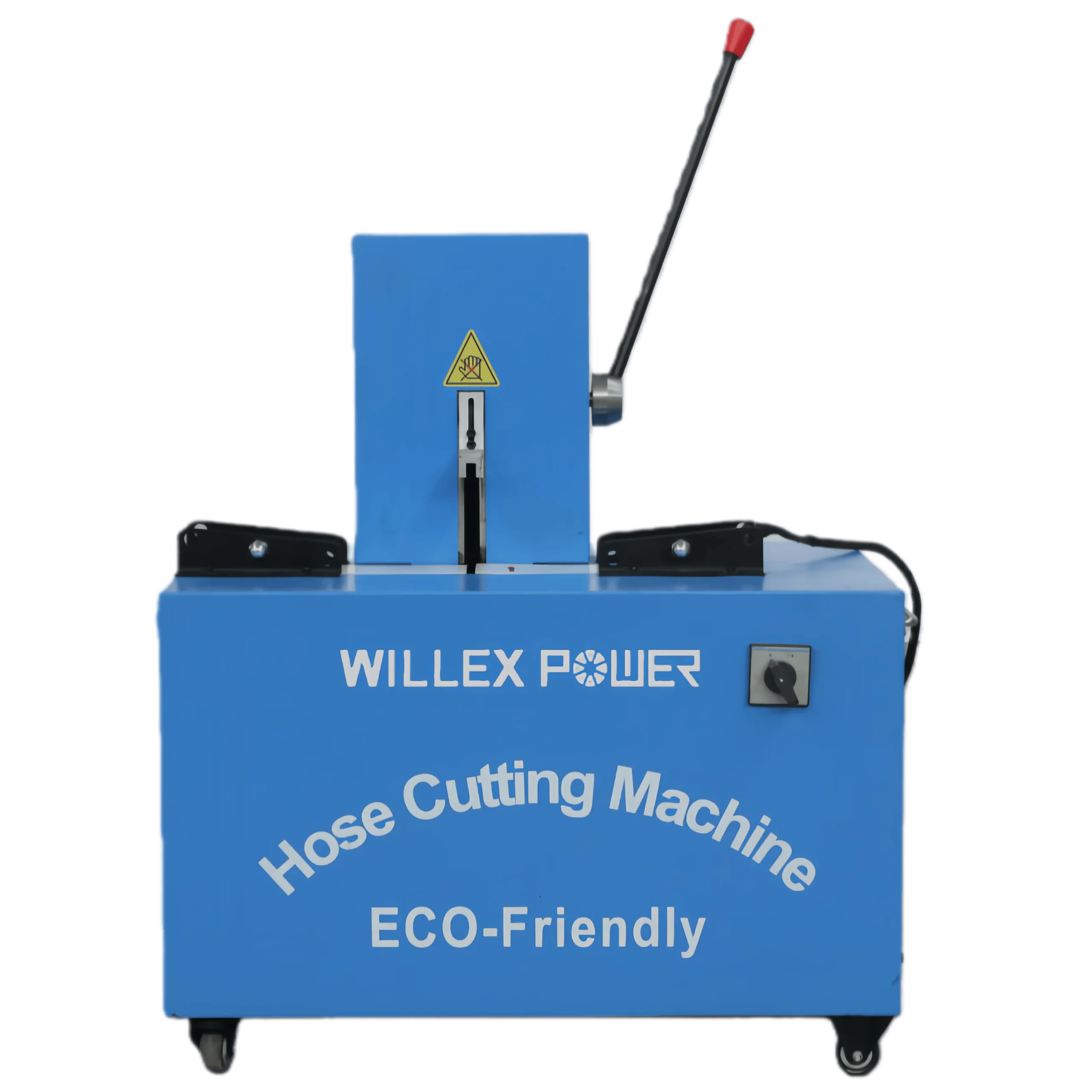
-20260121014427-scaled.webp "Hose Crimping Machine DZW-A10")
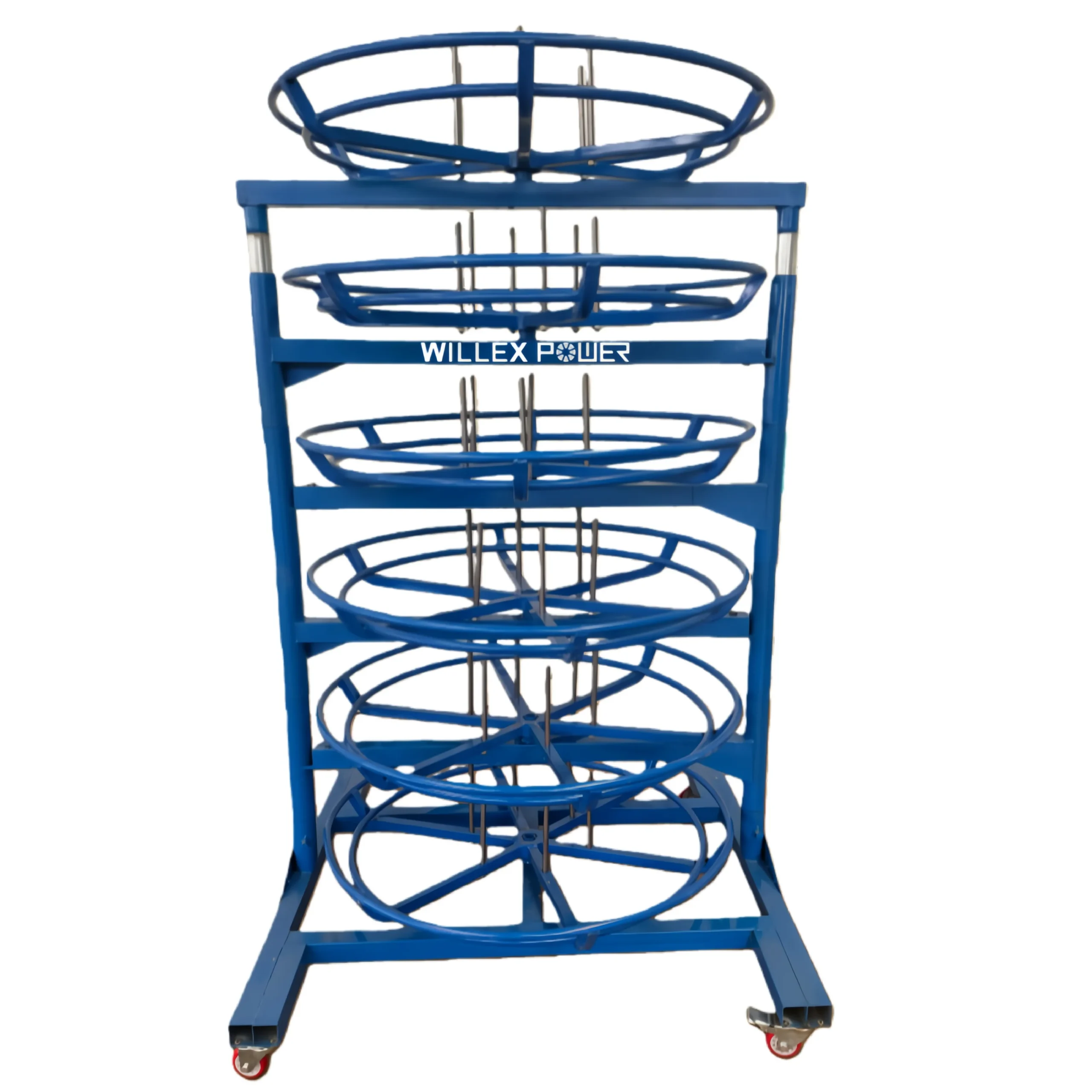
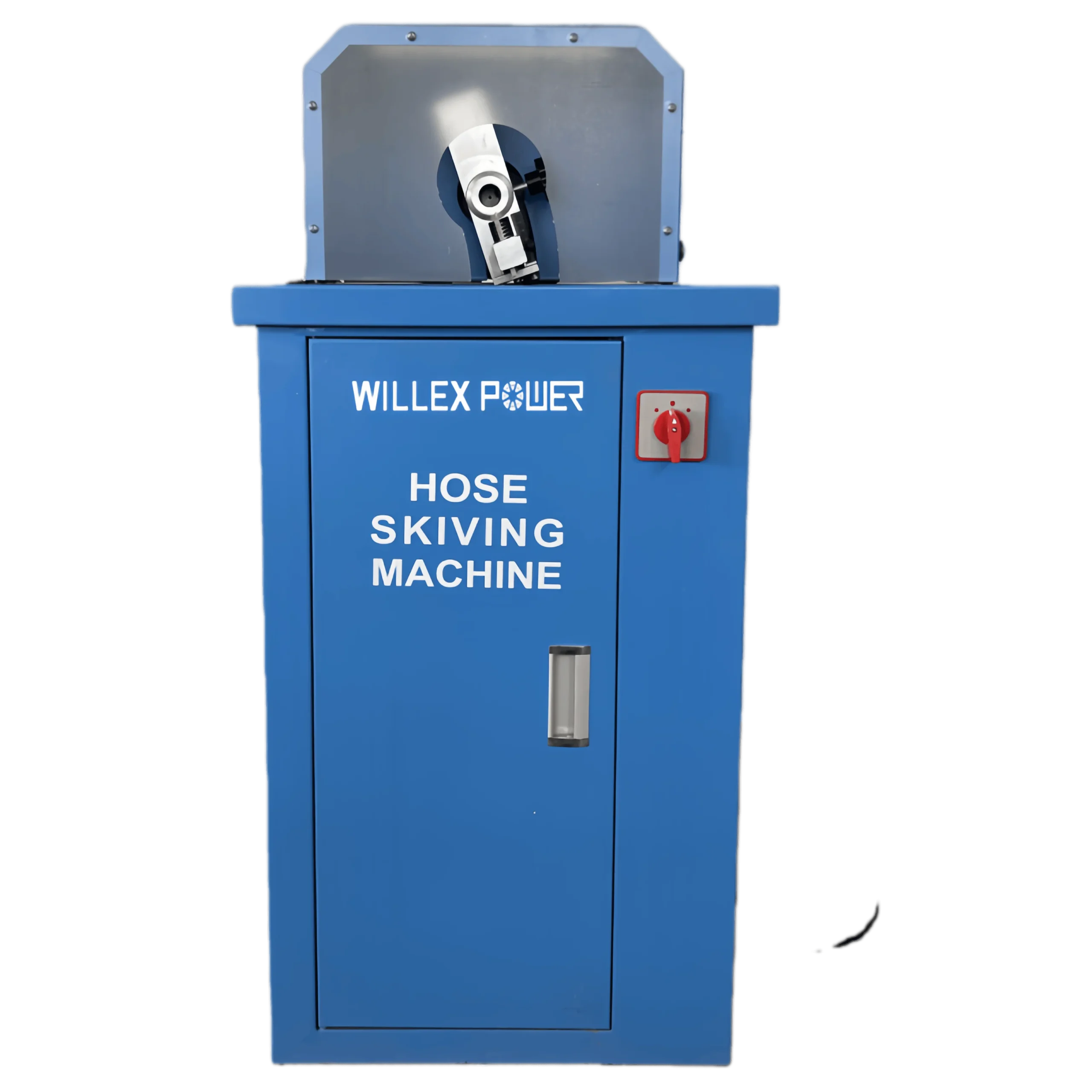
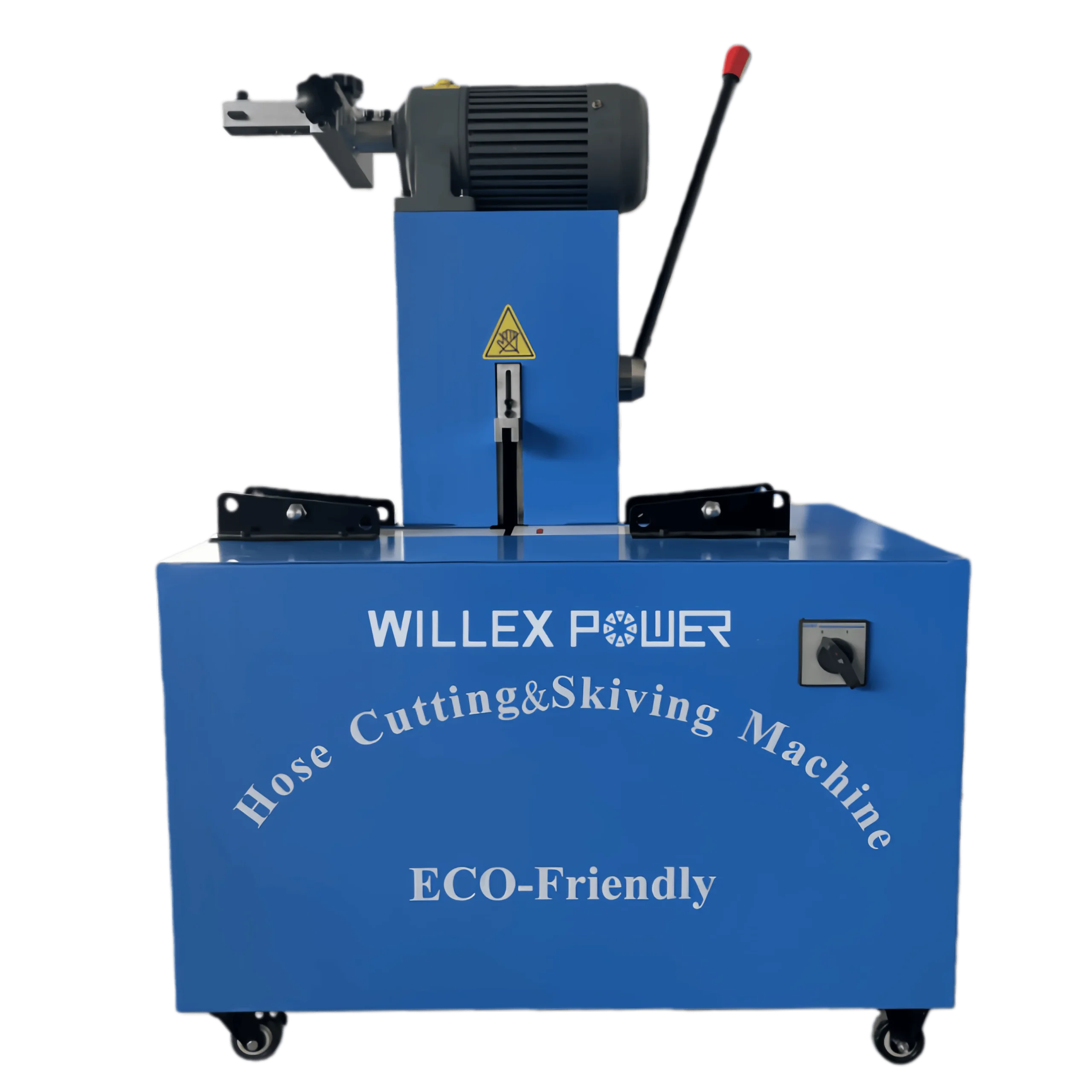
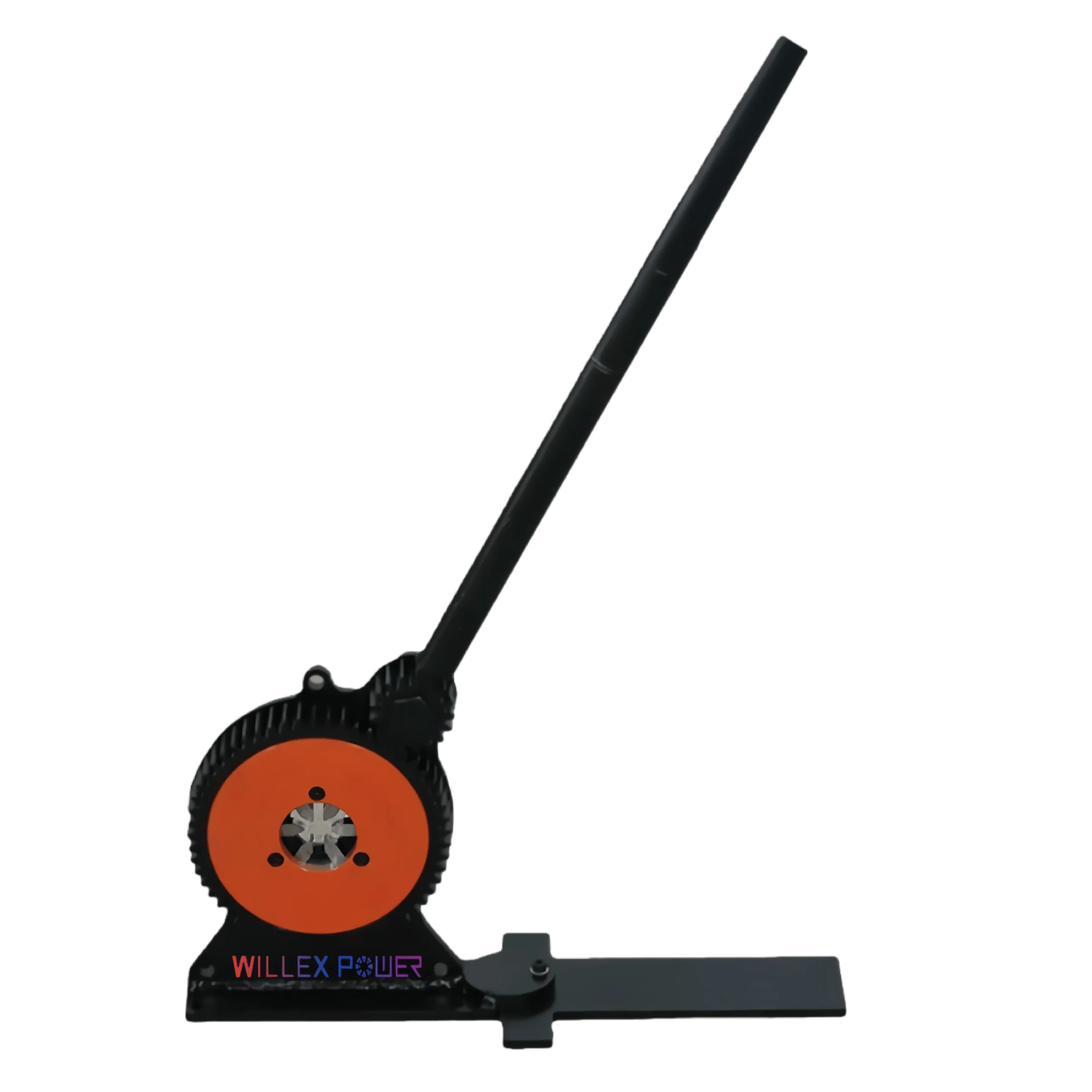
-20260121015636-scaled.webp "Hose Skiving Machine DZW-51BJ-M")
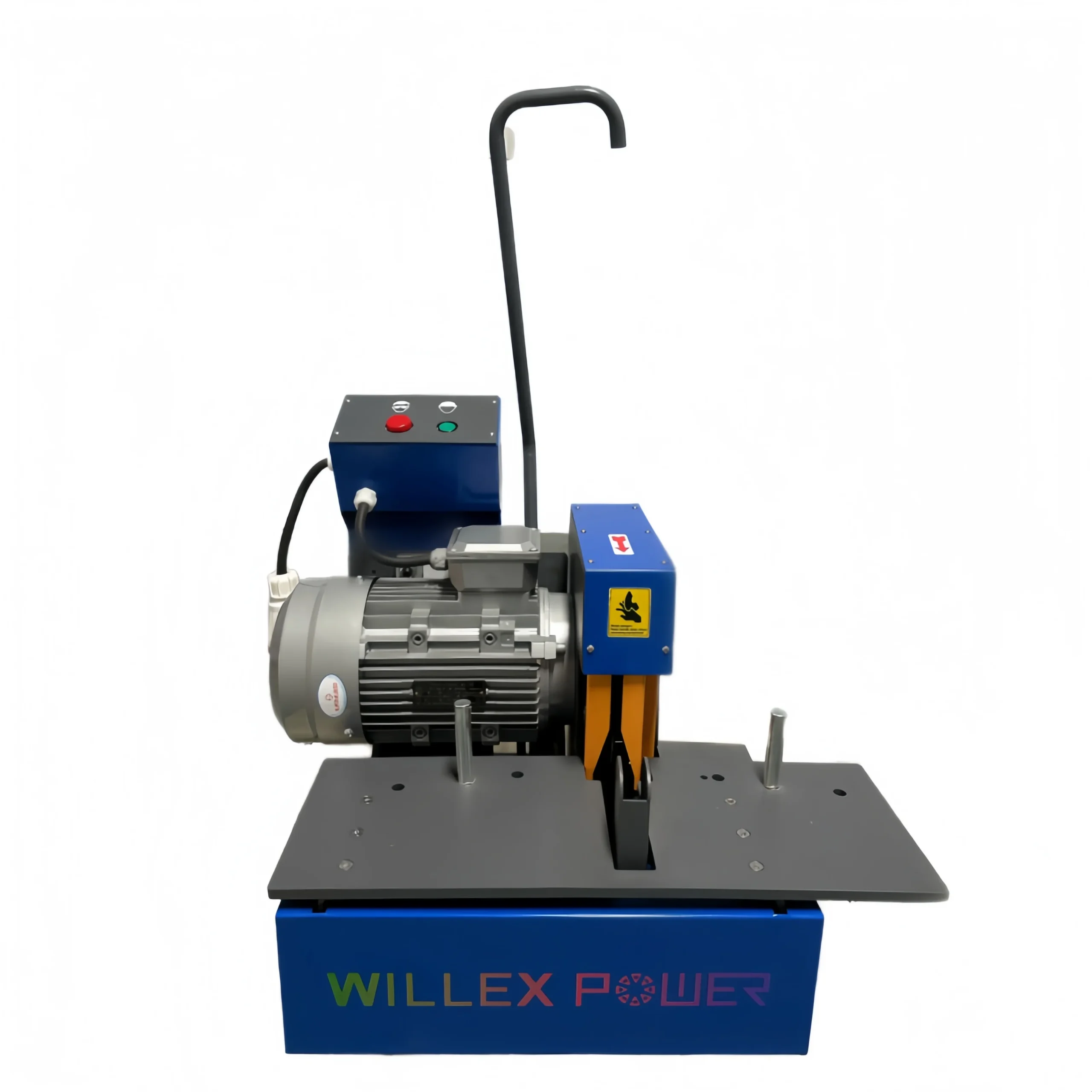
-20260121015753-scaled.webp "Hose Skiving Machine DZW-51BJ-C")
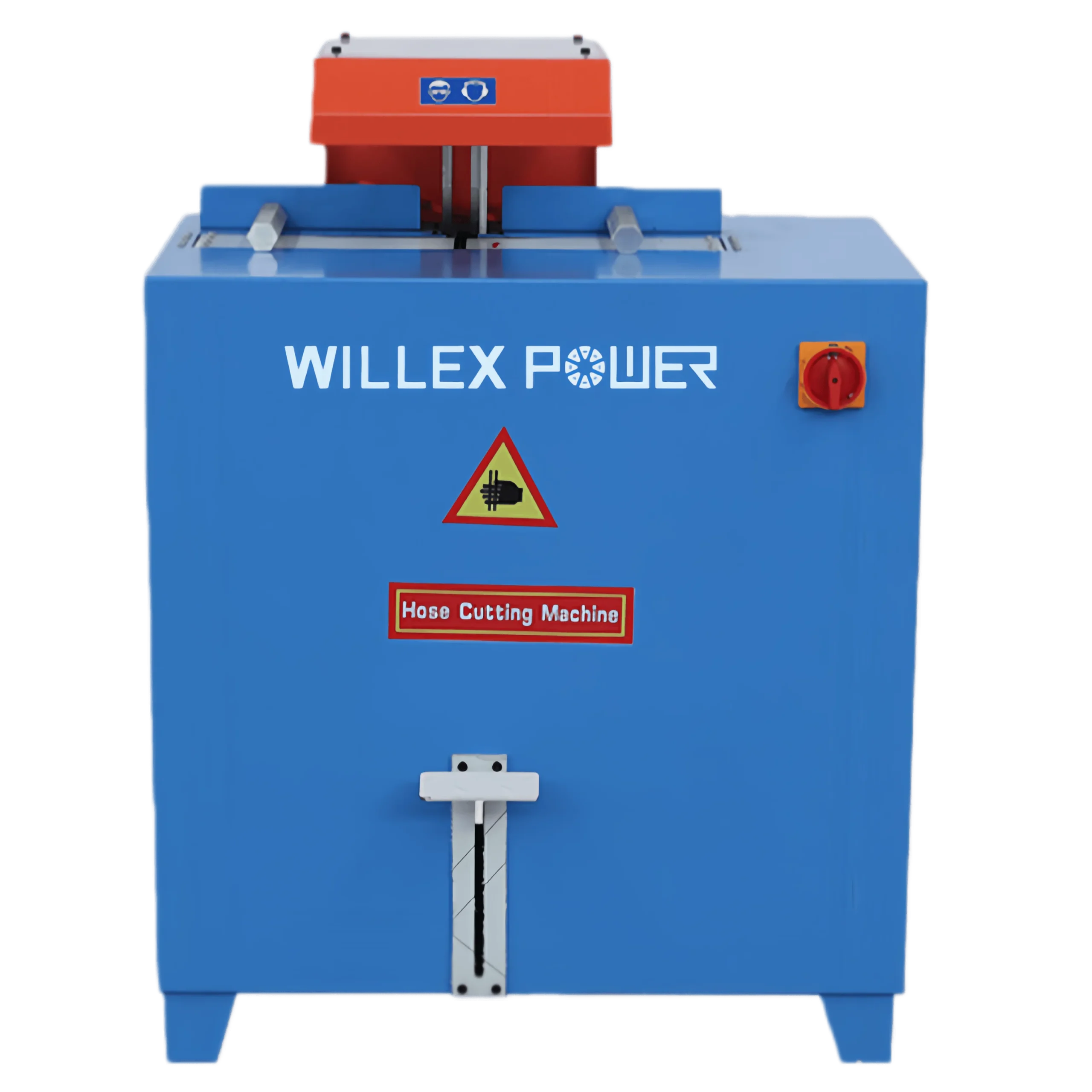
-20260121020311-scaled.webp "Hose Skiving Machine DZW-51BJ-E")