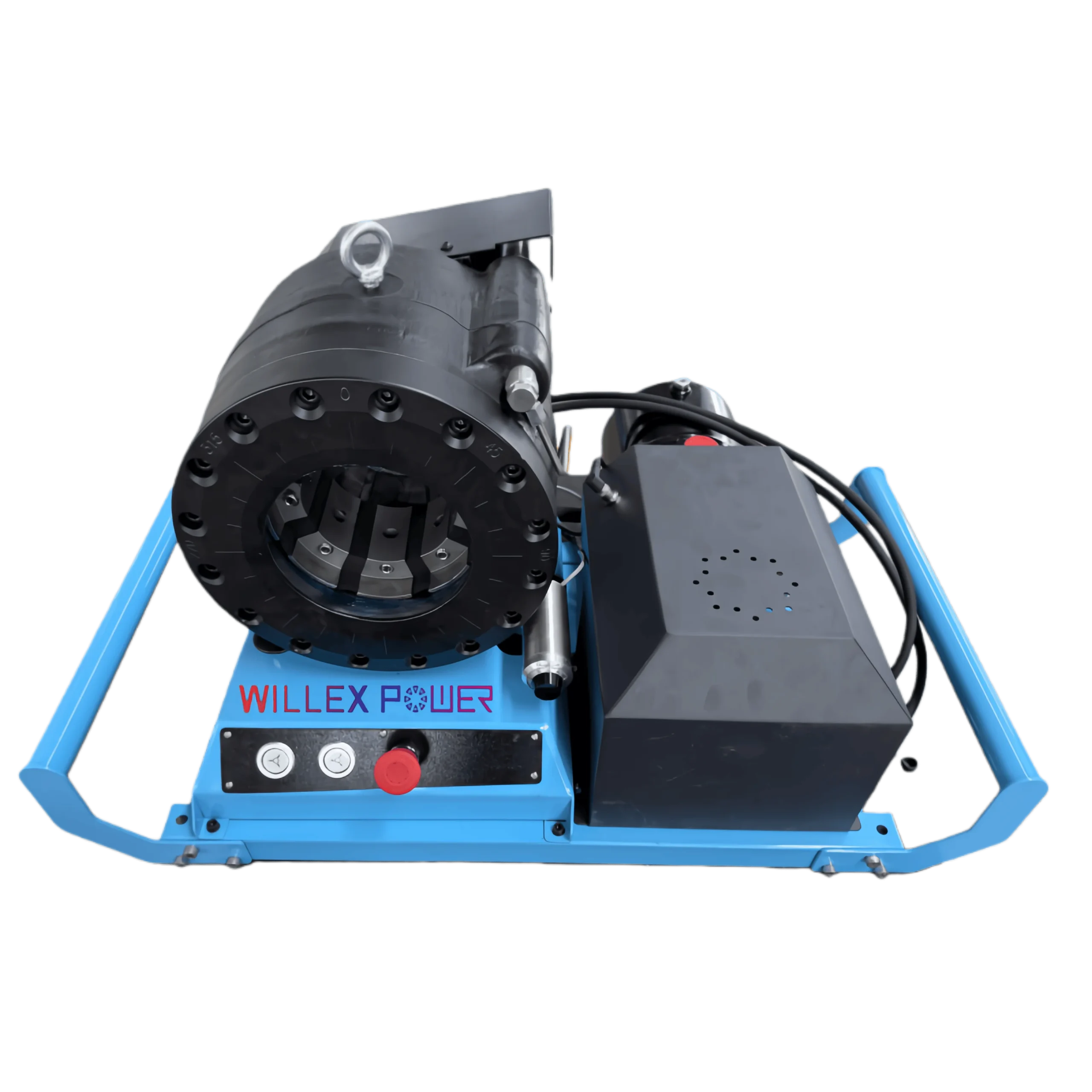
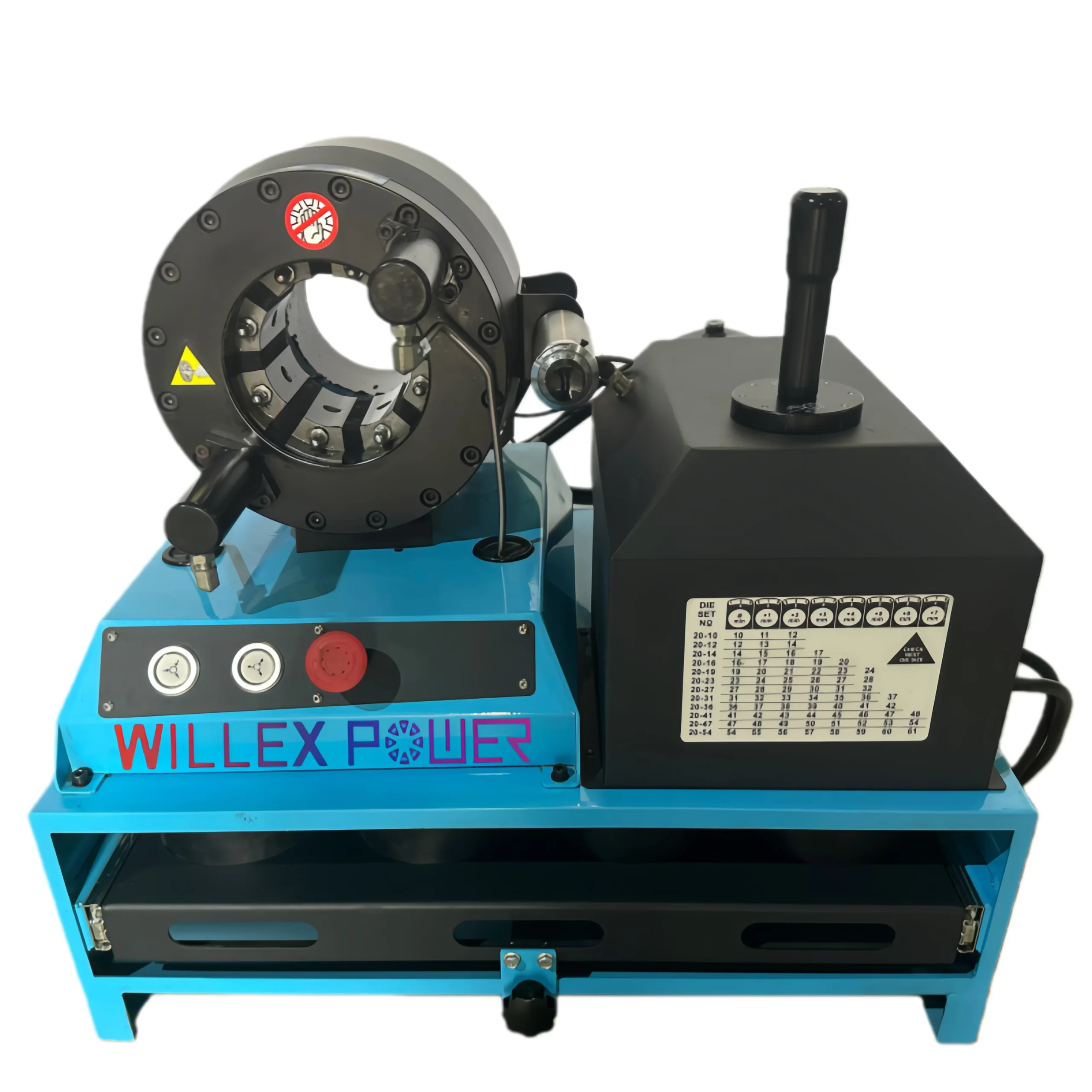
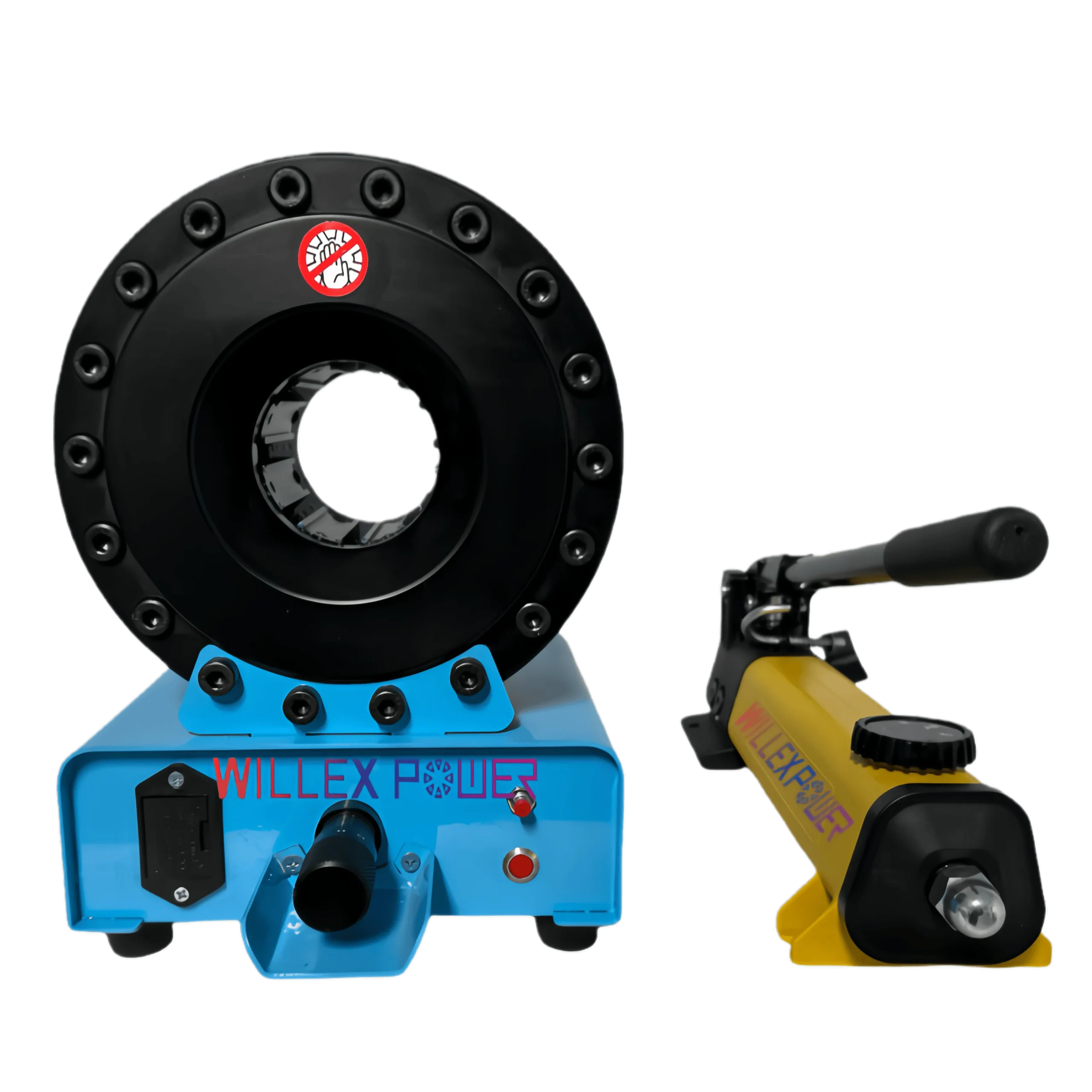
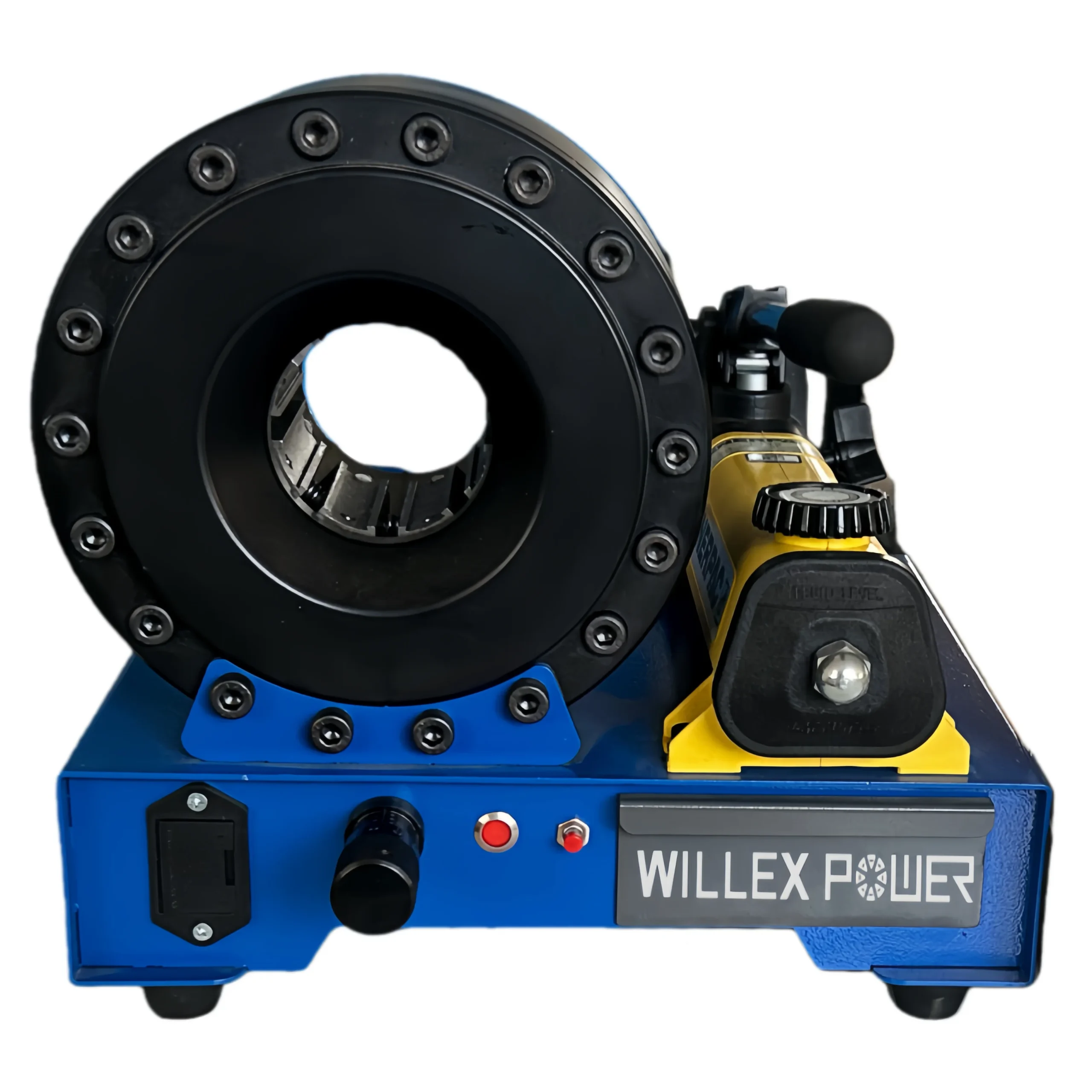
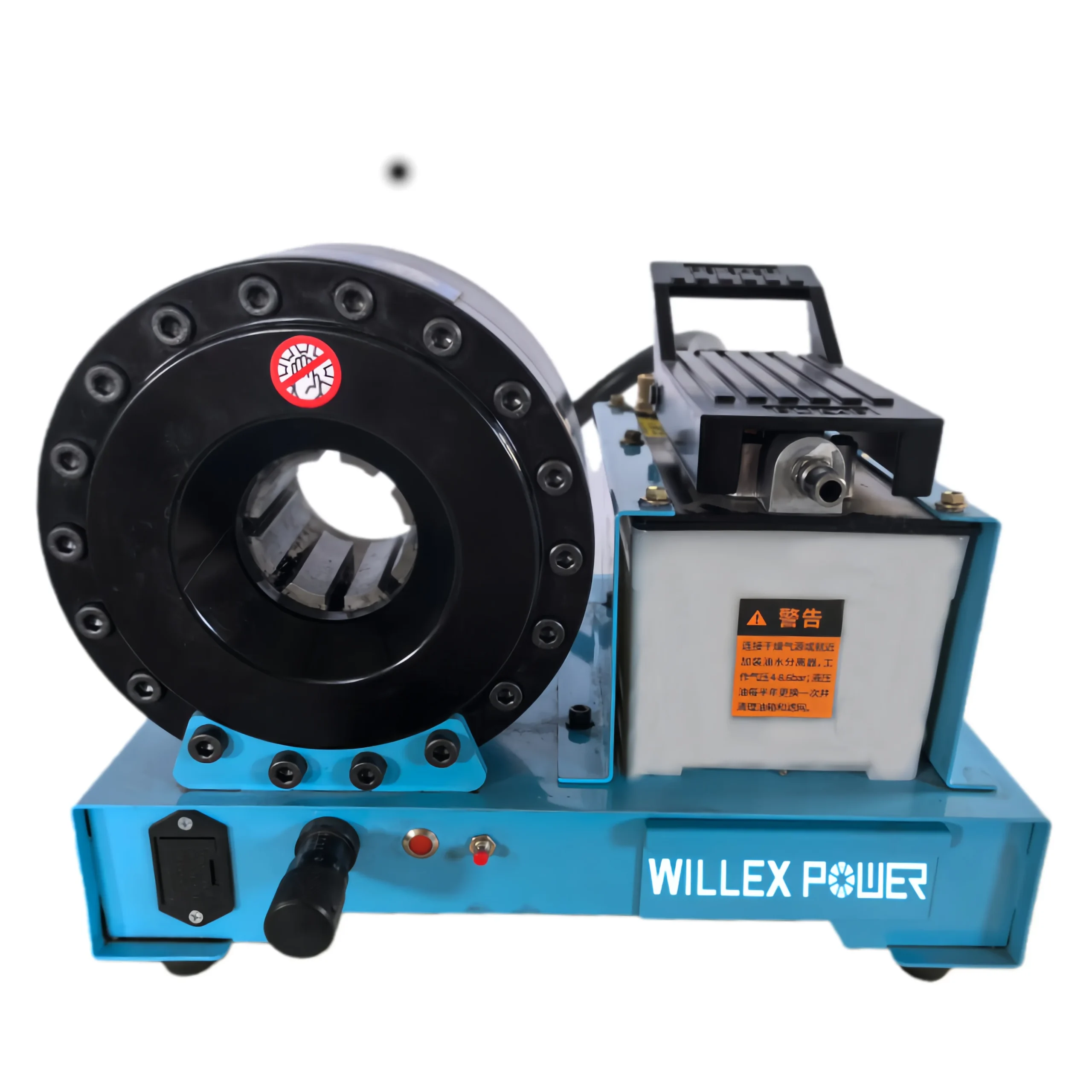
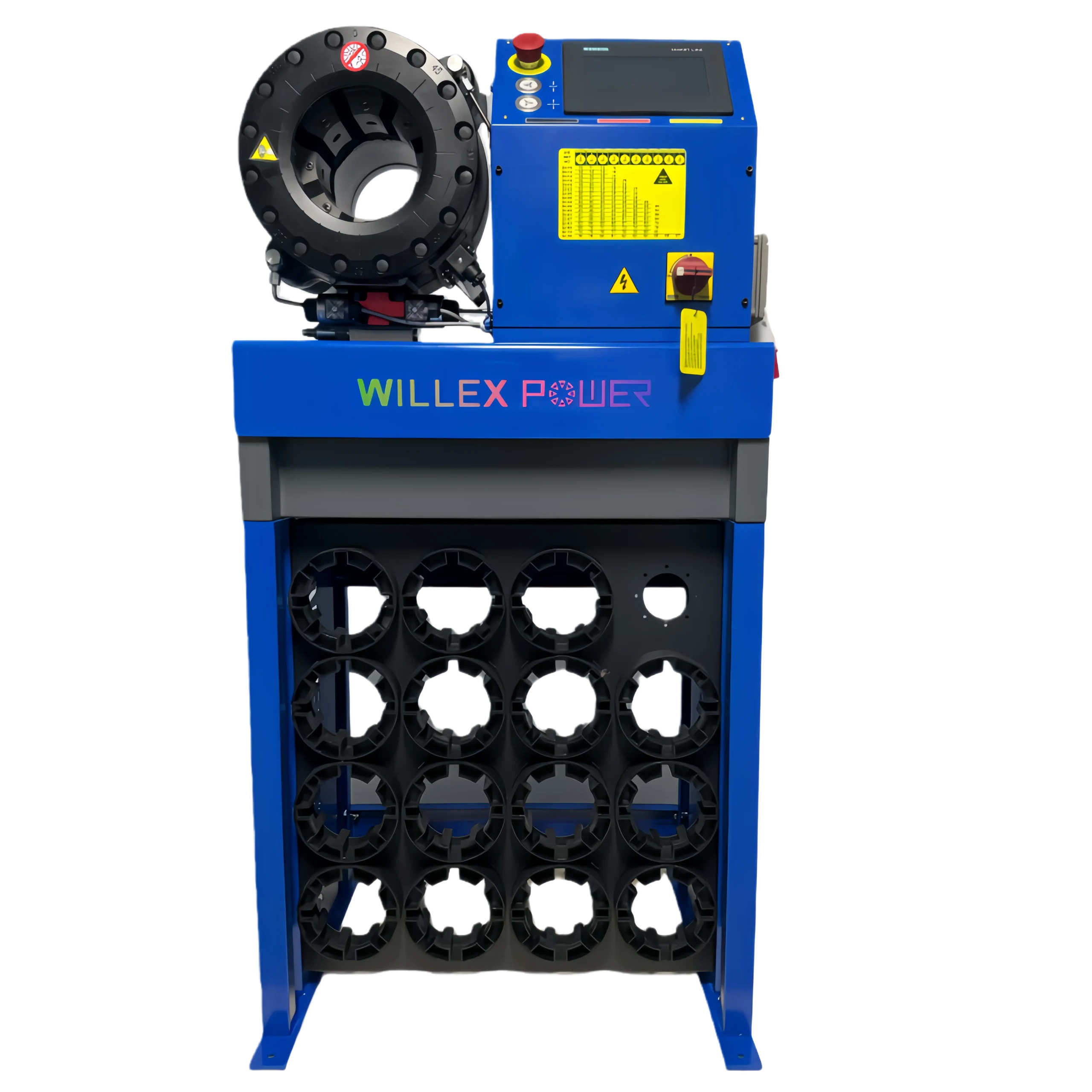
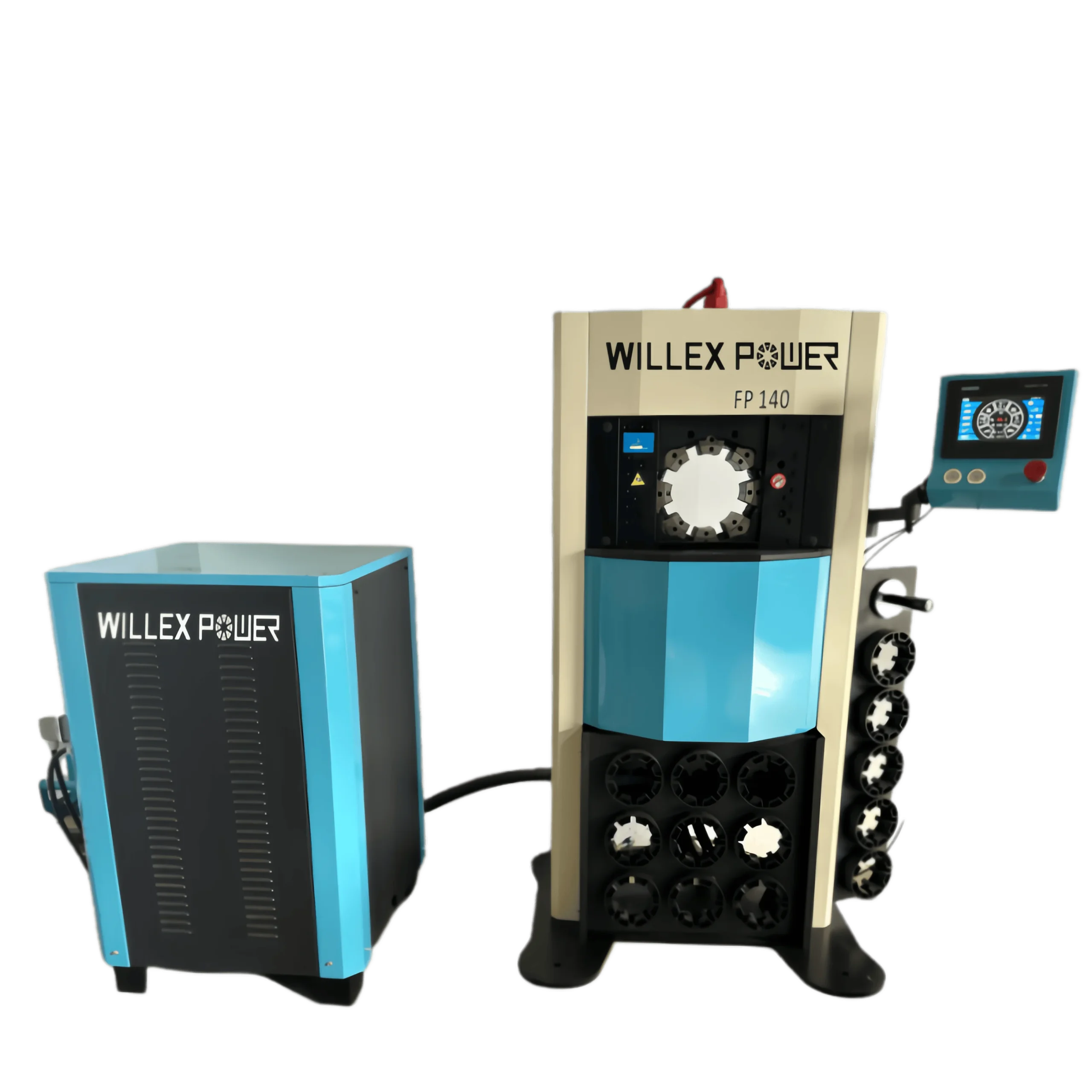
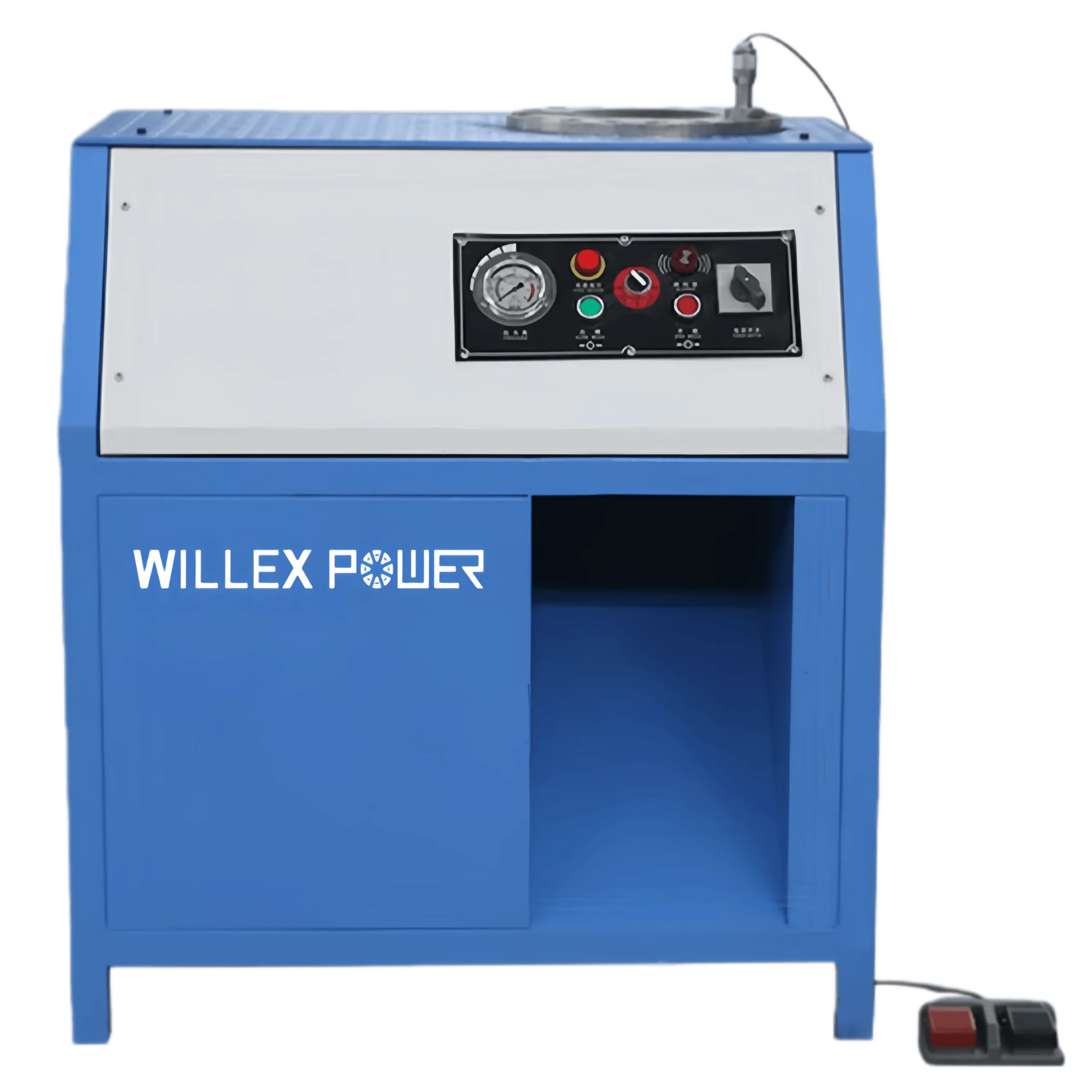
China Hydraulic Hose Pressure Testing Machine – Quality & Specs Overview
China Hydraulic Hose Pressure Testing Machine: A Practical Overview
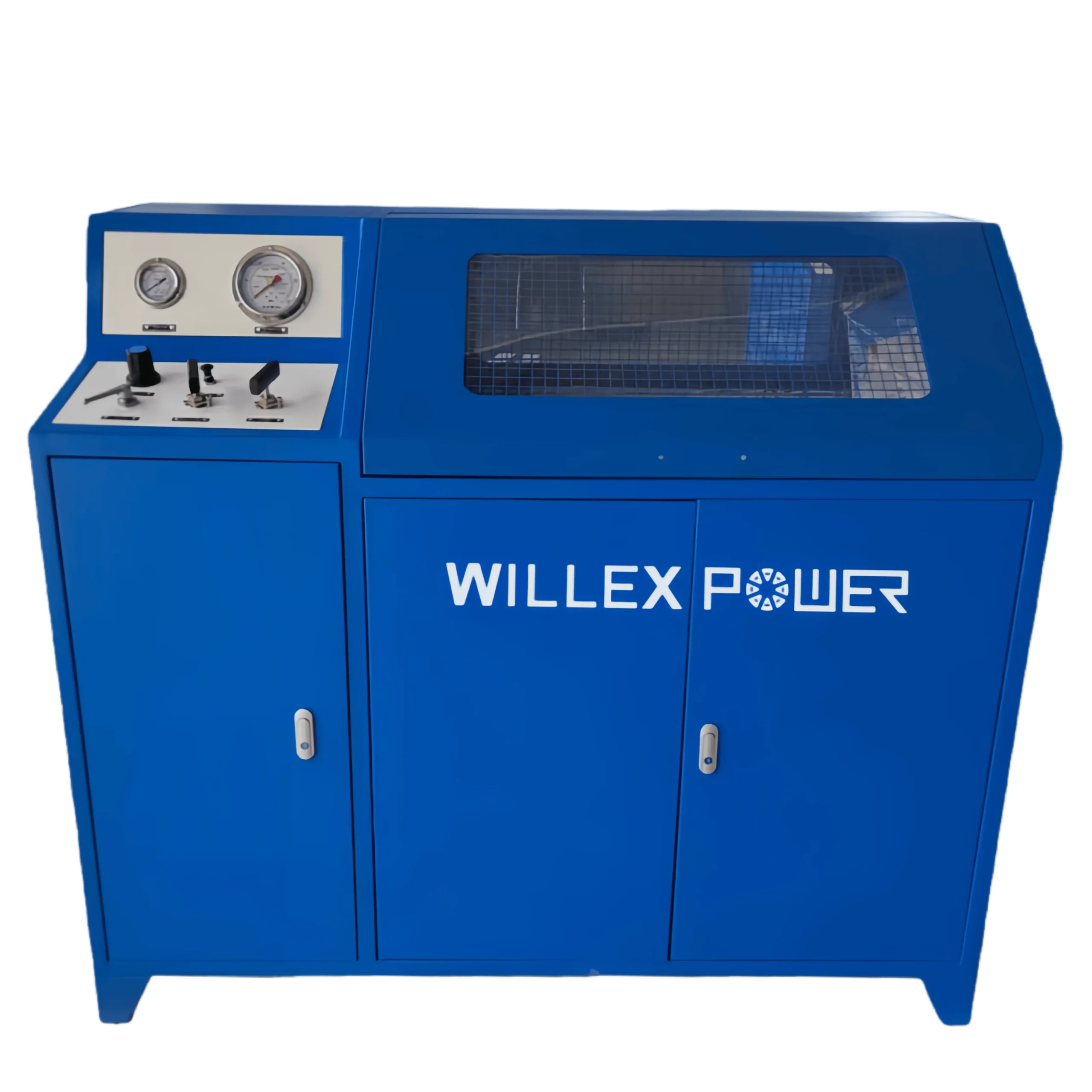
Having spent more than a decade in the industrial equipment sector, I can say with some certainty that testing hydraulic hoses isn’t just a formality—it’s critical. Oddly enough, many overlook the pressure testing machines themselves, despite them being essential for safety and durability. When it comes to China hydraulic hose pressure testing machines, there’s a lot more to unpack than just “made in China” stereotypes.
First off, these machines are generally designed to withstand rigorous, repetitive testing cycles. I’ve noticed that the build quality often reflects a manufacturer’s understanding of fluctuating industrial demands. Many engineers I’ve worked with praise the adaptability of Chinese models, especially when it comes to customized pressure ranges and digital precision controls. Frankly, it feels like the Chinese hydraulic hose pressure testing machines have matured far beyond early concerns about reliability and accuracy.
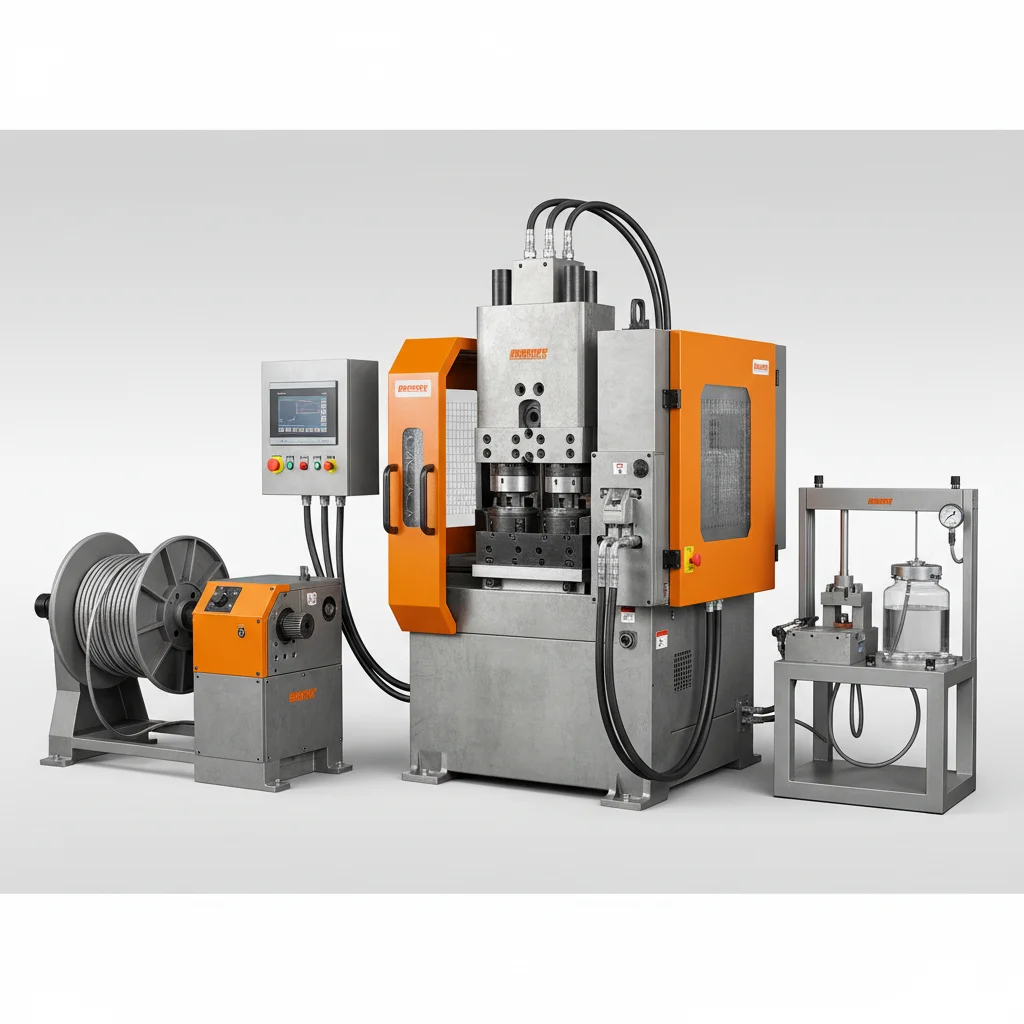
In real terms, these machines typically operate by applying controlled hydraulic pressure to a hose assembly to check for leaks, bursts, or weakness. The test pressure might be as high as three times the working pressure of the hose, ensuring a robust safety margin. It’s a process you’d want to trust implicitly, given the critical role hydraulic hoses play in various industrial applications.
| Feature | Specification |
|---|---|
| Test Pressure Range | Up to 500 MPa (megapascals) |
| Testing Method | Hydraulic pressure static and dynamic testing |
| Display Type | Digital LCD with pressure & time readouts |
| Safety Features | Overpressure protection, emergency stop |
| Power Supply | AC 220V, 50 Hz |
| Dimensions | 1200 × 700 × 1500 mm |
| Weight | Approx. 250 kg |
What I find interesting—and worth noting—is how these machines integrate increasingly user-friendly digital controls without sacrificing ruggedness. Some of the newer Chinese models now come with automatic pressure regulation and data logging capabilities, useful for quality auditors in factories or service workshops.
To put this into perspective, a client of mine in central China recently upgraded their workshop tooling with one of these pressure testers. They mentioned that the price-quality ratio was “astonishing” compared to older Western units, while the customization options made their workflow smoother. It’s always heartening to see that practical experience and tangible feedback influence the evolution of these industrial machines.
Of course, like any market, there’s variance among vendors. To give you a clearer picture, here’s a brief vendor comparison I compiled, based on product features, price, and after-sales support. This should help anyone considering a purchase.
| Vendor | Price Range (USD) | Warranty | Support Availability | Notable Features |
|---|---|---|---|---|
| Willex Crimper | $3,200 - $4,500 | 2 years | 24/7 Online & phone | Highly customizable, digital control panel |
| HydroTest Co. | $2,800 - $4,000 | 1 year | Business hours support | Simple interface, rugged build |
| Precision Hose Tech | $3,500 - $5,000 | 3 years | 24/7 with on-site options | Advanced diagnostic software |
It’s clear that no one-size-fits-all answer exists. But if you ask me, the combination of price, evolving tech, and strong after-sales support from vendors like Willex Crimper makes them a compelling choice for hydraulic hose testing equipment. The investment pays off when you think long term about safety, compliance, and operational continuity.
In the end, it feels like the hydraulic hose pressure testing machines made in China have come a long way, echoing broader trends in manufacturing quality and digital integration. I suppose that’s a good reminder that sourcing shouldn’t be about geography alone but understanding the specs, quality, and support behind the scenes.
So, whether you’re refurbishing a maintenance shop or launching a new production line, weighing the right hydraulic hose pressure testing machine is crucial—and, frankly, one of those “must not skip” steps.
Until next time, keep an eye on test gauges and trust but verify!
References:
- International Organization for Standardization (ISO) Hose Testing Standards
- Willex Crimper Product Manuals and Technical Sheets
- Industry Testimonials and Field Reports, 2023
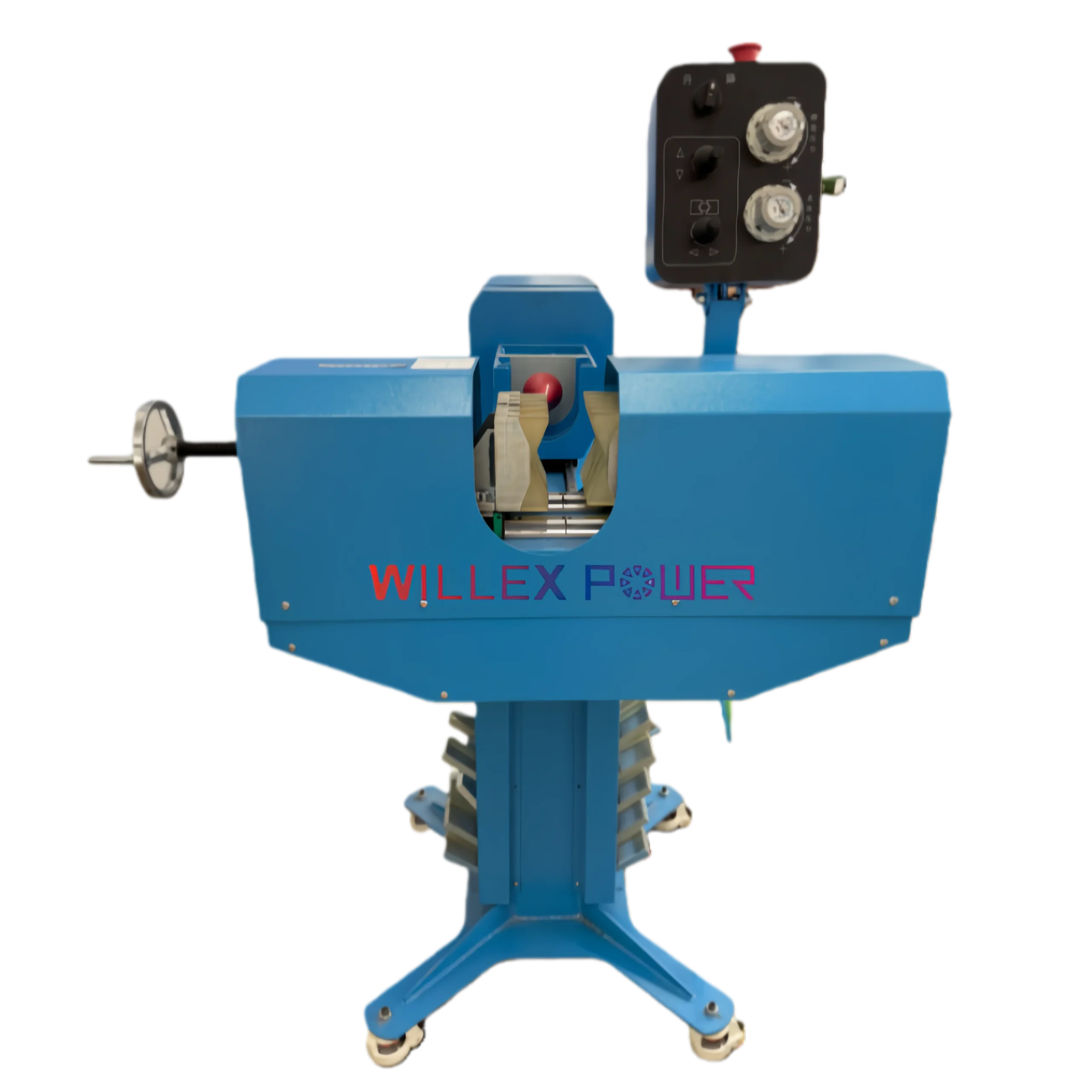
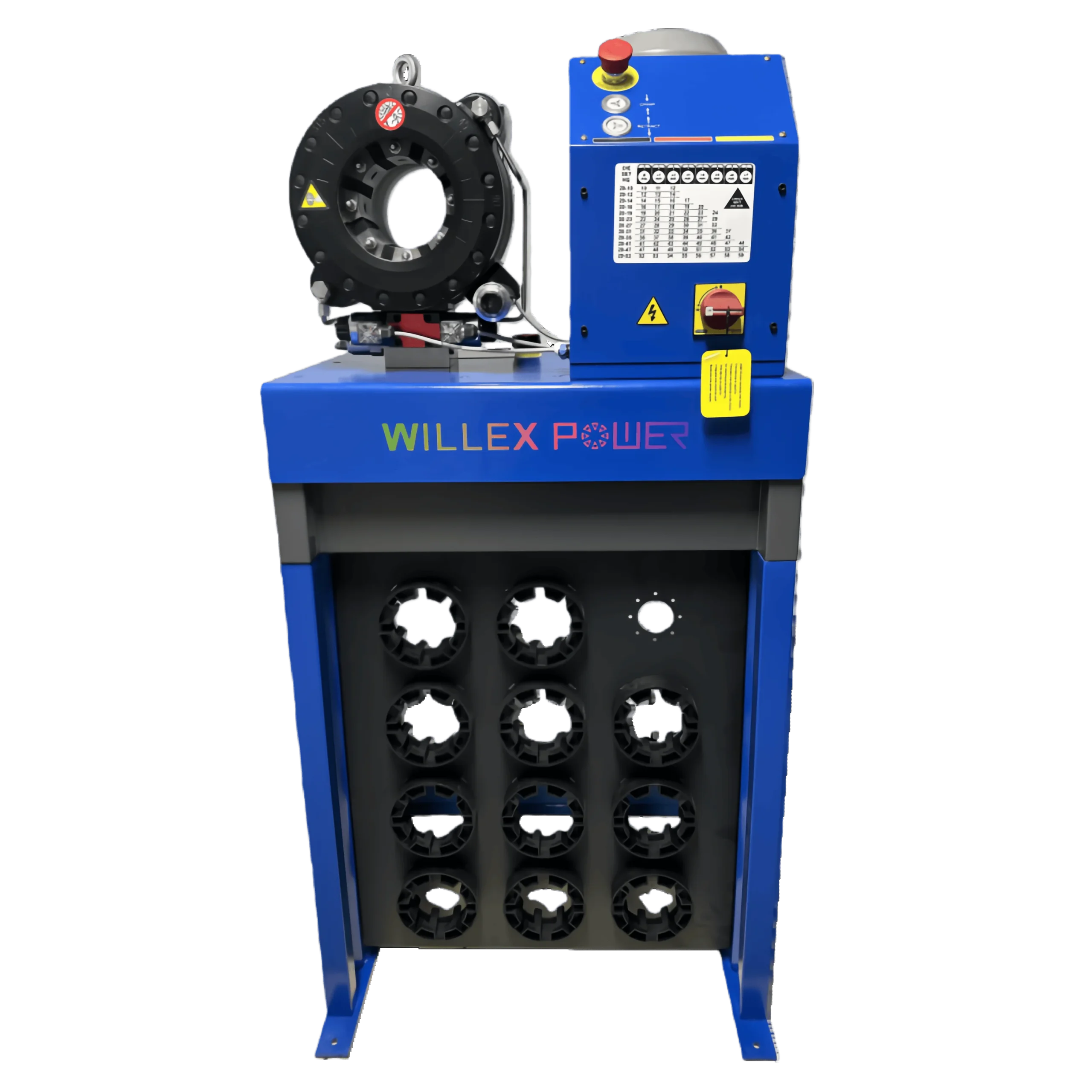
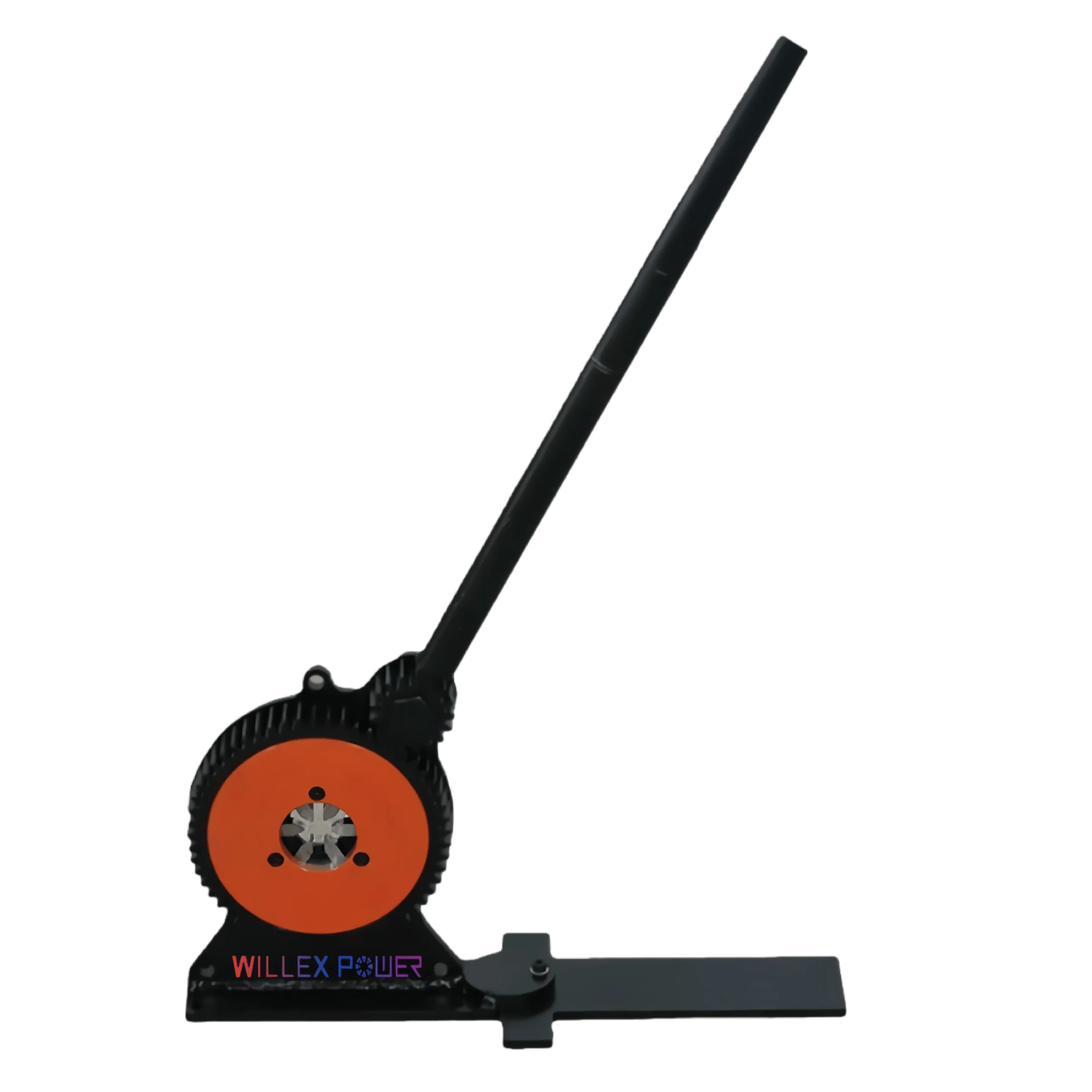
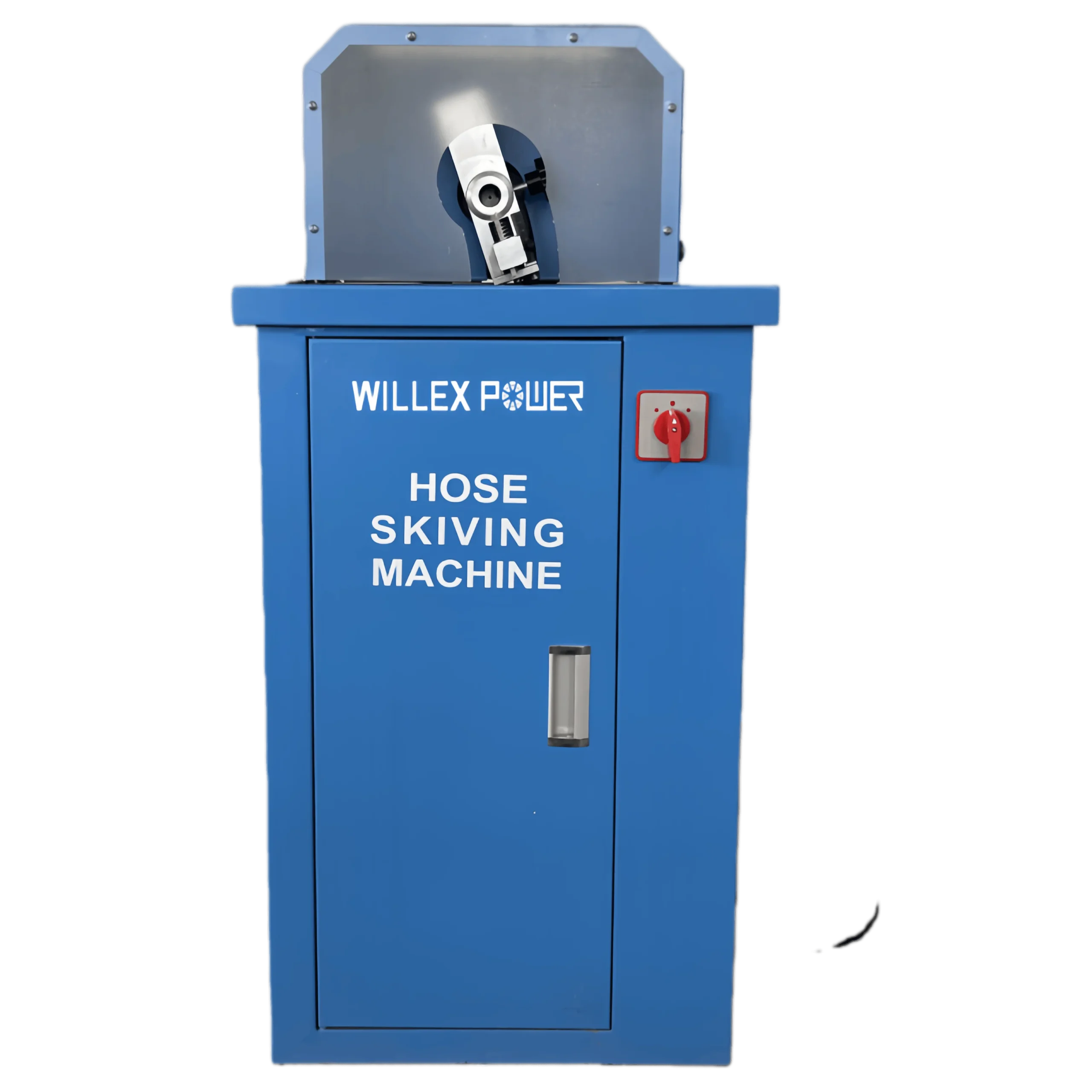
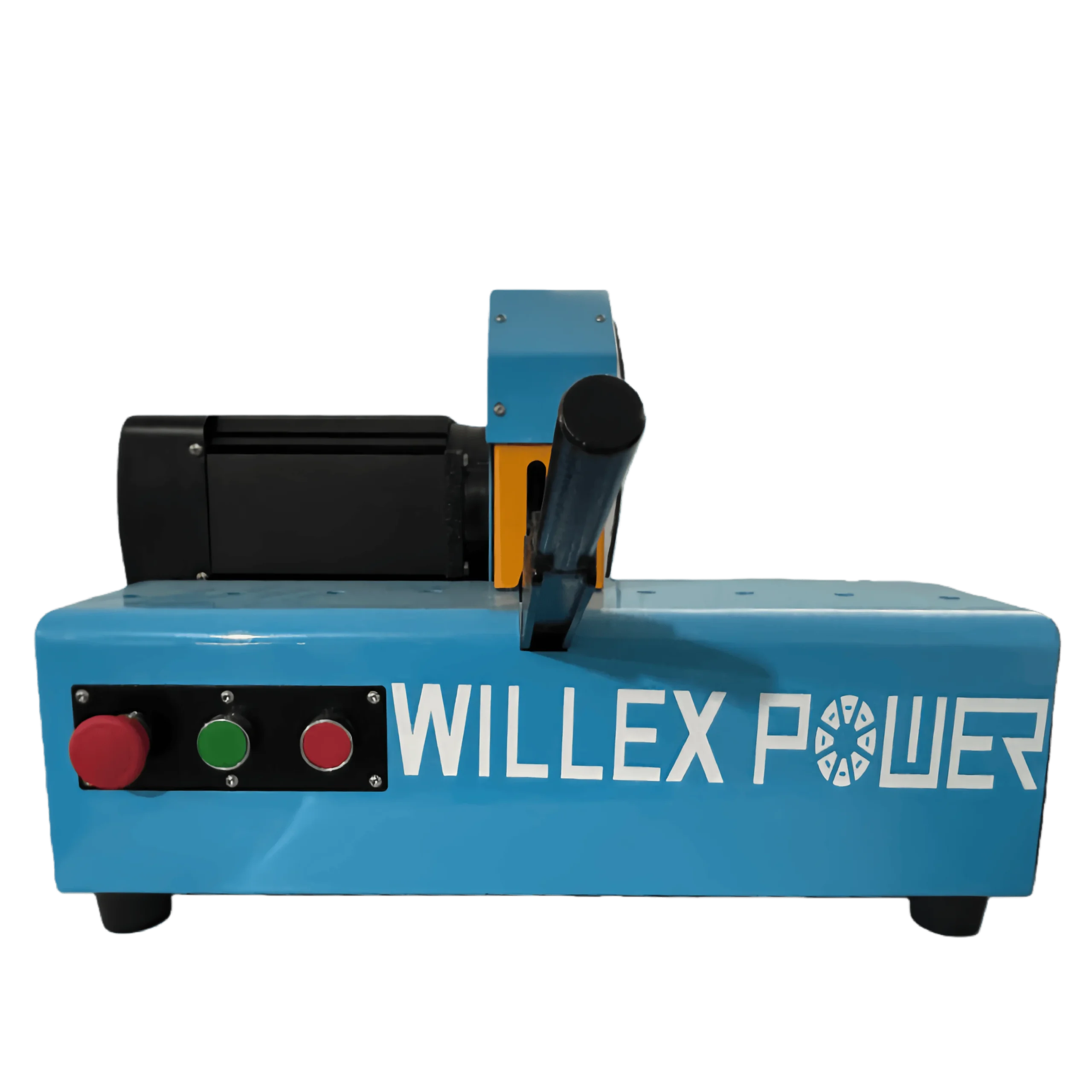
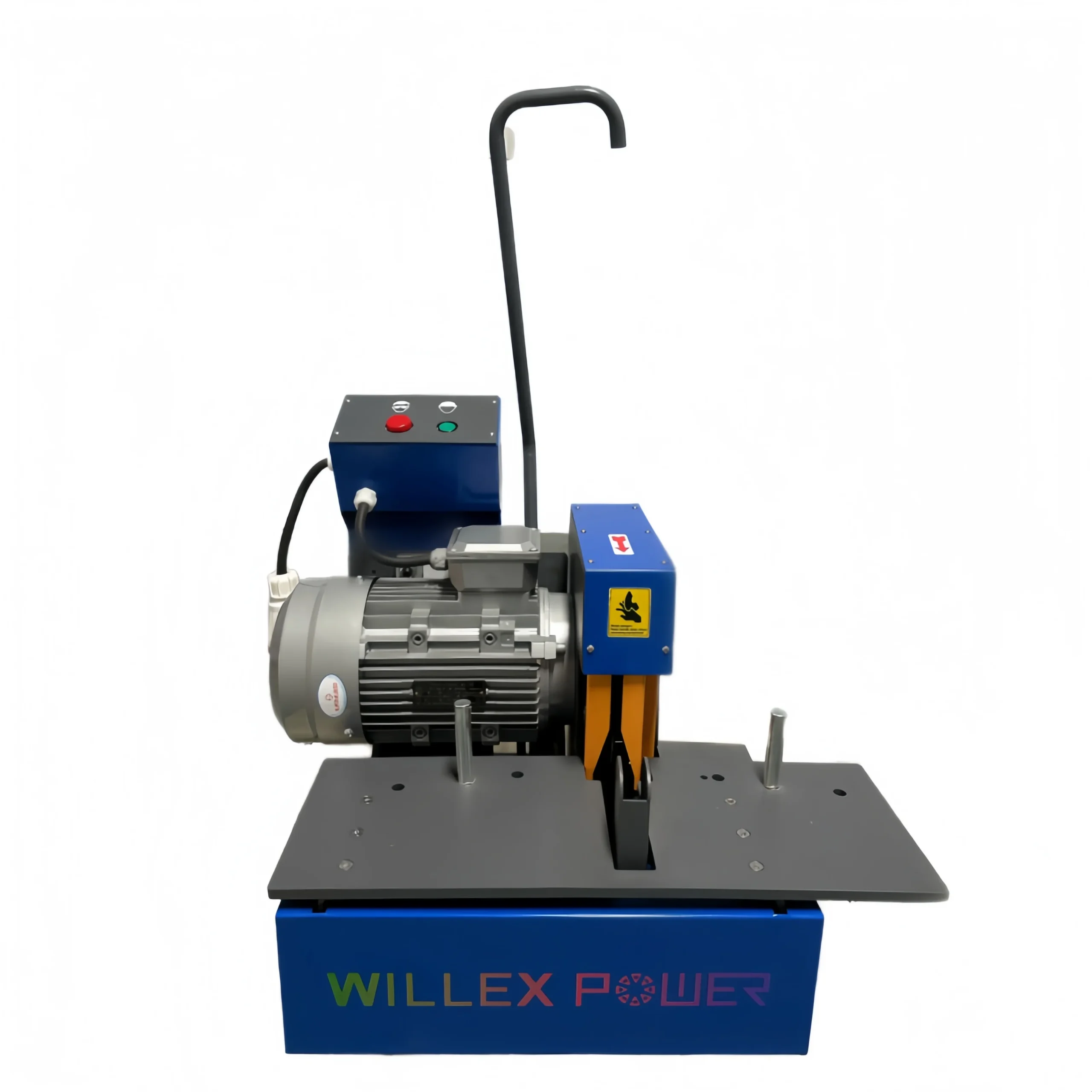
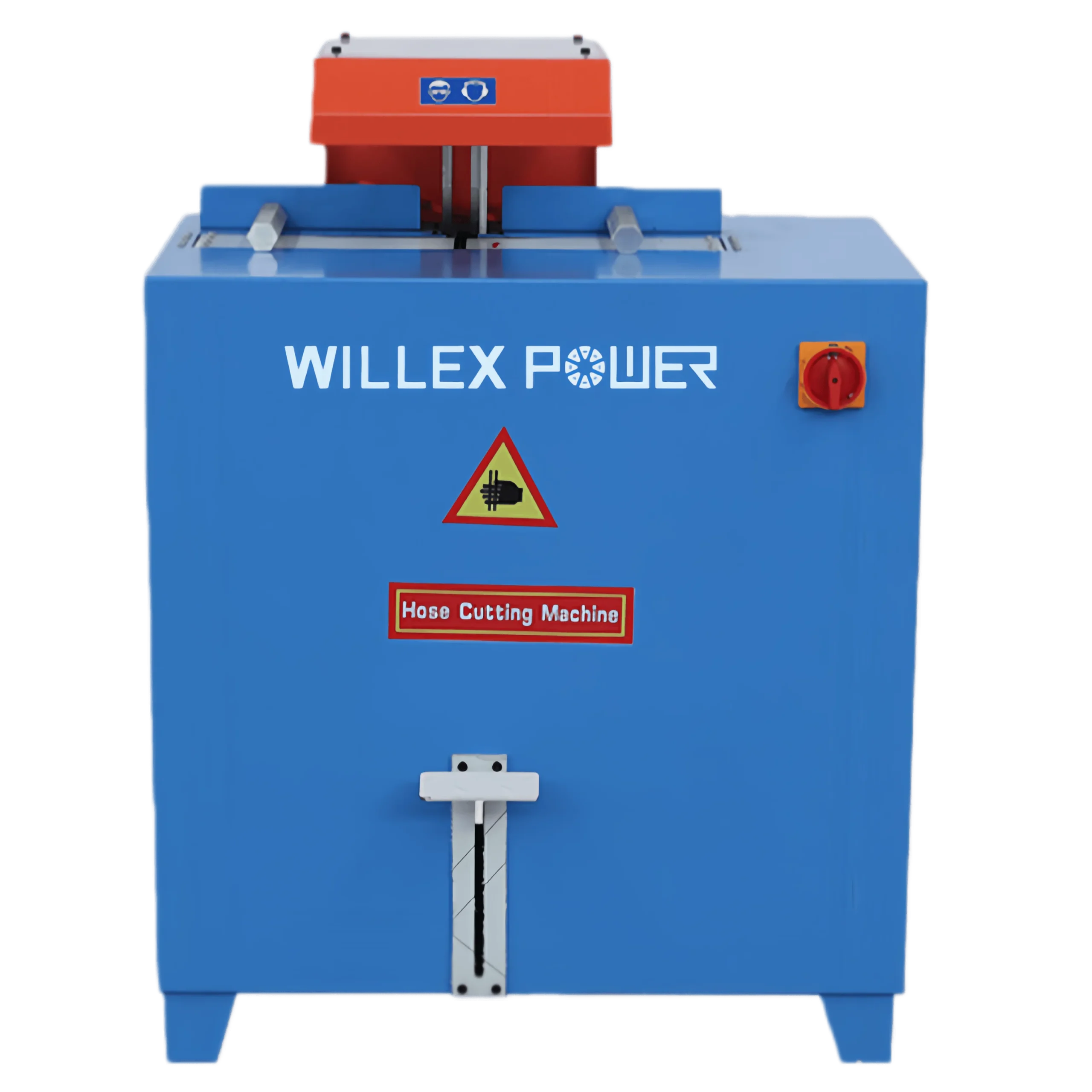
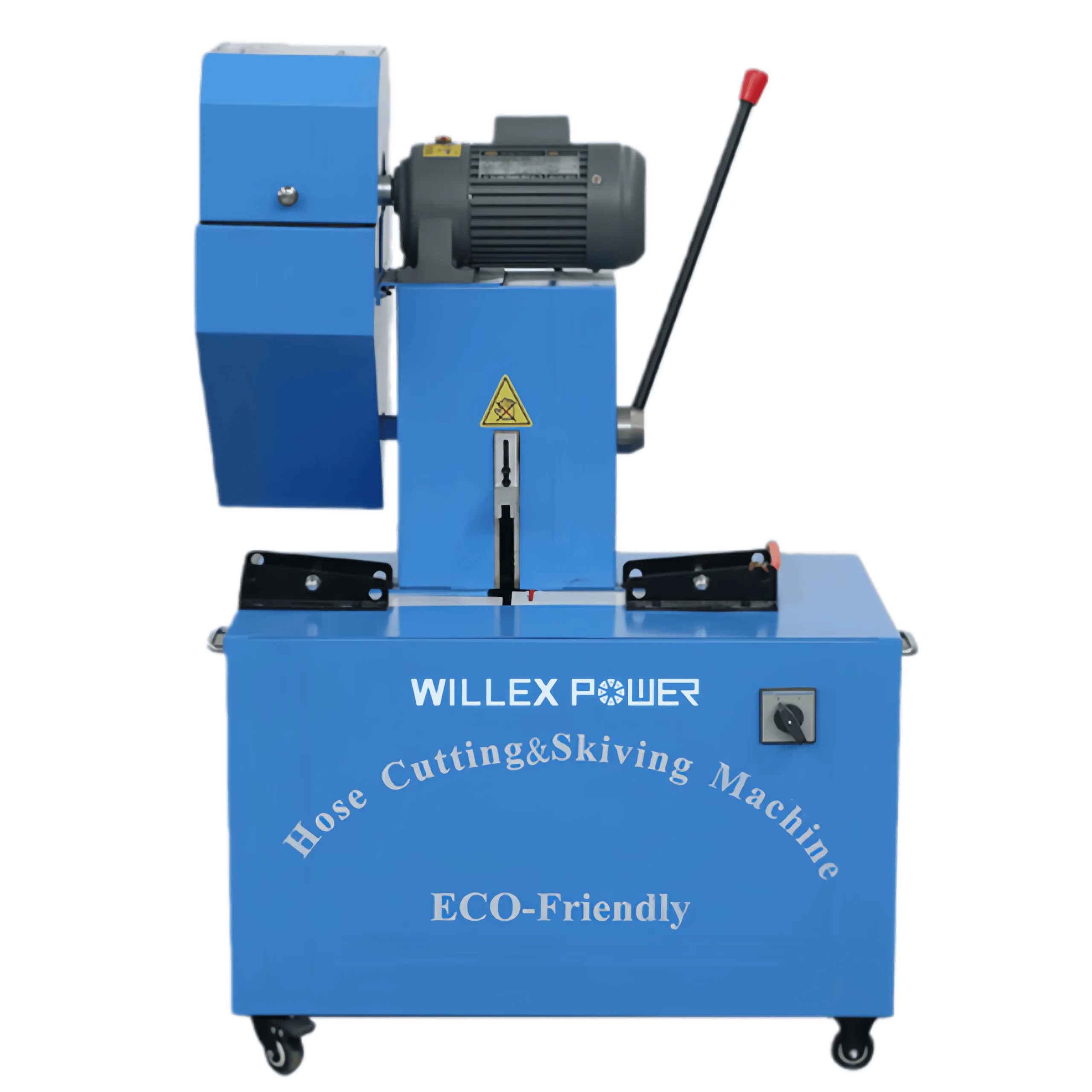
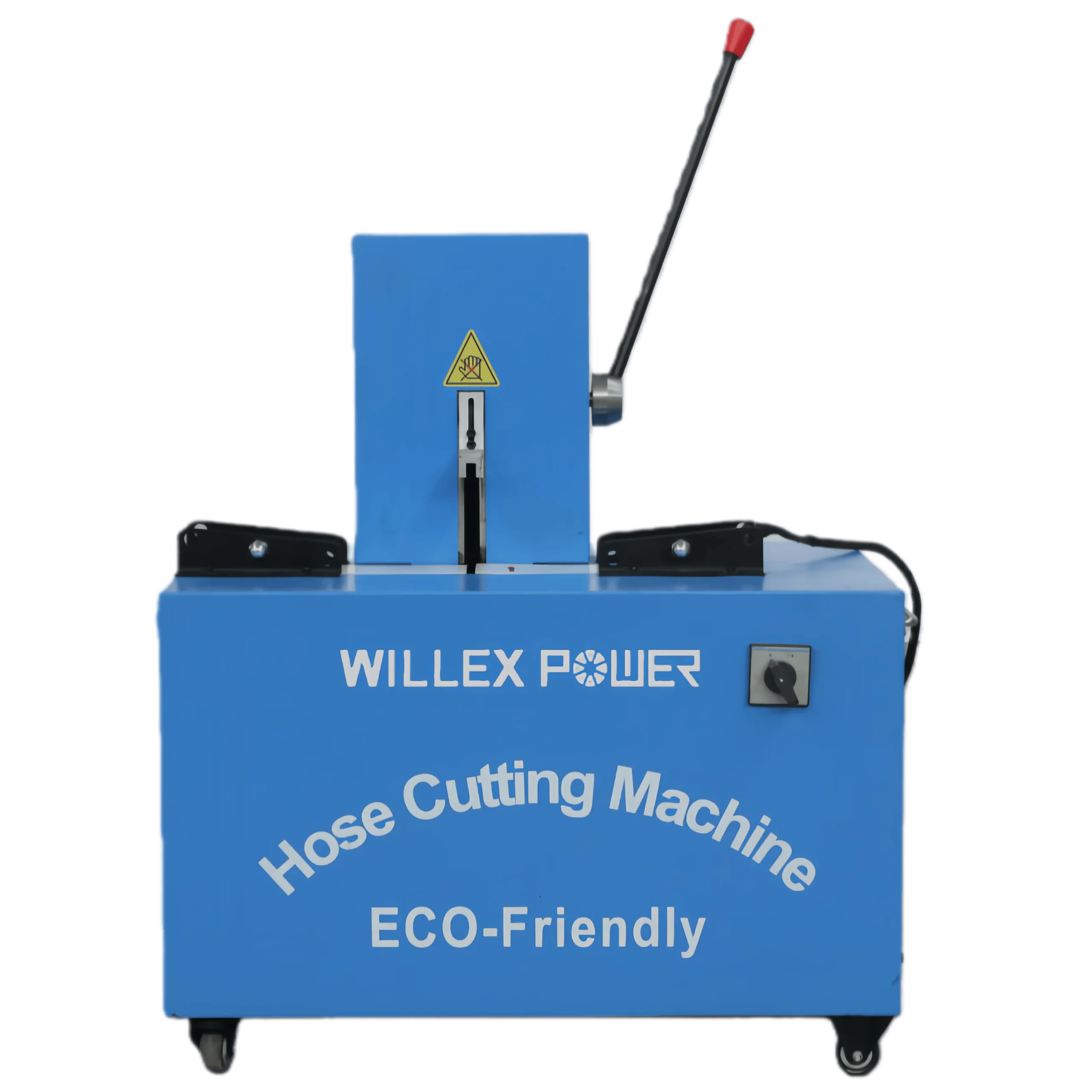
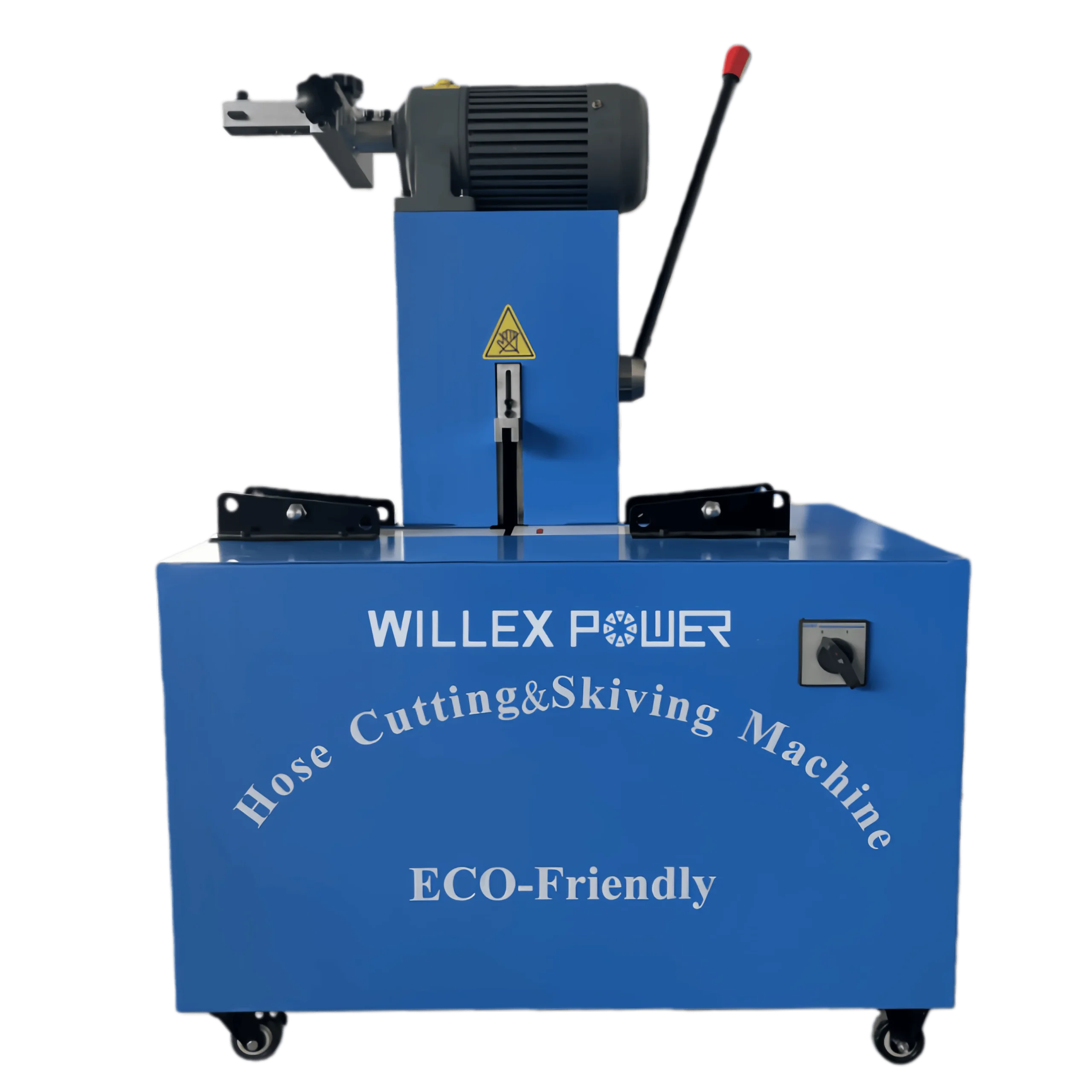
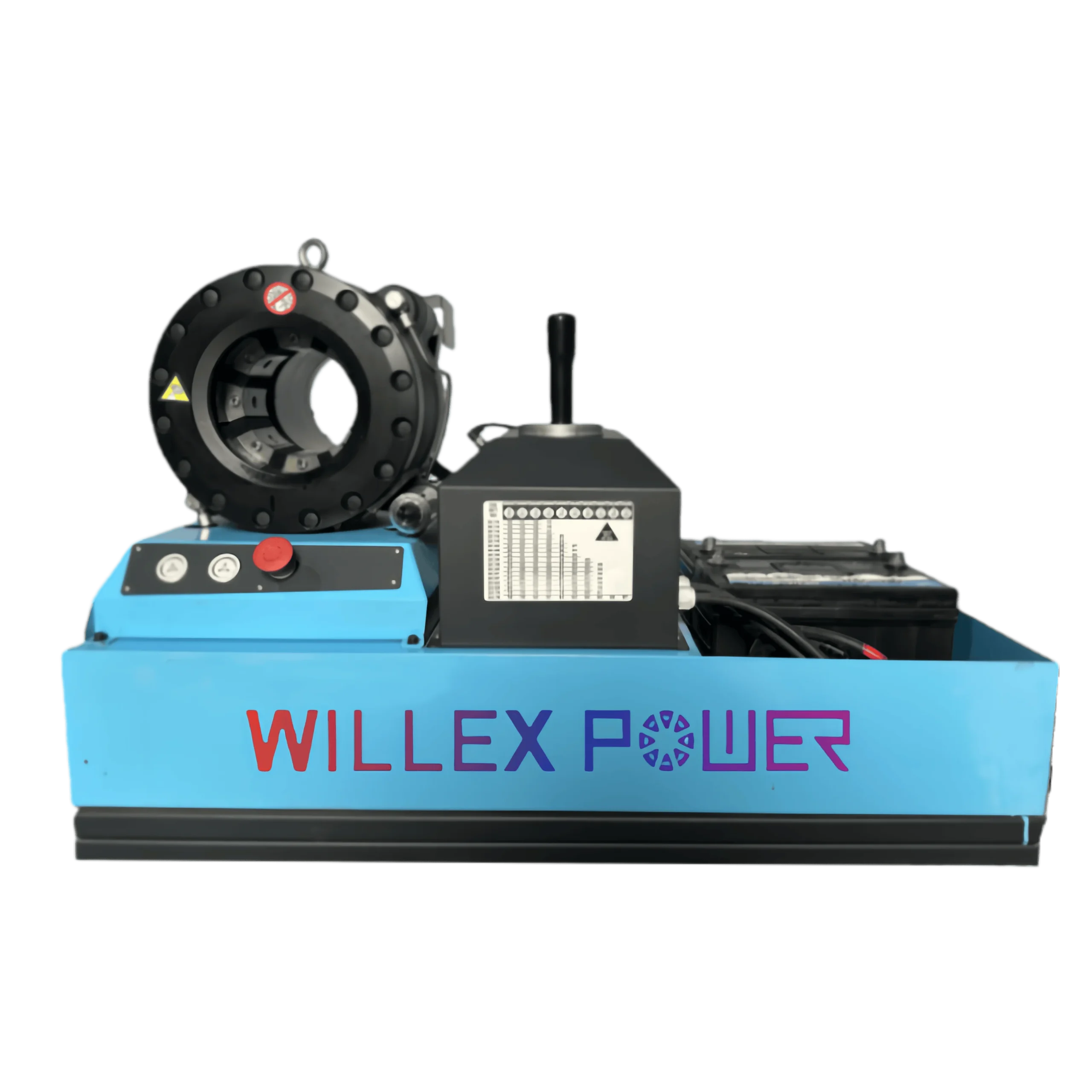
-20260121013914-scaled.webp "WILLEX POWER DZW-A10-1 Hose Crimping Machine")
-20260121014427-scaled.webp "Hose Crimping Machine DZW-A10")
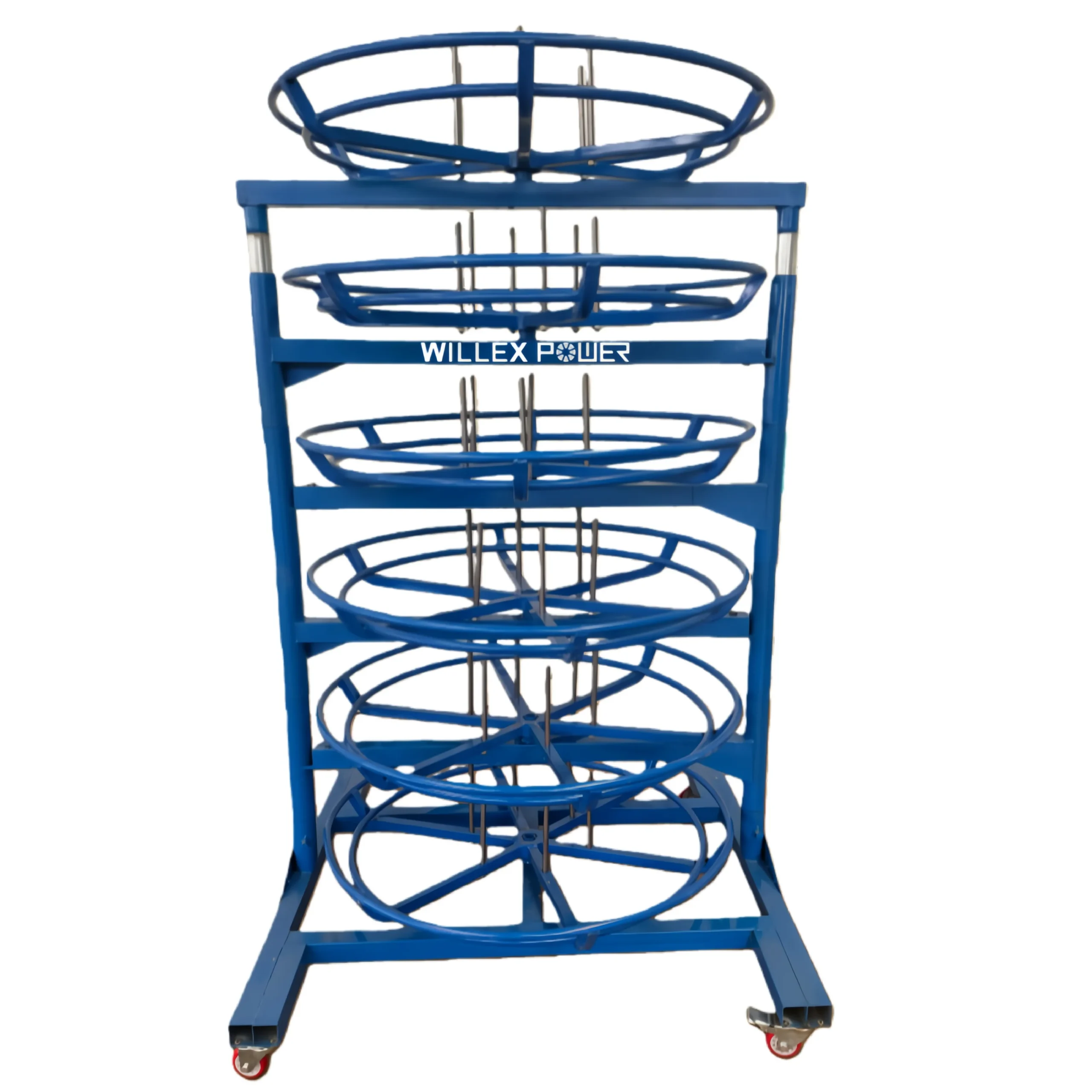
-20260121015636-scaled.webp "Hose Skiving Machine DZW-51BJ-M")
-20260121015753-scaled.webp "Hose Skiving Machine DZW-51BJ-C")
-20260121020311-scaled.webp "Hose Skiving Machine DZW-51BJ-E")