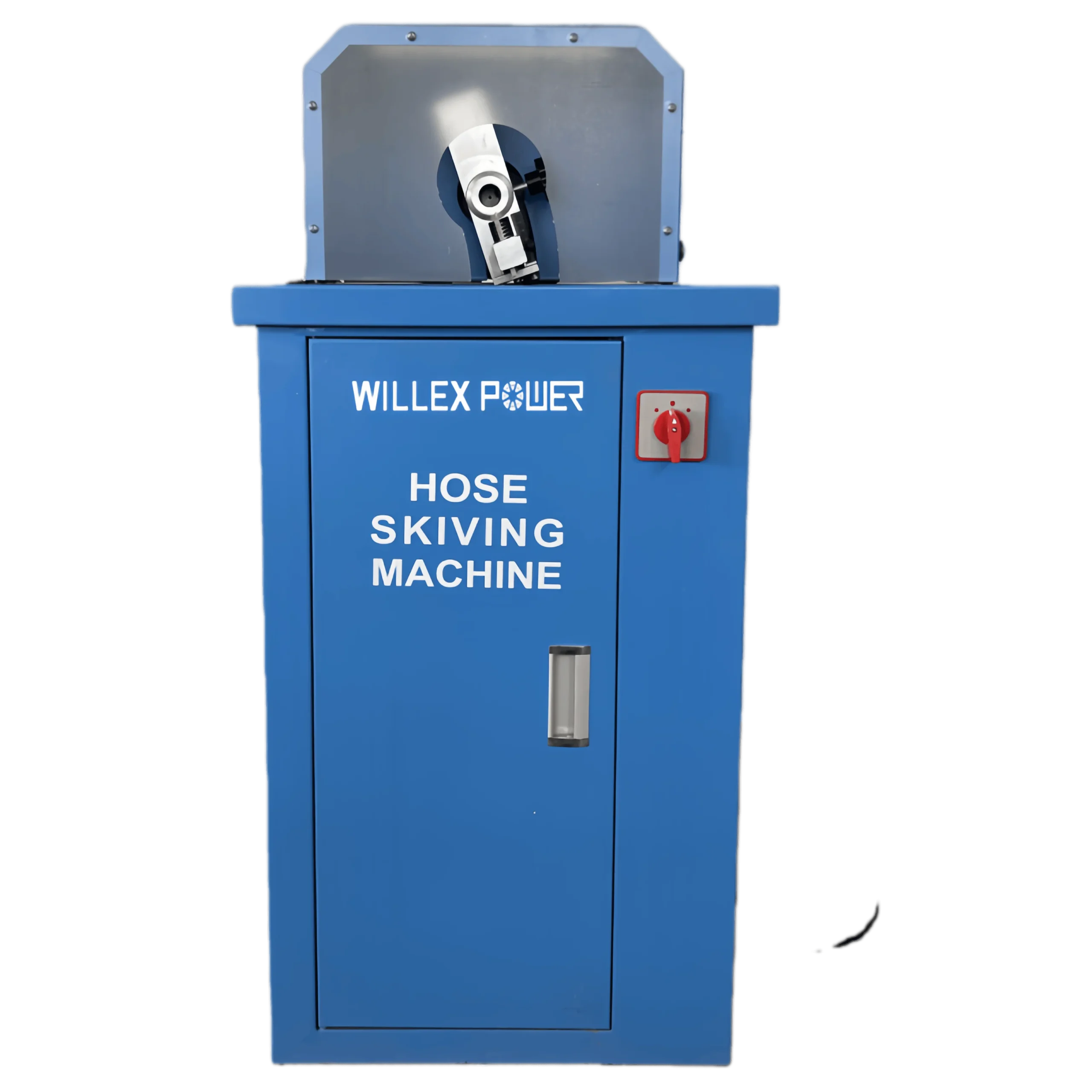
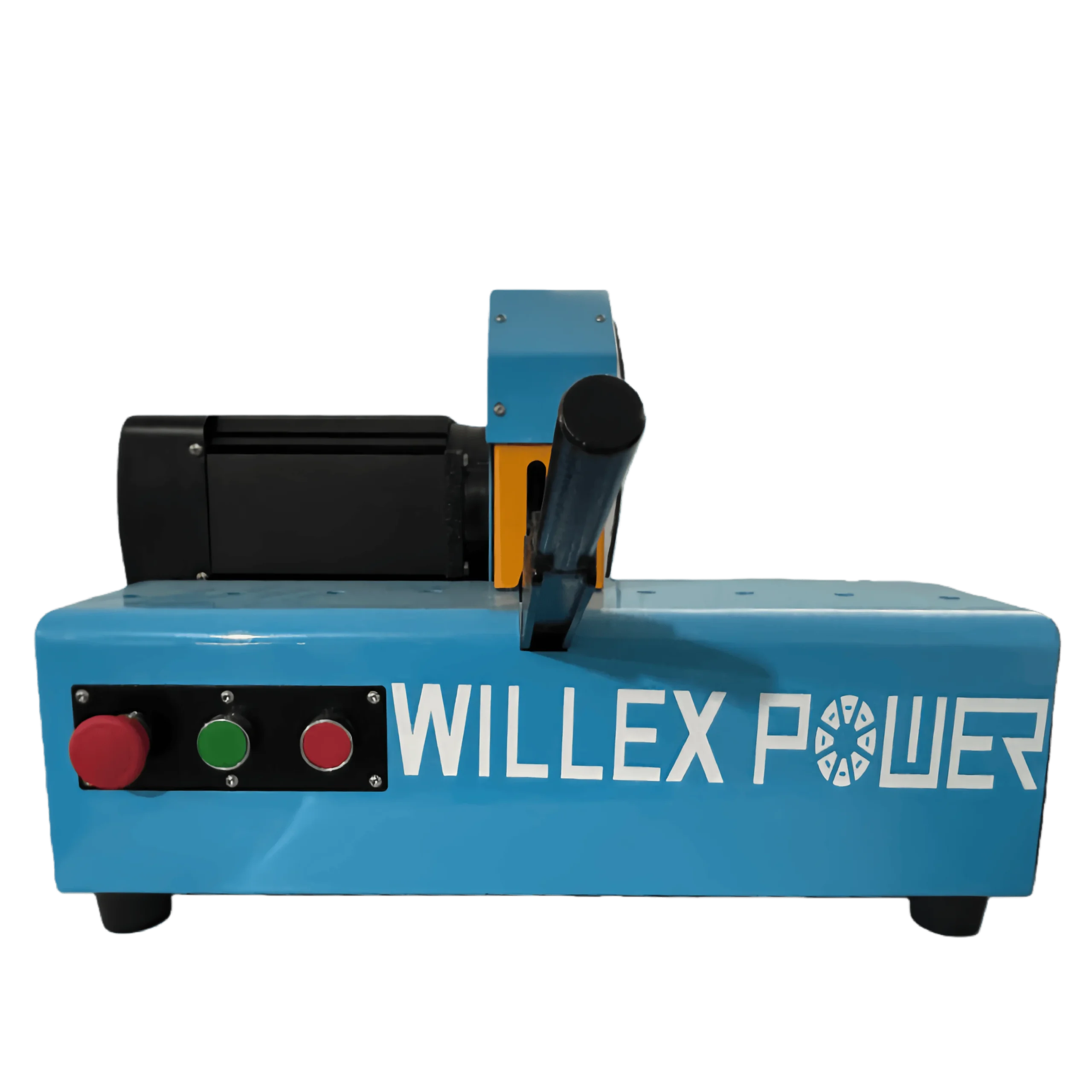
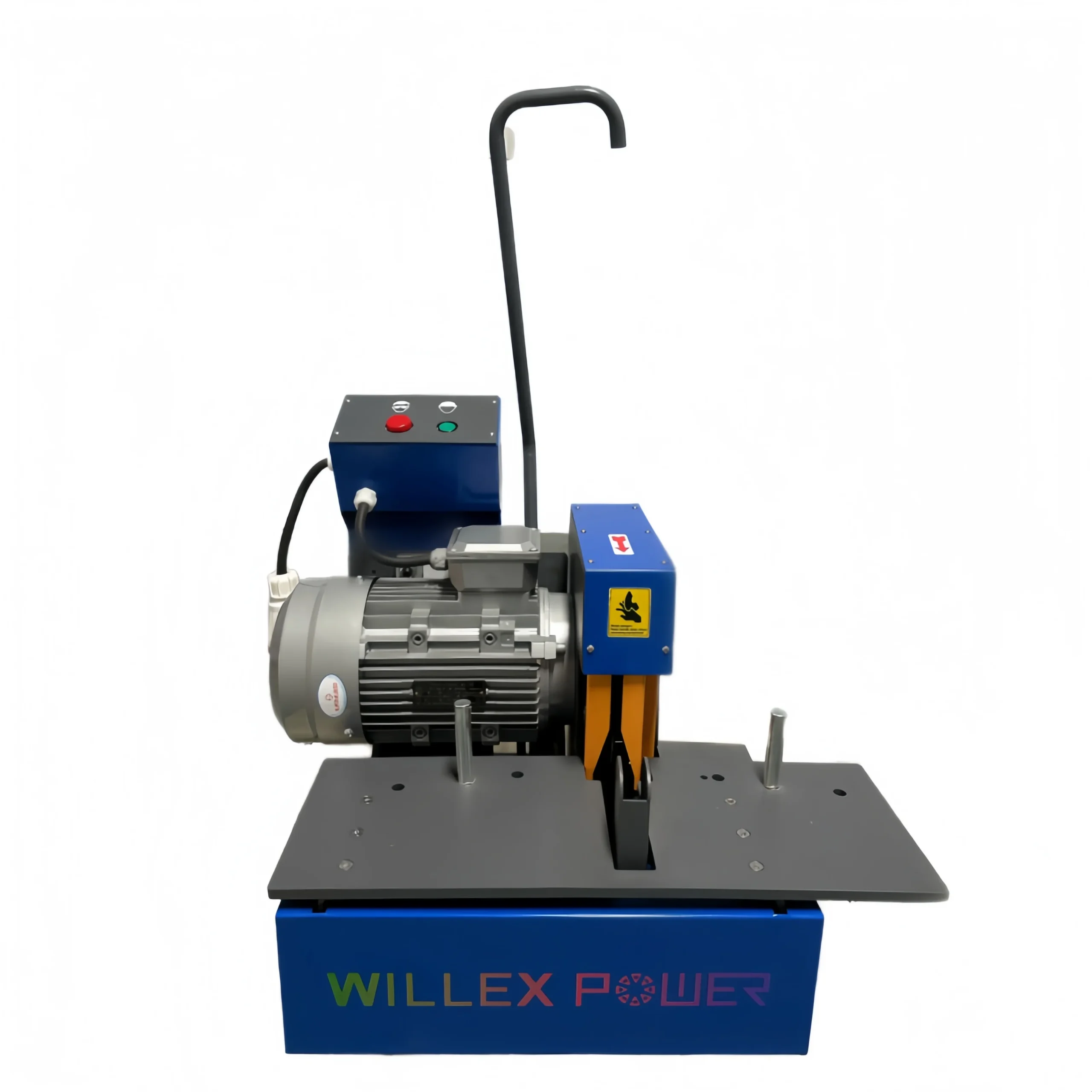
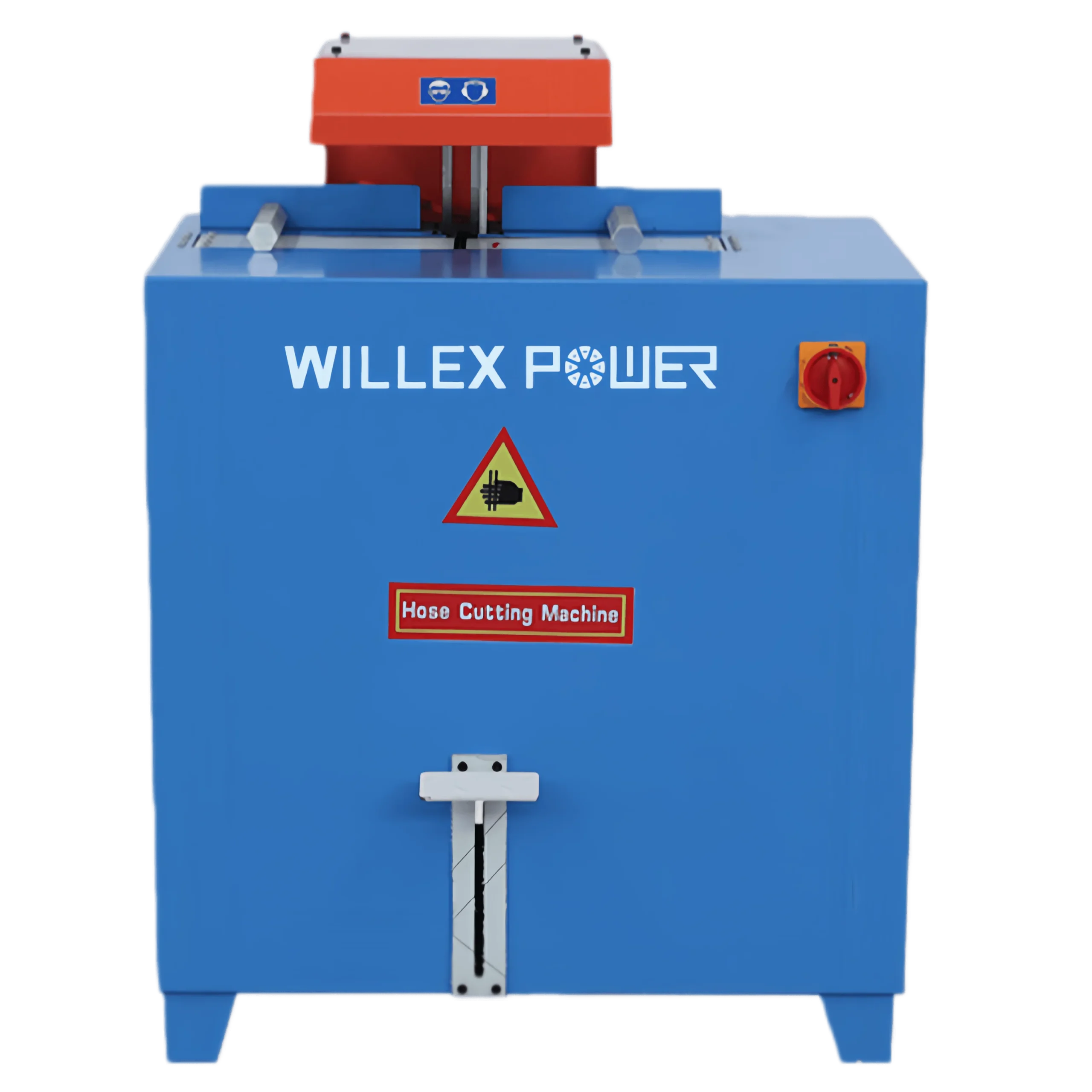
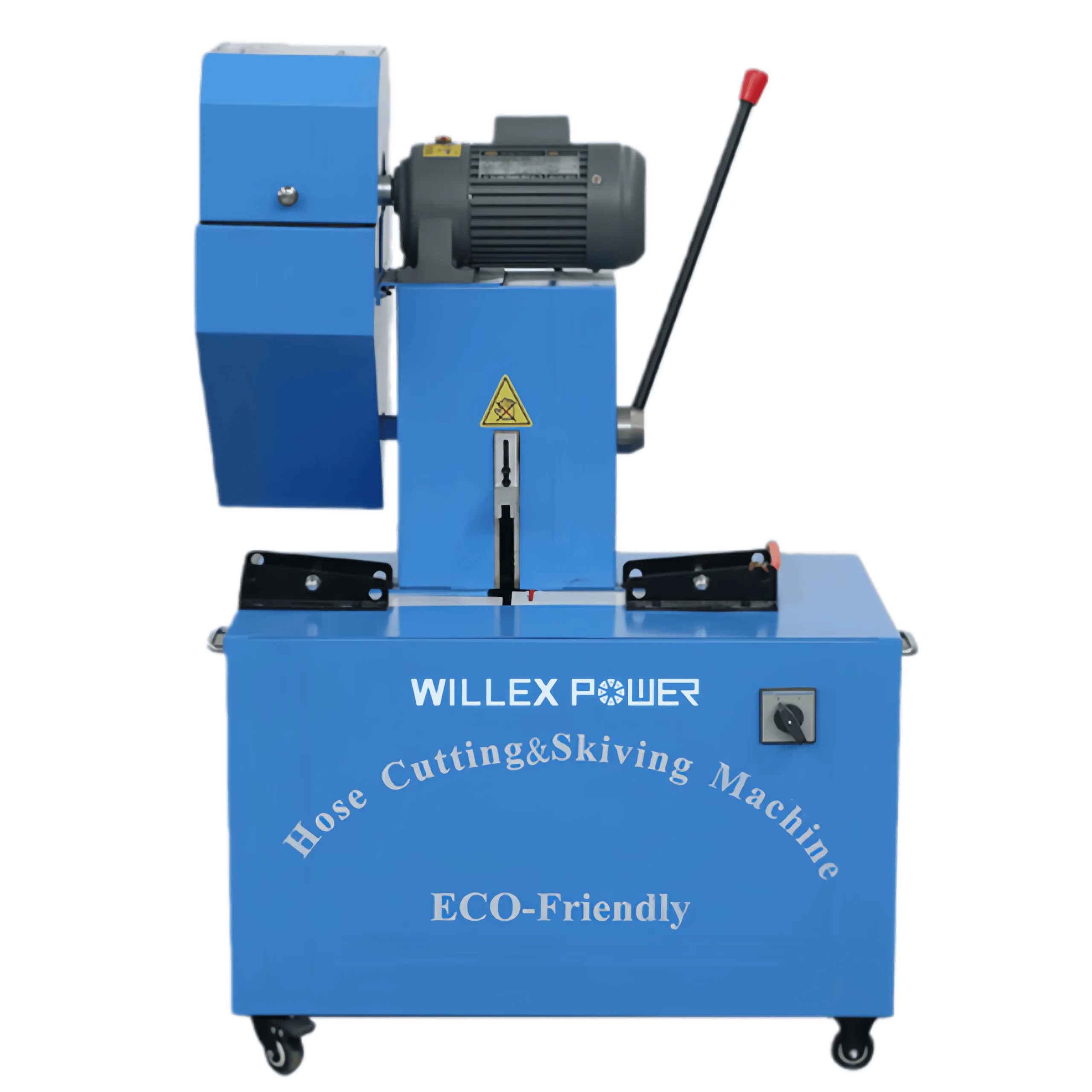
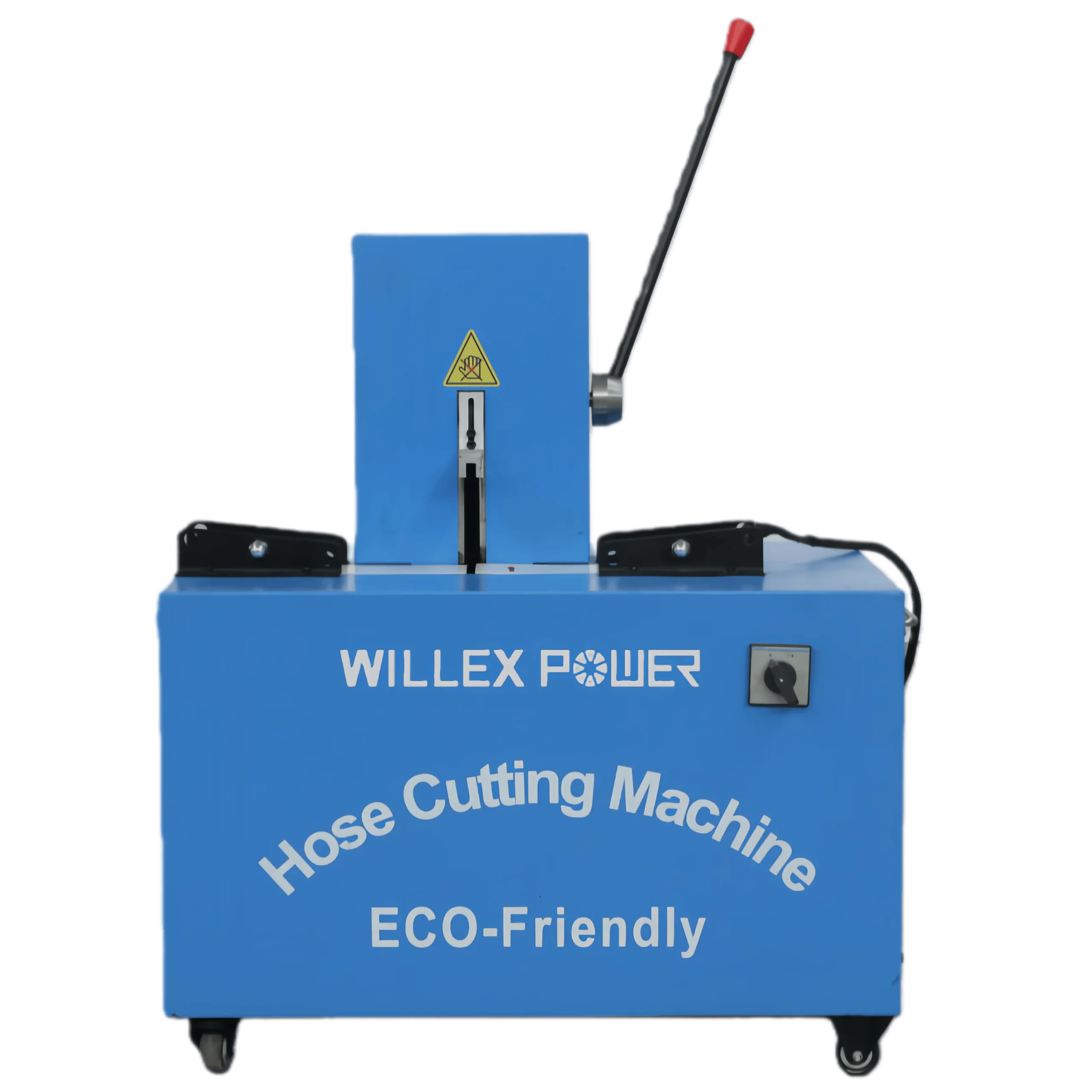
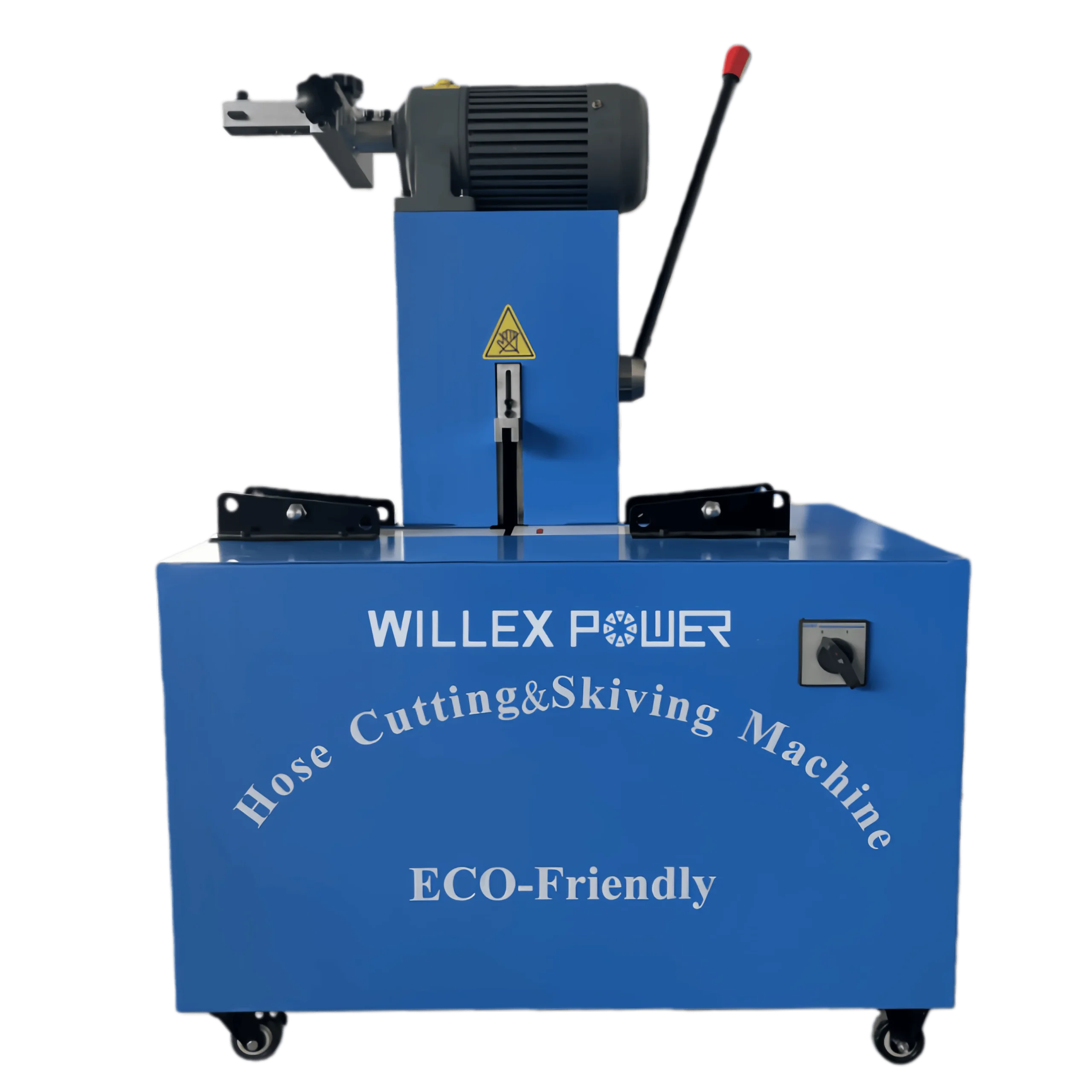
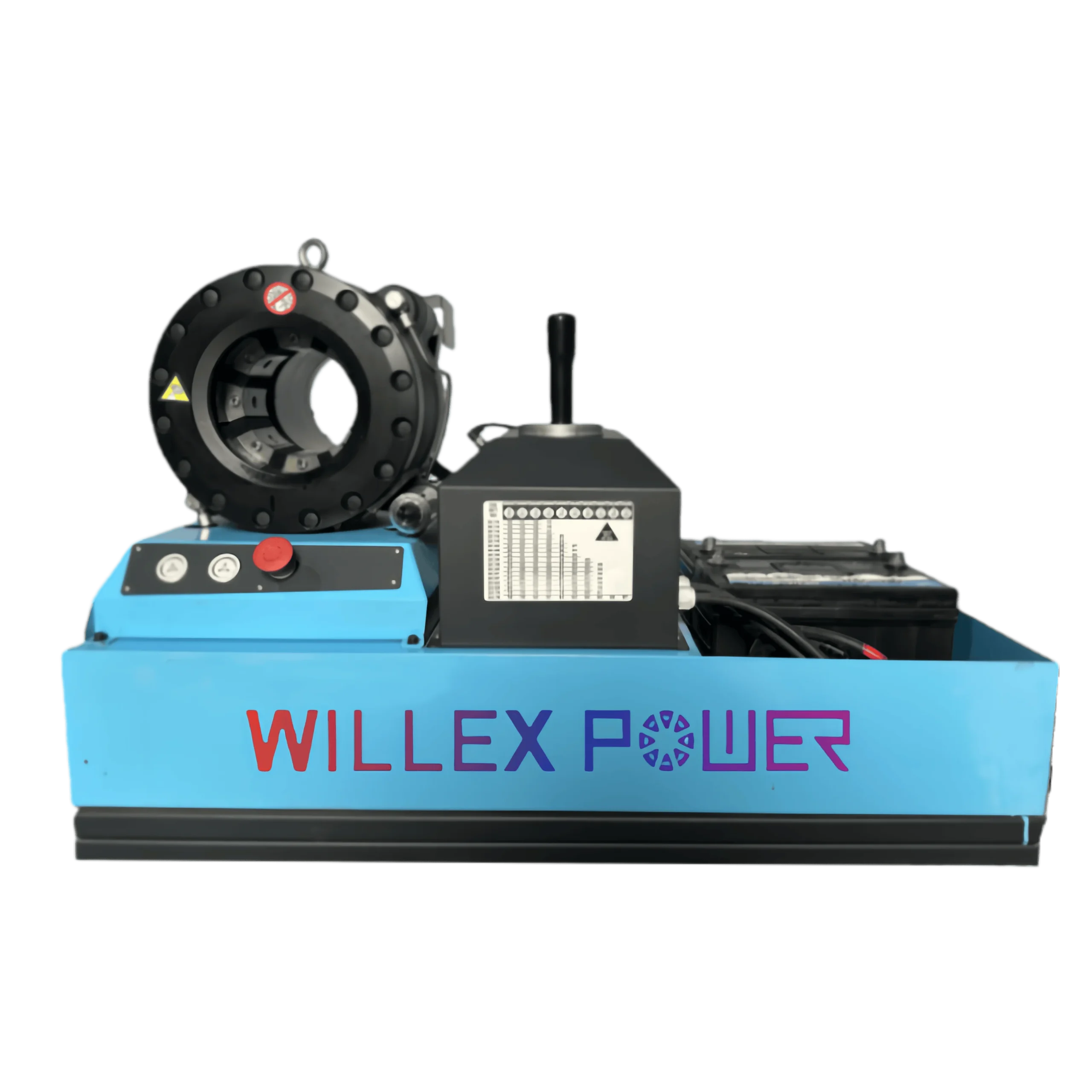
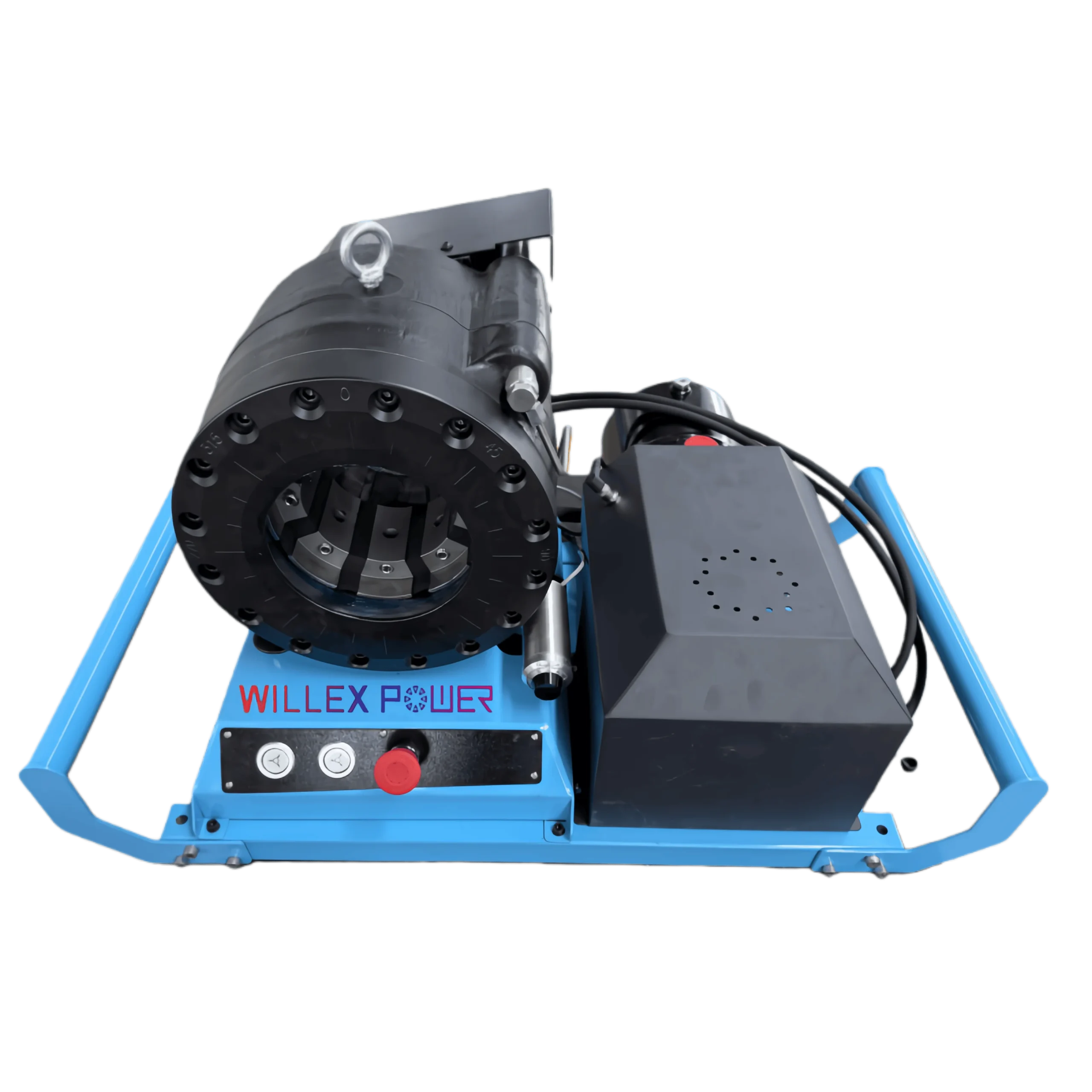
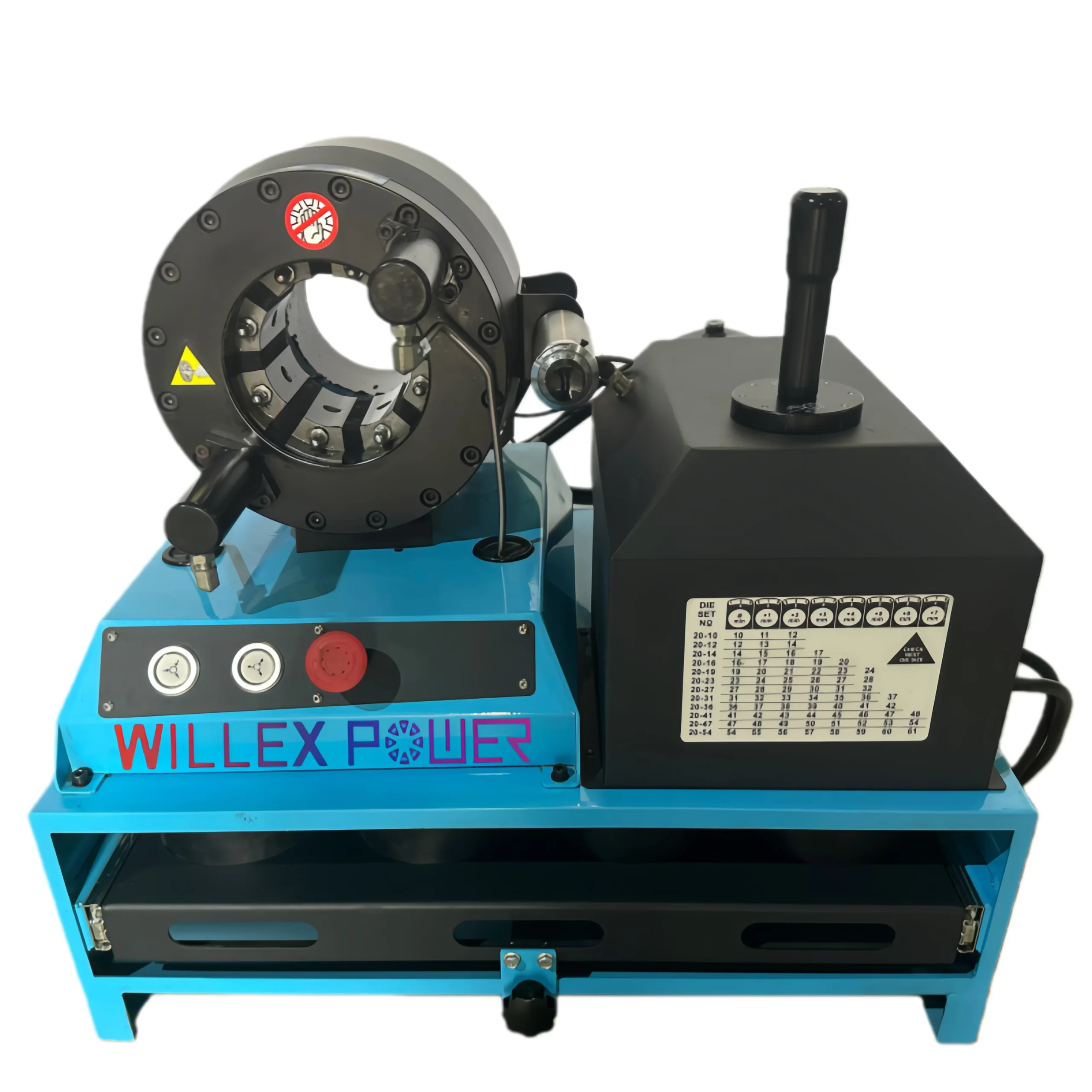
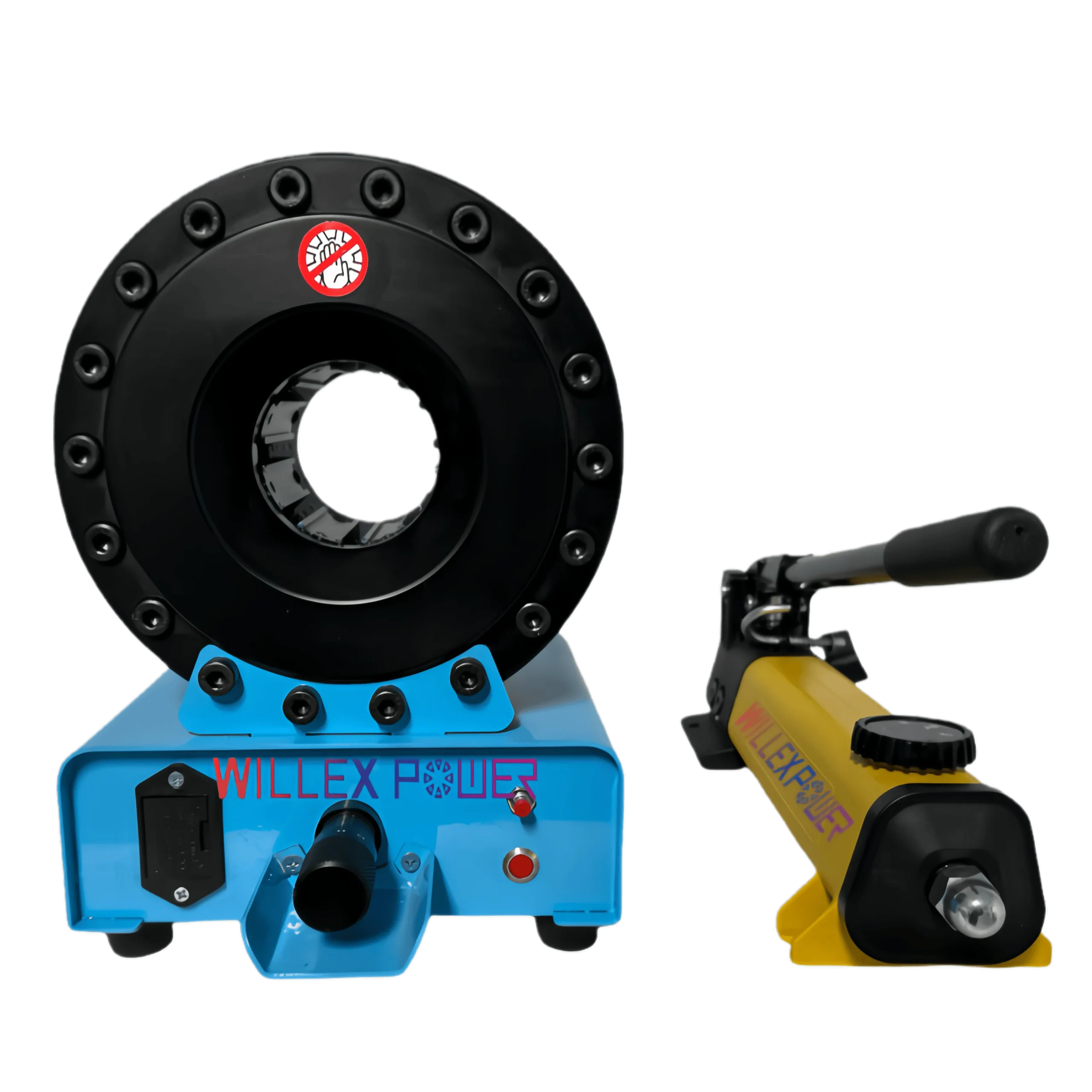
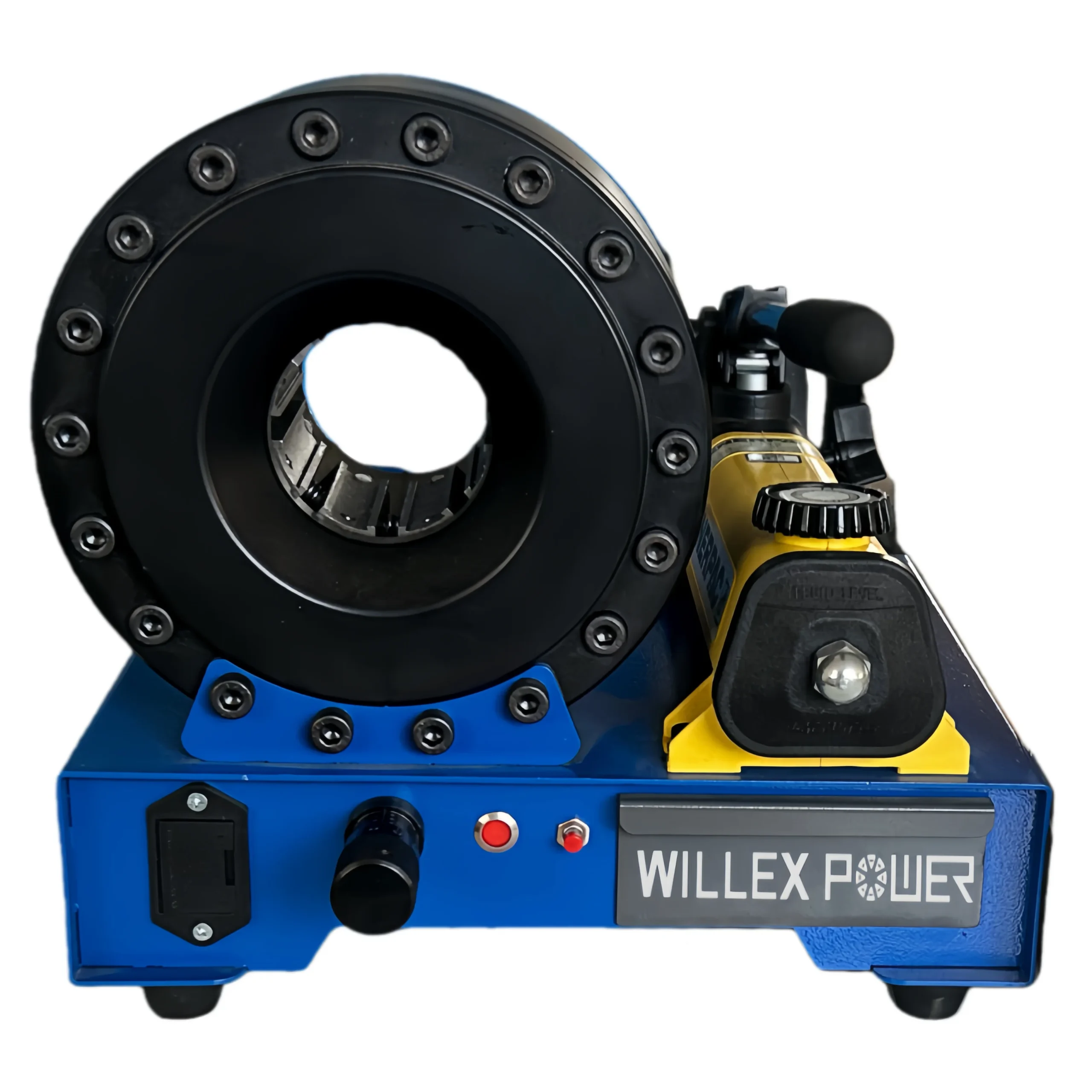
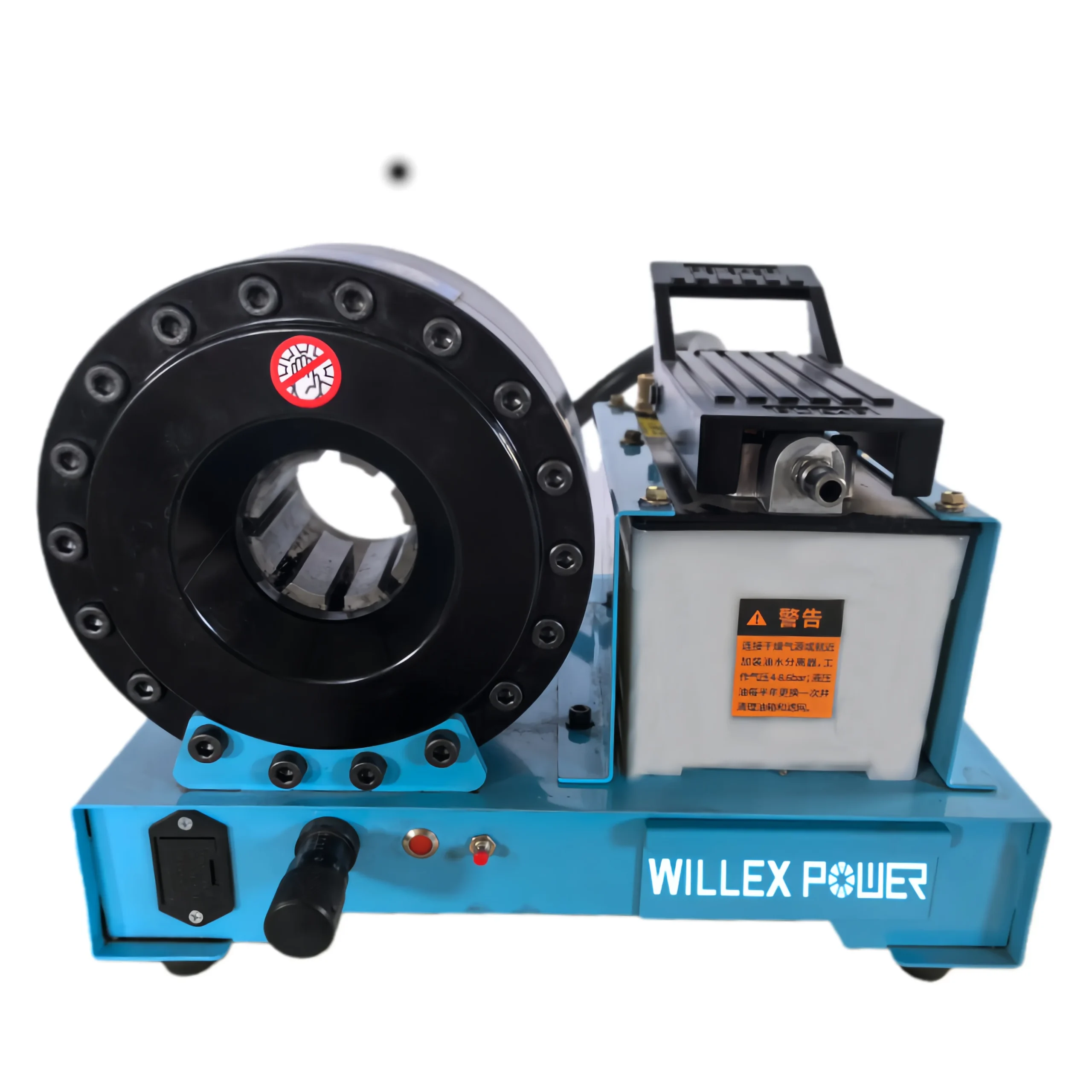
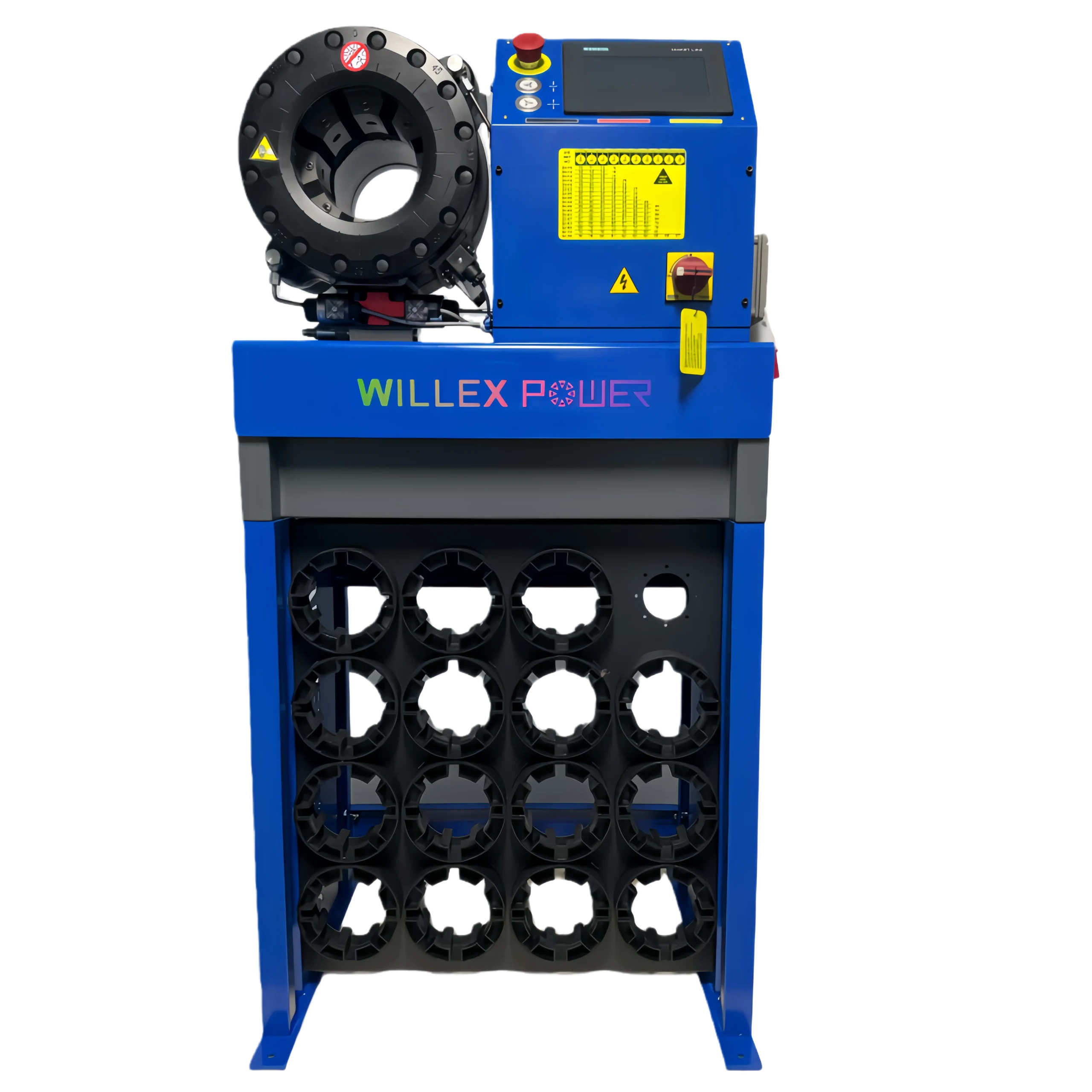
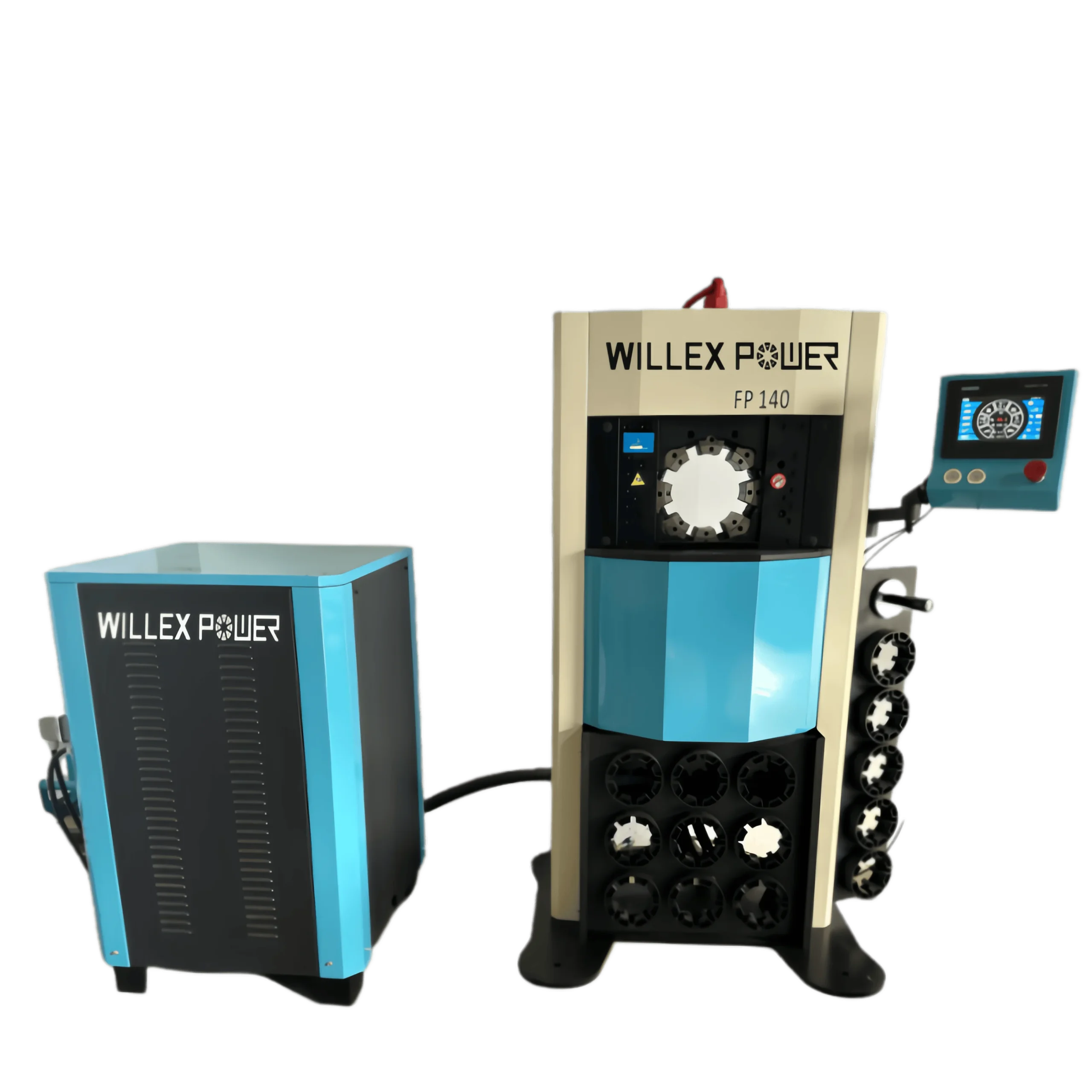
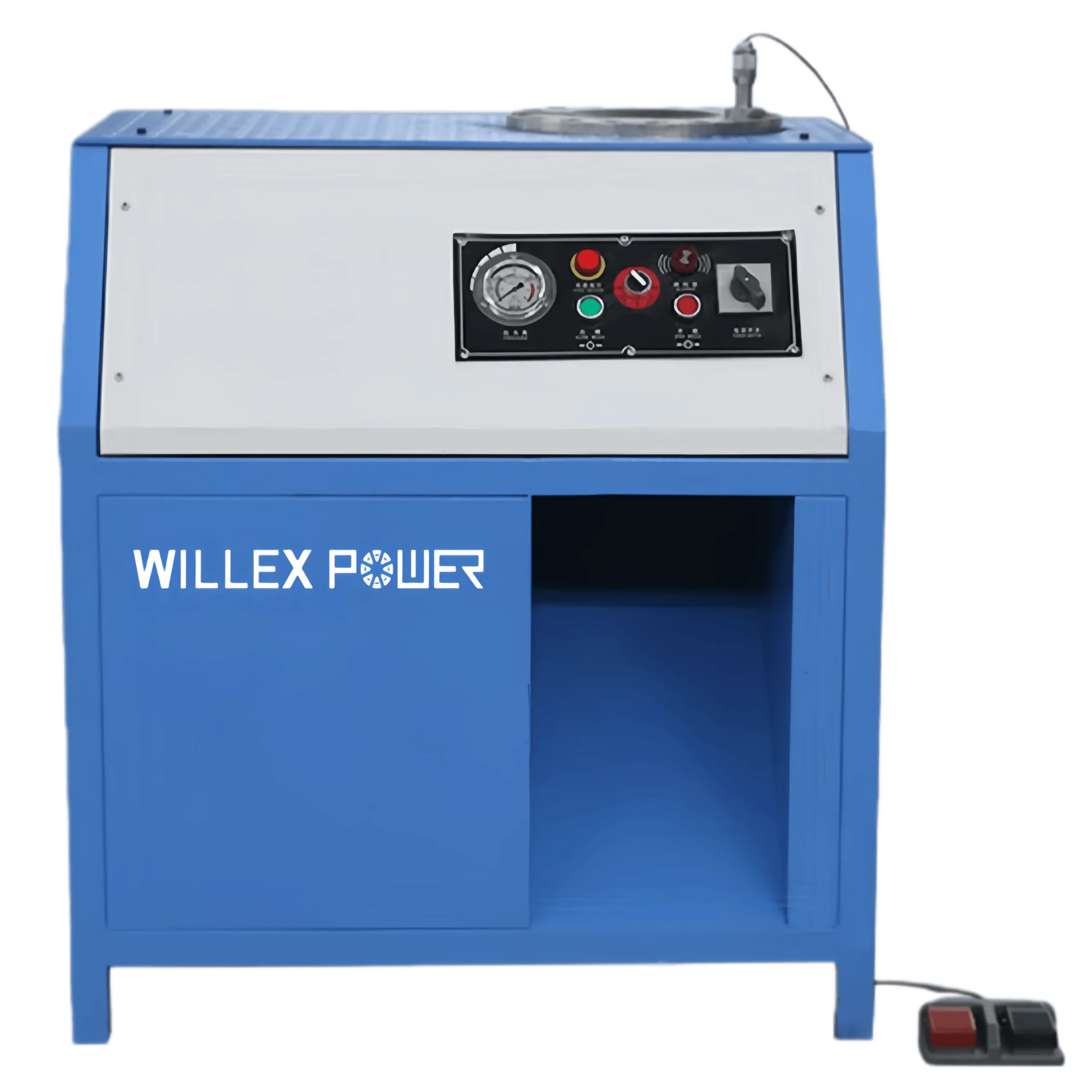
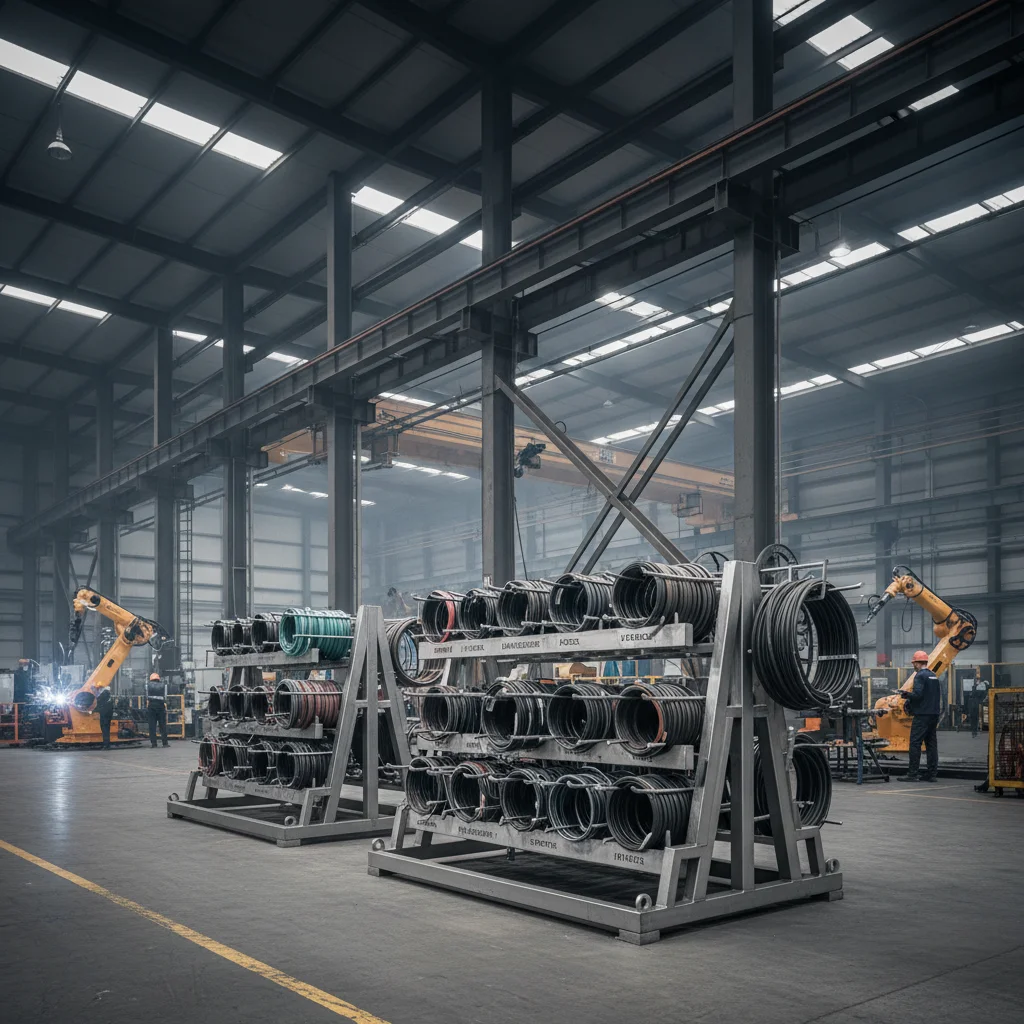
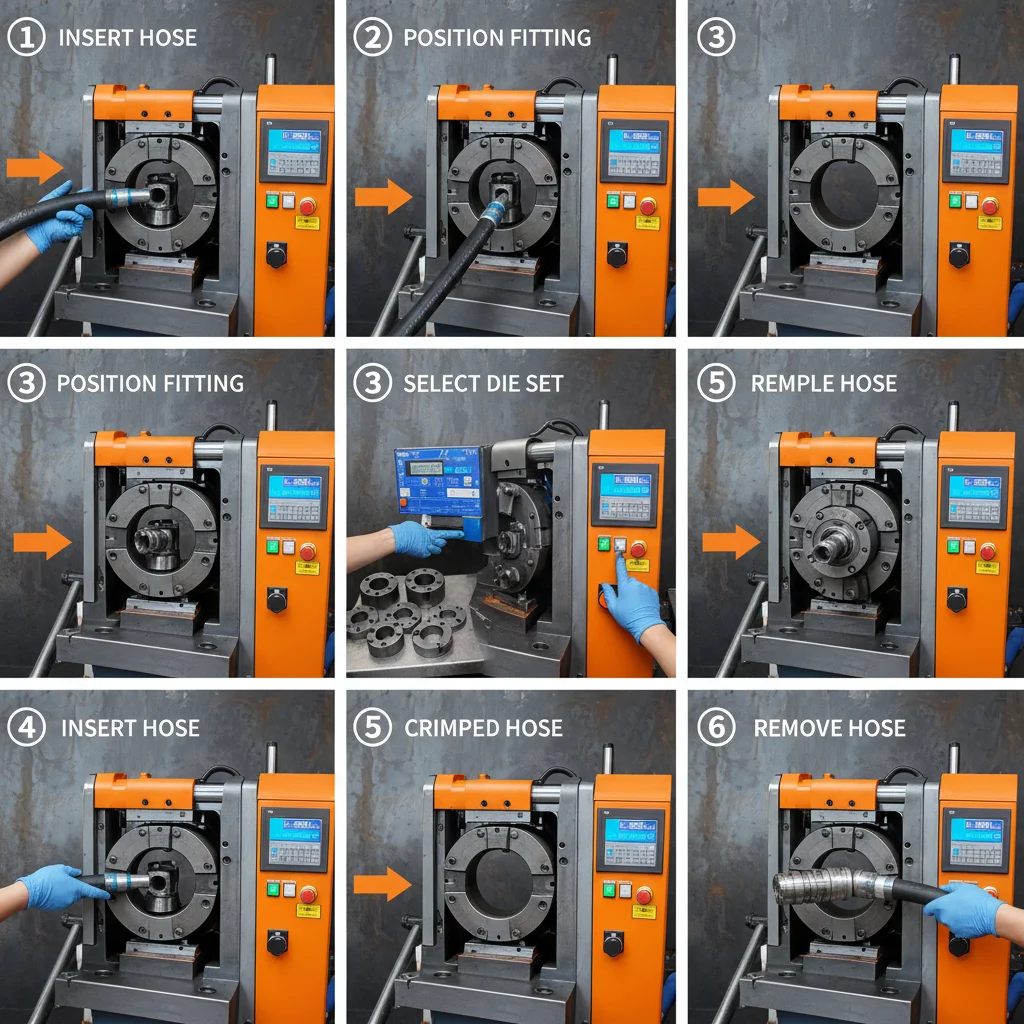
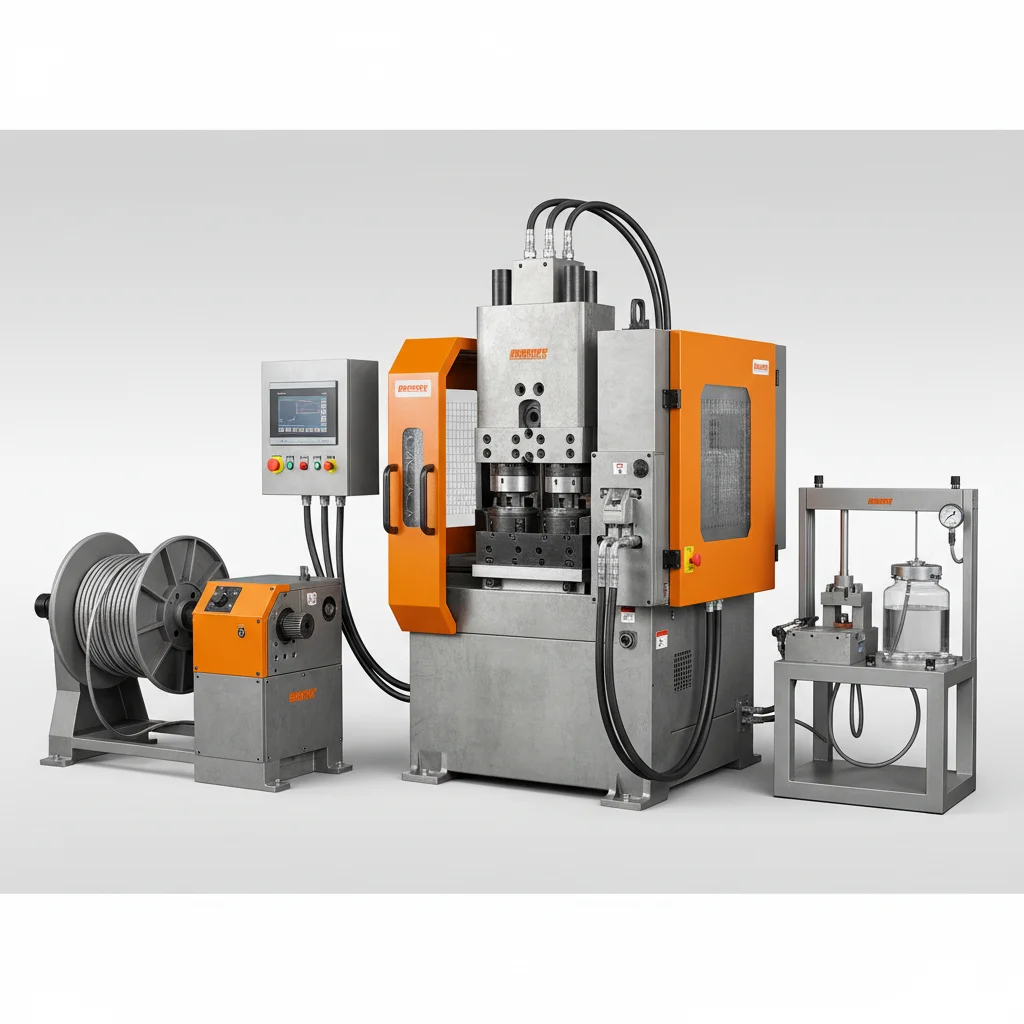
China Hose Cutting Machine: Precision Industrial Tool for Global Markets
China Hose Cutting Machine: Precision Meets Industry Needs
In today’s fast-paced manufacturing world, the China hose cutting machine stands out as an essential tool that’s quietly shaping industries globally. From automotive to construction, these machines slice hoses with remarkable precision—a small detail on the surface, but it ripples out into huge operational efficiencies, cost savings, and safety improvements worldwide. Understanding this technology offers insight not only into production line upgrades but also into how global supply chains adapt and innovate in an ever-competitive market.
Introduction: The Global Context of Hose Cutting Technology
Why should we care about hose cutting machines, particularly those made in China? For one, China is a manufacturing giant—accounting for around 28% of global manufacturing output according to the World Bank. Hose cutting machines form a critical part of this ecosystem, directly impacting industries like automotive, aerospace, and agricultural machinery, where hose assemblies are ubiquitous. Yet, despite their apparent simplicity, hose cutting machines address several challenges: accuracy, speed, and minimizing waste — factors crucial for maintaining competitive margins in a globalized market.
Oddly enough, many companies underestimate how much a reliable cutting machine affects overall quality. With tighter environmental and safety regulations worldwide, the push for standardized, clean cuts is stronger than ever. This is where the China hose cutting machine fills a gap, offering quality and scalability in one package.
What Is a China Hose Cutting Machine?
Simply put, a hose cutting machine is industrial equipment designed to cut rubber, PVC, or composite hoses to precise lengths. These hoses are vital for fluid or gas transfer in vehicles, heavy machinery, and even household appliances. The Chinese-made variants are popular for combining cost-effectiveness with functionality—a blend that can be hard to find.
This technology links closely to broader manufacturing trends and humanitarian efforts too: consider disaster relief operations needing rapid assembly of hydraulic or water hoses, or factories in remote locations where precision equipment must be durable and straightforward. These machines might seem niche, yet their impact is extensive.
Core Components & Key Factors
1. Cutting Accuracy and Speed
Precision is the linchpin. The ability to cut hoses within millimeter tolerances reduces fitting errors and leaks, which many engineers say can cost thousands due to downtime or recalls. Speed matters too—in fast-moving production lines, every second counts.
2. Durability & Material Compatibility
The machine must handle a variety of hose materials from rigid rubber to flexible polymers without performance loss. Chinese manufacturers utilize robust blade materials and innovative mechanisms to ensure endurance—crucial in industrial settings.
3. Ease of Use & Automation
Many models incorporate digital controls and programmable settings, allowing operators to switch sizes and lengths quickly. Automation minimizes human error and labor costs, aligning with Industry 4.0 standards.
4. Cost Efficiency & Maintenance
One advantage often highlighted is affordability—not only upfront cost but ongoing maintenance. Compared to Western counterparts, Chinese machines frequently excel here while maintaining competitive specs.
Product Specification Table: Typical China Hose Cutting Machine
| Specification | Details |
|---|---|
| Cutting Speed | Up to 15 cuts/minute |
| Cut Length Range | 10mm to 1000mm |
| Maximum Hose Diameter | Up to 150mm |
| Power Supply | 220V/380V, 50/60Hz |
| Control System | PLC & Touchscreen |
| Weight | Approx. 500kg |
Mini takeaway: A good China hose cutting machine balances precision, speed, and user-friendly controls, with the specs matching modern production demands.
Global Applications and Use Cases
The China hose cutting machine enjoys widespread use internationally. In Asia and Africa, it supports agricultural machinery factories producing irrigation hoses vital for food security. Europe and the Americas utilize it for automotive component manufacturing, where fluid transfer hoses must be flawlessly cut to meet strict standards set by ISO 1065.
Post-disaster humanitarian projects often rely on reliable hose assemblies to restore water and fuel lines quickly, minimizing downtime and human suffering. You might hear from relief organizations about the ease of sourcing these machines from China due to their balance of cost and capability. Remote industrial plants in mining or oil fields often prefer these machines because they can withstand rough conditions yet deliver consistent results.
Vendor Comparison Table: Leading China Hose Cutting Machine Manufacturers
| Vendor | Price Range (USD) | Automation Level | Warranty | Customer Support |
|---|---|---|---|---|
| Willex Machinery | $8,000 - $12,000 | Semi-automated | 24 months | 24/7 tech support |
| HoseTech Co. | $10,000 - $15,000 | Fully automated | 18 months | Business hours only |
| CutPro Industrial | $7,000 - $10,000 | Manual plus optional automation | 12 months | Email & online chat |
Mini takeaway: Choosing a vendor often boils down to balancing price, automation features, warranty, and support—factors that look different depending on your industry's demands.
Advantages & Long-Term Value
Why invest in a China hose cutting machine? Beyond the obvious cost saving compared to Western alternatives, they offer reliable quality and tailored specifications. Long-term benefits weigh heavily on sustainability and traceability—clean cuts decrease waste and defective products, aiding environmental goals.
On an emotional level, operators frequently mention job satisfaction linked to producing high-quality products consistently and safely. And for managers, knowing a trusted machine runs smoothly reduces anxiety—a subtle but important factor in operational stability.
Future Trends & Innovations
Looking ahead, these machines are unlikely to remain purely mechanical. The integration of AI-enabled sensors, predictive maintenance alerts, and material-specific blade programming is growing. Energy-efficient motors and greener manufacturing materials are also becoming priorities as companies align with sustainable development goals (SDGs).
Automation, powered by IoT connectivity, promises quicker changeovers and remote diagnostics—transforming what was once a manual task into a smart process. Oddly enough, these “simple” machines may become testbeds for broader Industry 4.0 adoption.
Challenges & Solutions
Still, issues persist. Material slippage, inconsistent feed rates, and blade wear can cause problems. Many experts suggest ongoing operator training alongside machine upgrades to reduce such setbacks. Custom hose materials sometimes pose challenges, requiring specialized blades which few vendors stock adequately.
Innovative approaches include modular blade designs and open-source control software, allowing end-users to customize and improve machines flexibly. Frankly, it’s a field still ripe for creative engineering solutions.
FAQ: Frequently Asked Questions About China Hose Cutting Machine
- Q: What industries benefit most from China hose cutting machines?
A: Automotive, agriculture, construction, and manufacturing sectors rely heavily on precise hose cutting to ensure safety and performance of fluid transfer systems. - Q: How difficult is it to operate a hose cutting machine?
A: Most machines feature intuitive controls; however, some operator training is essential to optimize settings and ensure maintenance routines. - Q: Can these machines handle custom hose sizes?
A: Yes, with adjustable components and programmable length settings, many Chinese models cater to various diameters and materials. - Q: Is maintenance expensive?
A: Compared to Western counterparts, maintenance costs for Chinese machines are generally lower due to simpler designs and more affordable parts. - Q: How can I buy a China hose cutting machine internationally?
A: Many manufacturers provide export services and work closely with international customers for shipping, installation, and after-sales support.
Conclusion
The humble China hose cutting machine is much more than an industrial implement; it’s a lever of efficiency, sustainability, and innovation in global manufacturing. Its affordability, adaptability, and scalability make it a stalwart choice for companies worldwide. Whether revamping a production line or supporting emergency infrastructure, these machines deliver reliable, quality cuts every time.
If you’re intrigued by what a China hose cutting machine can do for your operation, visit our website for detailed specs, expert support, and tailored solutions.
Final thought: In an industry where precision meets pace, having the right tool like a dependable hose cutting machine makes all the difference—sort of the unsung hero of many manufacturing stories.
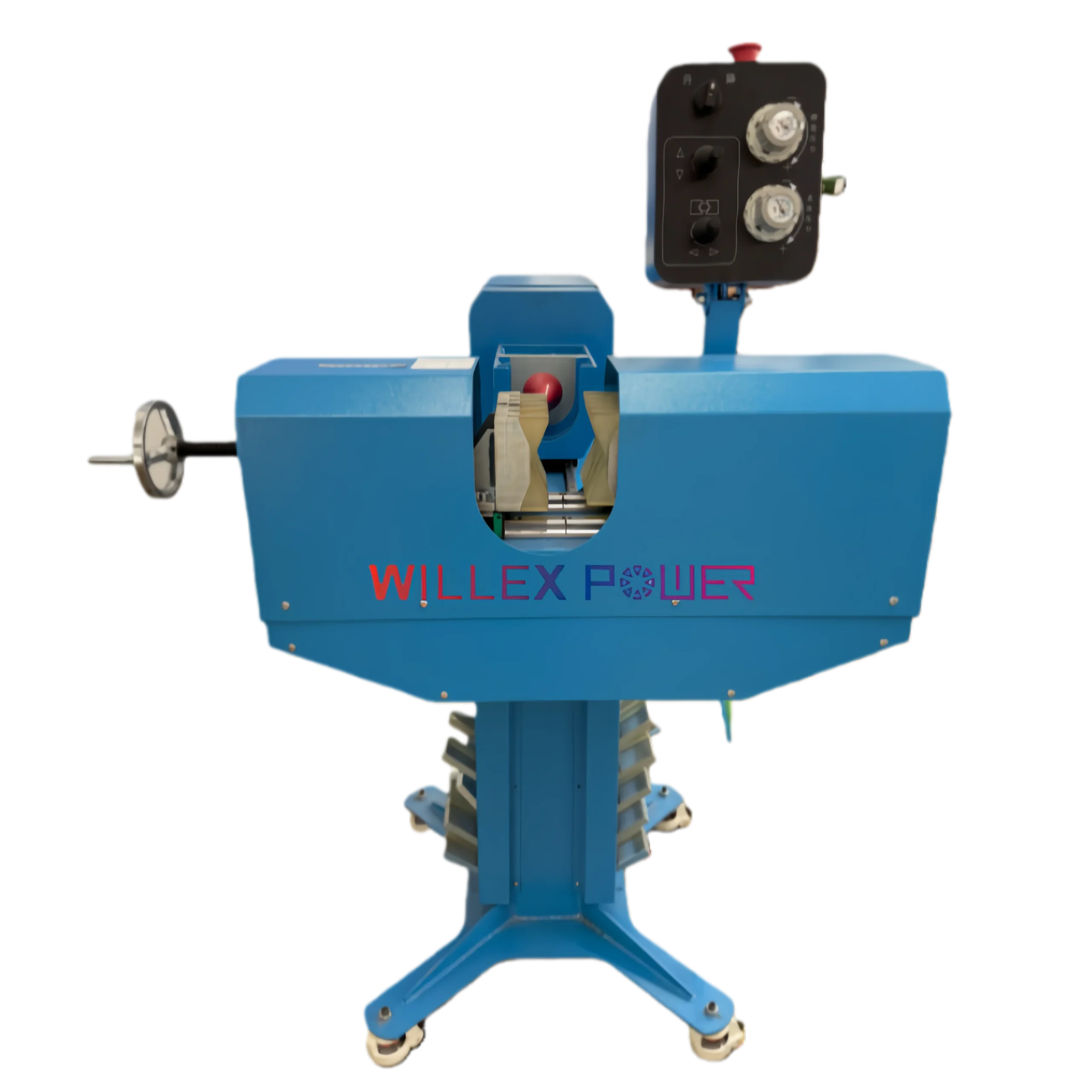
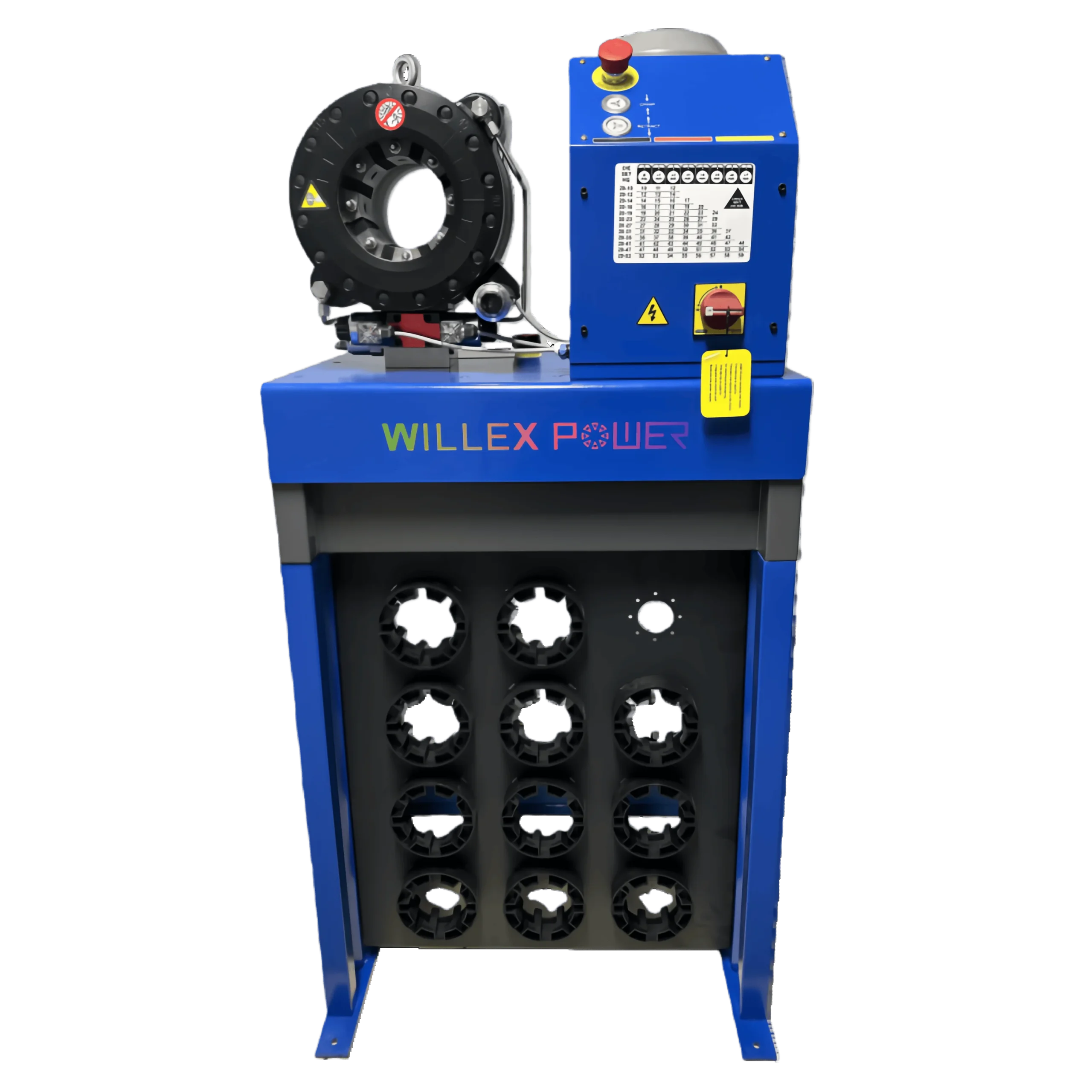
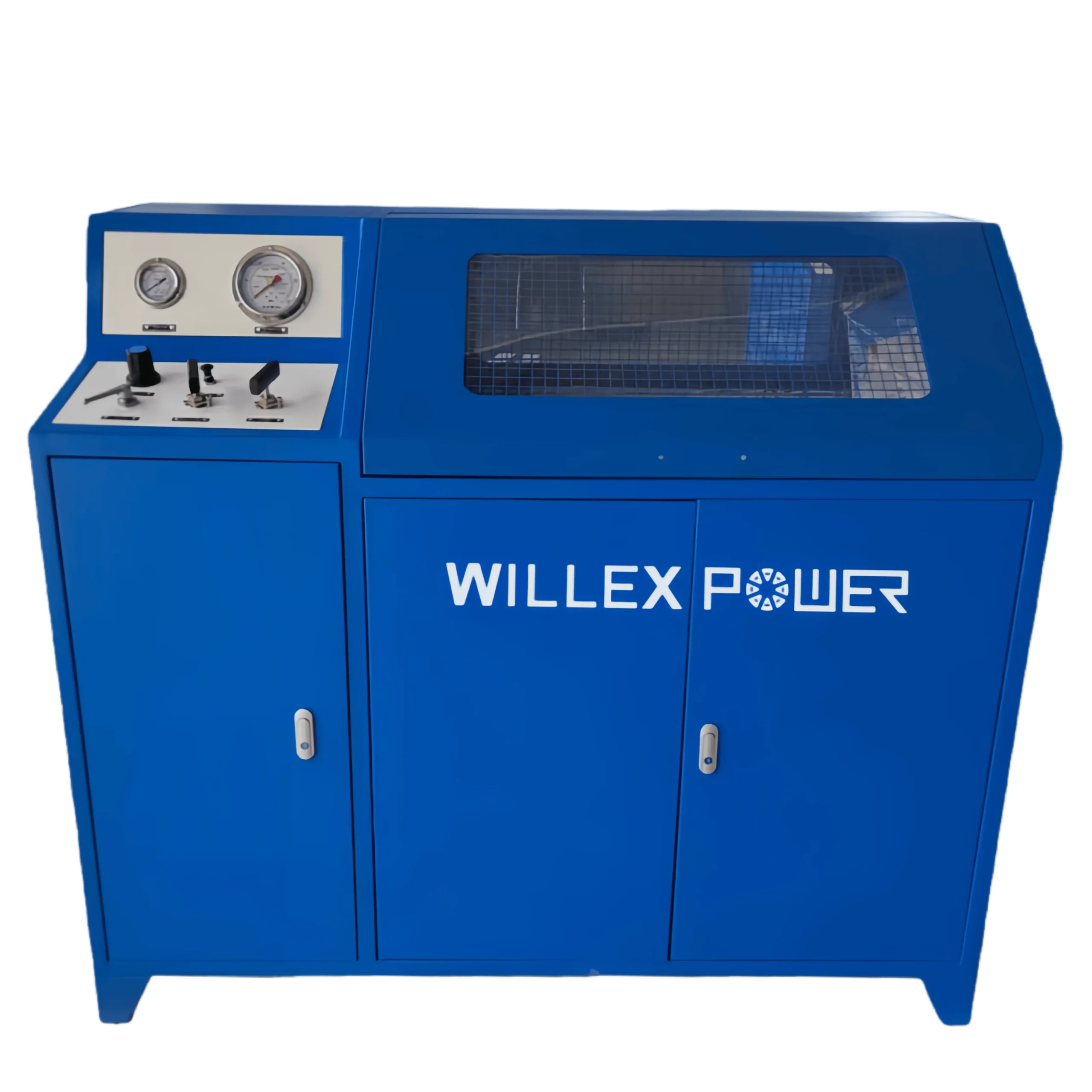
-20260121013914-scaled.webp "WILLEX POWER DZW-A10-1 Hose Crimping Machine")
-20260121014427-scaled.webp "Hose Crimping Machine DZW-A10")
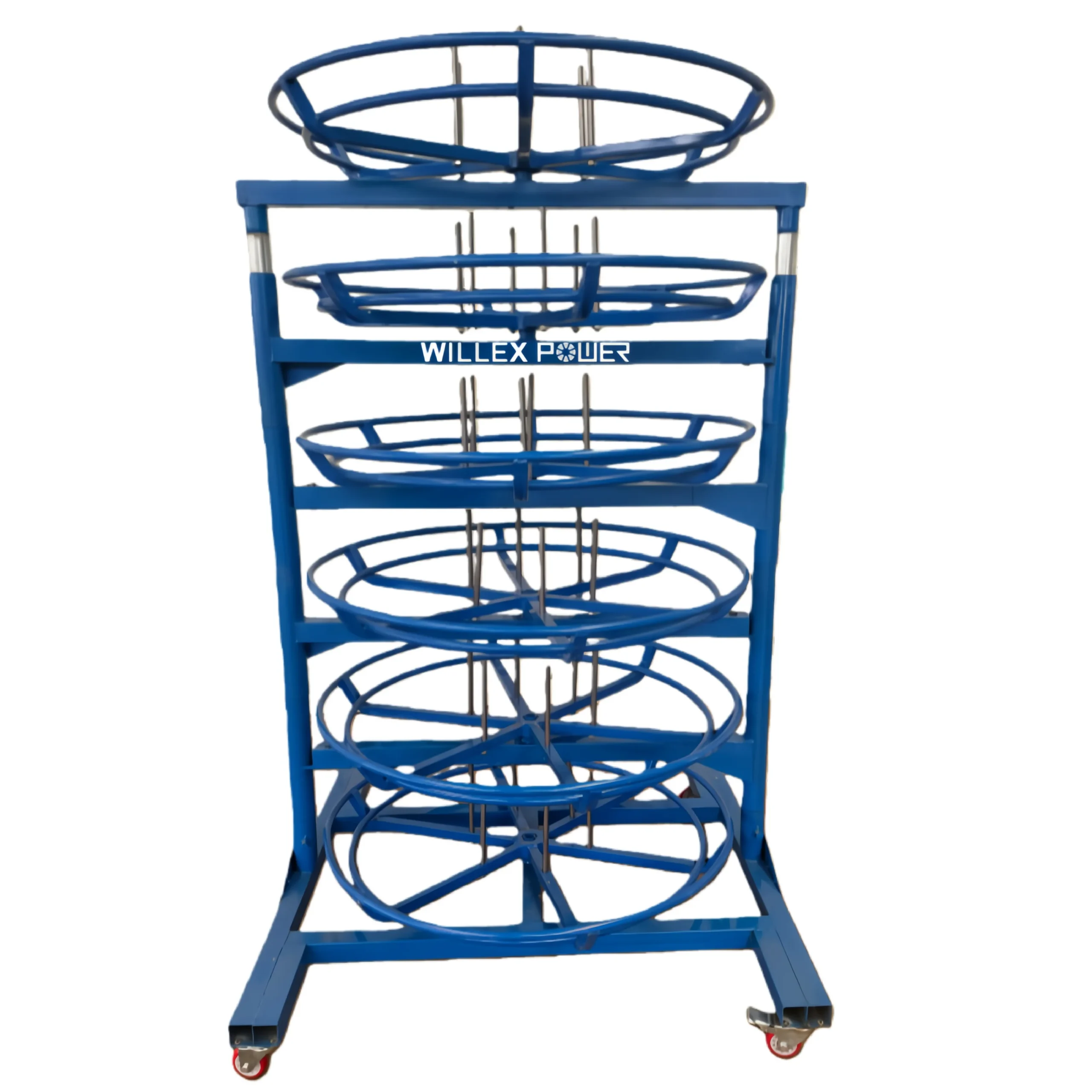
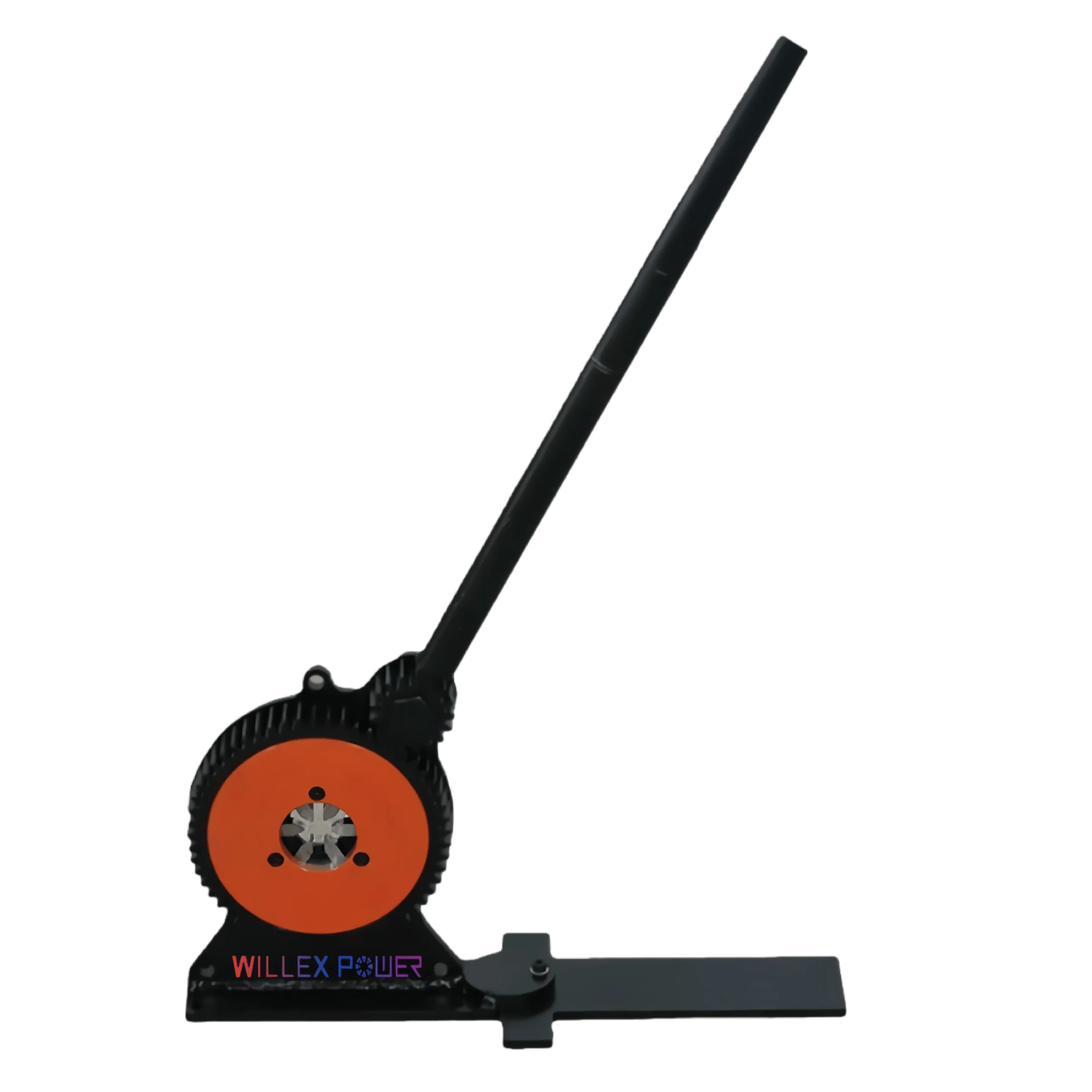
-20260121015636-scaled.webp "Hose Skiving Machine DZW-51BJ-M")
-20260121015753-scaled.webp "Hose Skiving Machine DZW-51BJ-C")
-20260121020311-scaled.webp "Hose Skiving Machine DZW-51BJ-E")