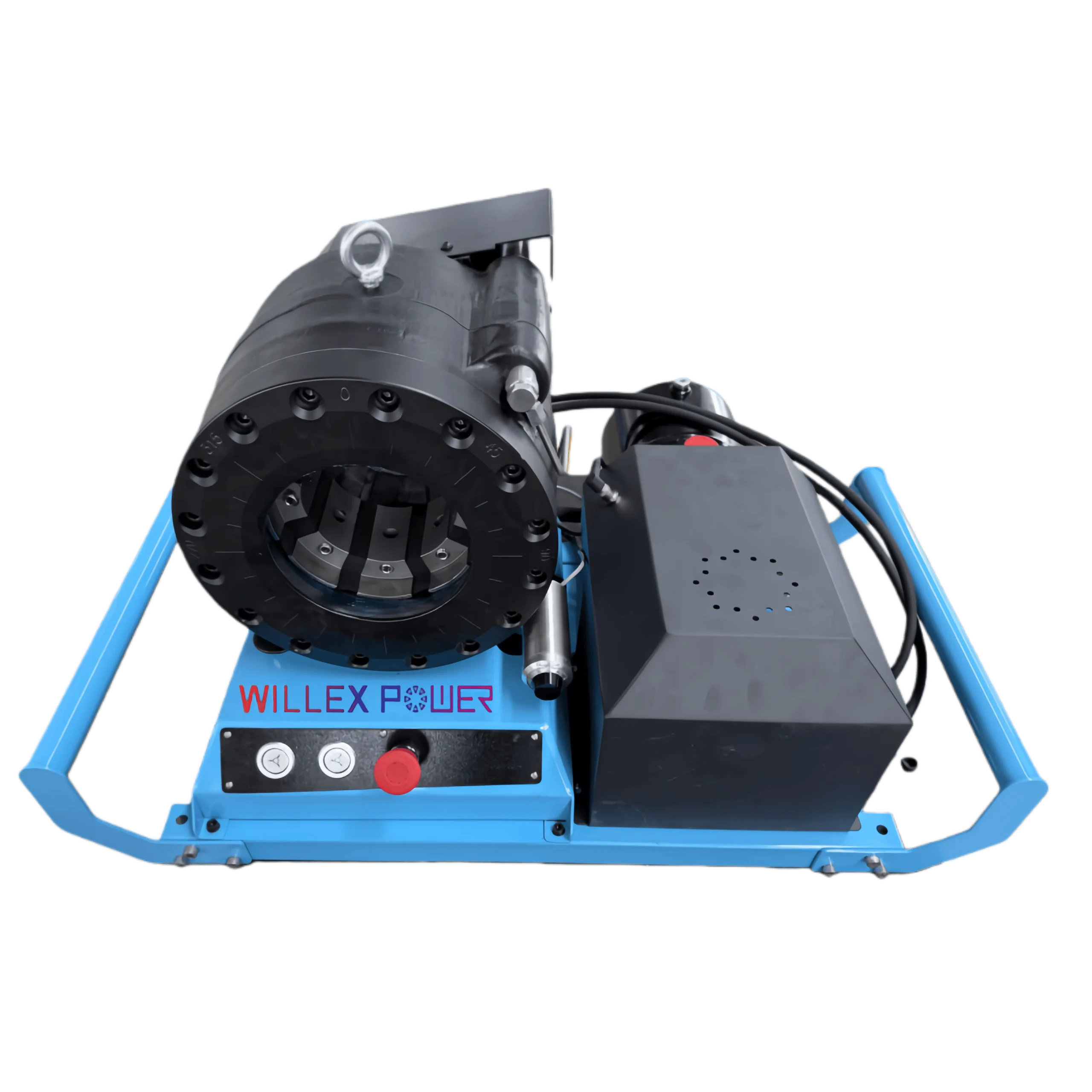
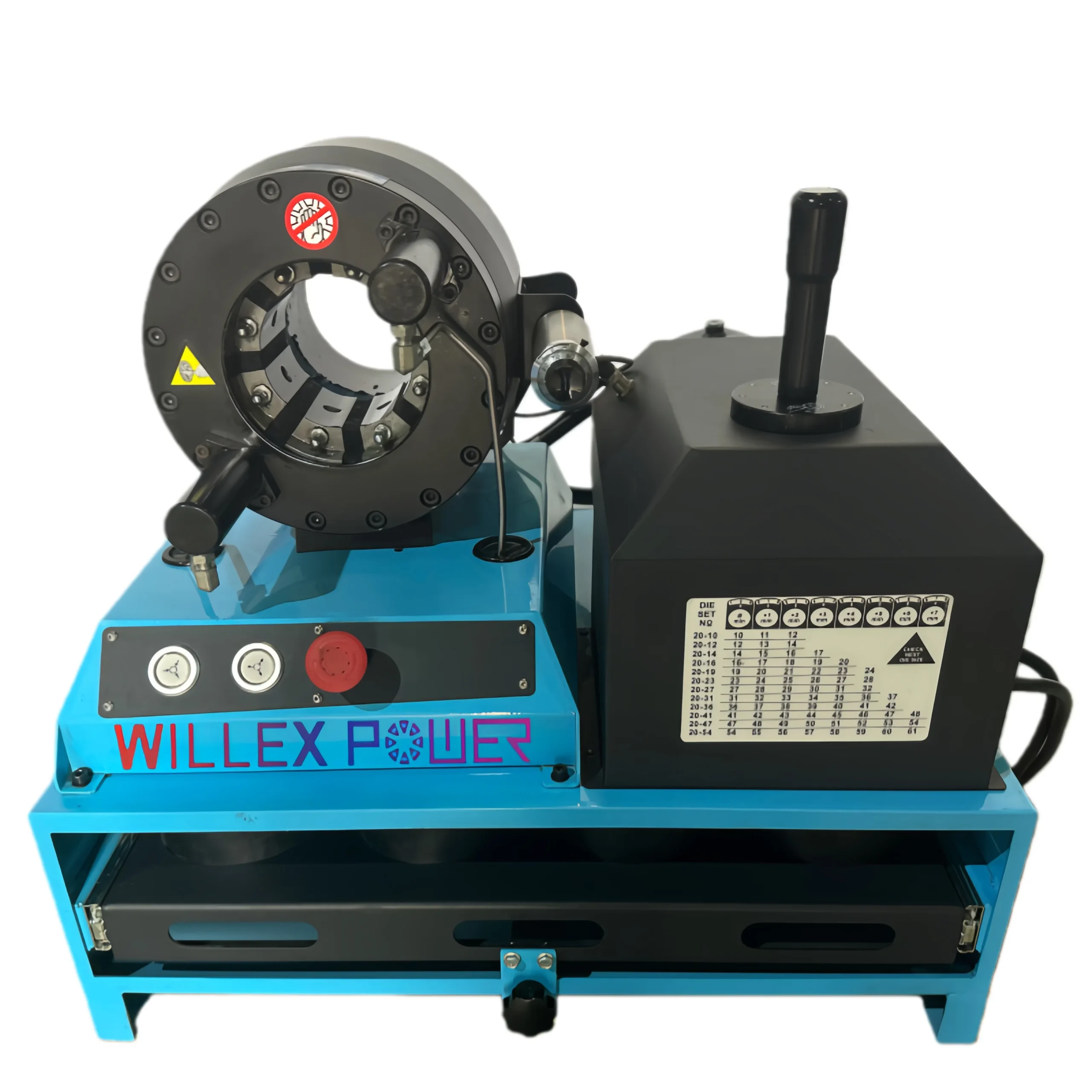
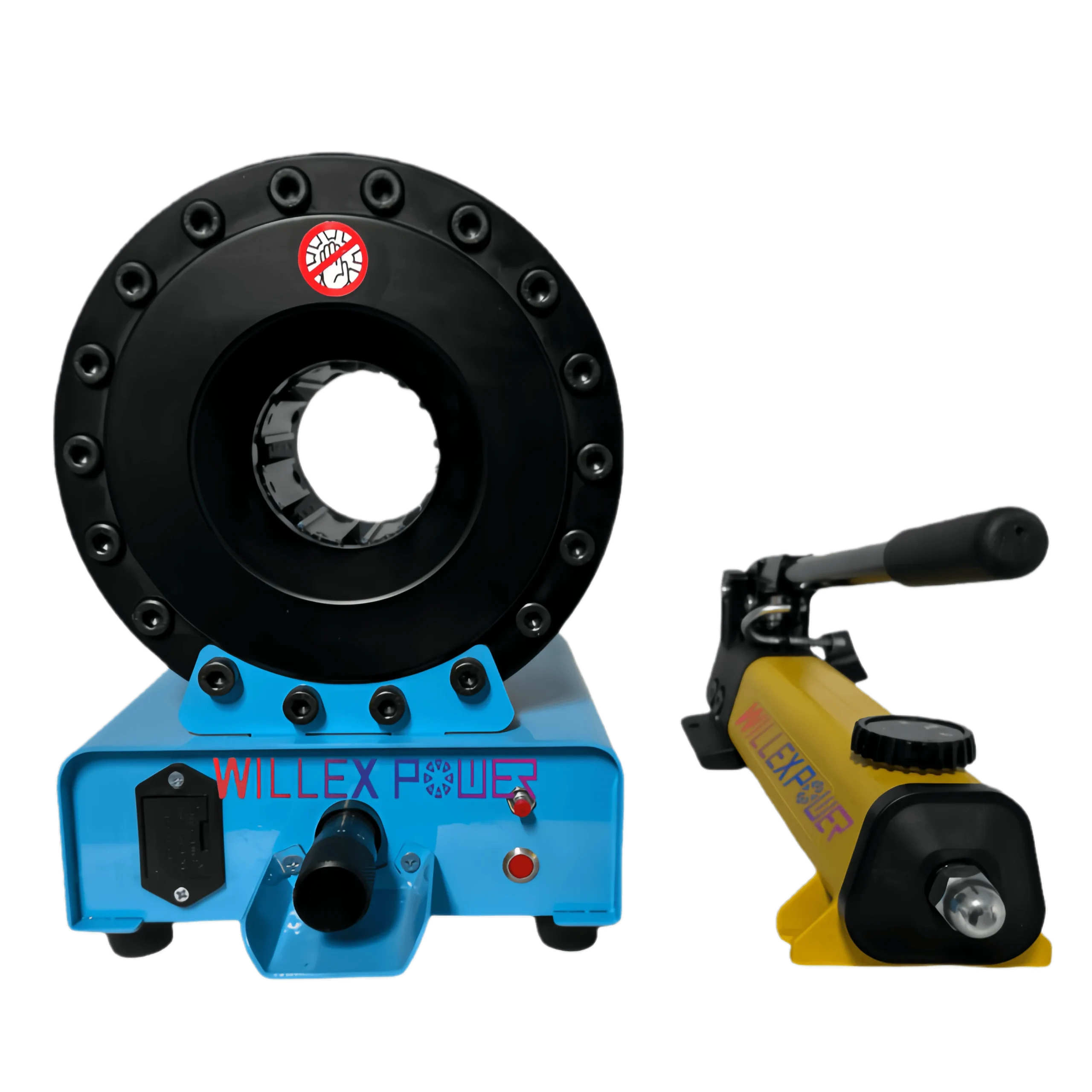
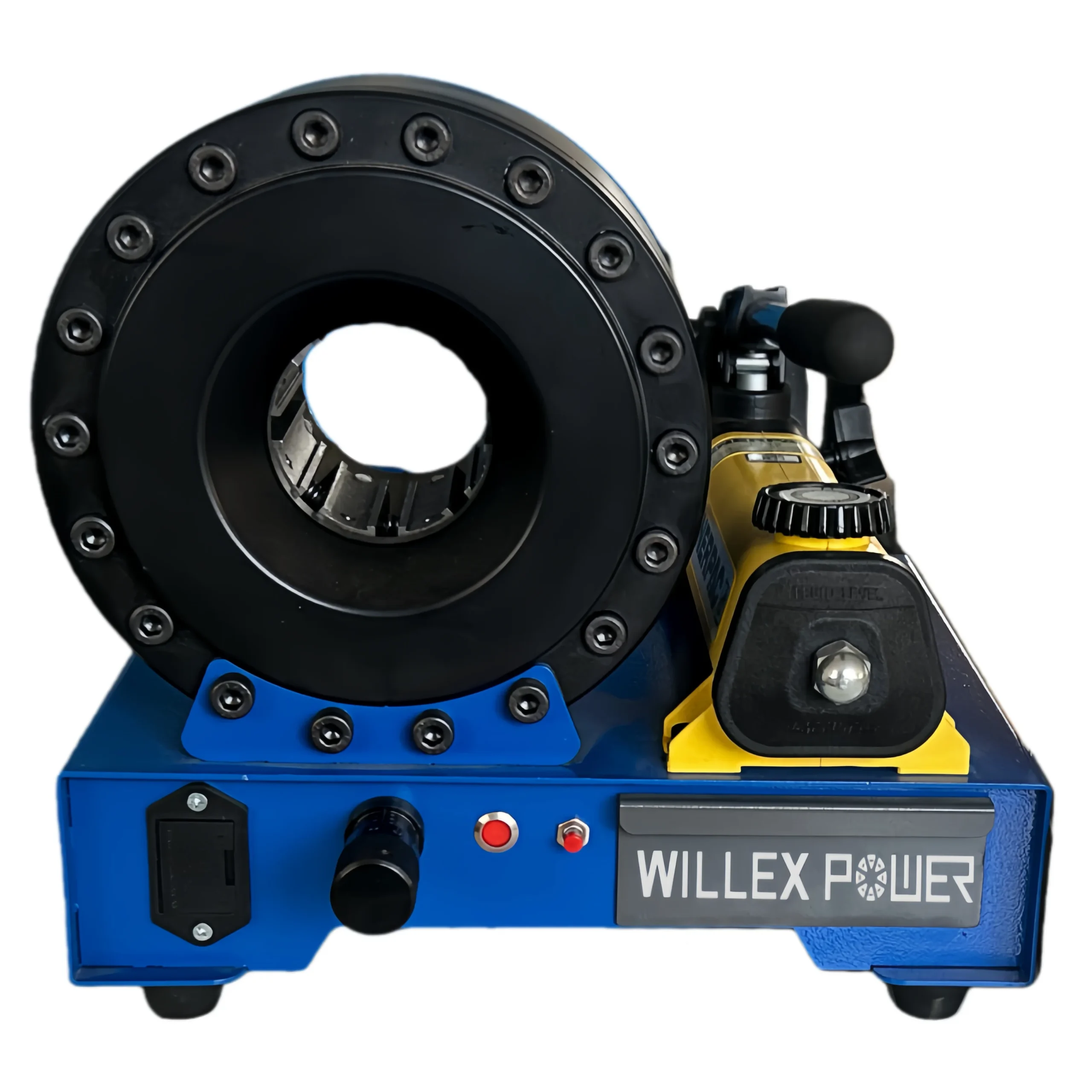
Precision Guide for High Quality hydraulic line crimping tool
Mastering Precision with a High Quality hydraulic line crimping tool
In the demanding world of industrial hydraulics, the integrity of a connection can be the difference between seamless operation and catastrophic failure. Utilizing a High Quality hydraulic line crimping tool is essential for creating leak-proof, high-pressure seals that withstand extreme environments. Whether you are managing a fleet of heavy machinery or running a specialized hose assembly shop, the precision of your crimping equipment directly impacts safety and efficiency. In this guide, we will explore the technical nuances, selection criteria, and operational advantages of professional-grade crimping solutions to help you optimize your hydraulic systems.

The Engineering Behind Professional Crimping Tools
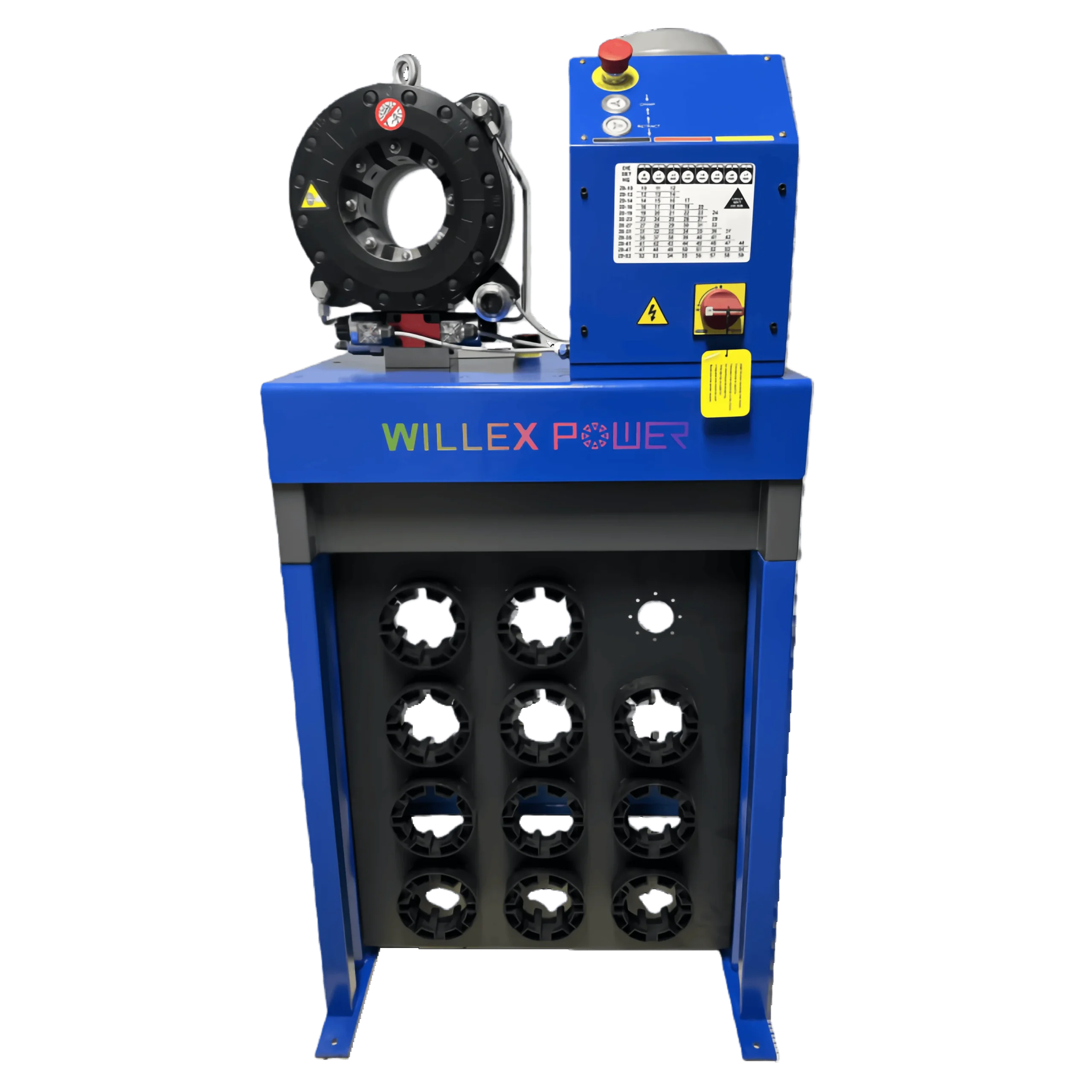
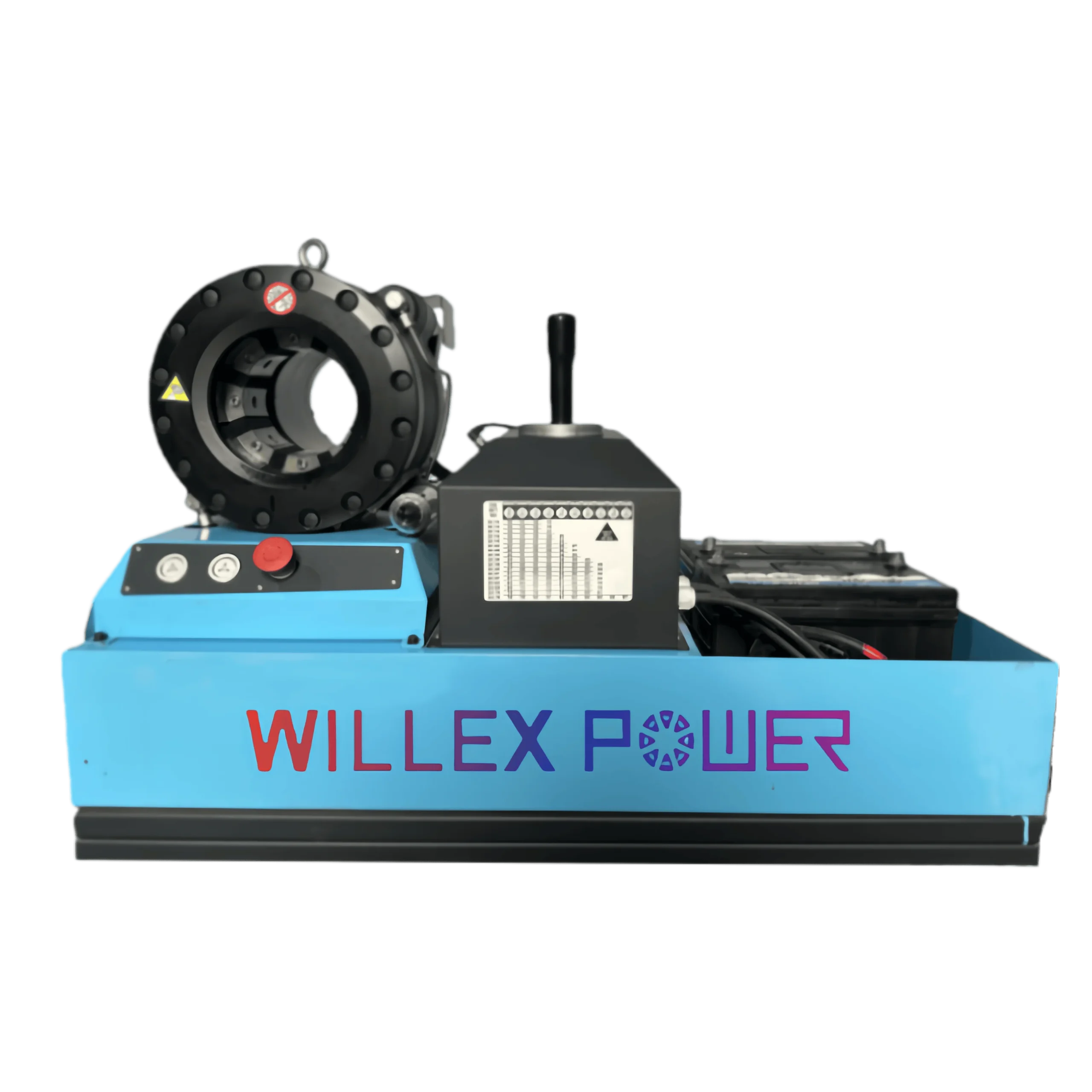
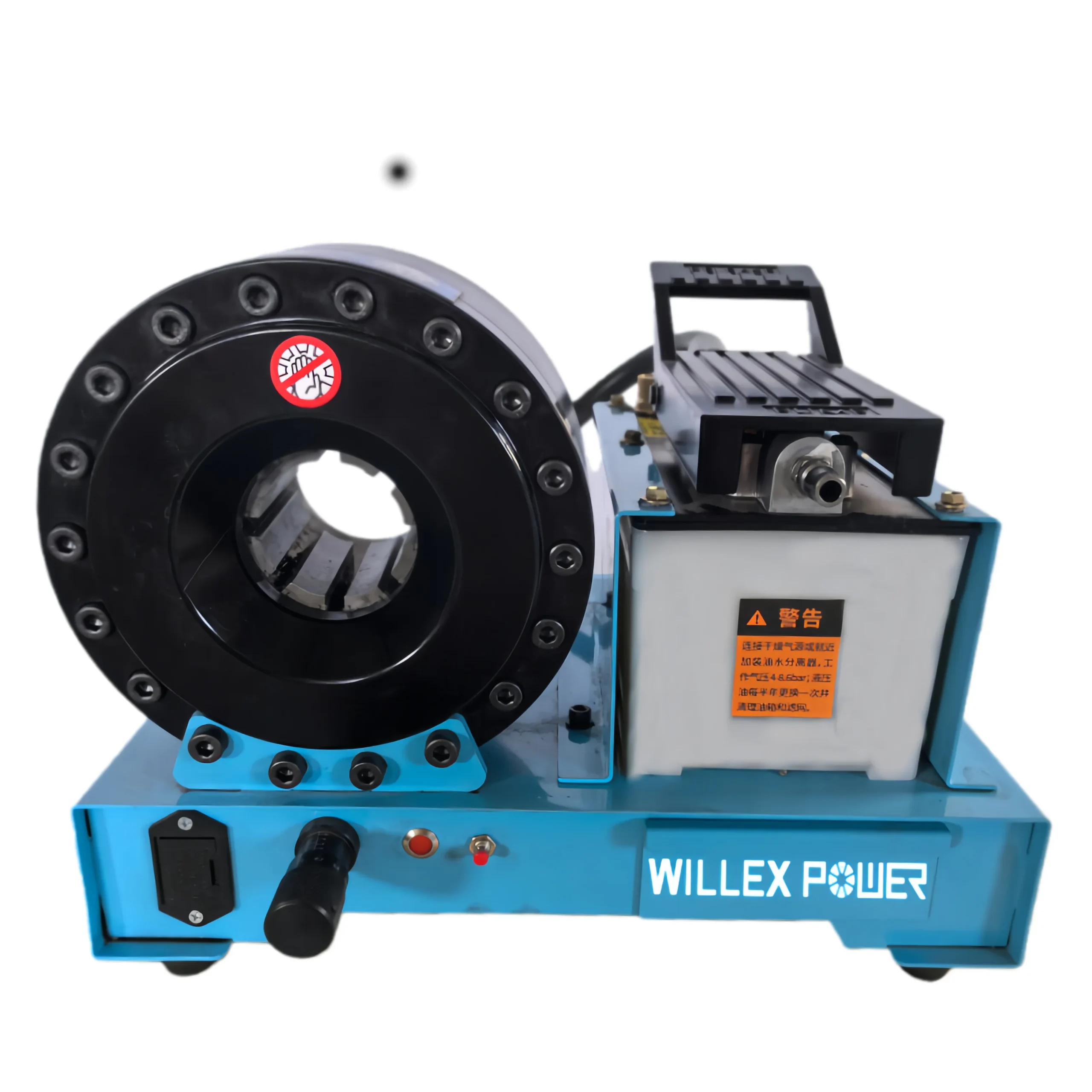
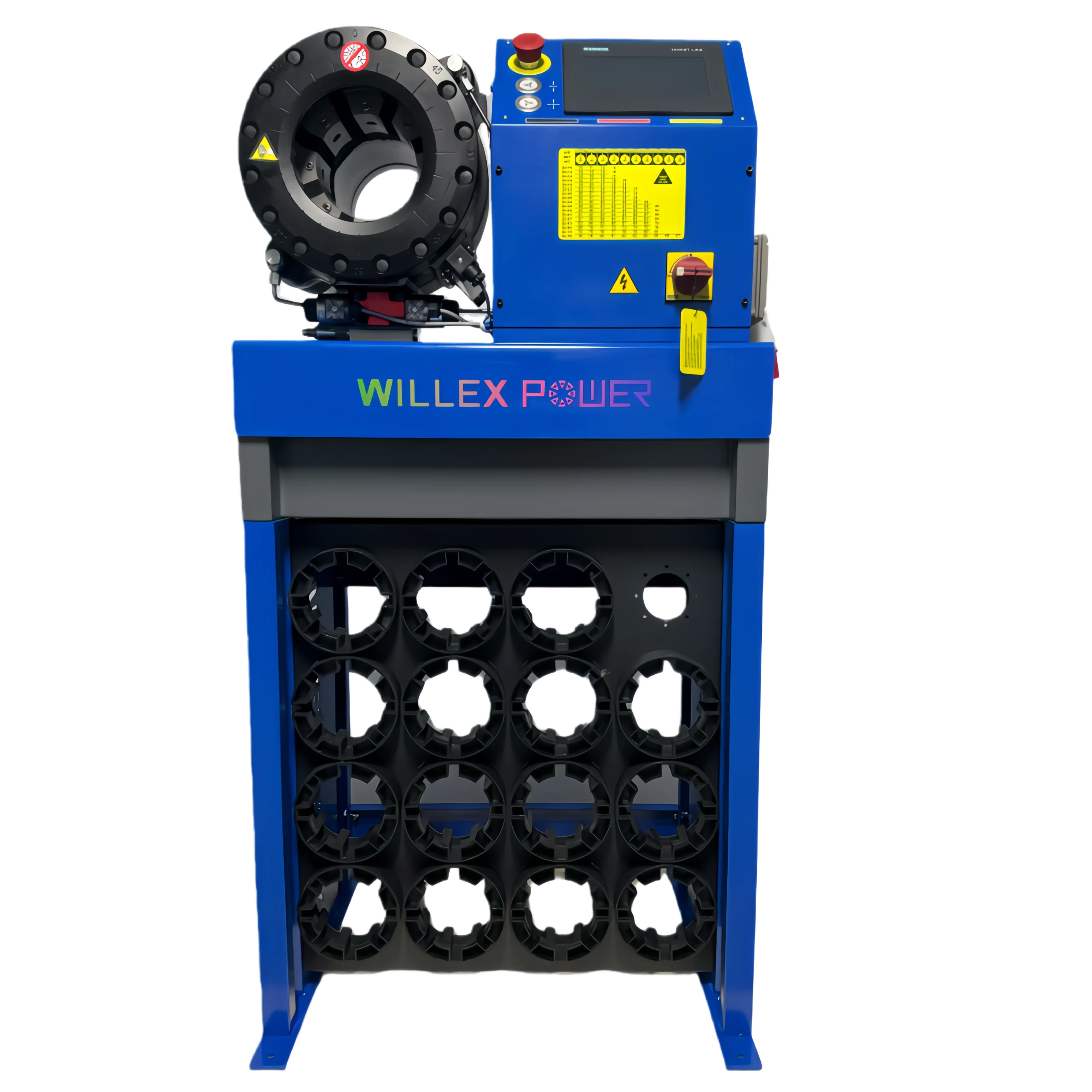
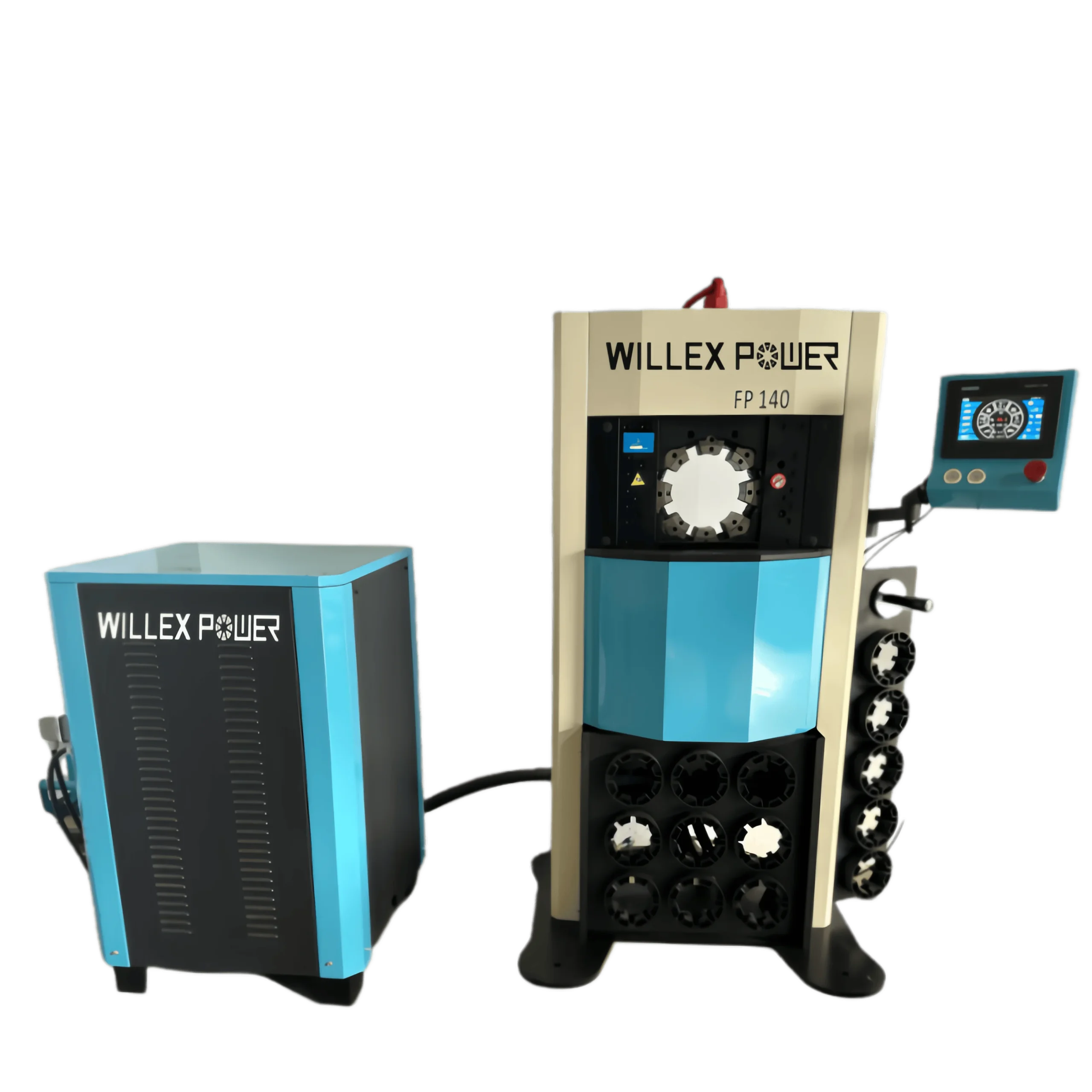
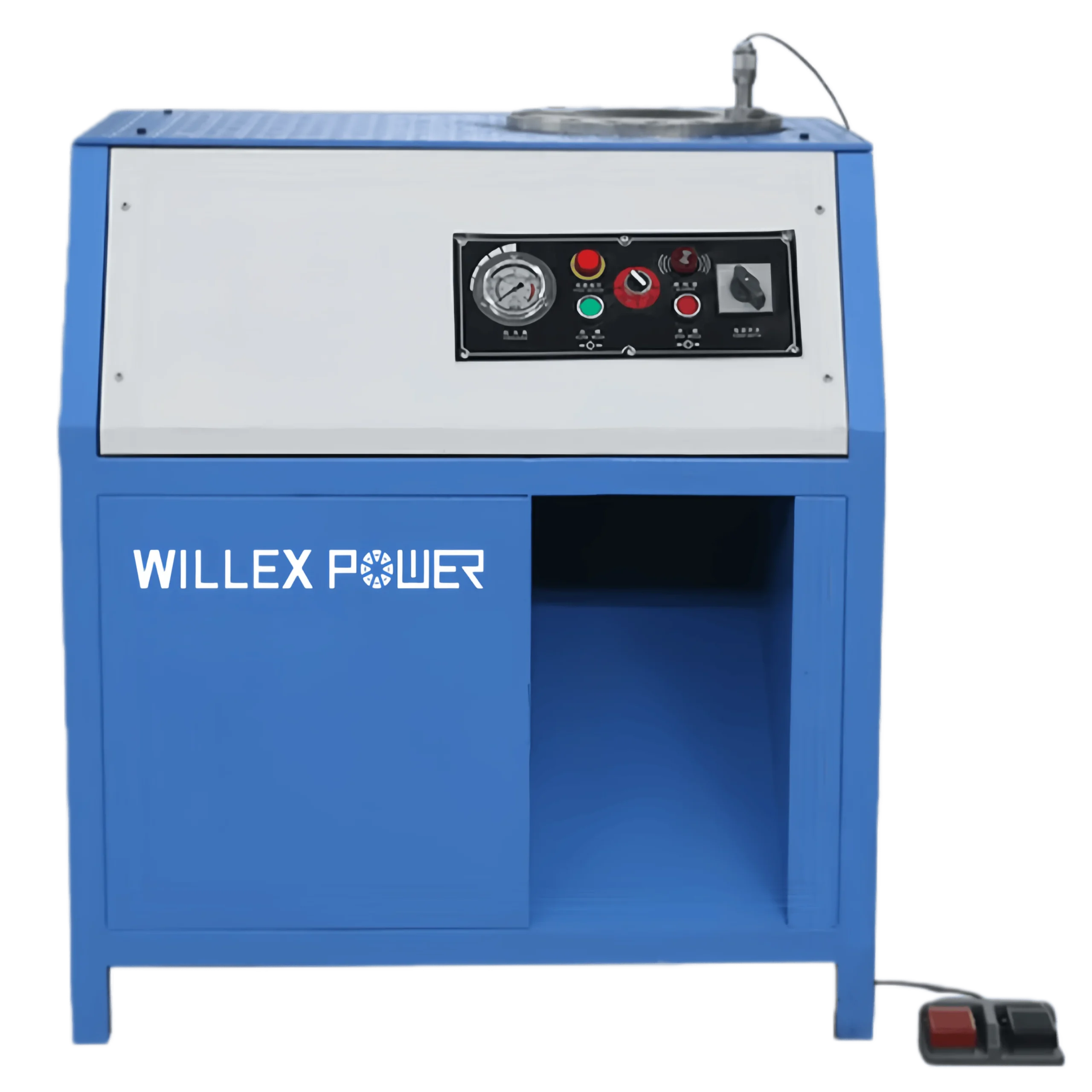
A professional crimping system is more than just a press; it is a precision instrument designed to apply uniform radial pressure. A High Quality hydraulic line crimping tool employs advanced metallurgy in its dies to prevent deformation under massive loads. By ensuring that the fitting is compressed evenly around the hose, the tool creates a mechanical bond that prevents the hose from slipping or leaking, even under surge pressures. Modern tools often feature calibrated gauges or digital readouts to ensure every crimp meets exact SAE or DIN specifications, eliminating the guesswork associated with manual methods.
Pro Tip: Always verify that your dies match the specific hose and fitting combination. Even a slight mismatch in diameter can lead to an under-crimp (leaks) or over-crimp (structural damage to the hose reinforcement).
Why Invest in a High Quality hydraulic line crimping tool?
Investing in top-tier equipment reduces long-term operational costs by minimizing downtime and waste. Cheap alternatives often suffer from "die drift," where the pressure is not applied concentrically, leading to premature joint failure. When you utilize a High Quality hydraulic line crimping tool, you benefit from superior durability and consistency. This is particularly critical in high-stakes industries like aerospace, mining, and heavy construction, where a single burst hose can halt production for hours or cause serious safety hazards. High-quality tools are built with reinforced frames and high-grade hydraulic pumps to ensure longevity over thousands of cycles.
Comparison: Professional vs. Budget Crimping Tools
Not all crimpers are created equal. The difference lies in the precision of the tolerances and the quality of the materials. While budget tools may seem attractive for occasional use, they lack the stability required for industrial standards. A High Quality hydraulic line crimping tool provides a level of repeatability that budget models cannot match, ensuring that the 100th hose produced is as secure as the first.
Optimal Application of the High Quality hydraulic line crimping tool
The versatility of a professional crimper allows it to be used across various high-pressure applications. From hydraulic brake lines in automotive racing to massive hydraulic cylinders in agricultural machinery, the tool's ability to handle different hose sizes and pressures is paramount. When operating a High Quality hydraulic line crimping tool, operators should focus on proper hose preparation—ensuring clean cuts and correctly seated fittings—to maximize the tool's effectiveness. This synergy between operator skill and tool precision results in assemblies that exceed industry safety standards.

Technical Specifications and Capability Metrics
Understanding the technical capacity of your equipment is crucial for safety. A High Quality hydraulic line crimping tool is defined by its maximum crimping diameter, pump pressure, and the variety of die sets it supports. For those looking to scale their production, choosing a tool with a modular die system allows for growth without needing to purchase entirely new machinery. Below are the standard specifications typically found in professional-grade units:
Conclusion: Elevating Your Standards with Willex
The selection of a High Quality hydraulic line crimping tool is not just a purchase—it is a commitment to quality and safety. By prioritizing precision, durability, and technical compliance, you ensure that your hydraulic assemblies perform flawlessly under pressure. Whether you are upgrading your current shop or starting a new venture, investing in professional equipment from Willex provides the peace of mind that comes with industrial-grade reliability. Don't let a poor crimp be the weak link in your system.
Frequently Asked Questions (FAQs)
How do I know if my hydraulic line is crimped correctly?
Correct crimping is verified by measuring the final outer diameter of the crimp using a calibrated digital caliper. Every hose and fitting combination has a specific "crimp diameter" provided by the manufacturer. If the measurement falls within the specified tolerance, the crimp is successful. A High Quality hydraulic line crimping tool makes this process easier by providing consistent results that consistently match these technical charts, reducing the need for constant re-testing.
Can one crimping tool handle different types of hoses?
Yes, provided the tool supports interchangeable die sets. Most professional crimpers are designed to be versatile; you simply swap the dies to match the specific size and type of hose (e.g., spiral wire, braided, or thermoplastic). It is essential to use the exact die recommended for the fitting to avoid damaging the hose reinforcement. We recommend checking the compatibility list on the Willex website to ensure you have the correct tooling for your specific needs.
What maintenance is required for a hydraulic crimping tool?
To maintain a High Quality hydraulic line crimping tool, regular lubrication of the moving parts and the pump is vital. Inspect the dies for wear, cracks, or debris after every use, as any foreign object can cause an uneven crimp. Additionally, check the hydraulic fluid levels in the pump and ensure there are no leaks in the system. Keeping the tool clean and calibrated ensures that it continues to produce safe, leak-free connections for years to come.
What is the danger of over-crimping a hydraulic hose?
Over-crimping occurs when too much pressure is applied, compressing the hose beyond its designed limit. This can crush the internal wire reinforcement, creating a structural weak point that may lead to a burst under pressure. It can also distort the fitting, making it difficult to connect to the rest of the system. This is why using a calibrated, professional tool is critical; it prevents the excessive force that often occurs with low-quality, non-regulated equipment.