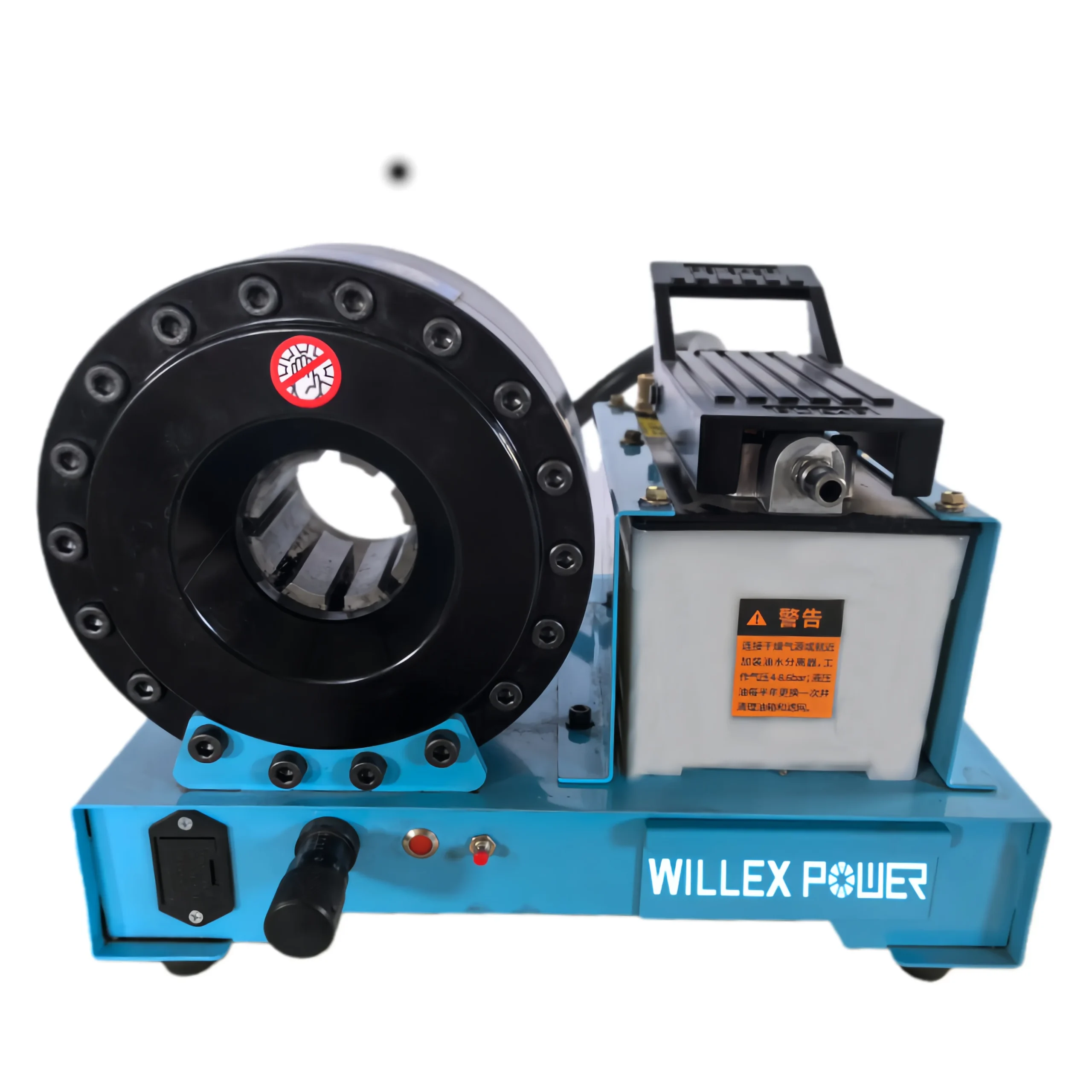
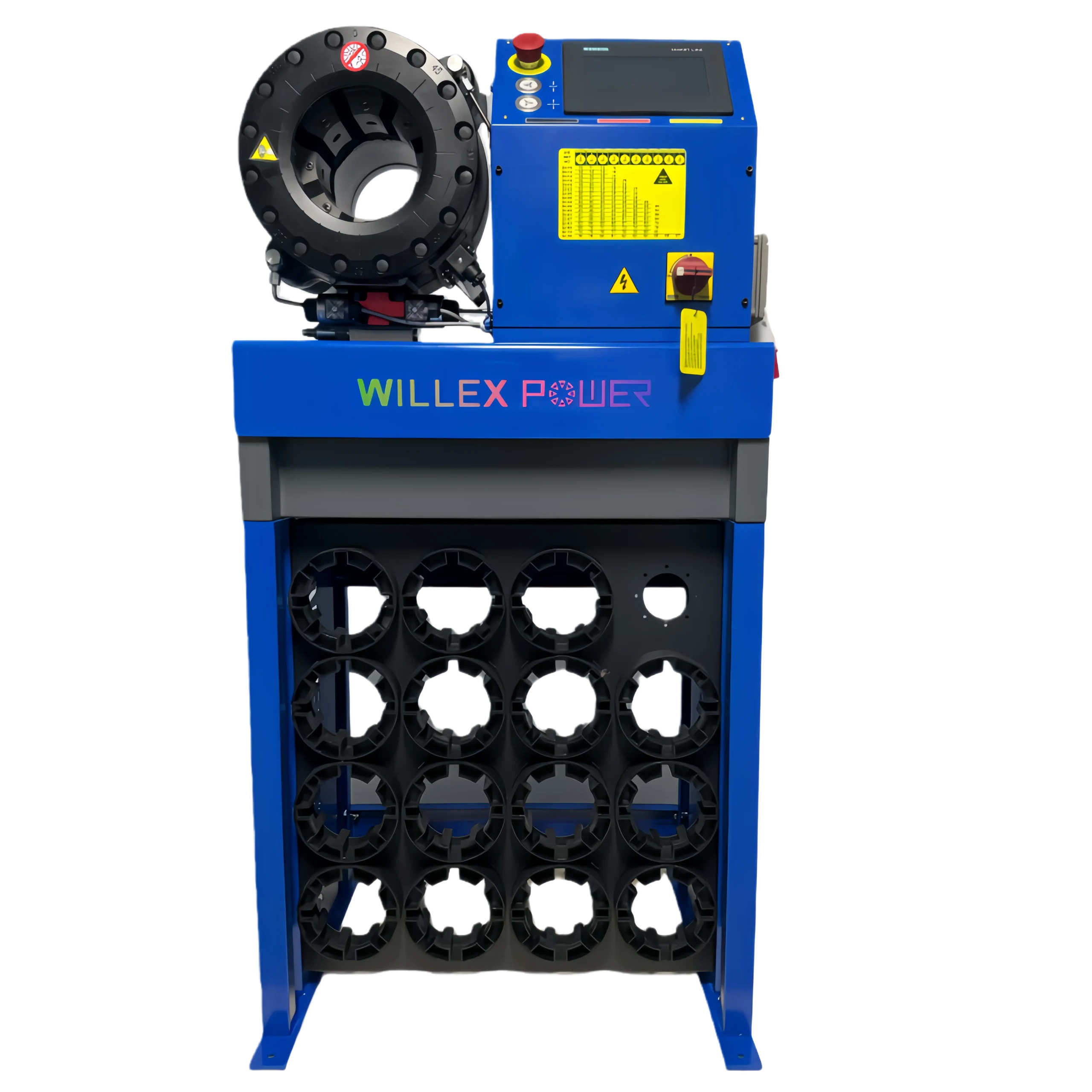
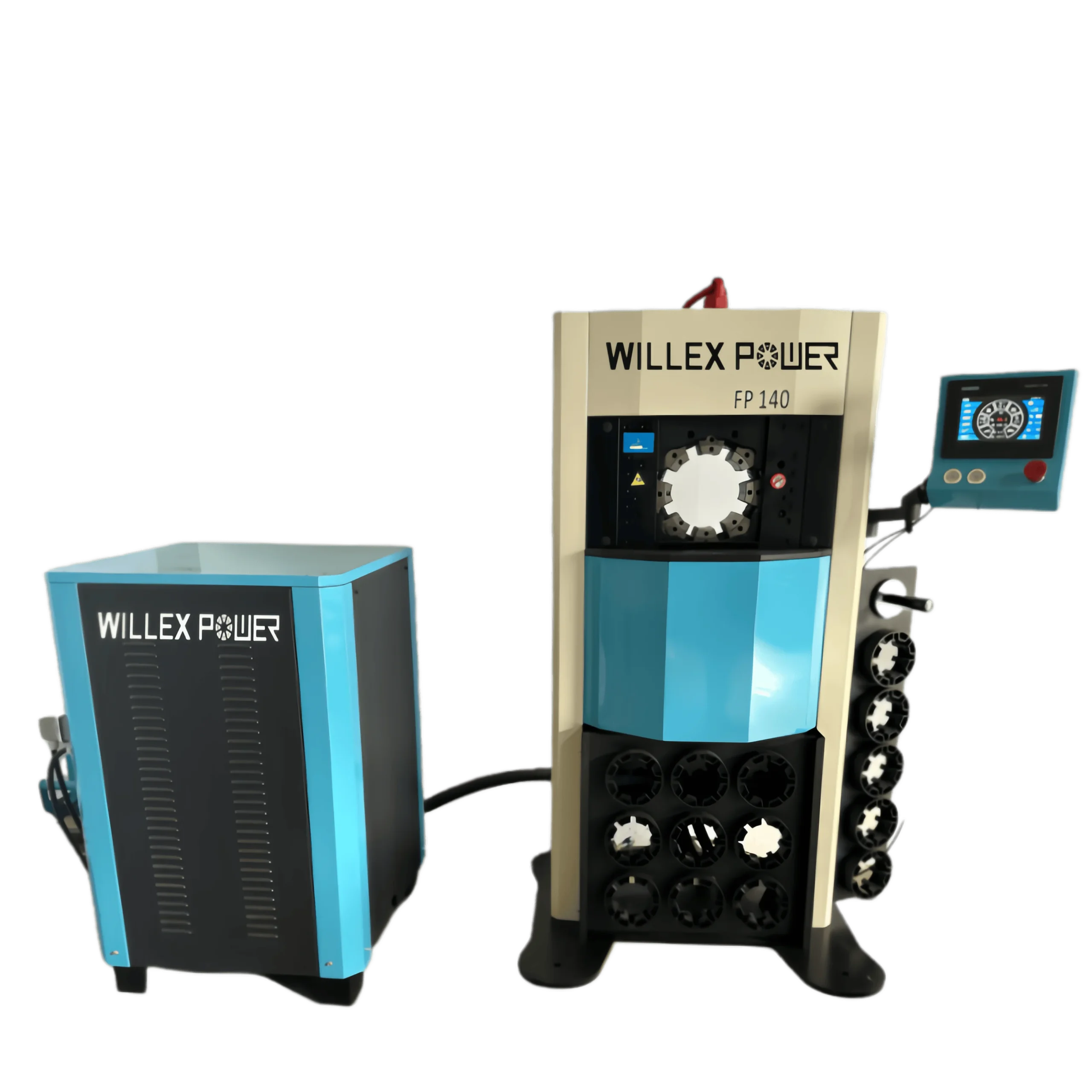
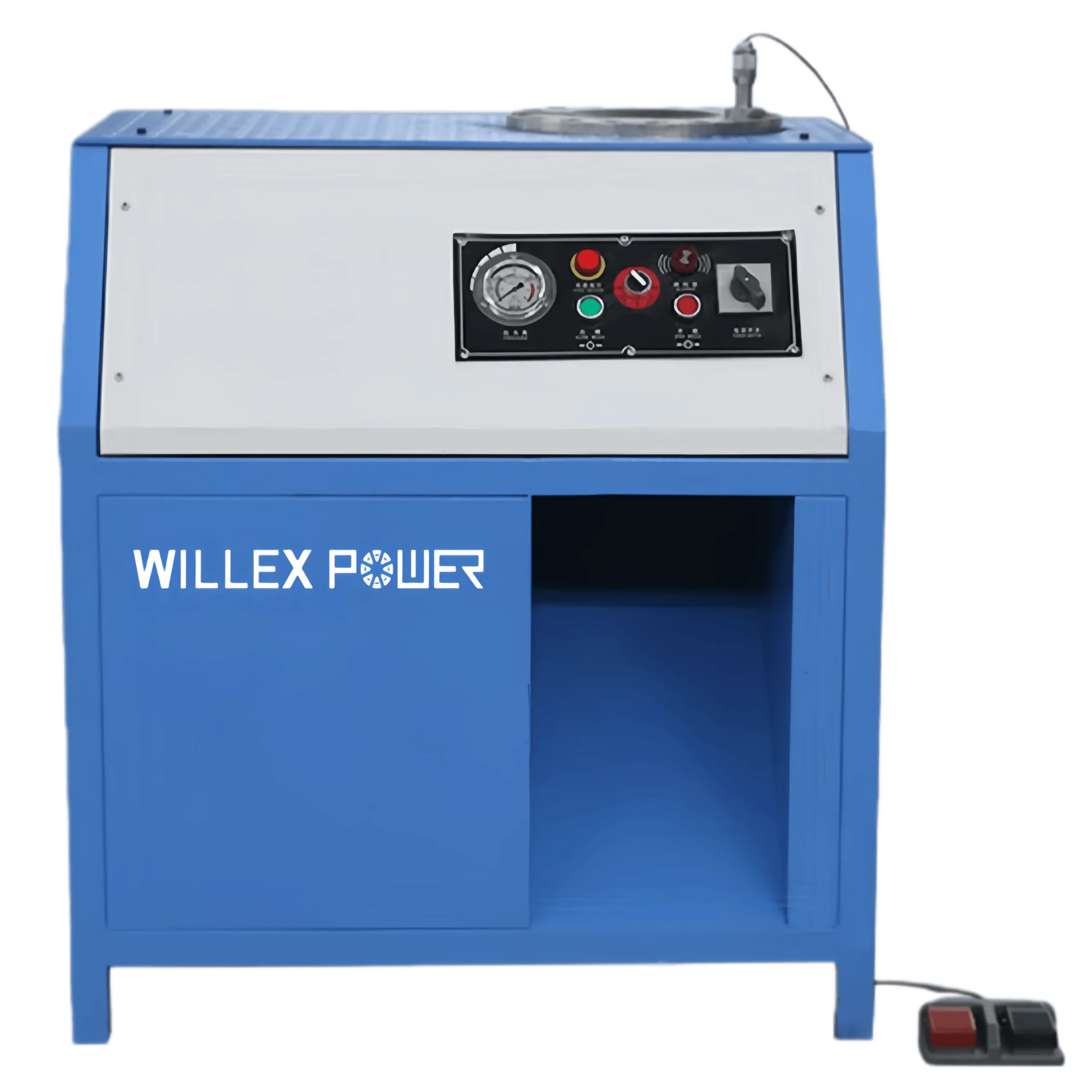
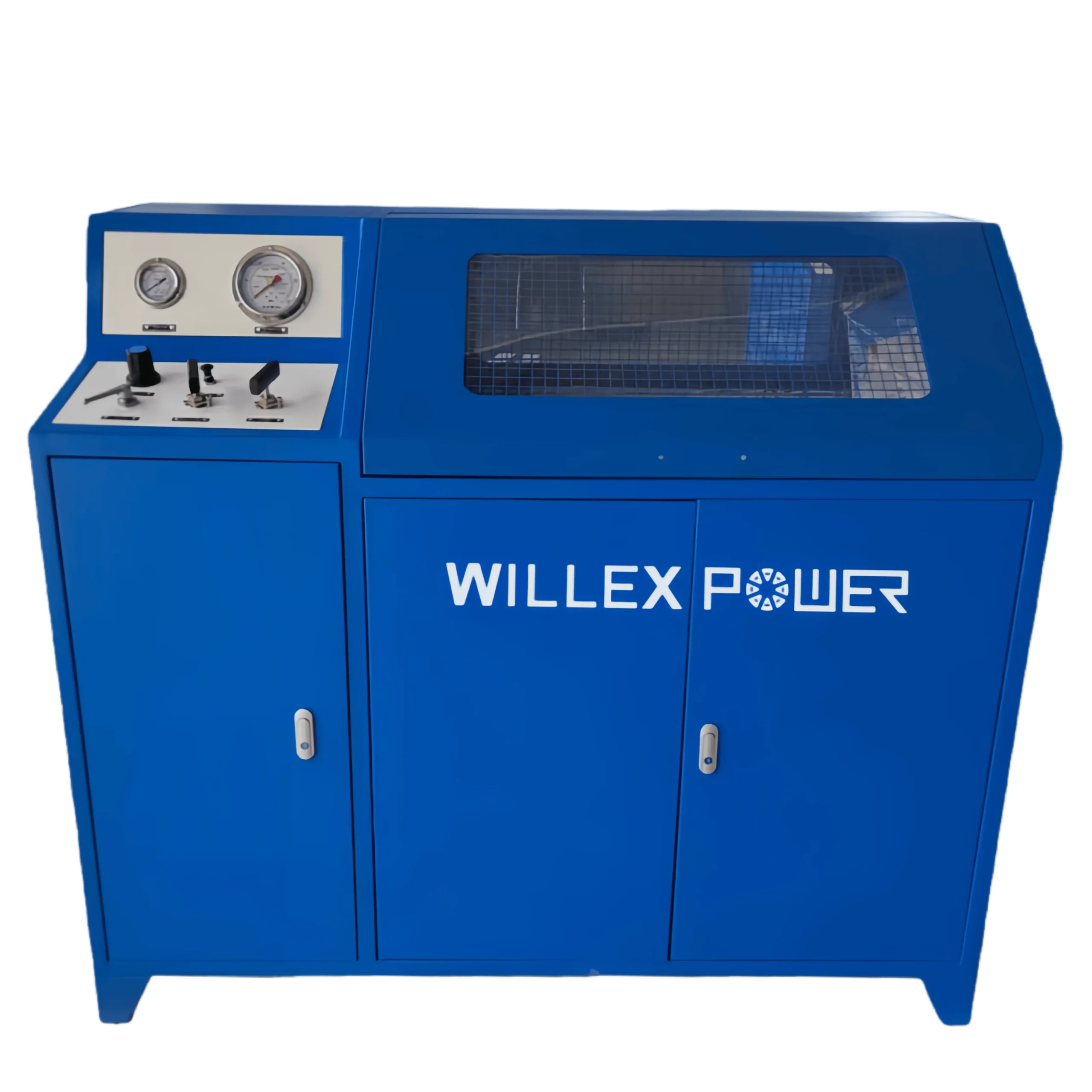
Wholesale Hose Test Stand – Reliable Hydraulic Hose Testing Solutions
Wholesale Hose Test Stand: The Backbone of Reliable Hydraulic Systems
After spending more than a decade working alongside engineers and technicians in the industrial equipment sector, I can tell you that a solid wholesale hose test stand is something you really don’t want to overlook. Frankly, testing hydraulic hoses in-house before deployment is the kind of quality assurance step that often separates a seamless operation from costly downtime.
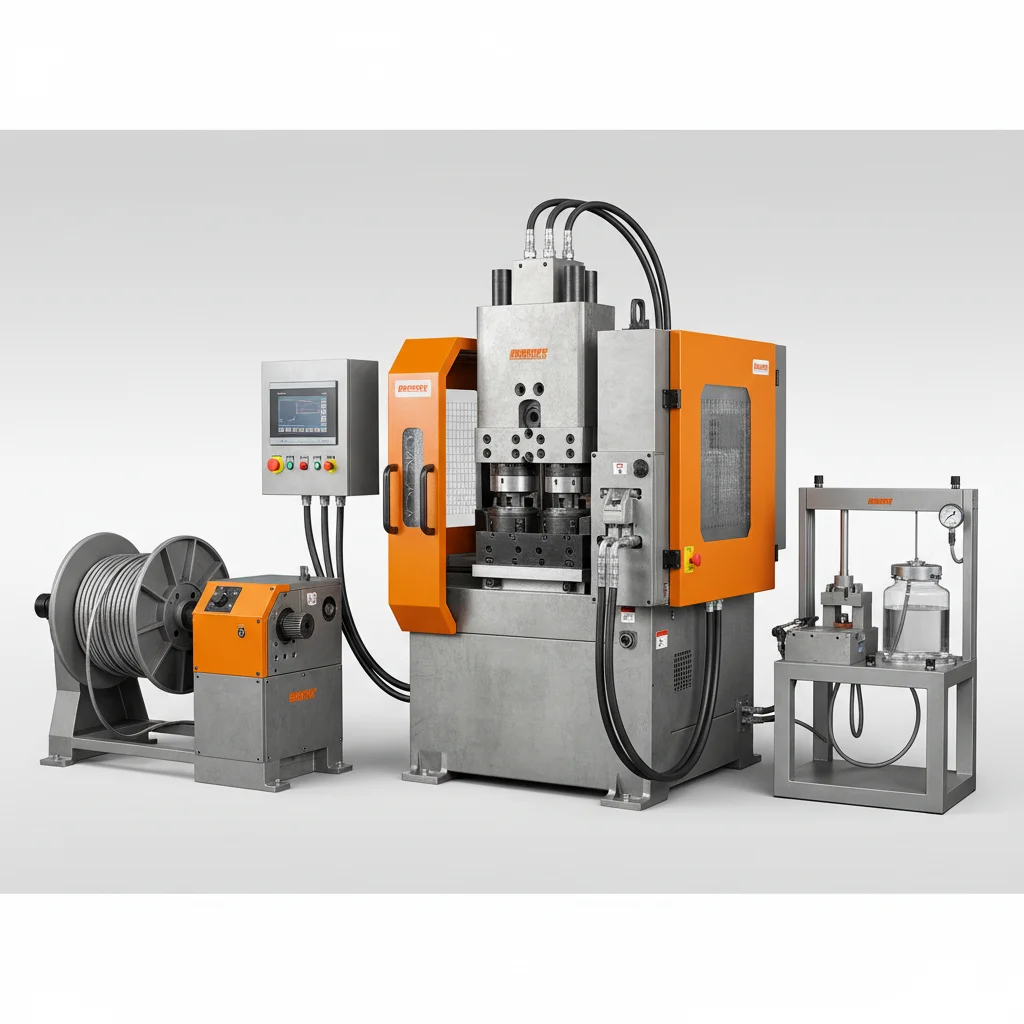
Hose test stands aren’t glamorous; they’re kind of the unsung heroes on the production floor. Yet, anyone who’s ever had to handle hydraulic failures knows just how crucial they are. They verify hose integrity by simulating pressure conditions to pinpoint leaks or weak spots. Oddly enough, despite their importance, you’ll find surprisingly different interpretations of what a test stand actually needs—depending on the industry, application, or custom specs.
Let me paint a very typical scenario. A medium-sized manufacturing plant—let’s call them “Acme Industries”—had recurring issues with inconsistent hose assemblies causing line pressure drops and unplanned outages. After switching to a wholesale hose test stand with higher PSI capacities and finer pressure controls, their maintenance reports shifted dramatically. No more surprise leaks, better safety, and significantly less downtime. These stands fit the plant’s workflow without the need for cumbersome adjustments or the constant juggling of test parameters.
From my experience, the design of a reliable hose test stand revolves around a few core features:
- Adjustable test pressure: Ideal stands let you vary pressure across a useful range to mimic different operating conditions.
- Durable frame construction: Generally steel with a corrosion-resistant coating—it has to endure constant hydraulic fluid exposure and heavy use.
- Clear, accurate gauges: Digital or analog, but always precise enough to detect subtle pressure fluctuations.
- Easy hose mounting: Quick connect fittings to speed workflow and minimize potential handling errors.
You might also want to consider stands with modular additions like temperature sensors or failure-detection alarms — though these come at a cost and are more common in complex test labs than at wholesale levels.
| Feature | Specification |
|---|---|
| Max Test Pressure | 10,000 psi (690 bar) |
| Test Fluid Compatibility | Hydraulic oils, water-glycol fluids |
| Frame Material | Powder-coated steel |
| Pressure Gauges | Analog + optional digital readout |
| Hose Size Range | 1/4" to 2" diameters |
| Connection Type | Quick connect couplers |
Now, choosing a vendor is another story altogether. I’ve worked with suppliers that seemed to sell generic stands as “one size fits all,” which can be a risky bet for specialized industrial needs. On the other hand, some companies offer extensive customization, but upfront cost and lead time can spike dramatically.
| Vendor | Custom Options | Lead Time | Typical Price Range | Industry Reputation |
|---|---|---|---|---|
| Willex Crimper | Multiple PSI ranges; modular add-ons | 2–3 weeks | $2,000–$4,000 | Highly rated, reliable support |
| EquipTest Co. | Standard models only | 1 week | $1,500–$3,000 | Good, but limited features |
| PressurePro LLC | Custom solutions for high-volume | 4–6 weeks | $4,000–$7,000 | Excellent, but pricey |
While price certainly affects the decision, I’ve found the best value often comes with vendors who offer solid technical support and stand warranties. Nothing worse than a test stand that goes kaput mid-shift, right? In real terms, consider the total cost of ownership, including calibration services and replacement parts availability. That’s where brands like Willex Crimper have gained reputation among professionals I know.
So if you’re on the lookout for a dependable test stand for wholesale hose testing, remember: ease of use, pressure range, and vendor reliability are your top priorities. It might be just another tool in your arsenal, but as I’ve learned, a good hose test stand saves more than just money—it protects your workforce and your workflow.
Choosing a hose test stand right might feel a bit like a small detail, but those small details are what keep big machines running smoothly.
References:
1. Industry insights from the Hydraulic Technology Association, 2022.
2. Practical Testing Methods for Hydraulic Hoses, Engineering Today, 2021.
3. Willex Crimper User Testimonials, 2023.
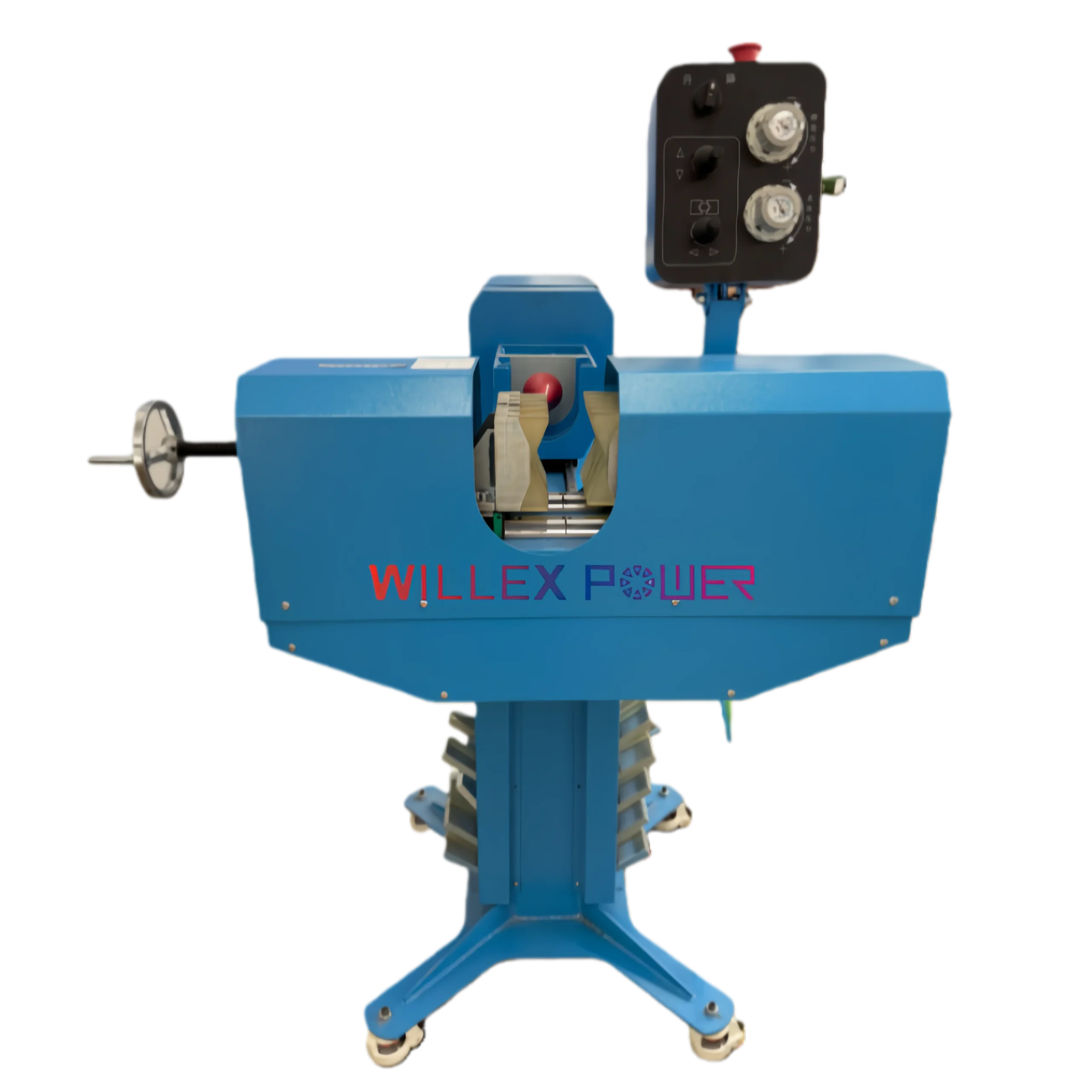
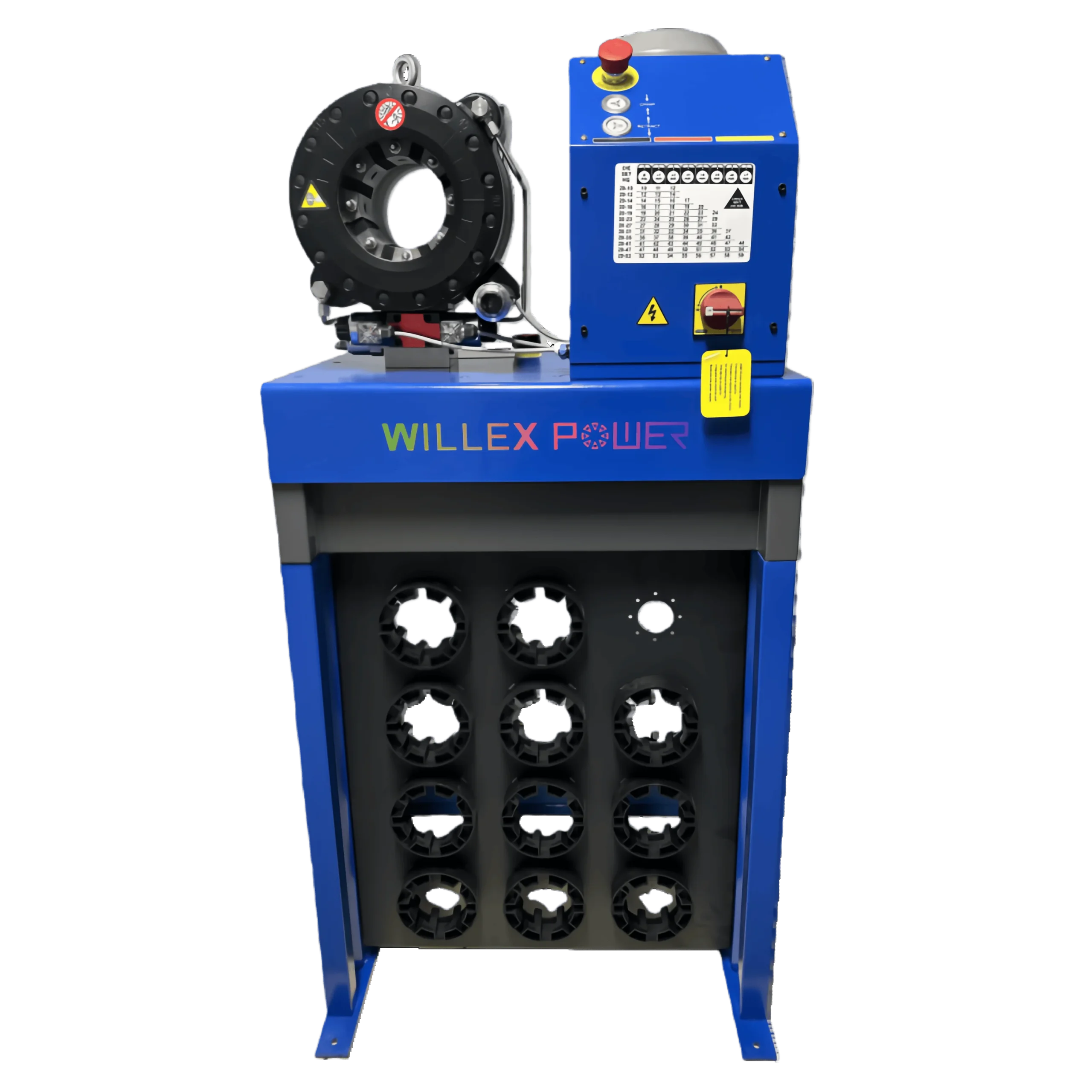
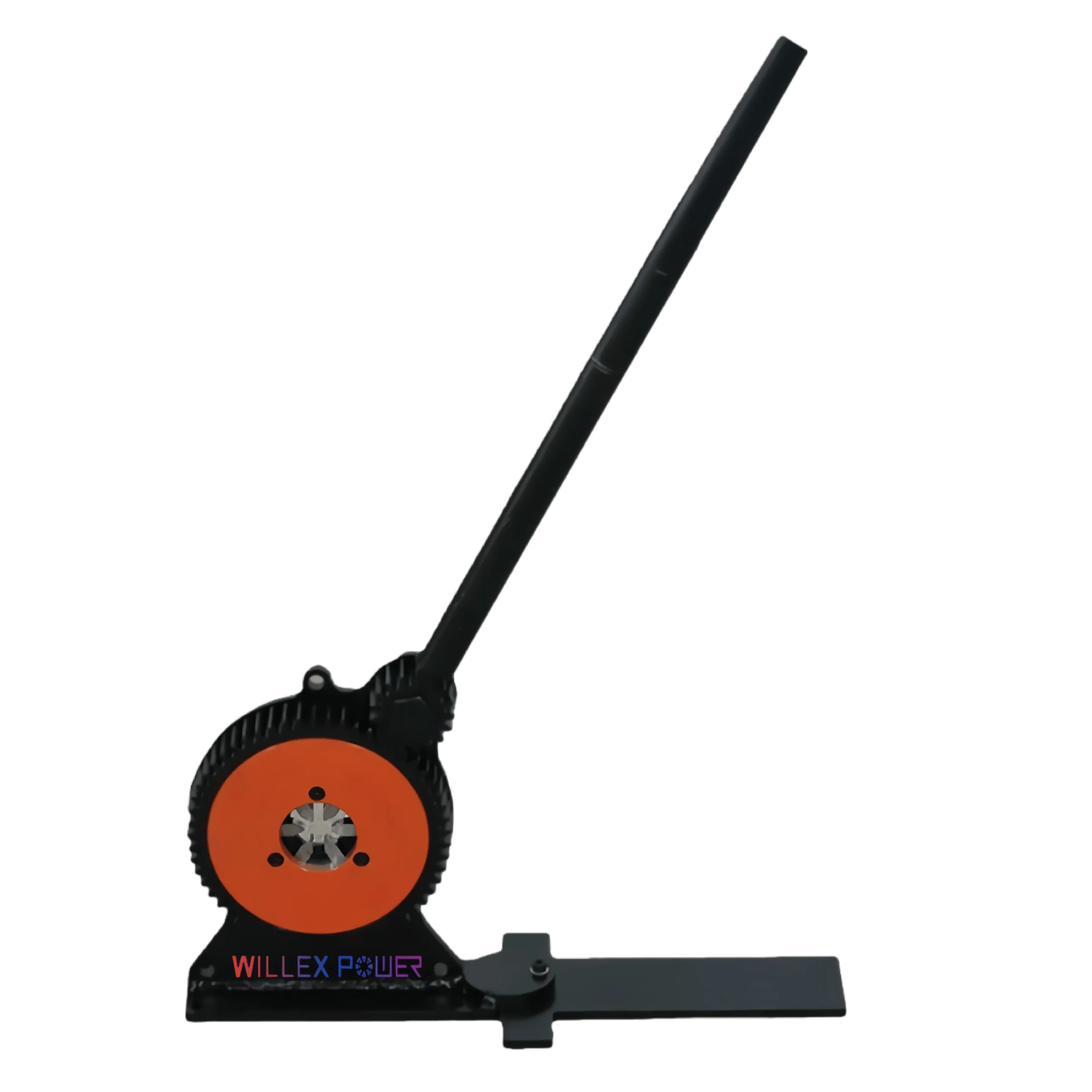
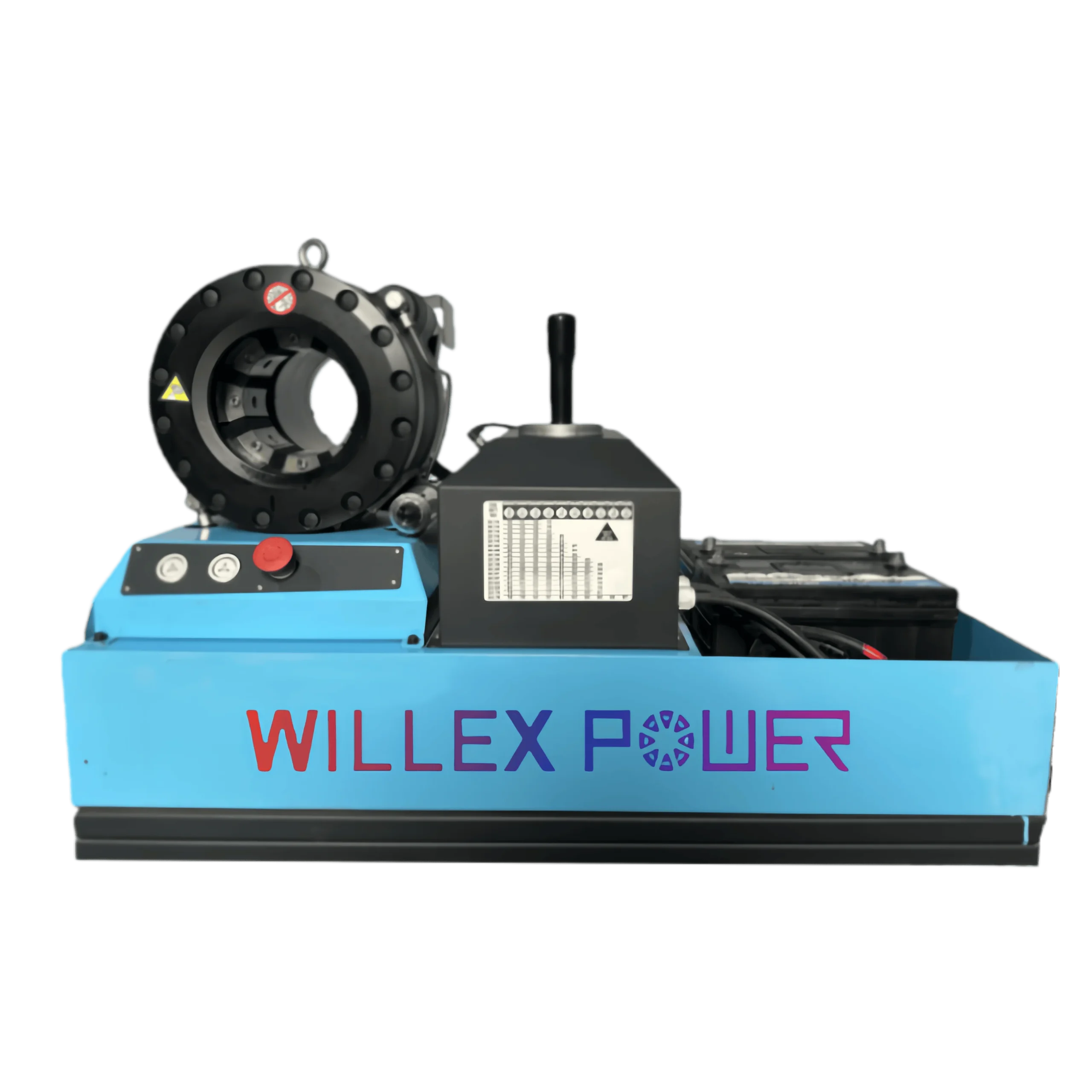
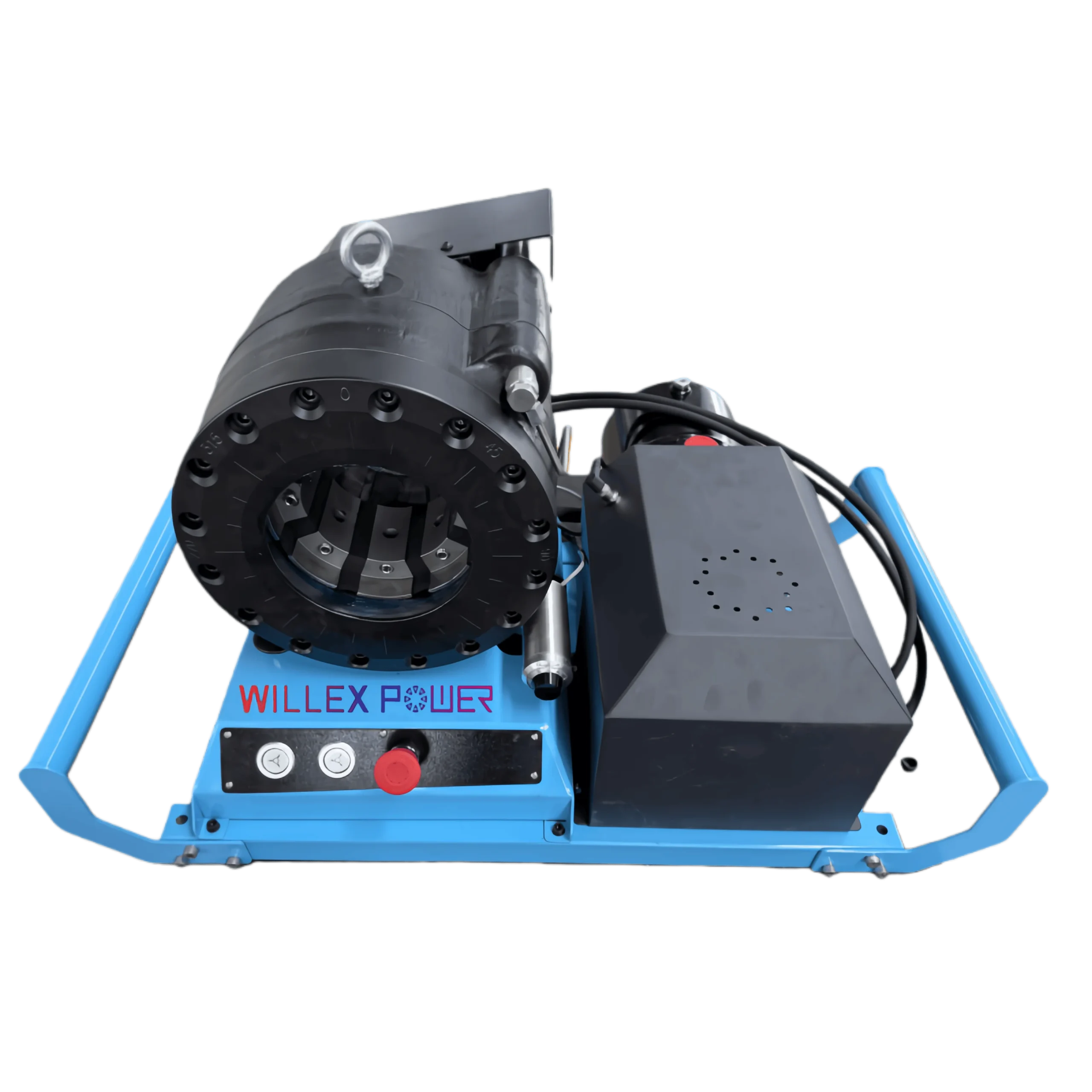
-20260121013914-scaled.webp "WILLEX POWER DZW-A10-1 Hose Crimping Machine")
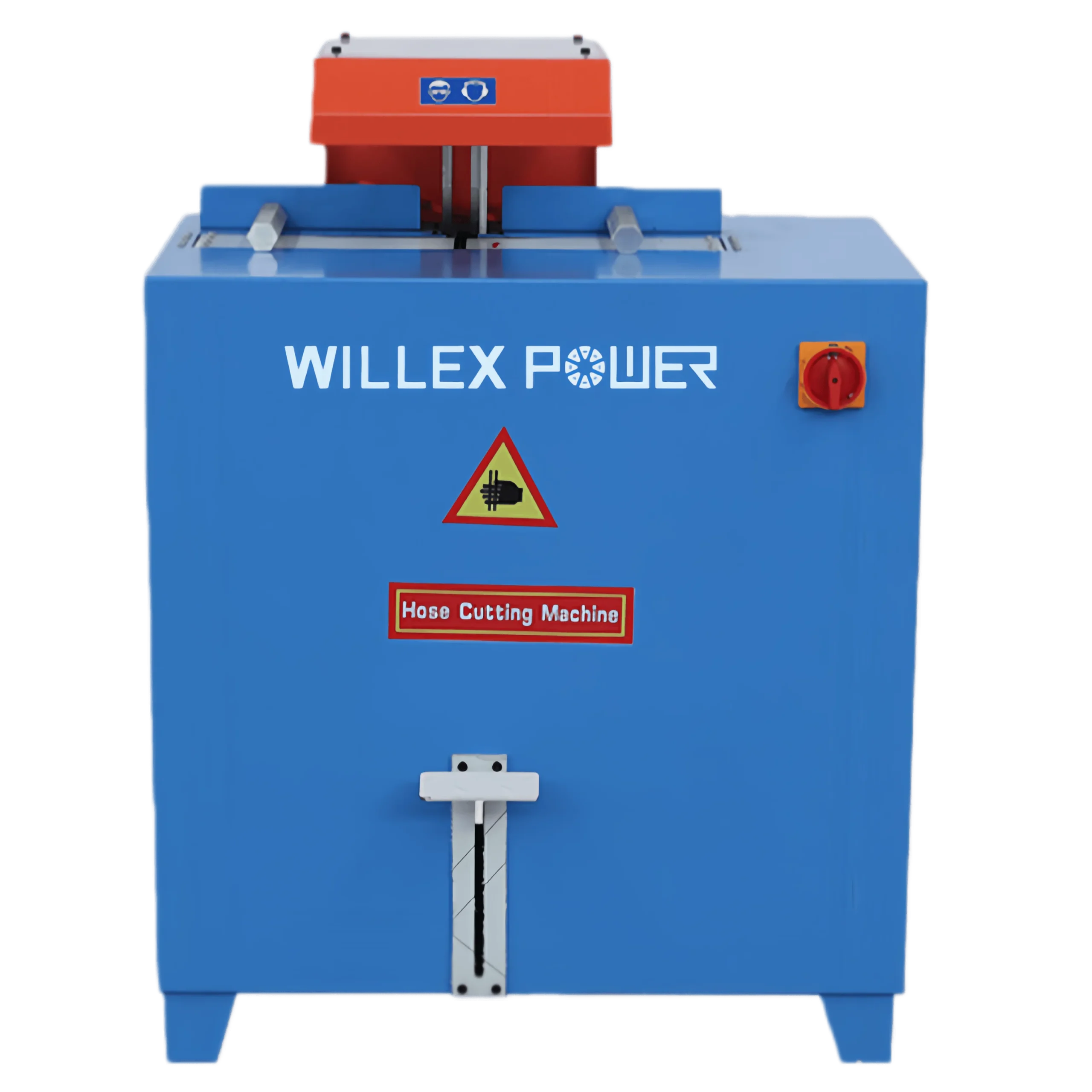
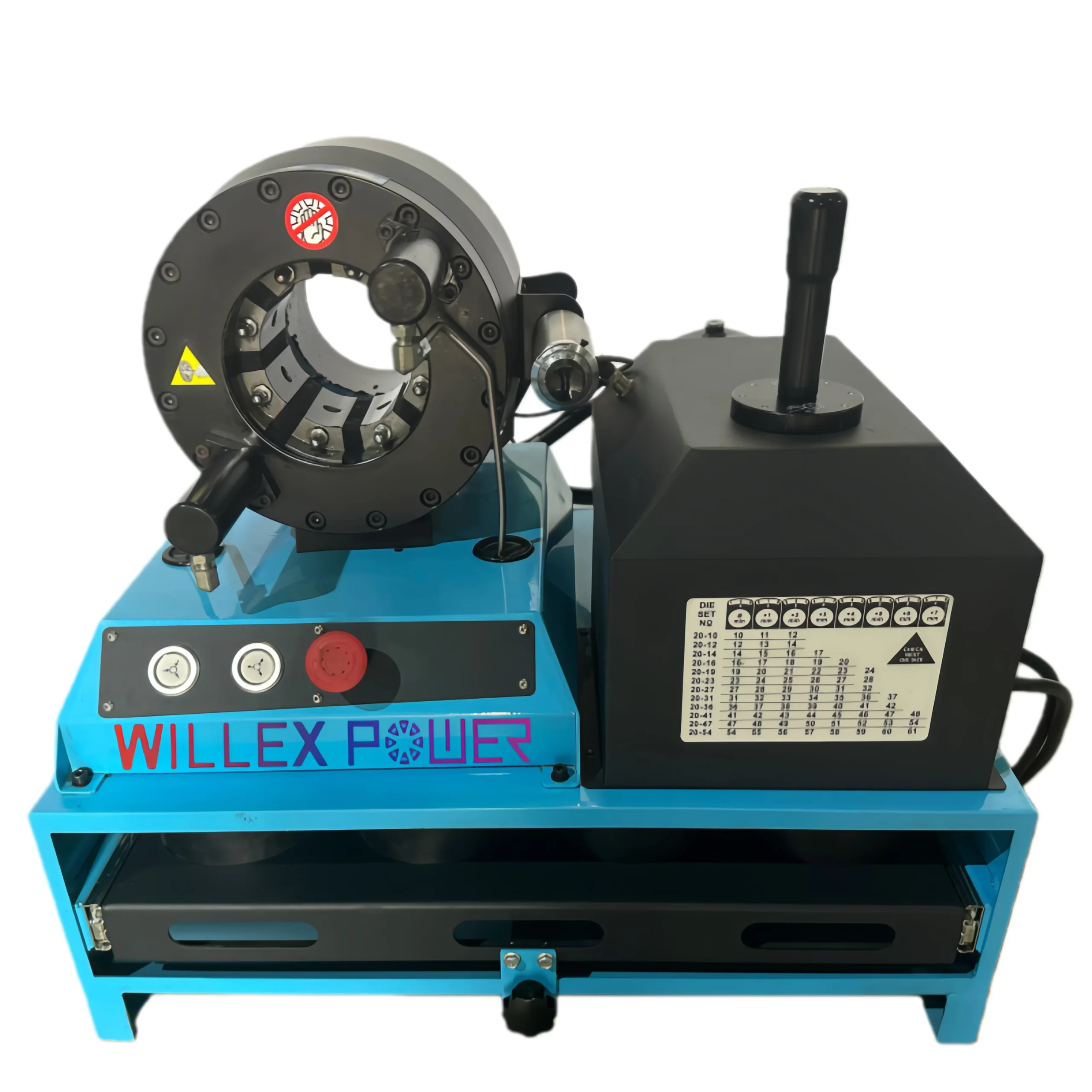
-20260121014427-scaled.webp "Hose Crimping Machine DZW-A10")
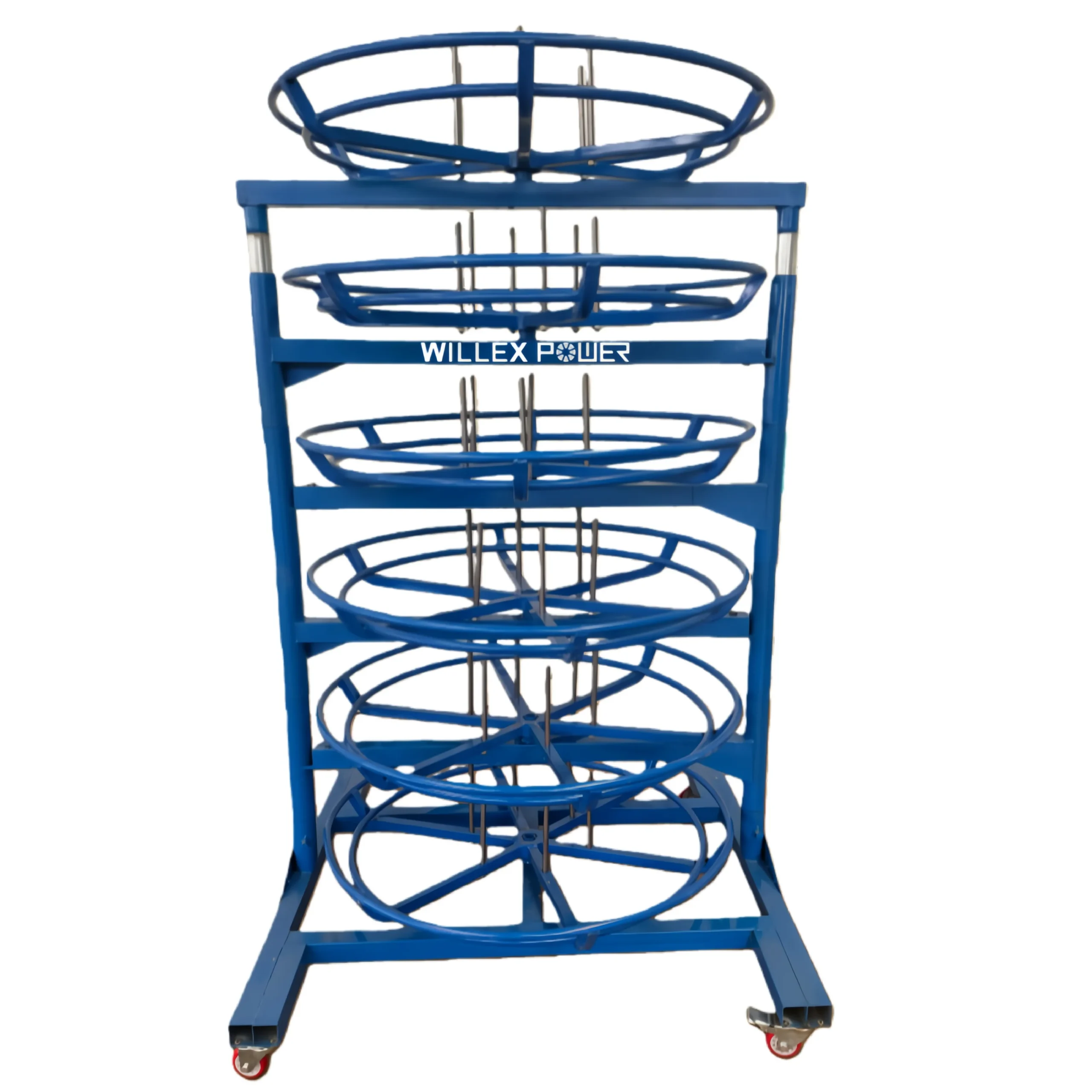
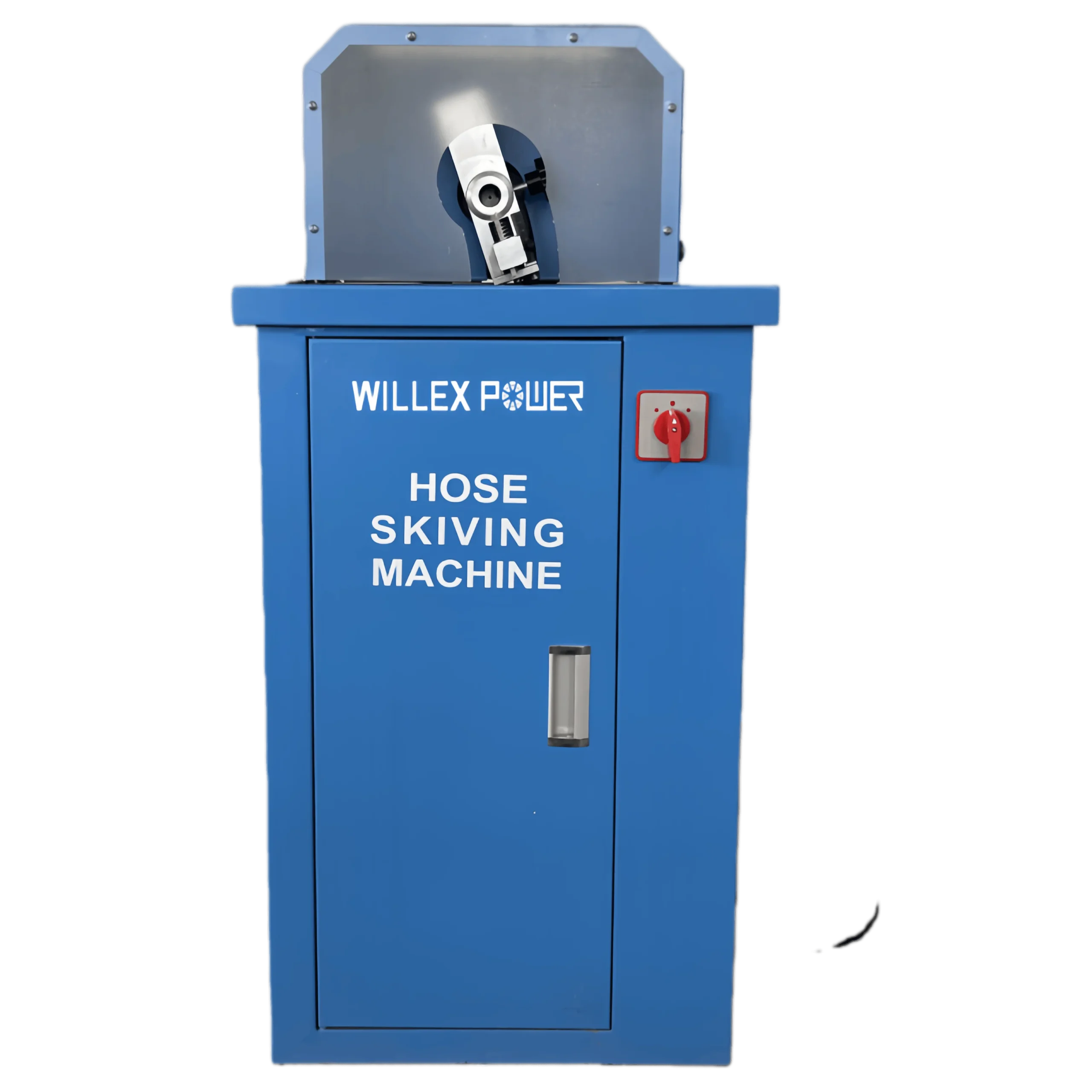
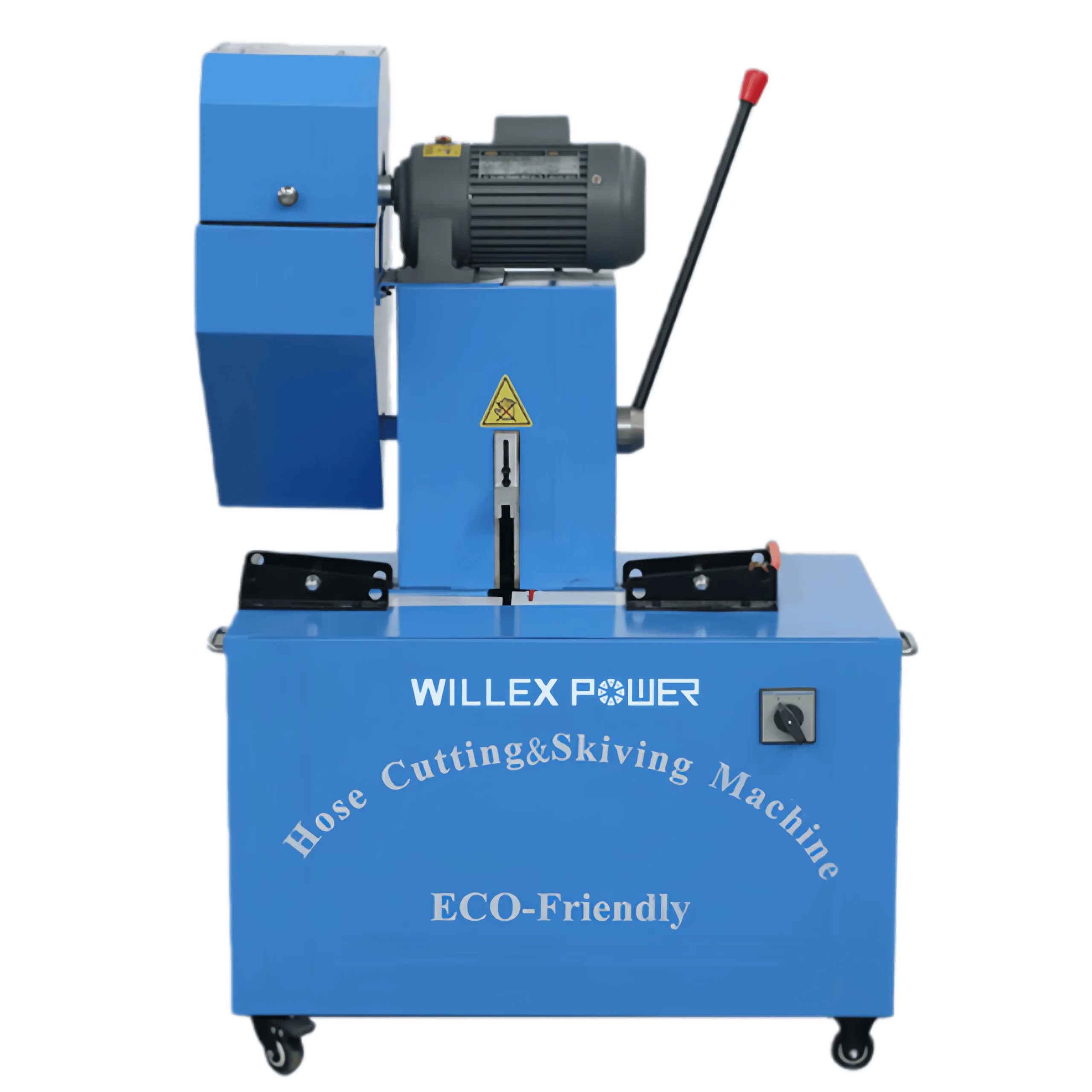
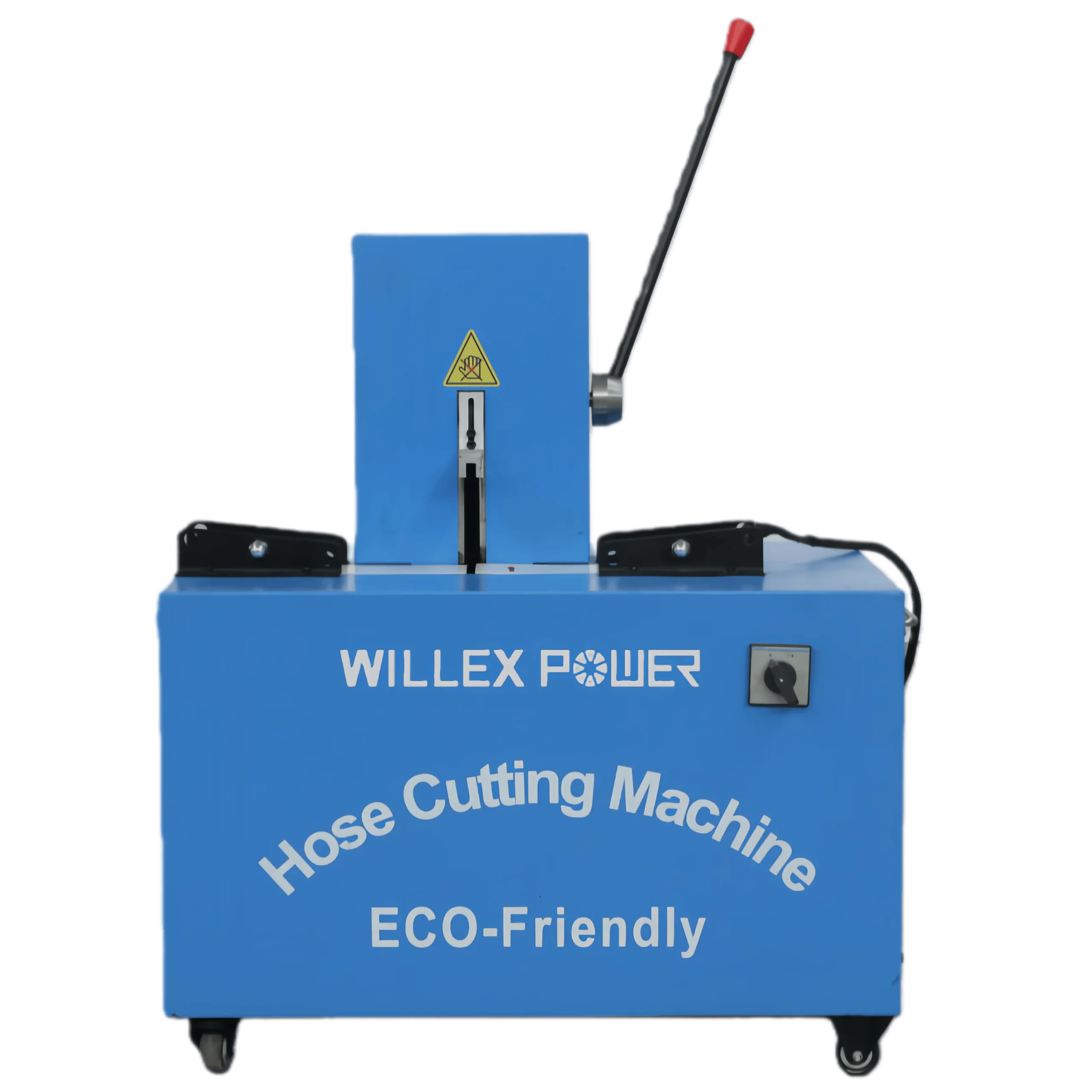
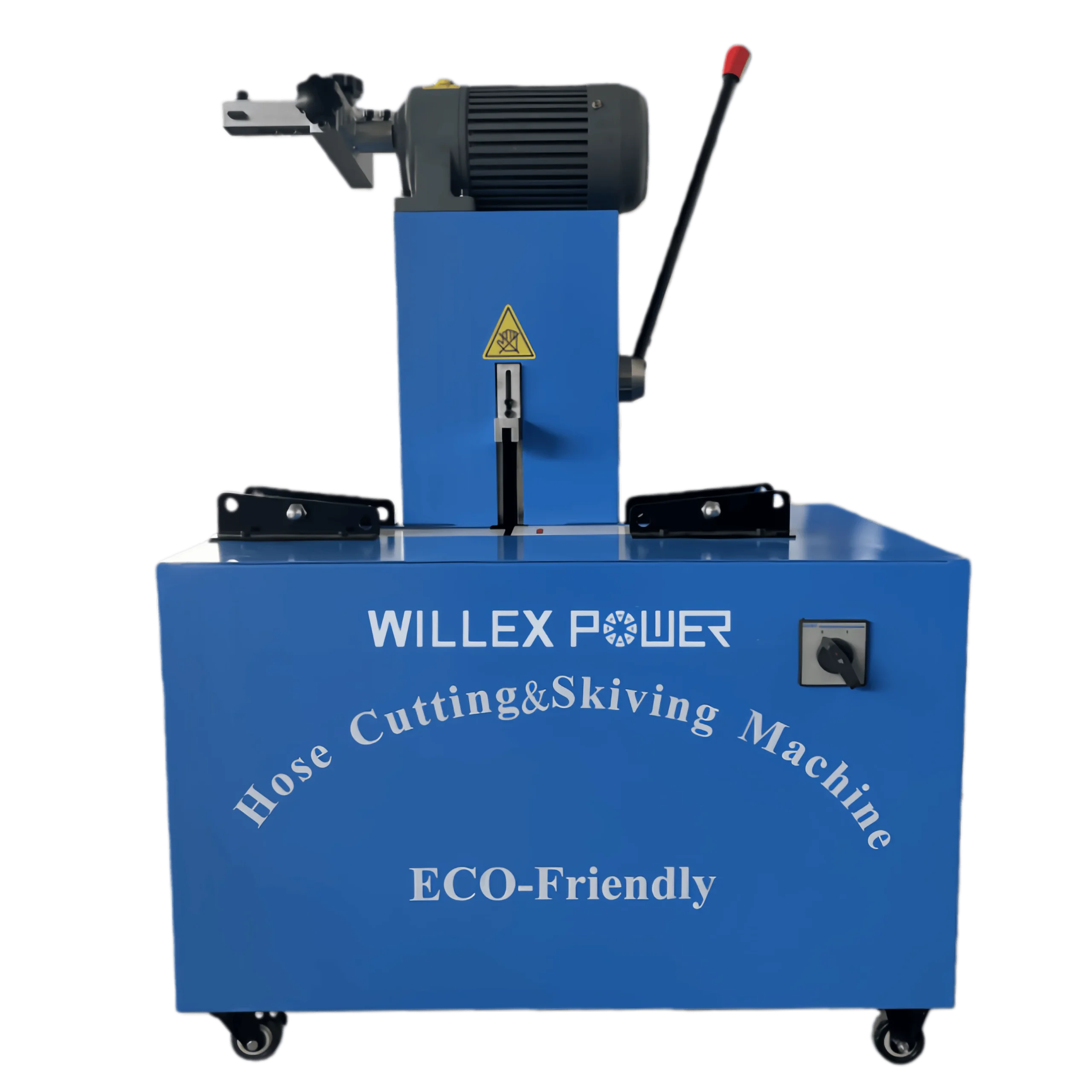
-20260121015636-scaled.webp "Hose Skiving Machine DZW-51BJ-M")
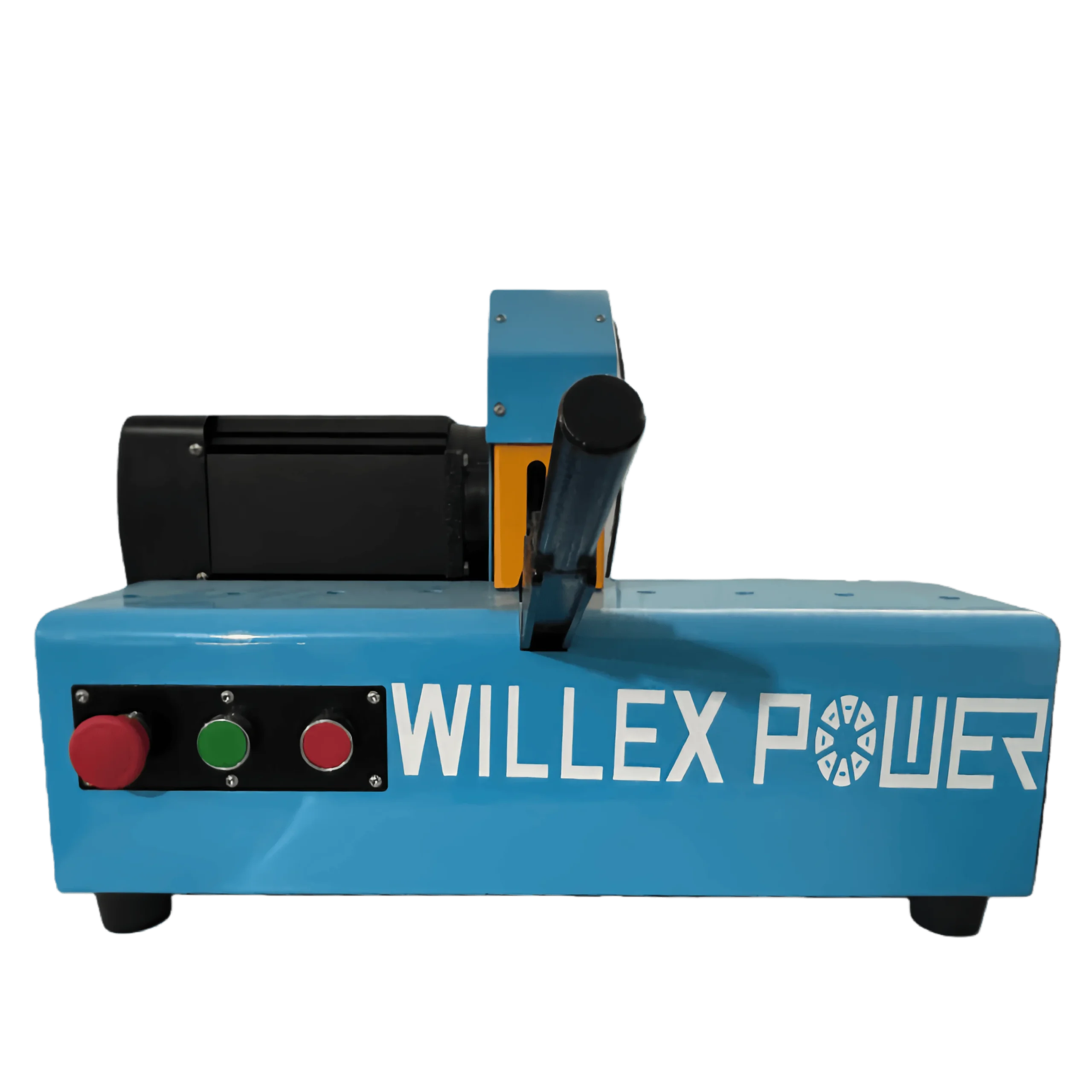
-20260121015753-scaled.webp "Hose Skiving Machine DZW-51BJ-C")
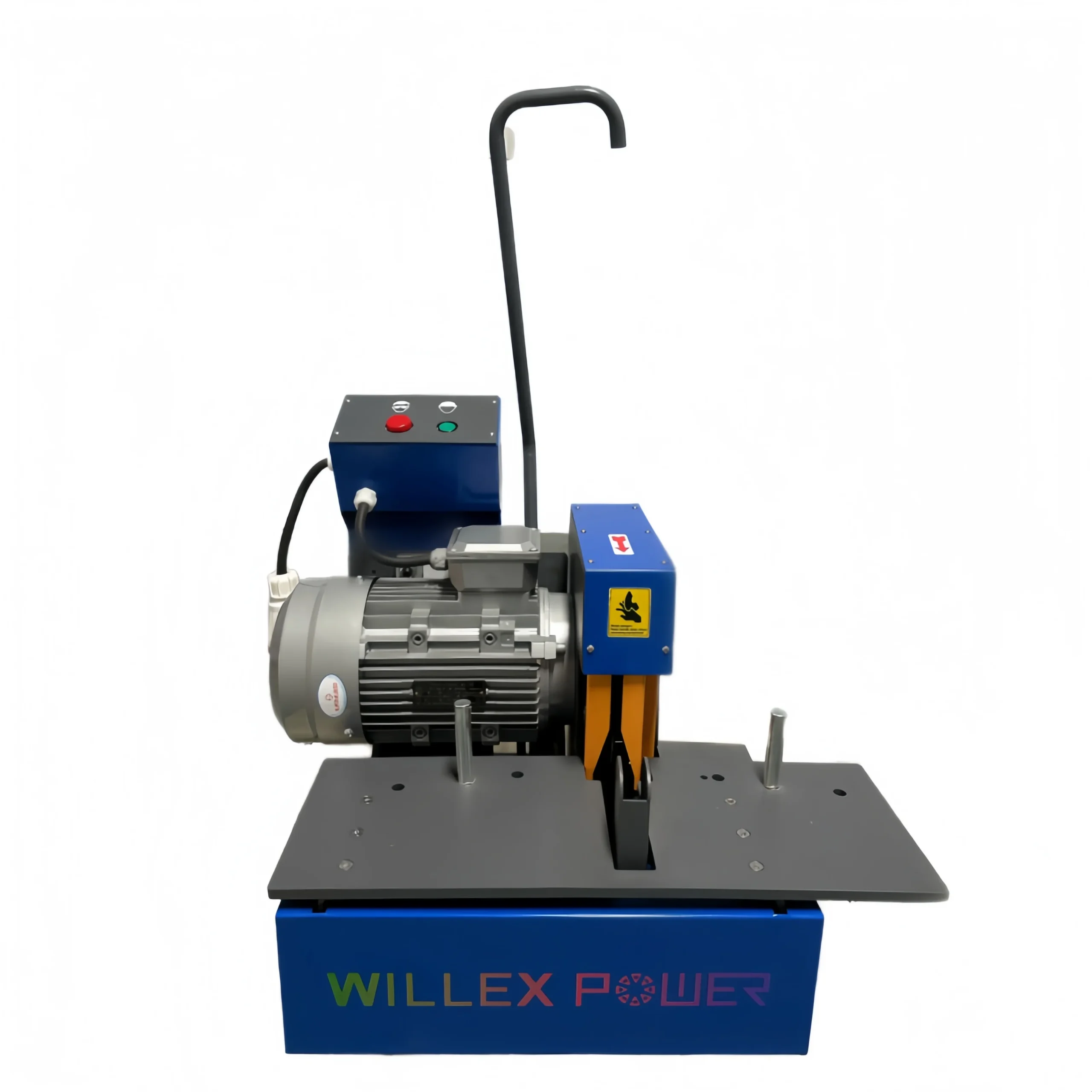
-20260121020311-scaled.webp "Hose Skiving Machine DZW-51BJ-E")