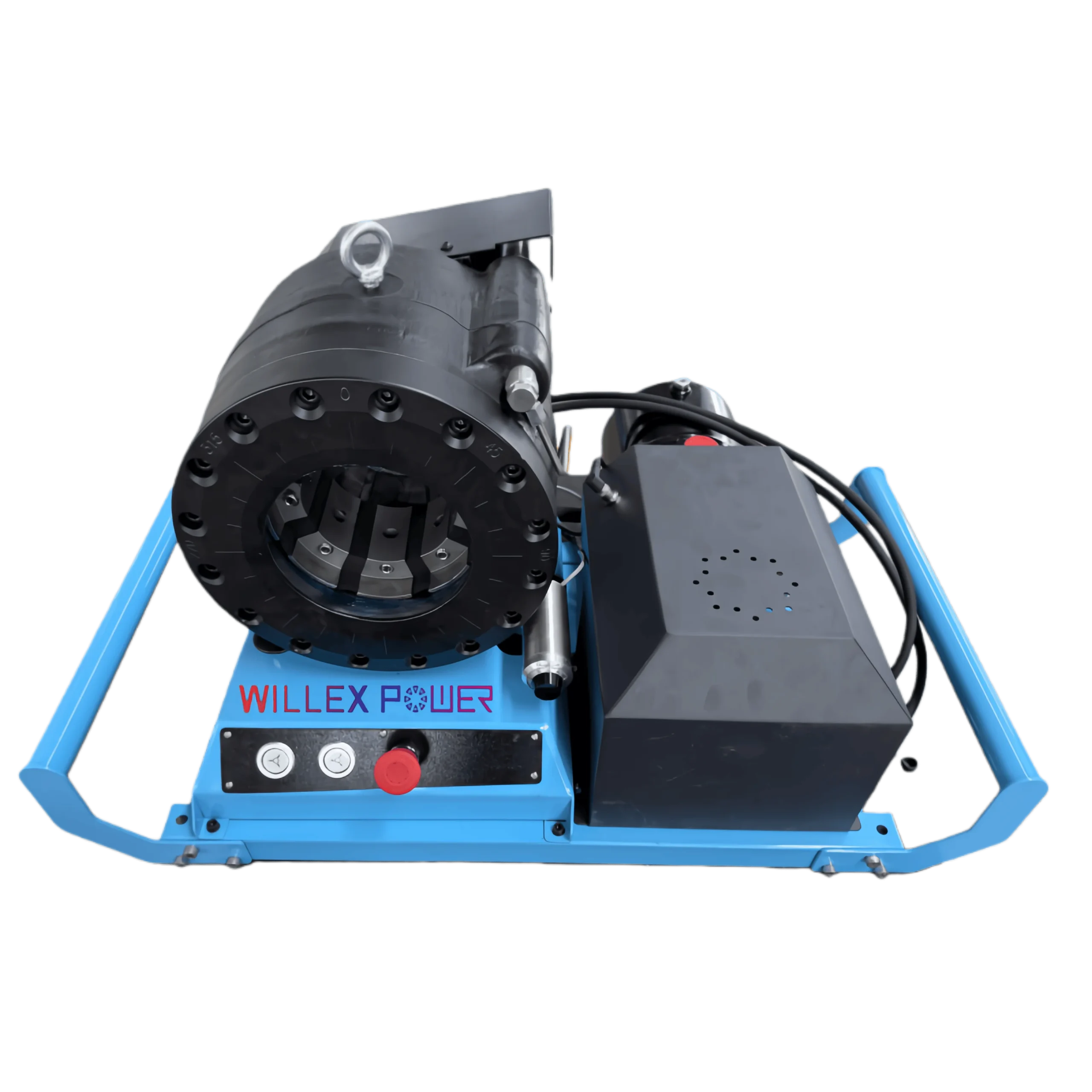
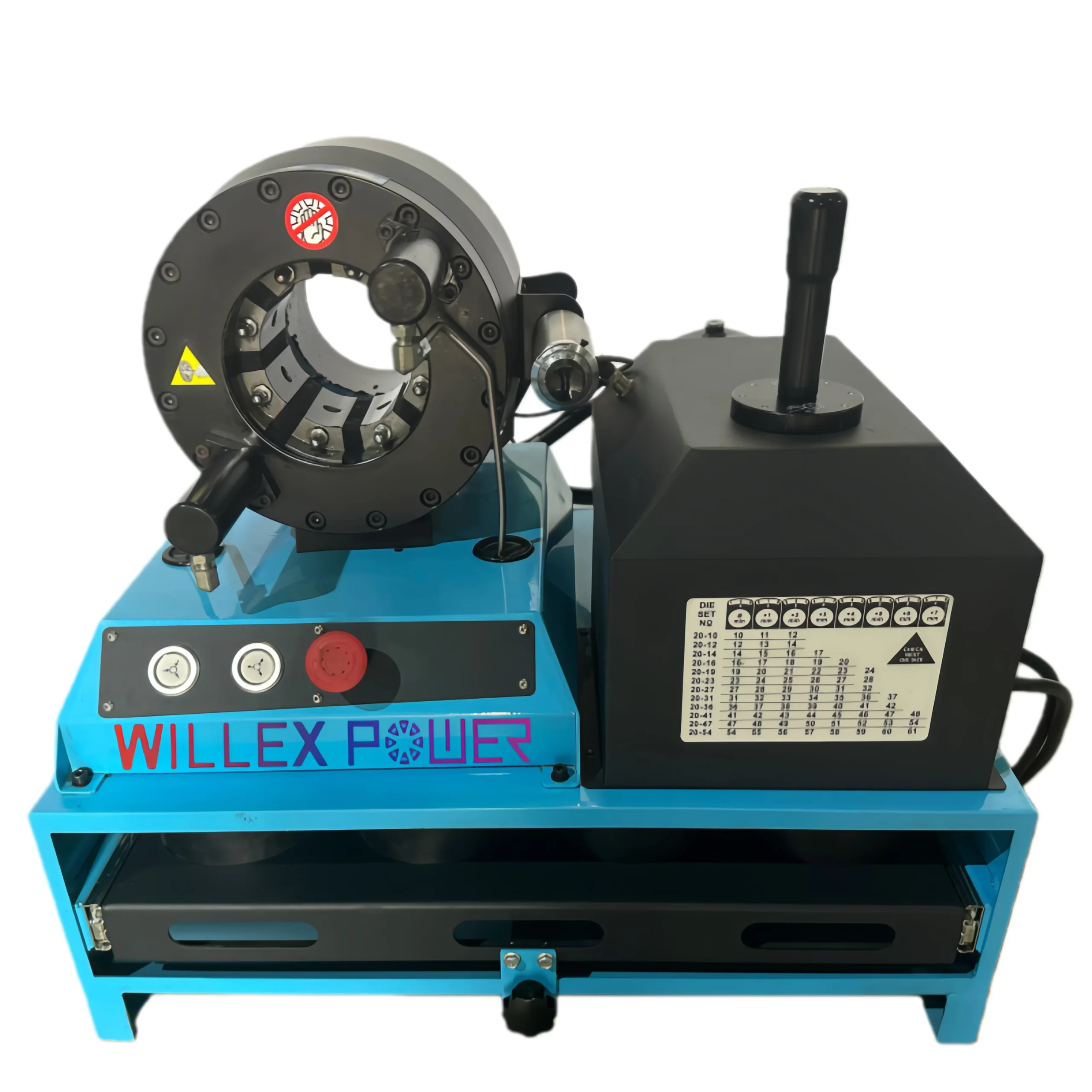
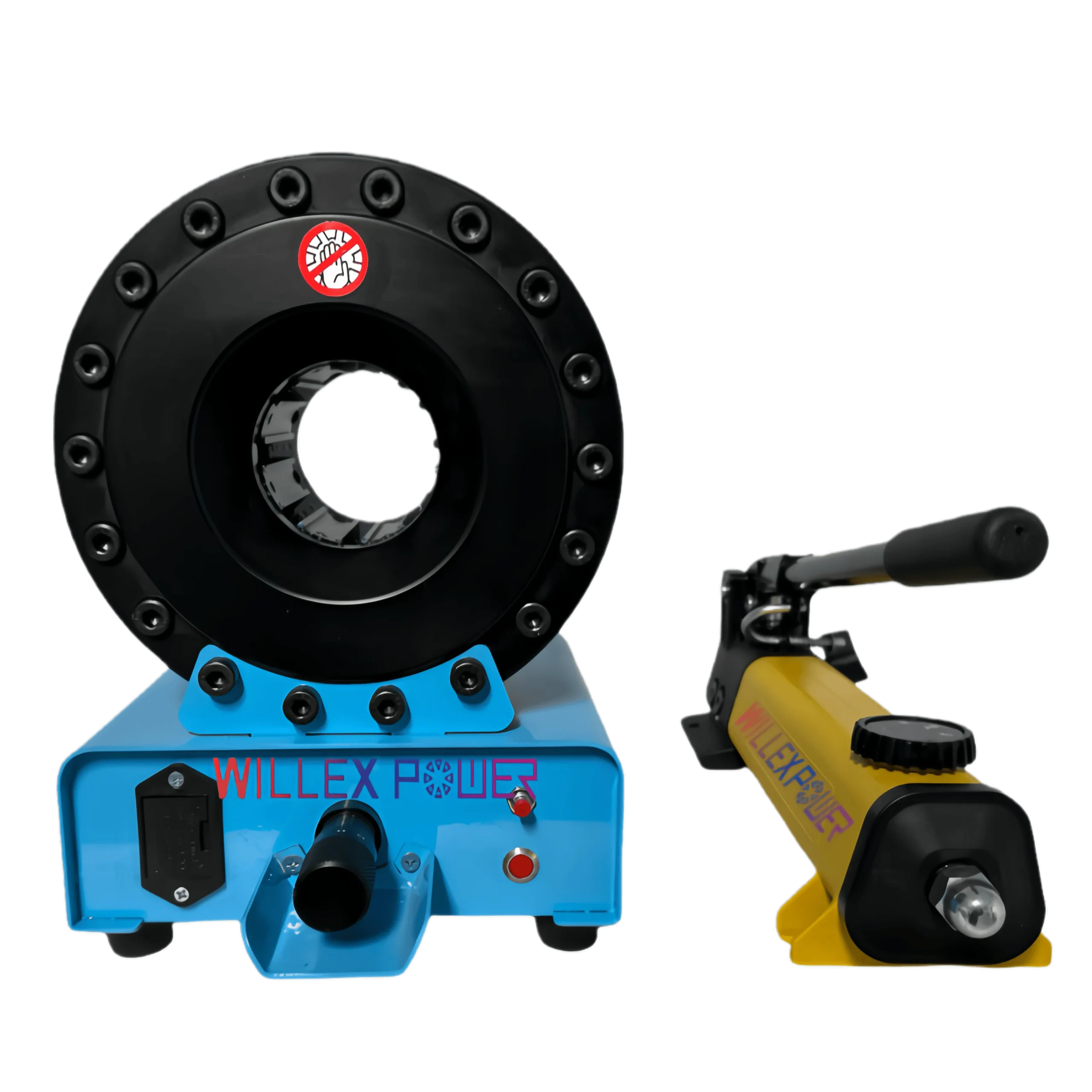
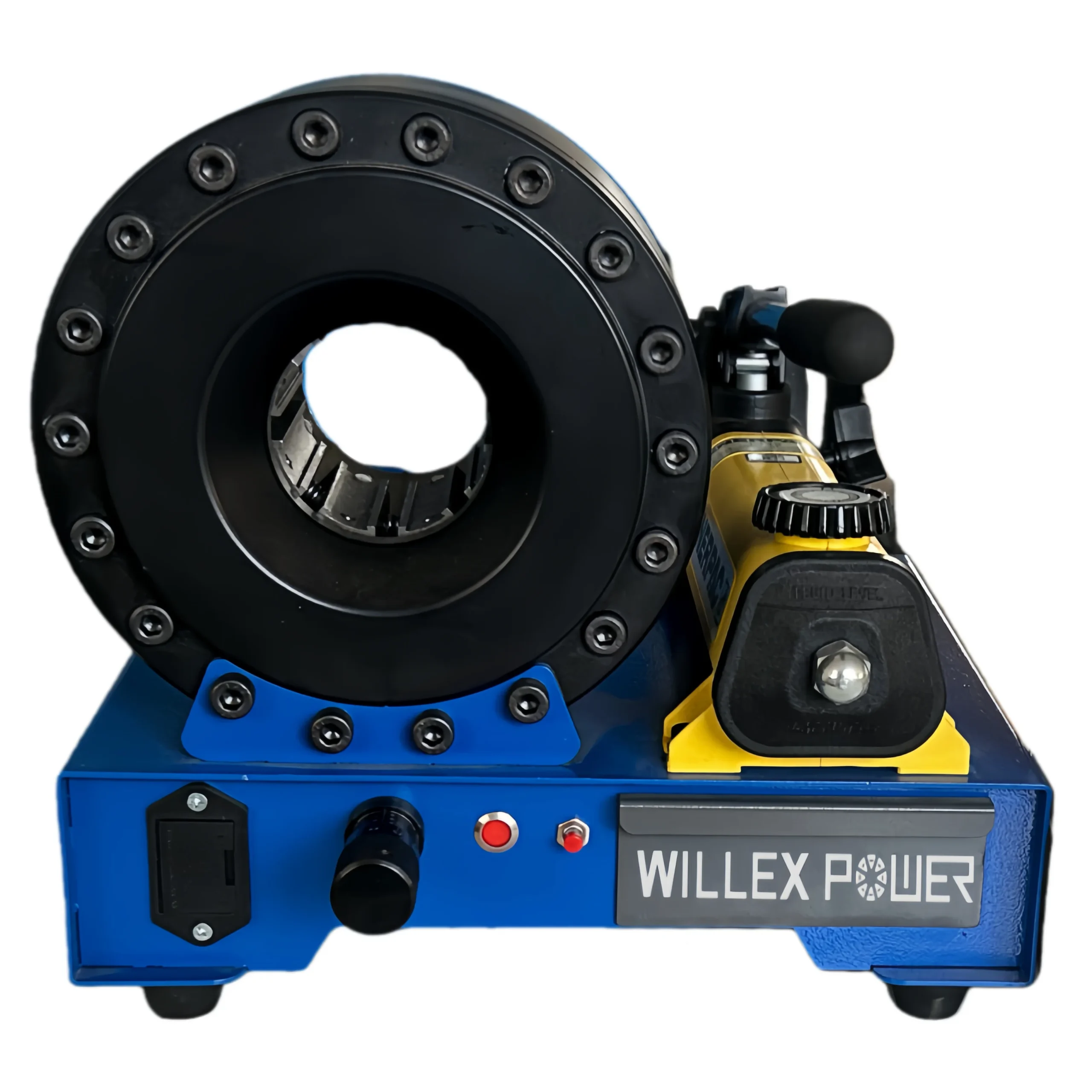
Wholesale Hydraulic Hose Assembly Equipment – Reliable & Efficient Tools
Wholesale Hydraulic Hose Assembly Equipment: What You Need to Know
Having spent more than a decade in the industrial equipment sector, I can say with some confidence that few things beat the feeling of a perfectly made hydraulic hose assembly. It’s not just about crushing steel or twisting fittings; it’s a craft, a bit like working metal on a lathe but more unforgiving if you get it wrong. Now, when it comes to wholesale hydraulic hose assembly equipment, the market has evolved — not overnight, but steadily — toward smarter, more reliable, and frankly, more user-friendly options.
If you're like me, you’ve probably witnessed hose assemblies failing because of poor crimping or subpar testing. That’s why investment in the right hydraulic hose assembly tools isn't just an operational expense — it’s a safeguard. It feels a little like buying an insurance policy you don’t want to use but will be incredibly grateful to have when things go sideways.
The hydraulic hose assembly equipment you pick needs to strike a balance between precision, speed, and durability. For those working in bulk—like wholesalers or big maintenance outfits—the ability to assemble large volumes without sacrificing quality can be a real game-changer.
Oddly enough, while automated crimping machines are becoming more prevalent, I still see plenty of shops relying on mechanical units simply because they’re dependable and easier to maintain on-site. Frankly, it depends on your volume and your budget. But whatever route you choose, one thing remains constant: the quality of the crimp directly affects hose durability and, by extension, safety.
Key Product Specifications for Hydraulic Hose Assembly Equipment
| Specification | Typical Range / Feature |
|---|---|
| Crimping Force | Up to 60 tons (varies by model) |
| Hose Diameter Range | 1/4” to 2” |
| Electric or Hydraulic Pump Options | Both available |
| Automation Level | Manual, Semi-automatic, Fully automatic |
| Cycle Time | 20-40 seconds per crimp |
| Pressure Testing Capability | Up to 10,000 PSI (optional units) |
I remember a client who switched from a batch of inexpensive crimpers to a reputable brand early this year. Production speed increased by 30%, but what struck me more was the drop in hose failures post-assembly — saving them both time and costly warranty claims. They were hesitant at first; investing in wholesale equipment isn’t trivial. But in real terms, having consistent, quality crimps pays off.
Vendor Comparison: What to Watch For
| Feature | Willex | Competitor A | Competitor B |
|---|---|---|---|
| Crimping Force (max) | 60 tons | 50 tons | 55 tons |
| Automation Level | Manual & Semi-Automatic | Manual Only | Fully Automatic Available |
| Price Range | $$$ | $$ | $$$$ |
| After-Sales Support | Strong, USA-based | Limited | Good, but overseas |
| Pressure Testing Integration | Optional add-on | No | Included |
In my experience, while price is a factor (and nobody loves a surprise invoice), the long-term reliability and support often justify spending a little more up front. For example, Willex tends to be a favorite for folks who value solid American-made machines and responsive post-sale help.
Customization options are also worth mentioning. Many wholesalers find themselves needing to tweak hose lengths, crimping dies, or even press settings. Machines that make adjustments intuitive tend to reduce downtime and headaches.
One thing many engineers stress is that quality hydraulic assembly equipment ultimately reduces human error. And since hose failures in hydraulic systems can lead to dangerous spills, machinery downtime, and costly repairs, spending time to source the right kit is hard to overstate.
So, if you’re in the market for wholesale hydraulic hose assembly equipment, look beyond brochures. Get your hands dirty, ask for demos, and if possible, talk to current users. There’s no substitute for firsthand impressions—oddly enough, that’s still the best test.
At the end of the day, these assemblies keep big machinery running — and you keep your operators safe. That’s a win-win worth investing in.
References:
1. Industry reports on hydraulic hose failure rates, 2023.
2. Willex crimper user testimonials, 2024.
3. Hydraulic equipment safety standards (ISO 18752), 2022.
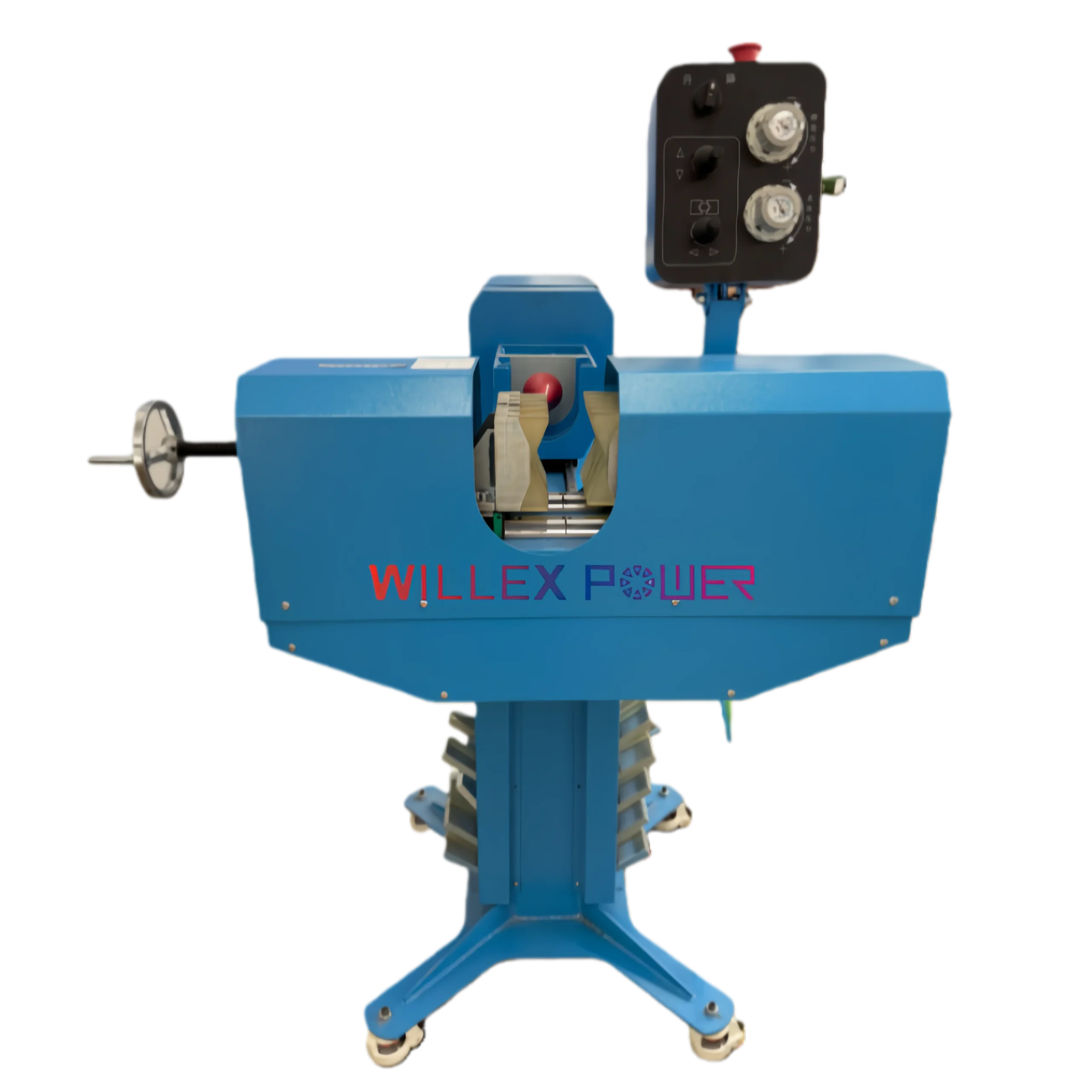
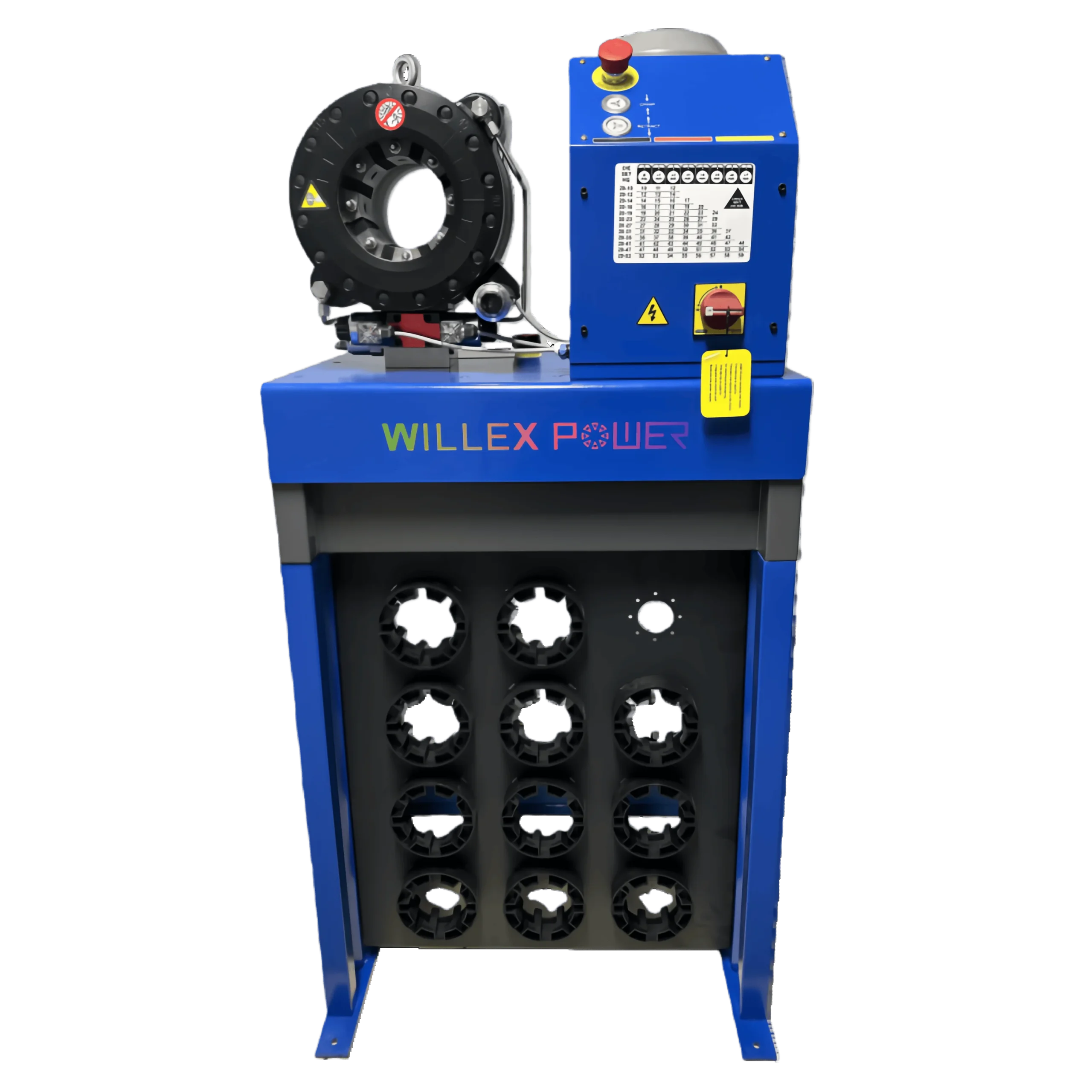
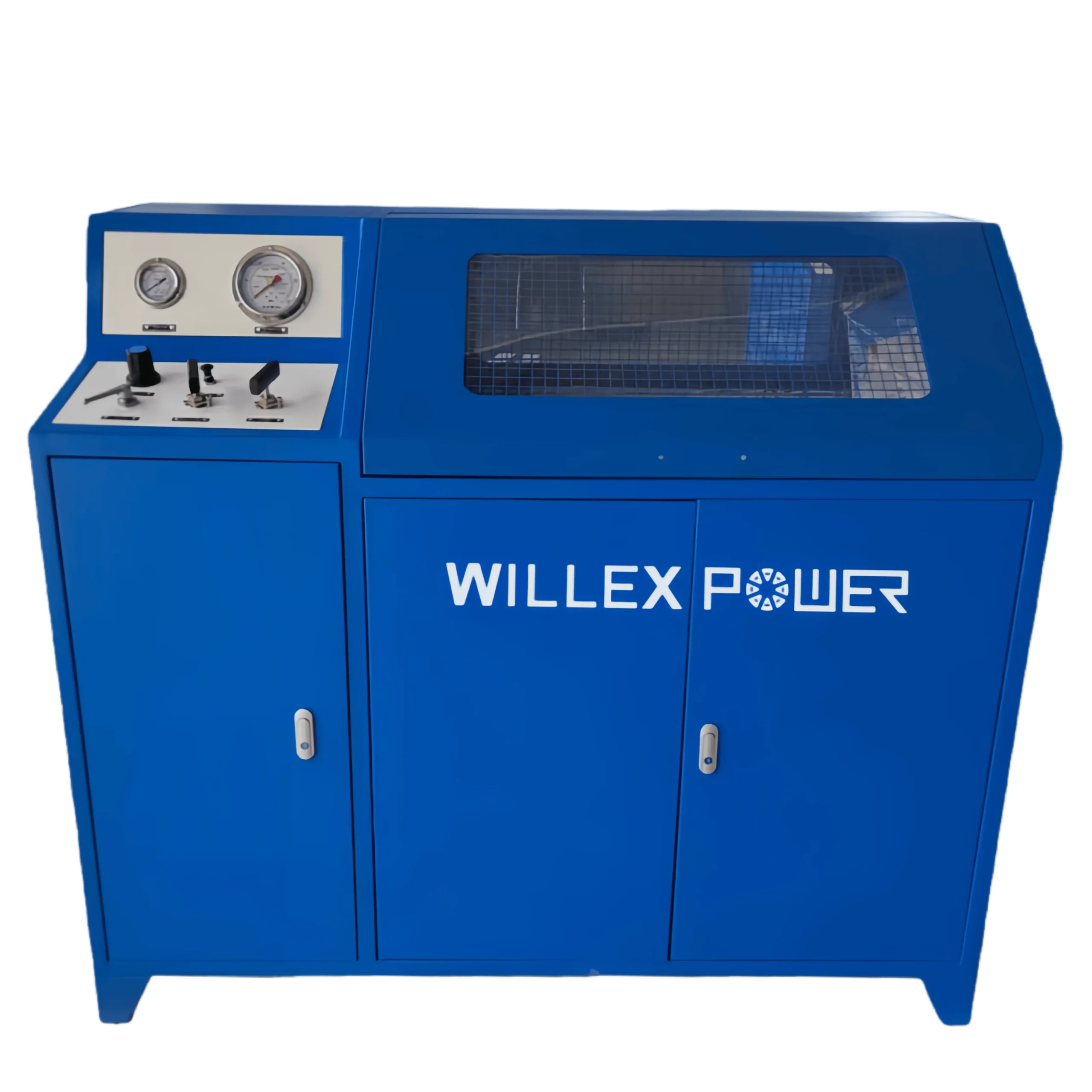
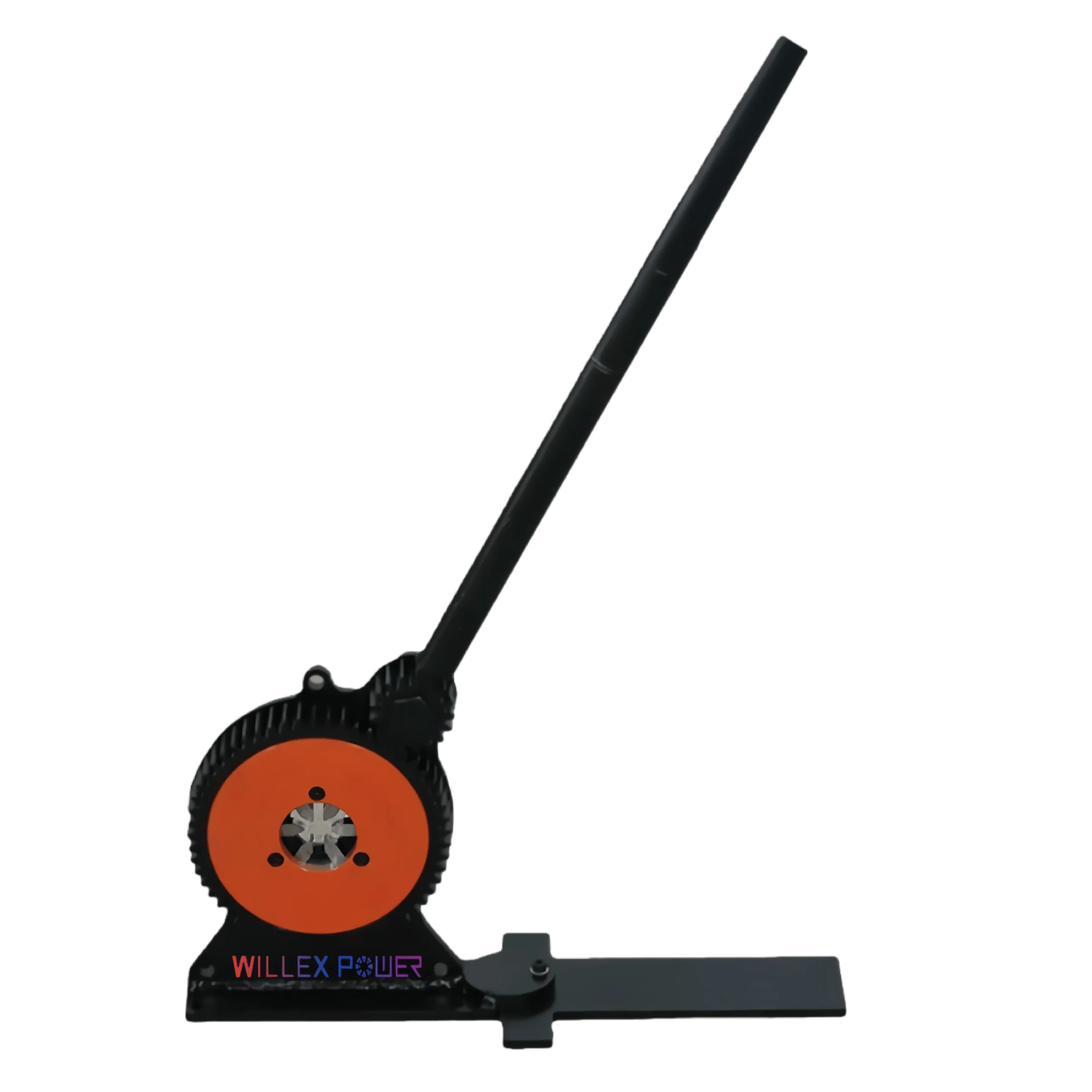
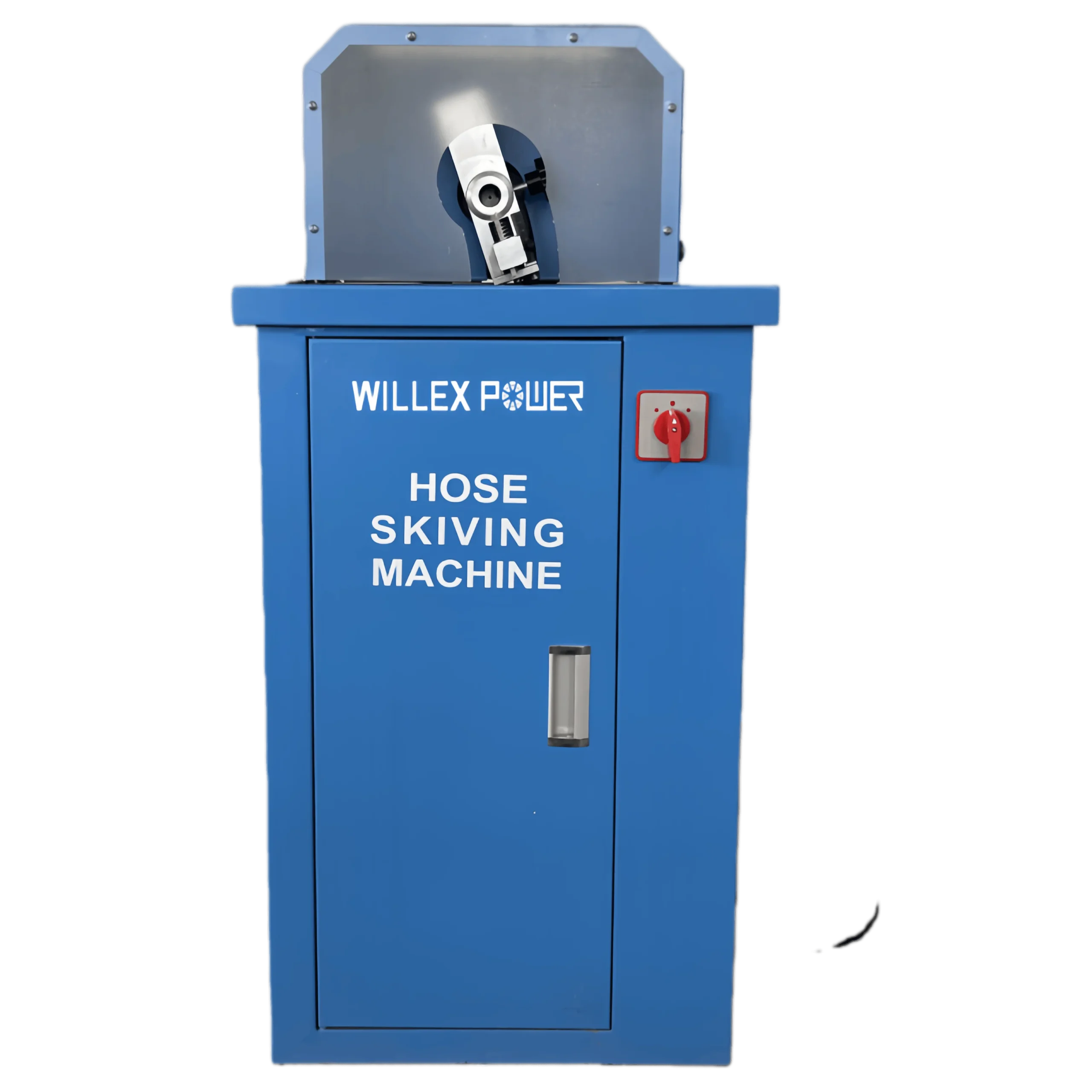
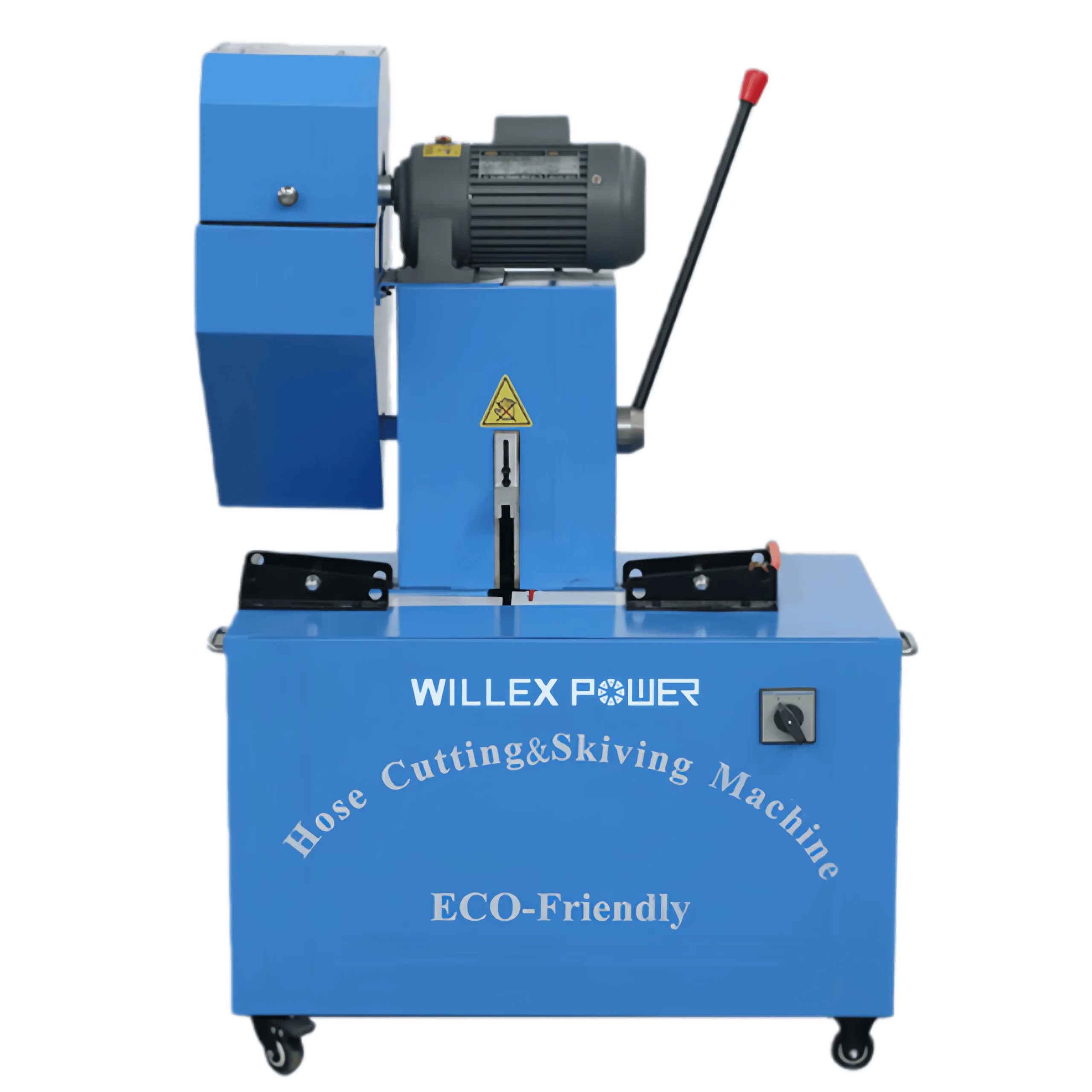
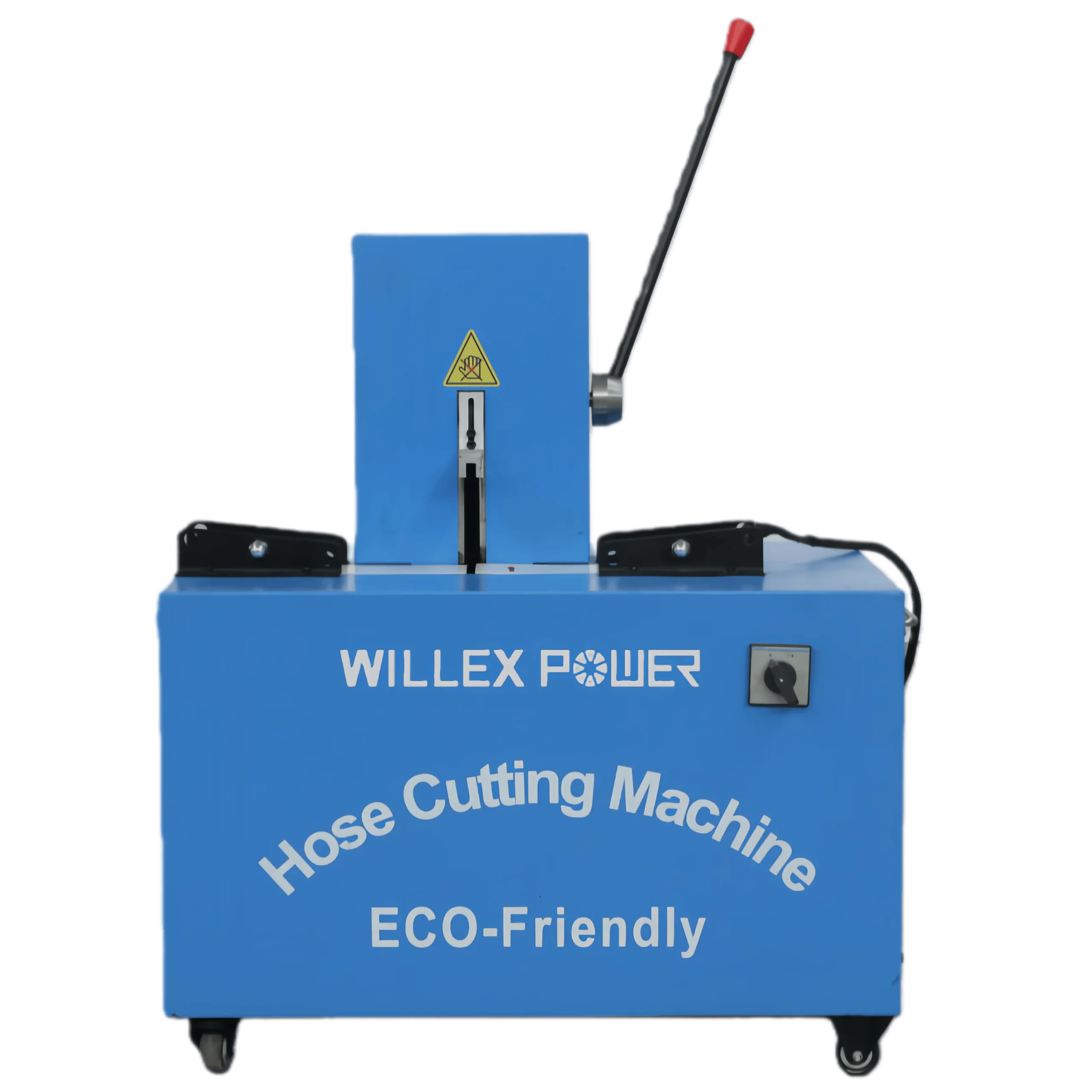
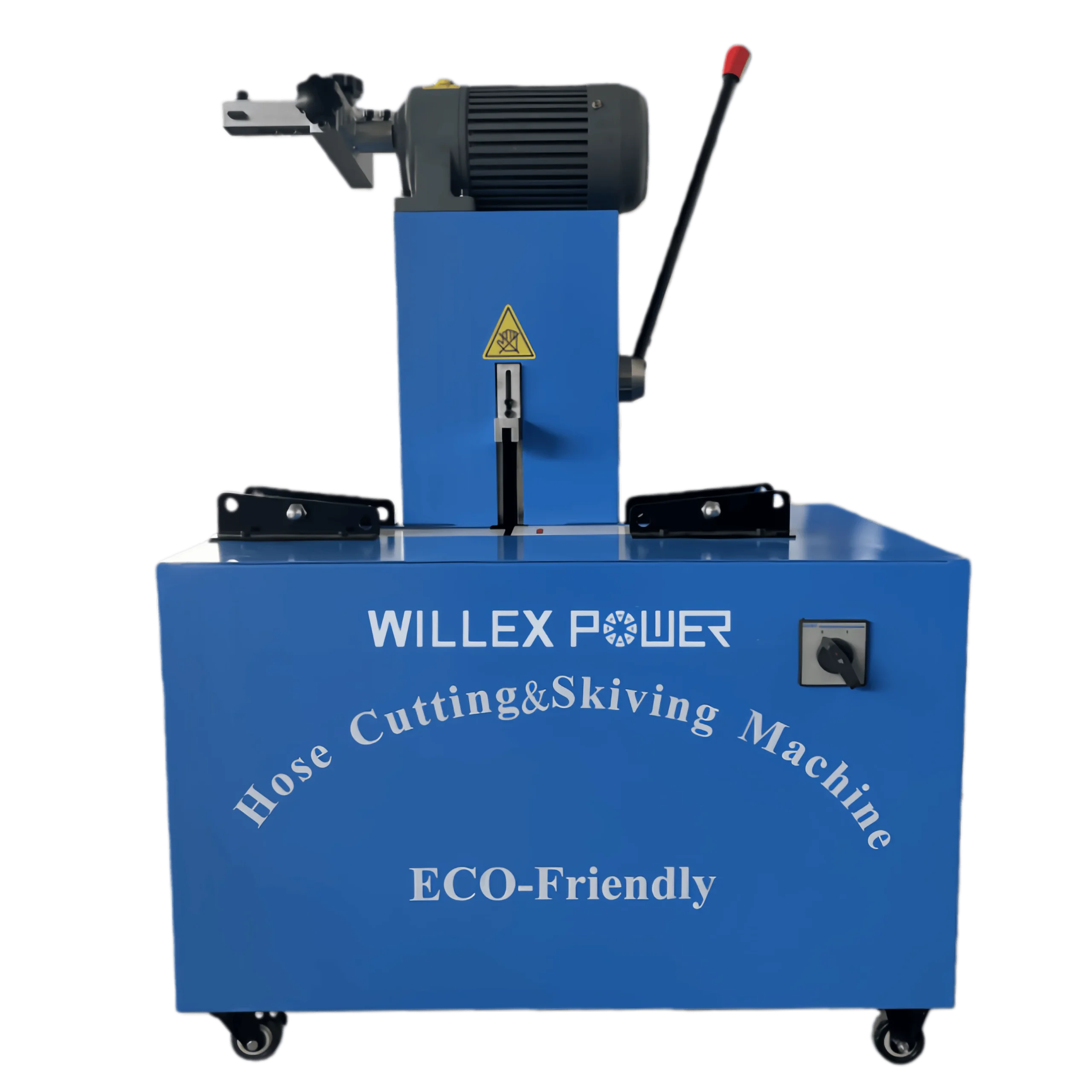
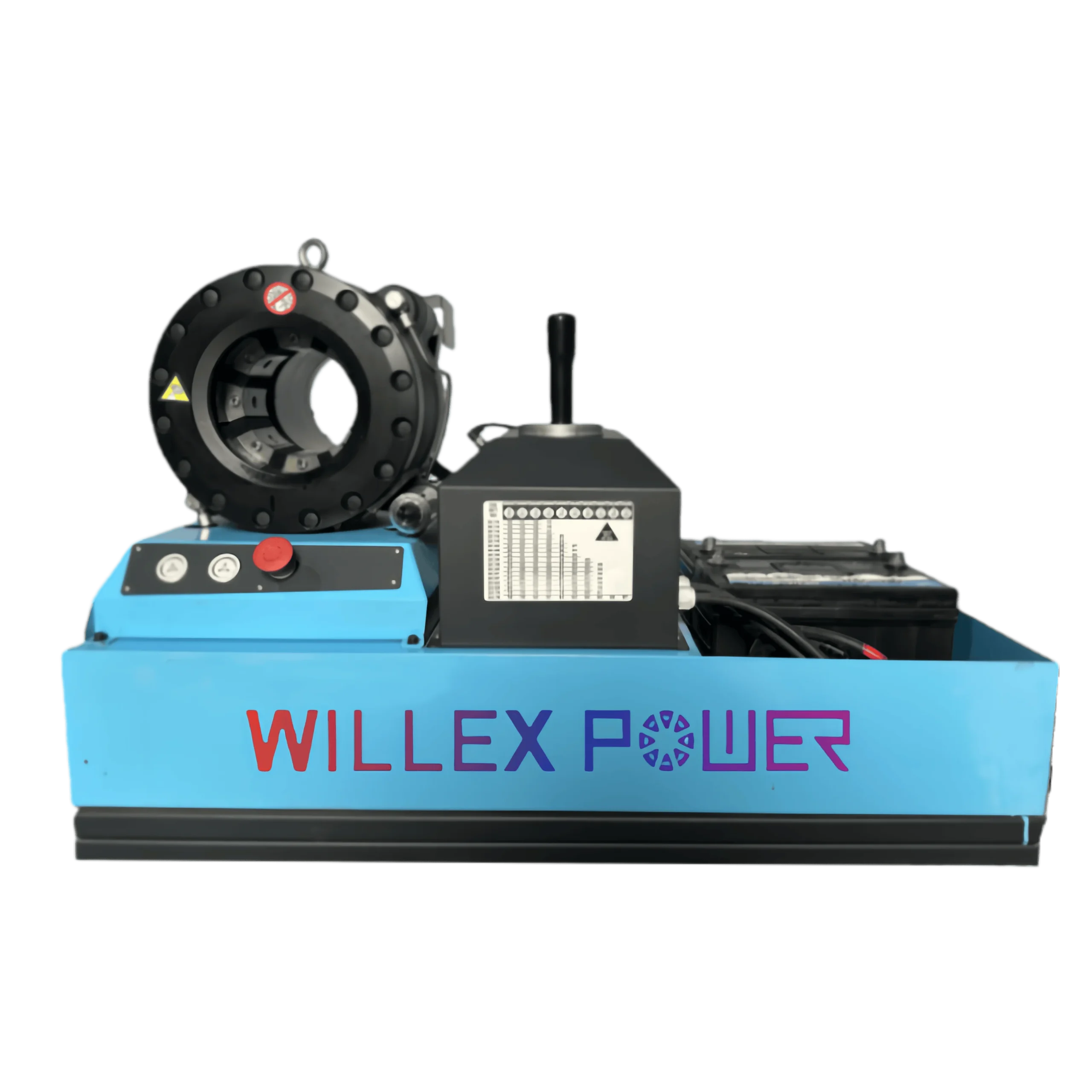
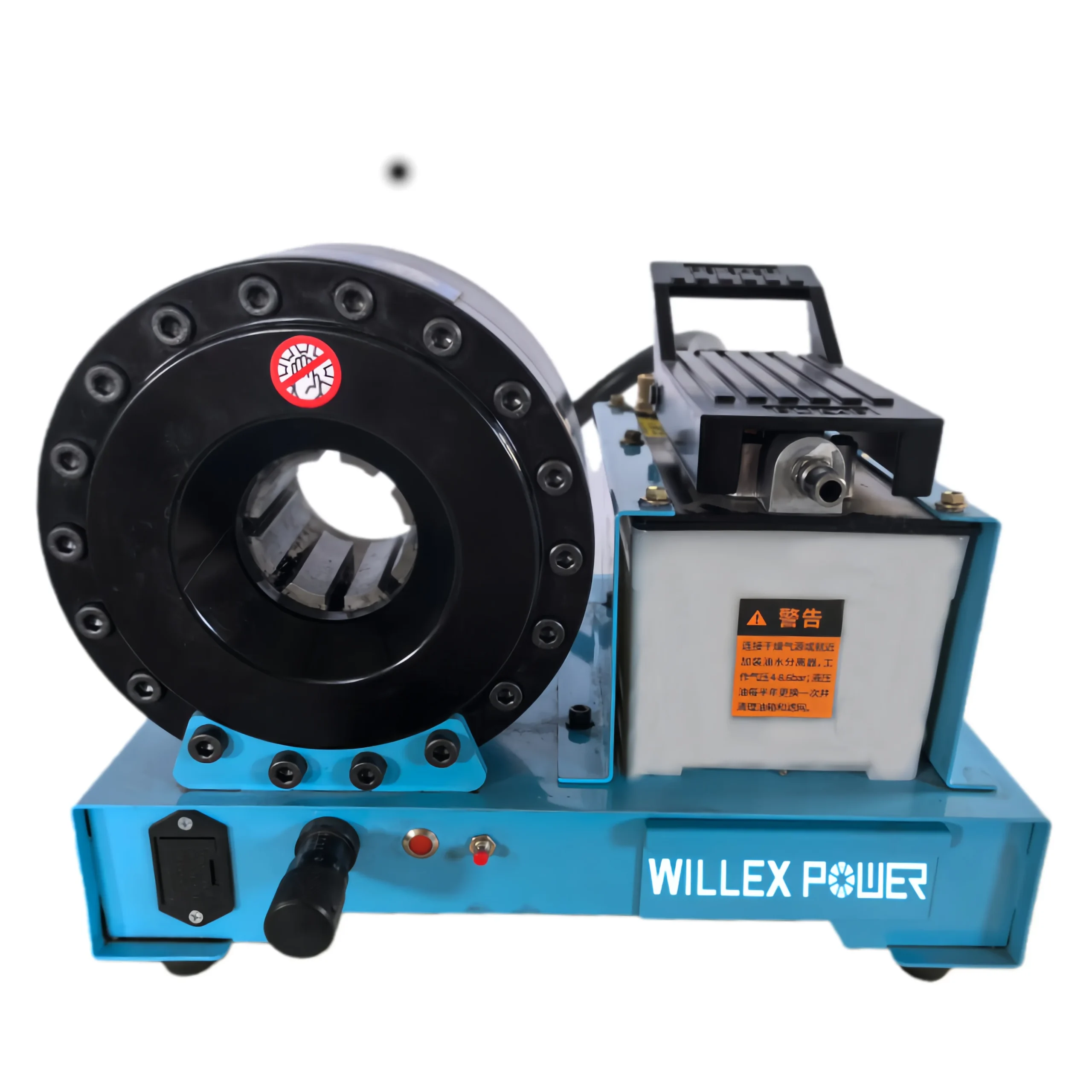
-20260121013914-scaled.webp "WILLEX POWER DZW-A10-1 Hose Crimping Machine")
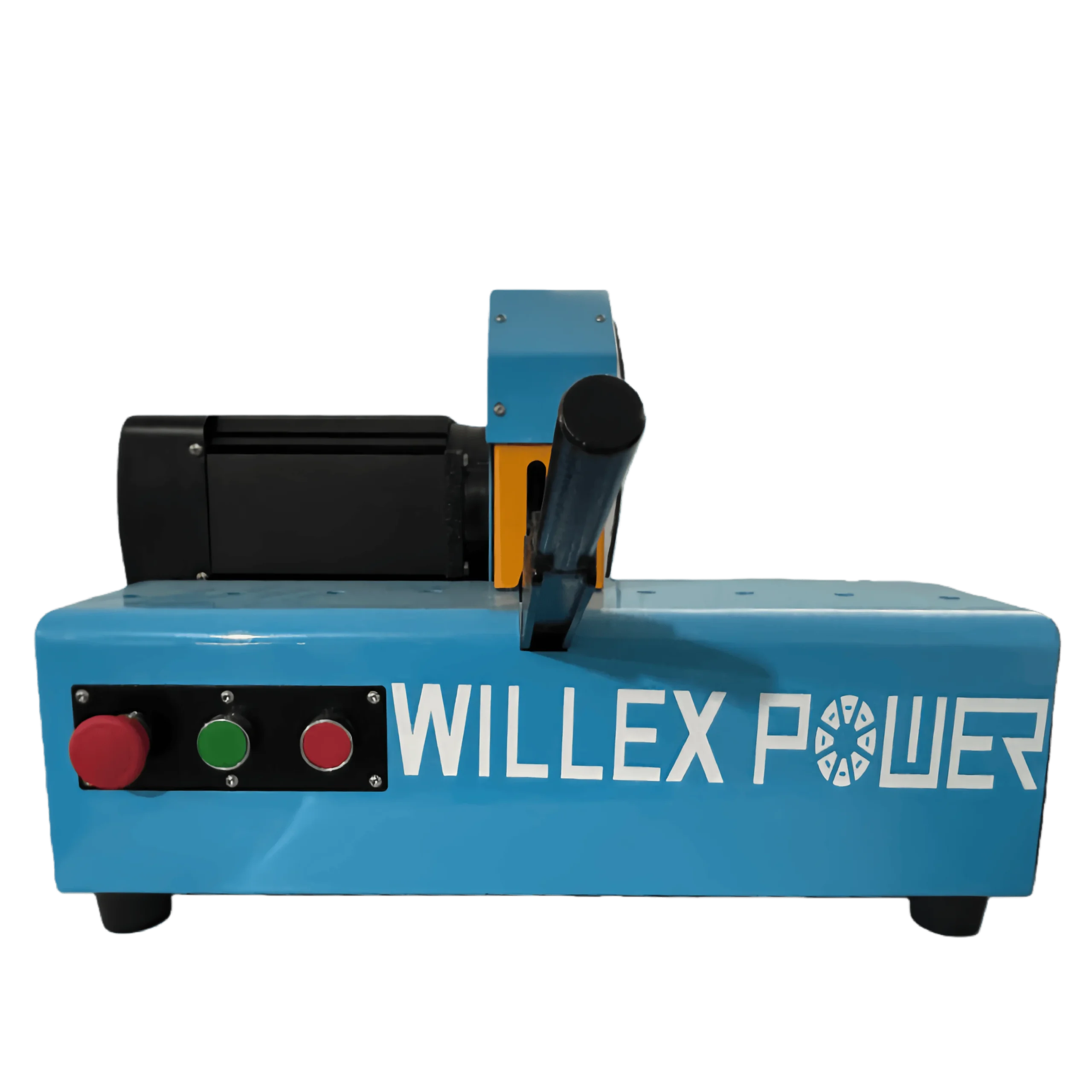
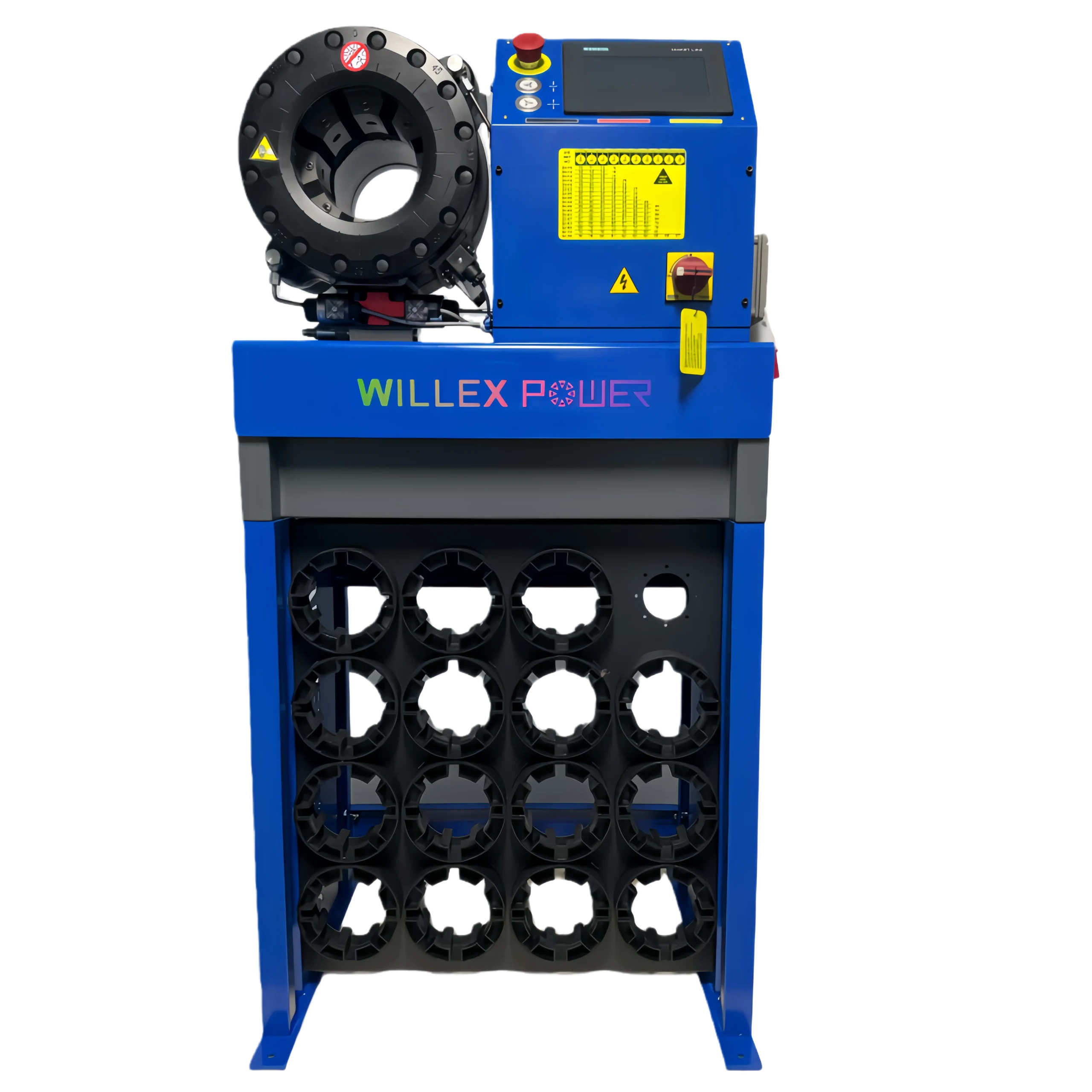
-20260121014427-scaled.webp "Hose Crimping Machine DZW-A10")
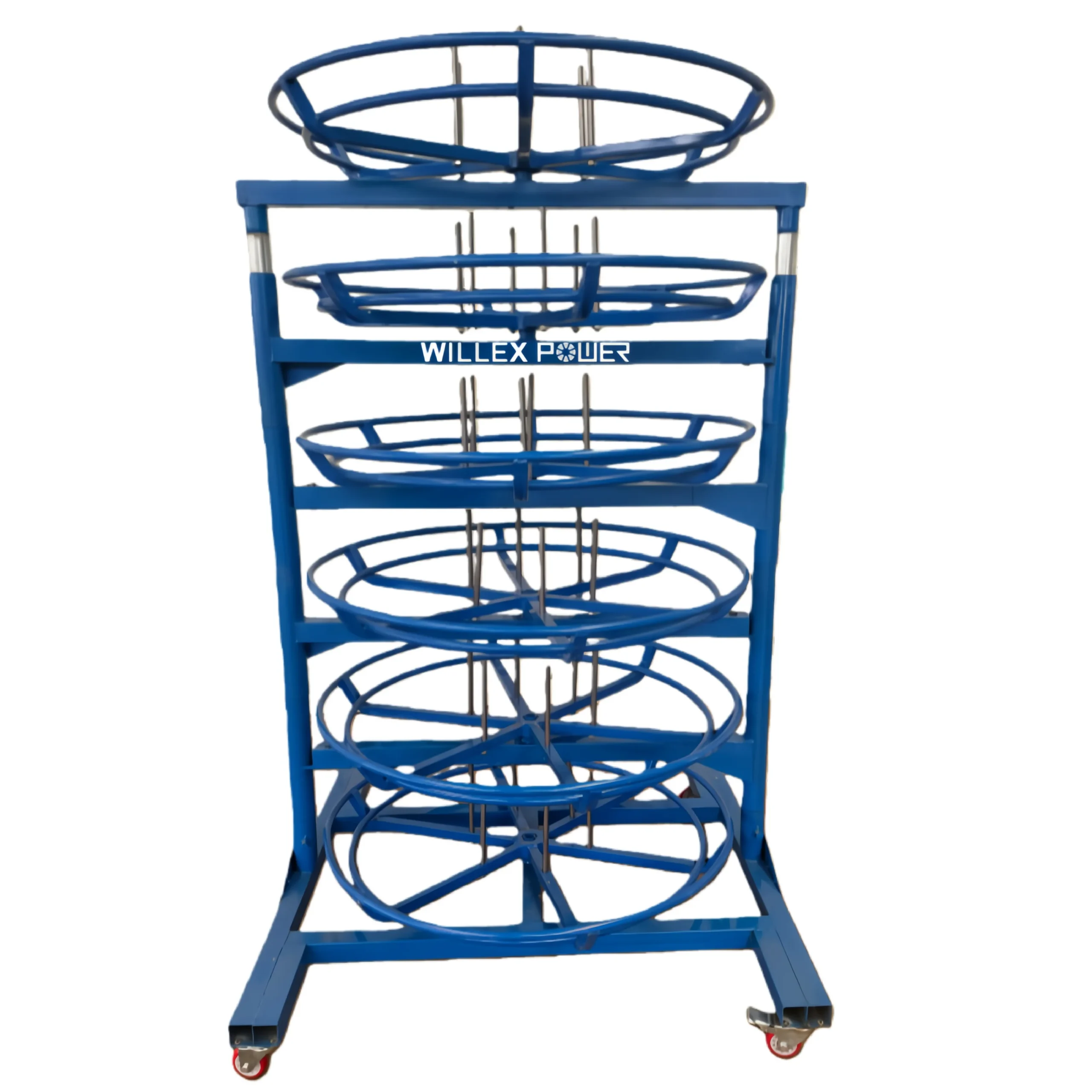
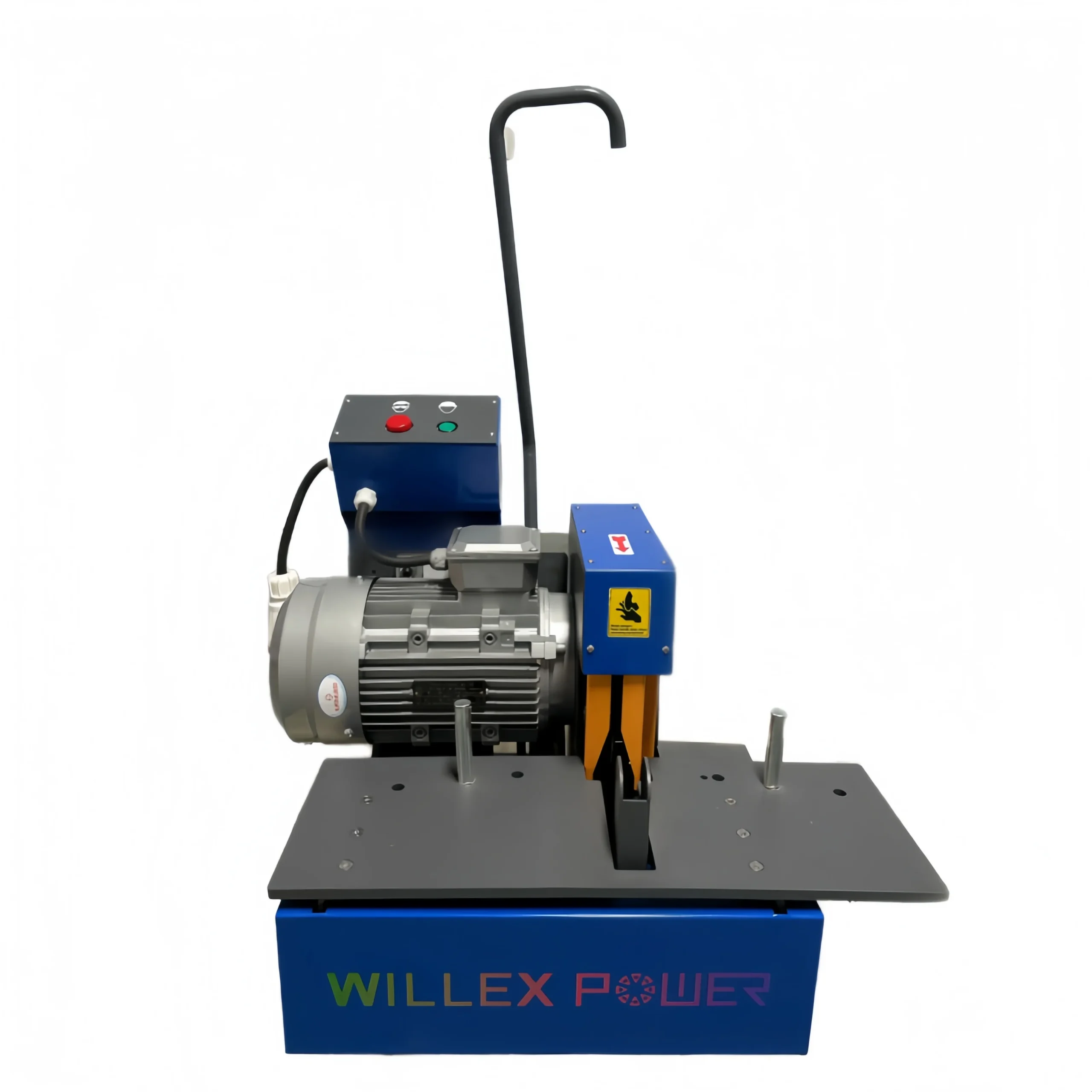
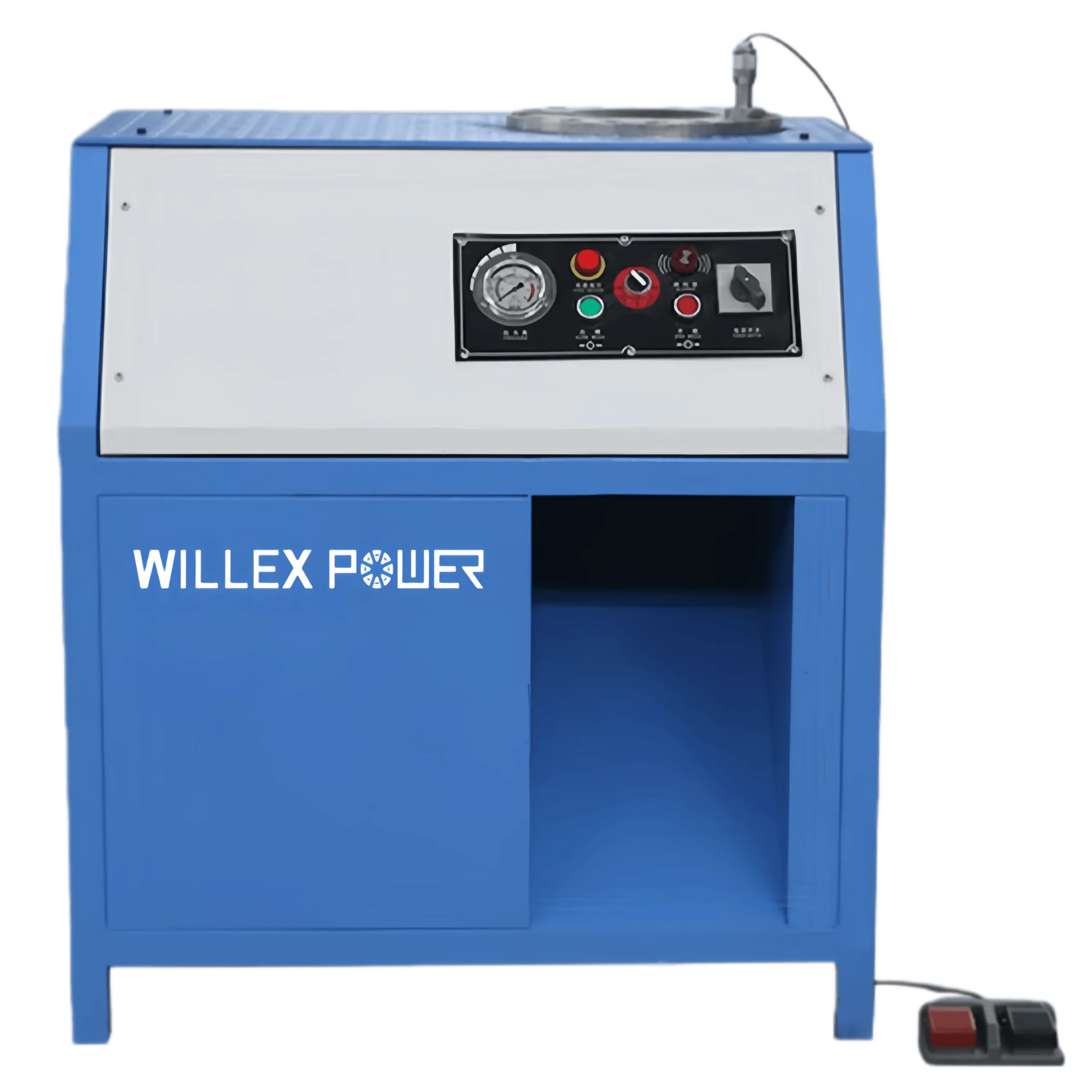
-20260121015636-scaled.webp "Hose Skiving Machine DZW-51BJ-M")
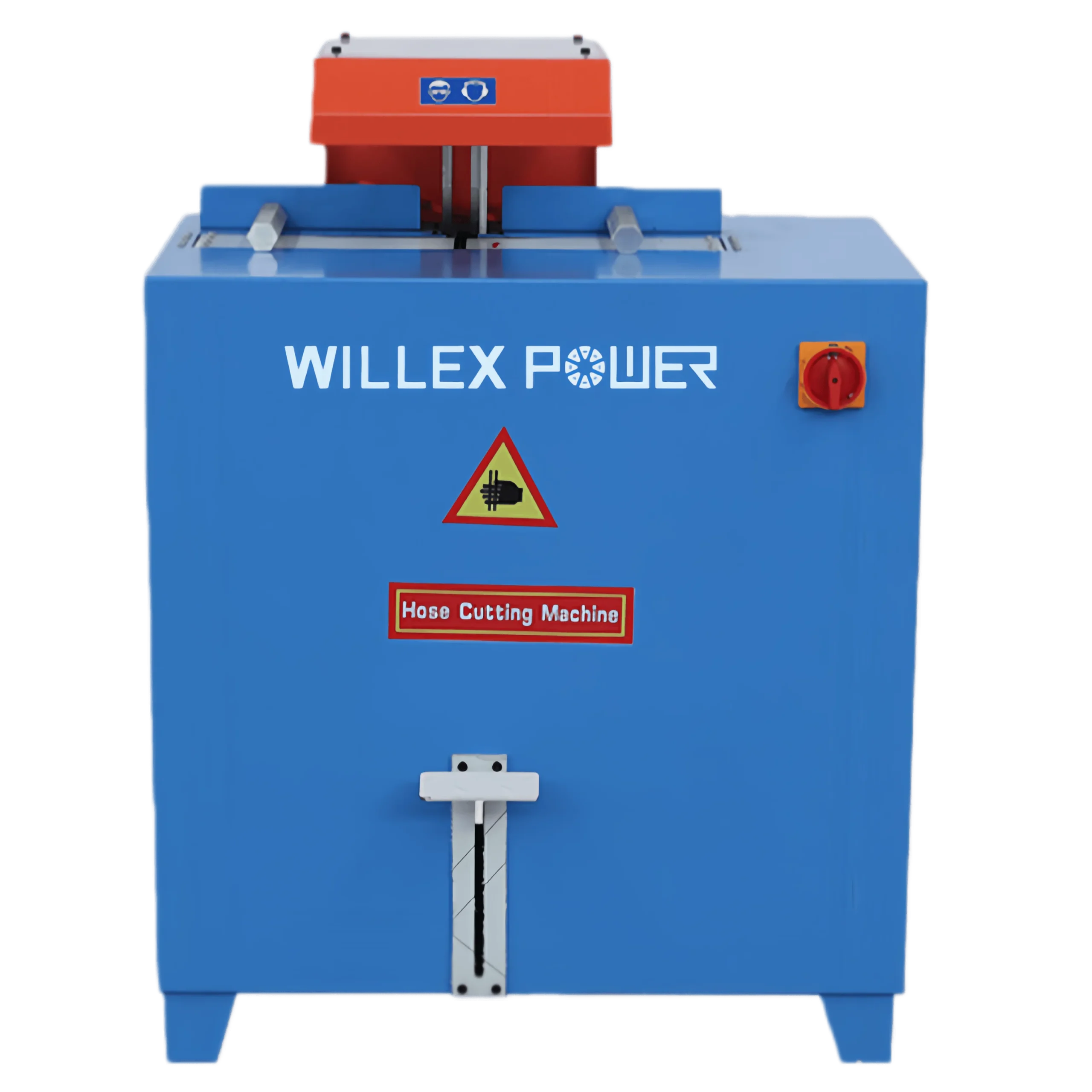
-20260121015753-scaled.webp "Hose Skiving Machine DZW-51BJ-C")
-20260121020311-scaled.webp "Hose Skiving Machine DZW-51BJ-E")