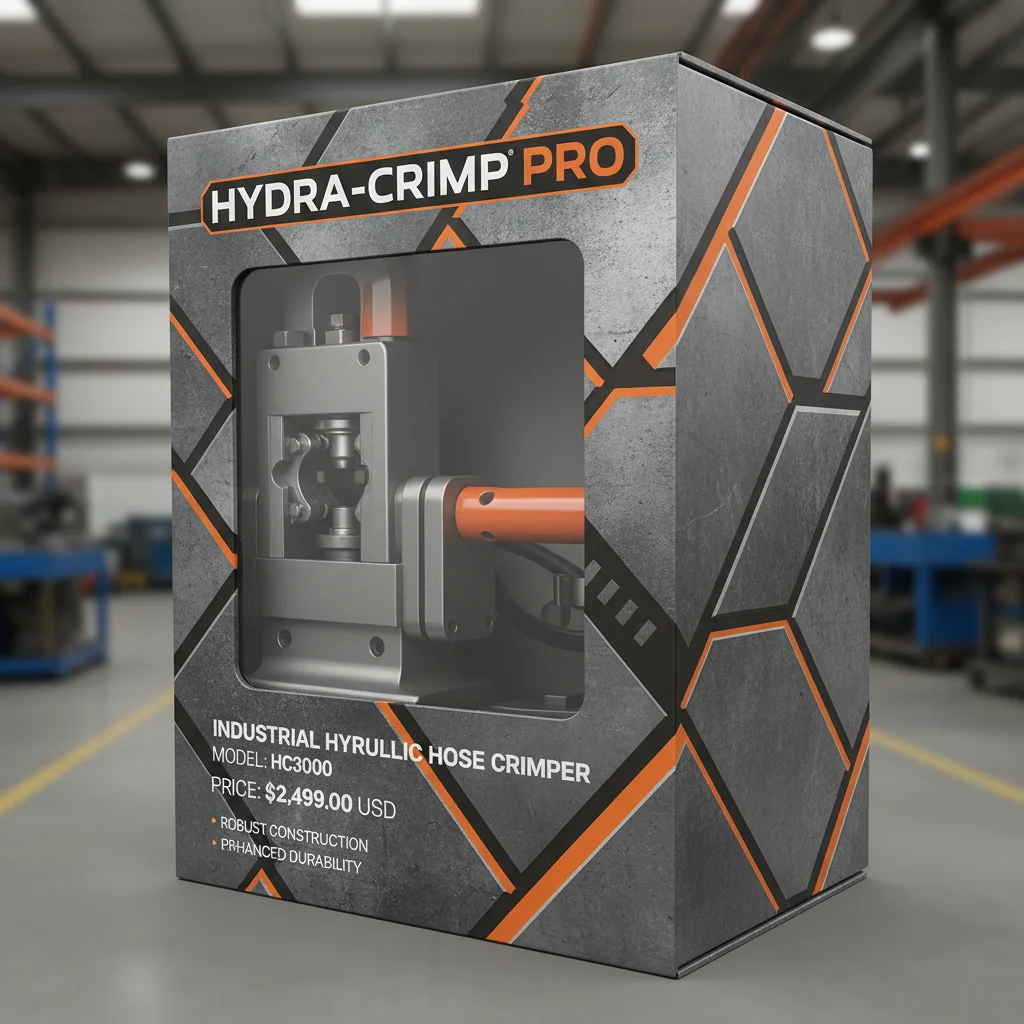
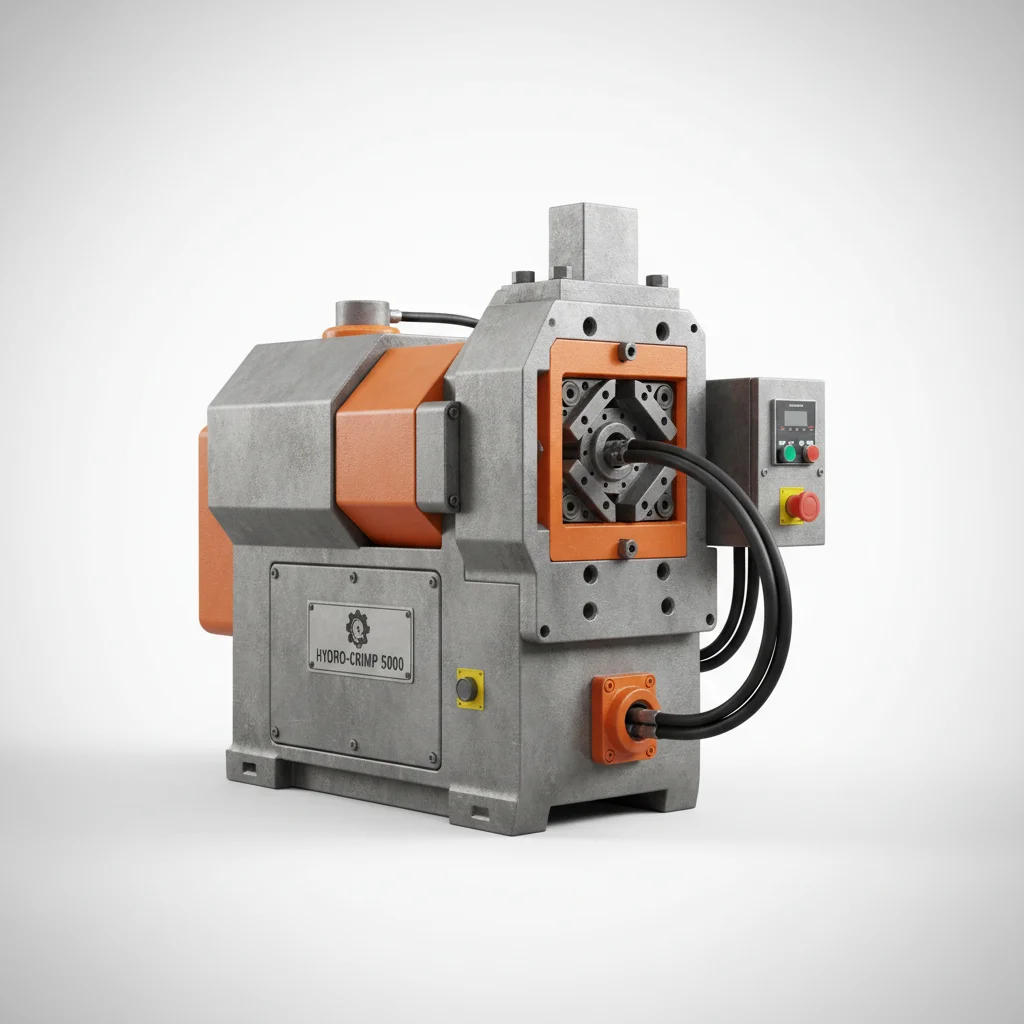
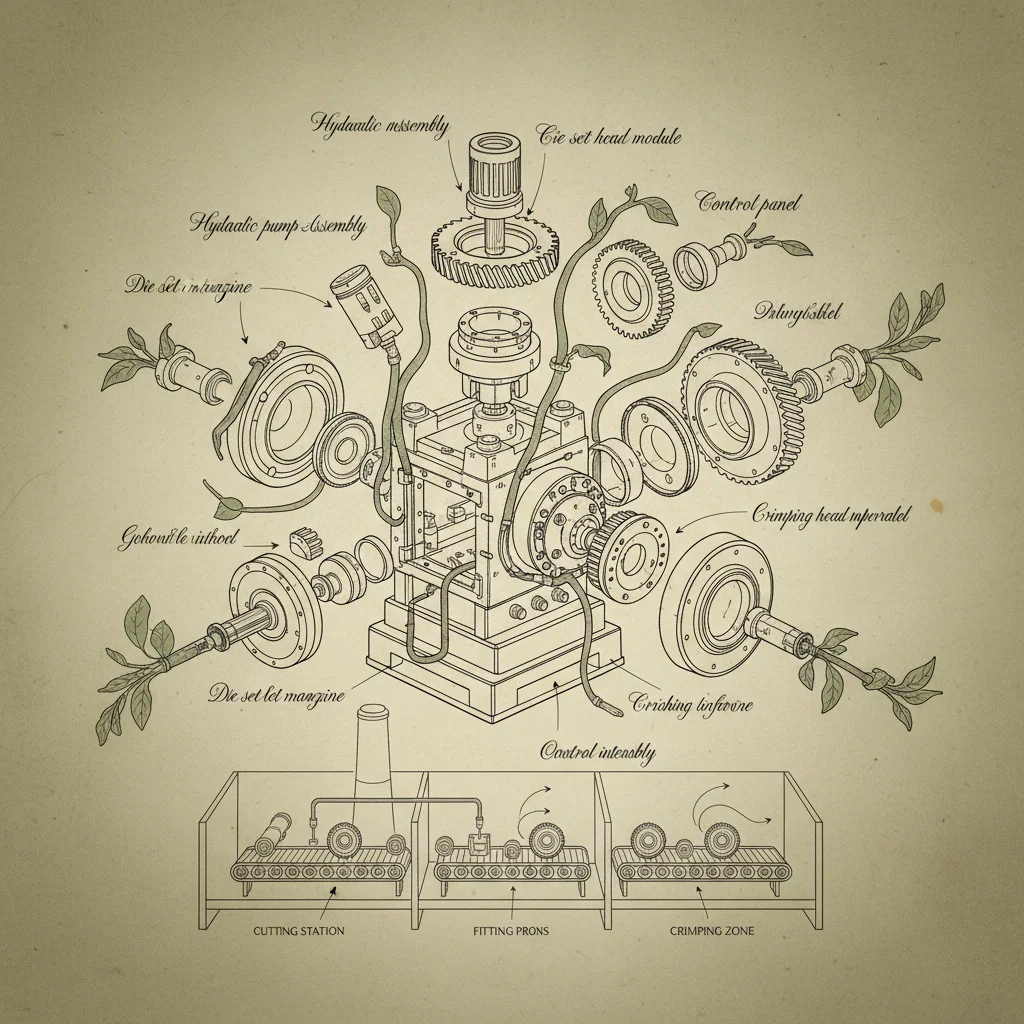
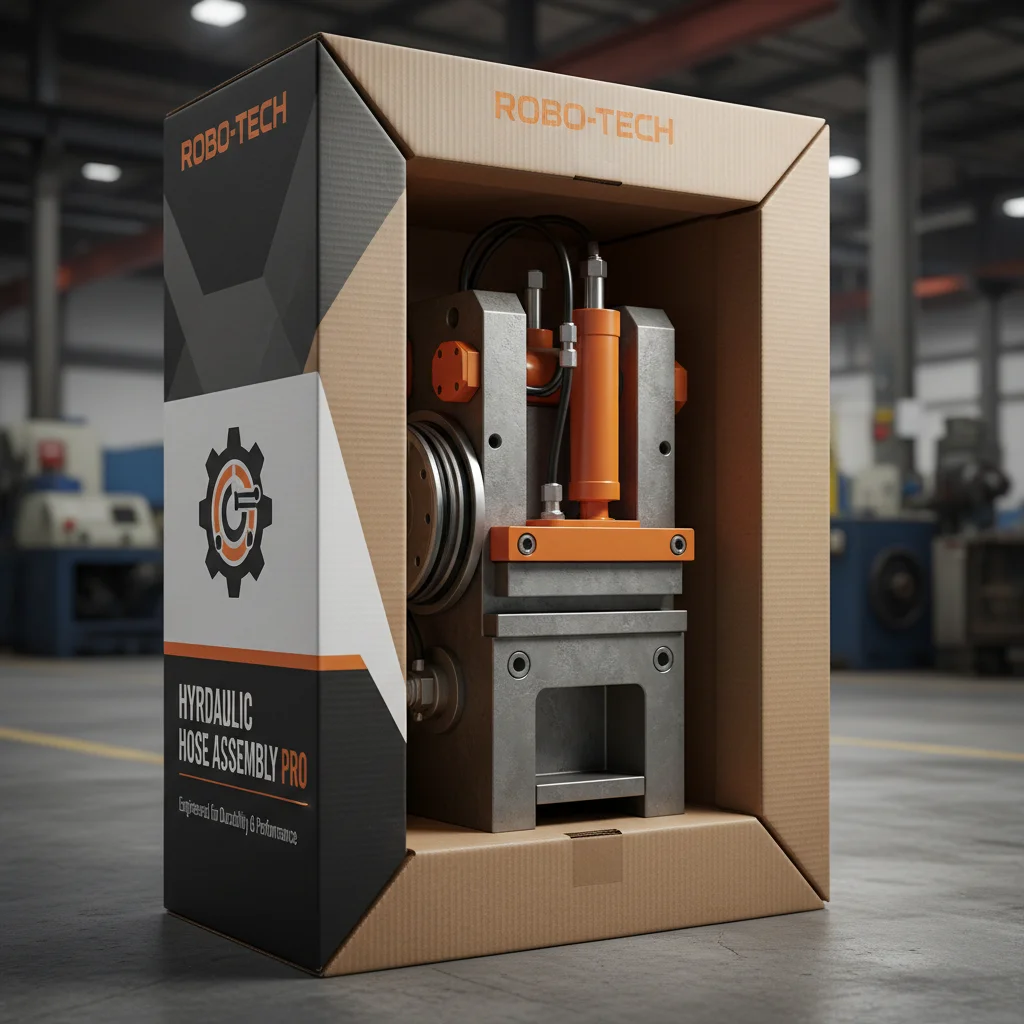
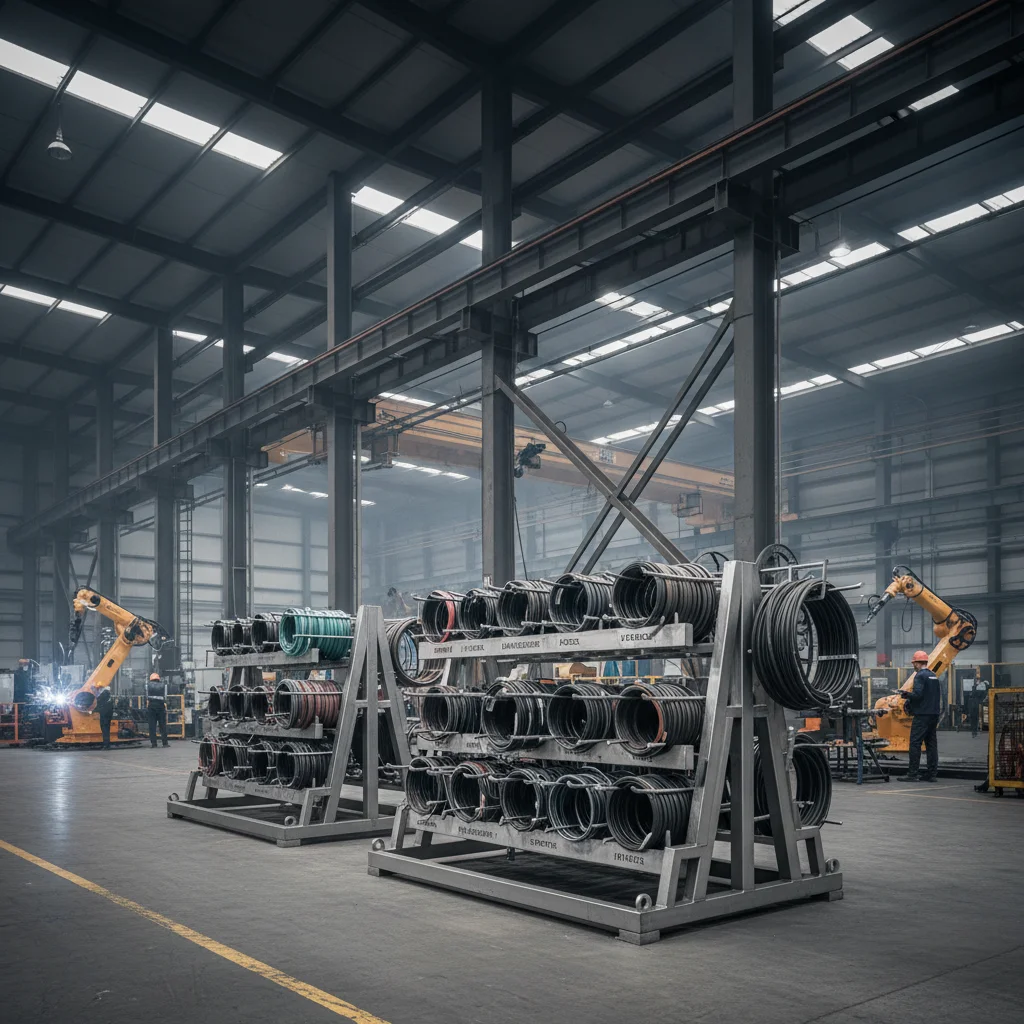
The global demand for robust and reliable fluid conveyance systems drives the importance of the hydraulic hose making machine. These machines are not simply tools; they represent a critical component in numerous industries, from construction and agriculture to manufacturing and automotive. Understanding the nuances of hydraulic hose production, the available technologies, and their potential for improvement is paramount to ensuring operational efficiency, safety, and long-term sustainability. The advancements in hydraulic hose making machine technology are steadily addressing the escalating requirements of modern industrial applications.
The significance of the hydraulic hose making machine extends beyond mere functionality; it is a cornerstone of infrastructure development and maintenance. From powering heavy machinery to facilitating critical processes in manufacturing plants, the availability of high-quality hydraulic hoses is essential. Moreover, innovations in this field are contributing to increased precision, reduced waste, and enhanced environmental responsibility. A reliable hydraulic hose making machine is an investment in the future of numerous sectors.
The benefits of mastering hydraulic hose production are manifold, including reduced reliance on external suppliers, greater control over product quality, and the potential for customized solutions tailored to specific applications. Ultimately, this knowledge empowers businesses to optimize their operations and achieve a competitive edge in a rapidly evolving global landscape.
The Core Principles of hydraulic hose making machine
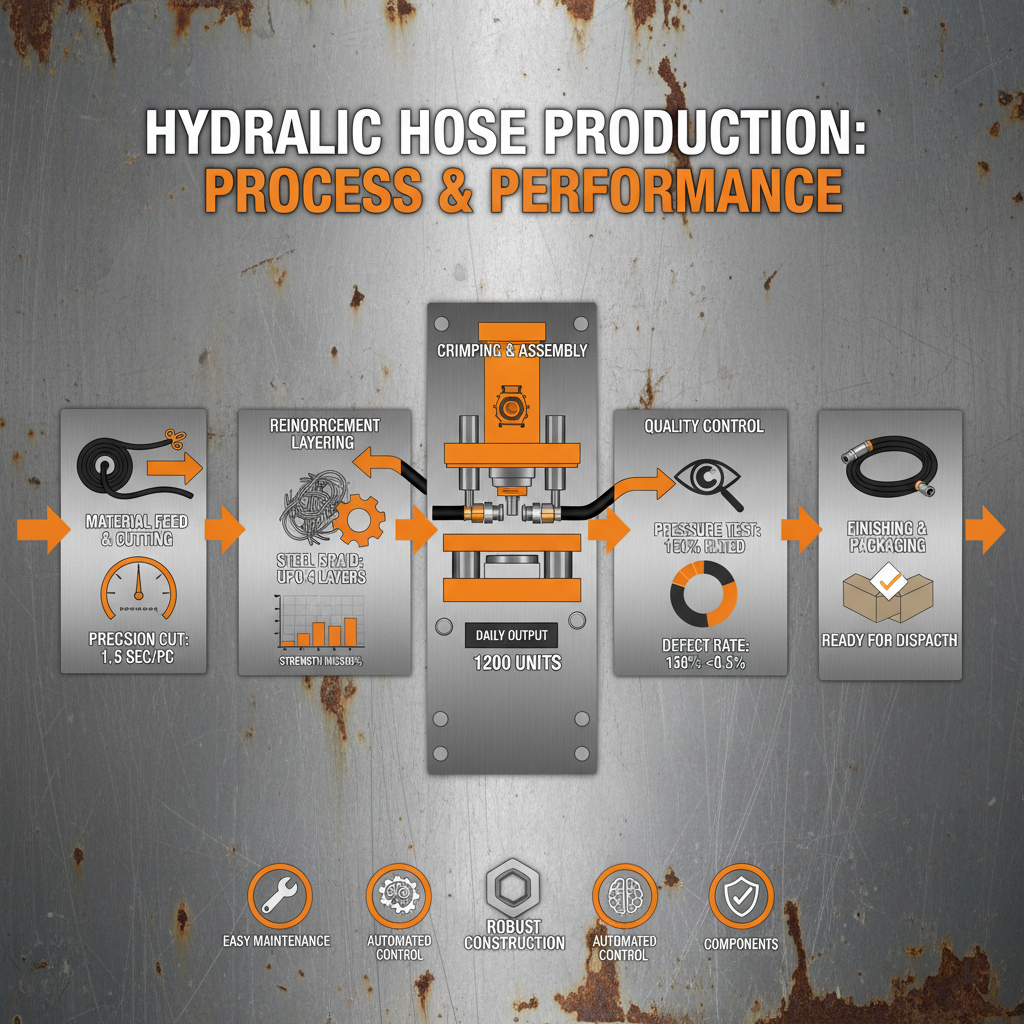
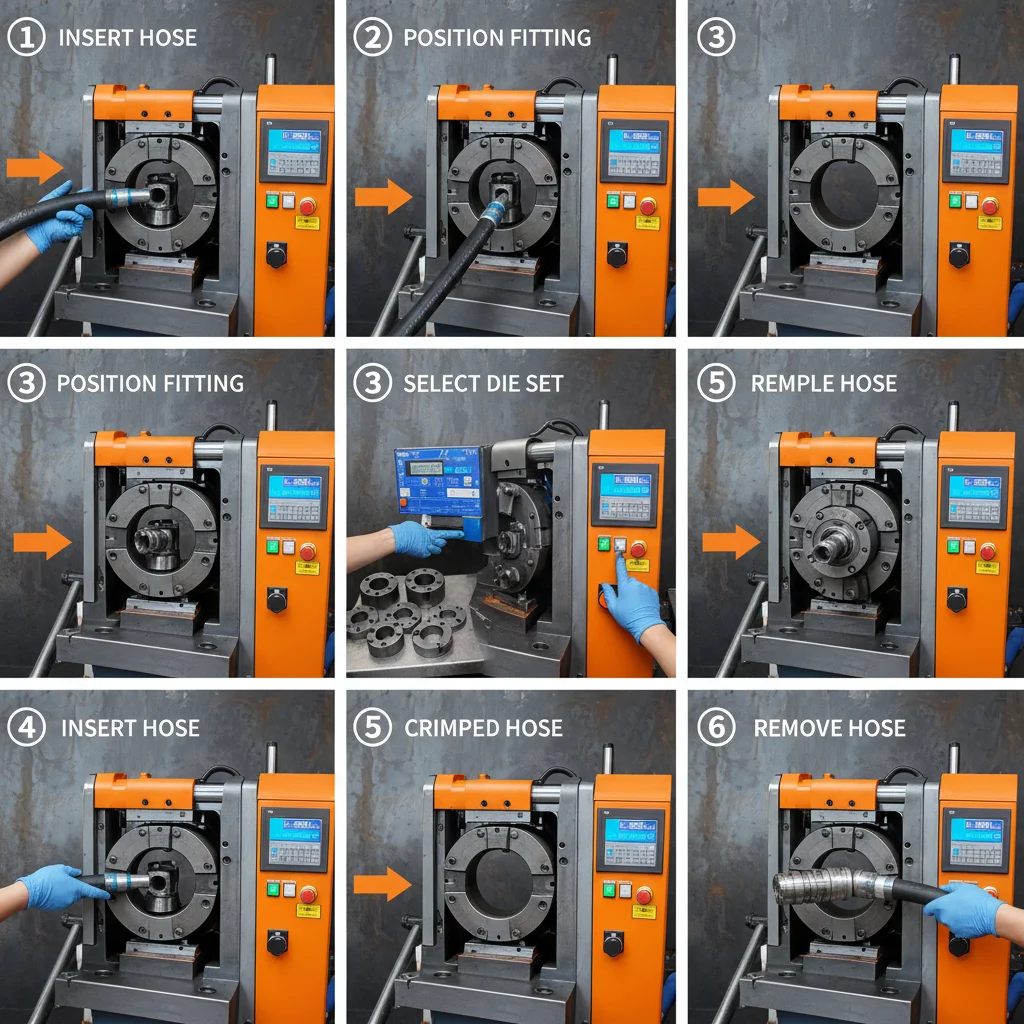
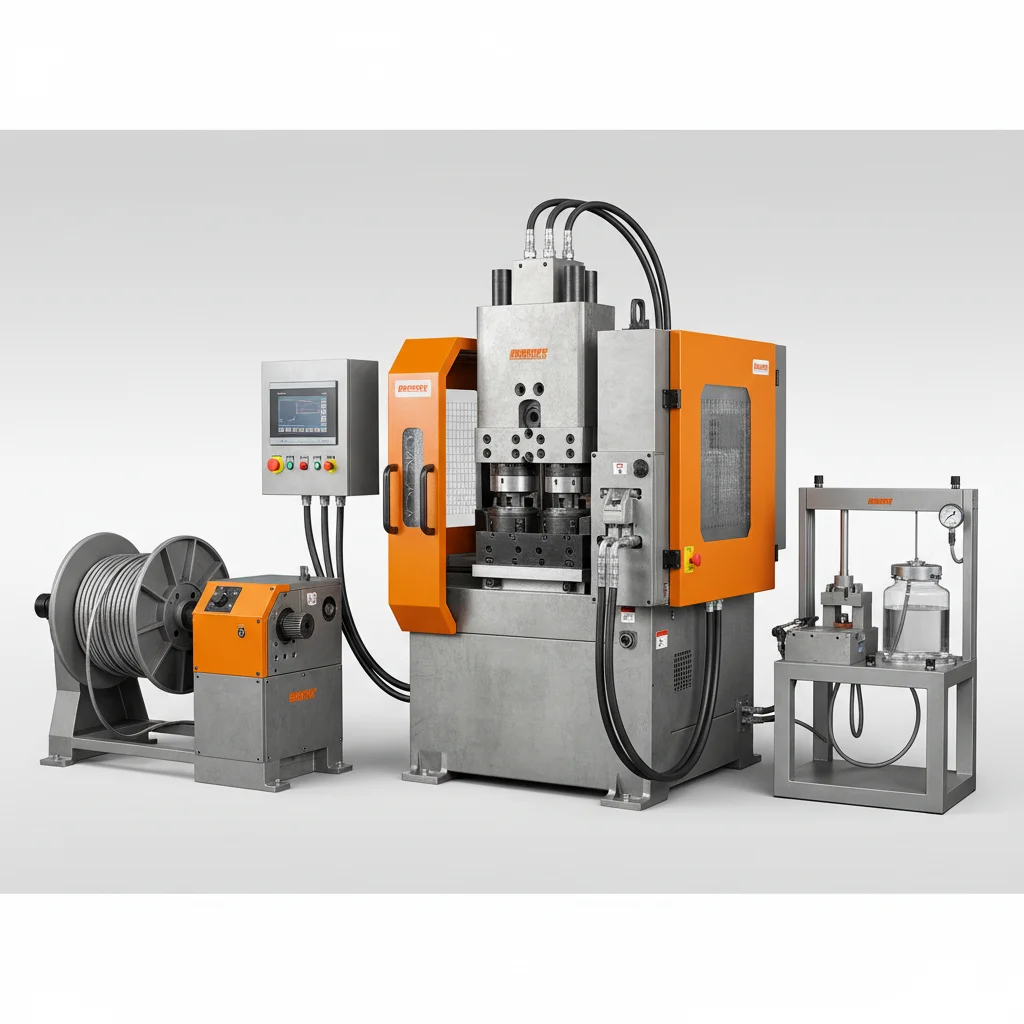
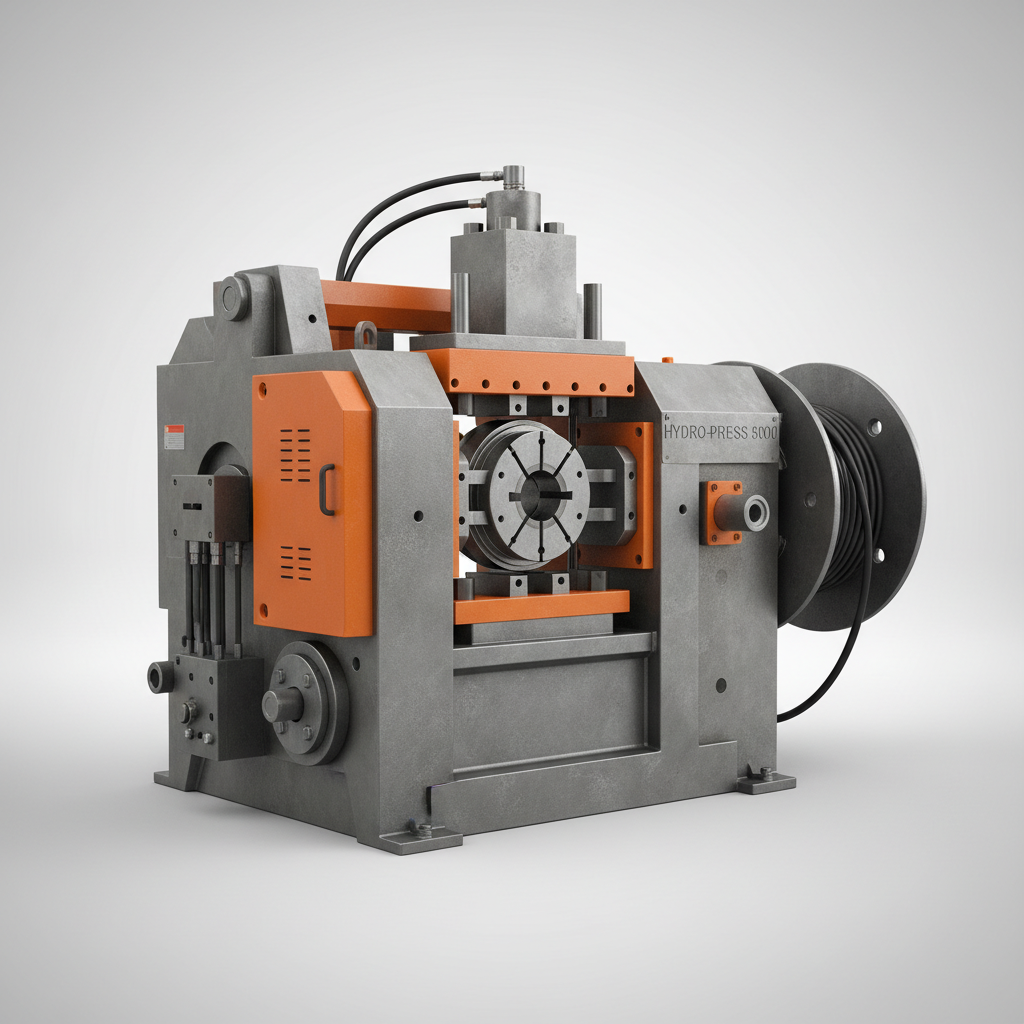
At the heart of every effective hydraulic system lies the integrity of its hoses. A quality hydraulic hose making machine ensures that these critical components are manufactured to exacting standards, providing the necessary strength, flexibility, and resistance to pressure and environmental factors. These machines are designed to layer materials, crimp fittings, and test the final product for leaks and durability, guaranteeing reliable performance.
The core principle revolves around precision and consistency. Modern machines employ advanced control systems, often incorporating PLC technology and servo motors, to deliver repeatable results. This minimizes defects and optimizes production efficiency, allowing manufacturers to meet demanding specifications and maintain a competitive edge in the market.
FAQS
The lifespan of a hydraulic hose produced by a modern hydraulic hose making machine varies significantly depending on operating conditions, fluid compatibility, and proper maintenance. However, with optimal usage and regular inspections, a well-made hose can typically last between 5 to 10 years. Factors such as exposure to extreme temperatures, abrasion, and chemical exposure can shorten this lifespan. Utilizing high quality materials and ensuring proper crimping significantly increase durability.
Automation drastically improves production efficiency by reducing human error, increasing speed, and enabling consistent quality control. Automated machines handle repetitive tasks like hose layering, fitting insertion, and crimping with greater precision and speed than manual processes. This leads to higher output, lower labor costs, and reduced waste. PLC controlled systems also allow for easy adjustments and monitoring of the entire production line.
Essential safety features include emergency stop buttons, safety interlocks on access doors, protective guarding around moving parts, and clear warning labels. The crimping press, in particular, requires robust safety mechanisms to prevent accidental injuries. Modern machines also often incorporate light curtains and pressure sensors to ensure operator safety. Regular safety inspections and operator training are crucial.
Regular maintenance is vital for ensuring the longevity and performance of a hydraulic hose making machine. This includes lubrication of moving parts, inspection and replacement of worn components, calibration of sensors, and cleaning of the machine. Routine preventative maintenance schedules should be implemented to minimize downtime and prevent costly repairs. Proper training for maintenance personnel is also essential.
Typical materials include synthetic rubber (like nitrile or EPDM) for the inner tube, high-tensile steel wire for reinforcement layers, and synthetic fiber braiding for exterior protection. Fittings are typically made from steel or stainless steel. The choice of materials depends on the intended application and fluid compatibility requirements. Newer machines can also work with composite materials for improved performance and reduced weight.
The quality of the hydraulic hose making machine directly impacts the quality of the finished hose. A precise crimping process, reliable layering, and accurate fitting insertion are crucial for creating a leak-proof, durable hose. Machines with poor construction, inaccurate sensors, or inconsistent performance will inevitably produce hoses with defects. Investing in a high-quality machine ensures consistent output and minimizes the risk of failure.
Conclusion
In summary, the hydraulic hose making machine represents a cornerstone of modern industrial fluid power. Its role in ensuring the reliable and efficient transmission of hydraulic energy across numerous sectors – from construction and agriculture to manufacturing and automotive – is undeniable. Understanding the core principles, global trends, and future innovations surrounding this technology is vital for businesses seeking to optimize their operations and achieve a competitive edge. The investment in quality equipment and skilled personnel is paramount to success.
Looking ahead, the continued advancement of automation, the integration of smart technologies, and a growing emphasis on sustainability will shape the future of hydraulic hose production. By embracing these trends and prioritizing quality, manufacturers can unlock new levels of efficiency, reliability, and environmental responsibility. To learn more about cutting-edge hydraulic hose making machine solutions, visit our website today!
Related Posts