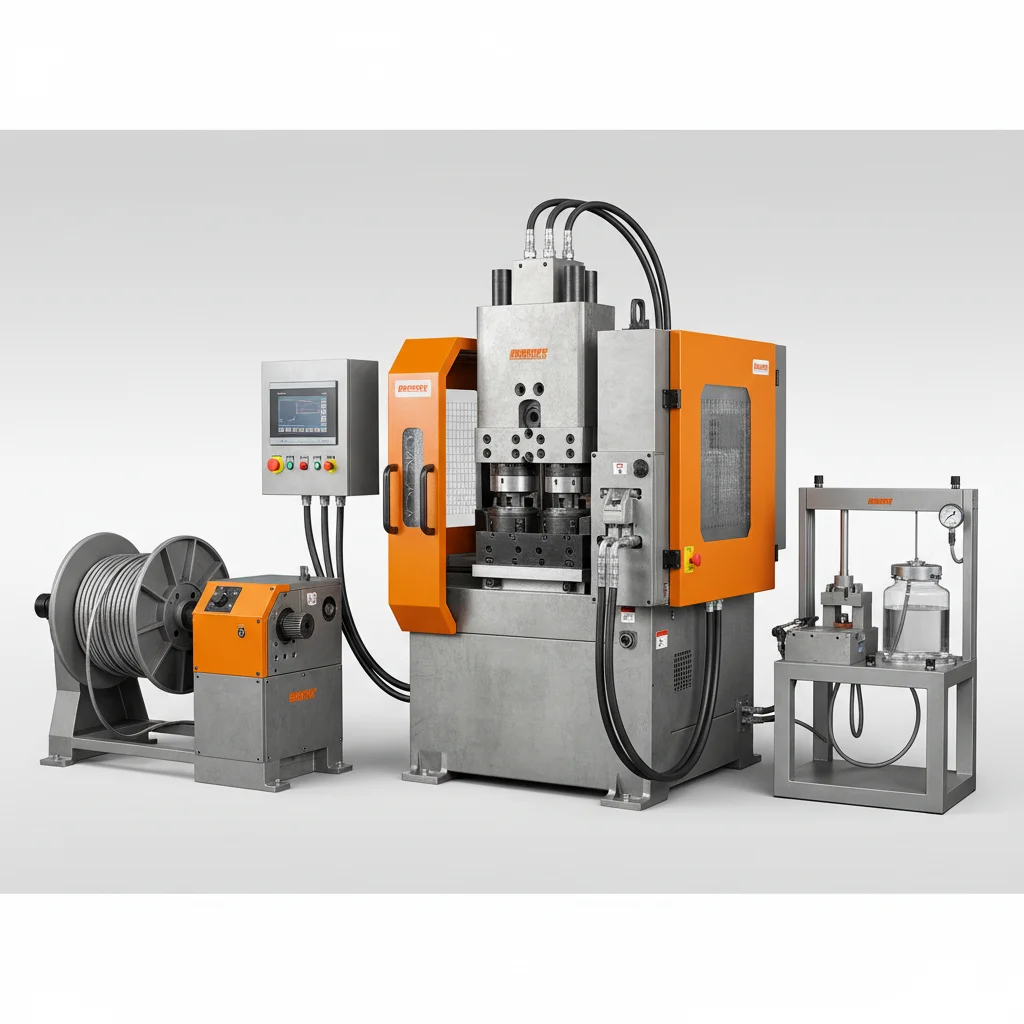
Look, the hydraulic hose crimper factory business…it's been a whirlwind lately. Everyone's chasing automation, bigger capacity, faster changeovers. To be honest, it's a bit exhausting keeping up. But you gotta, right? Otherwise, you're left behind. It's not about fancy features anymore, it's about reliability and getting the job done quickly on site.
I've been seeing a lot of designs that look great on paper, but fall apart the minute you try to use them in a real-world shop. You know, designers who've never actually touched a hose, let alone crimped one. Have you noticed that? It’s always the same—overcomplicated mechanisms, hard-to-reach adjustment points…they think they’re being innovative, but they’re just making things harder for the guy who actually has to use it.
And the demand… it's relentless. Construction, oil and gas, even agriculture. They all need reliable hoses, and they need them crimped right.
The Evolving Landscape of hydraulic hose crimper factory
Strangely, a lot of the newer machines are using more plastics than ever before. I guess it’s a cost thing, and weight, but honestly, I prefer the feel of a solid steel frame. It just feels more durable, you know? We're also seeing a big push for variable speed controls and auto-adjustment features. They’re nice to have, sure, but half the guys I’ve talked to just leave them on auto and forget about them. They want something simple and dependable.
The biggest trend, though, is definitely portability. Guys need to be able to move these things around job sites, into tight spaces, even onto trucks. So, smaller footprint, lighter weight, that’s where the demand is. It's also why we're seeing more battery-powered options, even if they don’t quite have the same power as the pneumatic ones.
Common Design Pitfalls in hydraulic hose crimper factory
I encountered this at a factory in Ningbo last time, they had a new crimper with this fancy quick-change die system. Sounded great on paper. But the dies were flimsy, and the locking mechanism was a pain to operate with gloves on. The guys were constantly dropping them. Honestly, it was a disaster. Anyway, I think it’s a classic example of overthinking things.
Another one is accessibility. Some of these machines are designed with everything tucked away inside, making maintenance a nightmare. You need to be a contortionist to get to the parts that need greasing or adjusting. And don’t even get me started on the machines that require specialized tools for basic tasks.
Also, they need to think about the hose material. Different hoses require different crimp specs, and a machine that’s only optimized for one type of hose is just asking for trouble. You need versatility.
Material Science and On-Site Handling of hydraulic hose crimper factory
The steel they use for the dies, that’s the important part. Has to be hardened, obviously, but also impact-resistant. You want a die that can withstand constant use without chipping or cracking. You can tell a good die just by the weight and feel of it. It’s got a certain… solidity. The smell, too – good steel has a distinct smell when it’s machined.
And the hoses themselves… it’s not just rubber anymore. You’ve got synthetic rubber, thermoplastic, even composite materials. Each one has its own properties, its own quirks. The synthetics tend to be more resistant to oil and chemicals, but they can be harder to crimp consistently. You have to be careful with the thermoplastic, it gets slippery when it heats up.
Handling them, well, that's where experience comes in. You learn to feel for kinks, for weak spots. A good hose feels…smooth and pliable. A bad hose feels stiff and brittle. Simple as that.
Real-World Testing Protocols for hydraulic hose crimper factory
Forget the lab tests. Those are fine for basic quality control, but they don’t tell you how a crimper will perform in the real world. I’ve seen machines pass all the lab tests and still fall apart after a week on a construction site. What matters is pressure testing with the actual hoses that customers are using, under realistic conditions. We typically pressure test to 1.5 times the working pressure, and hold it for at least 5 minutes.
We also do a lot of cycle testing – crimping and uncrimping hoses repeatedly, just to see how long the dies last and how the machine holds up. And we deliberately abuse the machines a little bit – drop a wrench on it, spill some oil, expose it to dust and dirt. You gotta simulate the conditions it’s going to face on the job site.
Hydraulic Hose Crimper Factory Performance Metrics
User Behavior and Unexpected Applications of hydraulic hose crimper factory
You'd be surprised how people use these things. One guy was using it to crimp metal sleeves onto cables for his… well, let’s just say it wasn’t hydraulic hoses. Another one was using it to flatten scrap metal for recycling. They find all sorts of uses for them that we never even considered.
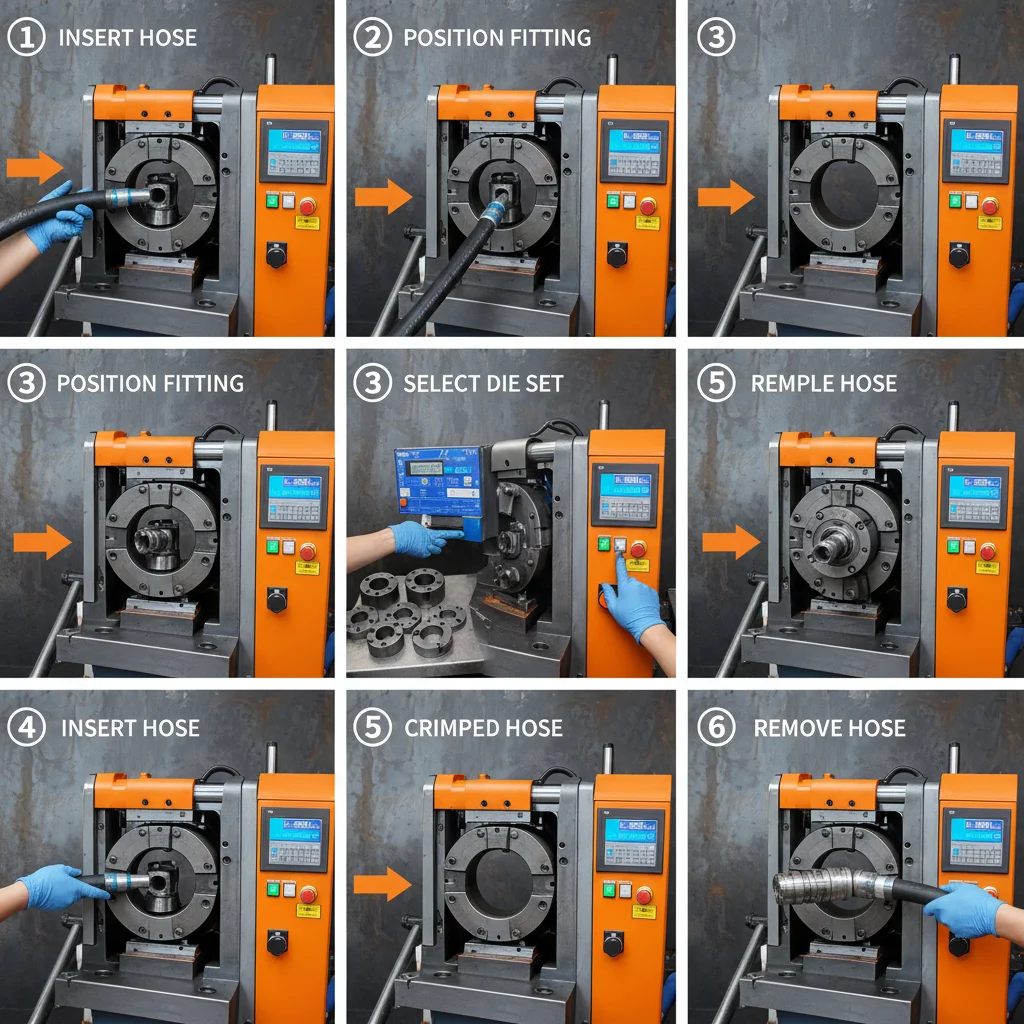
And the biggest misconception is that everyone knows how to use them properly. They don't. A lot of guys just crank it down until it feels tight, which is a recipe for disaster. You need to use the right dies, the right pressure, and follow the manufacturer’s instructions. It sounds obvious, but…
Advantages and Disadvantages: A Practical Perspective on hydraulic hose crimper factory
The advantage? Reliability. A good crimper will save you time, money, and headaches in the long run. A properly crimped hose is a safe hose. It prevents leaks, prevents failures, and keeps people from getting hurt. That’s the biggest win.
But, let's be real, they're not perfect. They can be expensive, they require maintenance, and they can be a pain to transport. And some of the newer machines are just too complicated for their own good. They add features nobody needs, and they make the machine harder to operate and maintain.
Honestly, the biggest downside is finding qualified technicians to repair them when they break down. It's a dying trade, and a lot of guys just don’t have the skills to diagnose and fix these machines properly.
Customization Options and Practical Implementation of hydraulic hose crimper factory
We do a lot of customization. Last month, that small boss in Shenzhen who makes smart home devices insisted on changing the interface to . I said, "Dude, nobody's going to use a crimper," but he wouldn’t listen. He wanted it to match his other equipment. Turns out, it didn’t really make a difference. It just added another point of failure. Later… forget it, I won’t mention it.
More seriously, we can modify the die sets to handle different hose sizes and materials. We can add custom control panels with specific programming for certain applications. We can even build completely custom machines to meet unique customer needs. We also offer different power options – pneumatic, hydraulic, electric.
The key is to listen to the customer, understand their specific requirements, and design a solution that actually solves their problem. It’s not about selling them the fanciest machine, it’s about giving them the tool they need to get the job done.
Summary of Key Considerations for hydraulic hose crimper factory Customization
| Application Area |
Customization Level |
Estimated Cost Impact |
Lead Time (Weeks) |
| Automotive Repair |
Die Set Variety |
Low (5-10%) |
2-4 |
| Oil & Gas Industry |
High-Pressure Capability |
Medium (20-30%) |
6-8 |
| Construction Equipment |
Portability Enhancement |
Low (10-15%) |
4-6 |
| Agricultural Machinery |
Corrosion Resistance |
Medium (15-25%) |
5-7 |
| Industrial Manufacturing |
Automated Control System |
High (30-50%) |
8-12 |
| Specialty Hose Assembly |
Custom Die Geometry |
Very High (50%+) |
10+ |
FAQS
Regular lubrication of moving parts is key – especially the ram and die components. Check the seals and hoses for leaks frequently. Keep it clean, dust-free and properly sheltered from the elements. Overlooking this leads to premature wear, and costly repairs. It's a bit like your truck, treat it well, and it'll treat you well.
Matching the die set to the hose diameter and material is crucial. Using the wrong size will result in a weak or damaged crimp. Consult the hose manufacturer’s specifications. If in doubt, a smaller die is generally better than a larger one. We always recommend keeping a few different sizes on hand.
Manual crimpers are cheaper and good for low-volume work. They require more physical effort. Automatic crimpers offer speed, precision and repeatability, ideal for high-volume production, but come with a higher price tag and require electricity/compressed air. They also need maintenance and some know-how.
It depends on usage. Heavy use will wear them down faster. Check for cracks, chips, or deformation. If you notice any damage, replace them immediately. A worn die will produce inconsistent crimps and potentially lead to hose failure. Think of it like your tires – they wear out, and you need to replace them for safety.
Absolutely. Always wear safety glasses, gloves and appropriate footwear. Ensure the machine is properly grounded. Keep hands and body parts clear of the moving parts. Follow the manufacturer’s safety instructions. A crimper is a powerful machine, and can cause serious injury if used incorrectly.
Yes, but you’ll need the correct dies and settings. Different hose materials require different crimp pressures and die shapes. Rubber, thermoplastic, composite – they all behave differently. Consult the hose manufacturer's specifications for the recommended crimp settings. Don’t just guess!
Conclusion
So, there you have it. The hydraulic hose crimper factory world isn’t glamorous, but it’s essential. It’s about providing reliable tools that help people get their jobs done safely and efficiently. It’s about understanding the materials, the applications, and the needs of the end-user. It's a blend of precision engineering and rough-and-tumble practicality.
Ultimately, whether this thing works or not, the worker will know the moment he tightens the screw. That's what matters. We build these machines for them, and we have to make sure they’re up to the task. If you're looking for a hydraulic hose crimper factory, check out Willex Crimper - they know their stuff.