Look, hydraulic hose crimper suppliers… it’s a world most folks don't think about, right? But believe me, after years on sites, you start to notice things. It’s not just about making hoses; it's about keeping everything running, especially when a tiny leak can shut down a whole operation. There’s a real shift happening now, moving beyond just ‘strong enough’ to thinking about efficiency, speed, and frankly, making the operator’s life easier. It's a lot bigger than just hoses these days.
To be honest, the demand is crazy. Everything from construction to agriculture, oil and gas... they all need reliable hydraulic systems. And if the hoses fail? Well, things get expensive, fast. The global market is huge - I saw a report from UN Comtrade last year showing massive growth in demand from emerging economies. It's not just about volume either; it's about meeting stricter safety standards and environmental regulations.
Have you noticed how everything is becoming more specialized? We’re not just talking about standard hydraulic hoses anymore. There's a whole world of high-pressure, high-temperature, chemical-resistant hoses out there. It's a real headache to keep up with, but it's essential. That’s why finding the right hydraulic hose crimper suppliers is crucial.
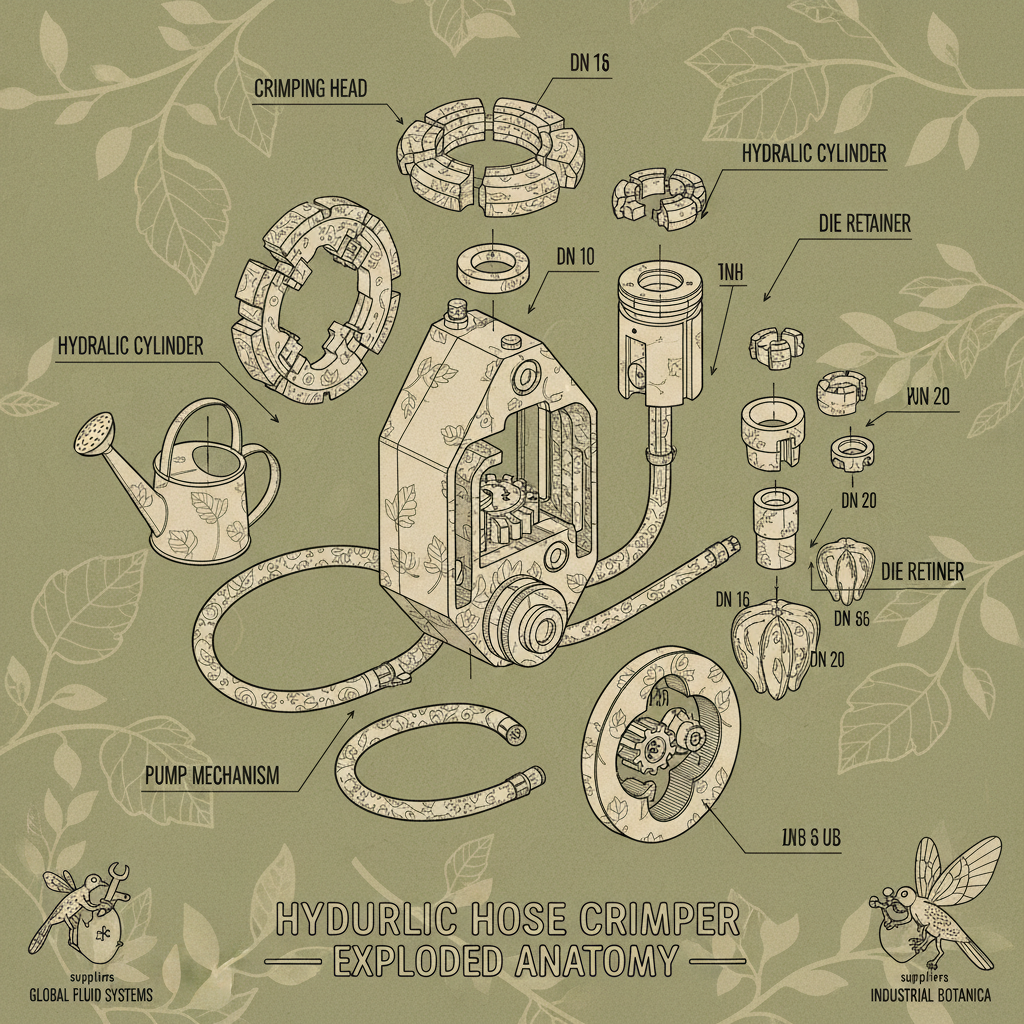
The Current Landscape of hydraulic hose crimper suppliers
Strangely enough, the market is getting really fragmented. You've got the big names, obviously, but there's a ton of smaller, regional suppliers popping up, especially in Asia. I encountered this at a factory in Jiangsu province last time – they were pumping out crimpers at a fraction of the cost, but the QC… well, let’s just say I wouldn’t bet my life on it. It’s all about finding that balance between price and reliability, right?
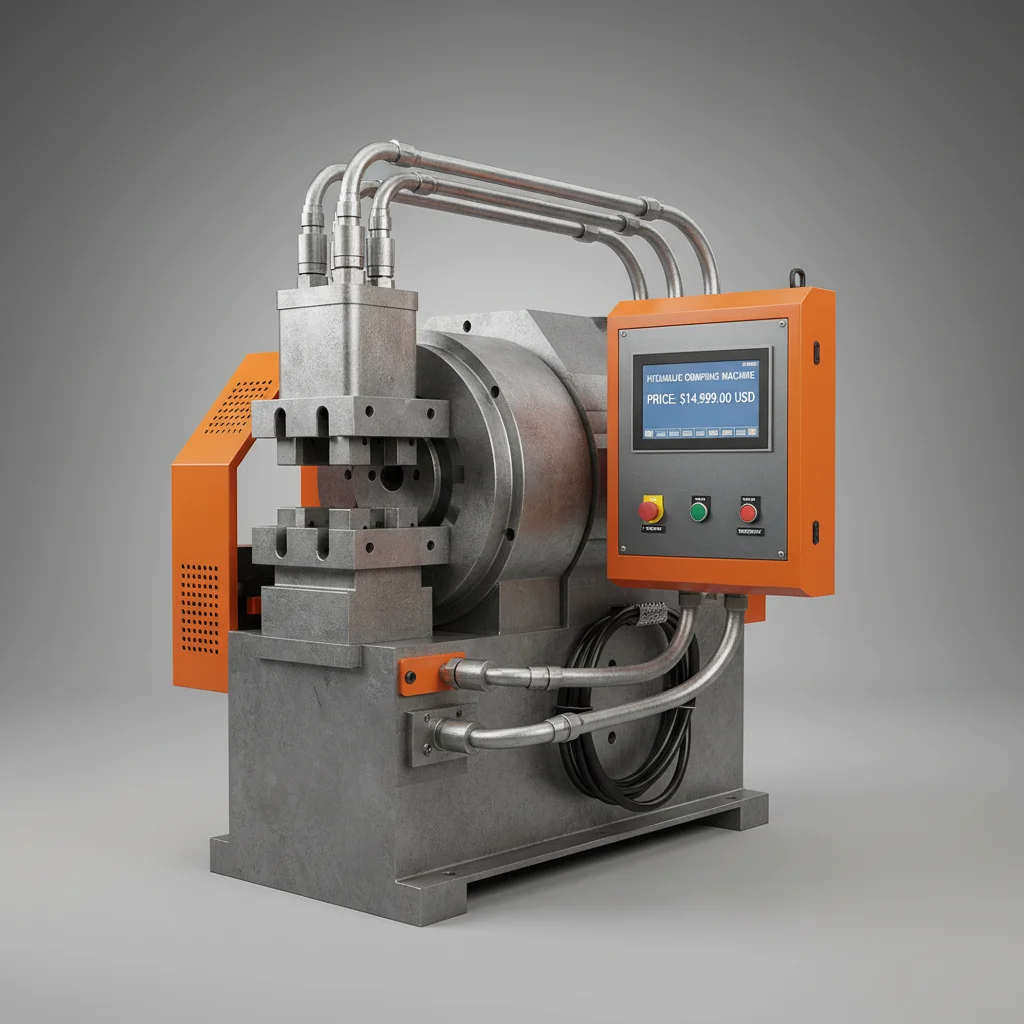
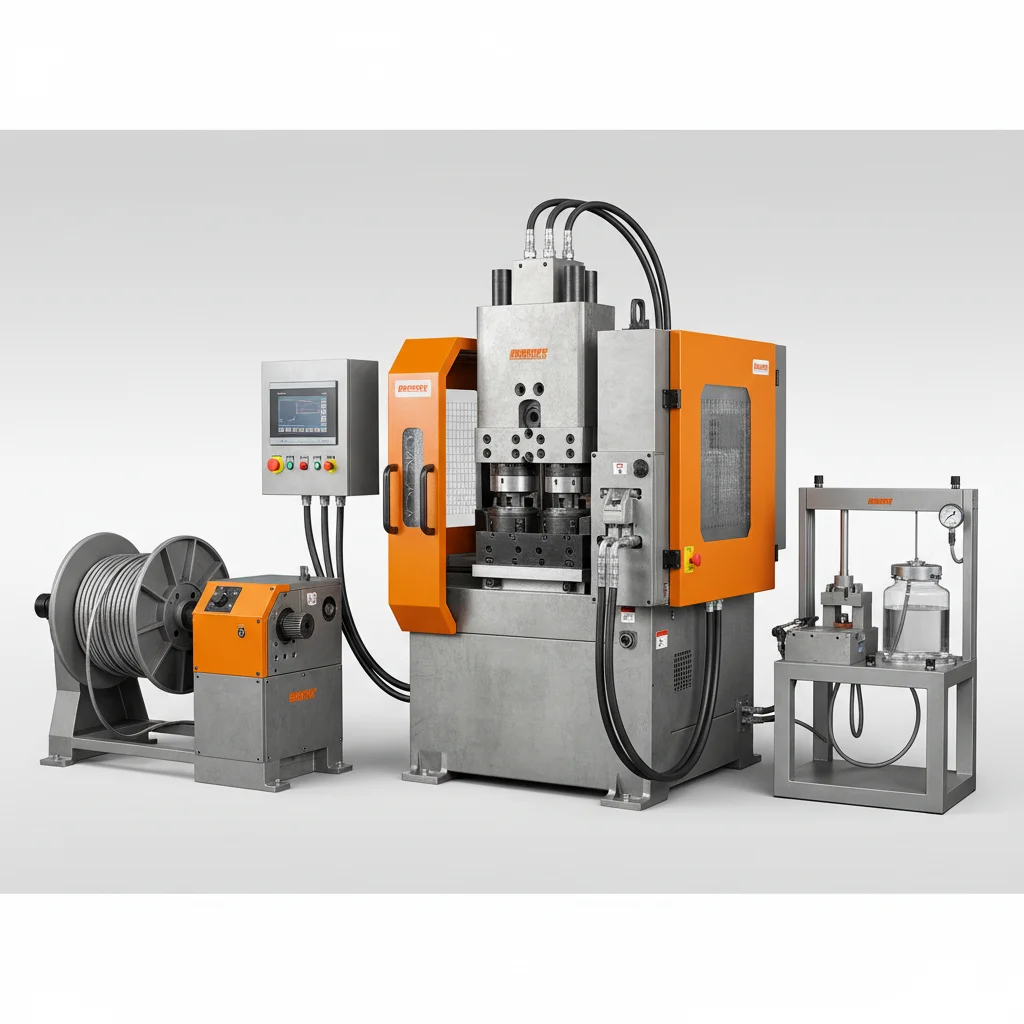
Anyway, I think the biggest trend is the move towards automated crimping solutions. More and more companies are looking for systems that can handle high volumes with minimal operator intervention. It’s not just about speed; it’s about consistency and reducing the risk of human error. That's where good hydraulic hose crimper suppliers come into play.
Defining Quality and Reliability in Suppliers
Look, “quality” is a buzzword, I know. But when it comes to crimpers, it's not just about how shiny they are. It’s about the materials they use – the steel, the hydraulics, even the seals. The steel has to be high-grade, properly heat-treated. You can smell the difference, honestly. The hydraulics need to be smooth, responsive, and built to withstand constant use. And the seals? Those are critical. A bad seal means leaks, downtime, and a whole lot of frustration.
Reliability… that’s about consistency. Can the supplier deliver the same quality crimp, day in and day out? Do they have a robust quality control process? Do they stand behind their products? That last one is huge. A good supplier will offer warranties, provide technical support, and be willing to address any issues that arise.
I’ve seen too many machines made with cheap components. They might work for a few weeks, maybe a month, but then they start to fall apart. It’s not worth it in the long run. You pay a little more upfront for quality, and you save a lot of money on repairs and downtime later.
Key Considerations When Selecting a Supplier
To be honest, the biggest pitfall is focusing solely on price. You get what you pay for, plain and simple. But beyond that, you need to consider things like lead times, customization options, and after-sales service. I mean, what good is a crimper if you can’t get spare parts when you need them?
Another thing that often gets overlooked is the supplier’s technical expertise. Do they actually understand hydraulic systems and crimping technology? Can they provide guidance on selecting the right dies and settings for different hose types? A good supplier should be a partner, not just a vendor. They should be able to help you optimize your crimping process and avoid costly mistakes.
Don’t be afraid to ask for references. Talk to other companies that have used the supplier’s products. What was their experience like? Would they recommend the supplier? That kind of feedback is invaluable. And always, always visit their factory if possible. See the operation for yourself.
Performance Metrics and Testing Standards
Have you noticed how much testing is involved these days? It’s not just about slapping a hose on and hoping for the best. There are specific standards that suppliers need to meet, like ISO 3186 for crimped hose assemblies. I’ve seen places where they just eyeball the crimp, and it’s terrifying!
I’m talking about burst pressure testing, impulse testing, and fatigue testing. They need to simulate real-world conditions and push the hoses to their limits. And it’s not just the hoses themselves that need to be tested; the crimping process itself needs to be validated. They should be checking the crimp diameter, the crimp height, and the overall integrity of the assembly.
Crimping Performance Metrics
Global Applications & Industry Impact
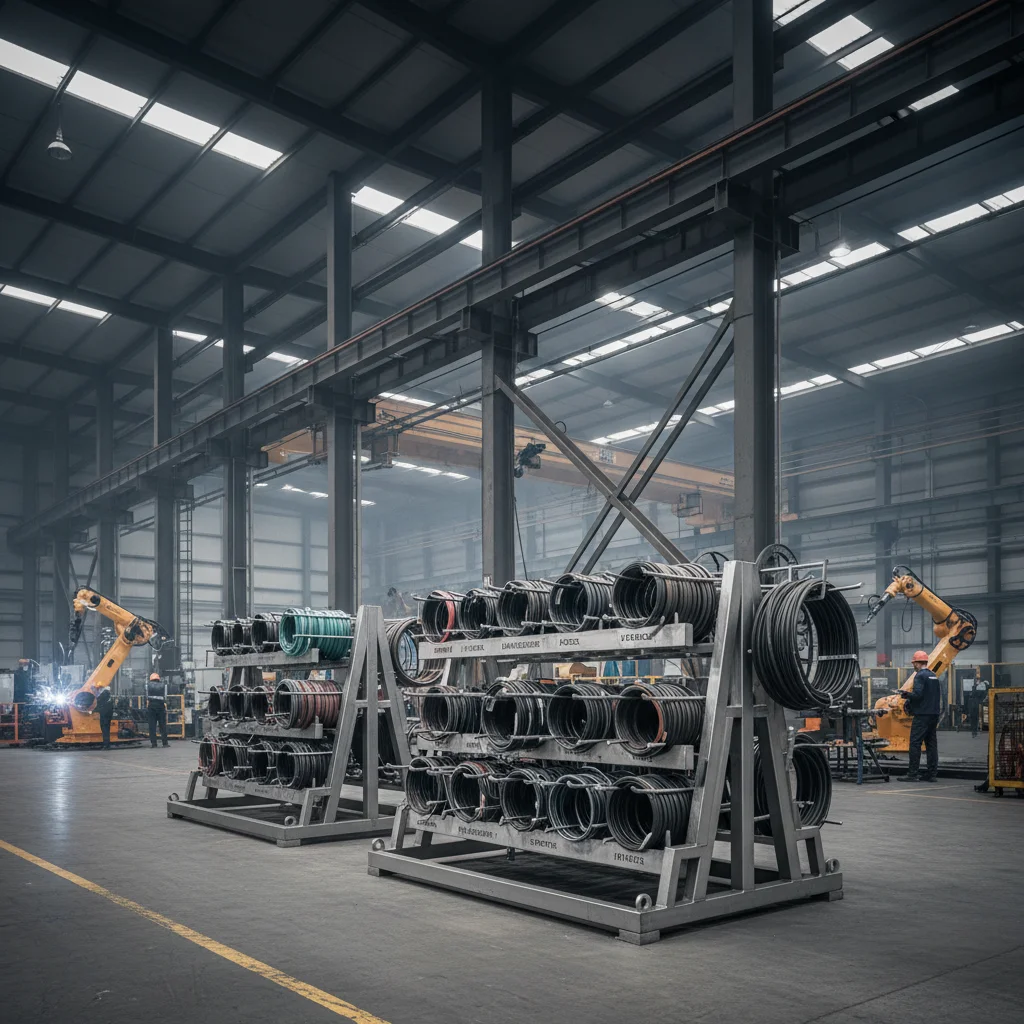
It's everywhere. Construction, obviously. But think about agriculture – irrigation systems, sprayers, harvesting equipment. Oil and gas – offshore platforms, pipelines, drilling rigs. Mining, forestry, even the military… they all rely on hydraulic systems and, therefore, good crimpers. I saw a huge demand for specialized crimpers in the renewable energy sector last year, specifically for wind turbine maintenance.
In post-disaster relief operations, reliable hydraulic equipment is critical for clearing debris, restoring power, and providing essential services. And strangely enough, even in the food and beverage industry, hydraulic systems are used in processing and packaging equipment. It's a lot more widespread than people realize.
Long-Term Value and Cost Analysis
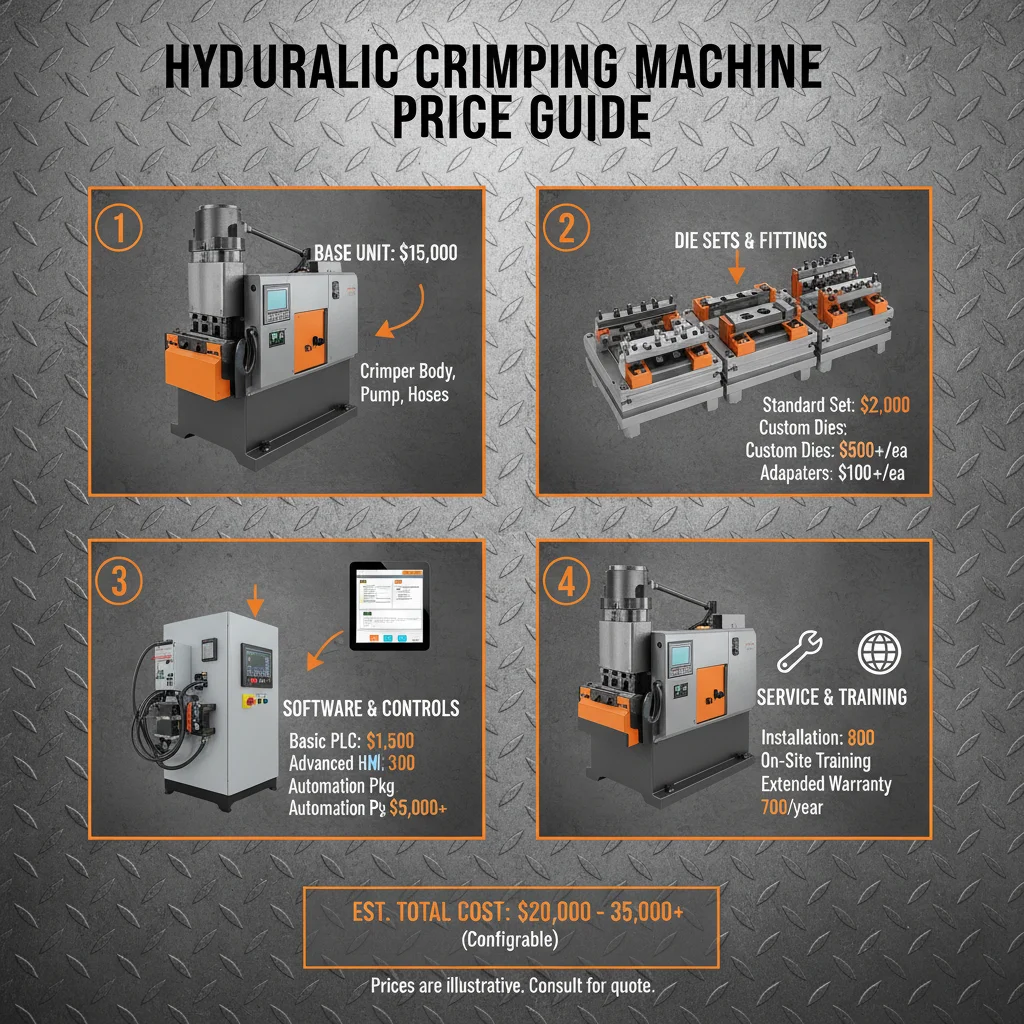
Anyway, I think the biggest mistake companies make is looking at the upfront cost only. You need to factor in the total cost of ownership – maintenance, repairs, downtime, replacement parts. A cheap crimper might save you money initially, but it could end up costing you a fortune in the long run.
And don't underestimate the value of a reliable supplier. A good supplier will provide technical support, training, and ongoing assistance. They'll help you optimize your crimping process and avoid costly mistakes. That’s worth a lot. That said, sometimes, you do just need a workhorse. Something simple, durable, and easy to repair.
Choosing a hydraulic hose crimper suppliers is an investment in your operation. It’s about ensuring safety, reliability, and long-term profitability.
Future Trends and Innovation in Crimping Technology
To be honest, I’m seeing a lot of interest in electric crimpers. They’re quieter, cleaner, and more energy-efficient than traditional hydraulic crimpers. But they’re not quite there yet in terms of power and reliability. The battery technology needs to improve.
There's also a push for more automation and integration with data analytics. Imagine a crimper that can automatically adjust its settings based on the type of hose and the crimp requirements. Or one that can track crimp data and identify potential problems before they occur.
And with the increasing focus on sustainability, I think we’ll see more suppliers using eco-friendly materials and manufacturing processes. It’s a good trend, but it also adds complexity and cost.
Analysis of Key Factors Influencing Hydraulic Hose Crimper Selection
| Crimper Type |
Application Suitability |
Maintenance Complexity |
Initial Investment Cost |
| Manual Hydraulic Crimper |
Low-volume, portable applications |
Low - Simple mechanical components |
$500 - $1,500 |
| Electro-Hydraulic Crimper |
Medium-volume, workshop environments |
Medium - Electrical system adds complexity |
$2,000 - $5,000 |
| Fully Automatic Crimper |
High-volume, industrial production |
High - Complex controls & diagnostics |
$8,000 - $20,000+ |
| Portable Battery-Powered Crimper |
Field service, remote locations |
Medium - Battery maintenance & replacement |
$3,000 - $7,000 |
| Benchtop Hydraulic Crimper |
Repair shops, small-scale production |
Low-Medium - Routine hydraulic fluid checks |
$1,000 - $3,000 |
| Specialty Crimper (e.g., A/C hoses) |
Specific hose types & applications |
Medium - Specialized die maintenance |
$2,500 - $6,000 |
FAQS
That’s a good question. Honestly, it varies wildly. A well-maintained, high-quality crimper should last at least 5-7 years with heavy daily use. But I've seen machines fail after just a year due to poor maintenance or cheap components. It really comes down to how well it's looked after, the quality of the build, and the type of hoses being crimped. Regular fluid checks and die maintenance are key.
Leaks are the biggest problem, always. Bad seals, worn-out hoses, faulty fittings… they all contribute. Another common issue is inconsistent crimp pressure, leading to unreliable hose assemblies. We also see a lot of problems with the hydraulic pump failing, especially on cheaper models. Proper preventative maintenance can catch most of these issues before they become major headaches.
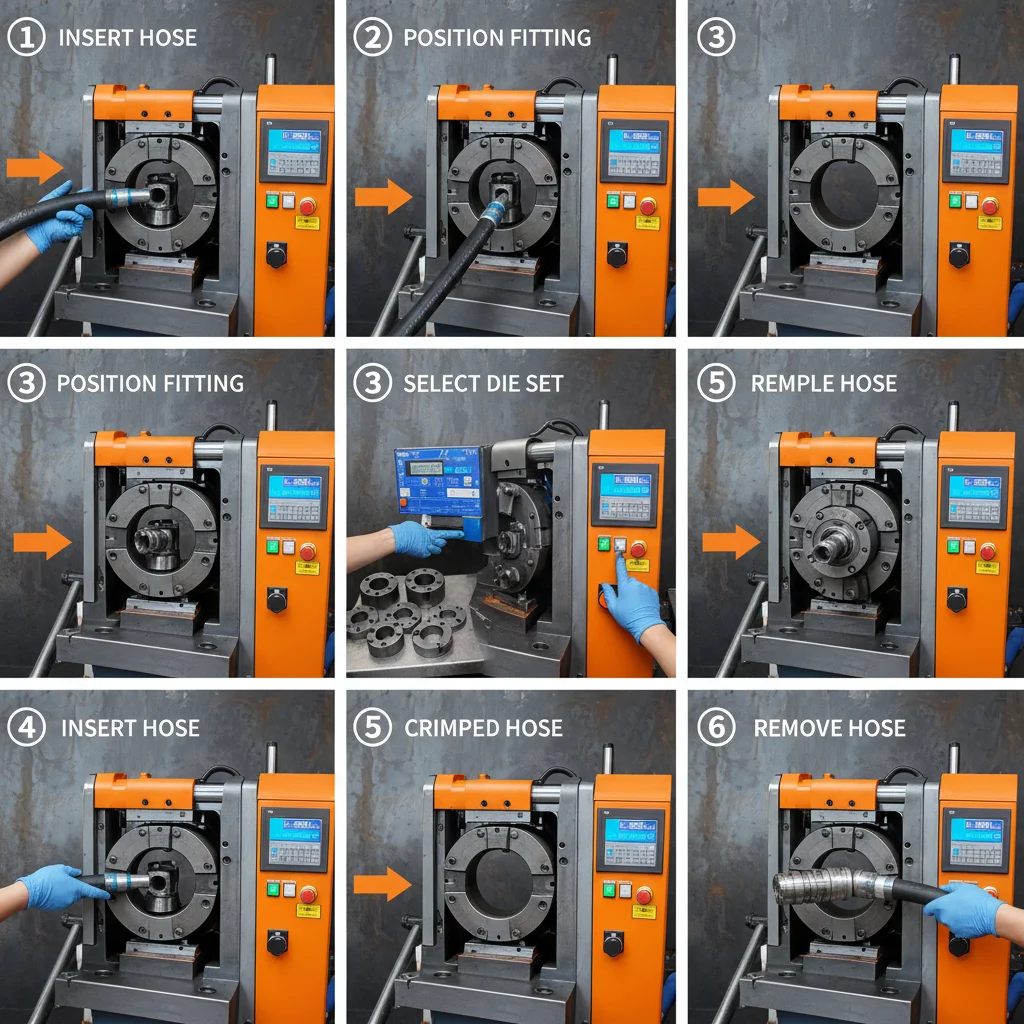
Crucial. Absolutely crucial. Using the wrong die can damage the hose, weaken the crimp, and ultimately lead to failure. Each hose type has a specific die requirement based on its material, diameter, and pressure rating. The hydraulic hose crimper suppliers should be able to provide guidance on selecting the correct dies for your application.
Safety glasses are a must, always. Hydraulic systems operate under high pressure, so a leak can be dangerous. Never put your hands near the crimping area while the machine is in operation. Ensure the machine is properly grounded and that all safety guards are in place. And, of course, make sure you've been properly trained on how to operate the machine safely.
Absolutely. Last month, a small boss in Shenzhen who makes smart home devices insisted on changing the interface to – said it was for ‘brand consistency.’ A pain, but we made it work. Generally, you can customize things like the crimping range, the control system, and even the overall dimensions of the machine. But be prepared to pay a premium for customization.
Manual crimpers are the simplest and cheapest, relying on manual hydraulic pumping. Electro-hydraulic crimpers use an electric motor to power the hydraulic pump, making them faster and more efficient. Fully automatic crimpers are the most advanced, with programmable controls and automated crimping cycles. The best choice depends on your volume, budget, and application.
Conclusion
So, ultimately, hydraulic hose crimper suppliers – and the machines they provide – are a critical link in a lot of industries. It’s not a glamorous job, but it's a vital one. Finding the right supplier, choosing the right equipment, and prioritizing quality and reliability are essential for ensuring safety, efficiency, and long-term success.
Look, it all comes down to this: a fancy spec sheet doesn't mean a thing if the hose blows out under pressure. Whether it’s a small repair shop or a massive industrial operation, the worker will know the moment he tightens the screw if that crimp is solid. And that's the only validation that really matters.