The precision and reliability of fluid power systems depend heavily on the integrity of their connections. In a high-pressure environment, the use of a professional hydraulic hose crimper for shop press ensures that fittings are permanently bonded to hoses, preventing catastrophic leaks and ensuring operational safety across industrial sectors.
Across the globe, the demand for specialized machinery that can handle varied hose sizes—from small pneumatic lines to heavy-duty 1-inch 2SN braided hoses—has grown. Implementing a dedicated hydraulic hose crimper for shop press allows maintenance teams to perform on-site repairs and assembly with factory-level precision, reducing downtime and procurement costs.
Understanding the nuances of crimping force, mold hardness, and dimensional accuracy is essential for any shop manager. By investing in the right hydraulic hose crimper for shop press, businesses can transition from relying on external suppliers to maintaining an agile, in-house production capability that meets ISO and SAE standards.

Global Industry Context of Hydraulic Hose Crimping
In the modern industrial landscape, the reliance on hydraulic systems is nearly universal, spanning from heavy construction machinery in North America to precision manufacturing in Asia. The global hydraulic market is governed by strict safety standards, where a single fitting failure can lead to massive environmental spills or workplace accidents. This has placed an unprecedented premium on the quality of the hydraulic hose crimper for shop press used in assembly.
Statistically, downtime caused by hose failure accounts for a significant percentage of unplanned maintenance costs in the mining and forestry sectors. To combat this, there is a global shift toward decentralized assembly, where shops utilize high-precision crimping equipment to replace damaged lines instantly rather than waiting for OEM shipments. This shift emphasizes the need for machines that offer both portability and extreme compressive strength.
Defining the Hydraulic Hose Crimper for Shop Press
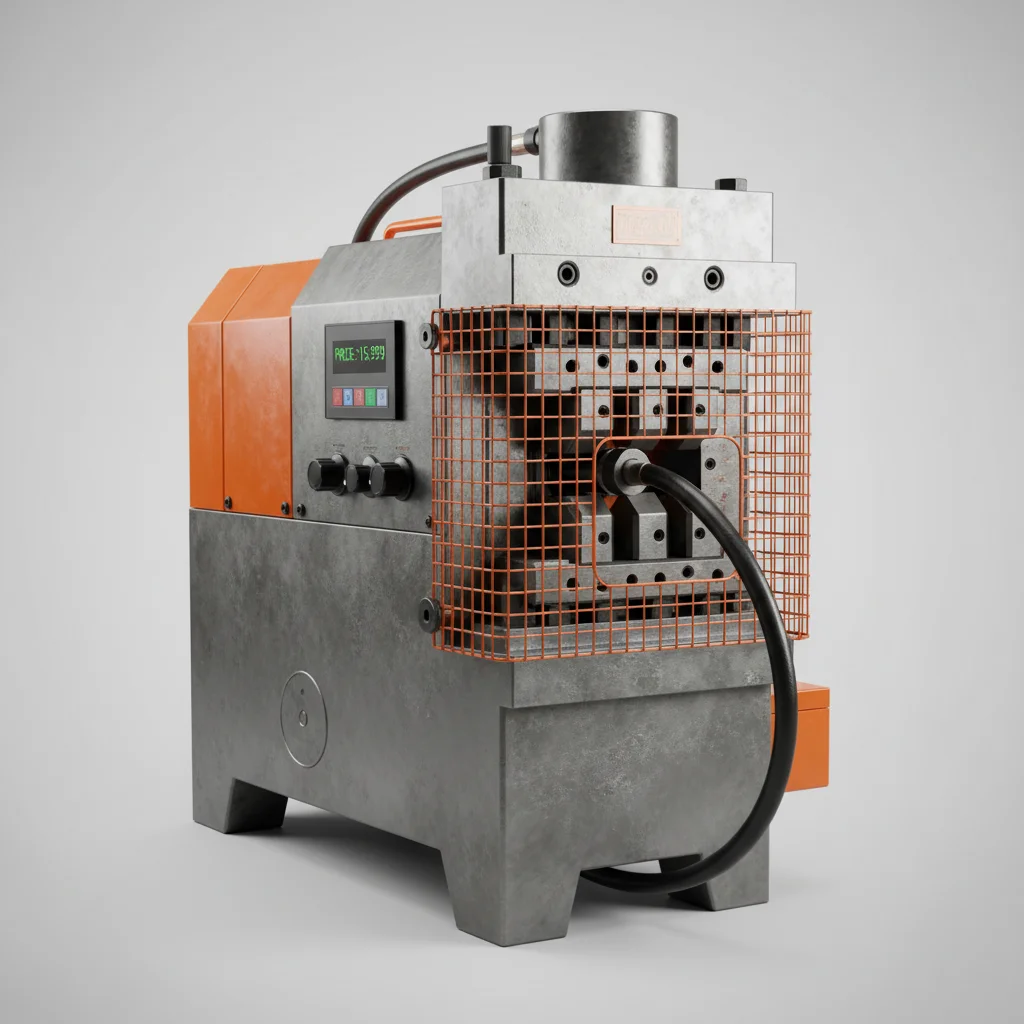
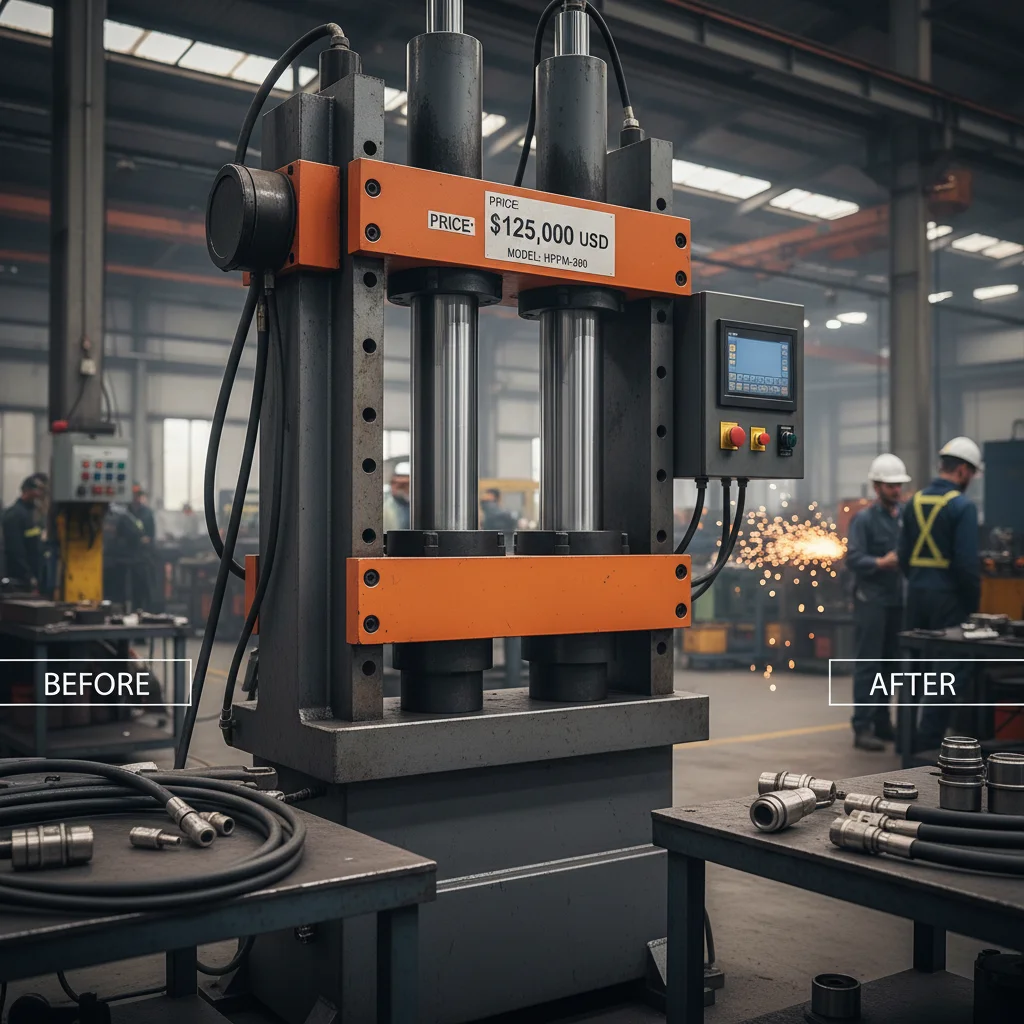
A hydraulic hose crimper for shop press is a specialized piece of industrial machinery designed to compress a metal fitting (ferrule) onto a hydraulic hose. Unlike simple clamps, a professional crimper applies uniform, radial pressure around the entire circumference of the hose, creating a permanent, leak-proof mechanical bond that can withstand thousands of PSI.
In practical terms, these machines serve as the "heart" of a hose assembly shop. They bridge the gap between raw materials—the hose and the fitting—and a finished, pressure-tested component. By utilizing a series of interchangeable dies, a single machine can handle various hose diameters and wall thicknesses, making it an indispensable tool for versatility in a workshop.
Beyond the mechanical function, this equipment addresses the critical humanitarian and safety need for reliable machinery in hazardous environments. Whether it is a brake line in a rescue vehicle or a hydraulic lift in a medical facility, the precision of the crimp ensures that the system operates within its designed safety margins, protecting lives and equipment alike.
Core Components and Technical Factors
The durability of a hydraulic hose crimper for shop press is largely determined by its head construction. For instance, forged crimping heads offer significantly higher hardness (often 120% higher than cast alternatives), which prevents the head from expanding or warping under the massive pressures required for 1-inch 2SN hoses.
Precision is managed through the dimensional adjustment system. High-end models employ rotary micrometers with graduated scales, allowing operators to set the crimp diameter to within fractions of a millimeter. This ensures that the hose is neither under-crimped (leading to slippage) nor over-crimped (which can crush the internal wire reinforcement of the hose).
Finally, the mold or die set is the primary point of contact. Molds with a hardness of 60-65 HRC are essential for maintaining a consistent profile over thousands of cycles. When the mold is high-precision, the resulting crimp line is uniform and professional, reducing the likelihood of stress concentrations that could lead to premature hose failure.
Performance Metrics and Cost Efficiency
Evaluating the efficiency of a hydraulic hose crimper for shop press requires looking at the balance between crimping force (measured in KN or tonnage) and the speed of setup. A machine capable of 95 tons of force can easily handle heavy-duty industrial hoses, while a hand-pump system provides the flexibility to operate in areas without stable electrical power.
From a cost perspective, the long-term value is found in the reduction of "scrap rate." Precision equipment reduces the number of wasted hoses and fittings caused by incorrect crimp diameters, directly impacting the bottom line of a shop's operational budget.
Efficiency Comparison of Hydraulic Hose Crimper Methods
Global Applications and Real-World Use Cases
The application of a hydraulic hose crimper for shop press varies by region. In the mining heartlands of Australia and Canada, these machines are often mounted in mobile service trucks. This allows technicians to crimp new high-pressure lines directly in the field, reducing the downtime of massive haul trucks from days to hours.
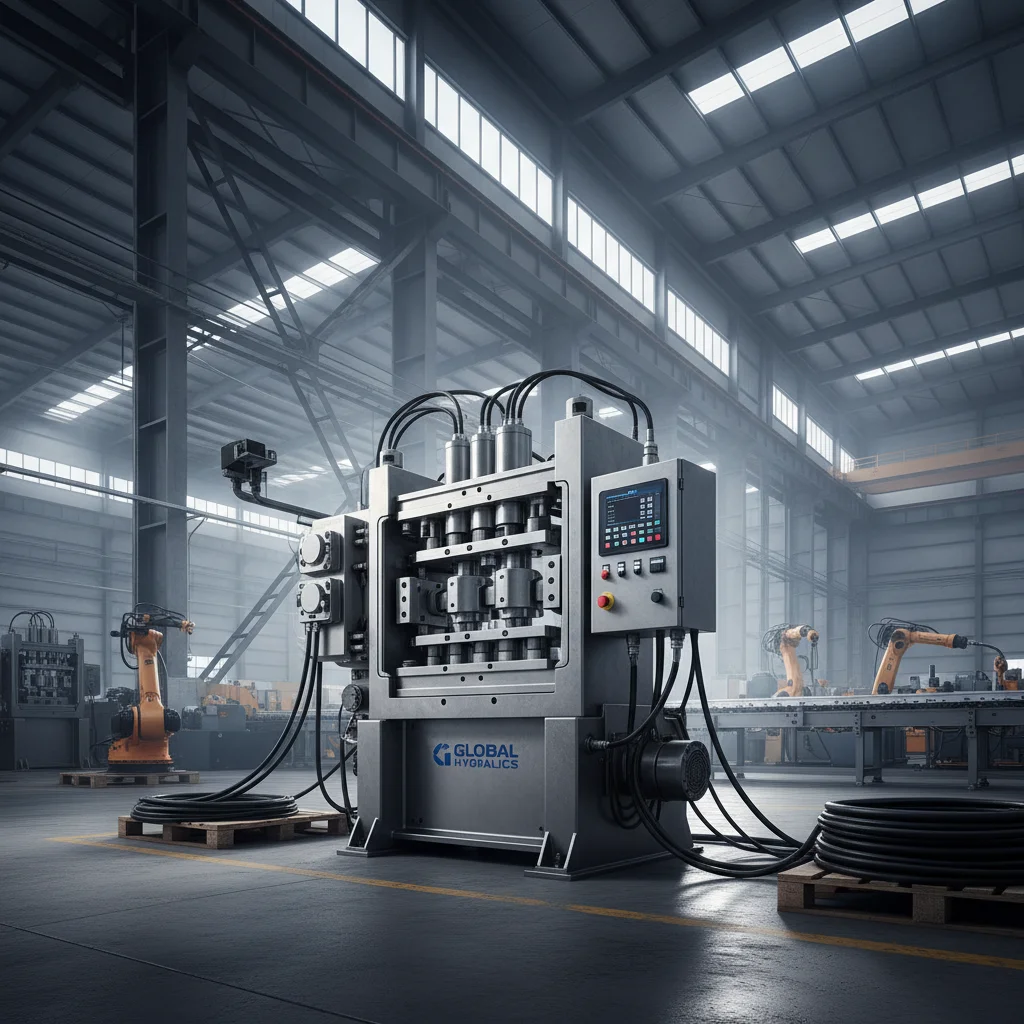
In urban industrial zones, such as the manufacturing hubs of Germany or China, these machines are integrated into lean assembly lines. Here, the focus is on high-volume throughput and strict adherence to quality control, where the precision of the micrometer adjustment ensures that every hose produced meets exact customer specifications for aerospace or automotive applications.
Long-Term Value and Operational Advantages
Investing in a high-quality hydraulic hose crimper for shop press provides a logical advantage in risk mitigation. By controlling the assembly process in-house, a company can implement its own rigorous pressure testing protocols, ensuring that no faulty assembly ever reaches the client.
From an emotional standpoint, the reliability of a well-crimped hose fosters trust between the service provider and the end-user. There is a profound sense of security in knowing that a critical hydraulic line—perhaps supporting a heavy crane or a piece of emergency equipment—has been assembled with a machine that provides consistent, high-tonnage compression.
Furthermore, the sustainability aspect cannot be ignored. The ability to replace only the damaged section of a hose assembly rather than replacing an entire pre-fabricated system reduces material waste and lowers the overall carbon footprint of the maintenance cycle.
Future Trends in Crimping Technology
The future of the hydraulic hose crimper for shop press is leaning heavily toward digitalization. We are seeing the emergence of "smart dies" and digital readouts that replace manual micrometers, allowing for cloud-based storage of crimping specifications. This means an operator can simply select a hose type from a tablet, and the machine automatically adjusts to the correct diameter.
Automation and green energy are also playing a role. Transitioning from traditional hydraulic pumps to high-efficiency servo-electric drives reduces energy consumption and noise pollution in the shop. These innovations aim to make the crimping process faster, cleaner, and entirely error-proof through integrated sensors that detect under-crimping in real-time.
Additionally, the development of new alloy materials for molds is extending the service life of equipment. By utilizing advanced coatings and heat-treatment processes, manufacturers are creating dies that maintain their geometry even under extreme continuous loads, further reducing the total cost of ownership for the shop.
Technical Comparison of Hose Crimper Specifications and Material Performance
| Machine Series |
Max Crimping Force |
Mold Hardness (HRC) |
Precision Rating |
| DZW-P16 Manual |
95 Ton |
60-65 |
High (Micrometer) |
| DZW-P20 Standard |
120 Ton |
58-62 |
Medium |
| DZW-P32 Heavy |
180 Ton |
62-66 |
Very High |
| DZW-FP140 Pro |
250 Ton |
64-68 |
Ultra-Precision |
| DZW-EP120 Electric |
200 Ton |
60-65 |
Digital Control |
| Custom Industrial |
500+ Ton |
65-70 |
CNC Precision |
FAQS
The correct crimp diameter depends on the specific hose brand and ferrule specifications. Generally, you should refer to the manufacturer's technical chart. Using a hydraulic hose crimper for shop press with a rotary micrometer allows you to set this diameter precisely. If the crimp is too loose, the hose will blow out; too tight, and you may damage the wire reinforcement. Always test the first assembly with a pressure gauge.
Yes, provided the machine is engineered for high tonnage. For example, the DZW-P16 manual model provides up to 95 tons of force, which is more than sufficient for most standard double-wire braided hoses up to 1 inch. Manual pumps are ideal for shops that prioritize portability or operate in remote locations where electricity is unavailable, without sacrificing the quality of the mechanical bond.
Forged heads are compressed under high pressure during manufacturing, resulting in a denser grain structure. This makes them significantly harder and more resistant to deformation. In a hydraulic hose crimper for shop press, a forged head ensures that the compressive force is directed entirely into the fitting rather than expanding the machine head, extending the tool's life and maintaining accuracy.
Die replacement depends on volume and material. High-precision molds (60-65 HRC) are designed for longevity, but you should inspect them for wear, pitting, or deformation every few hundred cycles. If you notice inconsistent crimp diameters or visible marks on the ferrules, it is time to replace the die set to ensure safety and compliance with industrial standards.
Yes, most professional machines are designed to be modular. While a machine may come with a standard die set (e.g., Series 16), you can typically purchase special dies to expand the range of hoses the machine can handle. Always verify the maximum crimping force of your hydraulic hose crimper for shop press to ensure it can safely compress the larger or thicker ferrules required for the expanded range.
Dimensional accuracy ensures the "interlock" between the fitting and the hose is perfect. If the diameter is off by even 0.5mm, the hose may leak under high-pressure spikes or slip out entirely during operation. High-precision equipment ensures a uniform crimp that distributes pressure evenly, preventing stress points and maximizing the operational lifespan of the hydraulic assembly.
Conclusion
The implementation of a high-precision hydraulic hose crimper for shop press is more than just a tool upgrade; it is a strategic investment in safety, reliability, and operational independence. From the strength of forged heads to the precision of micrometer adjustments, every technical detail contributes to a leak-free, high-pressure connection that keeps industrial machinery running efficiently and safely.
Looking ahead, as the industry moves toward smarter, more automated assembly, the core principles of compressive force and material hardness remain unchanged. Whether you are operating a small repair shop or a large-scale manufacturing plant, prioritizing precision in your crimping process will reduce waste and enhance your competitive edge in the global market. Visit our website for more professional solutions: www.willexcrimper.com