• Home
  • Top Blog
  • Advancements in Hydraulic Hose Assembly Machine Technology and Industry Impact

Advancements in Hydraulic Hose Assembly Machine Technology and Industry Impact

0%

Table of Contents

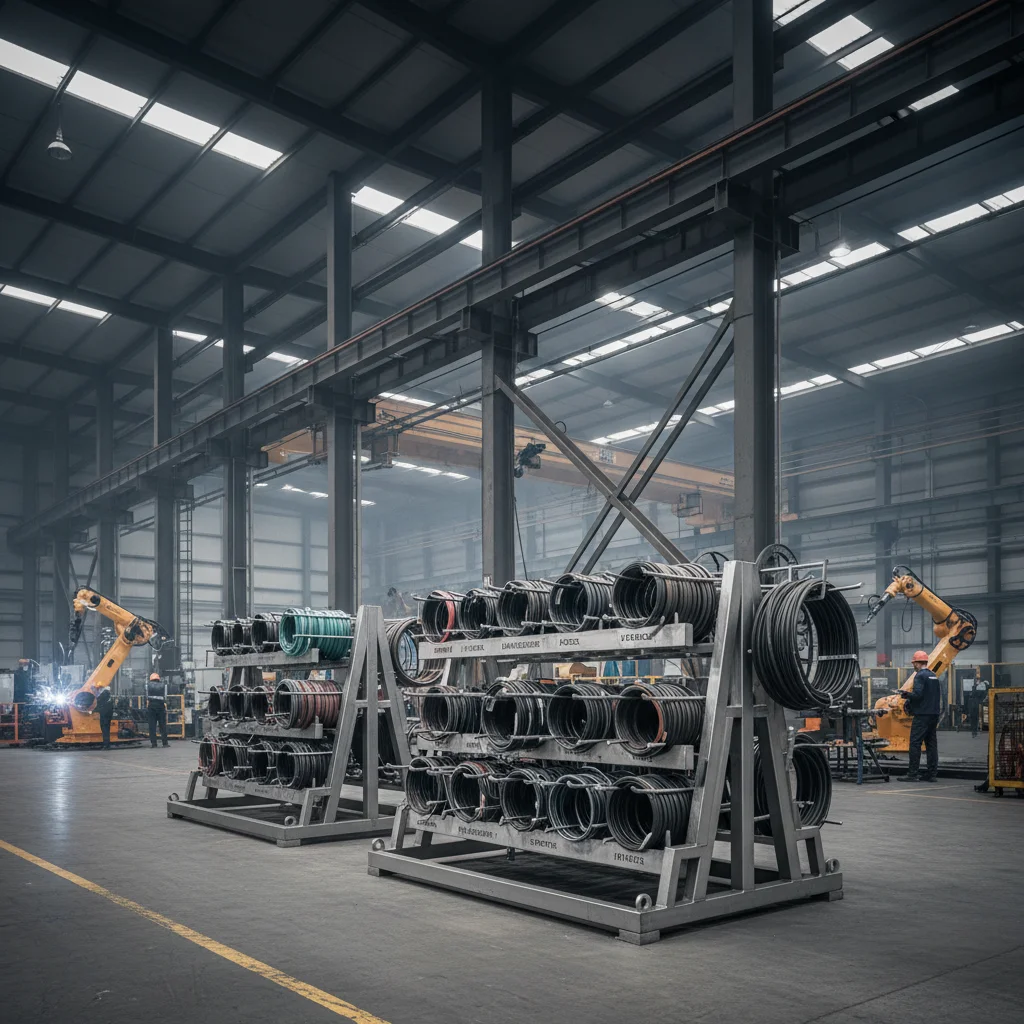
The world runs on hydraulics. It’s a simple fact, often overlooked until something breaks down. And when it breaks down, it’s usually a hose. For years, field repairs were a messy, time-consuming affair – cutting, fitting, crimping, hoping it held. Now, with advancements in hydraulic hose assembly machine technology, we're moving beyond those frustrating days. These aren't your grandpa's hose crimpers anymore. Modern machines are about precision, reliability, and getting equipment back online fast. It’s a huge deal for uptime, cost savings, and frankly, the sanity of the guys and gals on the job.

I’ve spent the last fifteen years crawling under dozers, checking excavator lines, and seeing firsthand the impact of hose failures. What I’ve learned is that a good hose assembly isn't just about the hose itself; it's about the entire process. The quality of the fittings, the accuracy of the crimp, the right machine for the job – it all matters. A poorly assembled hose isn't just a waste of money; it’s a safety hazard. We’re talking about high-pressure systems that can fail catastrophically.

And it’s not just big construction. Agriculture, mining, oil and gas, forestry – any industry relying on hydraulic power needs robust, reliable hose assembly solutions. That’s where the modern hydraulic hose assembly machine comes in. These aren't just shop tools anymore; they are becoming essential for mobile repair services and even on-site assembly in remote locations.
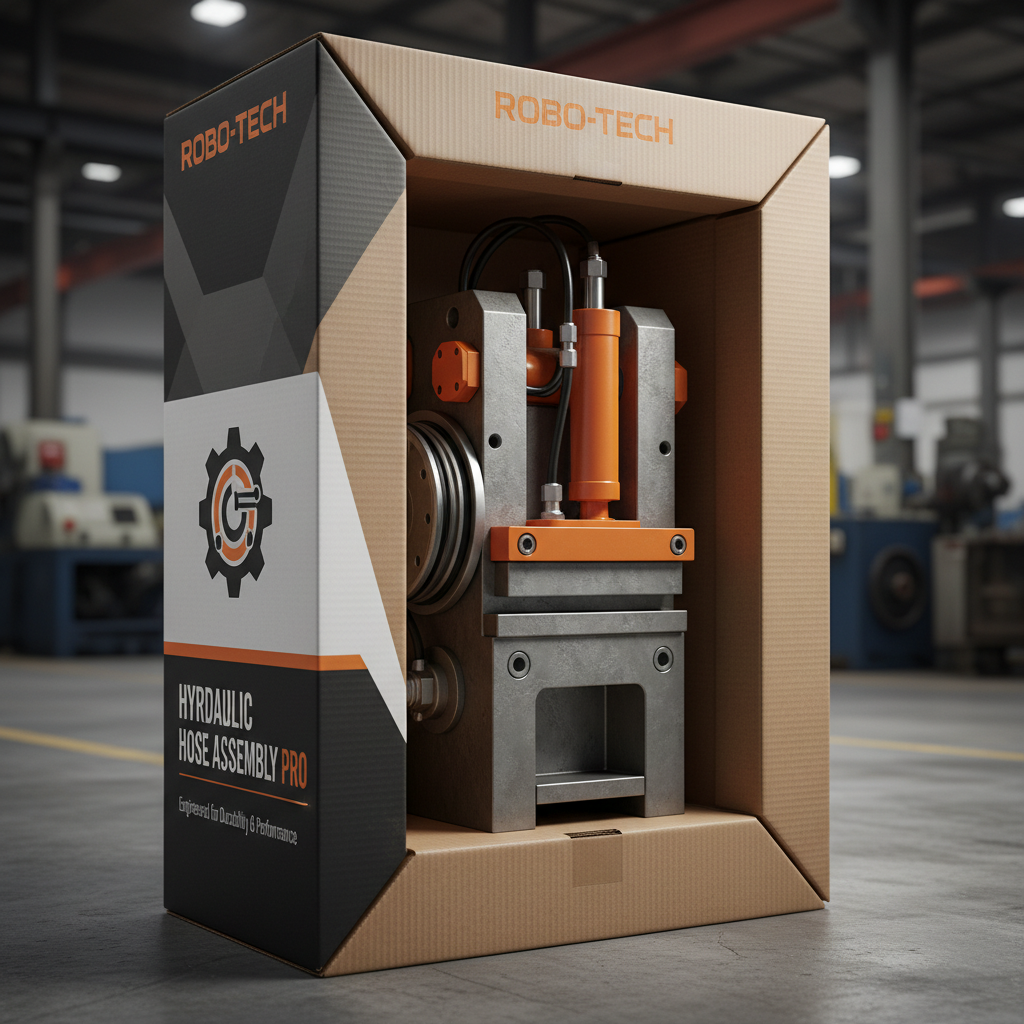
hydraulic hose assembly machine

The Importance of Hydraulic Hose Assembly Machines
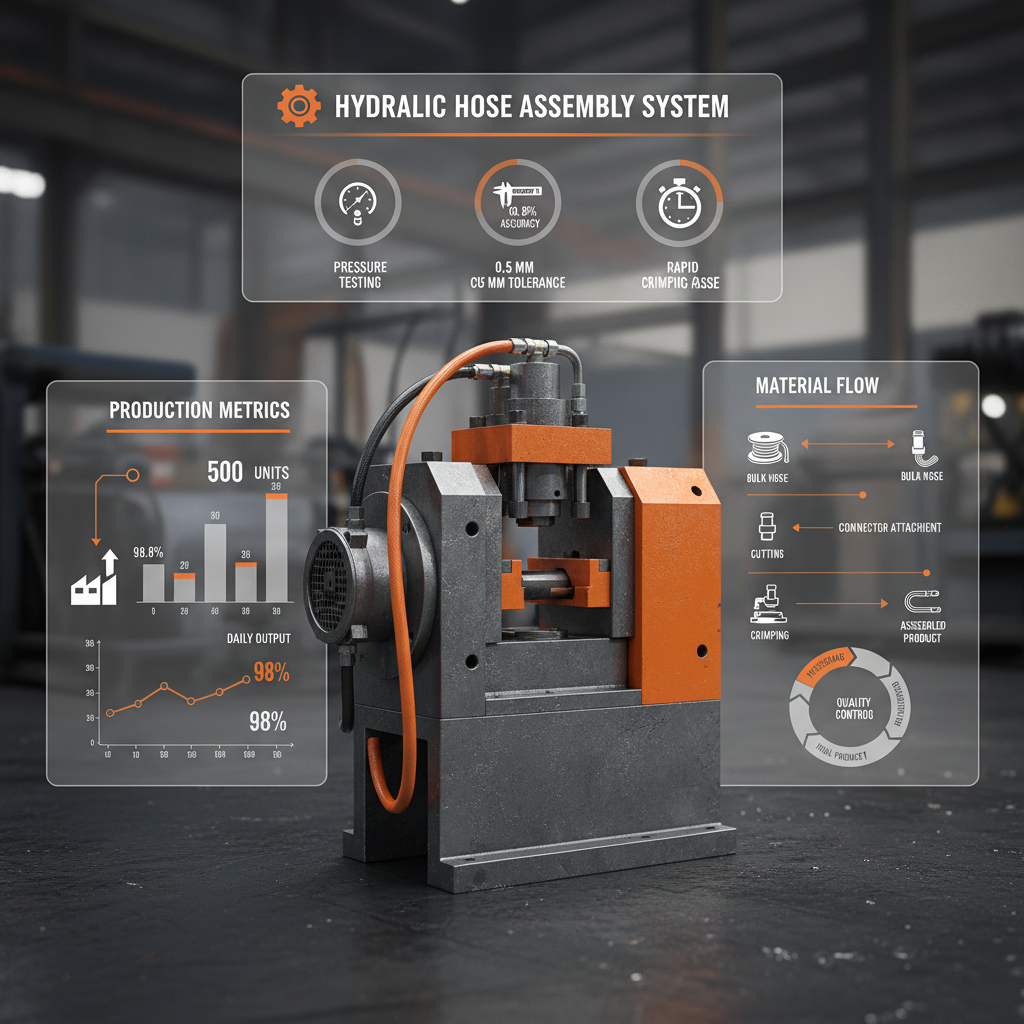
hydraulic hose assembly machine

Let’s be honest, a hydraulic hose assembly machine isn’t the most glamorous piece of equipment. But it's a critical one. It's the linchpin for maintaining operations in countless industries. The cost of downtime due to a failed hose assembly far outweighs the investment in a quality machine. I've seen projects grind to a halt, costing companies thousands of dollars per hour, all because someone skimped on the assembly process. These machines deliver consistency, reduce errors, and ultimately, keep things running smoothly.

The demand for these machines is driven by the increasing reliance on hydraulic systems globally. From heavy machinery used in infrastructure development to specialized equipment in manufacturing, the need for reliable hose assemblies is constantly growing. And with stricter safety regulations, the emphasis on proper assembly and testing is more important than ever.

Defining a Hydraulic Hose Assembly Machine

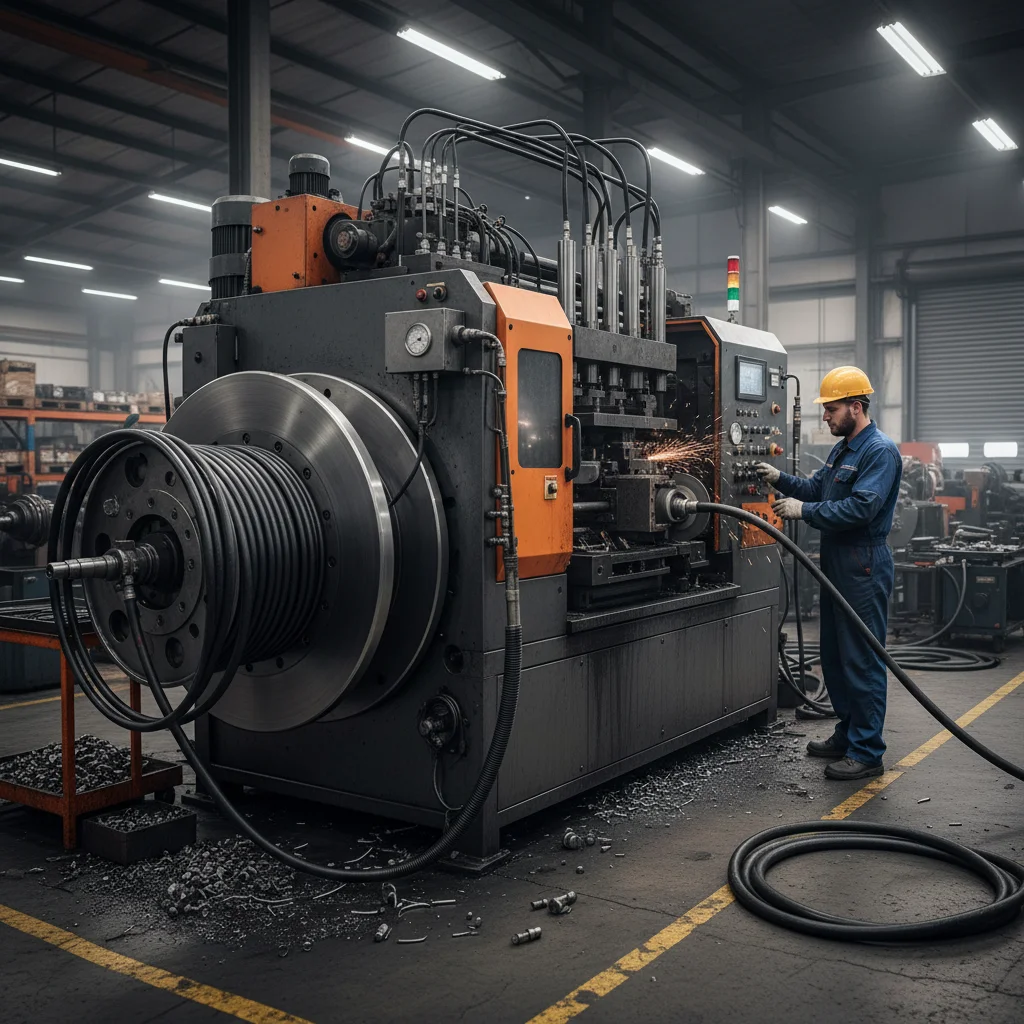
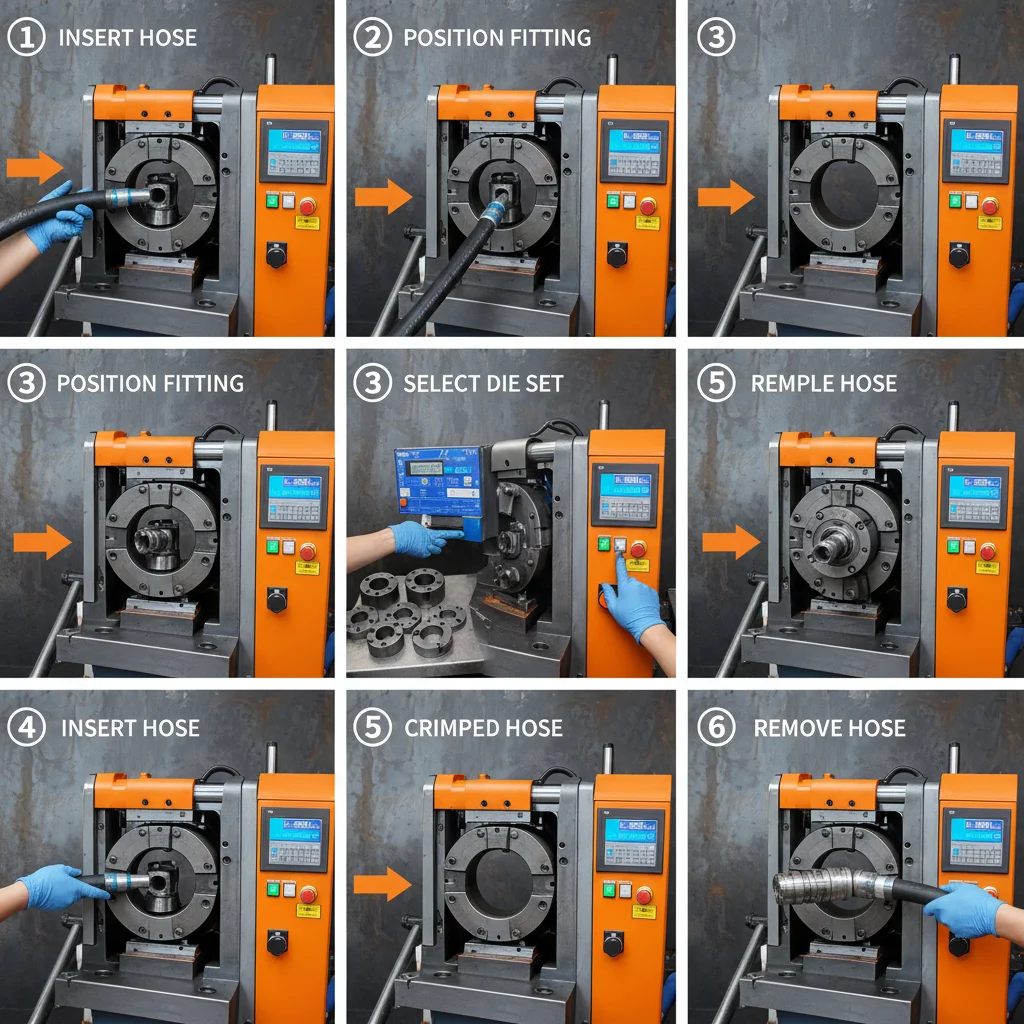
Simply put, a hydraulic hose assembly machine is a specialized piece of equipment designed to attach fittings to hydraulic hoses using a crimping process. It’s more than just squeezing a fitting onto a hose; it’s about creating a secure, leak-proof connection that can withstand high pressures and demanding conditions. Older methods relied on manual crimping, which was prone to errors and inconsistencies. Modern machines utilize precision dies and controlled hydraulic pressure to ensure a reliable crimp every time.

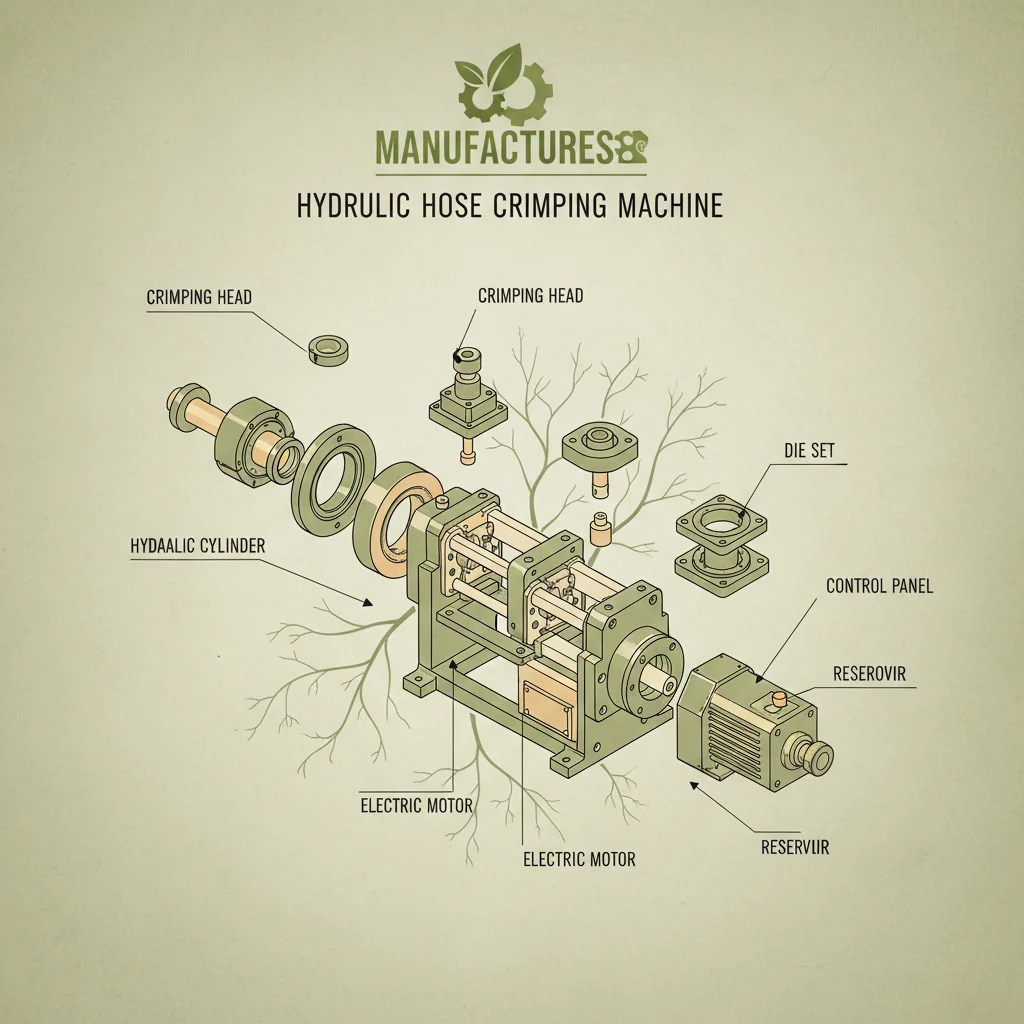
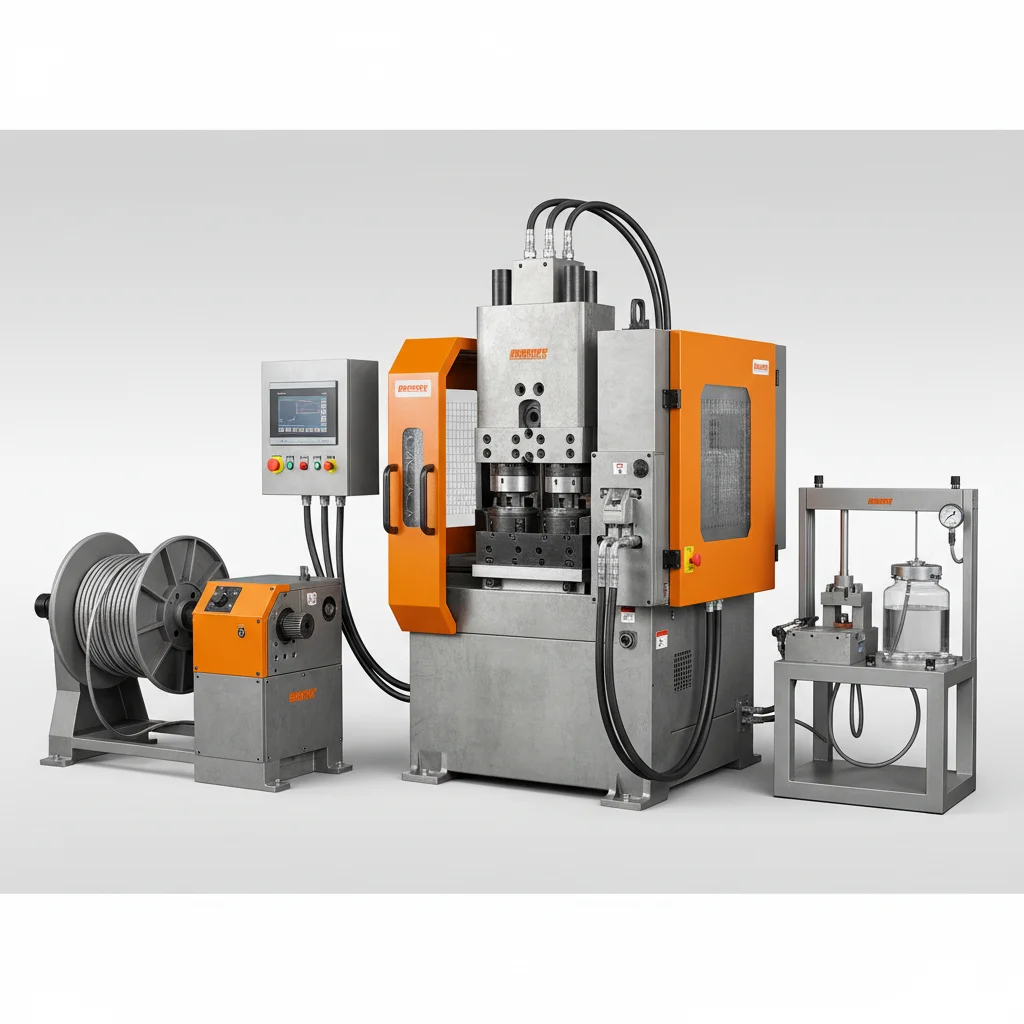
These machines can range in size and complexity, from portable units suitable for field service to large, industrial-grade models for high-volume production. The core components generally include a hydraulic pump, a crimping die set, a control system, and a safety enclosure. The choice of machine depends on the types of hoses and fittings being assembled, the required production volume, and the operating environment.

Understanding this process is vital for anyone involved in hydraulic system maintenance or repair. A properly assembled hose is a testament to precision engineering, providing a crucial link in the hydraulic power chain. A poorly assembled hose, on the other hand, is a potential disaster waiting to happen.

Key Factors in Hose Assembly Machine Performance

Durability is paramount. These machines live in tough environments – workshops, construction sites, even out in the elements. They need to be built to withstand constant use and abuse. I always look for machines with robust frames, high-quality hydraulic components, and protective coatings. A machine that breaks down frequently isn’t saving anyone time or money.

Precision is equally crucial. The accuracy of the crimp directly impacts the hose assembly’s reliability. Machines with adjustable crimp settings and precise die alignment are essential. We need to be able to consistently achieve the correct crimp diameter and force for different hose and fitting combinations. Variability leads to leaks and failures.

Versatility is also important. Being able to handle a wide range of hose sizes, fitting types, and materials can significantly reduce the need for multiple machines. Modern machines often come with interchangeable die sets and adjustable settings to accommodate diverse applications.

Global Applications and Industry Impact

You'll find hydraulic hose assembly machine being utilized across a massive spectrum of industries. In construction, they're essential for repairing heavy equipment like excavators, bulldozers, and cranes. Agriculture relies on them for maintaining tractors, harvesters, and irrigation systems. The oil and gas industry uses them extensively for high-pressure applications in drilling and refining operations.

Mining operations, particularly in remote locations, benefit from mobile hose assembly units, allowing for on-site repairs and minimizing downtime. Even specialized industries like aerospace and defense utilize these machines for critical hydraulic systems. Globally, regions with significant infrastructure development – such as Southeast Asia and parts of Africa – are experiencing increased demand for these machines.

In post-disaster relief operations, having a portable hose assembly machine can be a lifesaver, enabling quick repairs to essential equipment like generators and water pumps. The ability to create reliable hose assemblies in challenging environments is a critical advantage.

Hydraulic Hose Assembly Machine Methods Comparison

Advantages and Long-Term Value Proposition

The biggest advantage, without question, is reduced downtime. A reliable hydraulic hose assembly machine allows for quick repairs, getting equipment back online faster. That translates directly into increased productivity and cost savings. It also reduces the reliance on emergency hose replacement services, which can be expensive and time-consuming.

Beyond the immediate cost savings, investing in a quality machine offers long-term value through improved safety and reliability. Properly crimped hoses are less likely to fail, reducing the risk of accidents and injuries. And a consistent, high-quality assembly process builds trust with customers and stakeholders.

Future Trends in Hydraulic Hose Assembly Technology

We’re seeing a move towards more automated and intelligent machines. Features like automatic die recognition, self-calibration, and integrated testing systems are becoming increasingly common. This isn’t about replacing skilled technicians; it’s about empowering them with tools that enhance their efficiency and accuracy.

Another trend is the development of machines capable of handling new hose materials and fitting types, like those used in bio-hydraulic systems or high-performance applications. The focus is on sustainability too, with manufacturers exploring ways to reduce energy consumption and minimize waste in the assembly process.

Challenges and Innovative Solutions

One of the biggest challenges is training. Operating these machines effectively requires specialized knowledge and skills. Proper training programs are essential to ensure technicians can utilize the machine’s features safely and accurately. Manufacturer support and readily available resources are also crucial.

Another challenge is maintaining the accuracy of the crimping dies. Dies wear down over time, and regular inspection and replacement are necessary. Innovative solutions include self-adjusting dies and automated die monitoring systems that alert technicians when maintenance is required.

Finally, ensuring compatibility across different hose and fitting standards remains a concern. Manufacturers are working to develop universal die sets and software algorithms that can automatically adjust crimp settings for various combinations.

Summary of Hydraulic Hose Assembly Machine Challenges and Solutions

Challenge Impact on Operations Proposed Solution Implementation Cost (1-10)
Lack of Trained Personnel Increased Error Rate, Reduced Efficiency Comprehensive Training Programs, Online Resources 5
Die Wear and Calibration Inconsistent Crimps, Potential Failures Regular Die Inspection & Replacement, Automated Calibration Systems 7
Compatibility Issues Limited Hose/Fitting Options, Increased Complexity Universal Die Sets, Smart Software Algorithms 8
Machine Maintenance Unexpected Downtime, Repair Costs Preventative Maintenance Schedules, Remote Diagnostics 6
Space Constraints Limited Workshop Space, Inefficient Workflow Compact Machine Designs, Mobile Hose Assembly Units 4
Cost of Investment High Initial Expense, Budget Limitations Leasing Options, ROI Analysis, Prioritization 9

FAQS

What is the typical lifespan of a hydraulic hose assembly machine?

With proper maintenance, a good quality hydraulic hose assembly machine can easily last 10-15 years. The key is regular servicing, keeping it clean, and replacing worn parts promptly. I've seen machines older than that still going strong, but they’ve had a dedicated technician looking after them. It’s an investment, and treating it like one pays off.

What size machine do I need for a small repair shop?

For a smaller repair shop, a benchtop or portable machine is often the best option. These units are compact, relatively affordable, and can handle a wide range of common hose sizes and fittings. You don't necessarily need a massive industrial machine if you’re primarily focused on mobile repairs and smaller jobs. Consider the maximum hose size you'll be working with when making your decision.

How often should I calibrate my hose assembly machine?

Calibration should be performed at least annually, or more frequently if the machine is used heavily. Calibration ensures the crimping force is accurate and consistent, which is critical for hose reliability. Many manufacturers offer calibration services, or you can train your own technicians to perform the calibration. It’s a small investment that can prevent costly failures down the road.

What safety features should I look for in a hose assembly machine?

Safety should be a top priority. Look for machines with emergency stop buttons, safety guards, and interlock systems to prevent accidental operation. Proper training on safe operating procedures is also essential. High-pressure hydraulics can be dangerous, so it’s crucial to take all necessary precautions.

Can a hose assembly machine handle all types of hydraulic hoses?

Not necessarily. Different hose types require different crimp specifications. A machine designed for standard hydraulic hoses may not be suitable for specialized hoses like those used in high-pressure or extreme-temperature applications. Ensure the machine has the appropriate die sets and settings for the hoses you’ll be working with.

What is the best way to choose the right dies for my machine?

Die selection is crucial for a proper crimp. Always refer to the hose and fitting manufacturer’s recommendations for the correct die set. Using the wrong dies can result in a weak or damaged crimp, leading to hose failure. Most manufacturers provide die charts and support resources to help you make the right choice.

Conclusion

In conclusion, the hydraulic hose assembly machine has evolved from a simple tool to a sophisticated piece of equipment vital for countless industries. Investing in a quality machine, ensuring proper training, and prioritizing safety are essential for maximizing uptime, reducing costs, and ensuring the reliability of hydraulic systems. It’s not just about assembling a hose; it’s about maintaining the infrastructure that keeps our world moving.

Looking ahead, we can expect to see even more automation, intelligence, and sustainability in hose assembly technology. The focus will be on creating machines that are easier to use, more efficient, and more environmentally friendly. If you’re serious about hydraulic hose assembly, it’s time to explore the latest advancements and invest in a solution that will meet your needs for years to come. For more information and to explore our range of machines, visit us at www.willexcrimper.com.

Kevin Rodriguez

Kevin Rodriguez

Kevin Rodriguez is a Production Manager at one of Dezhou Willex Hydraulic Machinery's manufacturing facilities. He oversees the entire production process, from raw material procurement to final quality control. Kevin regularly provides updates for the 'News' section regarding our production capacity, improvements in manufacturing efficiency, and implementation of new technologies. He has a background in industrial engineering and a proven track record of optimizing production workflows. Kevin is dedicated to maintaining the highest standards of quality and ensuring that our machinery meets or exceeds customer expectations. He works closely with the engineering team to incorporate customer feedback into the design and manufacturing process. He is instrumental in maintaining our high output – over 5,000 units annually.
Previous Investing in Reliable Hose Assembly Machines for Optimal Efficiency and Safety
Next Expert Hydraulic Hose Crimper Manufacturer for Reliable Performance
Message
  • *
  • *
  • *
  • *

If you are interested in our products, you can choose to leave your information here, and we will be in touch with you shortly.