In the demanding world of industrial hydraulics, the precision of a hose pipe pressing machine is the invisible backbone of operational safety. From heavy-duty mining equipment to intricate aerospace hydraulic lines, the ability to create a leak-proof, high-pressure seal between a hose and its fitting is not just a technical requirement—it is a critical safety mandate that prevents catastrophic system failures.
Across the globe, the shift toward automation and higher pressure ratings has transformed the traditional crimping process. Modern facilities no longer rely on guesswork; they utilize advanced hose pipe pressing machine technology to ensure that every connection meets stringent ISO and SAE standards, reducing downtime and increasing the lifespan of hydraulic assemblies.
Understanding the nuances of these machines—ranging from manual options to fully automated CNC systems—allows businesses to optimize their production throughput. By integrating the right hose pipe pressing machine, manufacturers can guarantee consistent quality, minimize material waste, and ensure that their fluid power systems can withstand the most extreme environmental pressures.
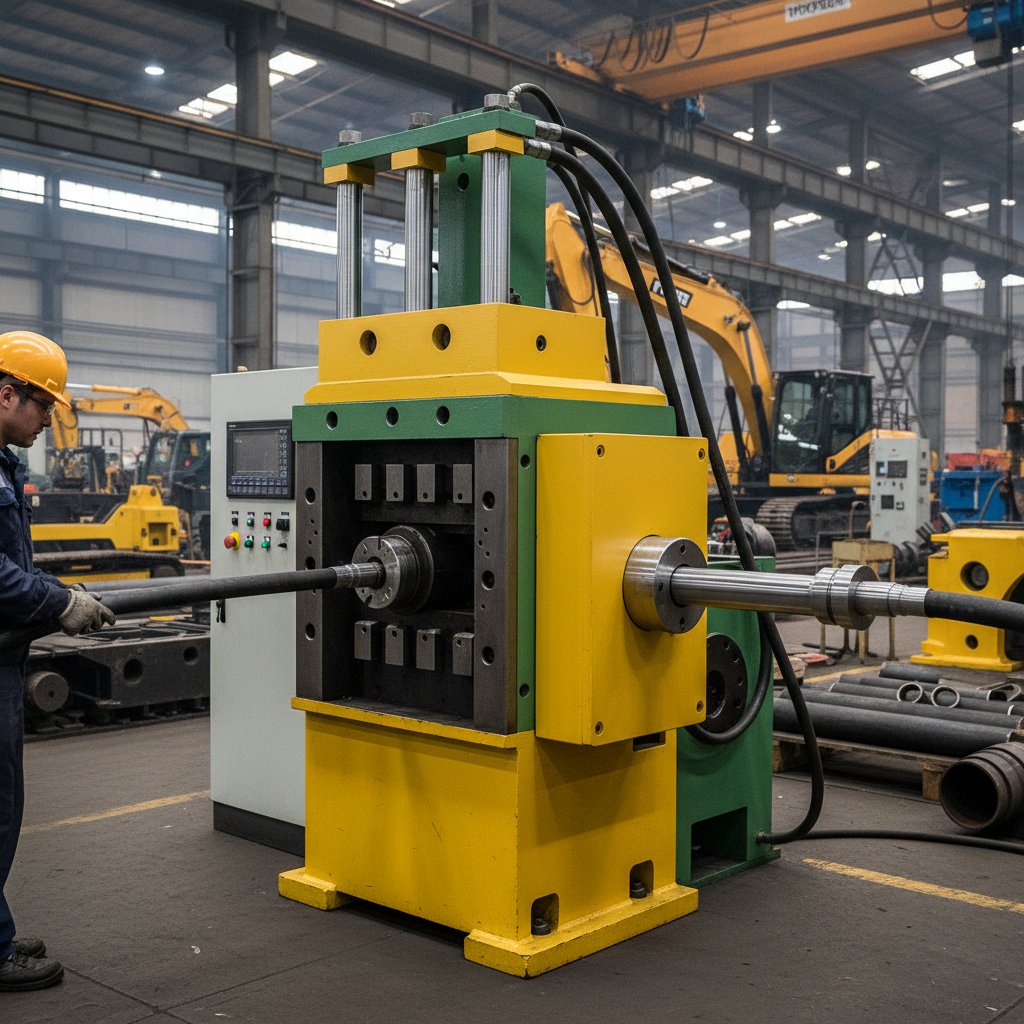
Global Industry Context of Hose Pipe Pressing Machine
The global demand for high-pressure fluid transmission has seen a steady rise, particularly in the construction and mining sectors. As machinery becomes larger and more powerful, the pressure loads on hydraulic hoses increase, making the role of a professional hose pipe pressing machine indispensable. According to industrial standards like ISO 10100, the precision of the crimp diameter directly correlates to the burst pressure and longevity of the hose assembly.
In regions like Southeast Asia and North America, the rapid expansion of infrastructure projects has created a surge in the need for on-site hose assembly services. The challenge often lies in maintaining factory-grade precision in field environments. This has led to the development of portable yet powerful pressing solutions that ensure safety without sacrificing the flexibility of remote operation.
Definition and Technical Essence of Pressing Equipment
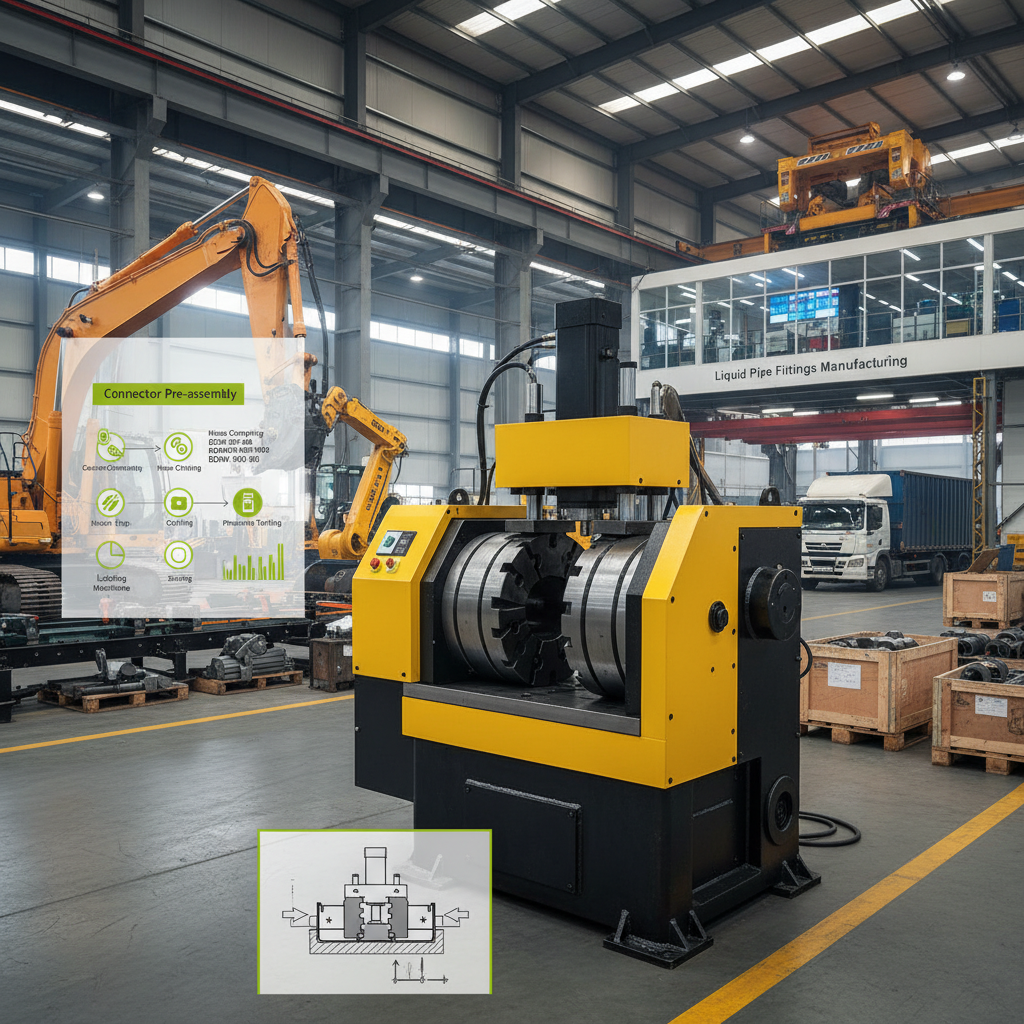
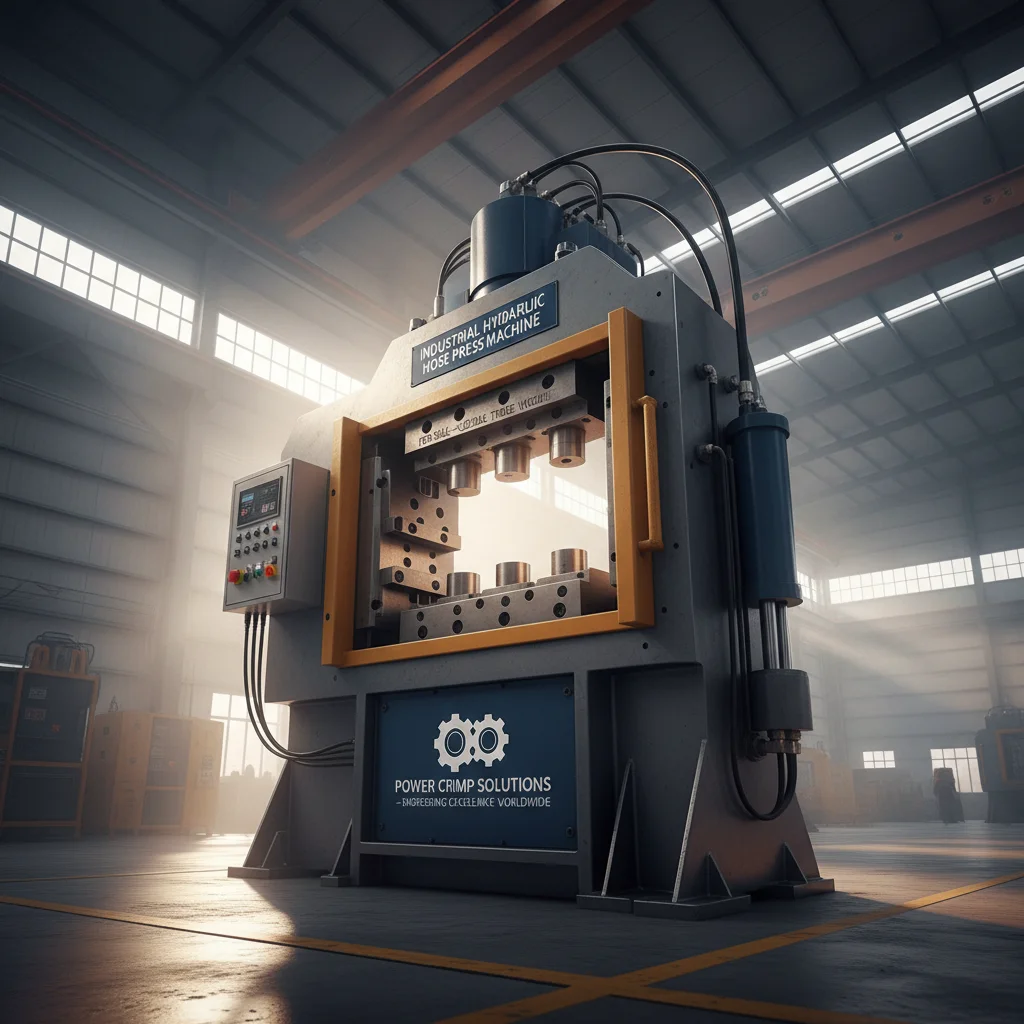
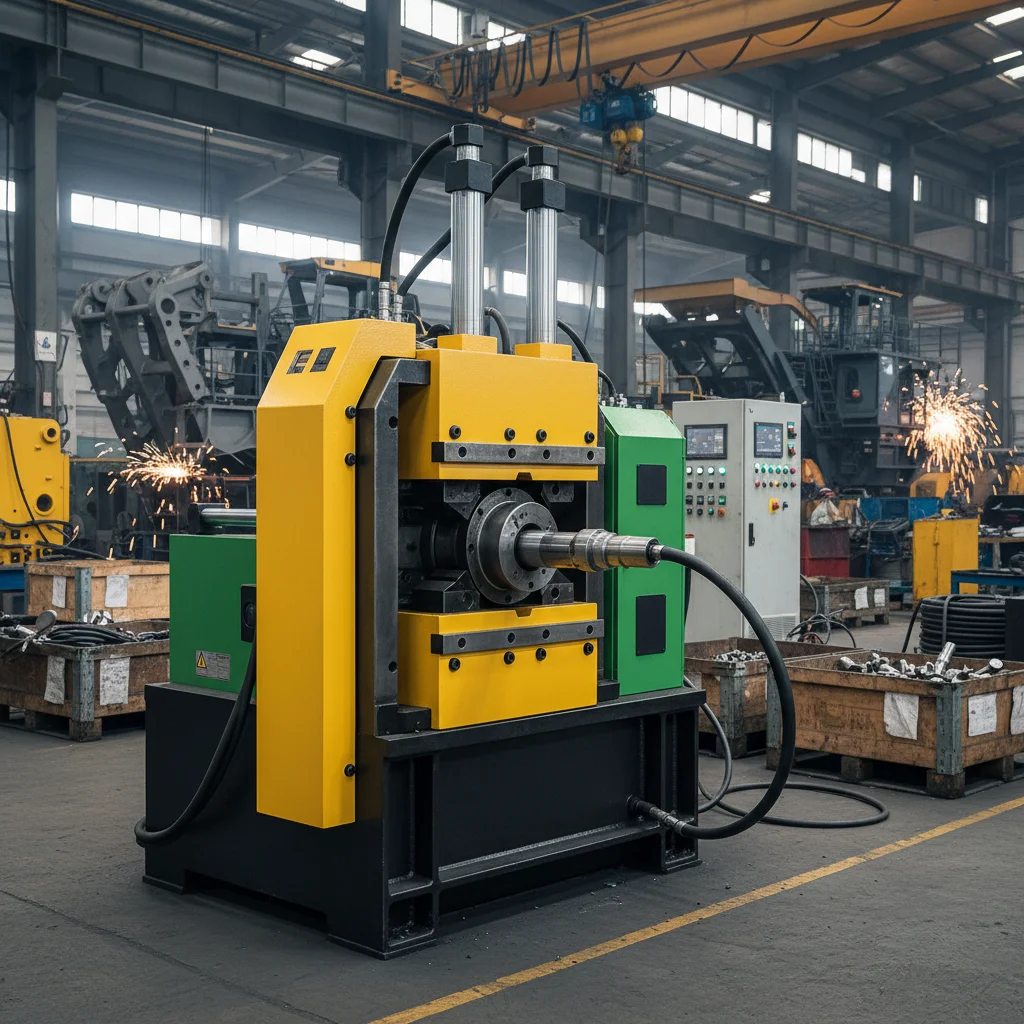
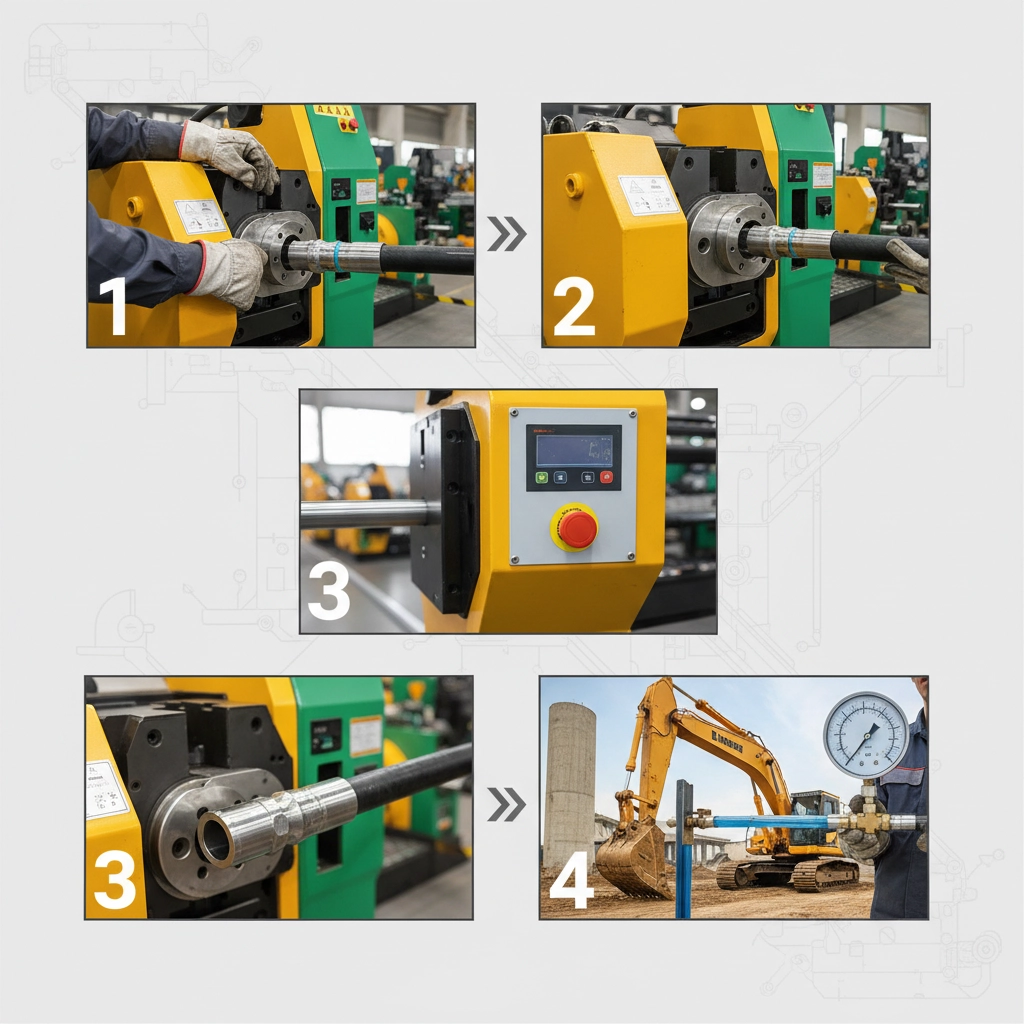
At its core, a hose pipe pressing machine (also known as a hose crimper) is a specialized piece of equipment designed to permanently deform a metal sleeve or ferrule over a hydraulic hose. This process creates a mechanical bond that prevents the hose from slipping out of the fitting under extreme internal pressure, effectively transforming a flexible tube into a structural component of a hydraulic circuit.
Beyond simple compression, the technical essence of this machinery lies in the distribution of force. A high-quality machine ensures that the pressure is applied uniformly around the circumference of the hose. Any unevenness in the crimp can lead to localized stress points, which are the primary cause of premature fitting failure and dangerous "blow-outs" in industrial settings.
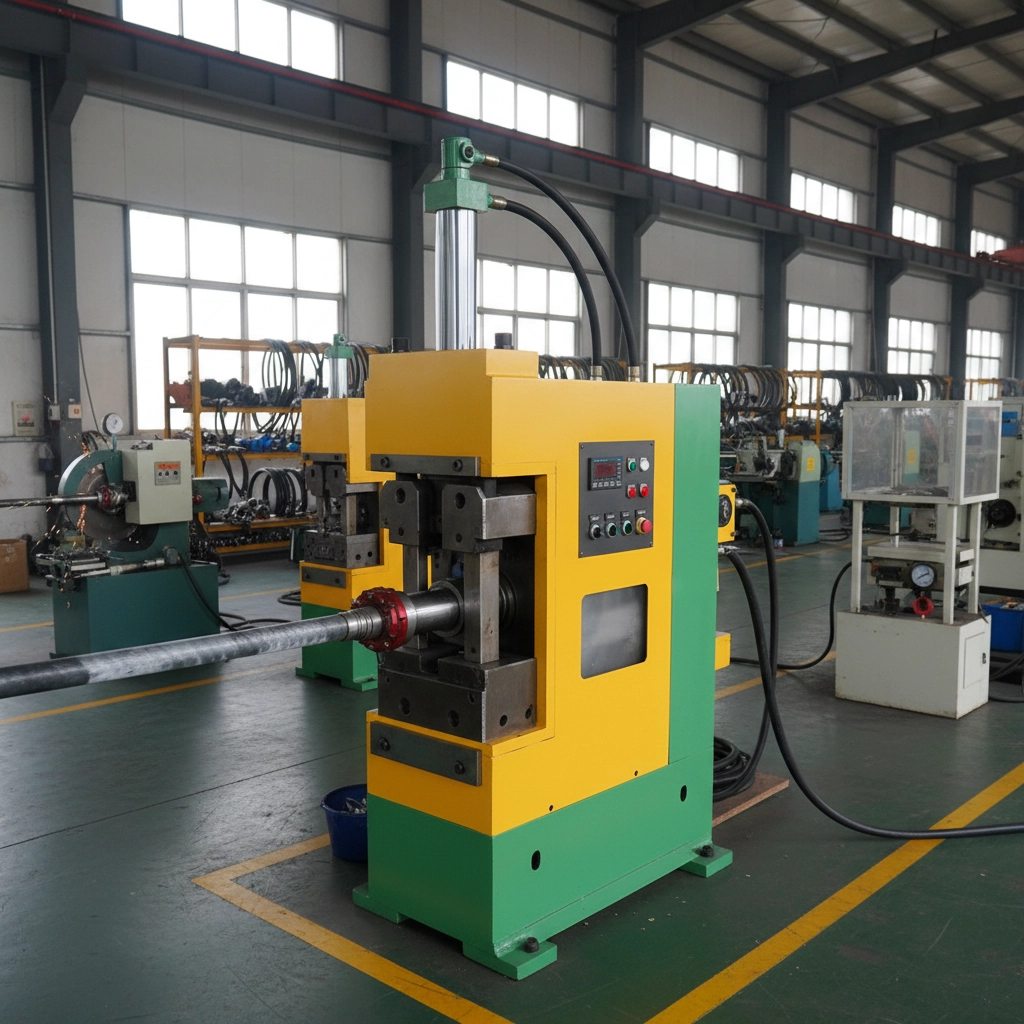
In the context of modern manufacturing, these machines are the bridge between raw components—the hose, the ferrule, and the fitting—and a certified industrial product. Whether it is a small-scale shop using a manual press or a large factory utilizing the Hose Crimping Machine DZW-EP120, the objective remains the same: achieving the perfect compression ratio for maximum safety and durability.
Core Components Driving Pressing Performance
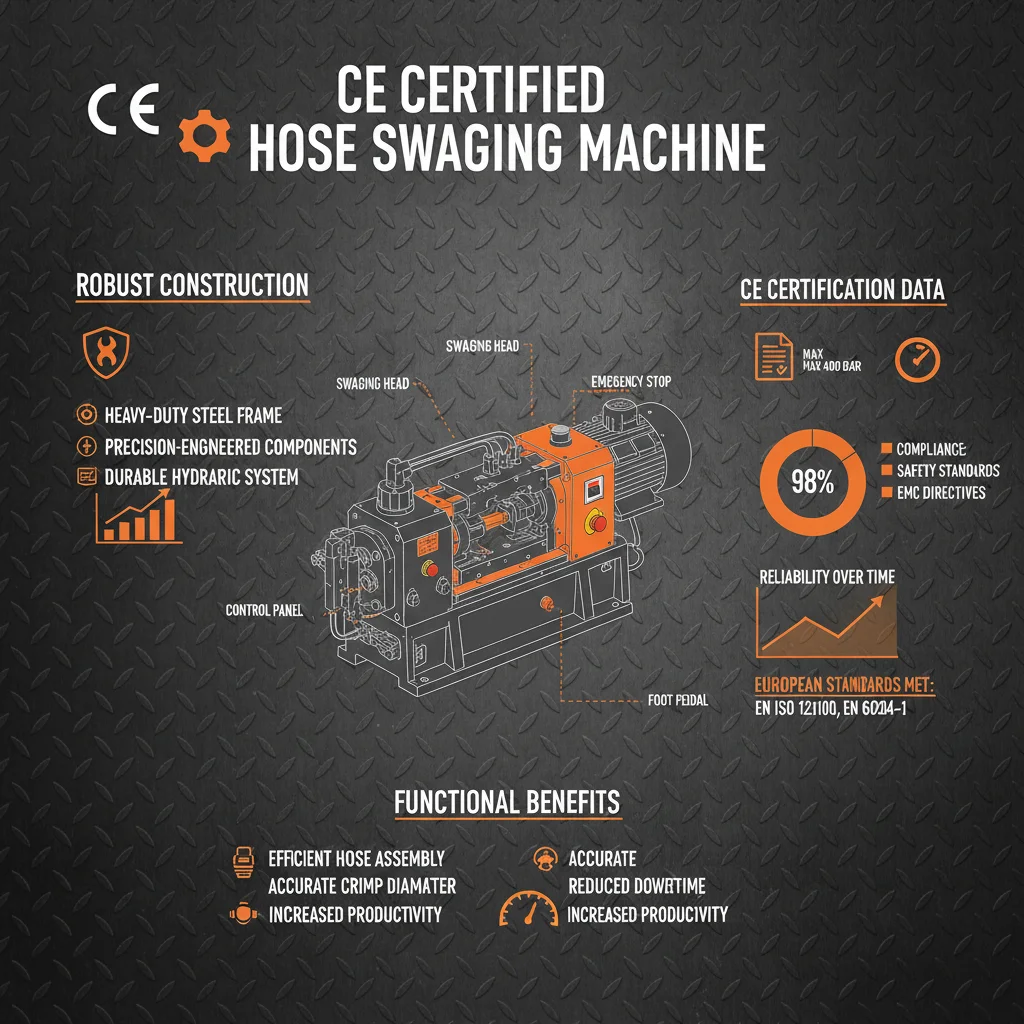
The reliability of a hose pipe pressing machine depends heavily on its hydraulic system. The pump and cylinder must provide consistent, high-tonnage force to ensure the ferrule is compressed to the exact millimeter. Without a stable hydraulic core, the crimp may be "under-pressed," leading to leaks, or "over-pressed," which can crush the internal reinforcement of the hose.
Precision dies are the "teeth" of the hose pipe pressing machine. These hardened steel segments must be manufactured to incredibly tight tolerances. The geometry of the die determines the final shape of the crimp; professional-grade machines offer a wide array of interchangeable dies to accommodate different hose diameters and material types, from rubber to thermoplastic.
The control interface, whether it is a manual valve or a digital PLC system, governs the accuracy of the operation. In high-end models, digital distance control allows operators to set the exact compression depth, eliminating human error and ensuring that every single hose pipe pressing machine output is identical, regardless of who is operating the equipment.
Global Applications and Industrial Use Cases
The versatility of the hose pipe pressing machine allows it to serve a vast spectrum of industries. In the agricultural sector, these machines are used to assemble high-pressure lines for tractors and irrigation systems, where resistance to UV rays and moisture is critical. In the mining industry, the extreme pressures required for hydraulic drills necessitate the use of heavy-duty crimpers like the Hose Crimping Machine DZW-P51 to handle thick-walled, multi-spiral hoses.
Furthermore, in critical infrastructure repair, such as post-disaster relief or remote power plant maintenance, mobile hose pipe pressing machine units are deployed. These portable systems allow technicians to fabricate replacement hoses on-site, reducing the downtime of essential machinery from days to minutes, thereby saving millions in potential productivity losses.
Comparative Efficiency of Hose Pipe Pressing Machine Methods
Tangible Advantages and Long-Term Reliability
Investing in a high-quality hose pipe pressing machine provides immediate cost advantages through the reduction of scrapped materials. When a crimp is performed incorrectly, both the expensive hose and the fitting are often wasted. Precise machinery ensures a "right-first-time" approach, which significantly lowers the cost per assembly in high-volume production environments.
Beyond the financial metrics, the emotional value of trust and safety cannot be overstated. In industries where a hose failure could lead to environmental contamination or worker injury, the reliability of a certified hose pipe pressing machine provides peace of mind. The transition from manual "feel-based" crimping to data-driven pressing ensures that every connection is a fortress of safety.
Future Trends in Hydraulic Crimping Innovation
The future of the hose pipe pressing machine is inextricably linked to Industry 4.0. We are seeing the rise of "Smart Crimpers" that integrate IoT sensors to track every press in real-time. These machines can automatically upload the crimp diameter and pressure data to a cloud server, creating a digital birth certificate for every hose assembly, which is essential for aerospace and medical certifications.
Sustainability is also driving innovation. New hose pipe pressing machine designs are focusing on energy-efficient hydraulic pumps and the use of biodegradable hydraulic fluids. Furthermore, the development of more durable, wear-resistant die materials is extending the maintenance cycles, reducing the carbon footprint associated with tool replacement.
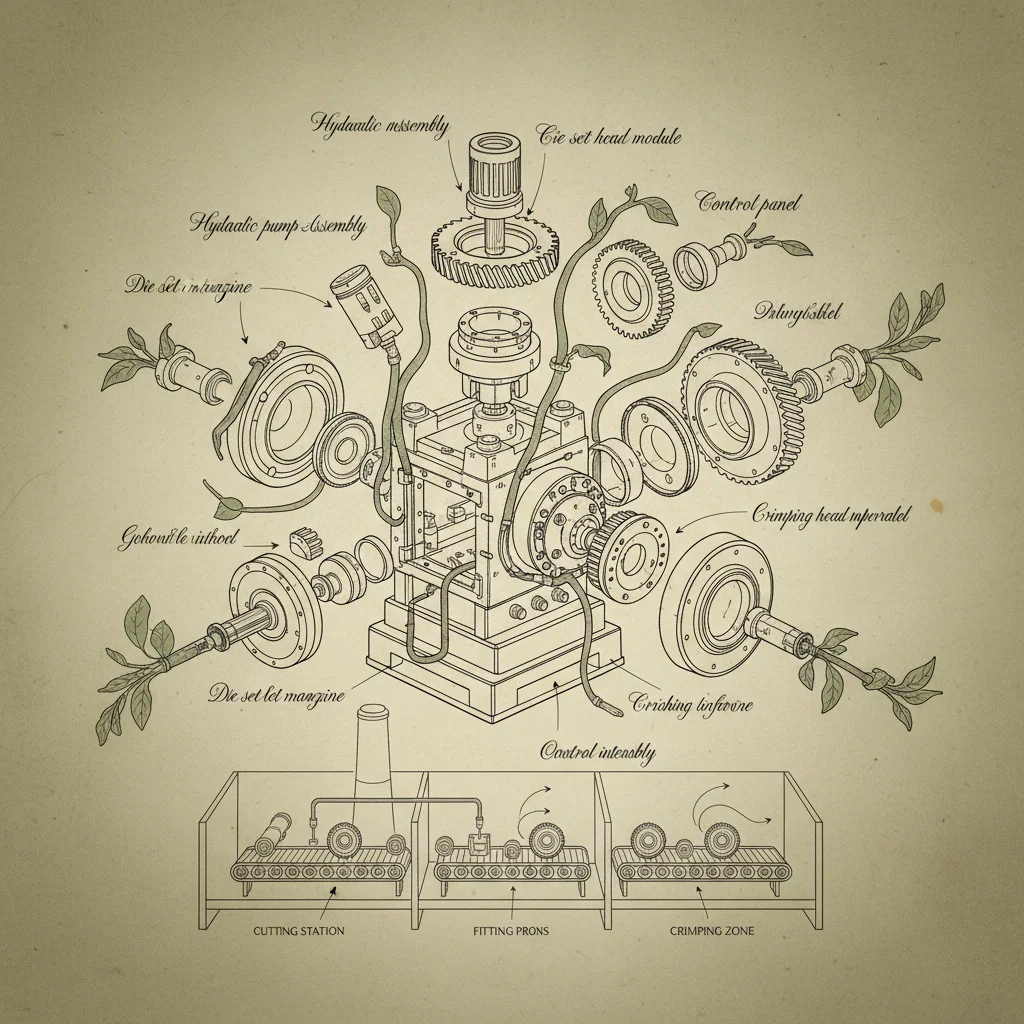
Automation is the final frontier. The integration of robotic arms with hose pipe pressing machine systems allows for fully autonomous assembly lines. From cutting the hose to skiving the end and finally pressing the fitting, the entire process is becoming a seamless, touchless operation that maximizes throughput and eliminates human variability.
Common Challenges and Expert Solutions
One of the most common challenges operators face with a hose pipe pressing machine is "hose slip," where the fitting pulls away under pressure. This is usually caused by incorrect die selection or insufficient pressing force. The expert solution is to implement a strict die-matching chart and utilize calipers to verify the final crimp diameter against the manufacturer's specifications for every new batch.
Another frequent issue is the wear and tear of the pressing dies, which can lead to asymmetrical crimps. To overcome this, we recommend a preventative maintenance schedule that includes regular lubrication of the sliding components and the use of high-grade alloy steel dies. Regularly rotating the dies can also distribute wear more evenly, prolonging the life of the equipment.
Finally, the learning curve for complex CNC hose pipe pressing machine models can be steep. To solve this, modern manufacturers are integrating intuitive touch-screen interfaces and pre-programmed presets for common hose brands. This allows even novice operators to achieve professional results with minimal training, ensuring consistent quality across different shifts.
Comparison of Hose Pipe Pressing Machine Technical Specifications
| Machine Model |
Max Pressing Force |
Control Precision |
Application Suitability |
| DZW-P16 |
Medium |
±0.2mm |
Small diameter hydraulic lines |
| DZW-P32 |
High |
±0.1mm |
Industrial machinery hoses |
| DZW-EP120 |
Very High |
±0.05mm |
High-pressure precision lines |
| DZW-FP140 |
Ultra High |
±0.05mm |
Heavy mining equipment |
| DZW-P51 |
Very High |
±0.1mm |
Large bore hydraulic assemblies |
| Custom Series |
Variable |
±0.02mm |
Aerospace/Medical specialized |
FAQS
Selecting the correct die is based on the hose's outer diameter and the ferrule's specific dimensions. You must refer to the manufacturer's crimping chart, which lists the required final crimp diameter. Using a die that is too large will cause leaks, while one that is too small can damage the hose structure. Always verify with a digital caliper after the first press of a new batch.
For low-volume, non-critical applications, a manual machine can be sufficient. However, CNC machines offer superior consistency and repeatability. CNC models remove the "human element" of judgment, ensuring that every fitting is pressed to the exact same specification, which is essential for high-pressure environments where safety is the priority.
Common signs include asymmetrical crimps, a drop in pressing speed, unusual hydraulic noise, or leaks around the cylinder seals. If you notice that the final crimp diameter is fluctuating despite using the same settings, it is time to inspect the dies for wear and check the hydraulic fluid levels and purity.
Yes, over-crimping occurs when too much force or depth is applied. This can crush the internal wire reinforcement of the hose, creating a weak point that may lead to a burst under pressure. This is why digital stop-settings and precise die selection are critical components of a professional hose pipe pressing machine workflow.
Die lifespan depends on the material of the ferrule and the volume of presses. High-quality hardened steel dies can last for thousands of cycles. However, they should be inspected every few months for pitting or deformation. Regular lubrication and avoiding "dry" pressing can significantly extend their operational life.
Importing industrial machinery requires compliance with local electrical standards (e.g., voltage and plug types) and safety certifications. We recommend working with a supplier that provides full documentation, including CE or ISO certifications, and offers comprehensive shipping and customs support to ensure the hose pipe pressing machine arrives safely and is ready for installation.
Conclusion
The hose pipe pressing machine is far more than a simple tool; it is a critical instrument of industrial safety and efficiency. By combining high-tonnage hydraulic power with micron-level precision, these machines ensure that the veins of our industrial machinery—the hydraulic hoses—remain secure under the most grueling conditions. From the selection of high-grade dies to the implementation of digital controls, every detail contributes to the reliability of the final assembly.
As we move toward a future of smarter, more sustainable manufacturing, the integration of IoT and automation into crimping technology will continue to drive productivity. For businesses looking to scale their operations while maintaining uncompromising safety standards, investing in a professional-grade hose pipe pressing machine is the most effective way to guarantee long-term operational success. Visit our website: www.willexcrimper.com