In the demanding world of hydraulic systems, the integrity of a connection can be the difference between seamless operation and catastrophic failure. A high-performance hose pipe crimping machine is not merely a tool but the cornerstone of safety and efficiency in fluid power assembly, ensuring that fittings are permanently bonded to hoses with precision and uniformity.
Across global industries—from heavy-duty mining and construction to precision aerospace engineering—the demand for leak-proof, high-pressure assemblies has never been higher. As systems push toward higher operating pressures, the reliance on standardized, automated crimping technology has become essential to eliminate human error and meet stringent ISO and SAE international standards.
Understanding the nuances of the hose pipe crimping machine allows operators to optimize production throughput while significantly reducing waste and downtime. By investing in the right crimping technology, businesses can guarantee the longevity of their hydraulic components, ensuring reliability in the most extreme environmental conditions.
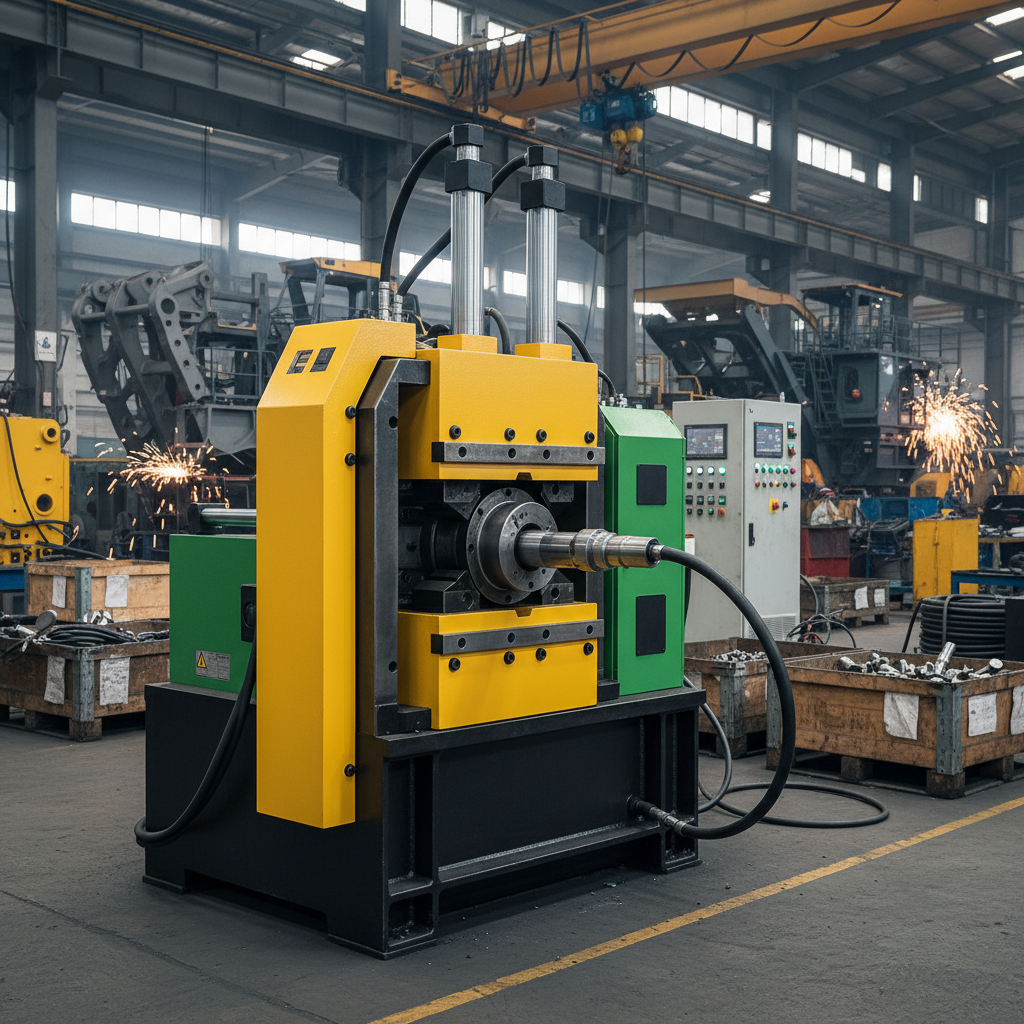
Global Industry Relevance of Hose Pipe Crimping Machine
The global reliance on hydraulic power makes the hose pipe crimping machine an indispensable asset in modern manufacturing. From the massive excavators used in open-pit mining to the delicate actuators in medical equipment, the ability to create a secure, high-pressure seal is critical. Statistics from industrial safety boards indicate that a significant percentage of hydraulic failures originate at the connection point, highlighting the need for precision crimping.
As emerging economies in Southeast Asia and Africa expand their infrastructure, the demand for rugged, reliable hydraulic assemblies has surged. This growth necessitates a transition from manual or low-precision methods to advanced hose pipe crimping machine systems that can handle a wide variety of hose diameters and pressure ratings, ensuring global infrastructure is built on a foundation of safety.
Definition and Technical Meaning of Hose Pipe Crimping
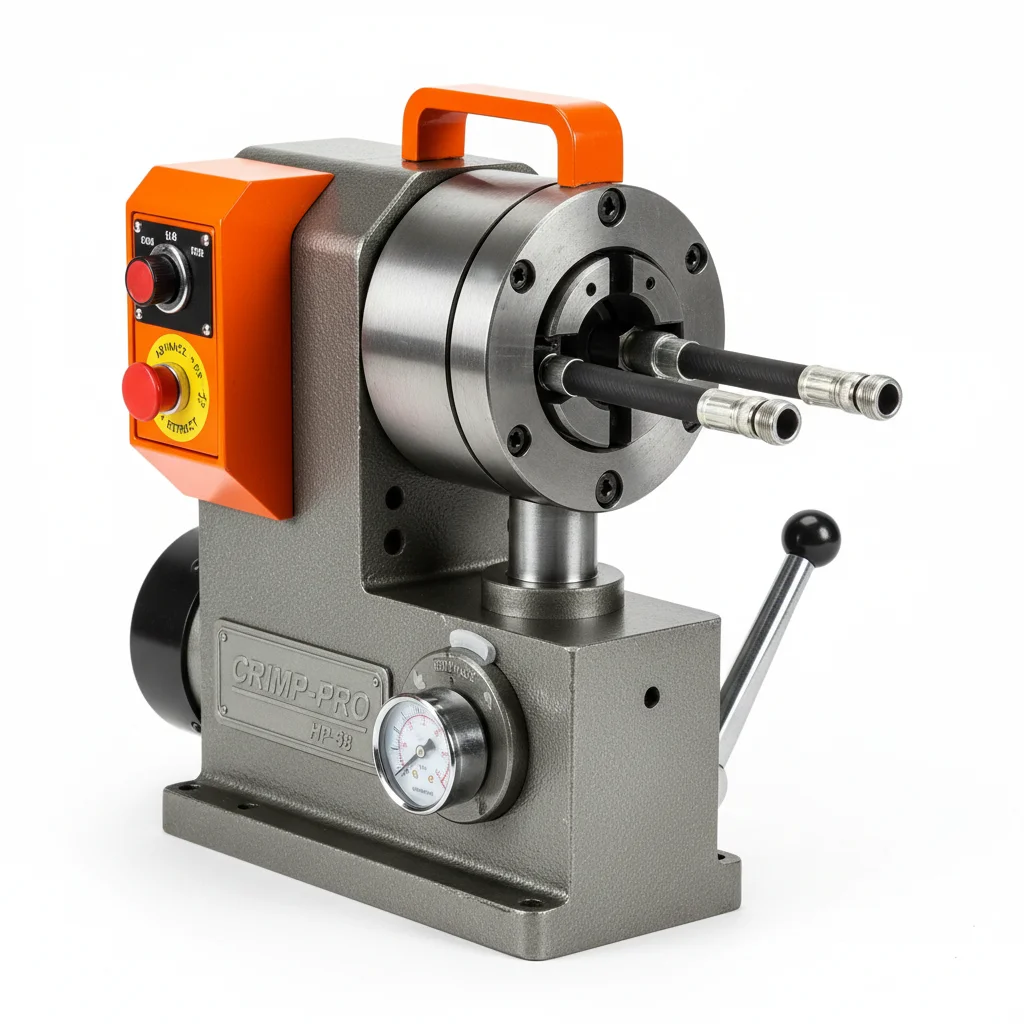
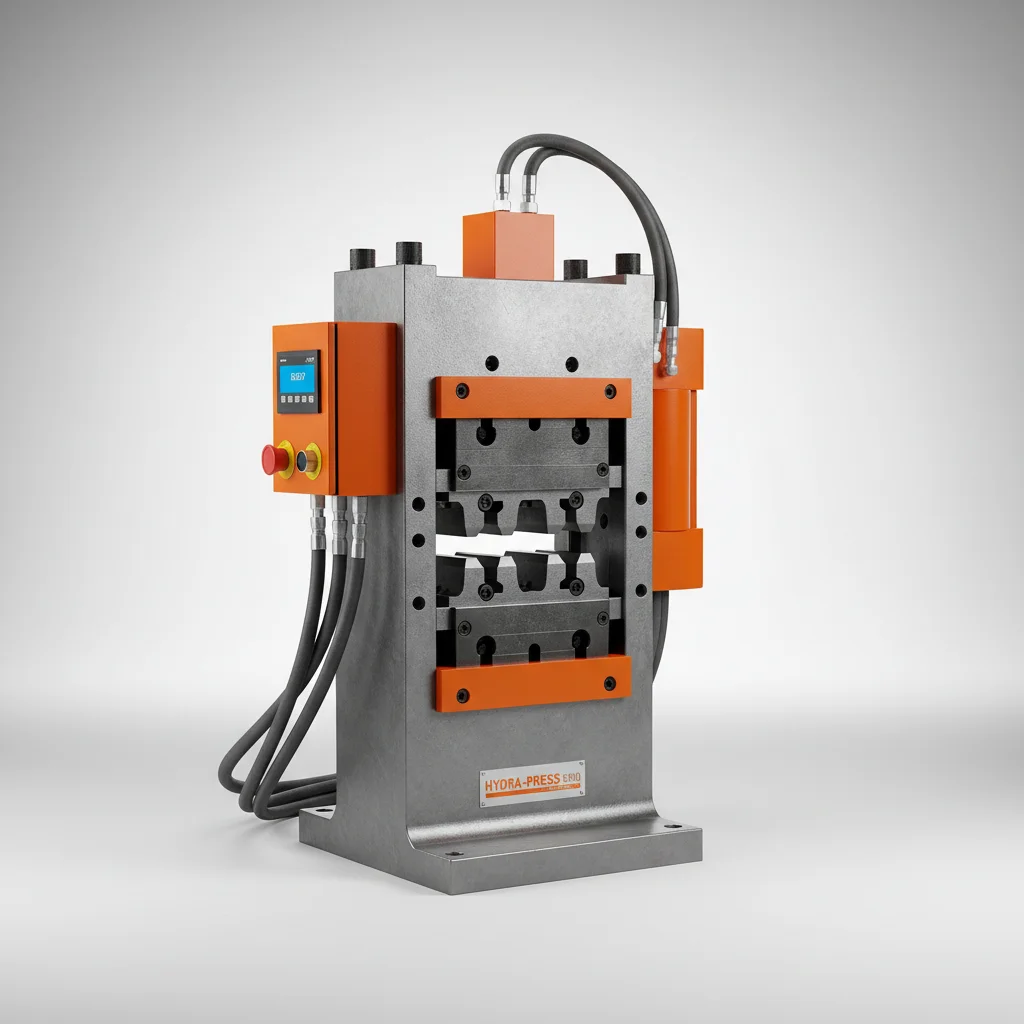
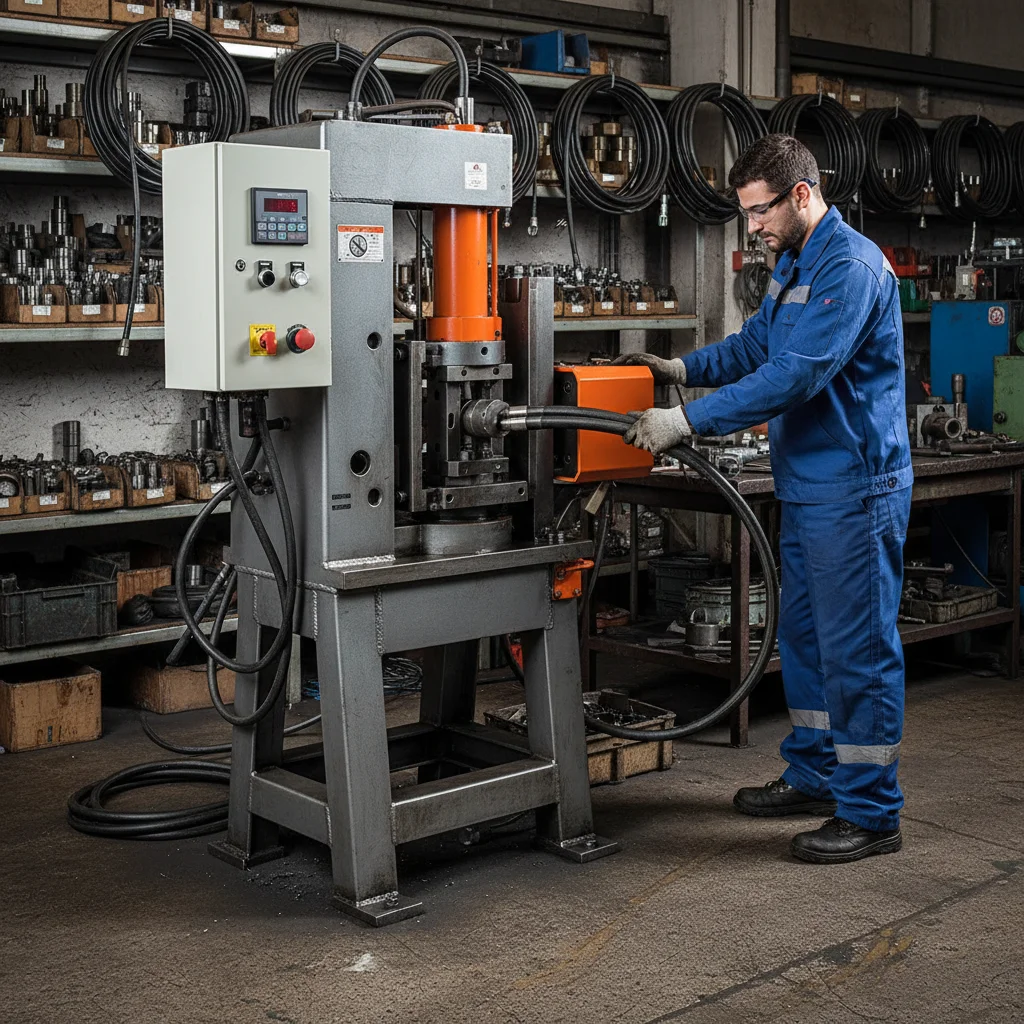
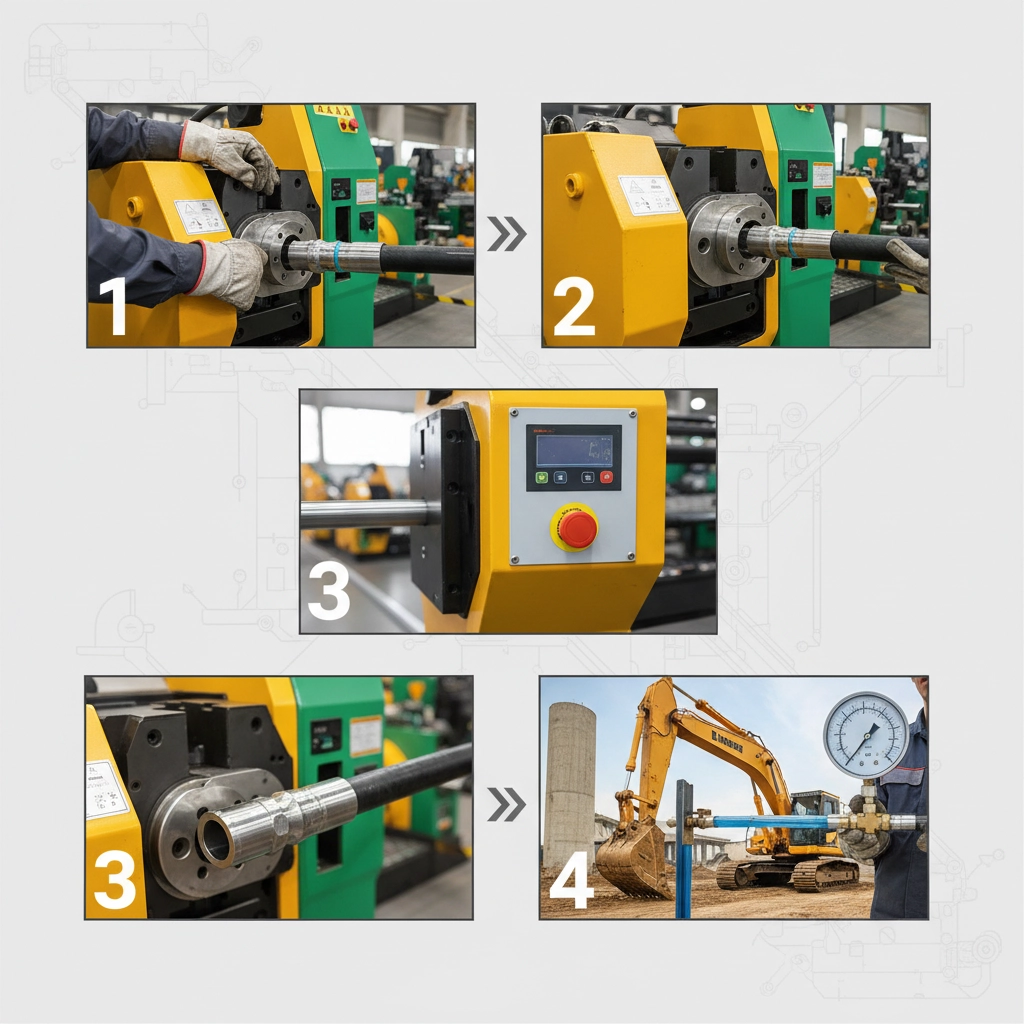
At its core, a hose pipe crimping machine is a specialized piece of industrial equipment designed to permanently join a hose to a fitting by mechanically compressing a metal collar (the ferrule) around the hose. This process creates a high-pressure seal that prevents the hose from slipping out of the fitting, even when subjected to extreme internal pressures and external vibrations.
Beyond the simple act of squeezing metal, this process is a precise science. It involves calculating the exact "crimp diameter"—the final thickness of the ferrule after compression—to ensure that the hose is gripped tightly enough to hold pressure but not so tightly that the internal reinforcement of the hose is crushed, which would compromise its burst pressure rating.
In the context of modern humanitarian and industrial needs, this technology enables the rapid deployment of critical machinery in remote areas. Whether it is assembling high-pressure lines for water purification systems in disaster zones or maintaining heavy machinery in deep-sea oil rigs, the hose pipe crimping machine provides the necessary reliability for life-critical operations.
Core Components and Performance Factors
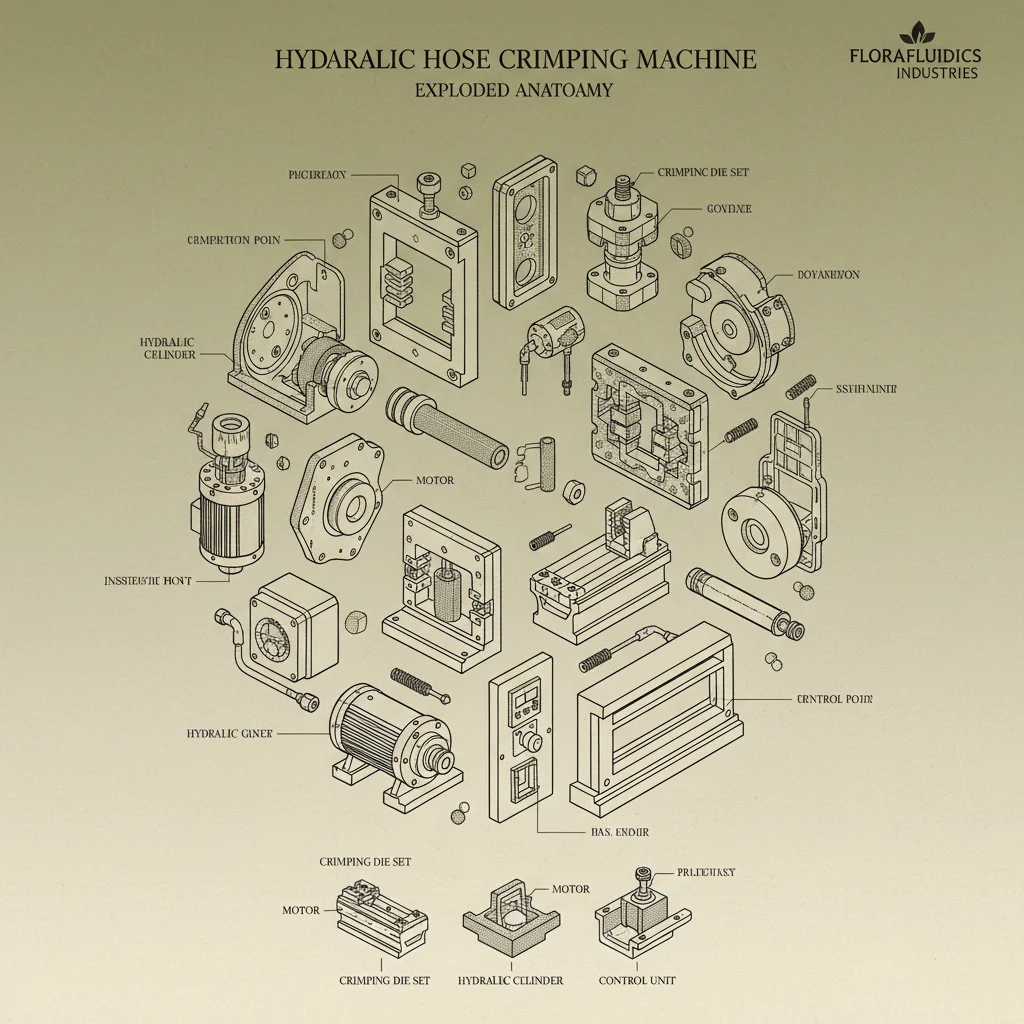
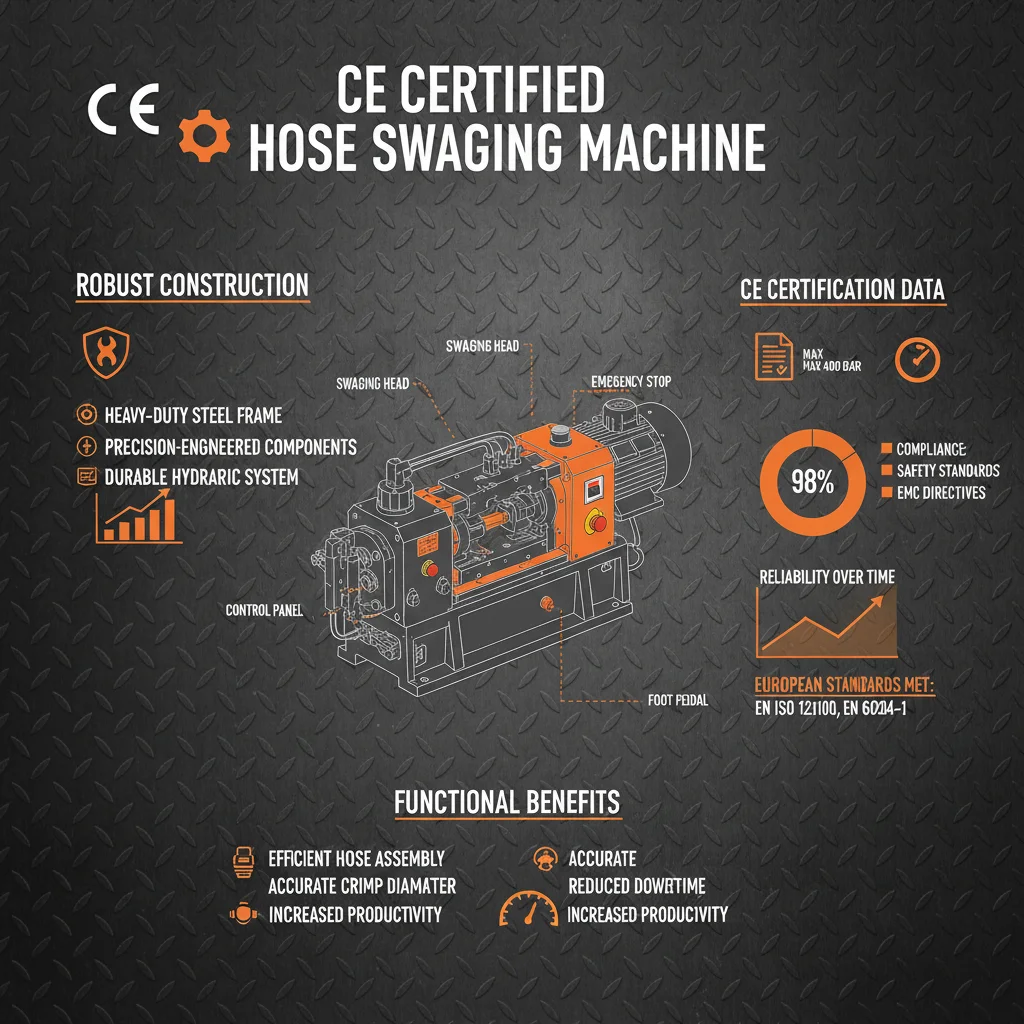
The durability of a hose pipe crimping machine depends heavily on its structural integrity. High-grade alloy steel frames are used to prevent deflection during high-pressure cycles, ensuring that the force is applied evenly across the ferrule. This structural stability is what allows for consistent results over thousands of operation cycles.
Precision control is the second pillar of performance. Modern hose pipe crimping machine units often feature digital readouts or precision dials that allow operators to set the crimping depth to within fractions of a millimeter. This eliminates the guesswork associated with manual crimping and ensures adherence to strict manufacturer specifications.
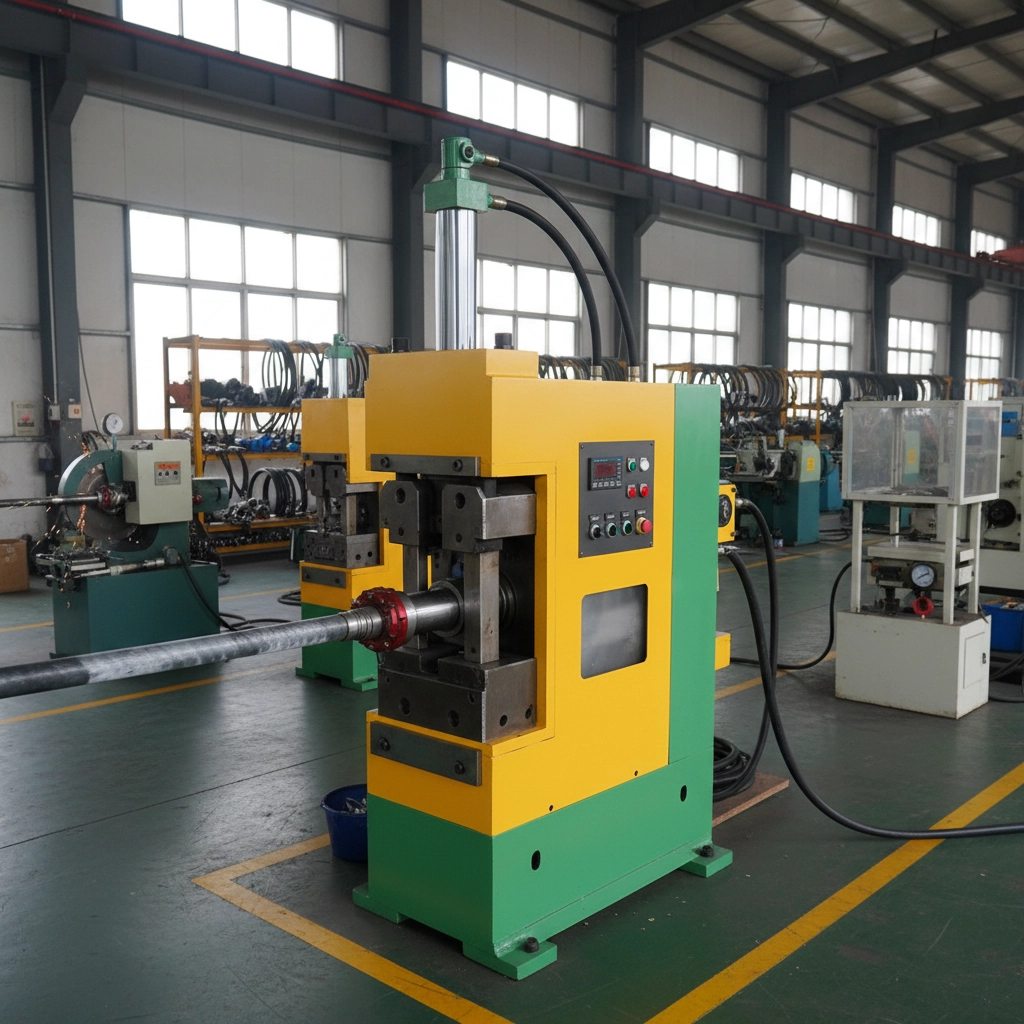
Versatility through modular tooling is what defines a professional-grade system. By using a wide array of interchangeable dies, a single hose pipe crimping machine can accommodate various hose sizes and types, from lightweight thermoplastic lines to heavy-duty braided steel hoses, making it a scalable solution for growing workshops.
Global Applications and Industrial Use Cases
The application of the hose pipe crimping machine spans across virtually every heavy industry. In the agricultural sector, these machines are used to assemble the high-pressure lines for tractor hydraulics and irrigation systems, ensuring that food production is not interrupted by hose failures during peak harvest seasons.
In remote industrial zones, such as the mining fields of Australia or the oil sands of Canada, portable hose pipe crimping machine units are deployed in mobile service vans. This allows technicians to perform on-site repairs, reducing equipment downtime from days to hours and saving companies millions in lost productivity.
Operational Efficiency Comparison by Crimping Method
Tangible Advantages and Long-Term Value
The primary advantage of using a professional hose pipe crimping machine is the dramatic increase in safety. By ensuring a consistent crimp, the risk of "blow-offs"—where the hose detaches under pressure—is virtually eliminated. This provides peace of mind to operators and protects personnel from the dangers of high-pressure fluid injection injuries.
From a financial perspective, the long-term value lies in sustainability and waste reduction. Precise crimping reduces the number of rejected assemblies and minimizes the need for frequent replacements. When coupled with high-quality fittings, the assemblies produced by a reliable hose pipe crimping machine last significantly longer, lowering the total cost of ownership for the end-user.
Future Trends in Crimping Technology
The industry is currently moving toward the "Industry 4.0" model, where the hose pipe crimping machine becomes a connected device. We are seeing the integration of IoT sensors that can track the number of cycles, monitor hydraulic fluid levels in the machine, and automatically alert technicians when maintenance is required, preventing unplanned breakdowns.
Another significant trend is the shift toward smarter automation. Future hose pipe crimping machine systems are incorporating AI-driven presets that automatically adjust the crimp diameter based on the specific hose brand and material detected by the machine, removing the need for manual lookup tables.
Sustainability is also playing a role, with manufacturers exploring energy-efficient servo-electric drives to replace traditional hydraulic pumps. These new hose pipe crimping machine designs reduce power consumption and noise pollution in the workshop while offering even higher precision through electronic control.
Challenges and Expert Solutions in Assembly
One of the most common challenges in the field is the "under-crimp" or "over-crimp" phenomenon. Under-crimping leads to leaks and failures, while over-crimping can damage the internal wire braid of the hose, reducing its pressure capacity. The solution lies in the adoption of calibrated digital hose pipe crimping machine systems that use precise displacement sensors rather than simple timers.
Material incompatibility also poses a risk, as different hose compounds react differently to compression. Expert operators solve this by maintaining a strict database of crimp specifications and using a hose pipe crimping machine that allows for fast switching between different die sets without losing calibration.
Finally, the challenge of maintaining consistency across multiple shifts can be solved through standardized operating procedures (SOPs) and the use of automated hose pipe crimping machine platforms that lock the settings for specific jobs, ensuring that every hose produced is identical regardless of who is operating the machine.
Technical Analysis of Hose Pipe Crimping Machine Performance Metrics
| Machine Series |
Pressure Capability |
Precision Level |
Operational Speed |
| DZW-P16 Series |
Medium Pressure |
High (±0.1mm) |
Fast |
| DZW-P32 Series |
High Pressure |
Very High (±0.05mm) |
Moderate |
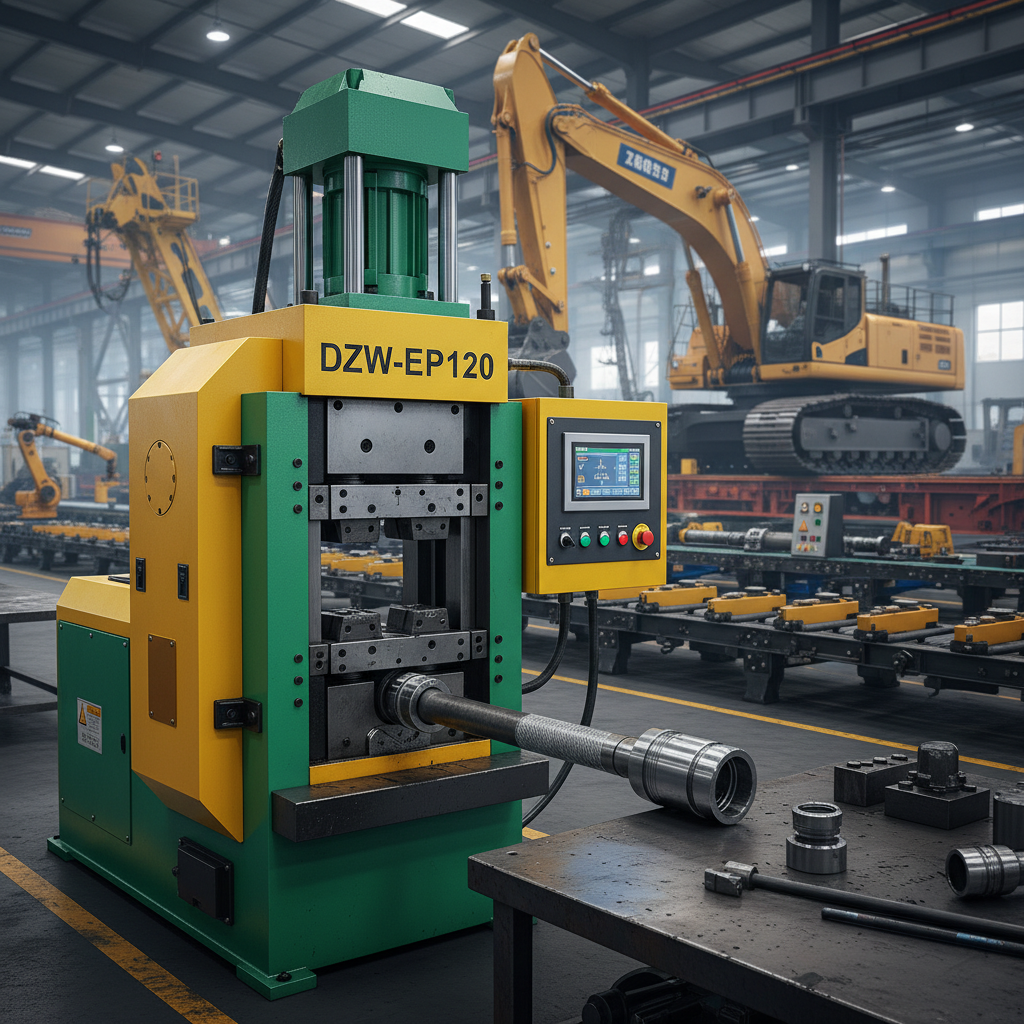
| DZW-EP120 Series |
Ultra High Pressure |
Precision (±0.02mm) |
Steady |
| DZW-FP140 Series |
Industrial Heavy |
High (±0.1mm) |
Fast |
| DZW-P51 Series |
Standard Range |
Moderate (±0.2mm) |
Very Fast |
| Customized Heavy Duty |
Extreme Pressure |
Precision (±0.05mm) |
Moderate |
FAQS
Determining the correct diameter requires referencing the hose and fitting manufacturer's specifications. You must consider the hose's outer diameter (OD) and the ferrule's thickness. A professional hose pipe crimping machine allows you to set this diameter precisely. We recommend performing a test crimp and measuring the result with a calibrated digital caliper to ensure it matches the spec sheet exactly before proceeding with a full production run.
While a single machine can handle a wide range of hoses, the key is the availability of different die sets. Most high-quality hose pipe crimping machine models are designed with interchangeable dies. As long as you have the corresponding die for the hose size and ferrule type, one machine can typically handle everything from small 1/4" lines to larger industrial hoses. However, for extreme pressure applications, you may need a machine with a higher tonnage rating.
Manual machines rely on the operator's feel or a simple mechanical stop, which can lead to inconsistency. Digital hose pipe crimping machine systems use electronic sensors to stop the piston at a precise position. This ensures that every single assembly is identical, significantly reducing the rate of failure and making it much easier to comply with ISO quality audits and safety certifications.
Calibration should ideally be performed every 6 to 12 months, or more frequently if the machine is used in a high-volume 24/7 production environment. Regular calibration of your hose pipe crimping machine ensures that the digital readouts remain accurate and that the hydraulic pressure is consistent, preventing costly errors and ensuring the safety of the assembled high-pressure hoses.
Yes, over-crimping is a serious issue. When a hose pipe crimping machine applies too much pressure, it can crush the internal wire reinforcement of the hose. This doesn't just deform the hose; it creates a structural weak point that can lead to a burst under pressure, even if the fitting itself remains attached. Using precision-controlled machines and following manufacturer specs is the only way to prevent this.
Prioritize structural rigidity, the precision of the adjustment system, and the availability of a comprehensive die set. Consider whether you need a portable unit for field service or a heavy-duty stationary hose pipe crimping machine for a workshop. Additionally, check for after-sales support and the availability of replacement parts, as downtime in a hydraulic shop can be extremely expensive.
Conclusion
The hose pipe crimping machine is an essential catalyst for industrial reliability, bridging the gap between raw hydraulic components and high-performance fluid power systems. From the critical need for precision in crimp diameters to the integration of IoT and automation, the evolution of this technology continues to enhance safety, efficiency, and sustainability across global manufacturing sectors. By focusing on durability, precision, and adherence to international standards, businesses can ensure their hydraulic assemblies withstand the most grueling environments.
Looking forward, the transition toward smarter, more energy-efficient crimping solutions will further reduce operational costs and environmental impact. We encourage industry professionals to move away from obsolete manual methods and embrace digital precision to guarantee the highest levels of safety and performance. To explore our full range of professional assembly equipment and find the perfect fit for your operation, visit our website: www.willexcrimper.com.