In the high-pressure world of industrial hydraulics, the integrity of a connection can be the difference between seamless operation and catastrophic failure. A professional hose crimper hydraulic hose crimping machine is not merely a tool but a precision instrument designed to fuse fittings and hoses into a single, leak-proof unit capable of withstanding immense atmospheric and fluid pressures. For engineers and technicians globally, mastering the art of crimping is essential for maintaining the safety and efficiency of heavy machinery.
Across the globe, from the deep mines of Australia to the automated factories of Germany, the demand for reliable hydraulic assemblies is surging. The shift toward higher pressure systems in construction and aerospace has made the precision of a hose crimper hydraulic hose crimping machine indispensable. Without the exact compression measured in microns, hoses can either slip under load or be crushed, leading to premature fatigue and costly downtime in critical infrastructure.
Understanding the nuances of hydraulic crimping allows businesses to move from relying on expensive pre-made assemblies to an in-house fabrication model. This transition not only reduces lead times but also ensures that every assembly meets the specific ISO and SAE standards required for the task at hand. By integrating a high-quality hose crimper hydraulic hose crimping machine into their workflow, companies can achieve a level of quality control that is simply unattainable when outsourcing.
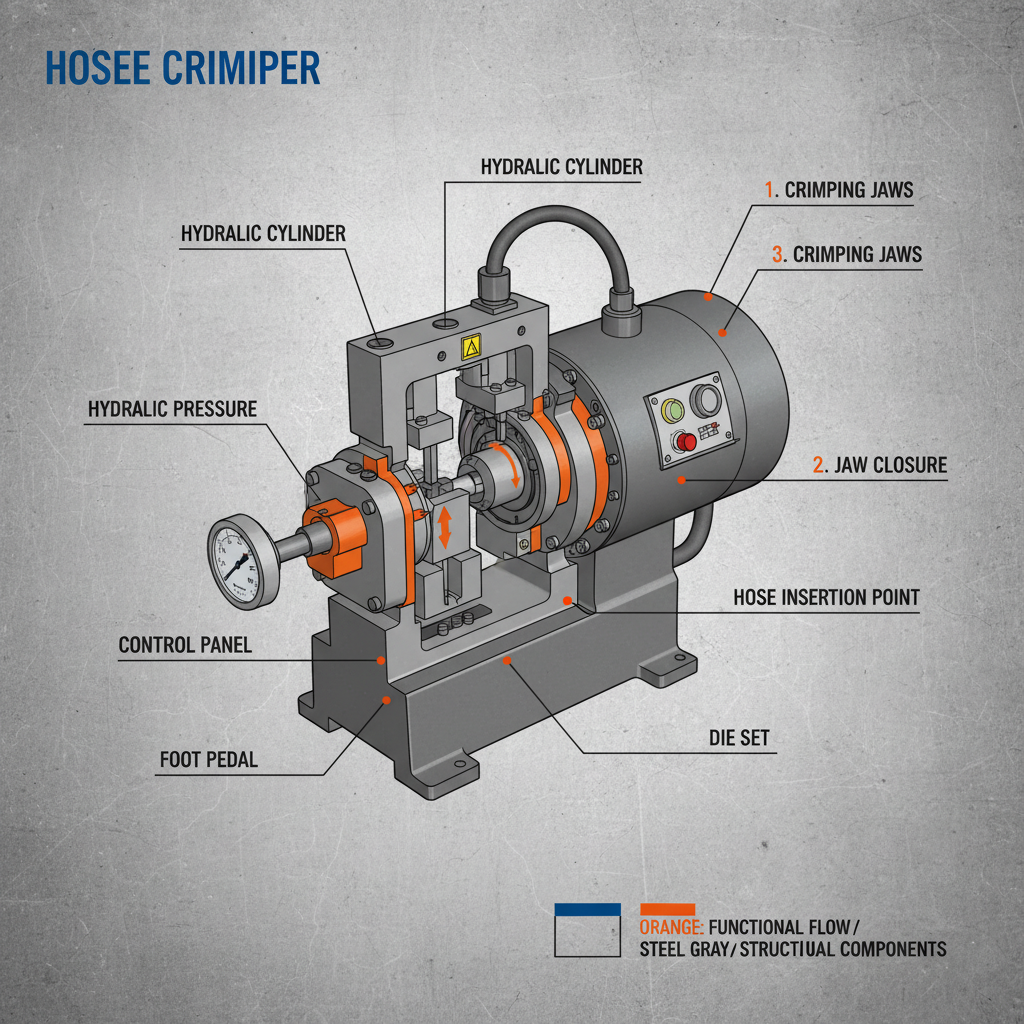
The Technical Fundamentals of Hose Crimping Machines
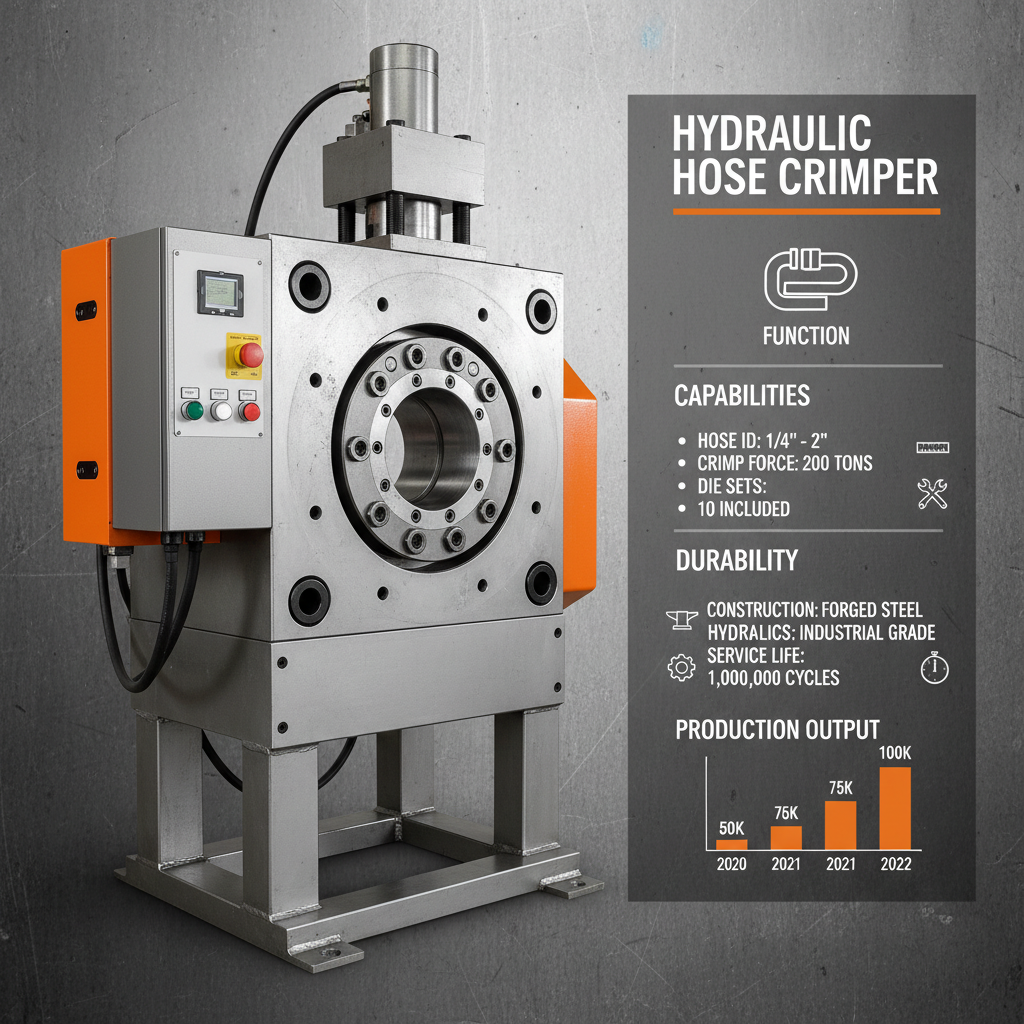
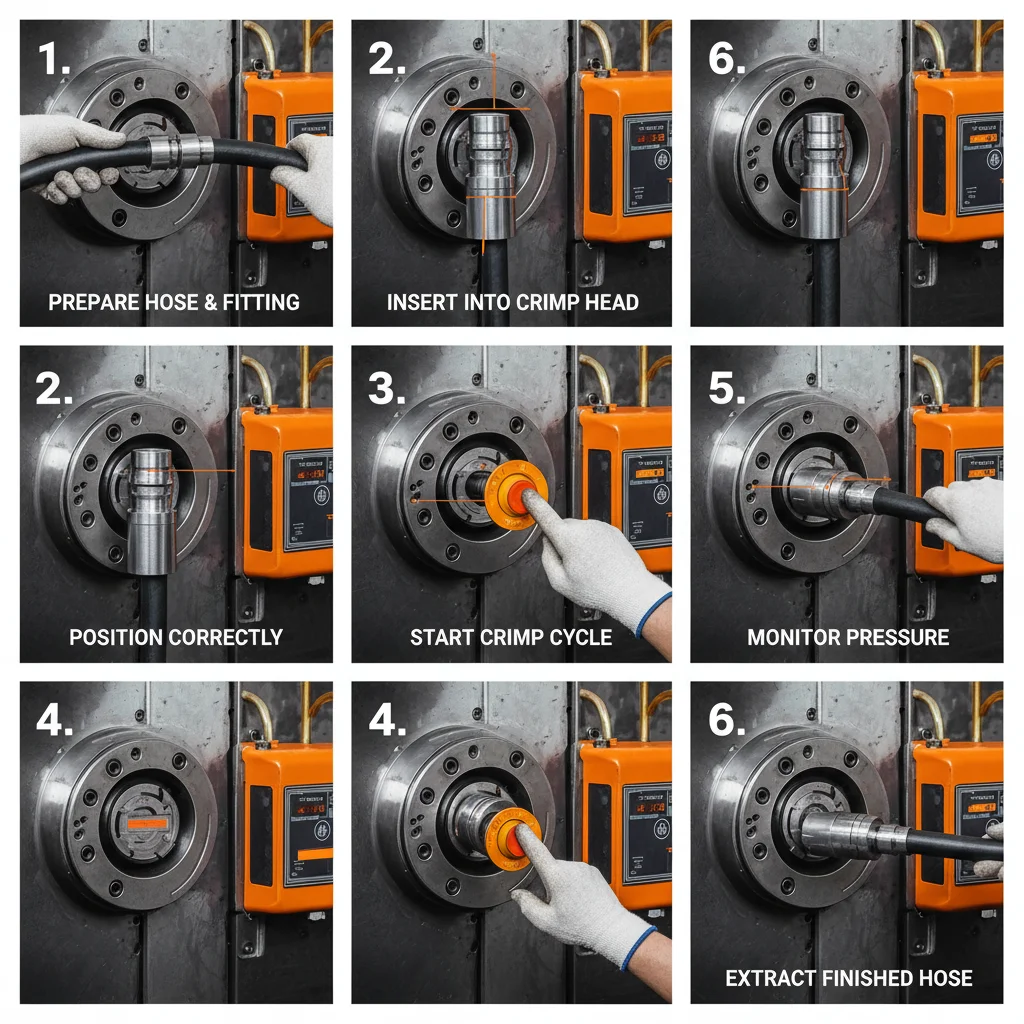
At its core, a hose crimper hydraulic hose crimping machine works by applying a radial force to a fitting that has been inserted into a hydraulic hose. This process, known as cold-swaging or crimping, uses a set of dies to compress the outer sleeve of the fitting, creating a mechanical bond that locks the hose reinforcement layers into the fitting's grip. The goal is to achieve a "permanent deformation" of the metal sleeve without damaging the internal tube of the hose.
The physics involved are complex; too little pressure results in a "blow-off" where the hose separates from the fitting under pressure, while too much pressure can collapse the hose wall, restricting flow and causing turbulence. Modern machines utilize high-pressure hydraulic cylinders to ensure that the force is distributed evenly across 360 degrees of the fitting, ensuring a consistent seal regardless of the hose diameter or material.
Global Industrial Standards and Compliance
Operating a hose crimper hydraulic hose crimping machine requires strict adherence to international standards such as ISO 10203 and SAE J517. These guidelines specify the exact crimp diameters required for different hose constructions, whether they are single-wire braid or multi-spiral wire. Following these standards ensures that a hose assembled in one part of the world will perform safely and predictably in another, which is critical for the global supply chain of heavy equipment.
One of the biggest challenges in the industry is the variability of hose wall thickness across different brands. This is where the precision of the crimping machine becomes vital. Advanced machines now incorporate digital readouts and programmable logic controllers (PLCs) that allow operators to store specific profiles for thousands of different hose-fitting combinations, reducing the risk of human error and ensuring every crimp is compliant with safety regulations.
Furthermore, compliance extends beyond the machine itself to the testing phase. A professional workflow involves using a hose crimper hydraulic hose crimping machine followed by rigorous pressure testing. By validating that the assembly can withstand 2 to 4 times its working pressure, manufacturers can guarantee the reliability of their products in hazardous environments, such as deep-sea drilling or high-altitude mining.
Core Components for Maximum Precision
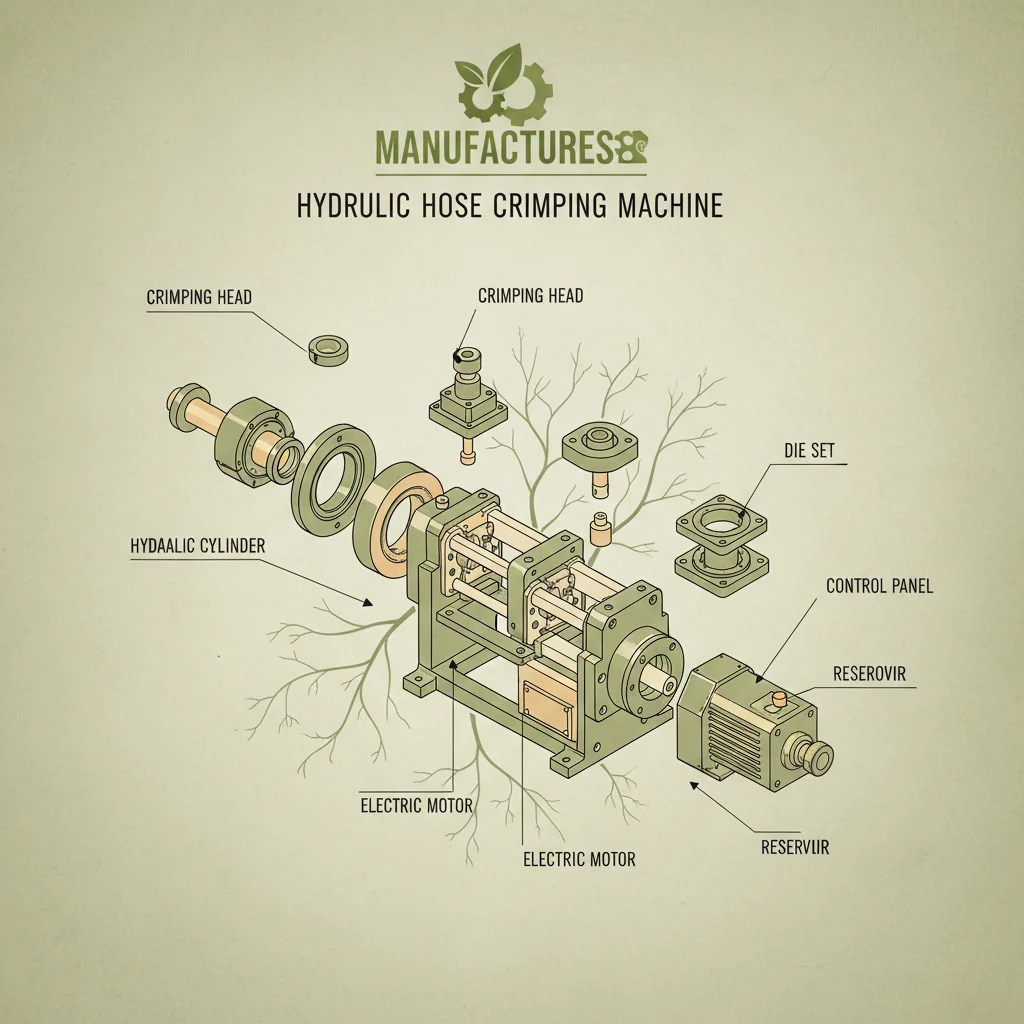
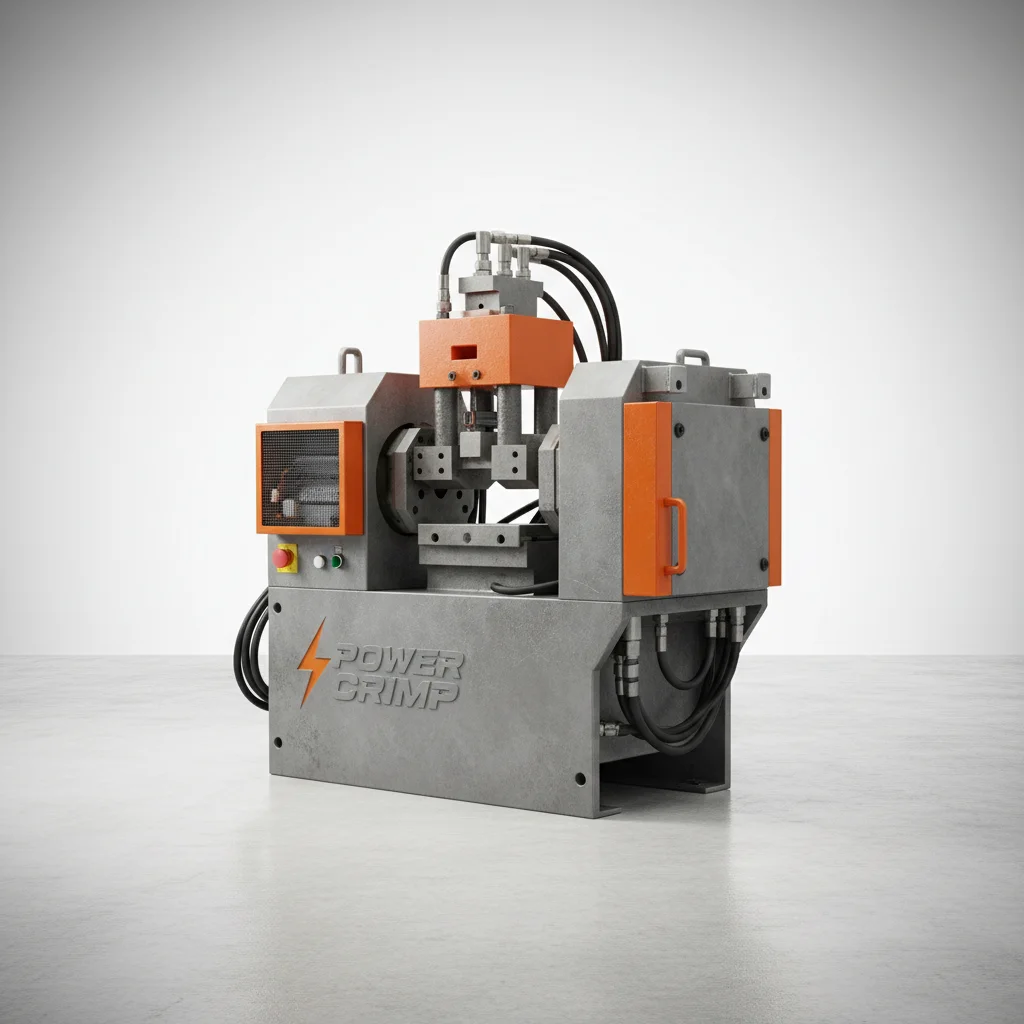
To achieve professional results, a hose crimper hydraulic hose crimping machine must possess high-grade structural components. The frame must be constructed from heavy-duty alloy steel to prevent deflection during the high-pressure cycle, as even a millimeter of frame stretch can result in an uneven crimp and a potential leak.
The heart of the system is the die set. A high-quality hose crimper hydraulic hose crimping machine uses hardened tool steel dies that are precision-ground to within microns. These dies are designed to distribute pressure uniformly, preventing the "folding" of the sleeve and ensuring a smooth, professional finish that meets industrial aesthetics and safety codes.
Finally, the hydraulic pump and valve system dictate the consistency of the operation. Whether using a manual hand pump for remote field repairs or an electric-hydraulic system for high-volume production, the ability to maintain a steady pressure curve is what separates a hobbyist tool from a professional hose crimper hydraulic hose crimping machine.
Performance Analysis of Crimping Methods
When selecting the right hose crimper hydraulic hose crimping machine, it is important to compare different operational methods. Manual crimping offers portability for field technicians, while semi-automatic and fully automatic machines provide the repeatability required for mass production. The choice depends heavily on the volume of assemblies and the required precision for high-pressure applications.
The efficiency of these methods can be measured by their throughput and the percentage of rejected parts. Automated systems significantly reduce waste by eliminating manual measurement errors, whereas manual systems require a highly skilled operator to judge the crimp diameter using a caliper.
Performance Efficiency of Different Hose Crimper Hydraulic Hose Crimping Machine Types
Real-World Applications Across Global Sectors
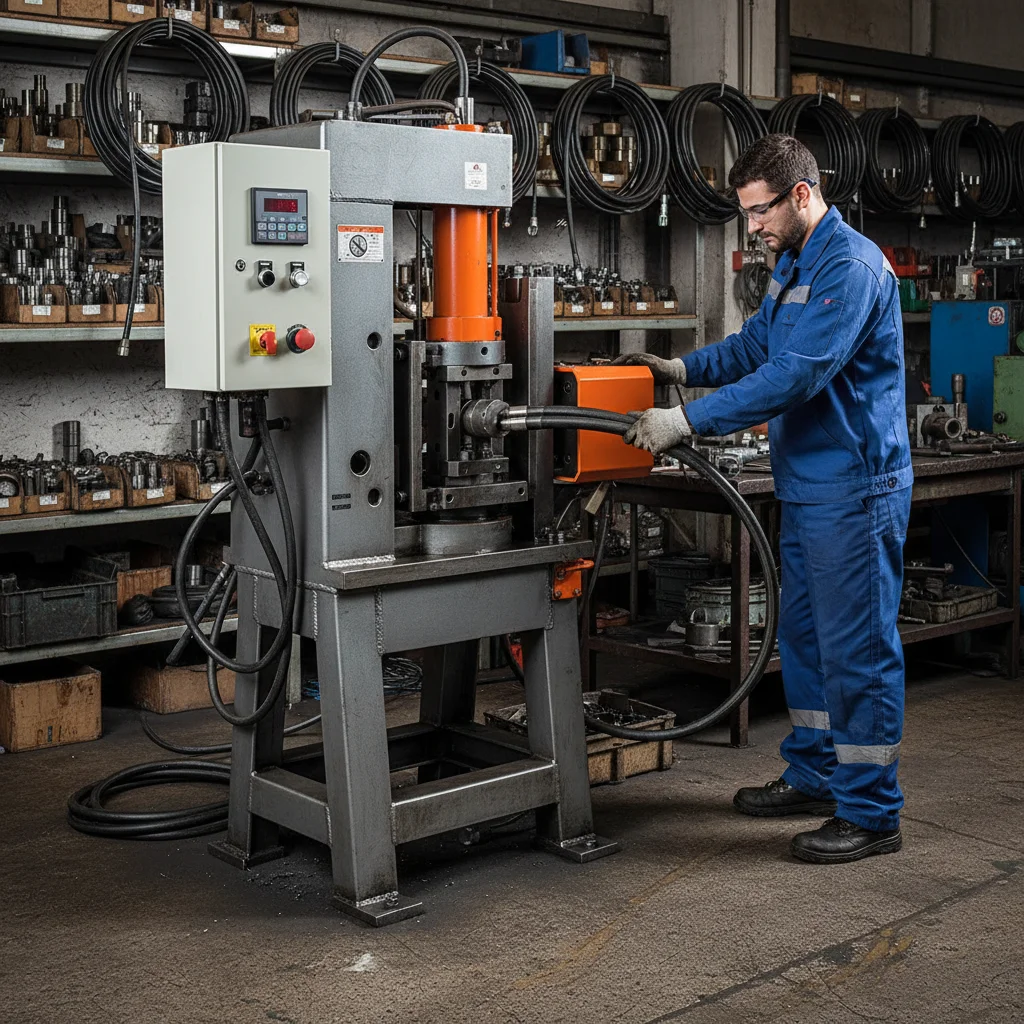
The application of a hose crimper hydraulic hose crimping machine spans nearly every heavy industry. In the agricultural sector, these machines are used to fabricate high-pressure lines for tractor hydraulics and combine harvesters, ensuring that seasonal equipment remains operational during critical harvest windows. In the mining industry, where machinery operates in extreme environments, the ability to quickly crimp a replacement hose on-site prevents millions of dollars in lost productivity.
Beyond heavy machinery, the aerospace and defense sectors rely on high-precision hose crimper hydraulic hose crimping machine technology for flight control systems and landing gear hydraulics. In these contexts, there is zero tolerance for failure. The use of automated crimping ensures that every single assembly is identical and meets the stringent safety margins required for aviation.
Long-Term Economic Value of In-House Production
Investing in a hose crimper hydraulic hose crimping machine transforms a company's operational cost structure. Instead of paying a premium for pre-assembled hoses and waiting days for shipping, businesses can purchase bulk hoses and fittings, assembling them in minutes. This "just-in-time" manufacturing approach reduces inventory costs and eliminates the downtime associated with waiting for external vendors.
Moreover, in-house production allows for complete customization. Whether a project requires a non-standard hose length or a unique fitting combination for a legacy machine, a hose crimper hydraulic hose crimping machine provides the flexibility to create a perfect fit. This leads to cleaner installations and fewer points of failure in the hydraulic circuit.
From a sustainability perspective, producing hoses locally reduces the carbon footprint associated with transporting heavy industrial parts. It also allows for the repair of existing assemblies by replacing only the damaged section rather than discarding an entire long hose, promoting a more circular economy within the industrial workshop.
Future Innovations in Hydraulic Assembly Technology
The future of the hose crimper hydraulic hose crimping machine is being shaped by the Fourth Industrial Revolution (Industry 4.0). We are seeing the integration of IoT sensors that can monitor the wear and tear of the dies in real-time, alerting operators before a component fails. This predictive maintenance ensures that the quality of the crimp never dips below the required threshold.
Digital transformation is also introducing "smart crimping," where the machine communicates directly with a database of hose specifications via the cloud. The operator simply scans a barcode on the hose and fitting, and the hose crimper hydraulic hose crimping machine automatically adjusts its pressure and stroke length, removing the possibility of human error entirely.
Furthermore, as the world moves toward green energy, we are seeing the development of energy-efficient hydraulic systems that use less power to achieve the same crimping force. These eco-friendly machines, combined with biodegradable hydraulic fluids, are making the process of hose assembly cleaner and more sustainable for the next generation of technicians.
Comparison of Advanced Crimping Technologies and Specifications
| Technology Level |
Precision Level (1-10) |
Automation Degree |
Primary Use Case |
| Manual Hand Crimper |
4 |
Zero |
Emergency Field Repair |
| Basic Electric Crimper |
6 |
Low |
Small Workshop Assembly |
| Digital PLC Machine |
8 |
Medium |
Industrial Hose Shops |
| IoT Connected System |
9 |
High |
Smart Factory Integration |
| Full Auto Line |
10 |
Total |
OEM Mass Production |
| Hybrid Servo Crimper |
10 |
High |
Ultra-High Pressure Aero |
FAQS
The correct crimp diameter depends on the hose brand, the type of reinforcement (braided or spiral), and the fitting size. You should always refer to the manufacturer's specification chart or use a hose crimper hydraulic hose crimping machine with a built-in digital database that stores these parameters. Once the machine is set, always verify the final diameter with a calibrated digital caliper to ensure it falls within the acceptable tolerance range.
The most common causes are under-crimping, where the diameter is too large, or using the wrong die set for the fitting. Other factors include an improperly stripped hose or contamination (oil/dirt) inside the fitting. Ensuring your hose crimper hydraulic hose crimping machine is calibrated and that the operator follows the correct sequence of fitting insertion is critical to preventing these failures.
While the machine frame is often universal, you must use the specific die sets designed for the hose and fitting combination. A high-quality hose crimper hydraulic hose crimping machine typically comes with a variety of die sets. Attempting to use a "close enough" die can lead to structural failure of the hose or damage to the machine's hydraulic cylinder.
For industrial environments, we recommend a full calibration every six months or every 5,000 cycles. You should also perform a "first-piece inspection" at the start of every shift. Using a precision hose crimper hydraulic hose crimping machine helps maintain consistency, but regular checks ensure that wear on the dies hasn't altered the final crimp diameter.
Yes, for professional applications. A digital hose crimper hydraulic hose crimping machine removes the guesswork by providing exact measurements and repeatable settings. While manual crimpers are great for emergencies, digital systems increase safety, reduce waste, and allow for much faster production speeds without sacrificing quality.
Regular maintenance involves lubricating the moving parts of the slide and die holder, checking the hydraulic oil levels, and inspecting the dies for cracks or deformation. Keeping your hose crimper hydraulic hose crimping machine clean and free of metal shavings will extend the life of the pump and ensure that the crimping force remains uniform.
Conclusion
The implementation of a professional hose crimper hydraulic hose crimping machine is a cornerstone of modern industrial maintenance and manufacturing. From ensuring the safety of high-pressure systems to reducing operational costs through in-house production, the impact of precision crimping is felt across agriculture, mining, aerospace, and beyond. By combining high-grade materials, adherence to international standards, and the latest in digital automation, businesses can ensure that their hydraulic assemblies are not just functional, but fail-safe.
As the industry moves toward smarter, more sustainable practices, the role of the hose crimper hydraulic hose crimping machine will continue to evolve with IoT and AI integration. We encourage operators and business owners to invest in high-precision equipment to future-proof their operations and enhance their safety margins. For those seeking industry-leading solutions in hydraulic assembly, we invite you to explore our professional range. Visit our website: www.willexcrimper.com