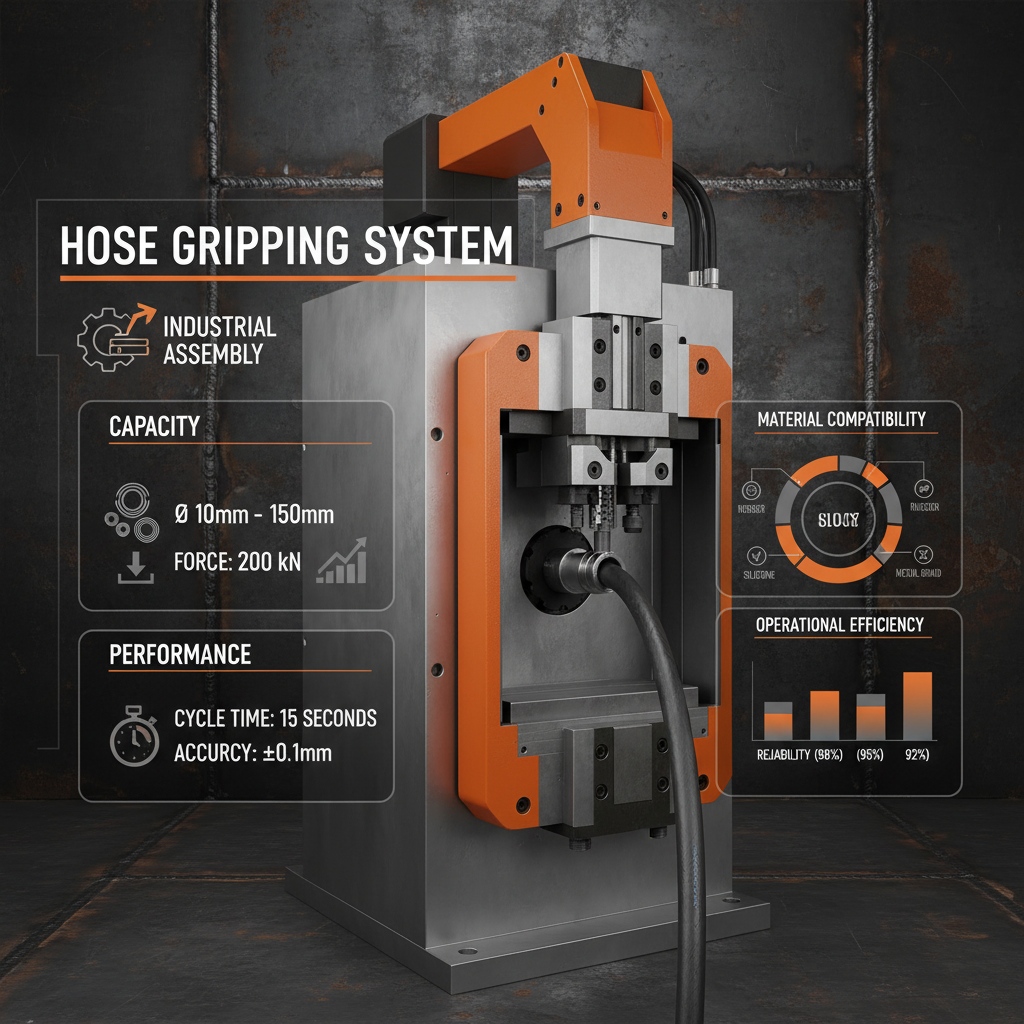
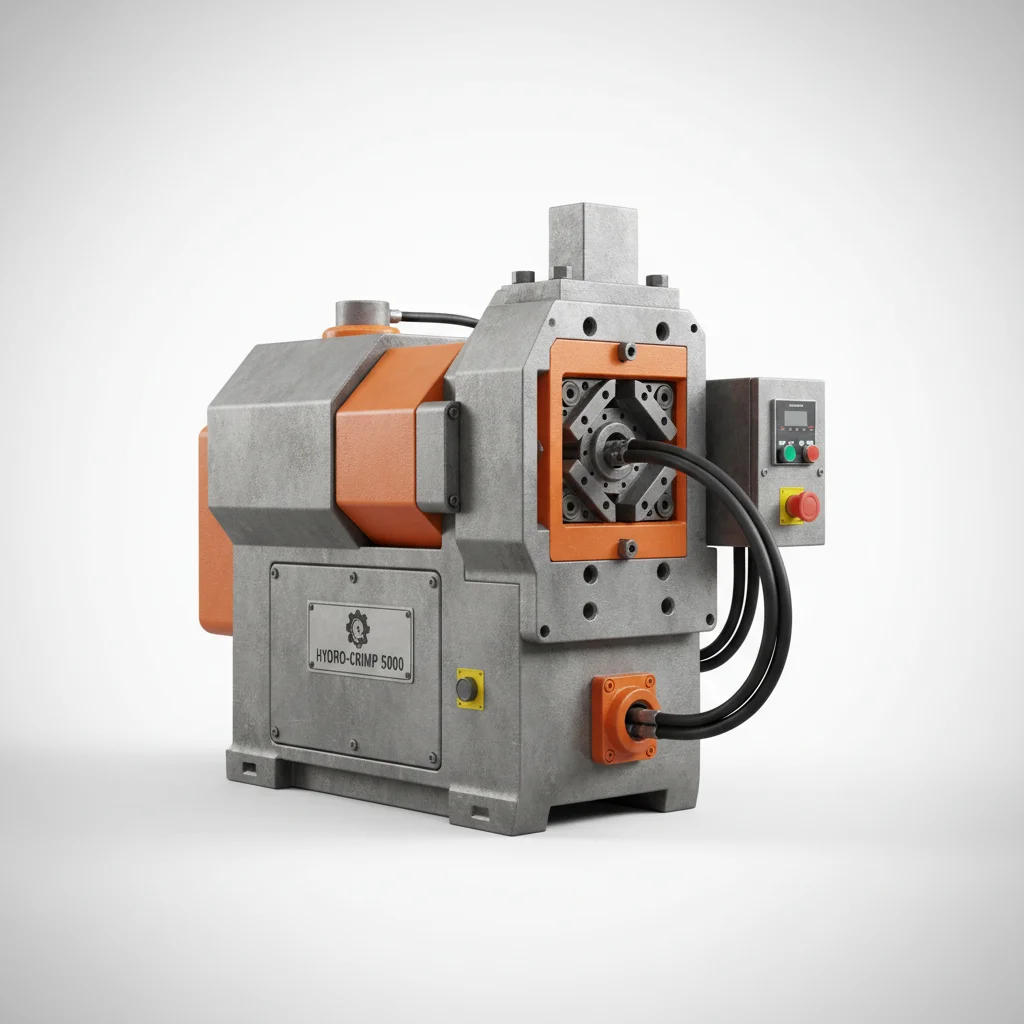
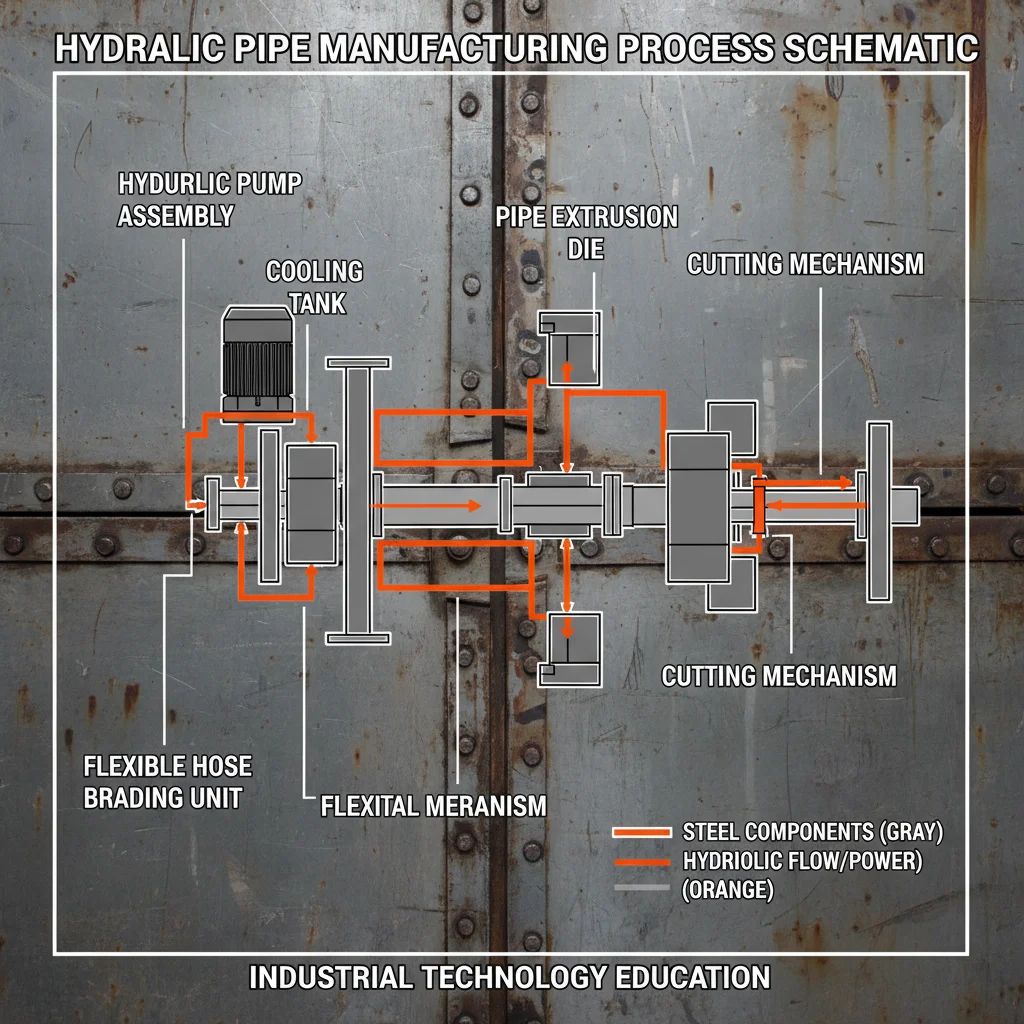
In the high-precision world of hydraulic assembly, the stability of a hose during processing is paramount. A hose gripping machine serves as the foundational anchor, ensuring that hoses are held firmly without deformation during critical operations such as cutting, skiving, or pre-assembly. Without a reliable gripping mechanism, the risk of axial slippage increases, which can lead to inaccurate measurements and potential failure of the final hydraulic connection.
Globally, the demand for specialized hydraulic equipment has surged alongside the growth of heavy machinery in mining, construction, and aerospace. Industry standards, including those set by ISO and SAE, emphasize the need for repeatability and precision in hose fitting. Implementing an automated hose gripping machine allows manufacturers to transition from manual, error-prone clamping to a standardized system that guarantees consistent pressure and positioning across thousands of production cycles.
Understanding the nuances of hose gripping technology is not merely about hardware; it is about optimizing the entire production workflow. By reducing setup times and minimizing material waste caused by misalignment, companies can significantly lower their operational costs while improving worker safety. This guide explores the technical depths of these machines, from their core components to their evolving role in the era of Industry 4.0.
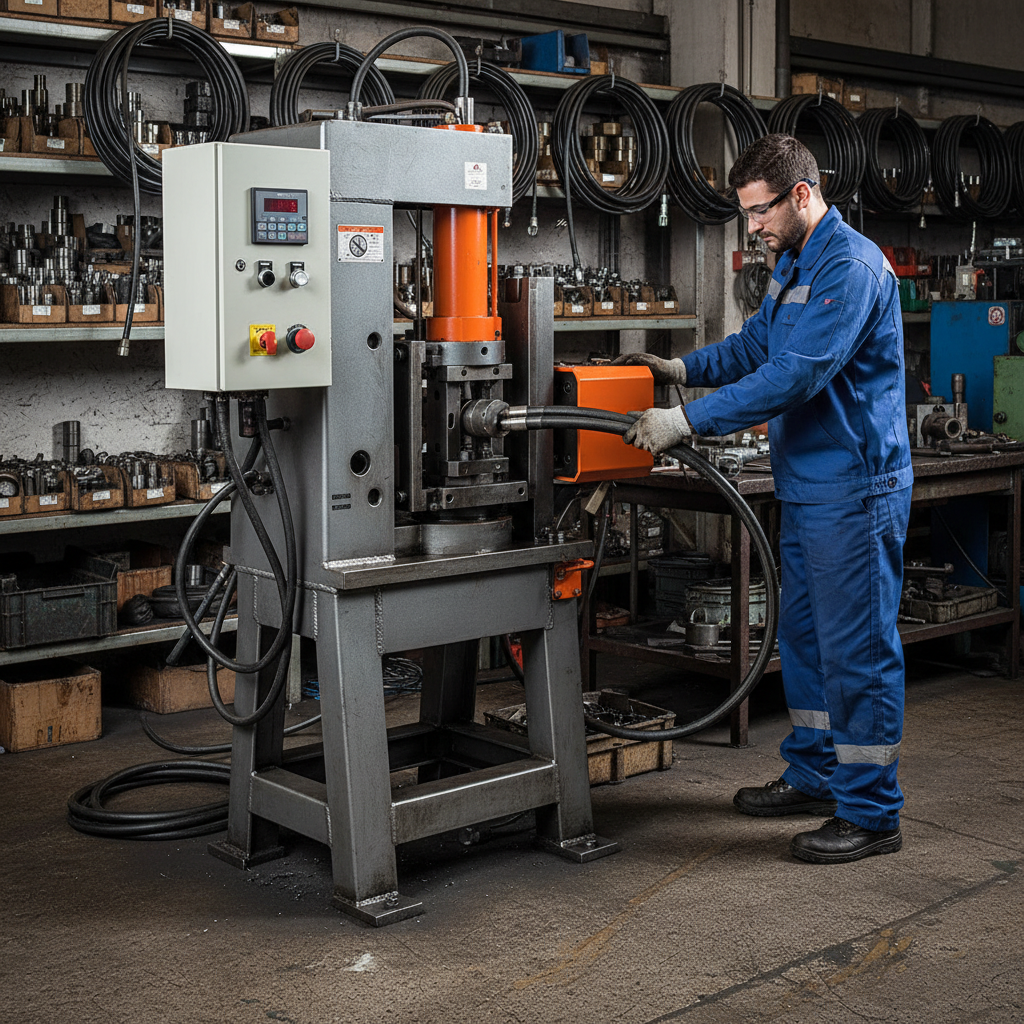
The Fundamental Role of the Hose Gripping Machine
At its core, a hose gripping machine is designed to secure a flexible hose in a fixed position, preventing any rotation or longitudinal movement during high-torque or high-pressure operations. In the context of connector pre-assembly, this stability is vital because any slight shift in the hose's position can result in an uneven crimp, leading to leaks or catastrophic bursts under operational pressure.
Modern gripping systems utilize a combination of pneumatic and mechanical force to apply a calibrated clamping pressure. This ensures that the hose is held securely enough to withstand the forces of the machining process, yet gently enough to avoid crushing the internal reinforcement layers or damaging the outer cover, which would compromise the hose's integrity and lifespan.
Global Industry Context and Technical Demand
The global hydraulic market is currently experiencing a shift toward "Zero Leakage" policies, driven by environmental regulations and the need for higher efficiency in energy transmission. As hydraulic systems in sectors like offshore drilling and aerospace operate at increasingly higher pressures (reaching 600 bar and beyond), the tolerance for error in hose assembly has vanished. This has placed the hose gripping machine at the center of the quality control chain.
In developed industrial hubs across Europe and North America, the labor shortage in skilled machining has accelerated the adoption of automated gripping solutions. By integrating these machines into a wider production line—alongside hose cutting and skiving equipment—manufacturers are achieving a level of consistency that manual clamping simply cannot match. This shift is reflected in the adoption of ISO 10100 standards, where the repeatability of the assembly process is strictly audited.
The challenge remains in the diversity of hose types, from thermoplastic to reinforced rubber. A versatile hose gripping machine must be capable of handling various diameters and hardness levels without requiring frequent, time-consuming hardware changeovers. The industry is now demanding "smart" grippers that can adjust their clamping force based on the material properties of the hose being processed.
Core Components for Precision Gripping
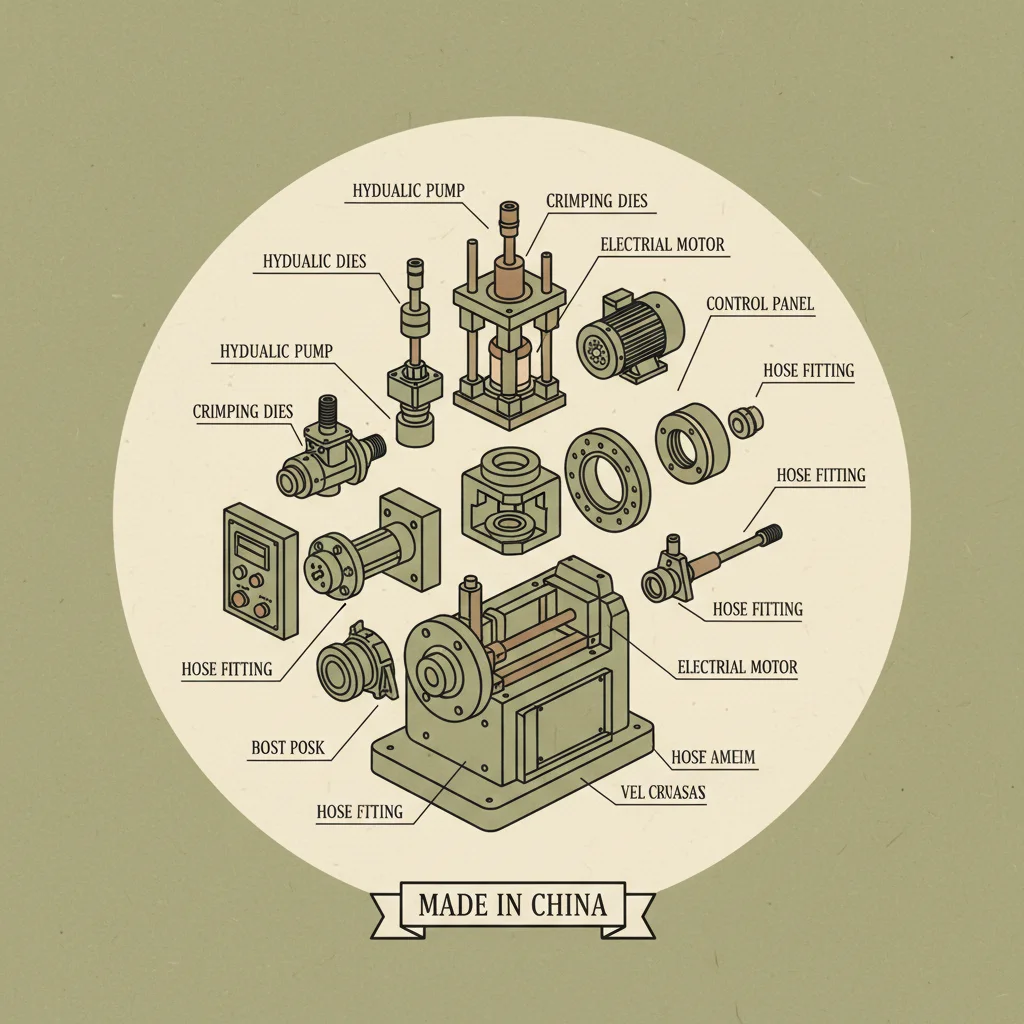
The efficiency of a hose gripping machine depends heavily on its clamping jaw design. These jaws are often engineered with specific serrations or interchangeable inserts made from hardened alloy steel to provide maximum friction without piercing the hose skin. The geometry of the grip is calculated to distribute pressure evenly around the circumference of the hose.
Centering mechanisms are another critical component of the hose gripping machine. By using a self-centering pneumatic cylinder, the machine ensures that the hose is perfectly aligned with the axis of the cutting or crimping tool. This eliminates the "off-center" error that often plagues manual assembly, ensuring that the fitting is pressed on perfectly straight every time.
Finally, the pressure regulation system allows operators to fine-tune the gripping force. Using high-precision regulators, the hose gripping machine can be adjusted for a delicate PTFE hose or a rugged high-pressure hydraulic line. This adaptability prevents the "over-gripping" phenomenon, which can cause permanent deformation of the hose wall and reduce its burst pressure rating.
Operational Efficiency and Performance Metrics
Measuring the performance of a hose gripping machine involves analyzing setup time, clamping stability, and the rate of material deformation. In a high-volume production environment, the time it takes to load a hose and activate the grip can be the difference between profit and loss. Automated systems have reduced this cycle time by up to 40% compared to manual screw-down clamps.
Beyond speed, the stability of the grip during the skiving process—where the outer layer of the hose is removed—is the ultimate test. A high-performance hose gripping machine maintains a zero-slip tolerance, ensuring that the skiving depth is uniform across the entire circumference, which is essential for a secure crimp.
Performance Analysis of Hose Gripping Machine Methods
Real-World Applications Across Heavy Industries
In the mining industry, where hydraulic hoses are subjected to extreme abrasion and high-pressure surges, the initial assembly quality is a safety requirement. Using a hose gripping machine during the assembly of heavy-duty mining hoses ensures that the fittings are perfectly perpendicular to the hose axis, reducing the likelihood of "blow-offs" in the field.
Similarly, in the automotive and aerospace sectors, where lightweight materials and high-precision fittings are the norm, the hose gripping machine is used to handle specialized thermoplastic hoses. In these remote industrial zones or high-tech factories, the ability to switch quickly between different hose diameters using a single machine allows for leaner production and reduced footprint.
Long-Term Value and Reliability Benefits
Investing in a professional hose gripping machine provides a tangible return on investment through the reduction of scrap rates. When hoses are not gripped correctly, the resulting misalignment often leads to a rejected part during the pressure testing phase. By stabilizing the hose at the start of the process, manufacturers can virtually eliminate these costly errors.
From a safety perspective, the use of a mechanized gripping system removes the need for operators to use makeshift clamps or manually hold hoses near cutting blades, significantly reducing the risk of workplace injuries. This fosters a culture of safety and precision, which increases employee trust and overall operational morale.
Moreover, the consistency provided by a hose gripping machine ensures that every product leaving the factory meets the same rigorous quality standard. This reliability builds a strong brand reputation, as end-users can trust that the hydraulic assemblies will perform reliably under the most demanding conditions, from deep-sea exploration to high-altitude aviation.
Future Innovations in Automated Hose Processing
The future of the hose gripping machine lies in the integration of IoT (Internet of Things) and AI-driven sensing. We are seeing the emergence of "adaptive gripping," where sensors detect the hose diameter and material hardness in real-time, automatically adjusting the pneumatic pressure to the optimal level without human intervention.
Sustainability is also driving innovation. New materials for gripping jaws are being developed that are more durable and recyclable, reducing the environmental footprint of machine maintenance. Additionally, the shift toward energy-efficient pneumatic systems is helping factories reduce their electricity consumption while maintaining high clamping forces.
Ultimately, the hose gripping machine will become a fully integrated node in a digital twin environment. Operators will be able to monitor gripping pressure and alignment from a remote dashboard, ensuring that quality is maintained across multiple production sites globally through synchronized digital parameters.
Comparative Analysis of Hose Gripping Machine Specifications
|
Machine Model
|
Gripping Mechanism
|
Clamping Precision
|
Application Suitability
|
| Standard-G1 |
Pneumatic Manual |
± 0.5mm |
General Workshop |
| Pro-G2 |
Auto-Centering Pneumatic |
± 0.2mm |
Industrial Assembly |
| Ultra-G3 |
Servo-Hydraulic |
± 0.05mm |
Aerospace/Medical |
| Eco-G1 |
Mechanical Spring |
± 1.0mm |
Low Pressure Hoses |
| Smart-G5 |
AI-Sensing Pneumatic |
± 0.1mm |
High-Volume Auto Line |
| Heavy-G8 |
Reinforced Hydraulic |
± 0.3mm |
Mining/Heavy Equip |
FAQS
High-quality hose gripping machines use adjustable pressure regulators and specialized jaw inserts. By calibrating the clamping force based on the hose's material and diameter, the machine ensures a secure hold that prevents slippage without exceeding the compression limit of the outer cover, thus avoiding permanent deformation or tears.
Yes, most professional machines are designed with interchangeable jaw sets or self-adjusting pneumatic clamps. This versatility allows them to accommodate a wide range of diameters, from small-bore thermoplastic lines to large-diameter reinforced rubber hoses, making them a cost-effective solution for diverse production needs.
Pneumatic gripping is faster and generally sufficient for most industrial hoses, offering a balance of speed and precision. Hydraulic gripping provides significantly higher clamping forces, which are necessary for extremely rigid, large-diameter hoses used in heavy mining or marine equipment where pneumatic pressure would be insufficient.
Jaw replacement depends on the volume of production and the abrasiveness of the hose materials. Typically, jaws should be inspected weekly for wear. Once the serrations lose their "bite," the risk of hose slippage increases, which can compromise the precision of the cut or skive. Regular replacement ensures consistent quality.
Absolutely. In most modern setups, the hose gripping machine acts as the stabilizing base for the hose cutting machine. By integrating the two, the hose is held perfectly still during the cutting process, ensuring a square cut that is essential for a proper fit within the crimp sleeve.
Yes, because automation reduces the "rework" rate. Even for small shops, the cost of a single failed high-pressure hose assembly (due to misalignment) can be higher than the daily amortized cost of an automated gripper. The increase in repeatability and worker safety provides long-term value and professional credibility.
Conclusion
The hose gripping machine is an indispensable tool in the modern hydraulic assembly chain, transforming a potentially erratic manual process into a precise, industrial science. By ensuring absolute stability during the critical stages of cutting and pre-assembly, these machines eliminate the root causes of fitting failure and material waste, directly contributing to the safety and efficiency of heavy machinery worldwide.
As we move toward a future of smarter, more sustainable manufacturing, the integration of AI and adaptive sensing into gripping technology will further refine the boundaries of precision. For manufacturers looking to scale their operations or enhance their quality standards, investing in a high-performance gripping solution is not just an upgrade—it is a strategic necessity for remaining competitive in a high-pressure global market. Visit our website for more professional solutions: www.willexcrimper.com