• Home
  • Top Blog
  • Find the Best Hydraulic Hose Press Machine for Sale to Boost Efficiency

Find the Best Hydraulic Hose Press Machine for Sale to Boost Efficiency

0%

Table of Contents

The demand for robust and reliable hydraulic hose press machines is surging globally, driven by the expansion of industries like construction, agriculture, manufacturing, and automotive. These machines are critical for creating secure and long-lasting hose assemblies, vital components in countless applications. A reliable hydraulic hose press machine for sale ensures the safety and efficiency of these systems, reducing downtime and maintenance costs. This growing need necessitates understanding the various options available and choosing the right machine for specific operational requirements.

The global hydraulic hose press machine market is experiencing substantial growth, fueled by increased infrastructure development, particularly in emerging economies. According to industry reports, the market is projected to reach [insert market size data and source here] by [year], exhibiting a CAGR of [insert CAGR data here]. This growth isn't merely about volume; it's also about technological advancements, with manufacturers focusing on precision, automation, and user-friendly designs. Choosing the right hydraulic hose press machine for sale is paramount for businesses aiming to maintain a competitive edge.

The critical role of hydraulic hoses in modern infrastructure and machinery highlights the importance of secure and efficient crimping. Failing hoses can lead to costly repairs, safety hazards, and operational disruptions. Investing in a high-quality hydraulic hose press machine for sale mitigates these risks, ensuring operational continuity and protecting both personnel and assets. Understanding the features and benefits of different machine types is therefore crucial for informed decision-making.
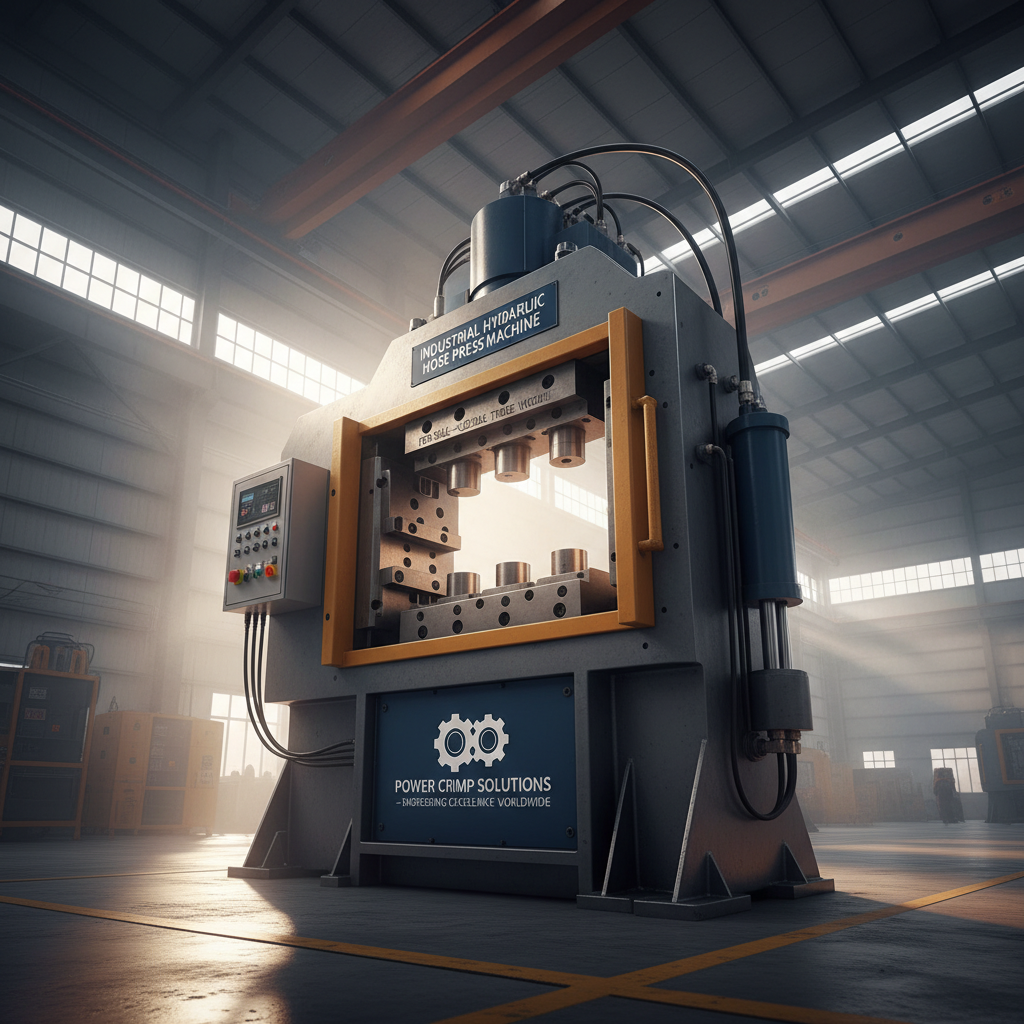
hydraulic hose press machine for sale

Introduction to Hydraulic Hose Press Machines
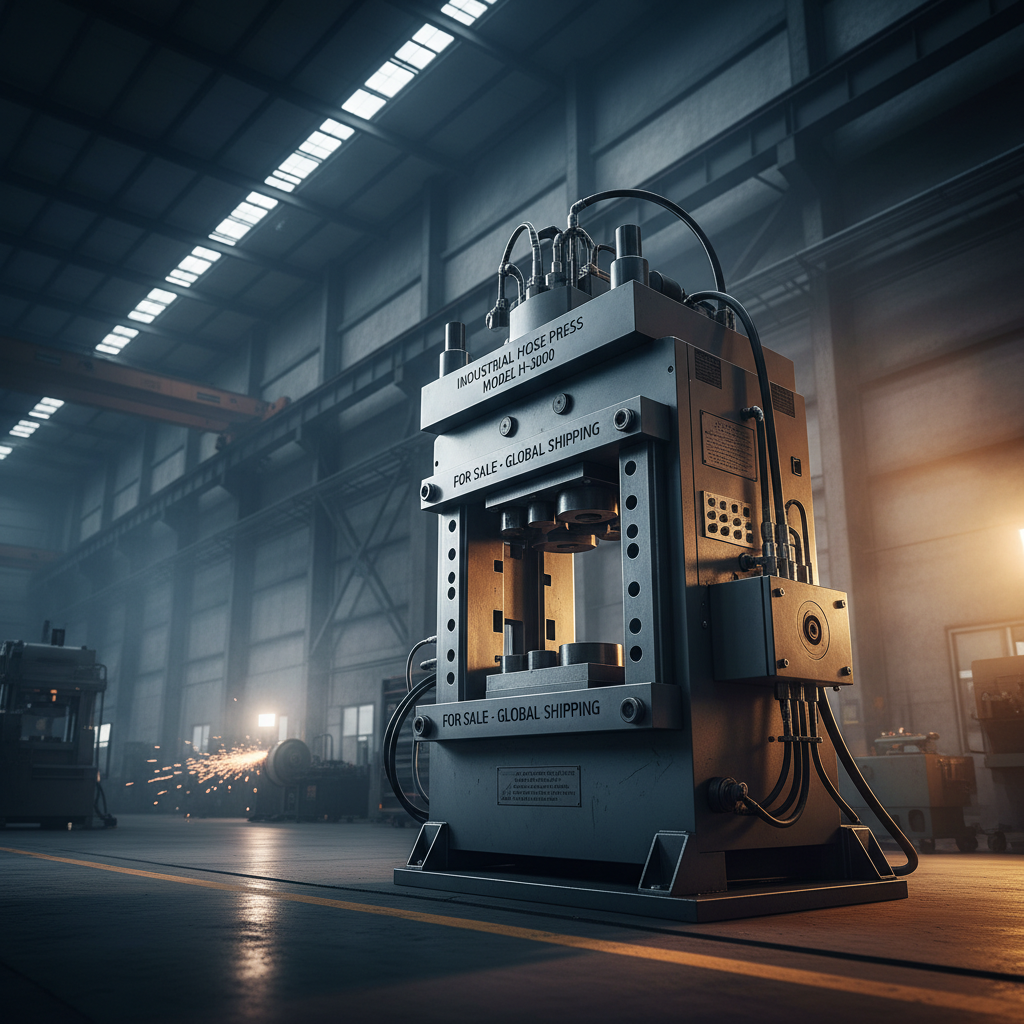
hydraulic hose press machine for sale

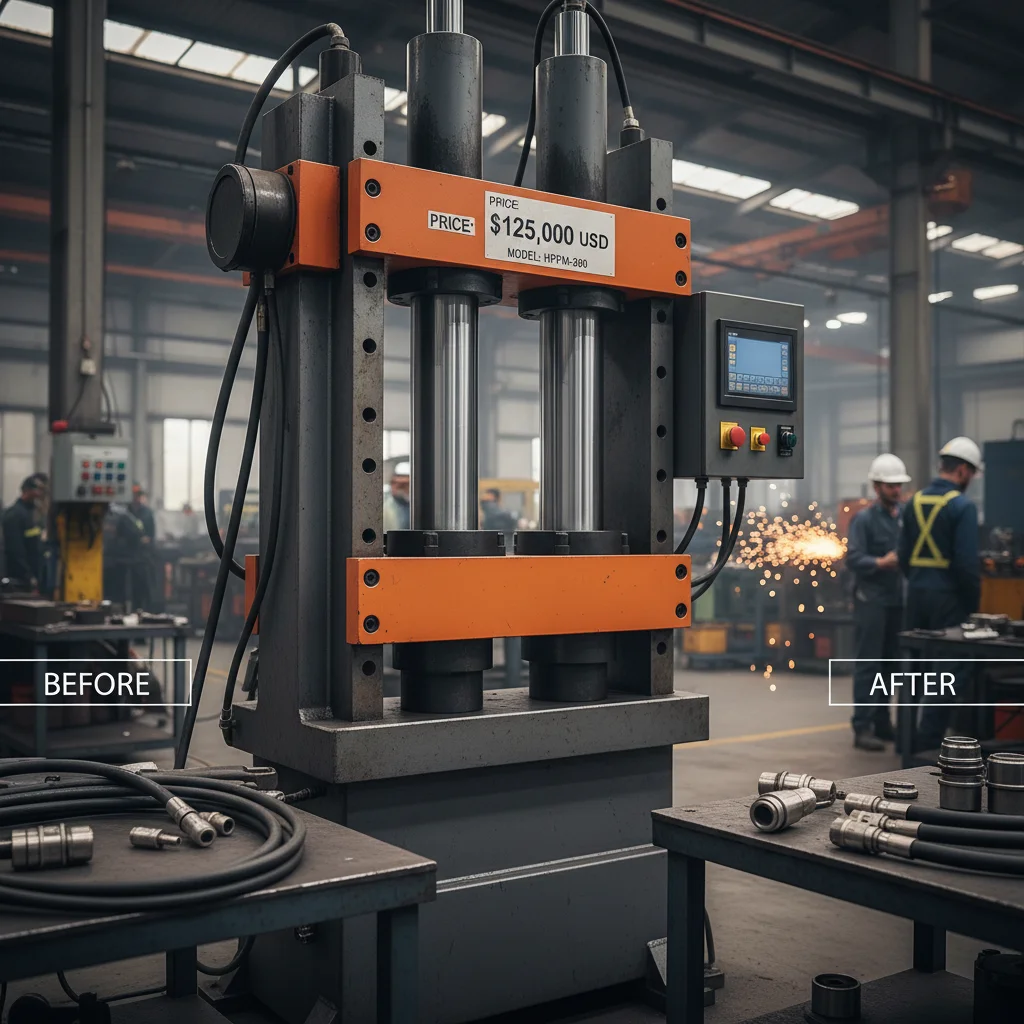
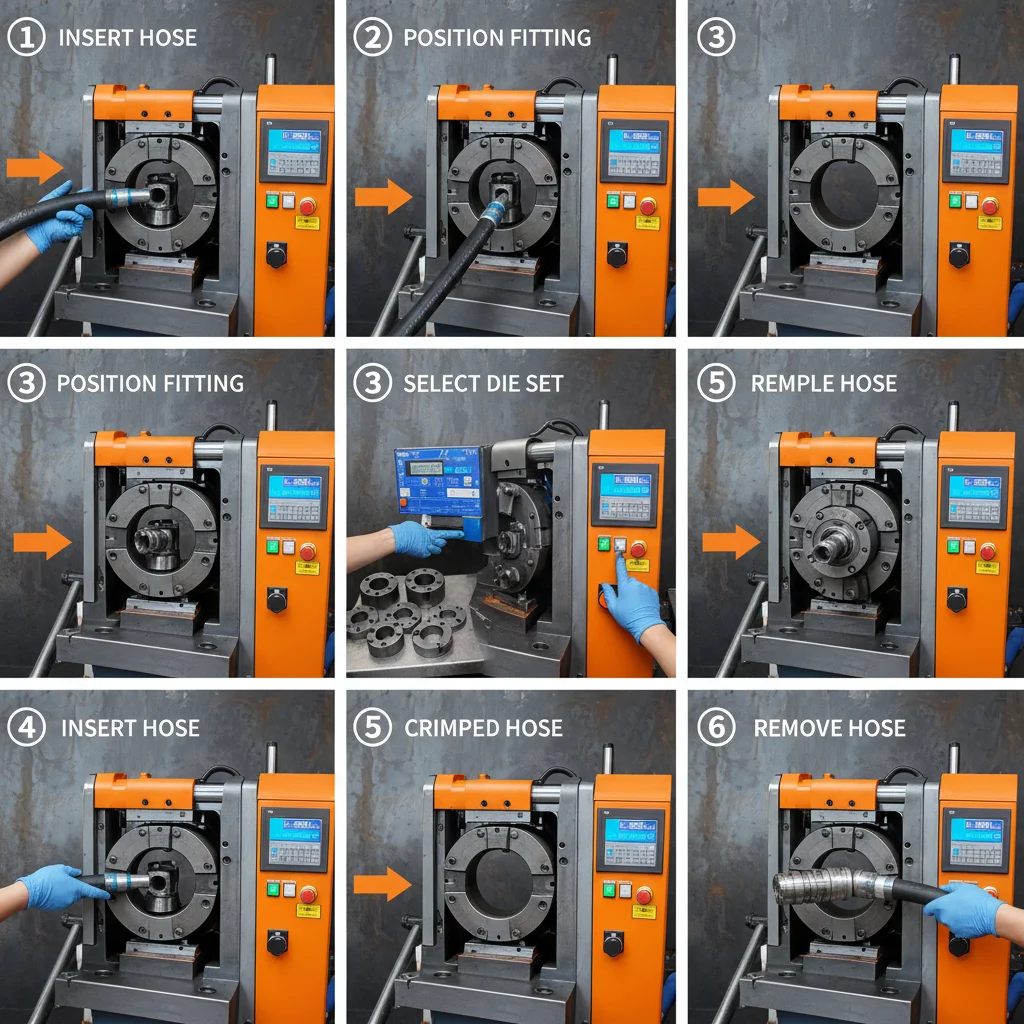
Hydraulic hose press machines are essential tools for securely attaching fittings to hydraulic hoses, creating leak-proof and durable assemblies. These machines use hydraulic pressure to crimp the fitting onto the hose, ensuring a strong mechanical bond. Properly crimped hoses are crucial for maintaining the integrity of hydraulic systems in a wide array of applications.

Selecting the correct hydraulic hose press machine for sale depends on several factors, including the types of hoses and fittings being used, the required crimping force, and the volume of production. Investing in a quality machine not only ensures reliable performance but also enhances safety and reduces the risk of costly failures.

Defining Hydraulic Hose Press Machines

A hydraulic hose press machine, at its core, is a device engineered to securely fasten fittings to hydraulic hoses using compressive force. This process, known as crimping, creates a permanent and leak-proof seal vital for the efficient and safe operation of hydraulic systems. These machines are indispensable in industries relying on fluid power.

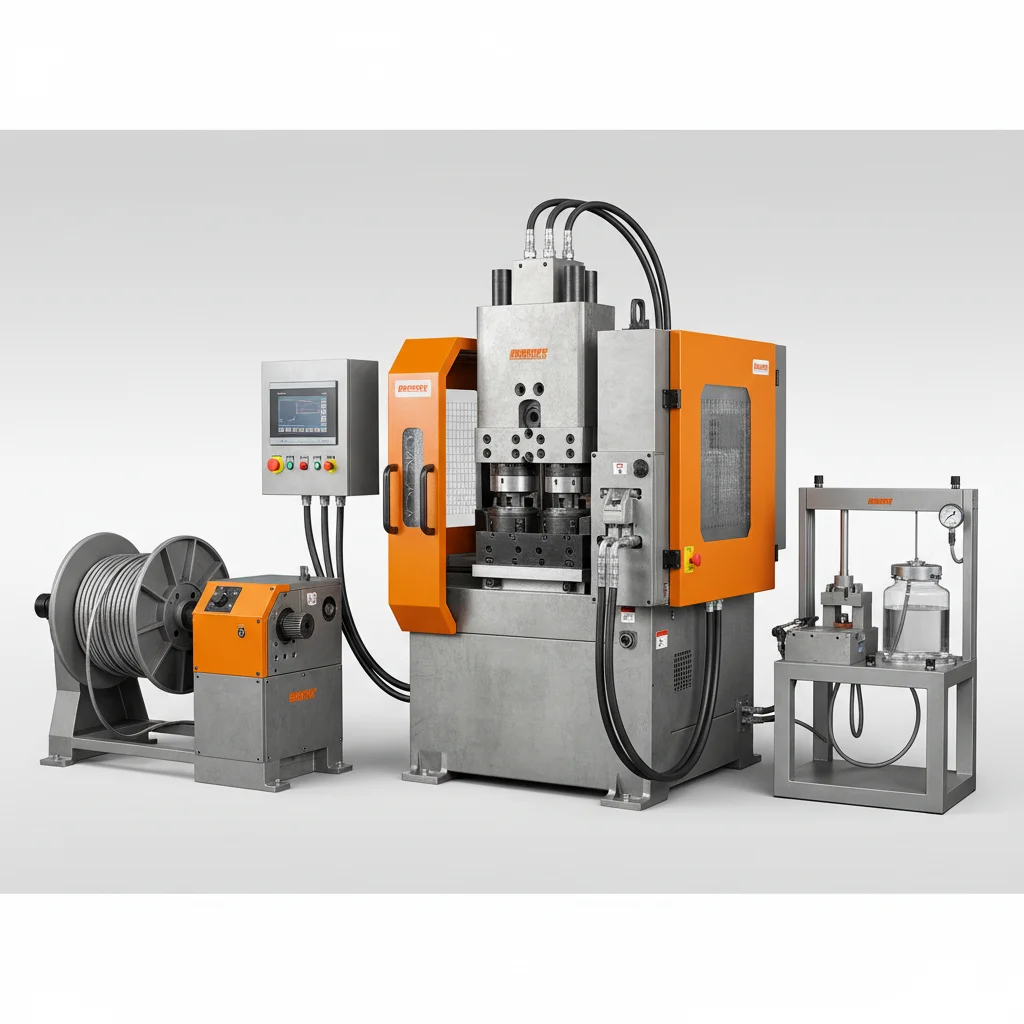
Unlike manual methods, hydraulic hose press machines provide consistent and precise crimping, minimizing the risk of human error and ensuring the highest quality assemblies. Different machine types cater to various hose sizes, fitting types, and production volumes, making it crucial to select a machine aligned with specific needs.

The importance of correctly crimped hoses cannot be overstated. Improper crimping can lead to leaks, reduced system efficiency, and even catastrophic failures. This makes a robust and accurate hydraulic hose press machine for sale a cornerstone of reliable hydraulic operations.

Key Factors to Consider When Purchasing

When seeking a hydraulic hose press machine for sale, several key factors demand careful consideration. First, assess the range of hose and fitting sizes you'll be working with. A machine's capacity should comfortably accommodate your largest and most common hose diameters and fitting types.

Secondly, evaluate the required crimping force. Different hose and fitting combinations necessitate varying levels of pressure to achieve a secure seal. Ensure the machine provides adequate force for all your anticipated applications. Thirdly, consider the level of automation. Manual machines are suitable for low-volume production, while automated models offer increased efficiency for larger operations.

Finally, factor in the machine's durability, ease of use, and available support services. A well-built machine from a reputable manufacturer will provide years of reliable service, and readily available support ensures minimal downtime in case of issues.

Global Applications and Industry Use Cases

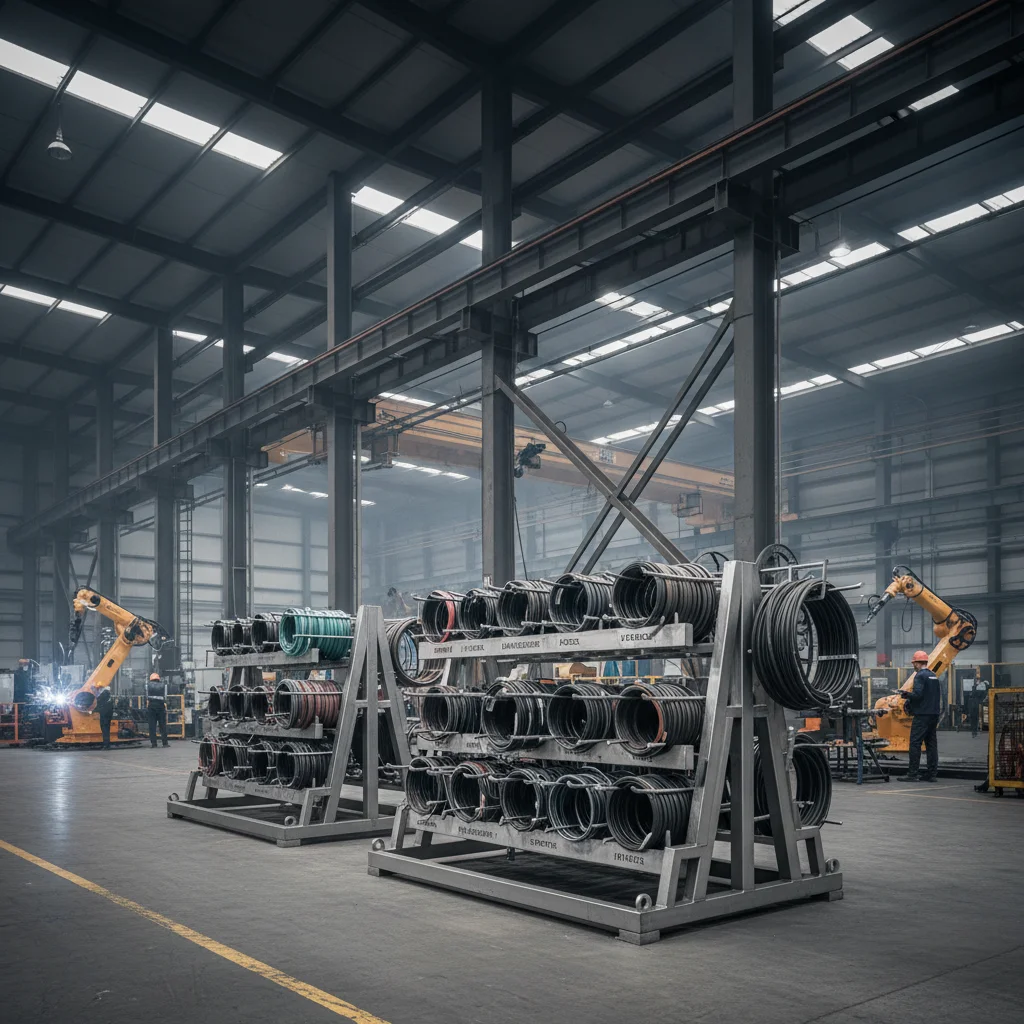
Hydraulic hose press machines are deployed across a diverse range of industries worldwide. In the construction sector, they are vital for creating hose assemblies for heavy machinery like excavators, bulldozers, and cranes. The agricultural industry relies on them for irrigation systems, tractors, and harvesting equipment.

Manufacturing plants utilize these machines to maintain hydraulic systems powering assembly lines, robotic arms, and various production equipment. The automotive industry employs them for brake lines, power steering systems, and other hydraulic components. In post-disaster relief operations, portable hydraulic hose press machine for sale are crucial for repairing damaged equipment and restoring critical infrastructure.

Even in remote industrial zones, such as mining operations or oil and gas facilities, reliable hose crimping is essential, and on-site hydraulic hose press machines ensure minimal downtime and maximize operational efficiency. The adaptability and versatility of these machines make them indispensable across a wide spectrum of applications globally.

Crimping Performance Comparison Across Methods

Advantages and Long-Term Value Proposition

Investing in a high-quality hydraulic hose press machine for sale offers significant long-term benefits. Reduced downtime due to fewer hose failures translates directly into increased productivity and cost savings. Improved safety standards protect personnel and minimize the risk of accidents.

The ability to create custom hose assemblies on demand eliminates the need to rely on external suppliers, streamlining operations and reducing lead times. Furthermore, a durable machine represents a sound financial investment, offering years of reliable service and minimizing replacement costs.

Future Trends and Innovation in Hose Crimping

The future of hydraulic hose crimping is being shaped by technological advancements. Automation and robotics are playing an increasing role, enabling faster and more precise crimping processes. The integration of digital sensors and data analytics allows for real-time monitoring of crimp quality and predictive maintenance.

Sustainability is also a key driver, with manufacturers exploring eco-friendly materials and energy-efficient machine designs. The development of smart hose assemblies with embedded sensors that monitor performance and predict potential failures is another emerging trend.

Challenges and Solutions in Hydraulic Hose Crimping

One common challenge in hydraulic hose crimping is ensuring consistent quality across different operators and environments. This can be addressed through comprehensive training programs and the implementation of automated crimping systems with standardized settings.

Another challenge is maintaining accuracy when working with a wide variety of hose and fitting combinations. Machines with adjustable dies and pre-programmed crimping profiles can help mitigate this issue. Regular calibration and maintenance are also crucial for ensuring consistent performance.

Finally, adapting to new hose materials and fitting designs requires ongoing investment in machine upgrades and tooling. Staying informed about industry best practices and collaborating with equipment manufacturers can help overcome these challenges and maintain optimal crimping quality.

Summary of Challenges and Solutions in Hydraulic Hose Crimping

Challenge Impact on Operation Proposed Solution Implementation Cost (1-10)
Inconsistent Operator Technique Variable Crimp Quality, Potential Leaks Standardized Training & Automated Systems 6
Diverse Hose/Fitting Combinations Incorrect Crimp Settings, Hose Failure Adjustable Dies & Pre-Programmed Profiles 7
Calibration Drift Inaccurate Crimping Force, Reduced Reliability Regular Calibration Schedule & Certified Technicians 4
New Material Integration Compatibility Issues, Reduced Crimp Strength Machine Upgrades & Tooling Adjustments 8
Lack of Preventative Maintenance Unexpected Downtime, Increased Repair Costs Scheduled Maintenance Checks & Parts Replacement 5
Insufficient Employee Training Improper Machine Operation, Safety Hazards Comprehensive Training Programs & Certification 6

FAQS

What is the typical lifespan of a well-maintained hydraulic hose press machine?

With regular maintenance and proper usage, a high-quality hydraulic hose press machine can reliably operate for 10-15 years or even longer. Key maintenance tasks include lubricating moving parts, checking hydraulic fluid levels, inspecting hoses for wear, and calibrating the crimping force. Following the manufacturer's guidelines is crucial for maximizing the machine's lifespan. A hydraulic hose press machine for sale from a reputable brand is more likely to offer longevity.

How much maintenance is typically required for these machines?

Maintenance requirements vary depending on the machine's usage and complexity. Generally, daily checks include visual inspections for leaks and proper operation. Weekly tasks involve lubricating key components and verifying fluid levels. More in-depth maintenance, such as filter replacements and calibration, should be performed quarterly or annually by a qualified technician. Regular maintenance minimizes downtime and ensures optimal performance.

What safety precautions should be taken when operating a hydraulic hose press machine?

Safety is paramount when operating a hydraulic hose press machine. Always wear appropriate personal protective equipment (PPE), including safety glasses and gloves. Ensure the machine is properly grounded and that all safety guards are in place. Never operate the machine without proper training and understanding of its controls. Regularly inspect hoses and fittings for wear and tear. Follow all manufacturer’s safety recommendations.

What are the key differences between manual and automated hydraulic hose press machines?

Manual machines require the operator to manually engage the crimping process, making them suitable for low-volume production. Automated machines, on the other hand, utilize programmable controls and robotic systems for faster and more consistent crimping, ideal for high-volume applications. Automated machines offer increased efficiency, reduced operator fatigue, and improved crimp quality. However, they typically have a higher upfront cost.

What factors influence the cost of a hydraulic hose press machine?

Several factors influence the cost, including machine capacity, level of automation, brand reputation, and included features. Larger capacity machines capable of handling a wider range of hose sizes generally cost more. Automated machines with advanced controls are significantly more expensive than manual models. Choosing a hydraulic hose press machine for sale requires balancing cost with your specific operational needs.

Can a hydraulic hose press machine crimp different types of fittings?

Yes, most hydraulic hose press machines can crimp a variety of fittings, but it requires the use of appropriate dies. Dies are interchangeable tools specifically designed for different fitting types and sizes. Ensure the machine you choose is compatible with the types of fittings you'll be using and that you have the necessary die set. Many manufacturers offer a wide range of dies as optional accessories.

Conclusion

In conclusion, hydraulic hose press machines are indispensable tools for ensuring the reliability and safety of hydraulic systems across numerous industries. Selecting the right machine requires careful consideration of factors like hose capacity, crimping force, automation level, and budget. Investing in a quality hydraulic hose press machine for sale offers long-term benefits including reduced downtime, improved safety, and increased efficiency.

As technology continues to evolve, we can expect to see further advancements in hydraulic hose crimping, including greater automation, improved precision, and more sustainable practices. Staying informed about these trends and partnering with reputable manufacturers is essential for maximizing the value of your investment and maintaining a competitive edge. Visit our website at www.willexcrimper.com to explore our range of hydraulic hose press machines and find the perfect solution for your needs.

David Chen

David Chen

David Chen is the Global Sales Manager for Dezhou Willex Hydraulic Machinery. Bringing with him a decade of experience in international sales, David is responsible for expanding our market reach and fostering strong relationships with distributors worldwide. His articles for our ‘News’ section highlight the growing demand for high-quality hose crimping equipment in emerging markets and Willex's commitment to meeting those needs. David has a strong understanding of logistics, import/export regulations, and customer relationship management. He’s adept at identifying new business opportunities and building successful sales strategies. He frequently represents Willex at international trade shows and works closely with our engineering team to gather feedback and improve product offerings. David is dedicated to delivering exceptional customer service and ensuring a seamless sales experience.
Previous Comprehensive Guide to Purchasing a Hydraulic Hose Machine for Sale
Next Find the Best Hydraulic Pipe Crimping Machine for Sale and Enhance Your Operations
Message
  • *
  • *
  • *
  • *

If you are interested in our products, you can choose to leave your information here, and we will be in touch with you shortly.