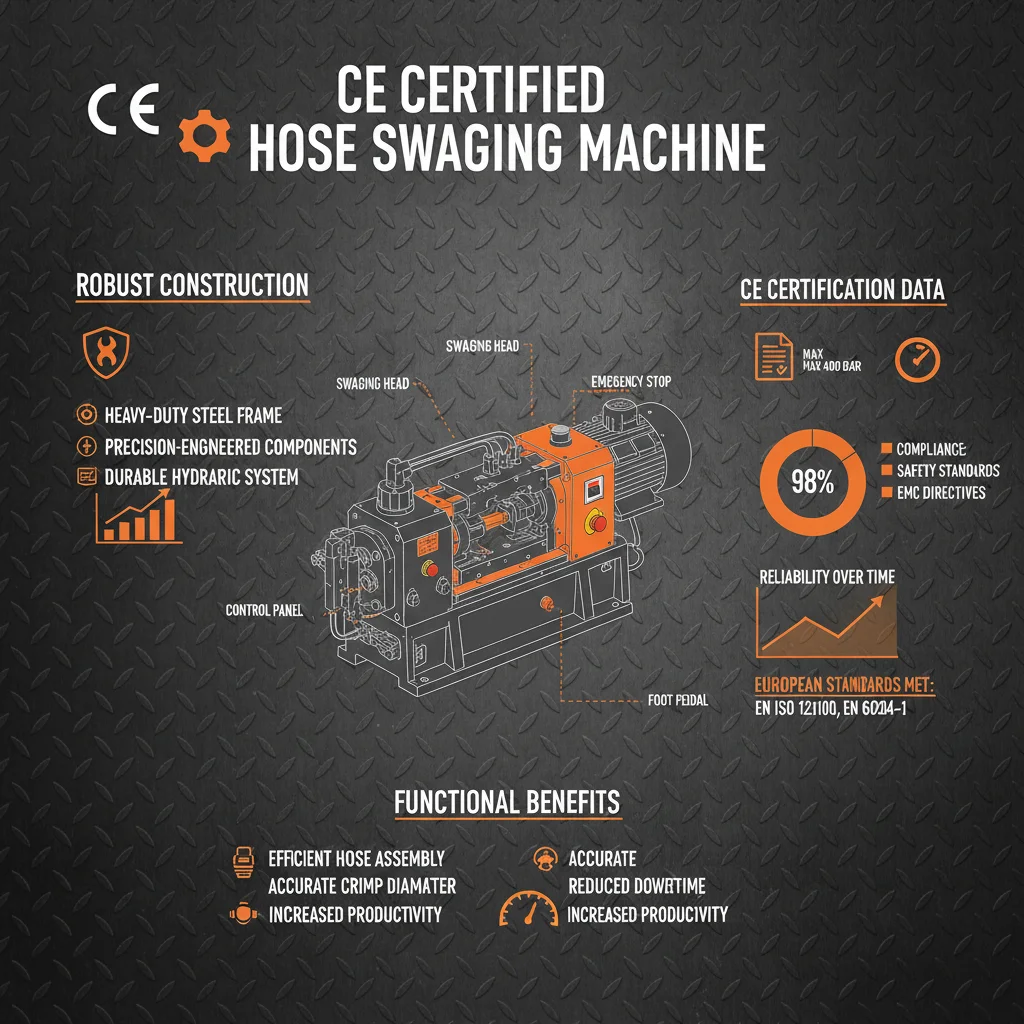
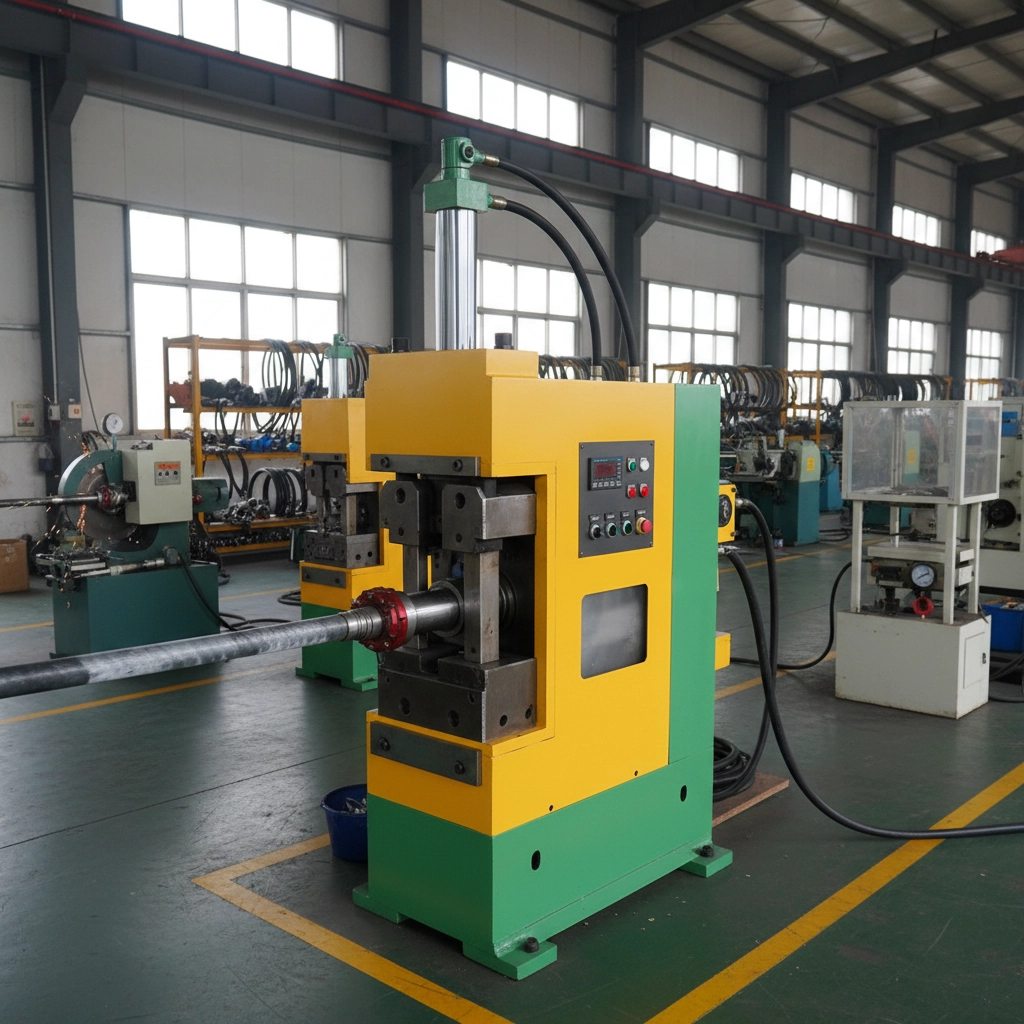
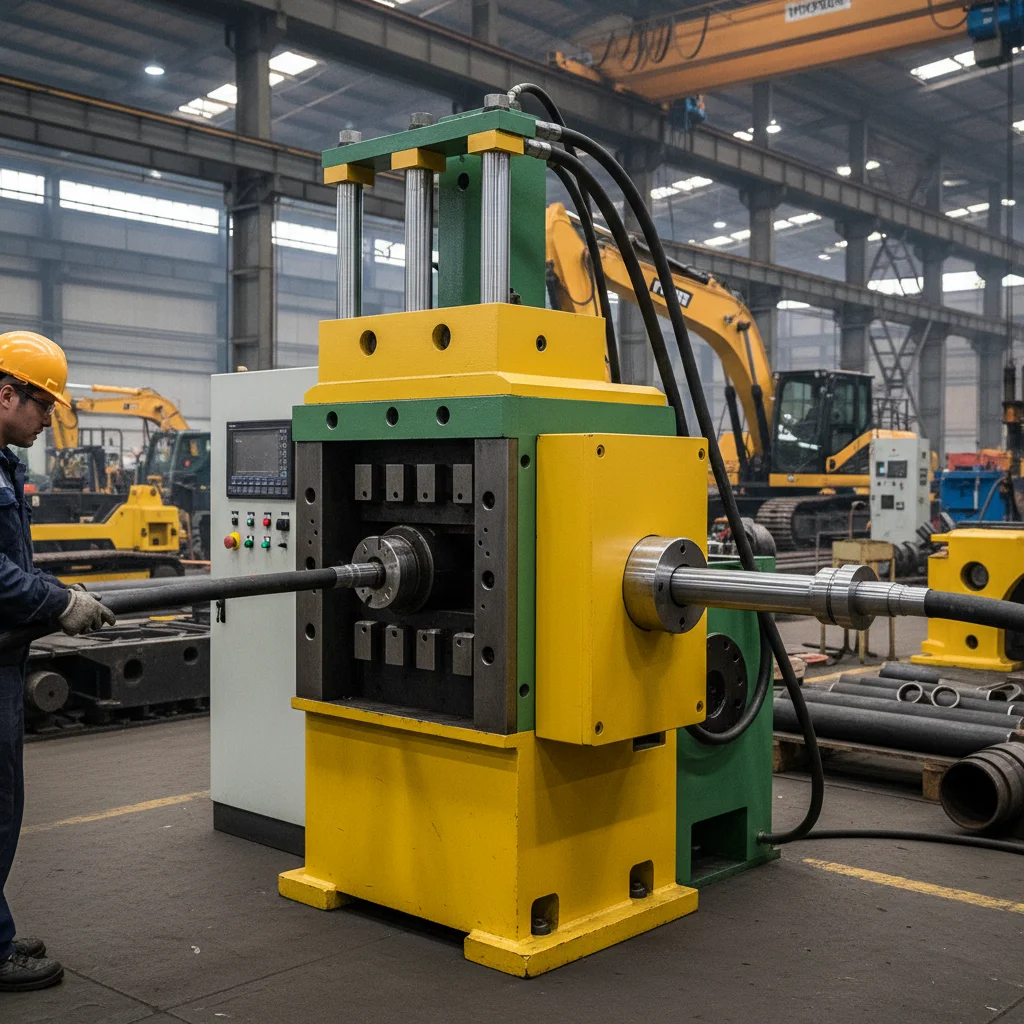
In the demanding world of hydraulic systems, the integrity of a connection can be the difference between seamless operation and catastrophic failure. hose pressing is the critical industrial process of permanently joining a hose to a fitting using controlled mechanical pressure, ensuring a leak-proof seal that can withstand extreme internal pressures. Whether in heavy mining machinery or precision industrial automation, this process forms the backbone of fluid power transmission.
Globally, the reliance on high-pressure hydraulics has surged as industries shift toward more powerful and compact machinery. From the vast open-pit mines of Australia to the automated factories of Germany, the precision of hose pressing ensures that hydraulic fluids move efficiently without risk of rupture. Understanding the nuances of this process is not just about mechanical assembly; it is about optimizing equipment uptime and guaranteeing workplace safety.
For operators and manufacturers, mastering the art and science of hose crimping involves balancing material science, precise calibration, and the right equipment. By implementing standardized pressing protocols, companies can drastically reduce maintenance costs and extend the lifecycle of their hydraulic assemblies. This comprehensive guide explores the technical depths, global applications, and future innovations of professional hose pressing.
The Fundamentals of Industrial Hose Pressing
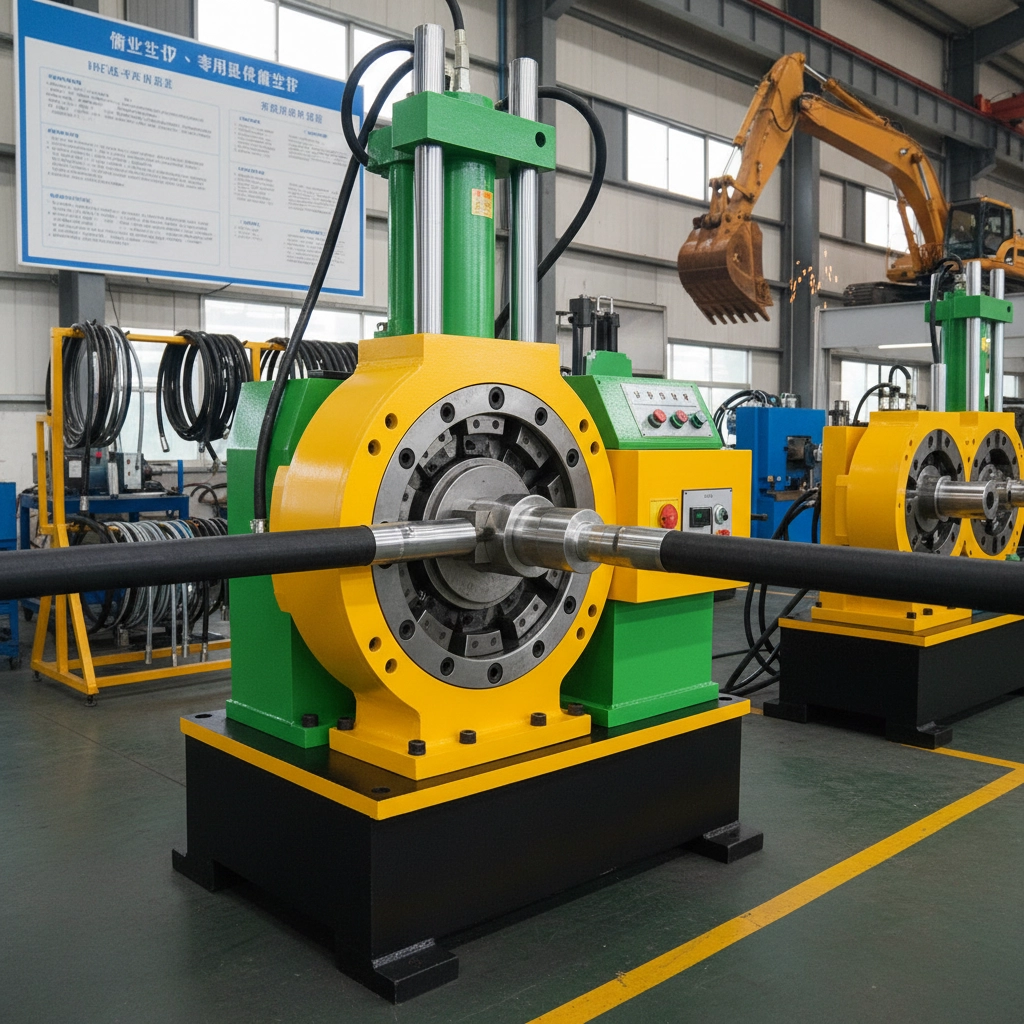
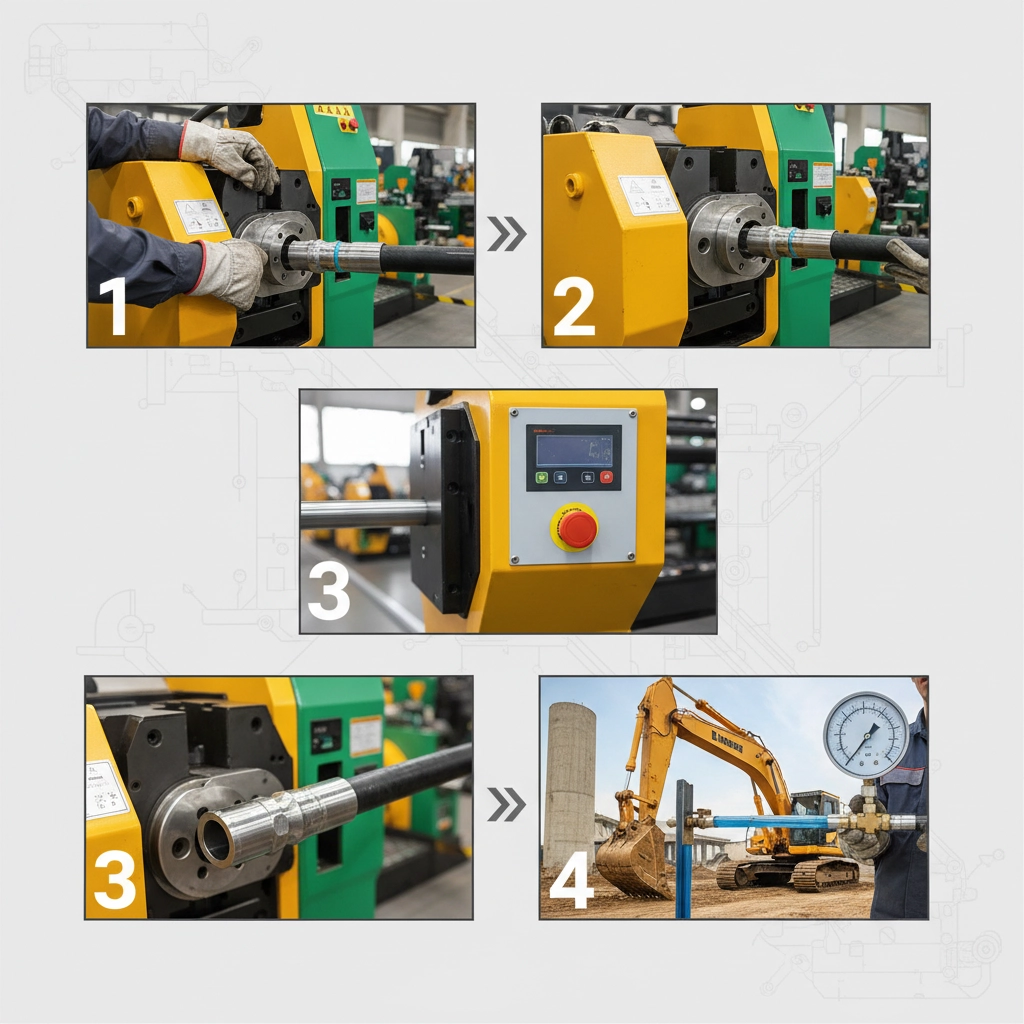
At its core, hose pressing is the process of cold-forming a metal collar (ferrule) onto a reinforced hose. By applying immense, uniform pressure through a crimping die, the ferrule is compressed into the hose's outer cover and reinforcement layer, creating a mechanical bond that locks the fitting in place. This prevents the hose from slipping under pressure and ensures that the fluid remains contained even under extreme vibrational stress.
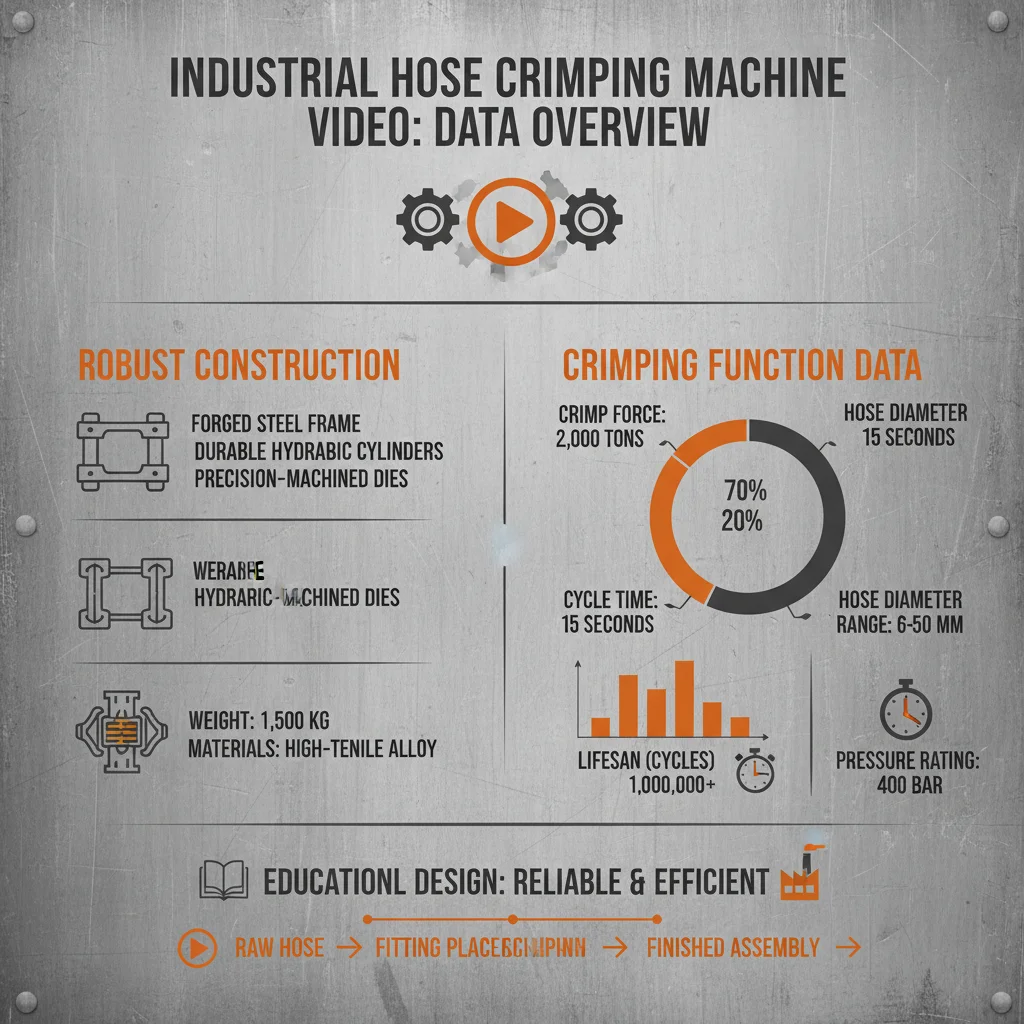
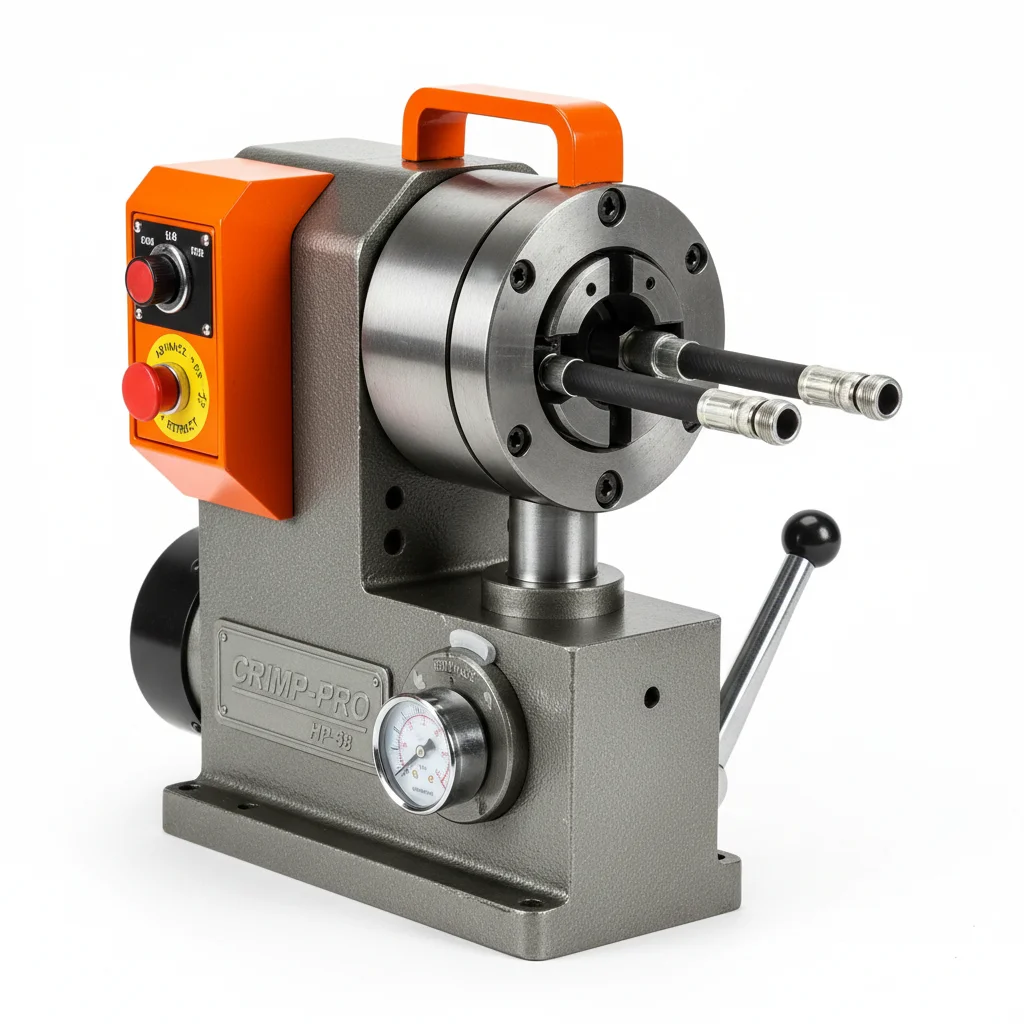
The complexity of this process lies in the "compression ratio." Too little pressure leads to leaks and hose blow-outs, while excessive pressure can damage the internal wire reinforcement of the hose, compromising its structural integrity. Professional-grade equipment, such as the Hose Crimping Machine DZW series, allows technicians to dial in exact specifications to match the unique requirements of different hose diameters and pressure ratings.
Technical Factors Driving Pressing Precision
Precision in hose pressing is governed by several critical variables, the first being die geometry. The dies must be perfectly concentric to ensure that the force is distributed evenly around the circumference of the hose. Any deviation in the die's alignment can result in "ovalization," where the fitting is tighter on one side than the other, creating a primary point of failure under high-cycle fatigue.
Another vital factor is the calibration of the crimping diameter. Every combination of hose and fitting has a specific target "finished diameter" specified by the manufacturer. Achieving this tolerance requires machines with high-precision hydraulic control, such as those found in the DZW-EP120 or DZW-FP140 models. These machines allow for micron-level adjustments, ensuring that the press stops exactly when the required compression is reached.
Lastly, material compatibility plays a significant role. The hardness of the ferrule must be compatible with the pressing force of the machine. If a ferrule is too hard, it may crack under pressure; if it is too soft, it may deform without providing a sufficient grip. The interplay between the machine's tonnage and the material's yield strength is what defines the ultimate reliability of the hydraulic assembly.
Core Components of High-Performance Crimping
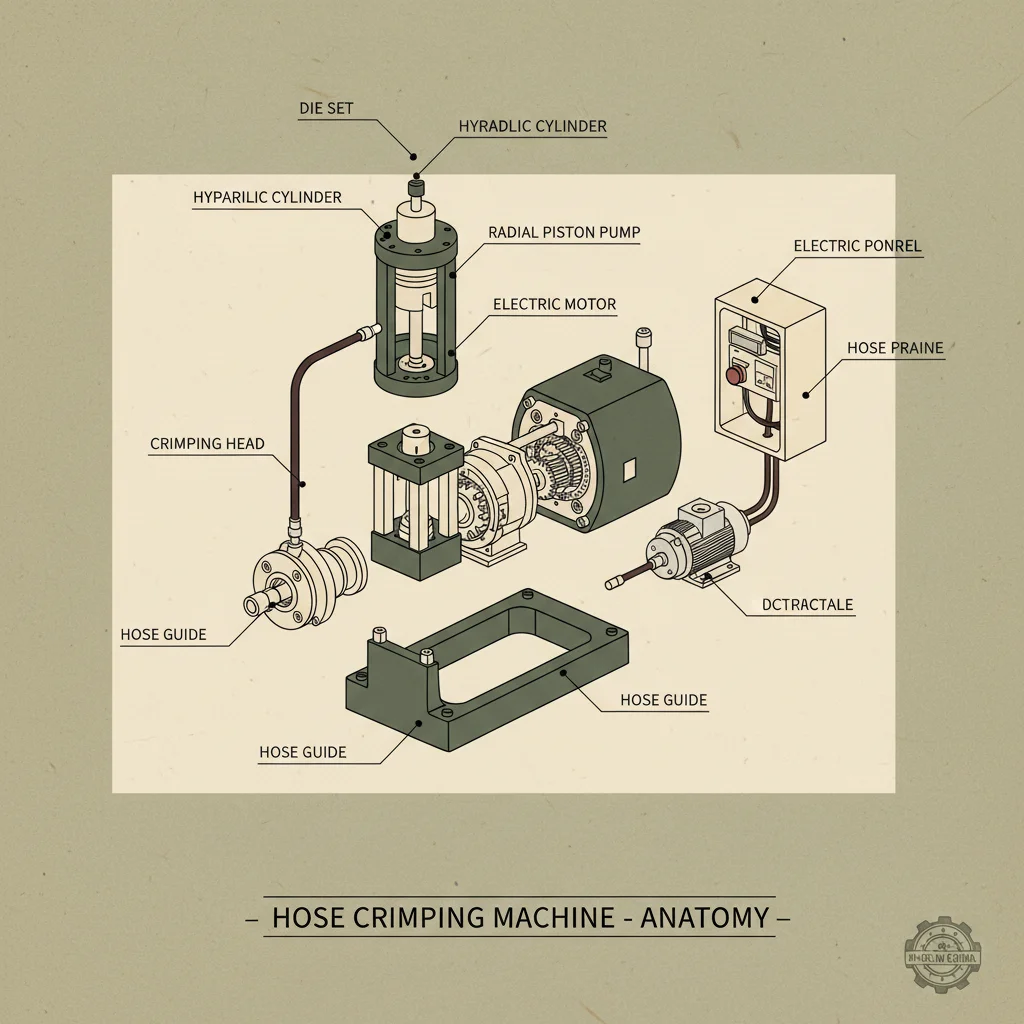
The efficiency of hose pressing depends heavily on the integration of the hydraulic pump, the piston assembly, and the die set. The pump provides the raw force, but the piston's ability to maintain a steady, linear movement is what prevents the hose from shifting during the initial phase of the press.
Modern hose pressing systems now incorporate digital controllers that store thousands of "crimping recipes." These recipes automatically adjust the press depth based on the selected hose type, removing human error from the equation and ensuring that every single assembly meets ISO safety standards.
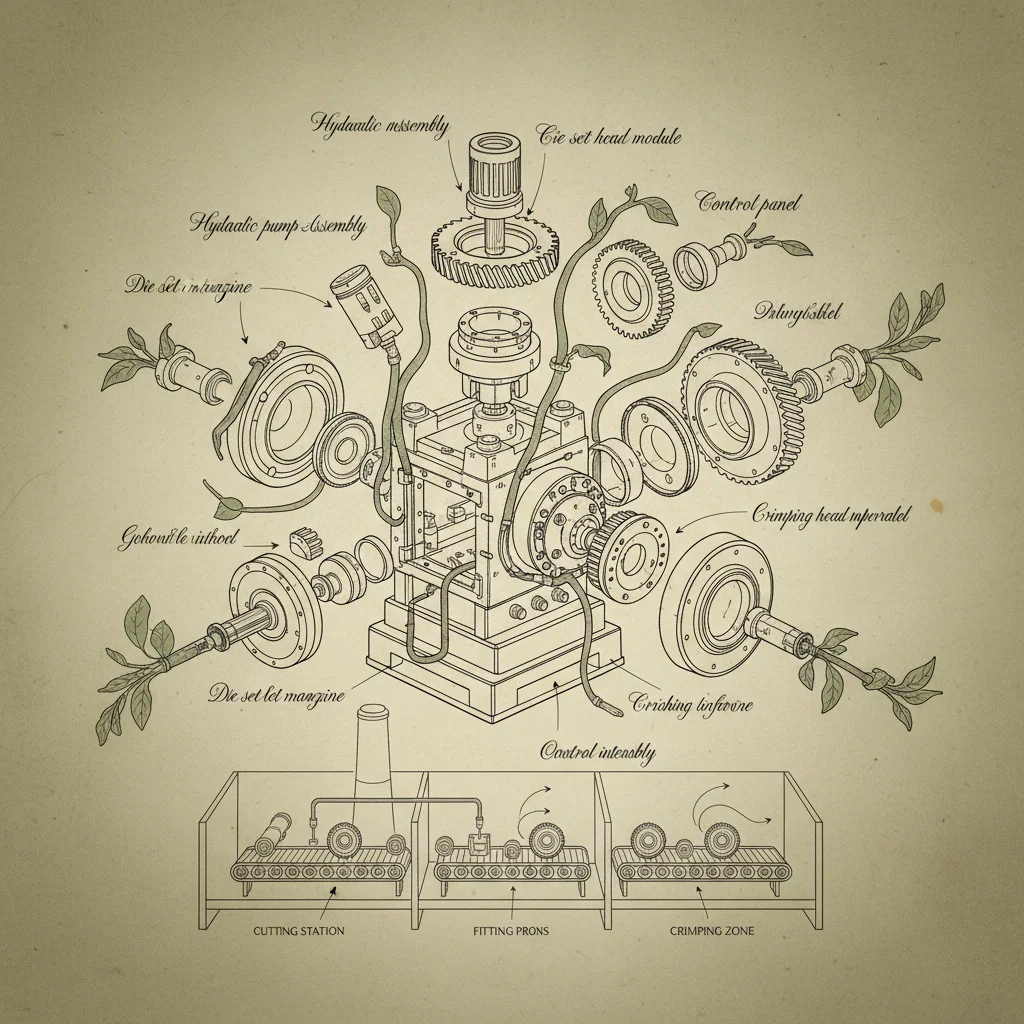
Beyond the press itself, auxiliary equipment like Hose Cutting Machines and Hose Skiving Machines are essential for preparation. A clean, square cut and a properly skived outer layer ensure that the hose pressing process starts with a perfect fit, eliminating gaps that could lead to premature wear or leakage.
Comparative Efficiency of Pressing Methods
Different industrial scales require different approaches to hose pressing. Manual or semi-automatic presses are ideal for low-volume repair shops where versatility is key. In contrast, fully automated Connector Pre-assembly Machines are designed for high-throughput manufacturing, where consistency across thousands of units is the primary goal.
The choice between these methods often comes down to the balance of speed versus flexibility. While an automated line offers unmatched speed, a flexible press like the DZW-P32 can handle a wider variety of hose sizes in a single setup, making it indispensable for custom hydraulic fabrication and on-site maintenance.
Operational Performance of Hose Pressing Methods
Global Applications and Industrial Use Cases
The application of professional hose pressing spans across almost every heavy industry. In the mining sector, high-pressure hoses are used in massive excavators and haul trucks to operate hydraulic rams. A failure in a pressed fitting in a remote mine in Chile or Western Australia can result in days of downtime, making the reliability of the initial press paramount.
In the agricultural sector, hose pressing is used for everything from tractor steering systems to complex irrigation machinery. Because these systems are often exposed to harsh environmental conditions, including UV radiation and corrosive fertilizers, the pressed connection must not only be strong but also perfectly sealed to prevent external contaminants from entering the hydraulic circuit.
Long-Term Value and Safety Advantages
Investing in high-quality hose pressing equipment provides tangible long-term value by reducing the "Total Cost of Ownership" (TCO). While cheaper presses might be available, the risk of improper crimping leads to frequent hose replacements and potential machinery damage. Precision pressing extends the service life of the hose, reducing waste and lowering the frequency of scheduled maintenance.
From a safety perspective, a properly pressed hose is non-negotiable. Hydraulic fluid under pressure can cause "injection injuries," where fluid is forced under the skin, which is a medical emergency. By utilizing standardized hose pressing techniques and verifying them with Hose Pressure Testing Equipment, companies ensure the safety of their operators and compliance with international safety regulations.
Furthermore, the ability to perform high-quality pressing in-house allows companies to react faster to breakdowns. Instead of waiting for a supplier to ship a pre-assembled hose, a facility equipped with a DZW-P series machine can fabricate a custom replacement in minutes, transforming a potential week of downtime into a minor inconvenience.
Future Innovations in Pressing Technology
The future of hose pressing is moving toward complete digitalization and "Industry 4.0" integration. We are seeing the rise of Smart Crimpers that can upload pressing data to the cloud in real-time. This allows quality control managers to track every single hose pressed in a factory, creating a digital birth certificate for every assembly that includes the exact pressure applied and the operator's ID.
Sustainability is also driving innovation. New materials for ferrules and hoses are being developed to be more recyclable without sacrificing strength. Additionally, energy-efficient hydraulic systems in the pressing machines themselves are reducing the carbon footprint of the manufacturing process, aligning with global green energy goals.
Automation is evolving from simple repetition to adaptive pressing. Future hose pressing systems may incorporate AI-driven sensors that can detect slight variations in hose wall thickness and adjust the pressing depth on the fly, ensuring a perfect seal regardless of minor material inconsistencies.
Comparative Analysis of Hose Pressing Technology Evolution
| Tech Generation |
Control Method |
Precision Level |
Maintenance Cycle |
| Manual Era |
Hand-lever/Visual |
Low (Subjective) |
Frequent/Reactive |
| Semi-Auto Era |
Analog Gauges |
Medium (Consistent) |
Scheduled |
| Digital Era |
PLC/LCD Screens |
High (Programmable) |
Preventative |
| IoT Era |
Cloud/Remote Data |
Ultra-High (Traceable) |
Predictive |
| AI Integration |
Adaptive Sensors |
Perfect (Self-Adjusting) |
Automated Diagnostics |
| Green Tech |
Energy-Recovery |
High (Eco-Balanced) |
Sustainability-Focused |
FAQS
The most common cause is incorrect crimp diameter. If the press depth is too shallow, the ferrule won't grip the reinforcement layer, leading to the hose slipping out. If it's too deep, the wire reinforcement can be crushed, significantly lowering the burst pressure of the hose. This is why using digital machines with precise settings is critical.
Consider your volume and the size of hoses you process. For high-precision, medium-to-large hoses, the DZW-EP120 or DZW-FP140 are excellent choices. For smaller, more versatile applications, the DZW-P16 or P20 series provide the necessary force in a more compact footprint. Always check the maximum tonnage and available die sets.
No, ferrules are designed for single-use deformation. Once a ferrule has been compressed, its structural integrity is altered. Attempting to reuse it will result in an uneven press and a high probability of leakage. Always use a new ferrule for every press to guarantee safety and compliance.
Yes, significantly. Hydraulic hoses operate at much higher pressures and require far more pressing force and precision. Pneumatic hoses often use different fitting types and lower tonnage presses. Using a high-pressure hydraulic crimper on a light pneumatic hose can easily crush the tube, while a pneumatic press won't provide enough force for a hydraulic seal.
For industrial environments, we recommend a full calibration every 6 to 12 months, or after any major die change or pump repair. Regular check-ups using a calibrated micrometer on test samples ensure that the machine's digital readouts match the actual physical compression of the ferrule.
Skiving is the process of removing the outer rubber cover of the hose before pressing. This allows the ferrule to grip the wire reinforcement directly, creating a much stronger mechanical bond. This is essential for ultra-high pressure applications where a standard press over the cover might not be sufficient to prevent slippage.
Conclusion
Mastering the technical requirements of hose pressing is fundamental to the reliability and safety of any hydraulic-dependent operation. From the selection of the correct DZW series machine to the precision of the final crimp diameter, every step in the process impacts the overall efficiency and lifespan of the machinery. By integrating high-precision equipment, adhering to strict calibration standards, and embracing digital traceability, industries can eliminate the risks of leakage and catastrophic failure, ensuring a seamless flow of power.
Looking forward, the shift toward AI-driven, adaptive hose pressing and sustainable material usage will further redefine industrial standards. We encourage operators to move away from manual estimation and invest in programmable, high-tonnage systems that guarantee consistency and safety. For those seeking to upgrade their fabrication capabilities with world-class equipment, visit our website: www.willexcrimper.com