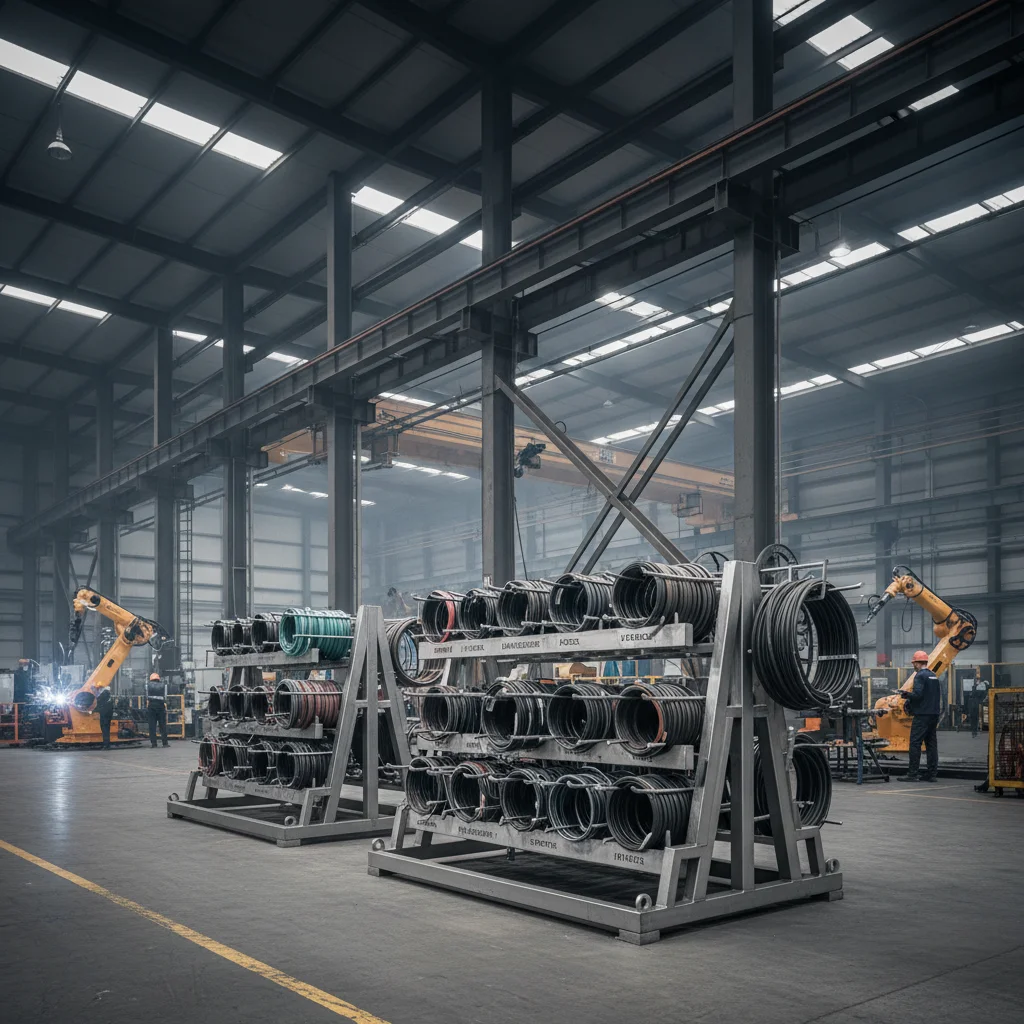
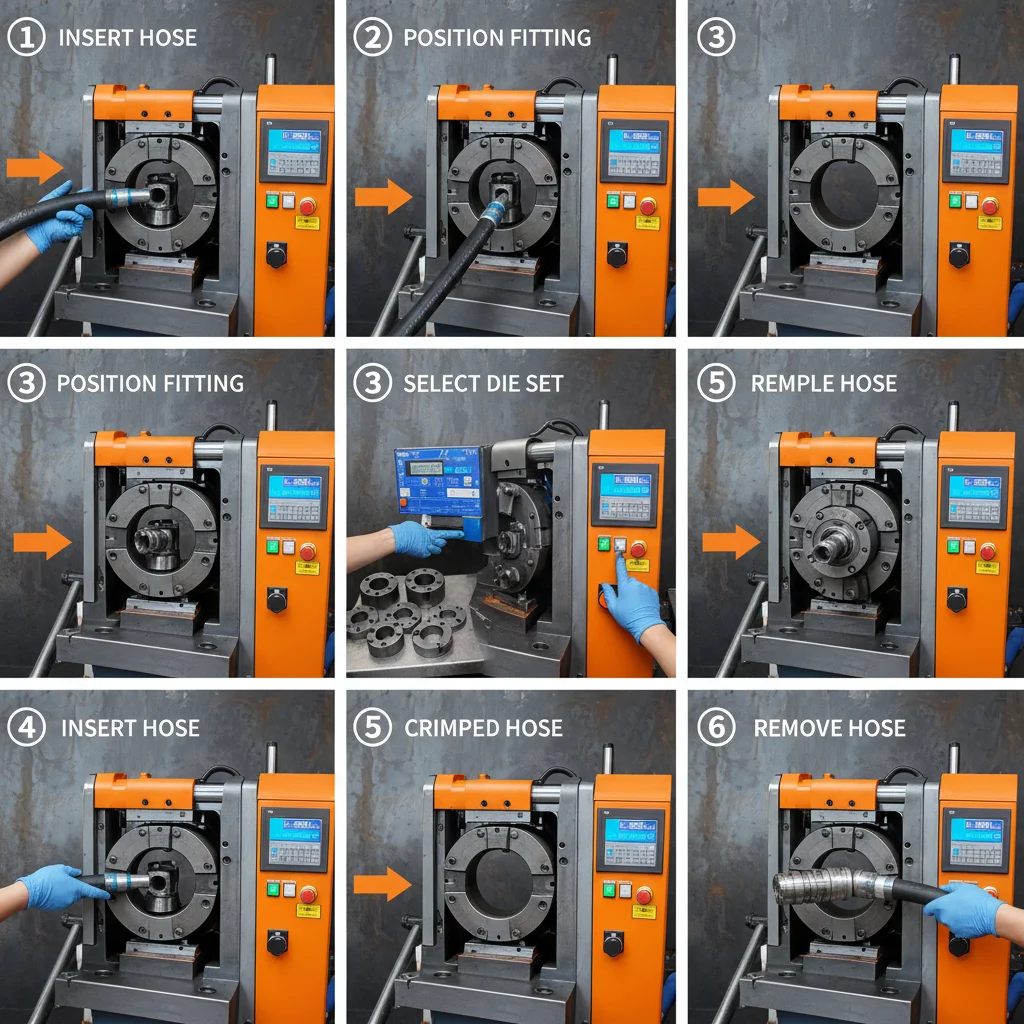
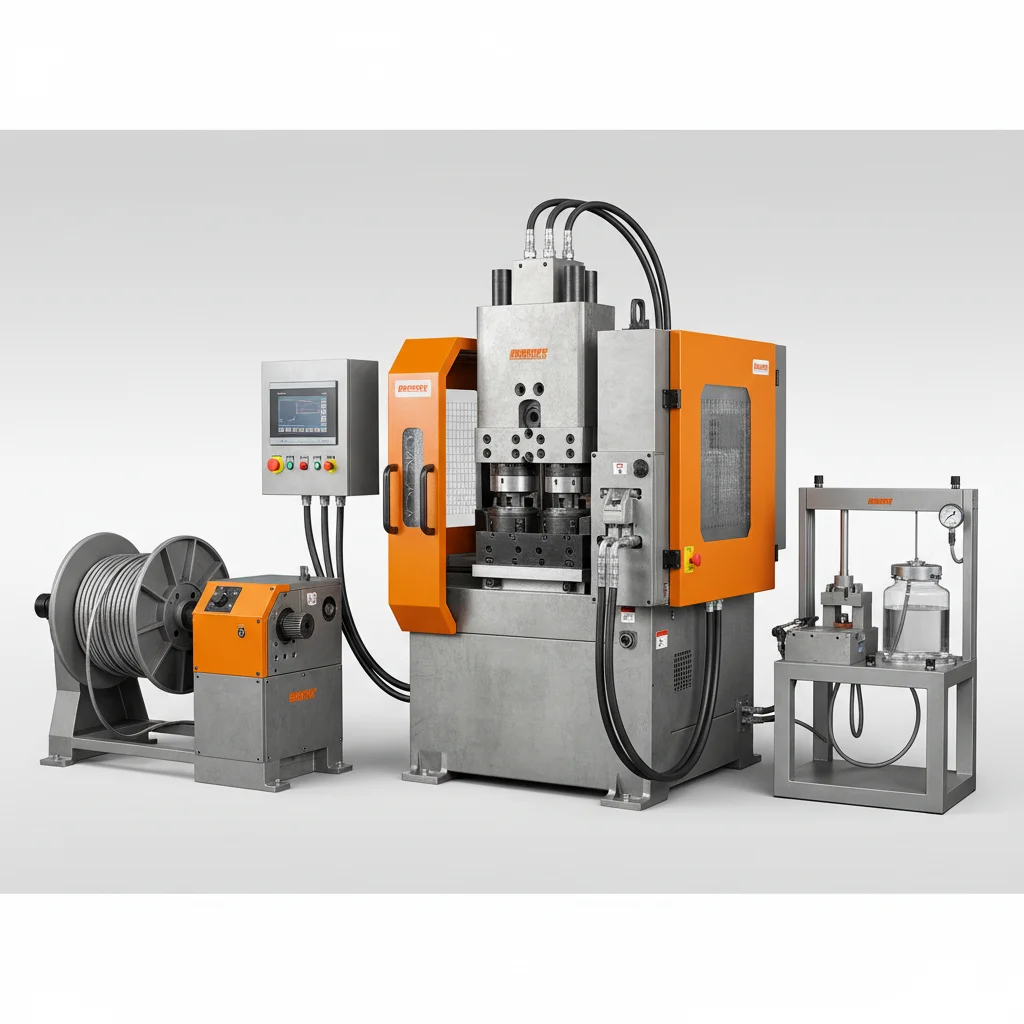
You know, I’ve been running around construction sites all year, getting my hands dirty with materials and chatting with engineers. Lately, everyone's been talking about these hydraulic hose crimping machine china – not just a bigger, faster machine, but a smarter one. Seems like everyone wants a machine that can handle more complex hoses, tighter tolerances, and, strangely, faster turnaround times. It’s a competitive market, to say the least. To be honest, it’s a bit of a whirlwind.
Have you noticed how many companies try to over-engineer these things? They pack them with features nobody actually uses, and then the whole thing becomes a maintenance nightmare. I encountered this at a factory in Ningbo last time; they built this incredibly complex machine with a touchscreen and automatic adjustment, but the guys on the floor just wanted something simple and reliable. They ended up spending more time troubleshooting the computer than actually crimping hoses. It's frustrating.
Anyway, I think the core of a good hydraulic hose crimping machine china isn’t about fancy gadgets; it’s about the fundamentals. The steel, for instance. You want something that's high-carbon, obviously, but the feel of it is important too. It should have a bit of weight, a cool, solid feel in your hand. And the smell when you’re machining it... that metallic tang. That tells you something. Then there’s the hydraulic oil – you don't want the cheap stuff that smells like burnt rubber after a week, no sir. It needs to be a high-grade, synthetic oil that holds its viscosity even in extreme temperatures. We use a German brand, expensive, but it's worth it.
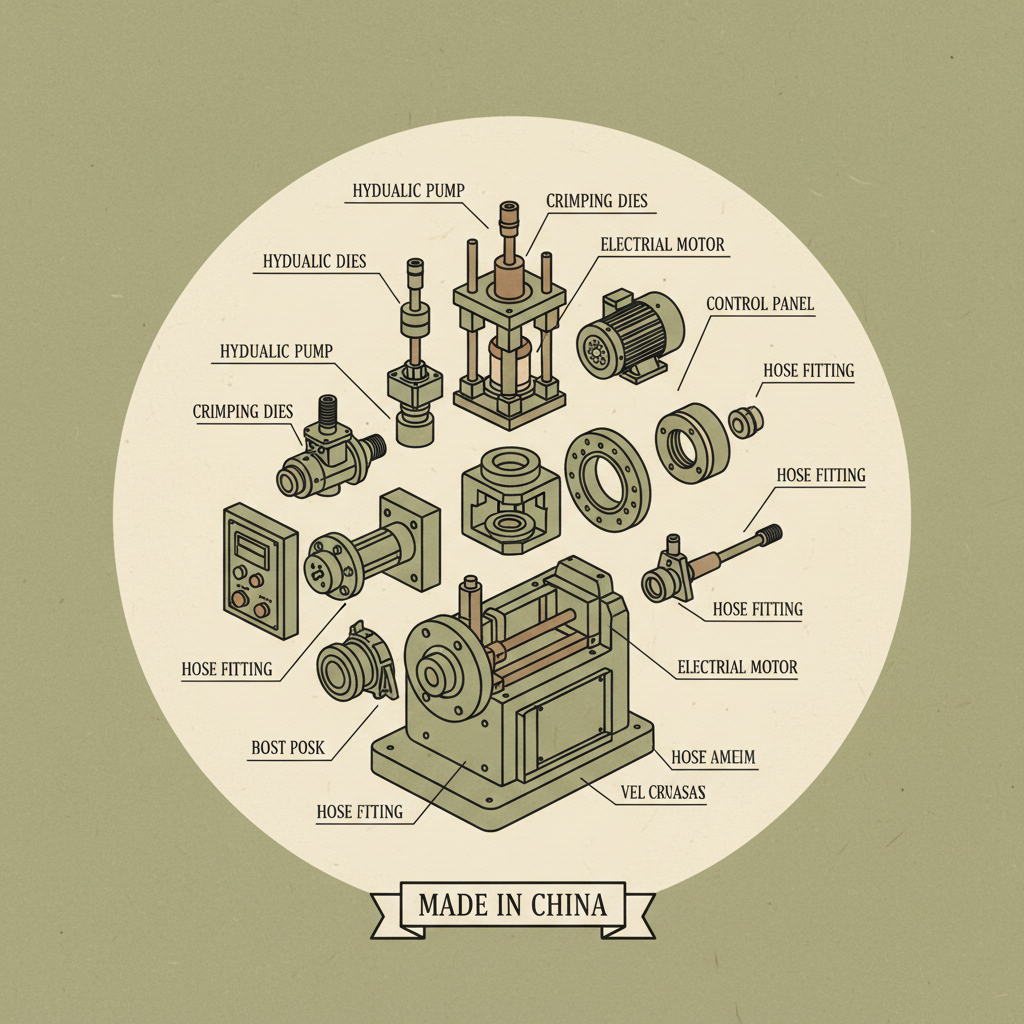
The Evolving Landscape of hydraulic hose crimping machine china
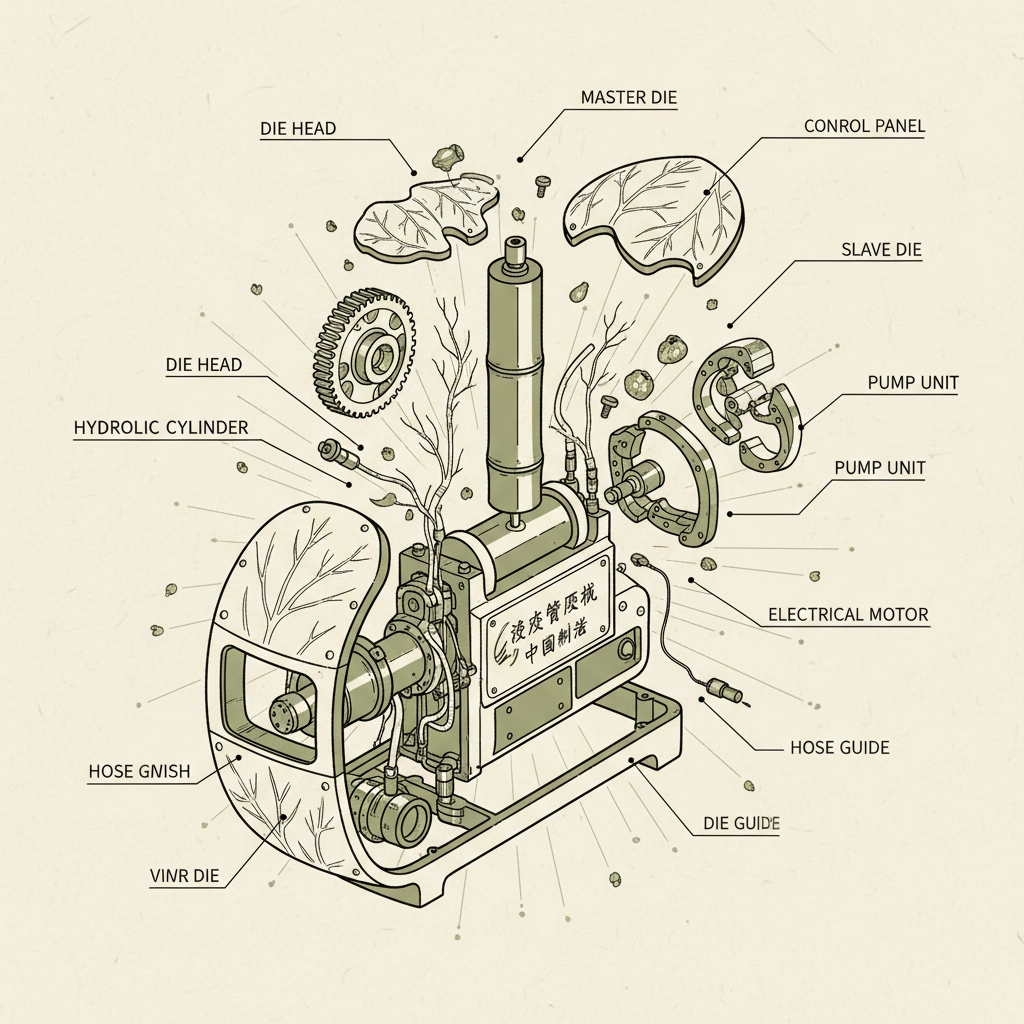
It’s not like it was ten years ago. Everyone used to be happy with a basic machine that could handle a few standard hose sizes. Now? They want something that can crimp everything from tiny brake lines to massive industrial hoses, and they want it done yesterday. There's a real push for automation, too, but finding skilled operators is getting harder and harder. They are scared of robots.
The demand for these hydraulic hose crimping machine china is driven by a lot of factors - growing infrastructure projects, increased manufacturing activity, and a general trend towards hydraulic systems in all sorts of equipment. And let’s not forget the repair market; hoses wear out, they leak, they need to be replaced. That’s a constant source of demand.
FAQS
Regular lubrication of moving parts is key. Check the hydraulic fluid level weekly and ensure it’s the correct type. Clean the dies after each use to prevent corrosion. Most importantly, train your operators to recognize and report any unusual noises or performance issues. Don’t ignore small problems – they can quickly become big, expensive ones. About 60% of downtime is due to preventable maintenance issues, trust me.
Most machines can handle standard rubber, PVC, and thermoplastic hoses. Some can also crimp composite hoses and stainless steel braid. However, it's crucial to use the correct dies for each material. Trying to crimp a composite hose with a rubber hose die will likely damage both the hose and the machine. It is also important to be aware of new biodegradable hoses that are entering the market and to confirm whether the machine is compatible.
Die selection is critical. The die size should match the hose’s outside diameter and fitting type. Most hose manufacturers provide die charts that specify the correct die for their hoses. If you're unsure, it's always best to consult the manufacturer or a qualified technician. Using the wrong die can result in a loose or damaged crimp, leading to leaks and failures.
Always wear safety glasses and gloves. Ensure the machine is properly grounded. Never reach into the crimping chamber while the machine is in operation. Be aware of pinch points and moving parts. And most importantly, follow the manufacturer’s safety instructions. Hydraulic systems operate under high pressure, so a leak can be dangerous. Regular inspections and prompt repairs are essential.
For a shop that does a significant volume of hose repairs, absolutely. It can dramatically reduce turnaround times and improve profitability. However, it’s a significant investment, so you need to carefully consider the cost of the machine, dies, maintenance, and training. It’s not worth it if you only crimp a few hoses a month. Do your research, create a cost-benefit analysis and honestly assess your workload.
That’s a growing concern. Traditionally, hose waste has been a significant environmental issue. There's increasing interest in biodegradable hose materials, but their performance isn't always comparable to traditional hoses. Properly disposing of used hydraulic fluid is also crucial. Some manufacturers now offer recycling programs for hoses and fluid. Look for those options when choosing a supplier.
Conclusion
So, what have we learned? These hydraulic hose crimping machine china aren’t just about brute force and metal bending anymore. It’s a combination of material science, precision engineering, and a deep understanding of how these machines are actually used in the real world. It’s about balancing performance, reliability, safety, and cost. It’s about understanding that a fancy touchscreen isn’t going to solve your problems if the fundamentals are off.
Ultimately, whether this thing works or not, the worker will know the moment he tightens the screw. That’s the truth of it. Don't overthink things too much. Focus on building a solid machine with a robust design, good materials, and a user-friendly interface. And, most importantly, listen to the guys on the ground – they're the ones who will tell you what really works. Check out our selection at hydraulic hose crimping machine china.
Related Posts
-
Finding Reliable Hydraulic Hose Crimper Suppliers for Optimal Performance
-
Investing in a Reliable Hose Press for Sale Ensures Operational Efficiency and Safety
-
Reliable p20 Hydraulic Hose Crimper for Sale Ensuring Durability and Safety
-
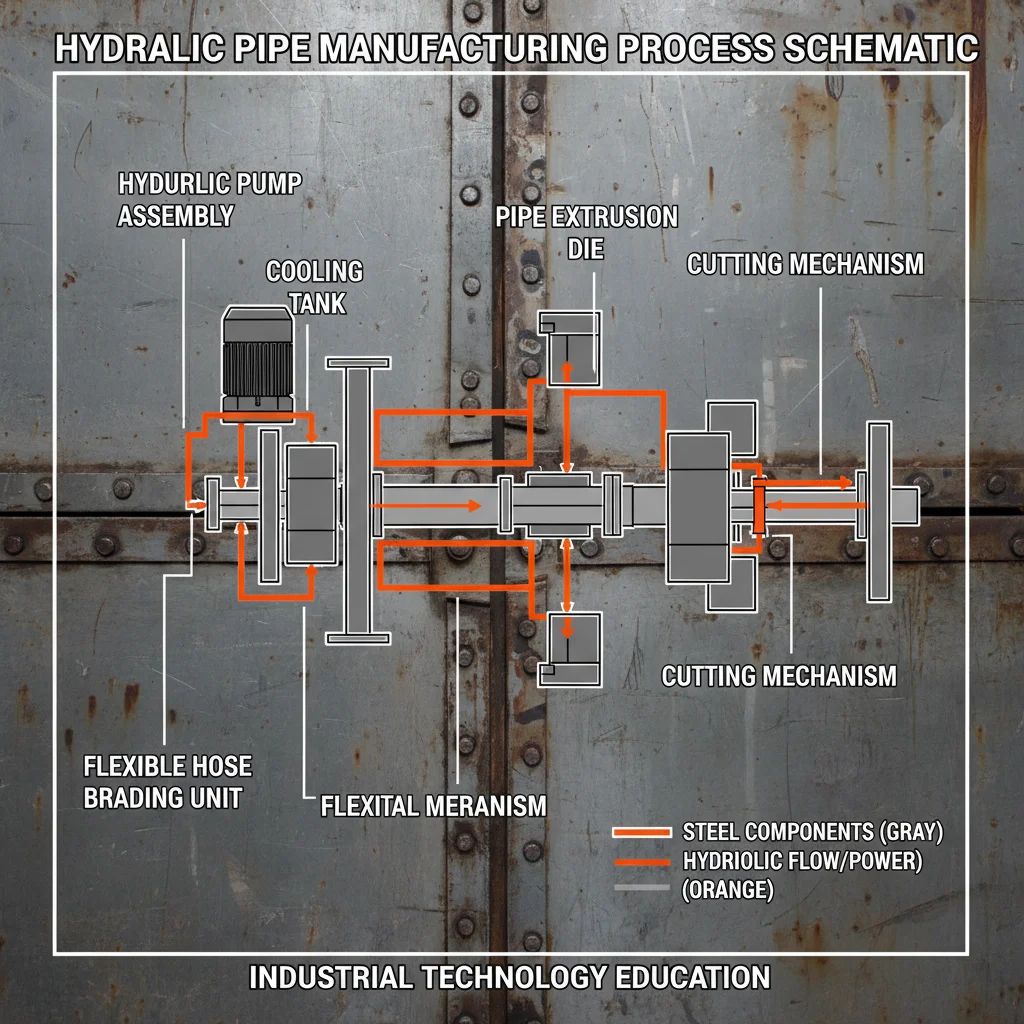
Advancements in Hydraulic Pipe Manufacturing Machine Technology and Global Impact