• Home
  • Top Blog
  • Reliable Hose Crimping Machine Suppliers and Industry Best Practices

Reliable Hose Crimping Machine Suppliers and Industry Best Practices

0%

Table of Contents

Look, these hose crimping machine suppliers… been seeing a lot of changes lately. Everyone’s chasing automation, right? And it’s good, don't get me wrong. Less strain on the guys, faster turnaround. But to be honest, I’ve seen a lot of these “smart” machines that just… overthink things. They’re trying to solve problems that aren’t really there, while ignoring the basics. You spend all day on a construction site, you realize things need to work, not just seem clever.

What really matters is reliability. The pressure’s always on, literally, and you can’t afford something to fail mid-job. It's about getting the job done, safely and efficiently. That’s what keeps me up at night.
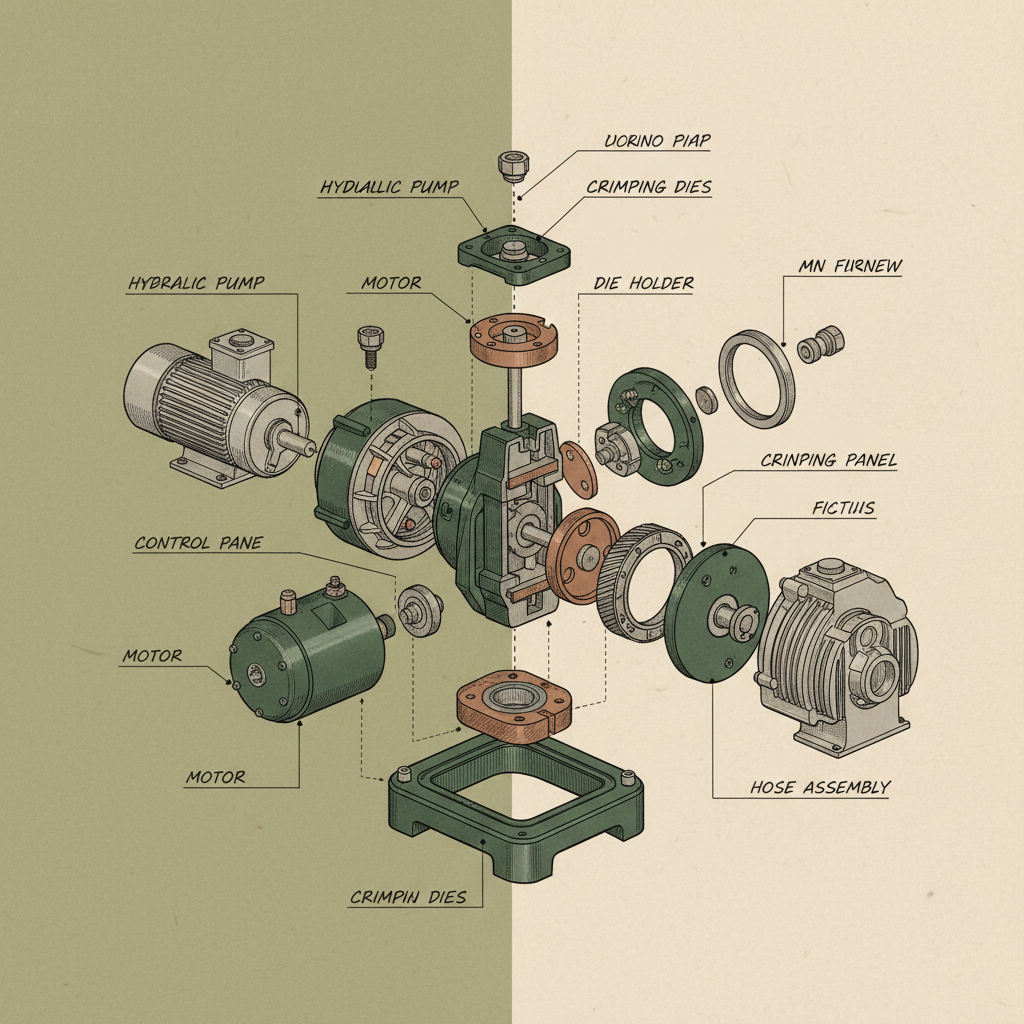
hose crimping machine suppliers

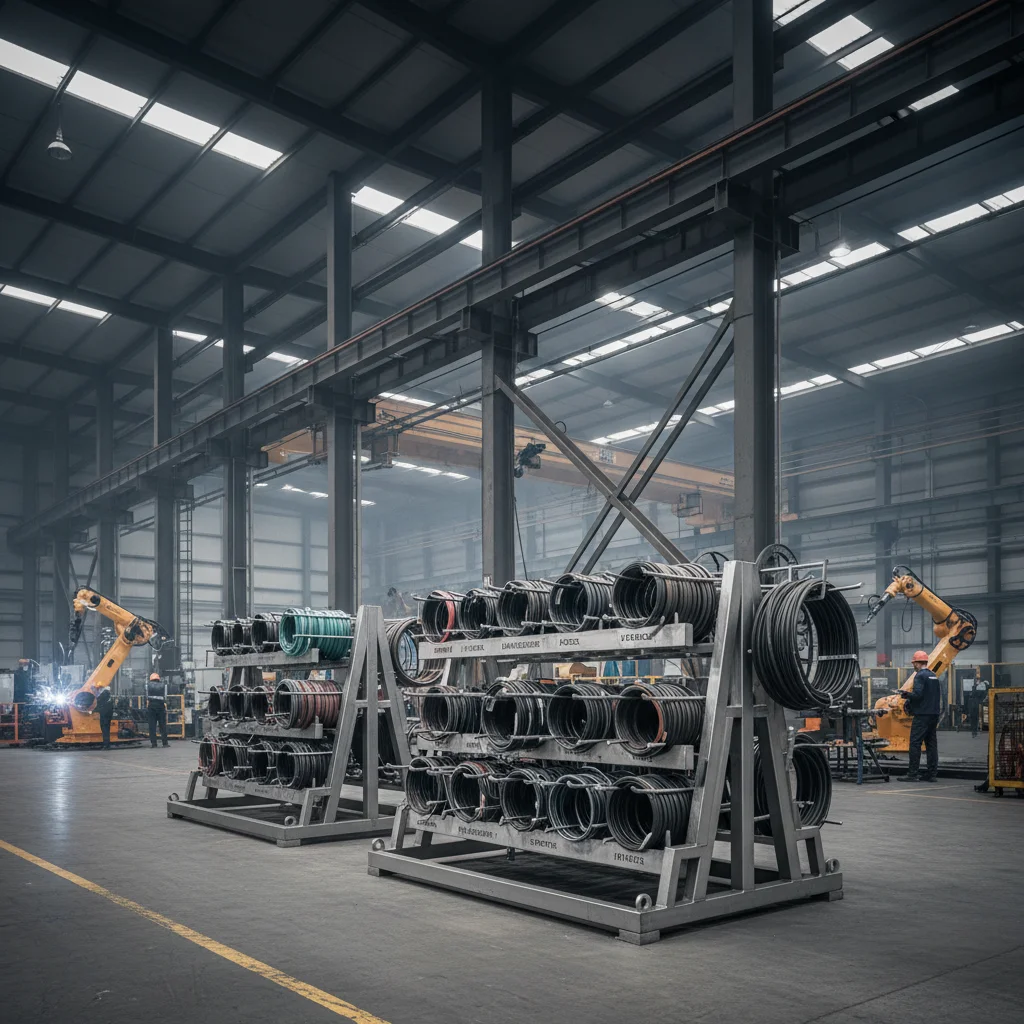
The Current Landscape of hose crimping machine suppliers
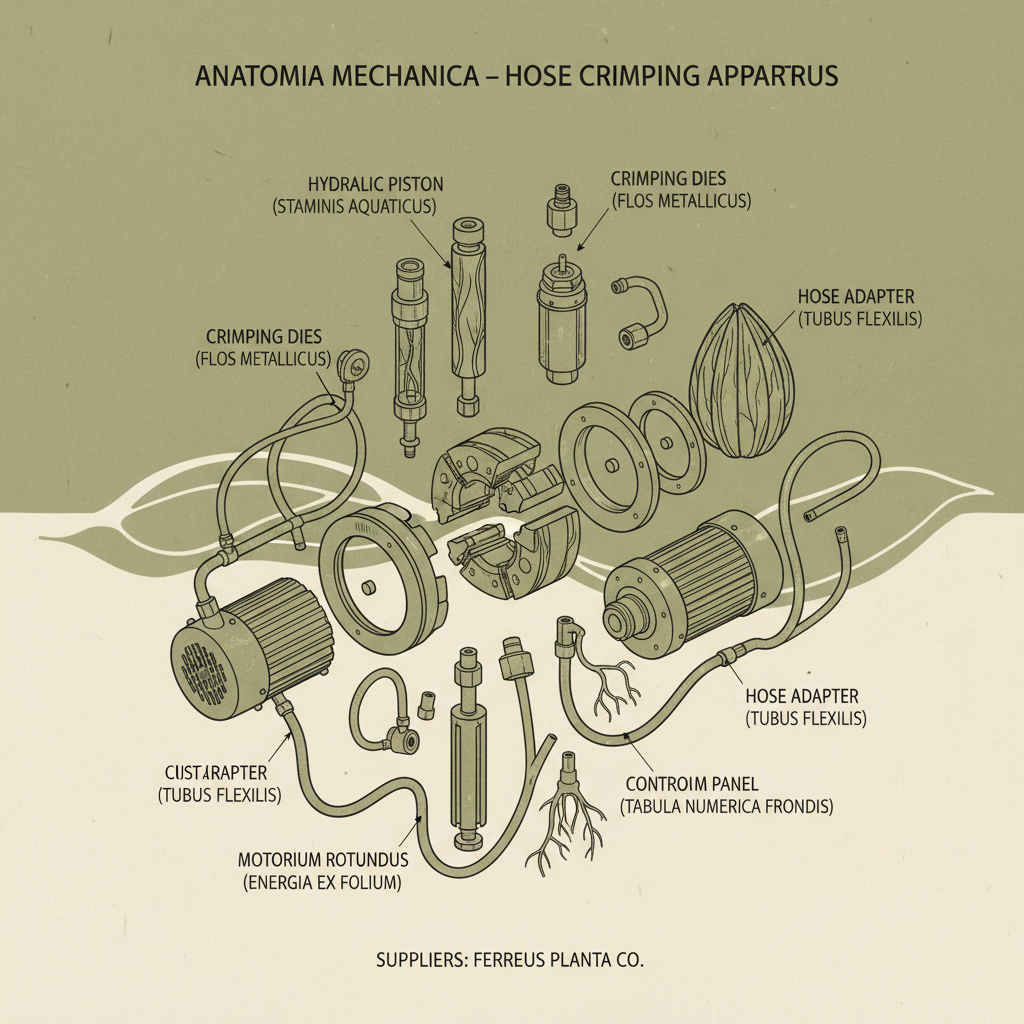
hose crimping machine suppliers

Have you noticed how everyone is going electric? Battery-powered crimpers are becoming increasingly popular, which is great for portability. But the battery life… that's always a question. I was at a factory in Ningbo last time, and they were having real issues with the batteries dying halfway through a big run. It threw the whole schedule off.

Then there's the push for more precise control, with digital displays and pre-programmed settings. Those are useful, sure, but a seasoned operator can usually tell by the feel of the machine if the crimp is good. Honestly, sometimes I think we overcomplicate things.

Defining Reliable hose crimping machine suppliers

Reliable hose crimping machine suppliers aren't just about the machine itself. It's the whole package. Are the dies readily available? What's the turnaround time for repairs? What kind of support does the supplier offer? I've worked with some suppliers who just disappear after the sale. That's a quick way to lose customers. You need a partner, someone who stands behind their product and understands the pressures we're under.

It’s about the little things too. A good supplier will offer training, will be quick to respond to questions, and will actually listen to feedback. They’ll understand that a day’s downtime can cost a fortune.

And let's be real, it’s about build quality. You can tell a well-made machine just by looking at it, by the weight of the components, the quality of the welds. It just feels solid.

Key Factors in Hose Crimping Machine Selection

Durability is paramount. These machines take a beating, you know? They’re used in all sorts of environments, exposed to dust, dirt, and all kinds of weather. The materials matter. I’ve seen machines with cheap steel that just rust through in a year. You want something with a robust frame and high-quality components.

Scalability is also important, depending on your needs. Are you a small shop doing a few crimps a day, or a large manufacturer churning out hundreds? You need a machine that can handle the volume.

Cost efficiency… that's a tricky one. You don't want to spend a fortune, but you also don’t want to buy something cheap that’s going to break down constantly. It's a balancing act. Look at the long-term costs: maintenance, repairs, downtime. Those add up. A more expensive machine upfront might actually save you money in the long run. Anyway, I think focusing solely on the initial price tag is a mistake.

And then there’s ease of use. A complicated machine that requires a PhD to operate isn't going to be popular with the guys on the shop floor. You want something intuitive, something that’s easy to learn and use. Simplicity is often the key.

Global Applications and Diverse Use Cases

Hose crimping isn't just for hydraulic hoses, you know. It’s used in a huge range of applications. Automotive, construction, agriculture, even aerospace. It’s everywhere. Strangely, I saw a guy using a small portable crimper to fix a leaky irrigation line at a farm in California. Necessity is the mother of invention, I guess.

In post-disaster relief operations, you need reliable hose crimping equipment to repair damaged infrastructure. I heard stories from the Philippines after the typhoon, about crews using portable crimpers to fix water pipes and get essential services back up and running.

And in remote industrial zones, like oil rigs or mining operations, having a self-sufficient crimping setup is crucial. You can’t always wait for a technician to fly in.

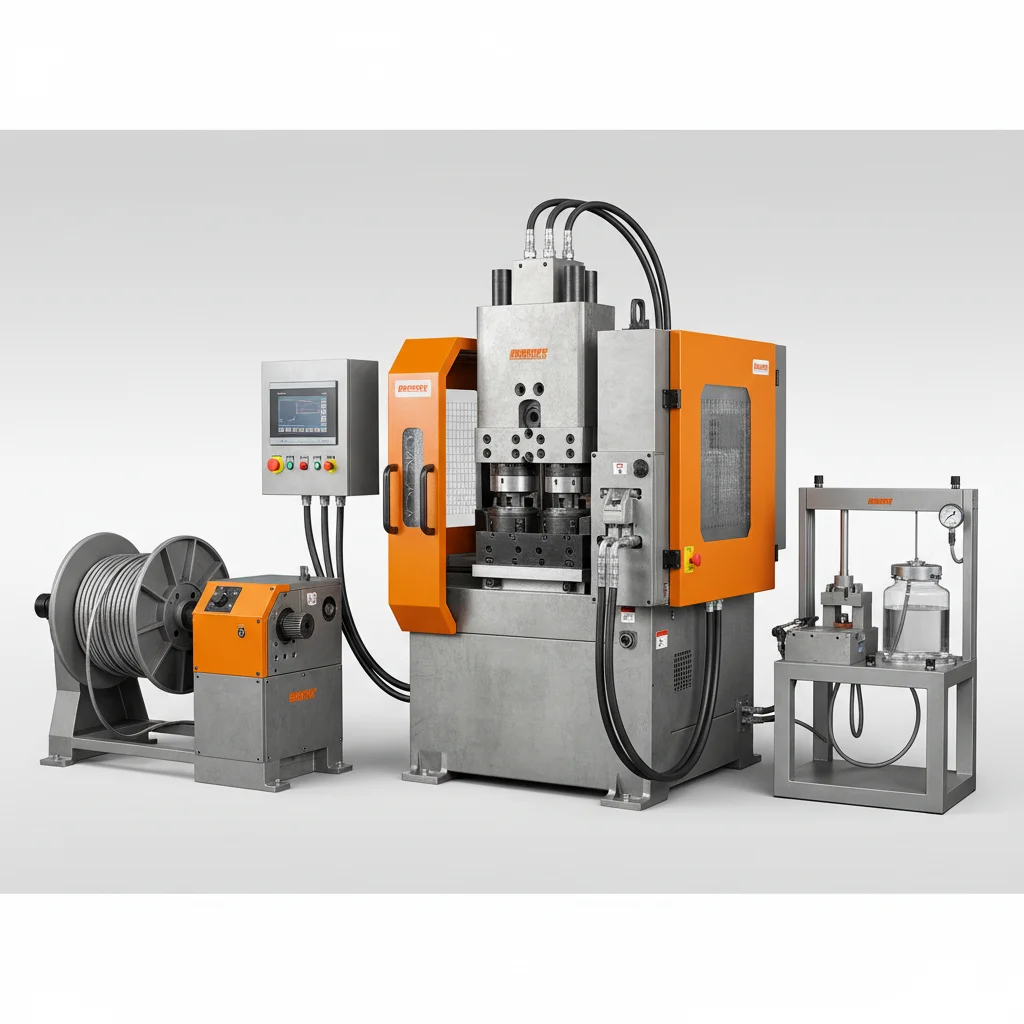
Hose Crimping Machine Suppliers: Application Distribution

Advantages & Long-Term Value Proposition

A good hose crimping machine pays for itself over time. Reduced downtime, less scrap, improved safety. Those are all tangible benefits. And let's not forget the peace of mind. Knowing that you have a reliable machine that’s going to get the job done, that’s worth a lot.

I saw a small company that invested in a high-quality crimper and they were able to reduce their rejection rate by almost 5%. That saved them a ton of money. It was a no-brainer.

Emerging Trends and Future Innovations

I'm telling you, AI is starting to creep into everything. Some suppliers are talking about using AI to optimize the crimping process, to automatically adjust the pressure and timing based on the hose material and size. Sounds fancy, but I'm skeptical.

I think the real innovation is going to be in materials. Lighter, stronger, more durable hoses. And machines that can handle those new materials.

Challenges and Practical Solutions

Finding skilled operators is a real challenge. A lot of young people don't want to get their hands dirty. It's a shame. They don't realize how important this work is. We need to invest in training programs, to show these guys that there’s a good career to be had.

Another issue is keeping up with the changing standards. Regulations are constantly evolving, and you need to make sure your equipment meets the latest requirements.

Anyway, I think the key is to focus on simplicity and reliability. Don't try to reinvent the wheel. Just build a solid machine that does its job well.

Hose Crimping Machine Suppliers: Common Issues and Mitigation

Issue Likelihood (1-10) Impact (1-10) Mitigation Strategy
Die Wear 7 6 Regular Inspection & Replacement
Hydraulic Leaks 5 8 Preventative Maintenance & Seal Replacement
Electrical Failures 4 7 Surge Protection & Qualified Technicians
Calibration Drift 6 5 Regular Calibration Checks
Operator Error 8 9 Comprehensive Training & SOPs
Supply Chain Disruptions (Dies) 3 7 Maintain Inventory & Multiple Suppliers

FAQS

What's the best way to determine the right crimp size for a specific hose?

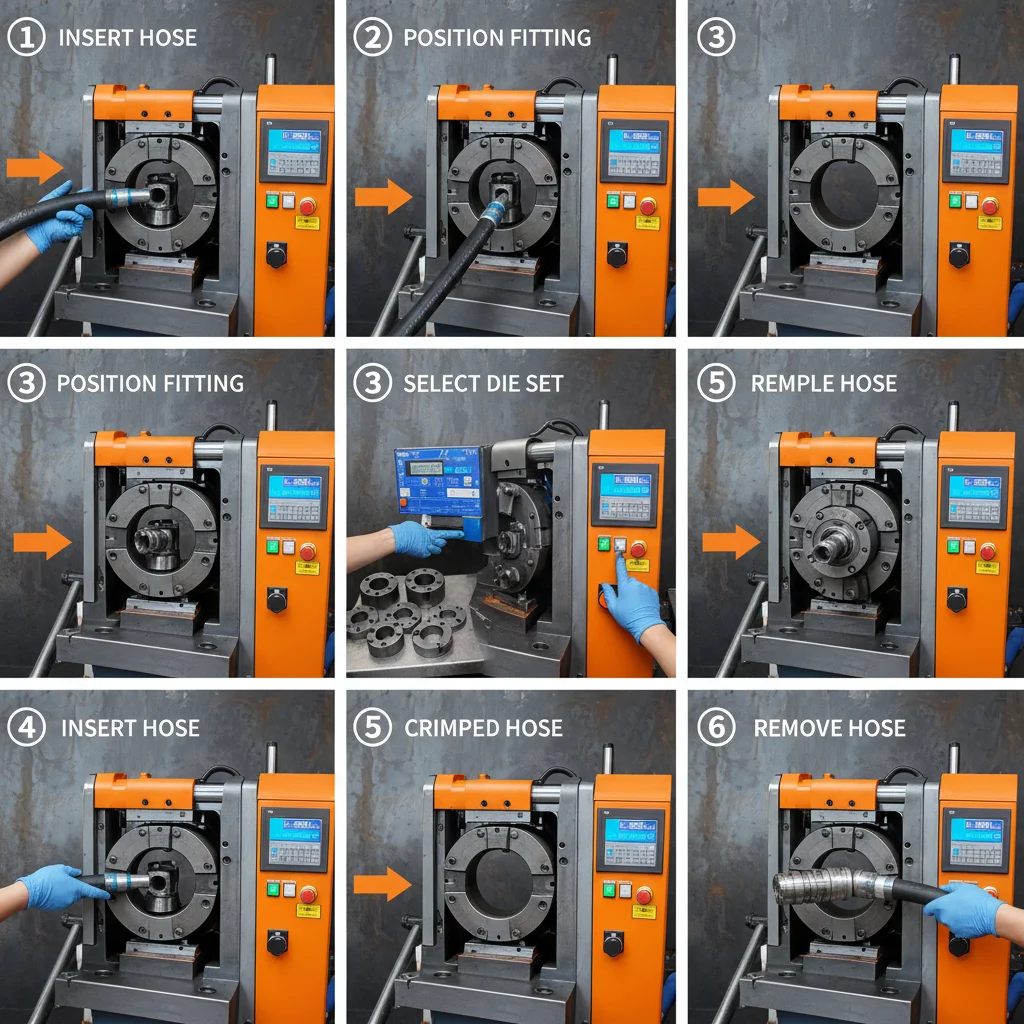
That's a good question. Always refer to the hose manufacturer’s specifications. They’ll provide a crimp chart that outlines the correct die size and crimp pressure for each hose type and size. Don’t guess! It could lead to a failure, and that's not worth the risk. I usually keep a laminated copy of those charts right next to the machine for easy reference.

How often should I inspect and maintain a hydraulic hose crimping machine?

Regular maintenance is key. I’d recommend a daily visual inspection for leaks, loose bolts, and worn hoses. Then, a more thorough inspection and lubrication should be done monthly. And don’t forget to check the calibration of the pressure gauge! That’s something a lot of people overlook. A miscalibrated gauge can lead to under- or over-crimped hoses, both of which are bad.

What are the safety precautions I should take when operating a hose crimping machine?

Safety first, always! Wear safety glasses, gloves, and hearing protection. Never put your hands inside the machine while it’s operating. Make sure the area around the machine is clear of obstructions. And, of course, always follow the manufacturer’s instructions. Don't be a hero. It’s not worth risking an injury.

What's the difference between a manual and an automatic hose crimping machine?

Manual machines are simpler and cheaper, but they require more physical effort and are more prone to operator error. Automatic machines are more precise and efficient, but they’re also more expensive and require more training to operate. It really depends on your volume and your budget. For a small shop doing a few crimps a day, a manual machine might be fine. But for a large manufacturer, an automatic machine is a must.

Can hose crimping machines be used for materials other than hydraulic hoses?

Technically, yes, but you need to use the correct dies and settings. Some machines can be used to crimp fittings onto tubing, cables, and even plastic hoses. But it's crucial to consult the machine manufacturer and the material supplier to ensure compatibility. Using the wrong dies or settings can damage the material and create a safety hazard.

How do I troubleshoot common issues with a hose crimping machine, like inconsistent crimps?

Inconsistent crimps usually point to a few things: incorrect die size, low hydraulic pressure, or a worn-out die. Double-check the die size against the hose specifications, and test the hydraulic pressure to make sure it’s within the recommended range. If those check out, the die probably needs to be replaced. It's a good idea to keep a spare set of dies on hand just in case.

Conclusion

Ultimately, whether it's about automation, materials, or training, the hose crimping machine is only as good as the operator and the quality of the maintenance. It’s a foundational piece of equipment in so many industries, and its reliability directly impacts safety, efficiency, and cost. Choosing the right machine, investing in proper training, and staying on top of maintenance are all critical.

And here’s the thing: the worker tightening that final screw, he'll know whether it's going to hold. He’ll feel it, he’ll see it. That’s the ultimate test. If you want to learn more about finding the right hose crimping machine for your needs, visit our website: www.willexcrimper.com.

Kevin Rodriguez

Kevin Rodriguez

Kevin Rodriguez is a Production Manager at one of Dezhou Willex Hydraulic Machinery's manufacturing facilities. He oversees the entire production process, from raw material procurement to final quality control. Kevin regularly provides updates for the 'News' section regarding our production capacity, improvements in manufacturing efficiency, and implementation of new technologies. He has a background in industrial engineering and a proven track record of optimizing production workflows. Kevin is dedicated to maintaining the highest standards of quality and ensuring that our machinery meets or exceeds customer expectations. He works closely with the engineering team to incorporate customer feedback into the design and manufacturing process. He is instrumental in maintaining our high output – over 5,000 units annually.
Previous Understanding the Landscape of hose crimping machine china and Design Considerations
Next Advancements in China's Hydraulic Hose Crimping Machine Technology and Design
Message
  • *
  • *
  • *
  • *

If you are interested in our products, you can choose to leave your information here, and we will be in touch with you shortly.