China HOSE ASSEMBLY MACHINES – Guide to Industrial Precision and Global Utility
Understanding China HOSE ASSEMBLY MACHINES and Their Global Impact
China HOSE ASSEMBLY MACHINES may sound like a niche industrial topic, but their significance stretches far beyond factory walls. In today’s interconnected world, these machines are at the heart of countless industries—from automotive to agriculture, from construction to disaster relief. Efficient hose assembly ensures that fluids and gases flow seamlessly in equipment critical to daily life, industrial productivity, and emergency response. Getting to know these machines, their benefits, and their evolution helps us appreciate a key cog in the global industrial machine, so to speak.
Introduction: Why China HOSE ASSEMBLY MACHINES Matter Globally
China has emerged as a powerhouse in manufacturing a vast range of industrial machinery, including hose assembly machines. According to data from the UN Industrial Development Organization (UNIDO), Asia accounts for over 50% of industrial equipment exports worldwide. Not surprisingly, Chinese manufacturers lead the charge in hose assembly technology—thanks to a combination of robust supply chains, innovation, and competitive pricing.
Why does this matter? Hose assemblies are essential components in everything from hydraulic lifts and fuel distribution systems to water irrigation and firefighting equipment. Efficient production through advanced hose assembly machines translates directly to safer, more reliable end products with less downtime. And globally, this supports everything from mega factories in industrial hubs to humanitarian operations delivering clean water.
Nevertheless, one of the key challenges is quality consistency. Without precise machinery, hose assemblies can leak or fail, leading to costly failures or even hazards. That's where advances in Chinese hose assembly machines help bridge the gap—blending affordability with precision engineering.
Explore China HOSE ASSEMBLY MACHINES productsWhat Are China HOSE ASSEMBLY MACHINES?
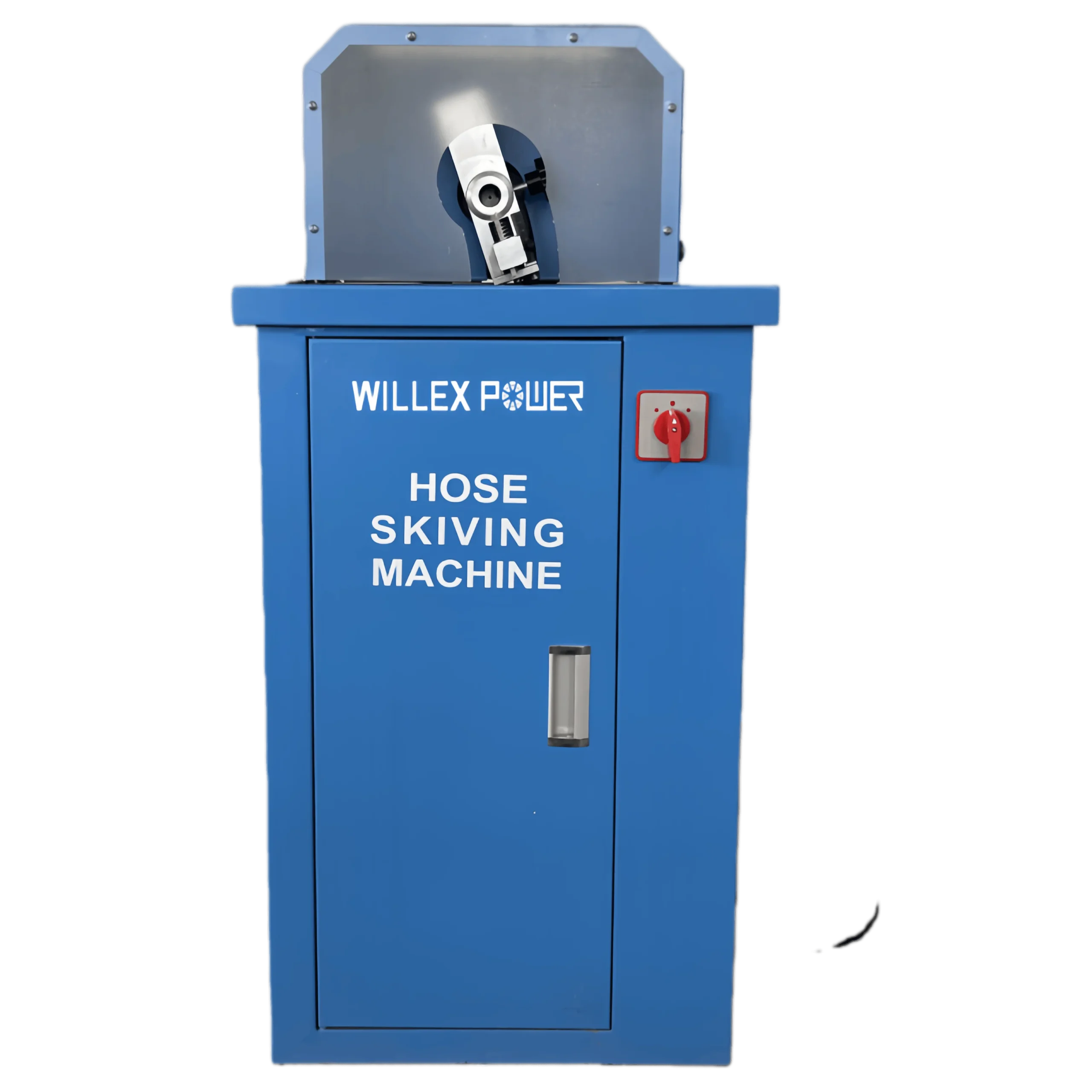
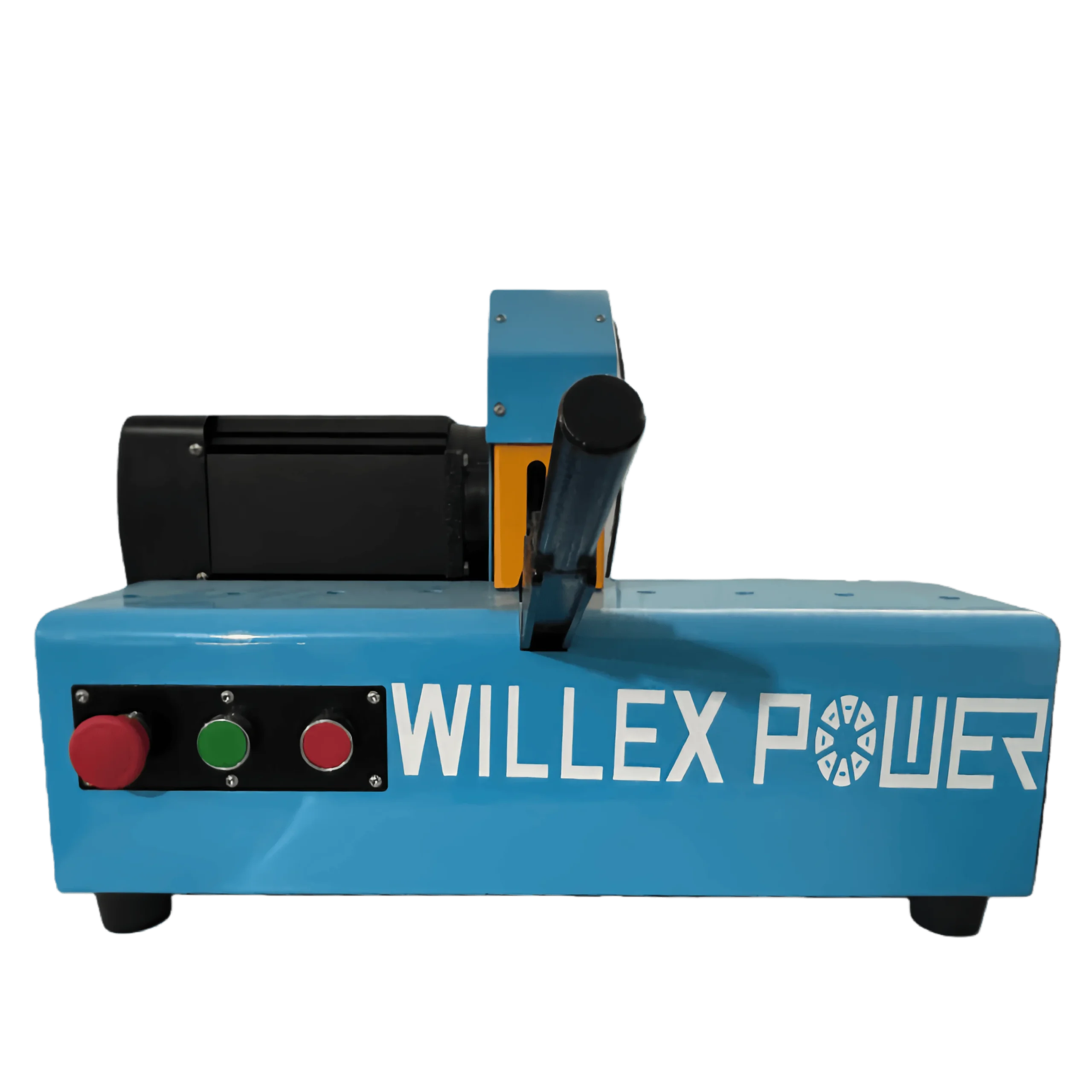
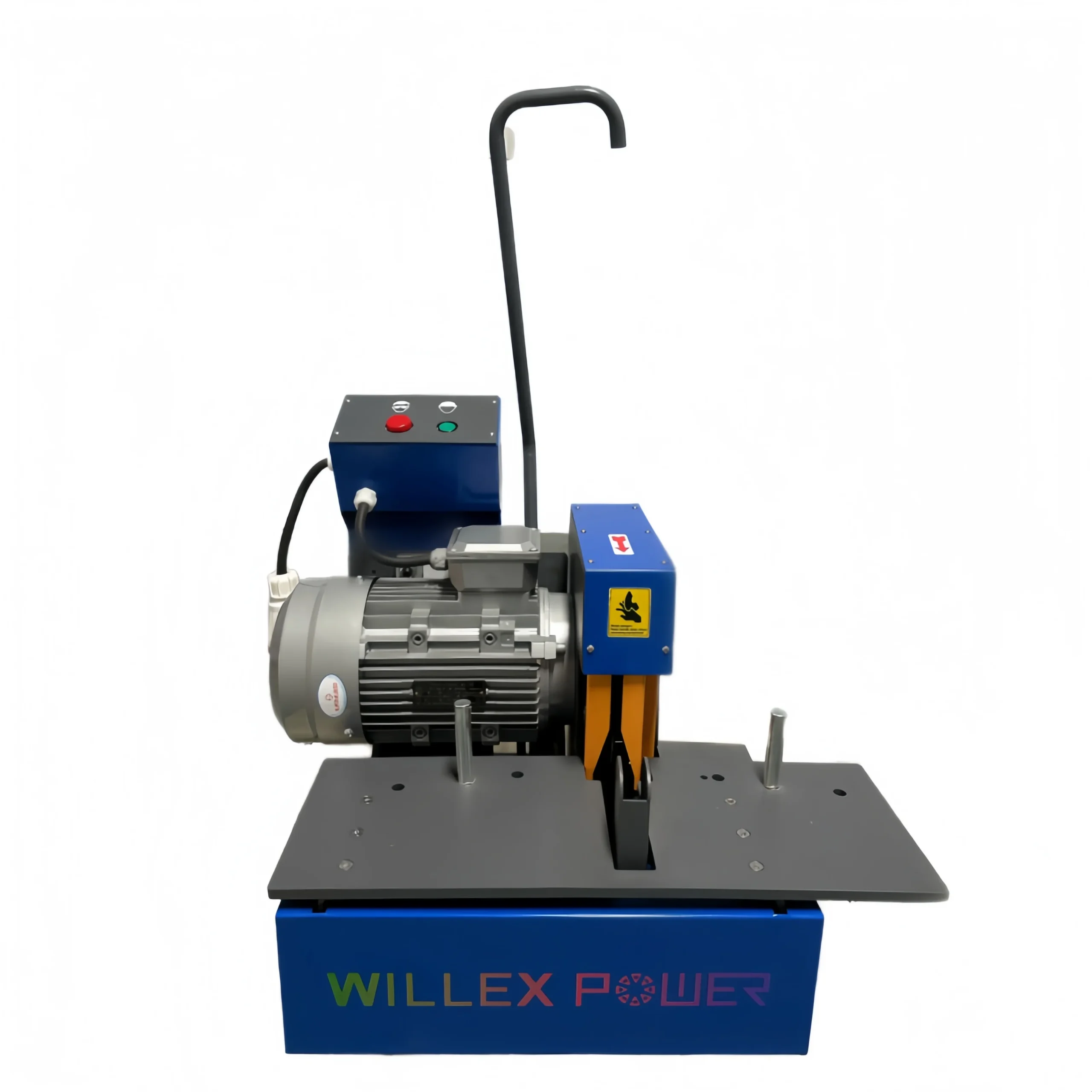
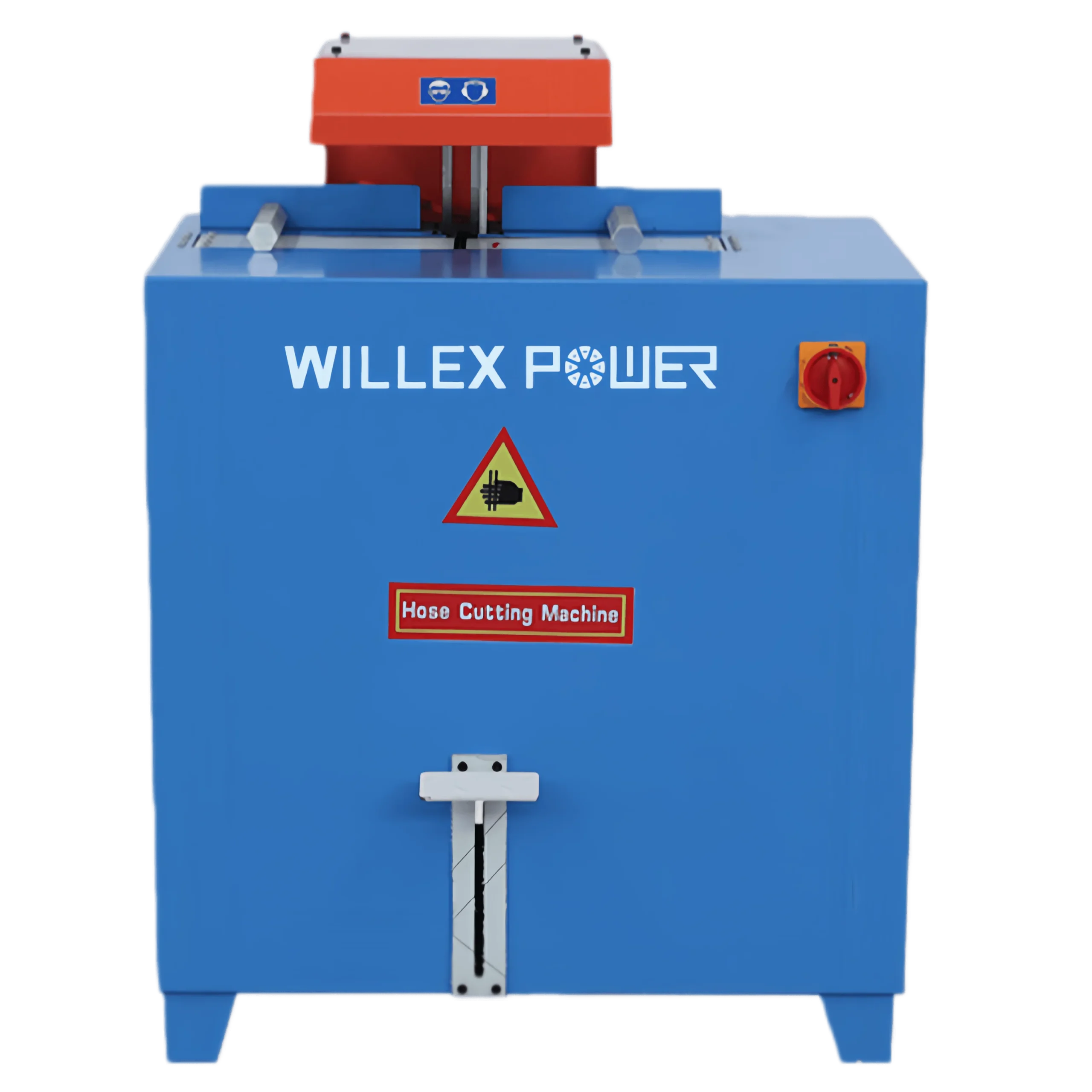
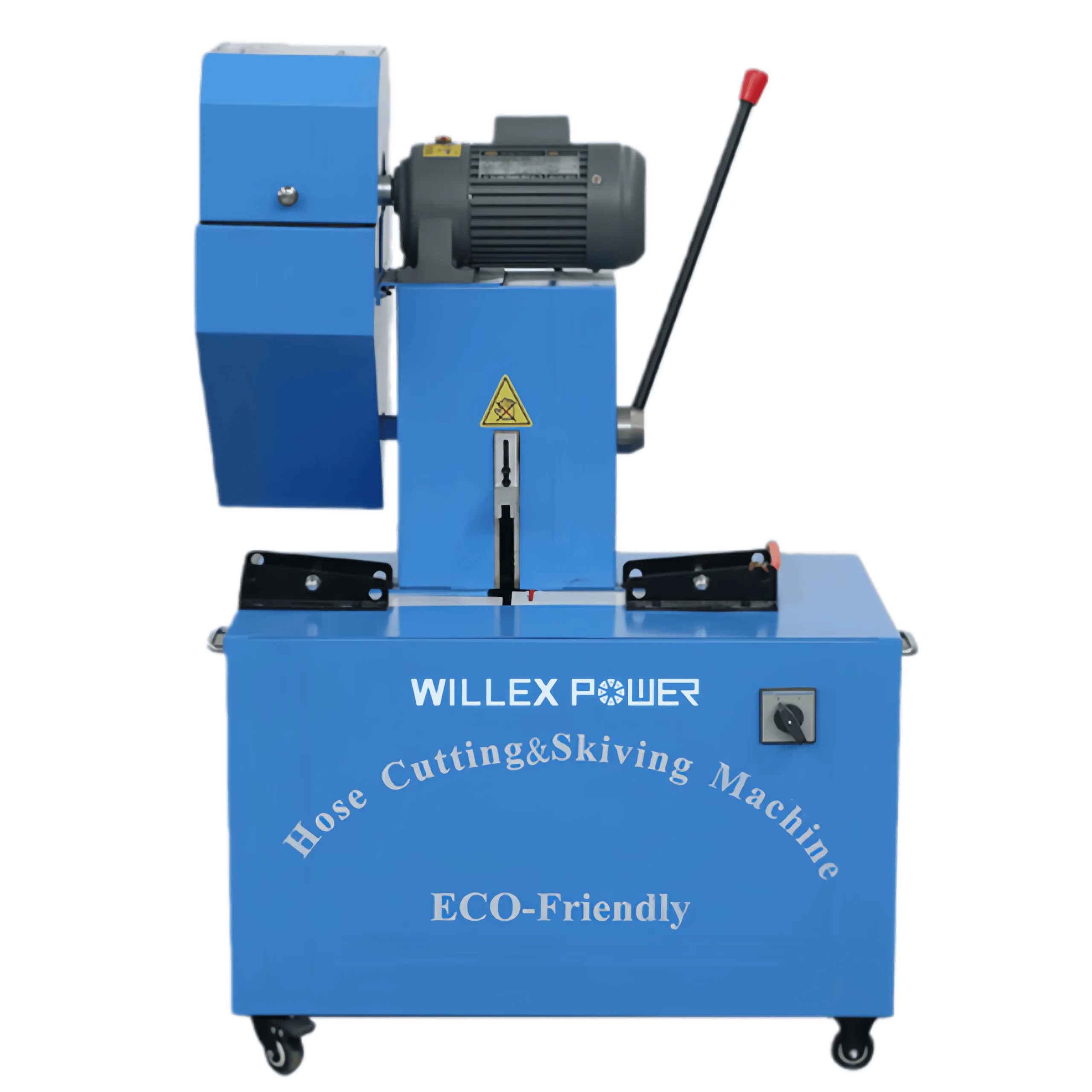
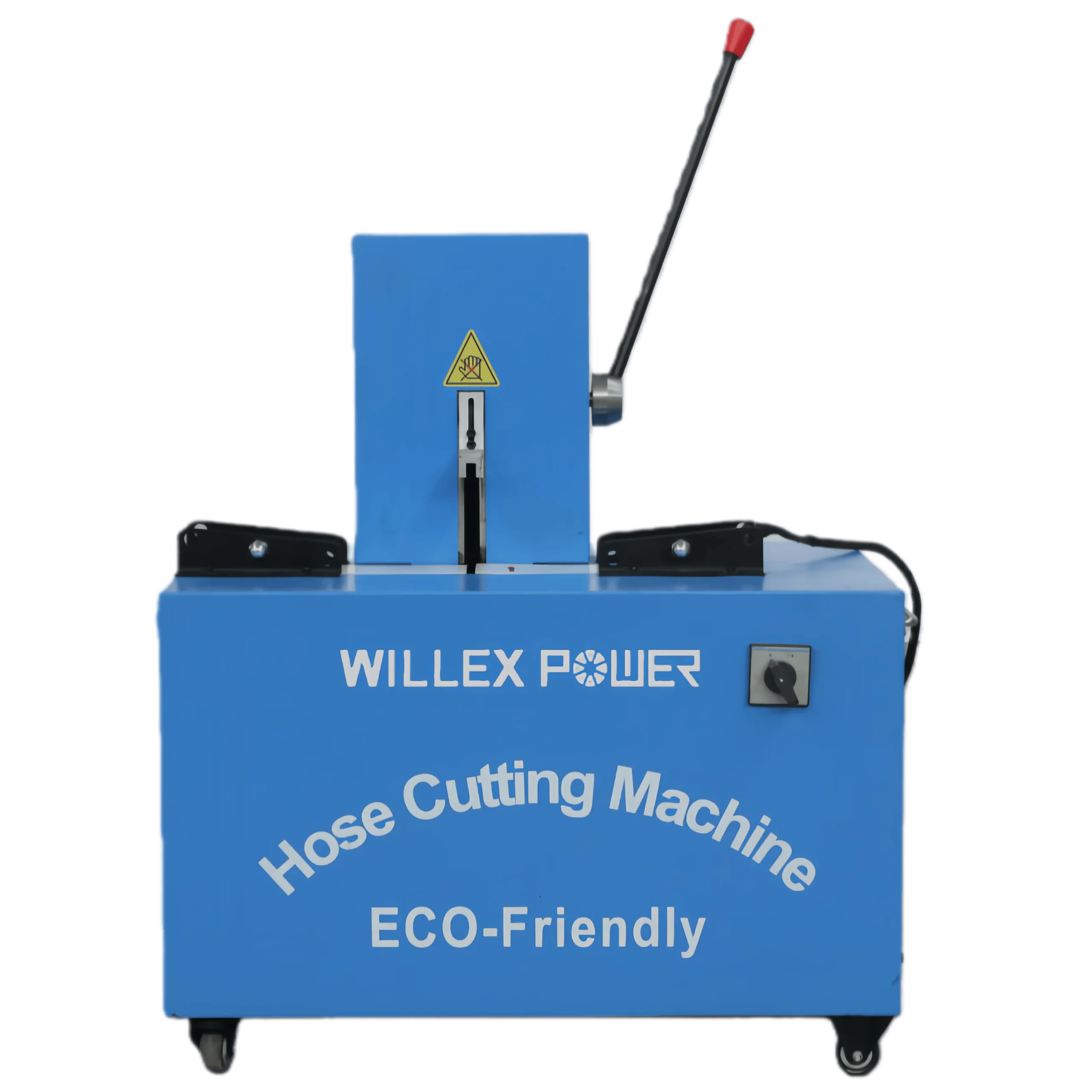
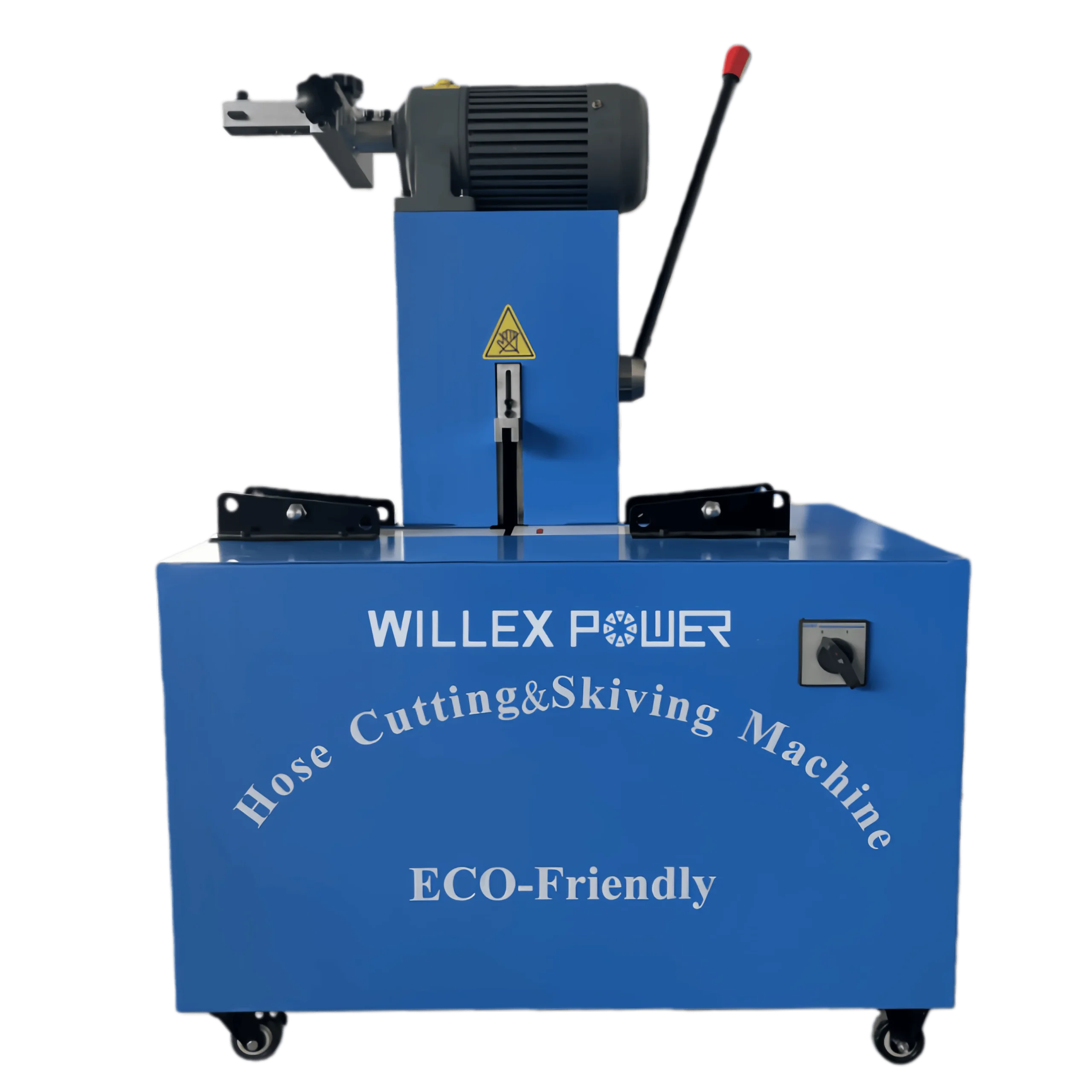
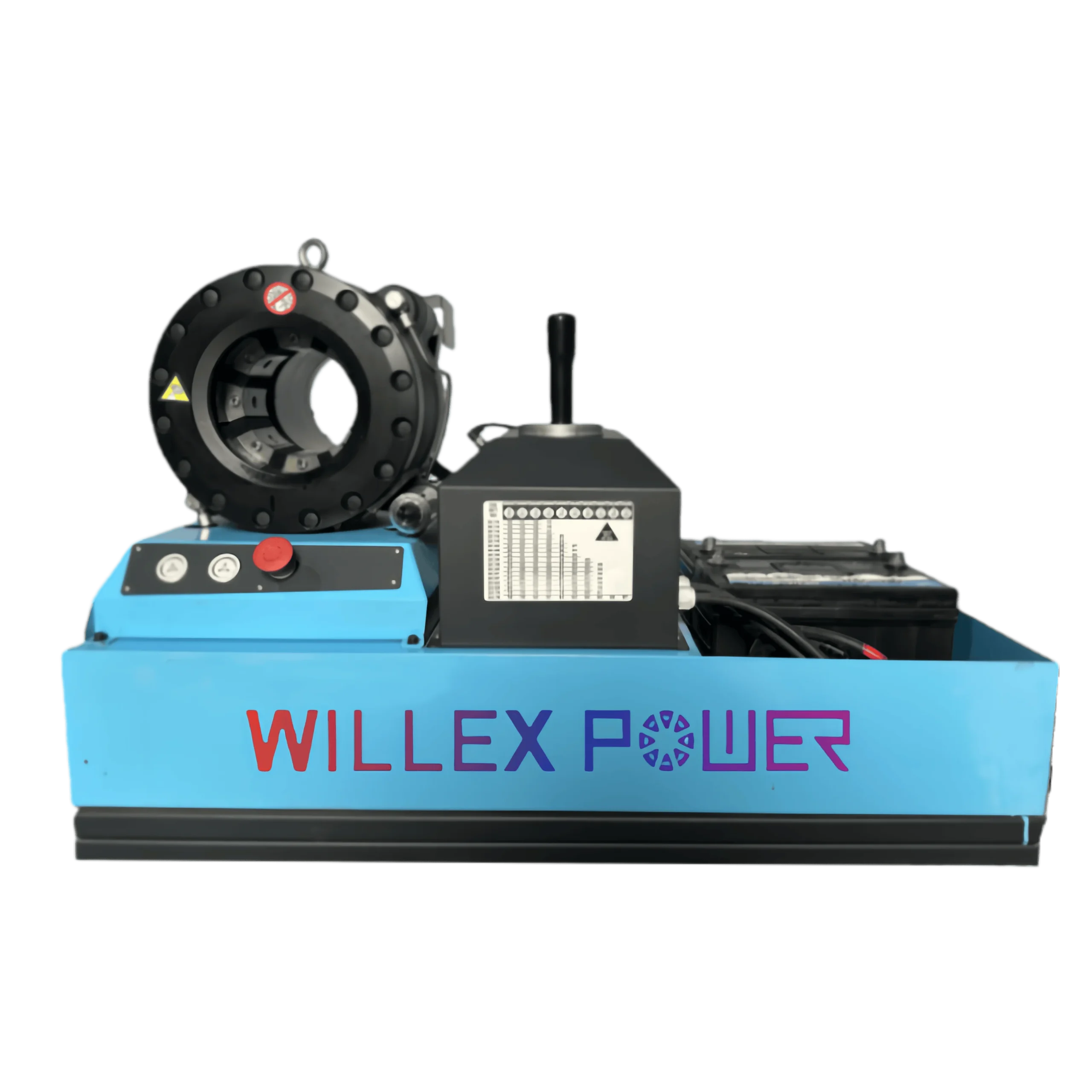
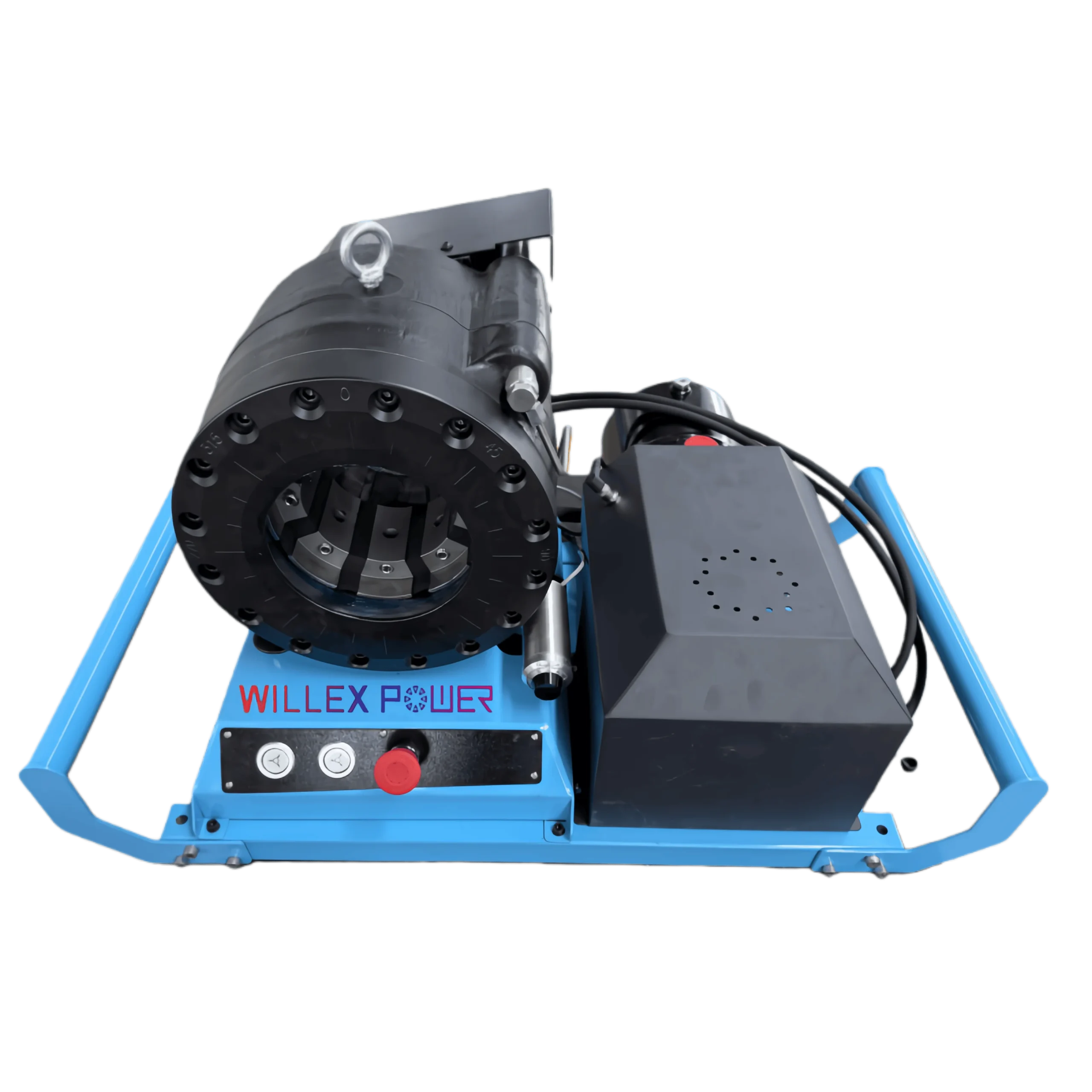
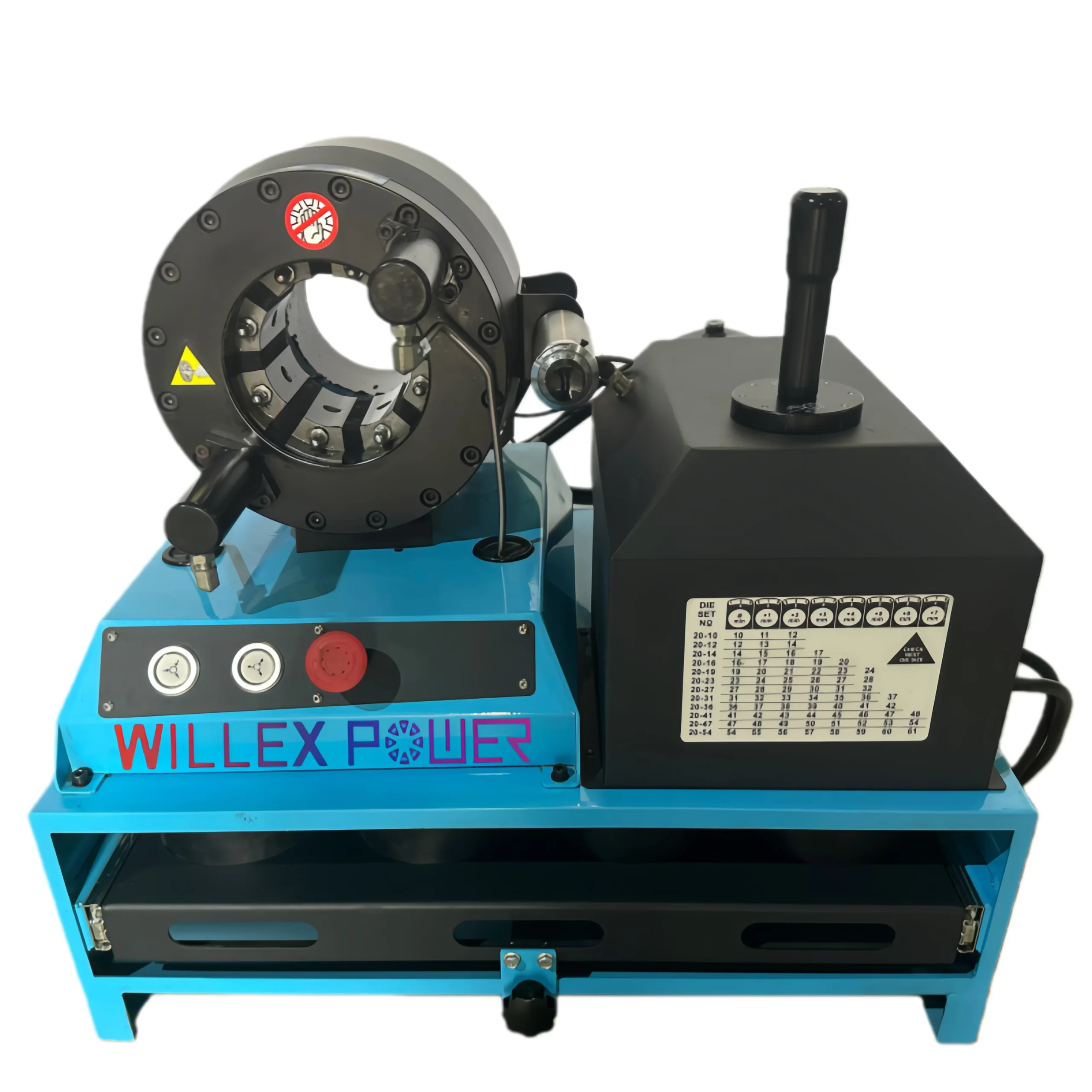
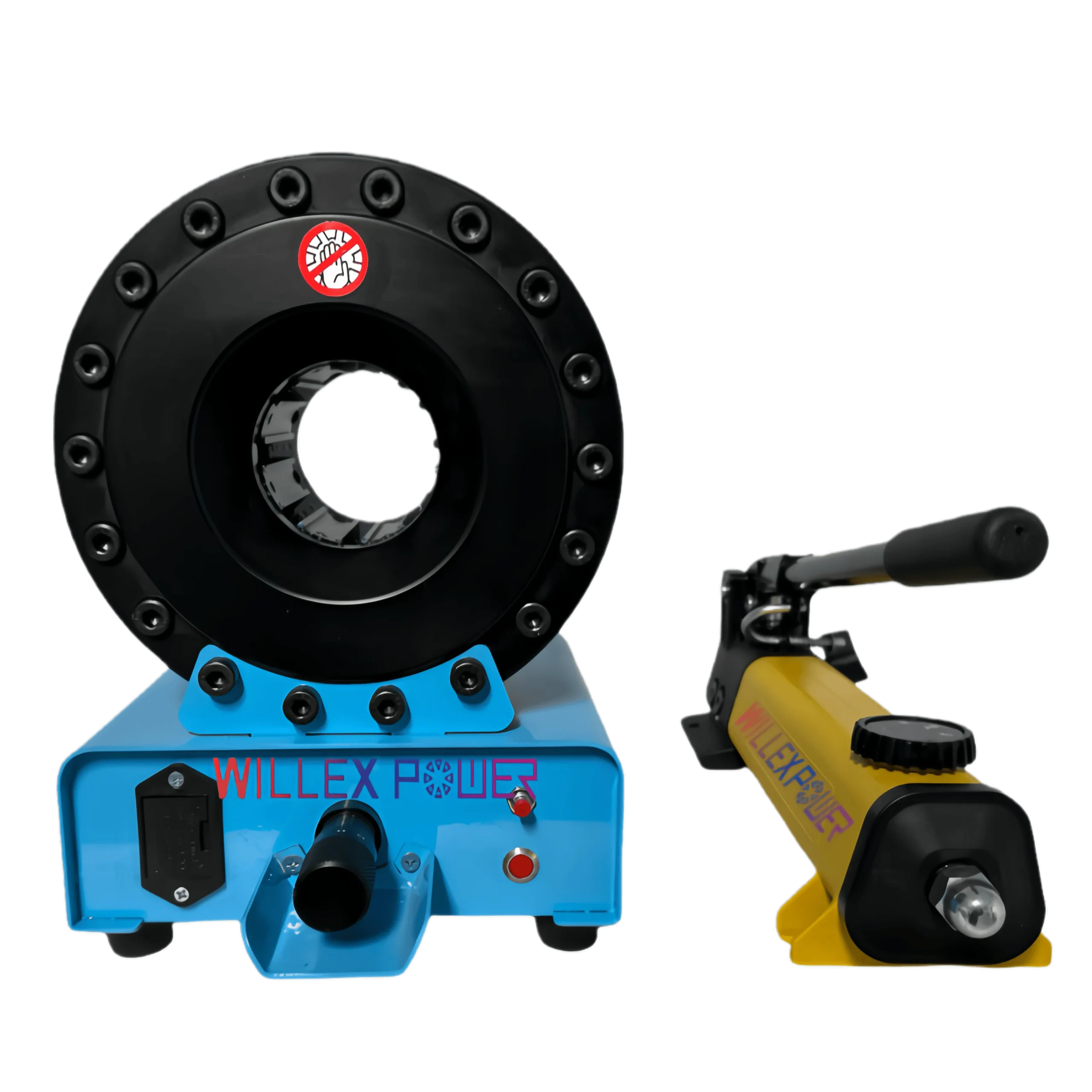
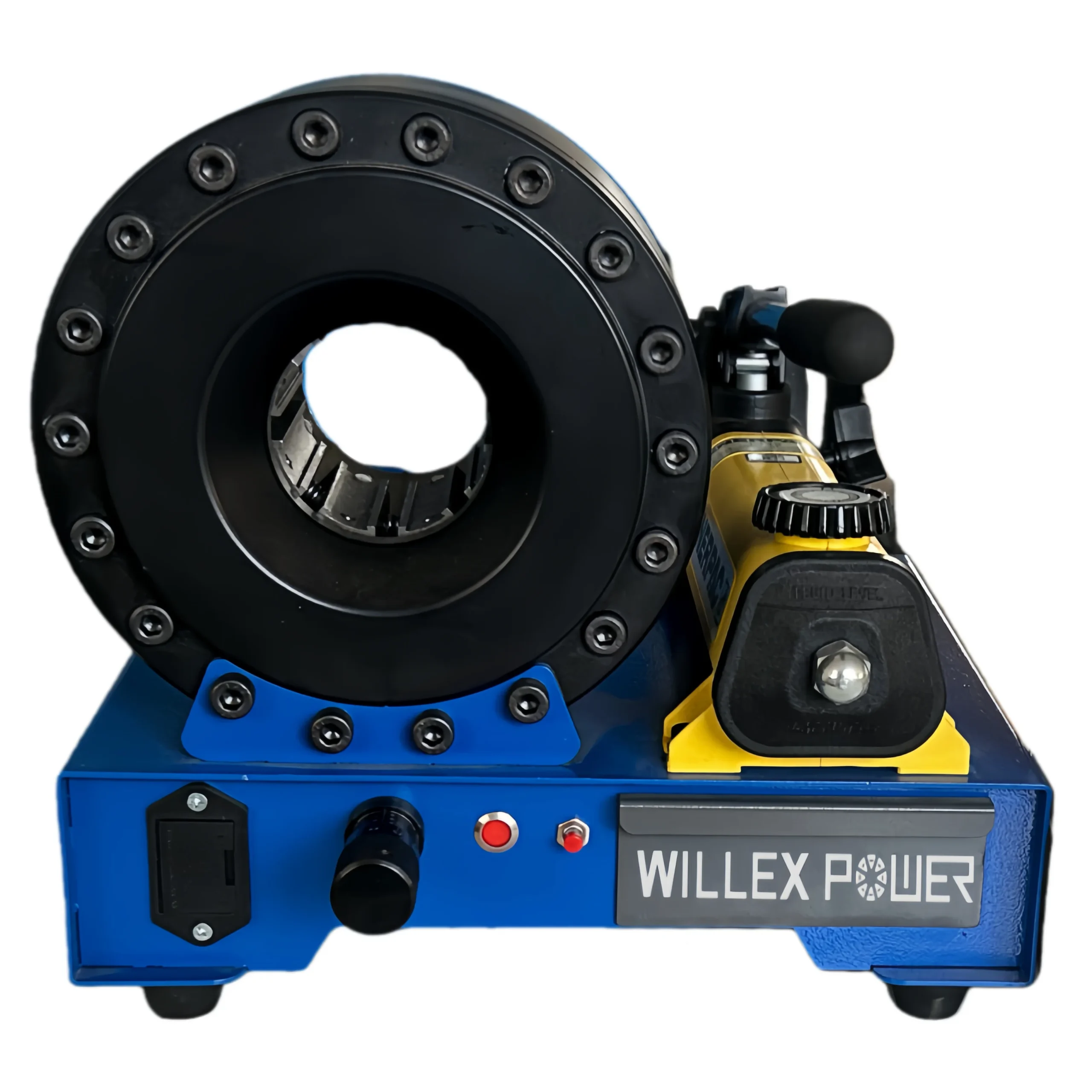
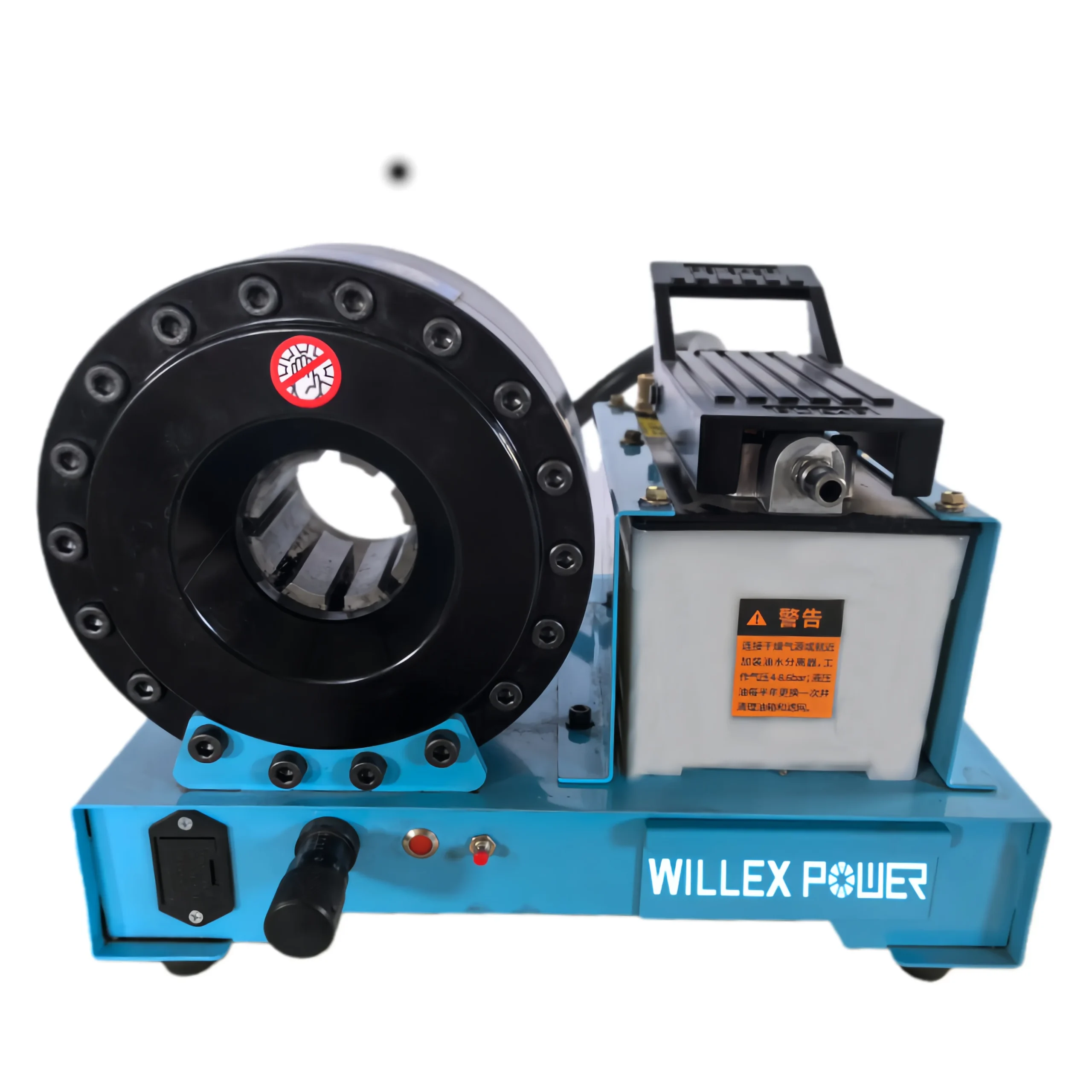
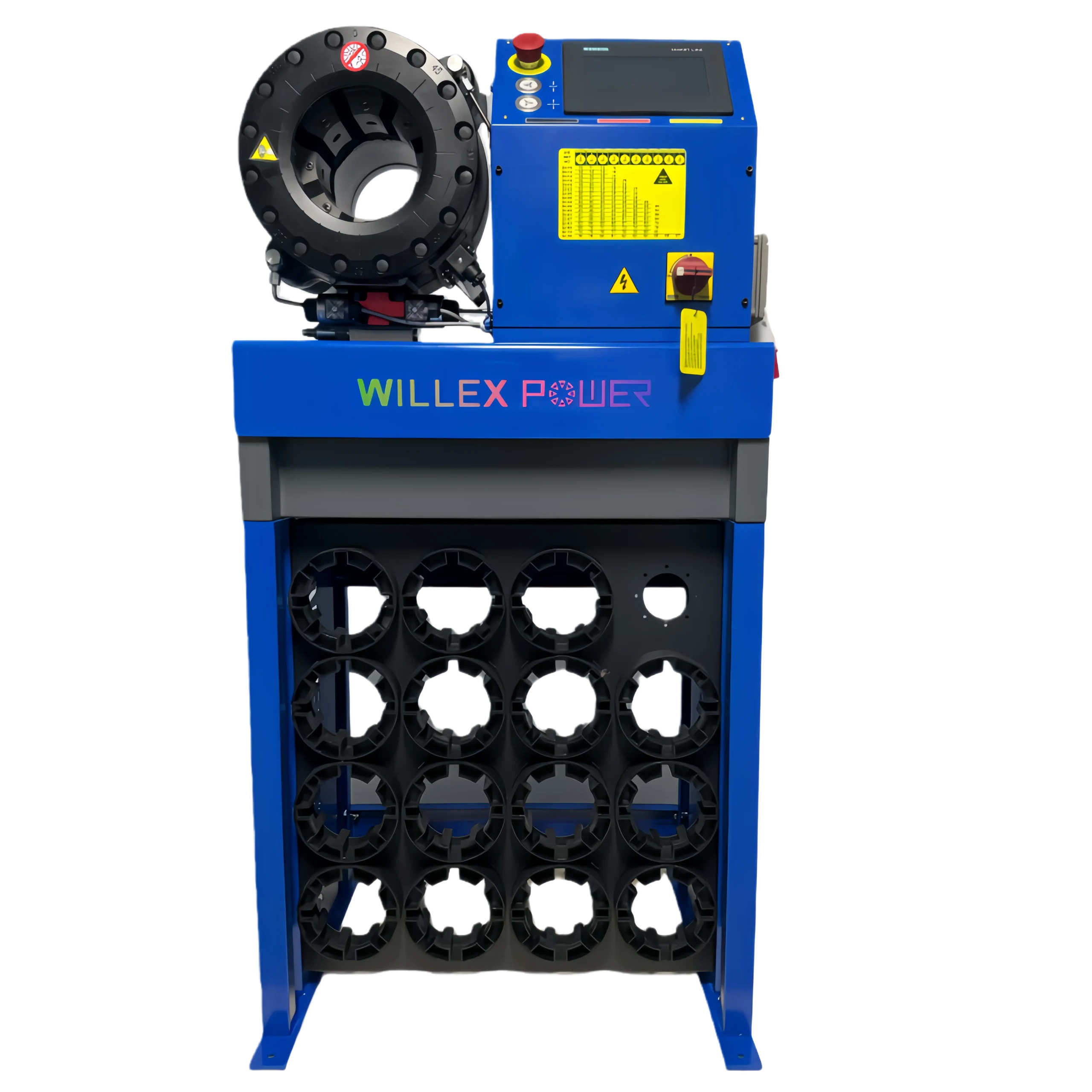
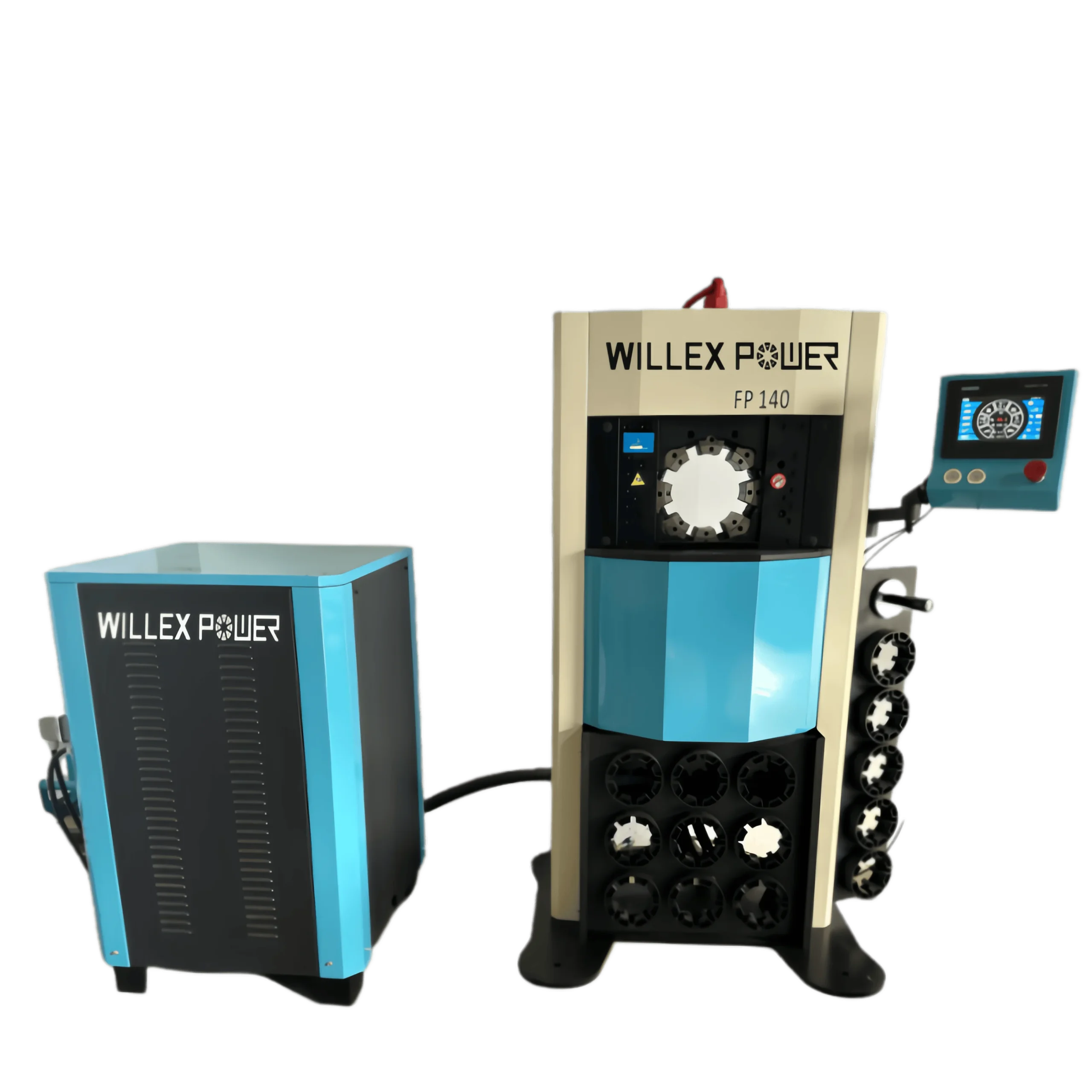
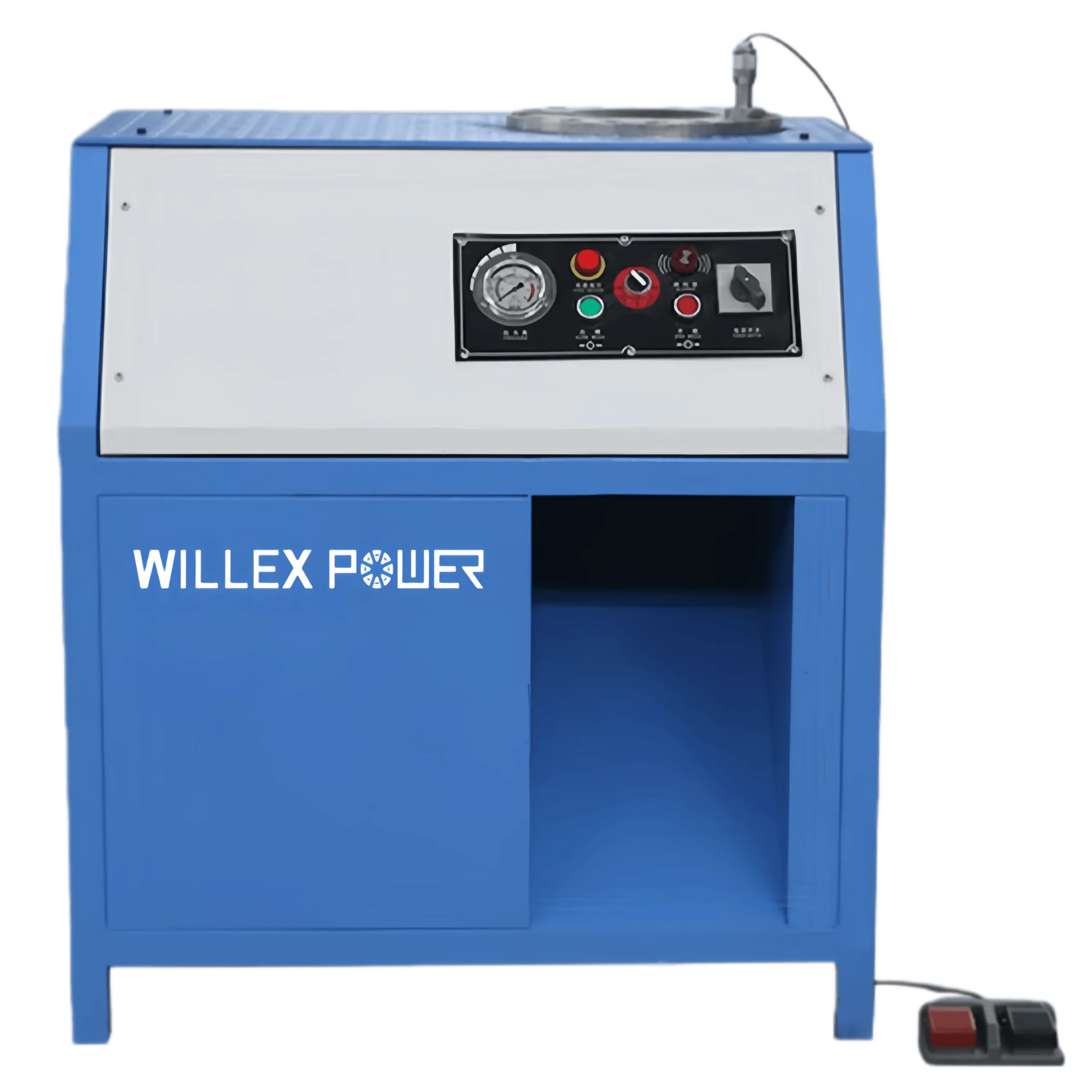
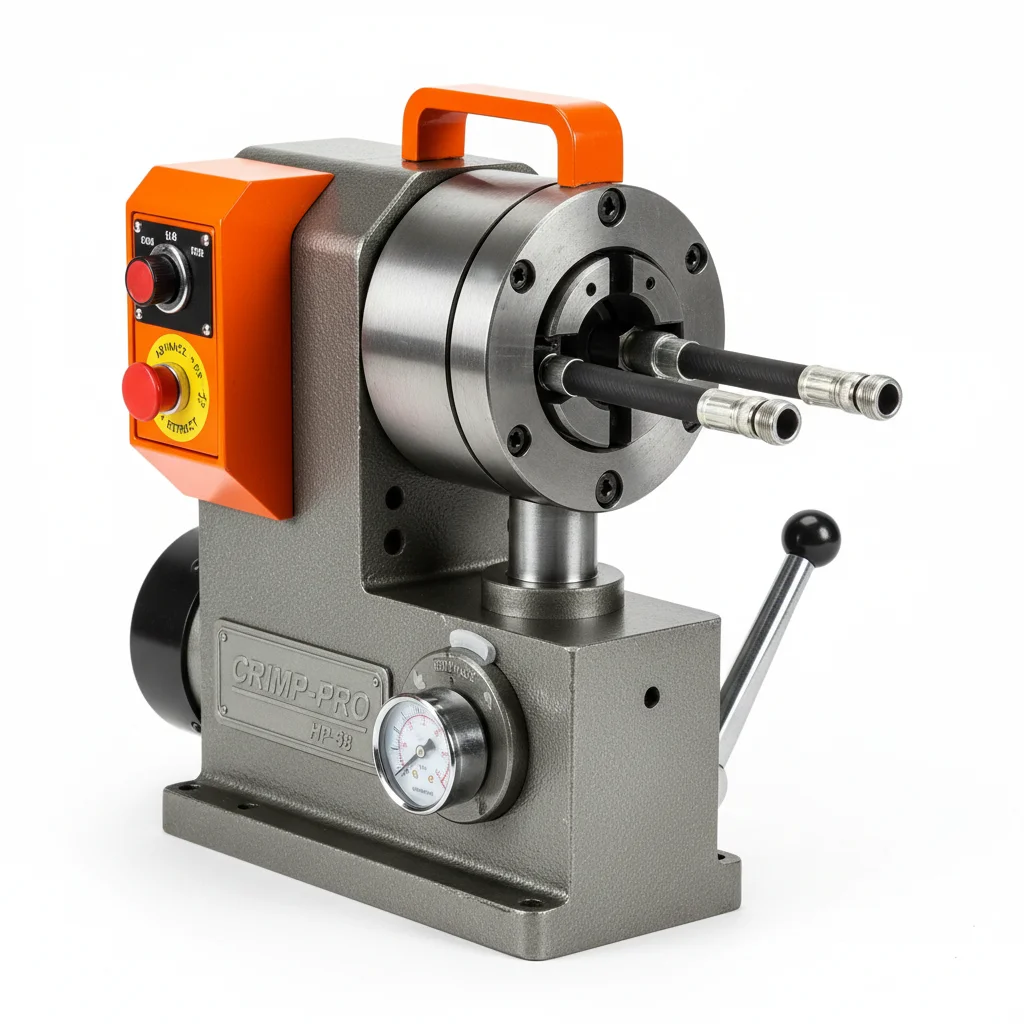
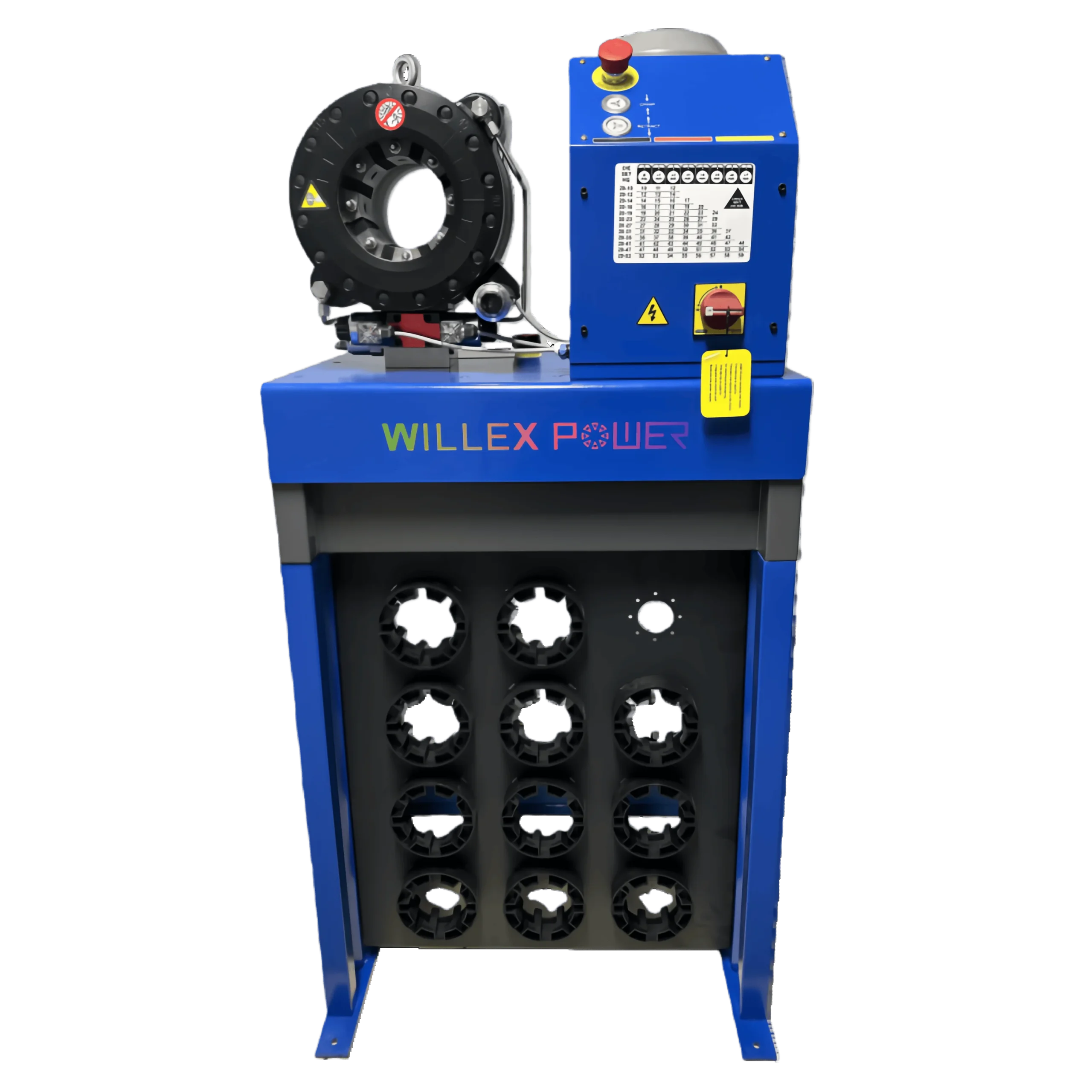
At their core, hose assembly machines are specialized equipment designed to cut, crimp, and fit hoses with connectors or fittings, creating ready-to-install hose assemblies. The “China” prefix simply reflects the origin of the technology and manufacturing—meaning these machines are engineered and built by Chinese companies renowned for industrial tooling.
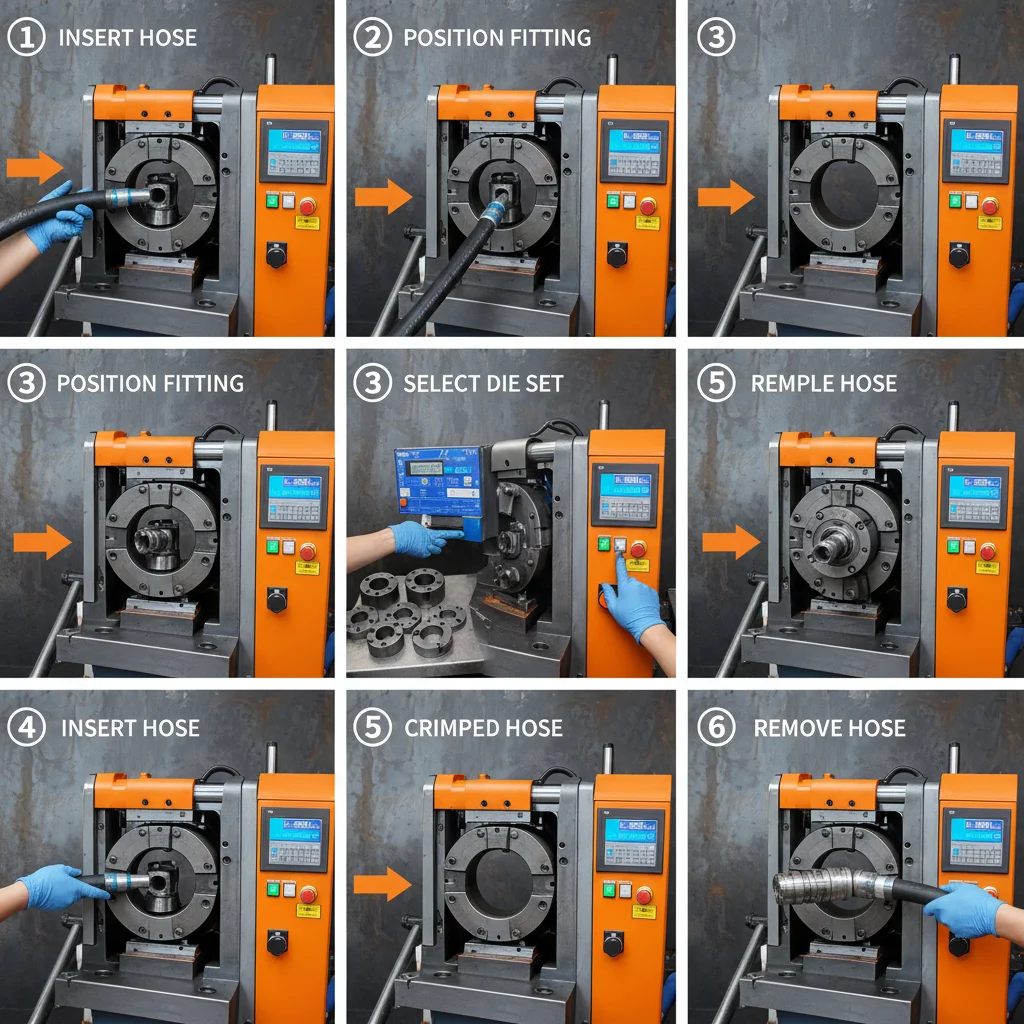
Hose assemblies themselves are flexible conduits for liquids or gases. Think hydraulic hoses in heavy machinery, coolant hoses in vehicles, or compressed air lines in factories. The machines handle multiple steps: measuring, cutting hoses to length, inserting ferrules (the metal rings around the hose ends), and crimping these ferrules tightly to ensure leak-proof seals.
In modern industries and humanitarian sectors alike, reliable hose assembly machines help meet international standards such as ISO 1402 (for hydraulic hose assemblies) and ensure safety, durability, and rapid production cycles.
Key Aspects of China HOSE ASSEMBLY MACHINES
1. Durability & Build Quality
Chinese hose assembly machines often come constructed from robust steel components engineered for industrial environments. Durability ensures long service life with minimal maintenance required—especially important in harsh factory conditions.
2. Precision & Automation
Many advanced models feature programmable controls & automated feeding systems. This reduces human error during crimping or cutting, improving product consistency—important for hydraulic and fuel systems where leaks are unacceptable.
3. Scalability & Throughput
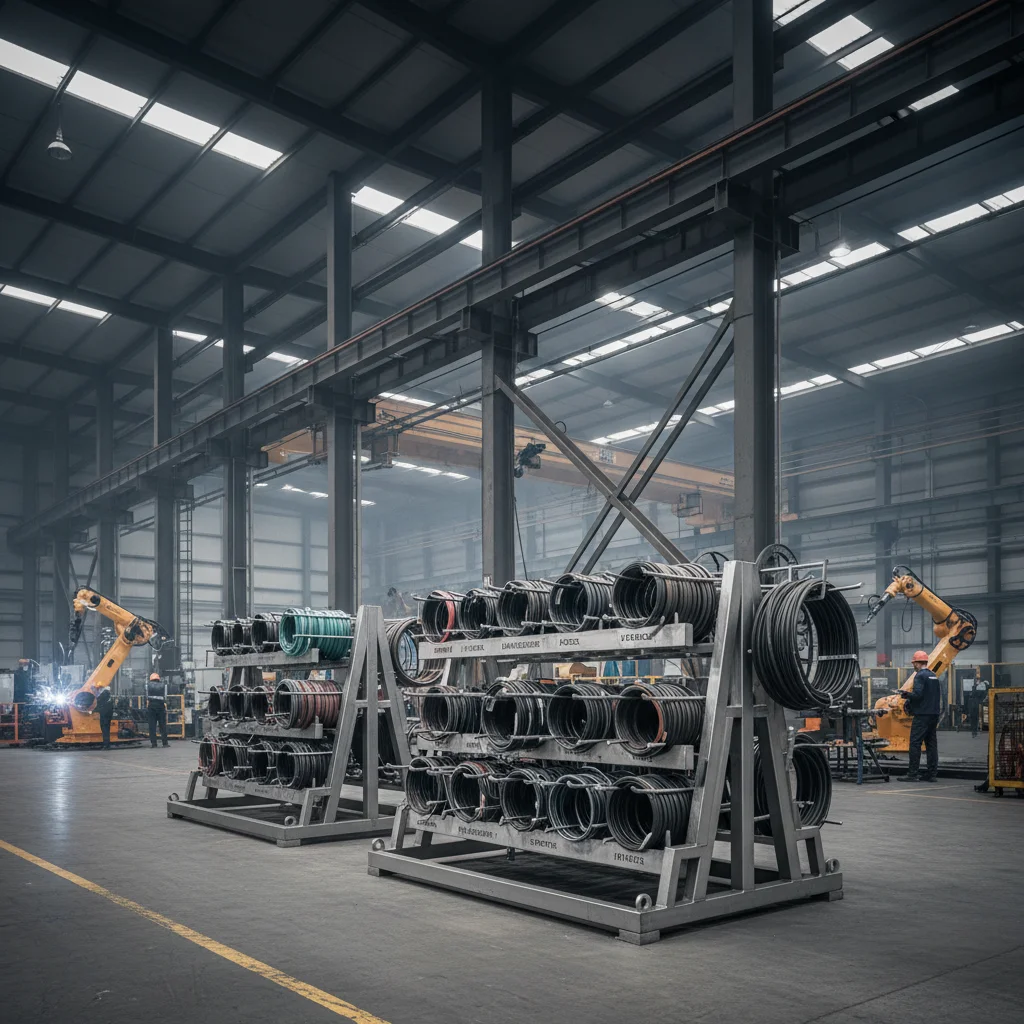
Machines range from single-operator semi-automatic units to fully automated production lines capable of producing hundreds of assemblies per hour. This scalability matches diverse needs, from small workshops to large industrial plants.
4. Cost-Effectiveness
Compared to Western counterparts, Chinese machines often strike a competitive balance of price and performance. This is appealing especially in developing markets or cost-sensitive industries.
5. Adaptability to Hose Types
China hose assembly machines typically support a wide variety of hoses—rubber, plastic, braided steel, or composite materials—making them versatile across applications.
Product Specification: Typical Chinese Hose Assembly Machine
| Specification | Details |
|---|---|
| Machine Type | Semi-automatic Crimping Machine |
| Crimping Force | Up to 1200 kN |
| Hose Diameter Range | 6mm to 50mm |
| Cycle Time | 15-25 seconds (per crimp) |
| Automation Level | Semi-automatic with PLC control |
| Power Supply | 220V / 50Hz |
Comparing Leading Vendors of China HOSE ASSEMBLY MACHINES
| Vendor | Price Range (USD) | Automation Level | Warranty | Customer Support |
|---|---|---|---|---|
| Willex Crimper | $6,000 - $12,000 | Semi-auto to Full Auto | 2 years | 24/7 Online + Phone |
| Beijing HoseTech | $5,500 - $11,000 | Semi-automatic | 1 year | Business Hours Only |
| Shanghai P&H | $7,000 - $15,000 | Full Automation | 3 years | Dedicated Account Manager |
Global Applications: Where China Hose Assembly Machines Shine
In real terms, hose assembly machines from China serve a huge variety of industries:
- Automotive Manufacturing: Ensuring durable brake lines and hydraulic connections.
- Construction & Mining: Heavy-duty hydraulic hoses for cranes and excavators.
- Agriculture: Irrigation systems requiring reliable water delivery.
- Disaster Relief Operations: Quick assembly of water and fuel lines for emergency equipment, sometimes in remote or harsh environments.
- Oil & Gas: Transport and handling of fuels and lubricants safely.
For example, an NGO working in Southeast Asia used Chinese hose assembly machines to rapidly produce replacement hoses after floods damaged irrigation networks. This not only sped recovery but lowered cost, allowing more aid to reach vulnerable communities.
Advantages and Long-Term Value of Using These Machines
There’s something reassuring about technology that’s both affordable and reliable. These machines reduce human error, improve end product safety, and boost production speed. I’ve heard operators say how it feels like “a trusted workhorse” on the factory floor. From a business angle, that means less waste, lower downtime, and consistent output quality.
Also, as sustainability grows more urgent, efficient assembly means less material waste and higher quality hoses lasting longer—reducing environmental impact. Socially, this translates into safer machinery for workers and users, a bit of dignity in engineering if you will, which honestly shouldn't be underestimated.
Looking Ahead: Trends and Innovation
Oddly enough, automation and digitalization are becoming mainstream even in hose assembly. Smart machines now incorporate sensors and data logging—helping manufacturers catch faults in real time. Plus, advances in eco-friendly materials for hoses and crimping components align with China’s expanding green industry initiatives.
Future models may include modular upgrades, robotic arms, and IoT-connected systems for quality control. The integration of AI to optimize production parameters also seems near on the horizon.
Challenges and Practical Solutions
Yet, no system is perfect. Some users report learning curves with sophisticated machines or limited after-sale technical support when buying from smaller factories. Also, ensuring that assembled hoses meet strict international safety standards can be tricky without proper training.
The good news? Many vendors now offer training programs and remote assistance—which frankly can make a big difference. Standardizing processes and choosing machines that comply with ISO 9001 and ISO 14001 certifications also minimizes risks.
FAQ: Common Questions About China HOSE ASSEMBLY MACHINES
- Q: Are Chinese hose assembly machines suitable for heavy hydraulic hoses?
A: Yes, many machines are built to handle large diameter and high-pressure hoses with strong crimping force up to 1200 kN, ideal for hydraulic applications. - Q: How do warranties and support compare among vendors?
A: Warranty periods range from 1-3 years. Vendors like Willex Crimper standout with 24/7 support and training, ensuring quicker troubleshooting and uptime. - Q: Can these machines be customized for unique hose types?
A: Absolutely. Most vendors offer adjustable dies and crimp patterns to accommodate various hose materials and connector sizes. - Q: What about environmental concerns?
A: Newer models aim to reduce power consumption and waste. Many Chinese manufacturers are aligning with ISO environmental standards to produce greener equipment. - Q: Are these machines export-ready for international buyers?
A: Yes. Vendors usually assist with documentation, certification, and logistics for worldwide shipping.
Conclusion: Why Investing in China HOSE ASSEMBLY MACHINES Makes Sense
In sum, China HOSE ASSEMBLY MACHINES offer an impressive blend of technological capability, cost efficiency, and adaptability that serve global industries and aid efforts alike. They fill a crucial niche—making hose assemblies safer, more reliable, and faster to produce. If your operation relies on fluid or gas transport via hoses, exploring Chinese machinery options could unlock value you didn’t realize.
Feel free to visit our website for detailed specs, pricing, and expert advice on selecting the right hose assembly machine for your needs.
Takeaway: When it comes to hose assembly, precision and reliability matter—and Chinese-built machines are increasingly trusted worldwide to deliver just that.
References
- UNIDO - United Nations Industrial Development Organization
- ISO 1402 Hydraulic Hose Assemblies Standard
- World Bank Data on Industrial Development
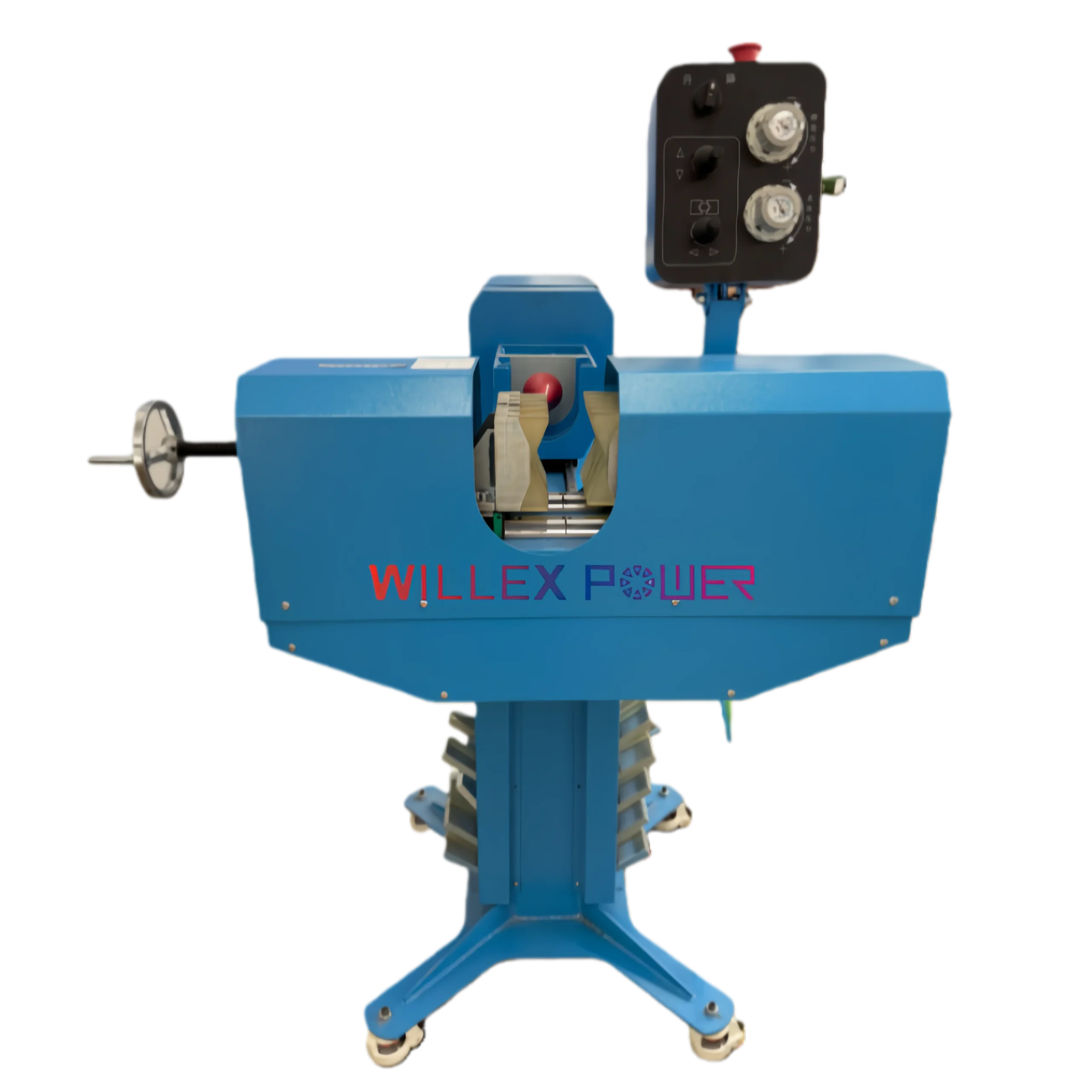
-20260121013914-scaled.webp "WILLEX POWER DZW-A10-1 Hose Crimping Machine")
-20260121014427-scaled.webp "Hose Crimping Machine DZW-A10")
-20260121015636-scaled.webp "Hose Skiving Machine DZW-51BJ-M")
-20260121015753-scaled.webp "Hose Skiving Machine DZW-51BJ-C")
-20260121020311-scaled.webp "Hose Skiving Machine DZW-51BJ-E")