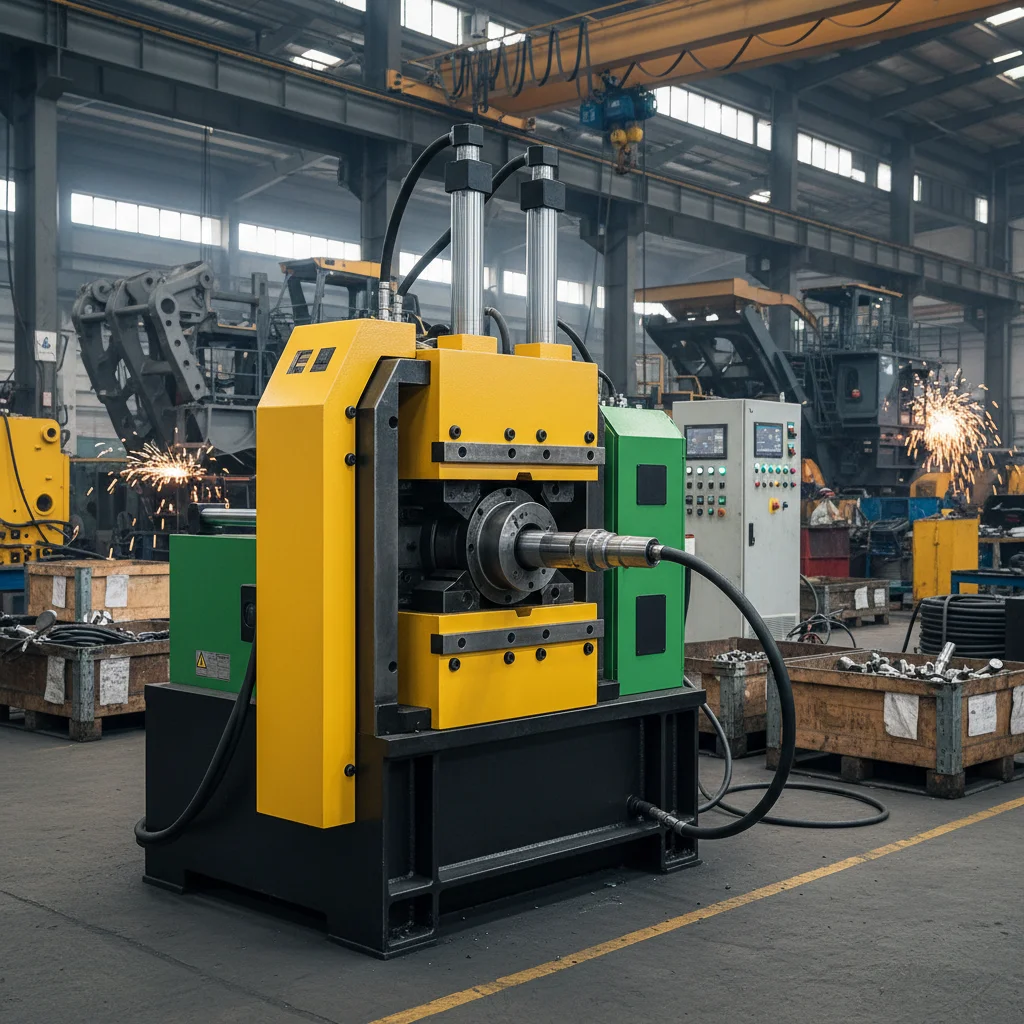
Understanding the hose crimping machine price is essential for businesses in the hydraulic machinery sector, as the initial investment directly impacts operational overhead and long-term production capacity. In the specialized field of hydraulic pipe processing, selecting equipment that balances cost with precision is the primary challenge for procurement managers.
Many buyers struggle to determine whether a lower upfront cost justifies the risk of reduced stability or if a premium machine offers a genuine return on investment through durability and precision. This pricing complexity is often driven by the machine's capacity, the variety of compatible dies, and the automation level required for specific industrial applications.
This analysis provides a comprehensive framework for evaluating cost drivers, comparing equipment categories, and making an informed purchasing decision based on technical requirements rather than just the sticker price.

Direct Cost Drivers in Crimping Equipment

The base hose crimping machine price is primarily determined by the mechanical architecture and the quality of the hydraulic system. Machines built with high-strength alloy steel and precision-ground components command a higher price but offer the long-term stability required for high-pressure oil pipe processing.
Another critical factor is the control system. Manual machines are the most affordable, while those featuring intelligent control systems for precision and repeatability increase the cost. For global sellers like Dezhou Willex Hydraulic Machinery Co., Ltd., offering a range from standard DZW series to customized large-diameter machines allows buyers to match their budget to their specific output needs.
Capacity vs. Price: Finding the Equilibrium
There is a non-linear relationship between a machine's capacity and its price. Small-diameter machines, such as the DZW-P16 or P18, are generally more accessible, but the price climbs significantly as the machine's ability to handle larger hoses (up to 2 inches or more) increases. This is because larger capacities require more powerful motors and heavier-duty frames to maintain crimping force.
When evaluating the price, buyers must consider the actual range of hose diameters they process. Over-specifying a machine leads to wasted capital, while under-specifying results in equipment failure and safety risks. A machine like the DZW-P51 provides a mid-to-high range capacity that serves as a versatile investment for most industrial workshops.
Hidden Expenses Beyond the Initial Purchase
The sticker price is only one part of the Total Cost of Ownership (TCO). One of the most significant hidden costs is the acquisition of dies. Depending on the variety of hose and fitting combinations, a workshop may need dozens of different die sets, which can add a substantial percentage to the initial investment.
Additionally, power requirements and maintenance schedules contribute to the operating cost. For example, equipment available in various voltage options (like 220V/380V or DC 12V/24V for field operations) can either save on infrastructure costs or increase the need for specialized power supplies. Professional after-sales service and the availability of 24/7 technical support are also critical value-adds that reduce the risk of costly downtime.
Relative Cost Distribution by Machine Tier
To understand where the investment goes, it is helpful to look at a conceptual cost distribution across different machine tiers. Entry-level machines focus on basic functionality, while high-end industrial systems distribute costs toward precision, durability, and automation.
This illustrative framework shows that as you move from a basic workshop setup to a high-capacity industrial line, the relative cost of the "Control & Precision" and "Frame Durability" components increases significantly compared to the basic mechanical assembly.
Evaluating ROI: Efficiency vs. Investment
The return on investment (ROI) for a hose crimper is measured by the reduction in scrap rate and the increase in throughput. A cheaper machine with poor stability may lead to inconsistent crimps, resulting in failed pressure tests and wasted materials. In contrast, a high-precision machine reduces the need for rework.
For high-volume users, the cost per crimp is the most relevant metric. Investing in a machine that offers faster cycle times and easier die changes can significantly lower the labor cost per unit, effectively paying for the price difference between a budget model and a professional-grade machine within a few months of operation.
Common Procurement Pitfalls to Avoid
A common mistake is focusing solely on the lowest hose crimping machine price without verifying the quality of the components. Cheap machines often use lower-grade seals and hydraulic pumps that wear out quickly, leading to frequent leaks and loss of pressure, which undermines the machine's primary purpose.
Another pitfall is ignoring the compatibility of the machine with existing hose and fitting standards. If a machine requires proprietary dies that are expensive or hard to source, the long-term cost will far exceed that of a machine with an open or widely supported die system. Buyers should always confirm the available die sets and the ease of customization before finalizing a purchase.
Procurement Decision Framework
When choosing the right equipment, buyers should categorize their needs into one of three operational tiers: basic repair, professional workshop, or high-volume industrial production. Each tier has different priorities regarding cost and performance.
| Operational Tier | Primary Focus | Investment Level | Key Risk |
|---|---|---|---|
| Basic Repair | Low Cost / Occasional Use | Low | Limited Durability |
| Professional Shop | Versatility / Stability | Moderate | Die Management Cost |
| Industrial Line | High Throughput / Precision | High | High Initial Capital |
| Field Service | Portability / DC Power | Moderate | Power Constraints |
| Specialized Large Dia | Max Capacity / Heavy Duty | High | Specific Application Only |
| Automated Systems | Consistency / Speed | Very High | Complex Maintenance |
By applying this framework, procurement officers can justify the hose crimping machine price based on the expected operational volume and the required precision levels, ensuring the equipment aligns with the company's growth strategy.
Frequently Asked Questions
The primary factors are the maximum crimping capacity, the quality of the hydraulic pump and motor, the precision of the control system, and the number of included die sets.
Not necessarily. The "best" machine is the one that matches your specific hose diameter range and daily production volume without over-specifying unnecessary features.
TCO equals the initial purchase price plus the cost of additional dies, electricity/power consumption, scheduled maintenance, and potential downtime costs.
Yes, you can lower the initial price, but you must ensure that the dies you do purchase cover your most common hose sizes to avoid production delays.
Customized machines, such as large-diameter crimpers, generally cost more due to the specialized engineering and heavier materials required for higher pressures.
While the machine price may vary slightly, the real impact is on your facility's electrical setup or the need for battery systems in mobile field applications.
Conclusion
Determining the right hose crimping machine price requires a shift in focus from the initial expenditure to the long-term value delivered through precision, stability, and throughput. By analyzing direct cost drivers and considering the total cost of ownership, including dies and maintenance, businesses can avoid the pitfalls of under-investing in critical production equipment.
For those evaluating specific equipment configurations or requiring custom solutions for large-diameter hoses, detailed technical specifications and pricing can be reviewed at www.willexcrimper.com to ensure the selected machine matches the operational requirements of the workshop.