In the demanding world of automotive and HVAC maintenance, the precision of joint connections can determine the entire lifespan of a cooling system. A professional hydraulic hose pipe crimping machine ensures that air conditioning hoses are secured with absolute accuracy, preventing refrigerant leaks and maintaining systemic pressure. Understanding the mechanics of these tools is essential for technicians who prioritize safety and operational efficiency.
Globally, the demand for specialized crimping equipment has surged as air conditioning systems become more complex and higher-pressure refrigerants are introduced. From small repair shops to large-scale manufacturing plants, the ability to create a leak-proof seal using a reliable hydraulic hose pipe crimping machine reduces downtime and lowers the environmental impact of gas leaks. This necessity has driven the evolution of manual and automated tools that balance power with precision.
Selecting the right equipment, such as the WILLEX POWER DZW-A10, allows operators to handle various hose diameters and interface types with ease. By integrating high piston force with user-friendly manual controls, these machines bridge the gap between industrial-grade strength and the flexibility required for specialized tasks. This guide explores the technical advantages and practical applications of the hydraulic hose pipe crimping machine in modern industry.

Global Relevance of the Hydraulic Hose Pipe Crimping Machine
The global reliance on HVAC and automotive cooling systems makes the hydraulic hose pipe crimping machine a critical asset in the industrial supply chain. As ISO standards for pressure vessel and piping systems become more stringent, the industry has shifted away from makeshift sealing methods toward precision mechanical crimping. This ensures that every connection can withstand extreme temperature fluctuations and high-pressure cycles without failure.
In emerging markets and developed industrial zones alike, the efficiency of air conditioning hose assembly directly impacts the speed of vehicle production and building maintenance. The use of a dedicated hydraulic hose pipe crimping machine eliminates the inconsistency of manual tightening, providing a standardized result that meets international safety regulations and reduces the risk of catastrophic system blowouts.
Defining the Modern Hydraulic Hose Pipe Crimping Machine
At its core, a hydraulic hose pipe crimping machine is a specialized mechanical device designed to permanently deform a metal sleeve (ferrule) over a hose and fitting. This process creates a cold-weld-like bond that prevents the hose from slipping off the connector under high pressure. For air conditioning applications, this requires a delicate balance of force to ensure a seal without crushing the internal lining of the hose.
Modern iterations, such as the DZW-A10, emphasize "precision crimping." Unlike general-purpose tools, these machines are calibrated specifically for the materials used in AC systems, which are often thinner and more susceptible to damage than heavy-duty industrial hydraulic lines. This specialization allows for a tight, secure connection that adheres to specific pressure and sealing requirements.
Beyond the technical definition, these machines represent a commitment to reliability. In a world where environmental regulations strictly limit the release of fluorinated gases, the hydraulic hose pipe crimping machine serves as the first line of defense against leaks, making it as much an environmental tool as it is a mechanical one.
Core Components and Technical Precision
The effectiveness of a hydraulic hose pipe crimping machine depends heavily on its die system. The DZW-A10, for instance, is equipped with seven sets of dies, allowing it to adapt to various hose diameters and interface types. This versatility ensures that the operator can switch between different AC hose specifications without needing multiple machines.
Piston force is another critical factor; with a force of 80 KN, the hydraulic hose pipe crimping machine can apply massive pressure in a controlled manner. This force is delivered through a manual control system, granting the operator the ability to precisely manage the stroke and speed, which is vital when working with delicate air conditioning components.
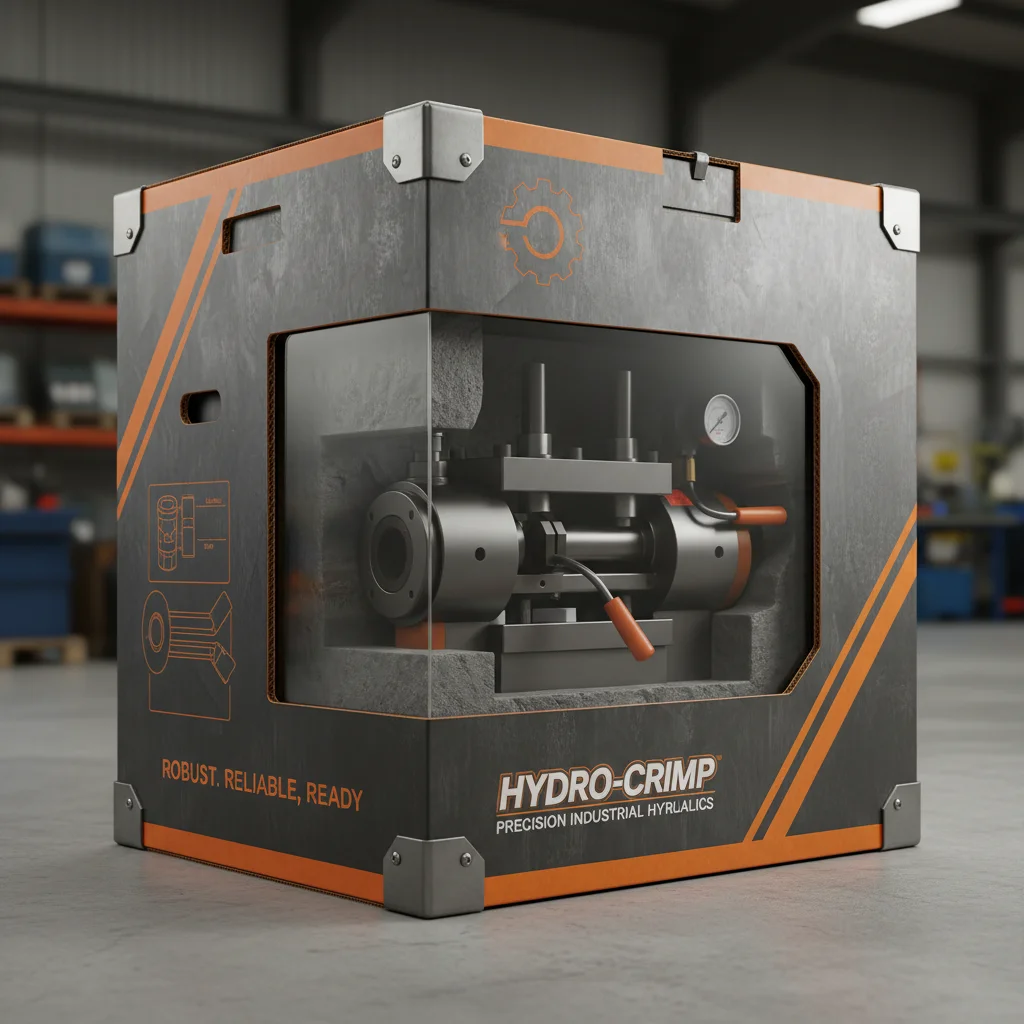
Finally, the mechanical structure is engineered for speed and durability. With a crimping time of approximately 15 seconds, the hydraulic hose pipe crimping machine optimizes batch production. To ensure long-term stability, these machines are often shipped in dust-proof packaging to protect internal mechanical components from contaminants during transit.
Versatility and Practical Applications
The application of a hydraulic hose pipe crimping machine extends far beyond simple repairs. In automotive assembly lines, these machines are used to create custom AC lines for specialized vehicles. In the commercial HVAC sector, they are indispensable for on-site modifications where hoses must be cut and crimped to fit specific building layouts.
Manual control makes these tools particularly valuable in remote industrial zones or field service vans. Because they do not require complex electrical setups or extensive programming knowledge, a technician can deploy a hydraulic hose pipe crimping machine in any environment, ensuring that critical cooling systems are restored quickly and safely.
Efficiency Analysis of Hose Assembly Methods
Long-Term Value and Operational Advantages
Investing in a high-quality hydraulic hose pipe crimping machine provides immediate cost benefits by reducing the waste of expensive hoses and fittings. When a crimp fails, the entire assembly is often scrapped; however, the precision of a machine like the DZW-A10 minimizes error rates, ensuring that most connections are successful on the first attempt.
Beyond the financial metrics, there is a significant safety advantage. A properly crimped hose prevents high-pressure refrigerant bursts, which can cause severe frostbite or respiratory issues for operators. By utilizing a hydraulic hose pipe crimping machine, companies build trust with their clients, knowing that every joint is engineered to last for years without degradation.
Future Trends in Hose Assembly Technology
The future of the hydraulic hose pipe crimping machine is moving toward smarter integration. We are seeing a trend toward "intelligent crimping," where sensors measure the exact compression of the ferrule in real-time, providing digital verification that the seal meets a specific tolerance. This reduces the reliance on manual measurement and further enhances quality control.
Sustainability is also driving innovation. New materials for hose sleeves are being developed that require less force to seal but offer higher pressure resistance. This will allow the next generation of hydraulic hose pipe crimping machine designs to be more energy-efficient and compact, while still delivering the necessary piston force for heavy-duty applications.
Digital transformation is also playing a role. Future machines may include QR-code scanning for dies, where the machine automatically suggests the correct die set based on the hose part number. This will lower the operational barrier even further, allowing less-experienced technicians to achieve master-level results with a hydraulic hose pipe crimping machine.
Overcoming Challenges in Hose Crimping
One of the most common challenges in hose assembly is the "over-crimping" or "under-crimping" of the joint. Over-crimping can collapse the inner tube of the hose, restricting flow, while under-crimping leads to leaks. The solution lies in the manual precision and die accuracy offered by a professional hydraulic hose pipe crimping machine, which allows the user to feel the resistance and stop at the precise moment.
Another hurdle is the wear and tear of dies over thousands of cycles. To combat this, high-grade tool steel is used in the manufacturing of dies for the hydraulic hose pipe crimping machine. Regular calibration and the use of dust-proof storage prevent premature wear, ensuring that the 80 KN force remains consistent across every operation.
Finally, the barrier of technical knowledge can be an issue for new operators. By simplifying the control interface to a handle or knob, the DZW-A10 model of the hydraulic hose pipe crimping machine removes the need for complex electrical training, making high-precision industrial tools accessible to a wider range of technicians.
Technical Specifications and Performance Metrics for Hose Crimping
| Metric Dimension |
DZW-A10 Specification |
Performance Impact |
Industrial Rating |
| Piston Force |
80 KN |
Ensures deep sleeve penetration |
9/10 |
| Crimping Time |
~15 Seconds |
Increases batch throughput |
8/10 |
| Die Versatility |
7 Set Options |
Adapts to various AC diameters |
10/10 |
| Control Mode |
Manual |
Precise force adjustment |
7/10 |
| Machine Weight |
4.73 kg |
High portability for field use |
9/10 |
| Packaging |
Dust-Proof |
Protects mechanical integrity |
8/10 |
FAQS
The DZW-A10 is specifically designed for air conditioning hoses. While it possesses a strong piston force of 80 KN, hydraulic lines for heavy machinery usually require larger dies and higher force capacities. For heavy-duty hydraulic applications, we recommend our DZW-P series, whereas the A10 is optimized for the precise sealing requirements of AC systems.
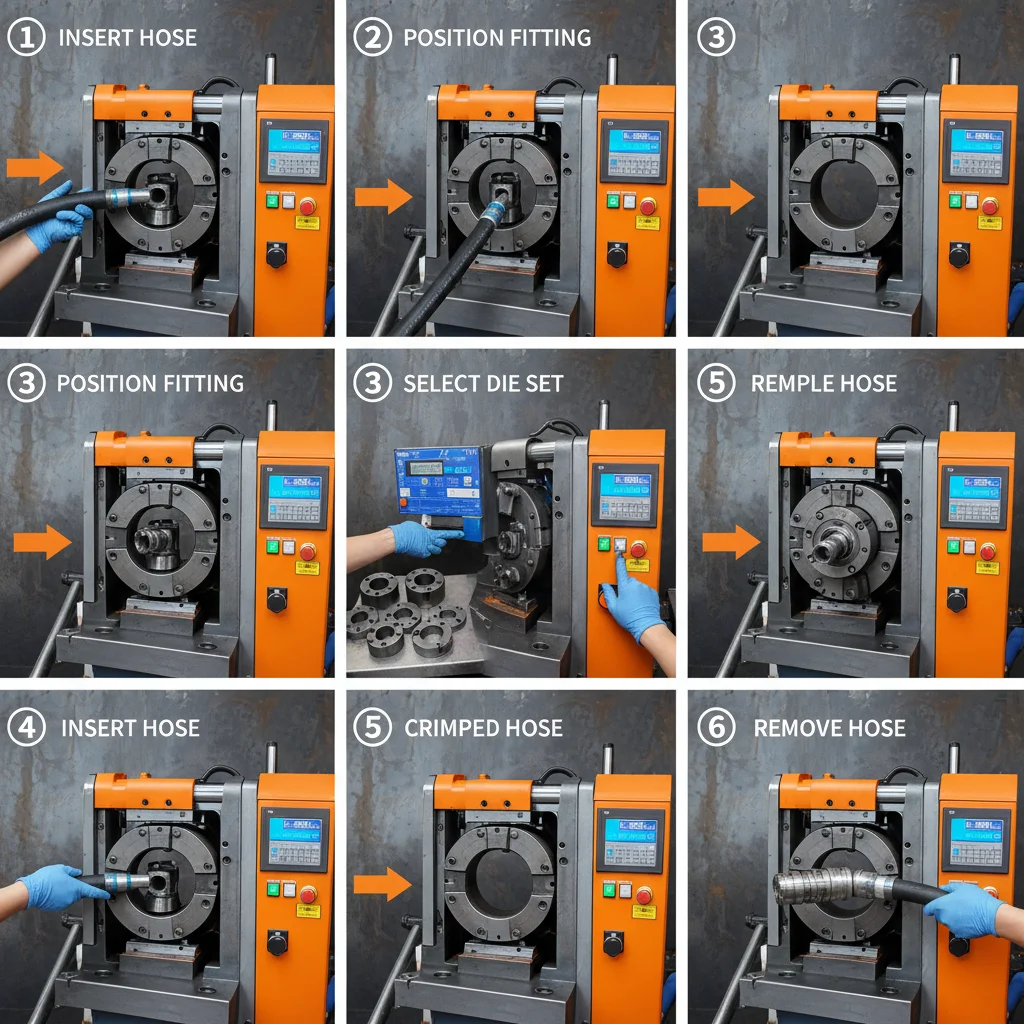
The hydraulic hose pipe crimping machine comes with seven sets of dies. You should match the die diameter to the outer diameter of the ferrule after it is placed on the hose. We recommend doing a test crimp on a scrap piece of hose to verify the seal before proceeding with the final assembly.
Manual control is highly advantageous for specialized or delicate tasks. It allows the operator to feel the compression and make real-time adjustments to the stroke, which is critical for avoiding the collapse of thin-walled AC hoses. It also removes the need for electrical power, making it ideal for field service.
For professional environments, we suggest checking the crimp diameter every 50-100 cycles using a digital caliper. Because the DZW-A10 uses a robust mechanical structure, it maintains its calibration well, but regular inspection of the dies for wear is essential to maintain a leak-proof seal.
Yes, absolutely. Precision mechanical components in a hydraulic hose pipe crimping machine can be compromised by fine particulates during shipping. Dust-proof packaging ensures that the piston and guide rails are free of debris, preventing friction and ensuring smooth operation from the first use.
With proper maintenance and the use of the correct dies, the DZW-A10 is built for long-term industrial use. The high-strength steel construction and manual operation reduce the number of failure points (like electronic boards), allowing the machine to serve a workshop for many years.
Conclusion
The implementation of a professional hydraulic hose pipe crimping machine is not merely an upgrade in tooling, but a strategic move toward operational excellence. By combining a powerful 80 KN piston force with the versatility of seven die sets, machines like the WILLEX POWER DZW-A10 ensure that air conditioning systems are sealed with industrial precision, reducing waste and enhancing safety. The balance of manual control and mechanical efficiency makes it an indispensable tool for any technician focused on reliability.
As the industry moves toward more sustainable refrigerants and tighter environmental regulations, the role of precision crimping will only grow. We encourage technicians and workshop owners to prioritize equipment that offers both portability and precision to stay competitive in an evolving market. For those seeking to elevate their hose assembly standards, explore our full range of solutions. Visit our website: www.willexcrimper.com