In the demanding world of hydraulic systems, the integrity of a connection can mean the difference between seamless operation and catastrophic failure. A high-performance hose press machine is the cornerstone of this integrity, ensuring that fittings are permanently and securely bonded to hydraulic hoses. By applying precise, calibrated pressure, these machines create a leak-proof seal capable of withstanding extreme industrial pressures.
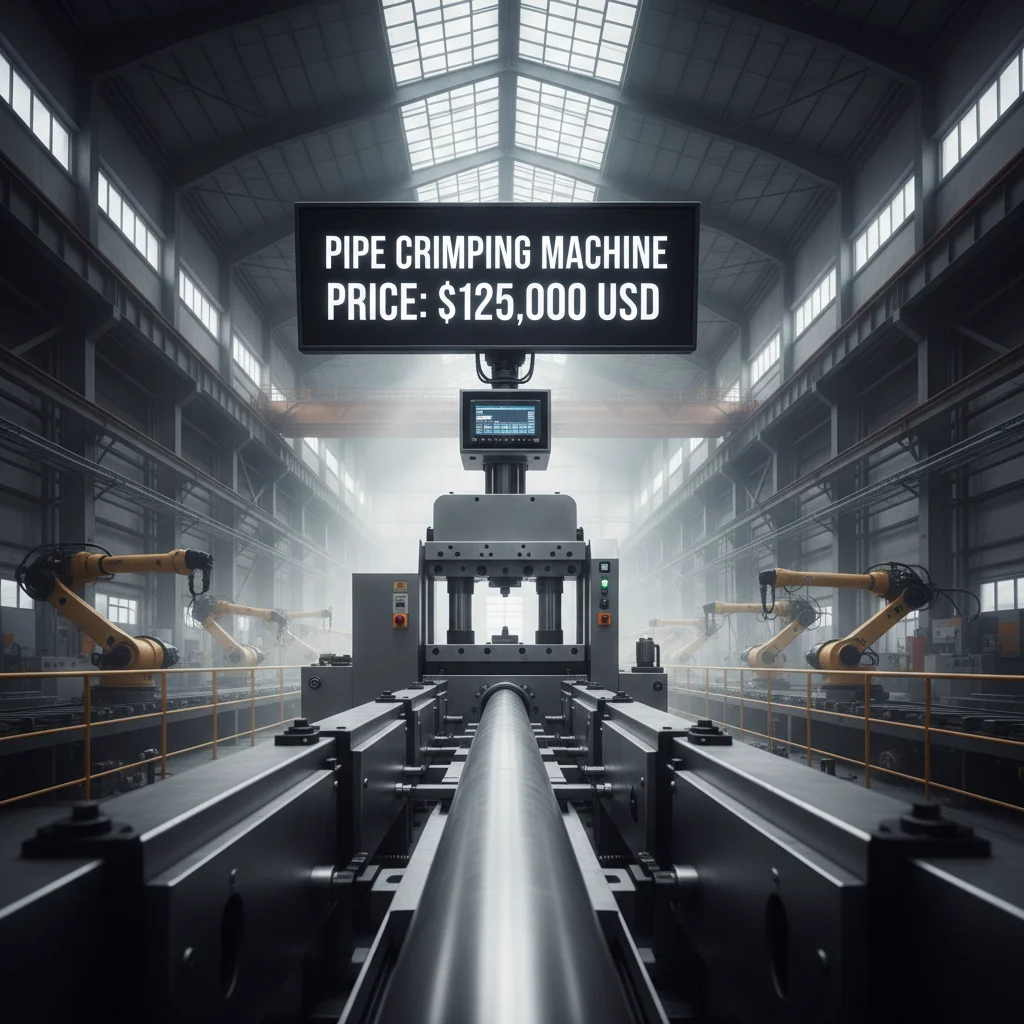
Across the globe, from massive mining operations in Australia to precision automotive assembly lines in Germany, the reliance on standardized crimping technology is absolute. The evolution of the hose press machine has shifted from simple manual presses to sophisticated CNC-driven systems. This transition has not only increased production speed but has drastically reduced the margin of human error, aligning with ISO standards for safety and reliability.
Understanding the nuances of crimping technology allows businesses to optimize their maintenance cycles and reduce downtime. Whether you are dealing with high-pressure hydraulic lines or specialized industrial conduits, investing in the right equipment ensures longevity and operator safety. This guide explores the technical depth, global applications, and future trajectories of the modern hose crimping ecosystem.
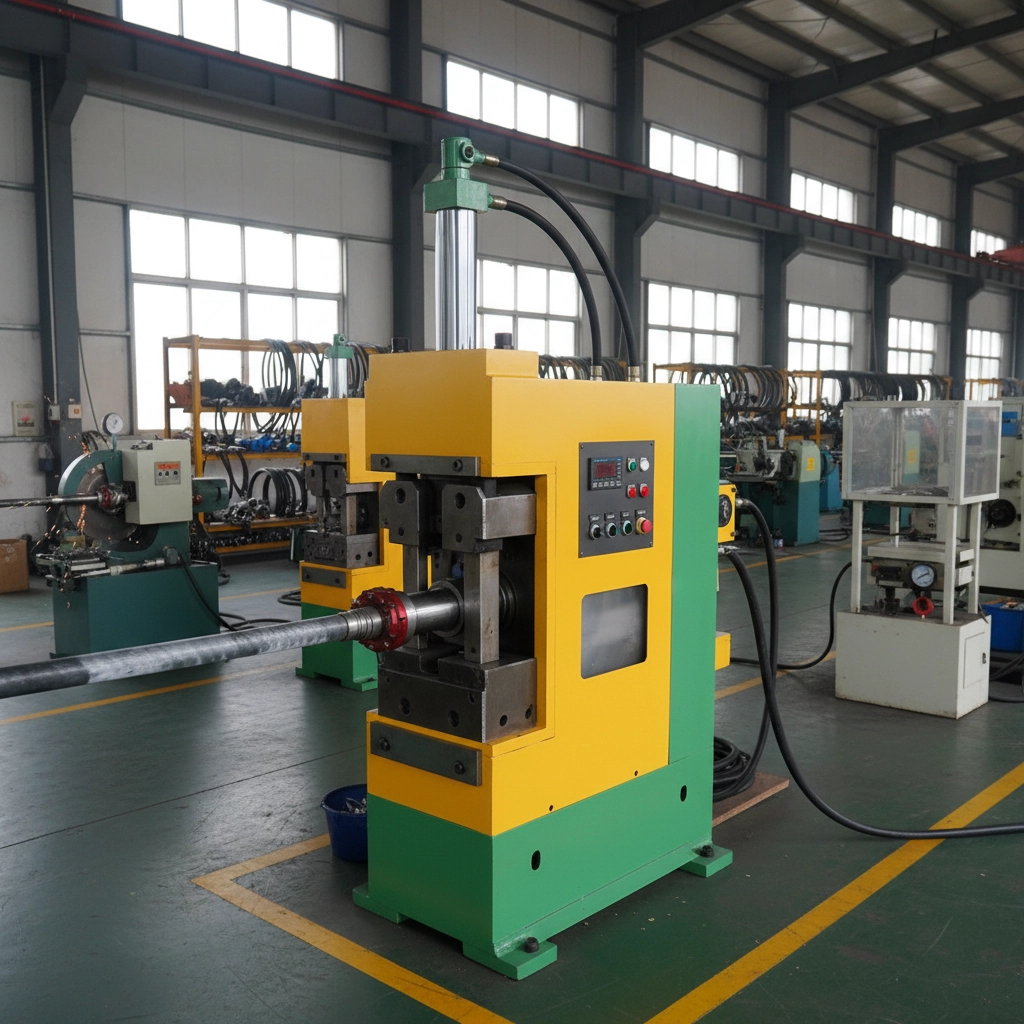
Global Industry Context of Hose Press Machines
The global demand for hydraulic power transmission has seen a steady climb, driven by the expansion of the construction and mining sectors in developing economies. A hose press machine is no longer just a tool but a critical infrastructure asset. According to industrial manufacturing trends, the move toward "Smart Factories" has pushed the need for precision crimping that can be logged and tracked for quality assurance.
One of the primary challenges facing the industry is the volatility of operating environments. Equipment often operates in extreme heat or sub-zero temperatures, meaning the hose assemblies must be flawless. Any failure in the crimping process can lead to hazardous leaks, resulting in significant environmental damage or workplace injuries, making the reliability of the pressing equipment a non-negotiable priority.
Defining the Modern Hose Press Machine
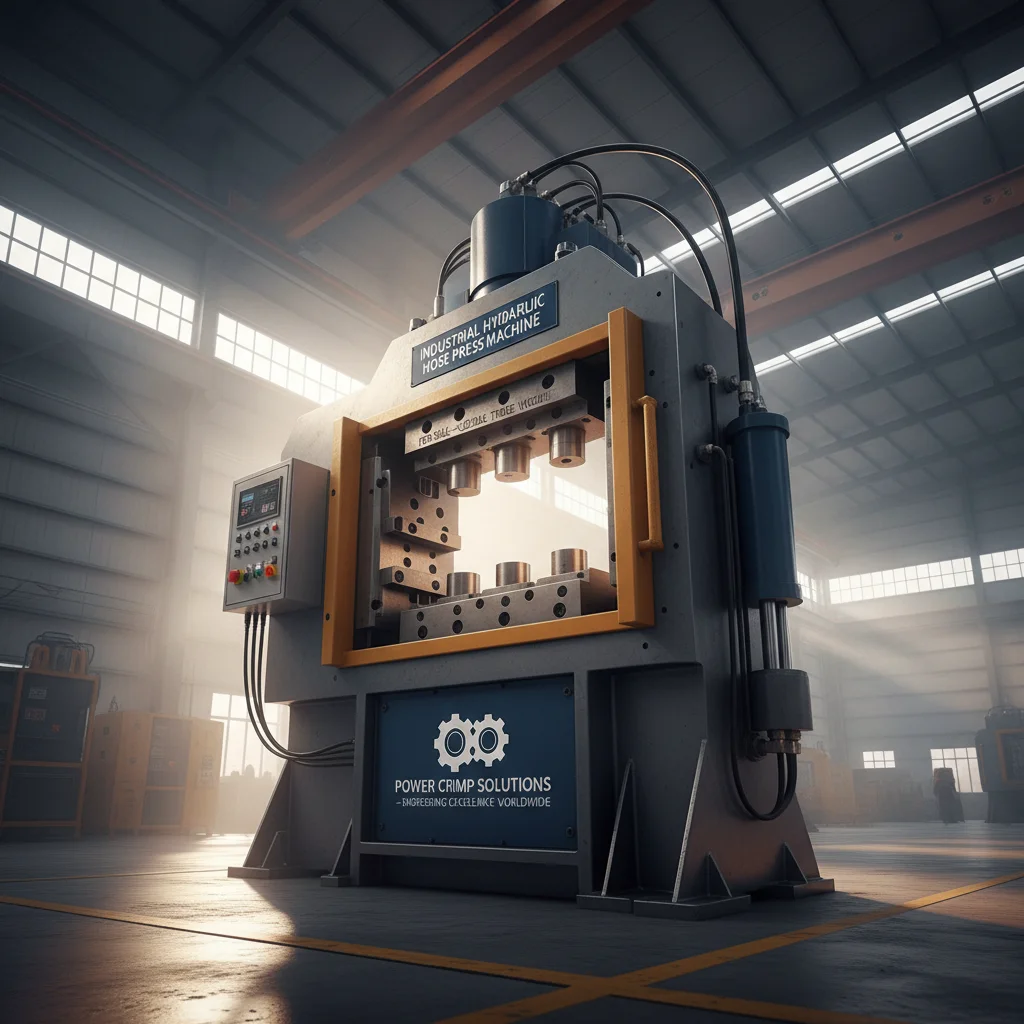
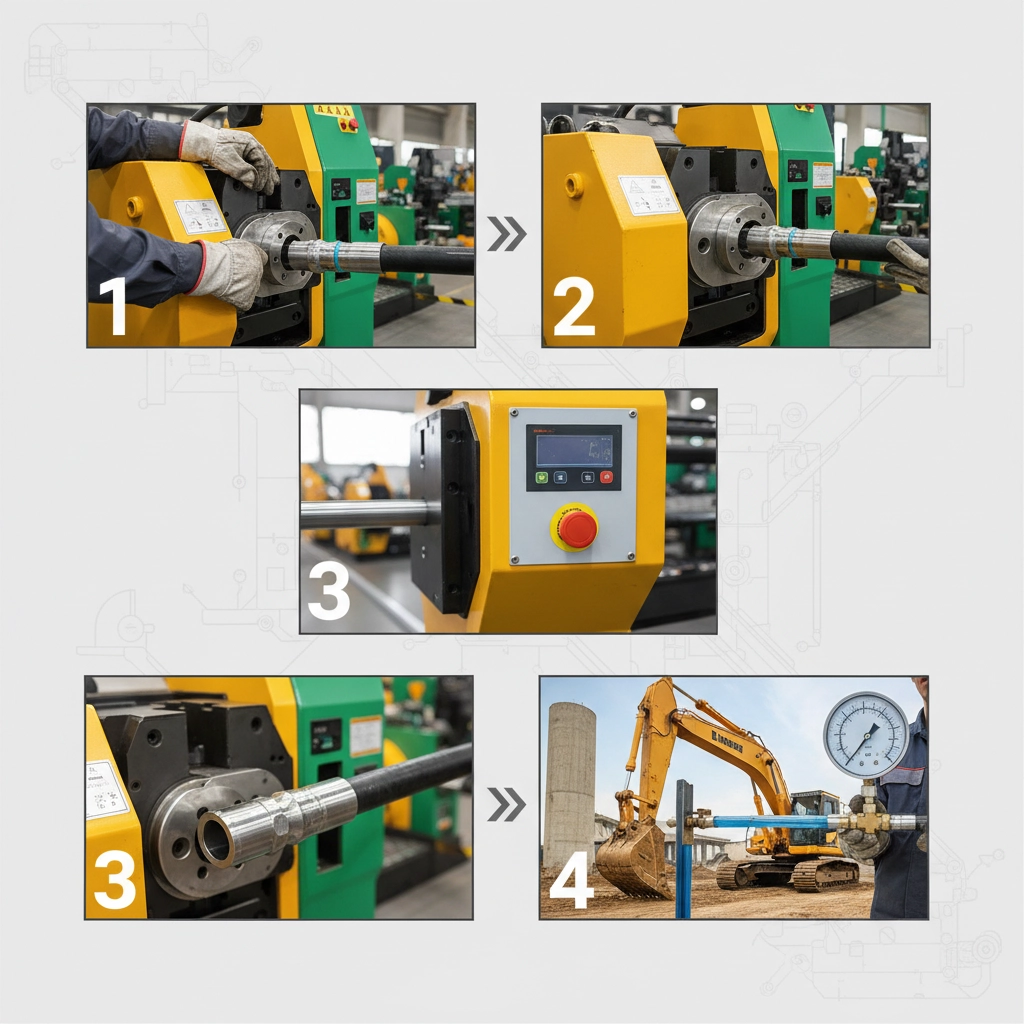
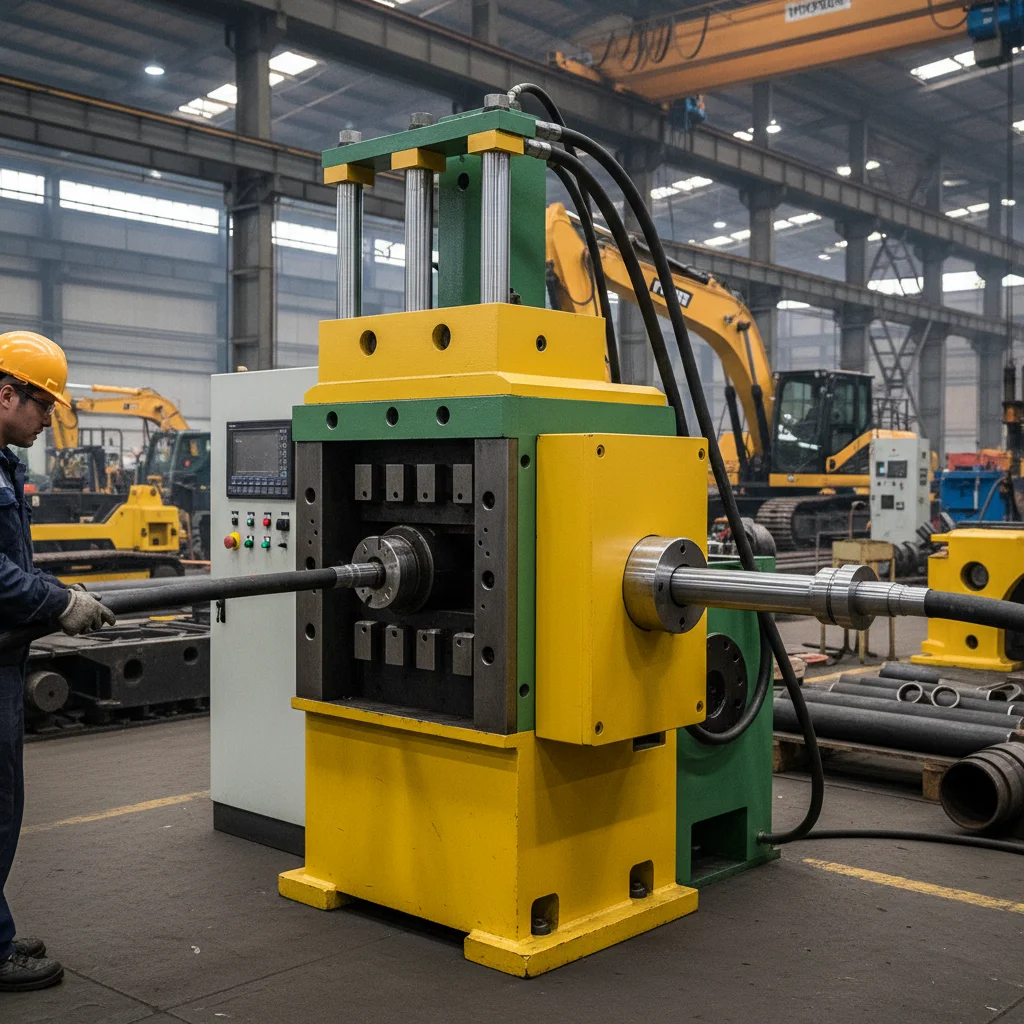
At its core, a hose press machine is a specialized piece of equipment designed to deform a metal sleeve (ferrule) around a hose and a fitting. This process, known as crimping, uses immense hydraulic force to create a mechanical bond that prevents the hose from slipping out of the fitting under high internal pressure. It is the bridge between a raw industrial hose and a functional hydraulic assembly.
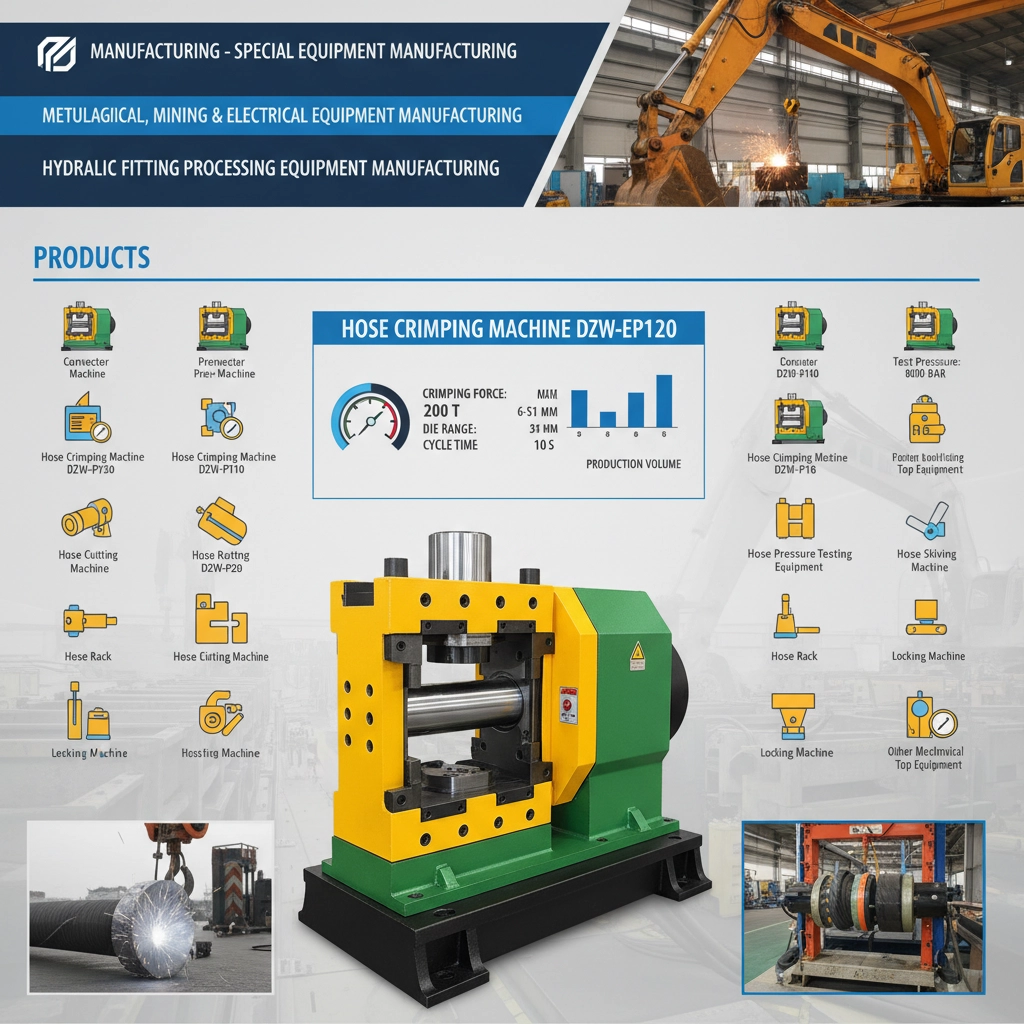
In the context of modern industry, these machines are categorized by their drive systems—manual, electric-hydraulic, or fully automated. While manual machines serve small repair shops, the high-output industrial sectors rely on machines like the DZW-EP120 or DZW-FP140, which offer programmable settings to ensure that every single press is identical, regardless of the operator's experience level.
Beyond mere mechanical force, the modern hose press represents a commitment to humanitarian safety and industrial efficiency. In emergency rescue operations, where hydraulic cutters and spreaders are used, the hoses must be assembled with a hose press machine that guarantees zero failure, as lives literally depend on the stability of the hydraulic connection.
Core Components for Maximum Durability
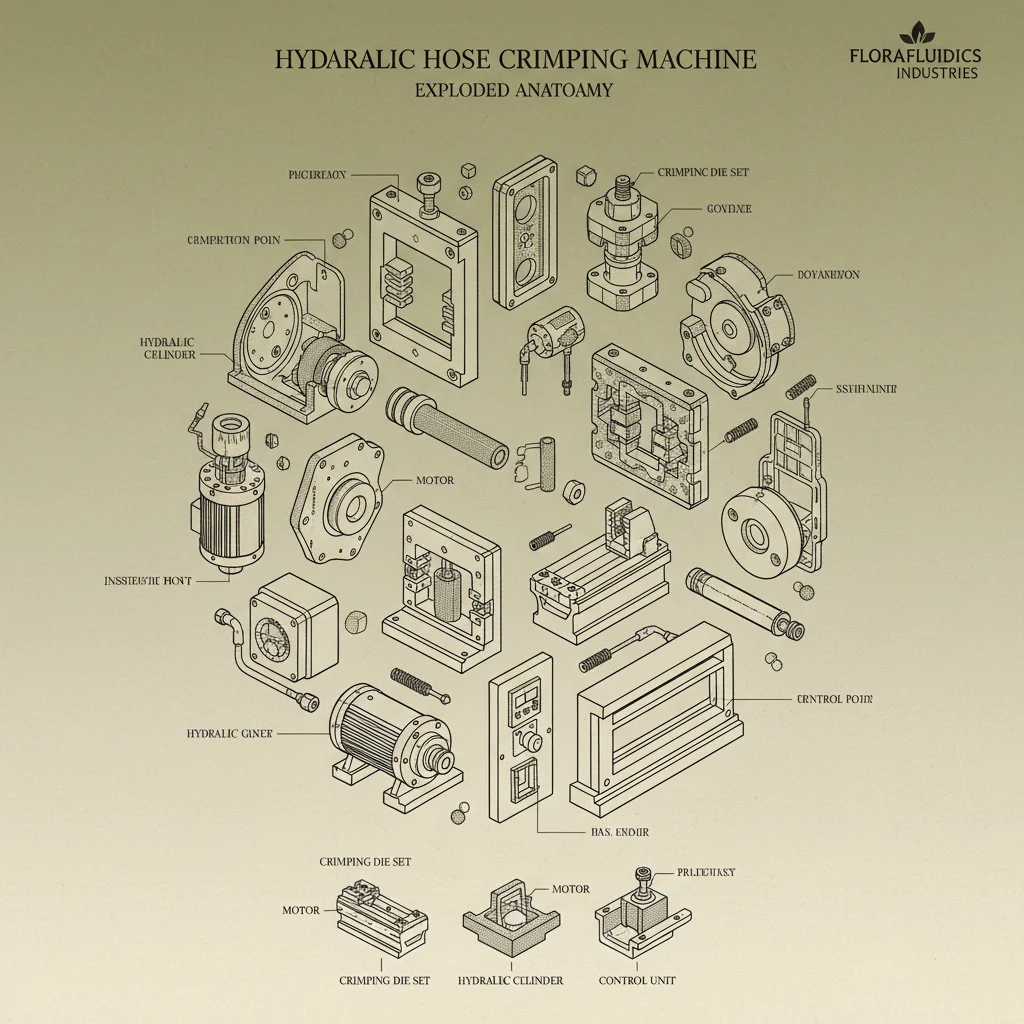
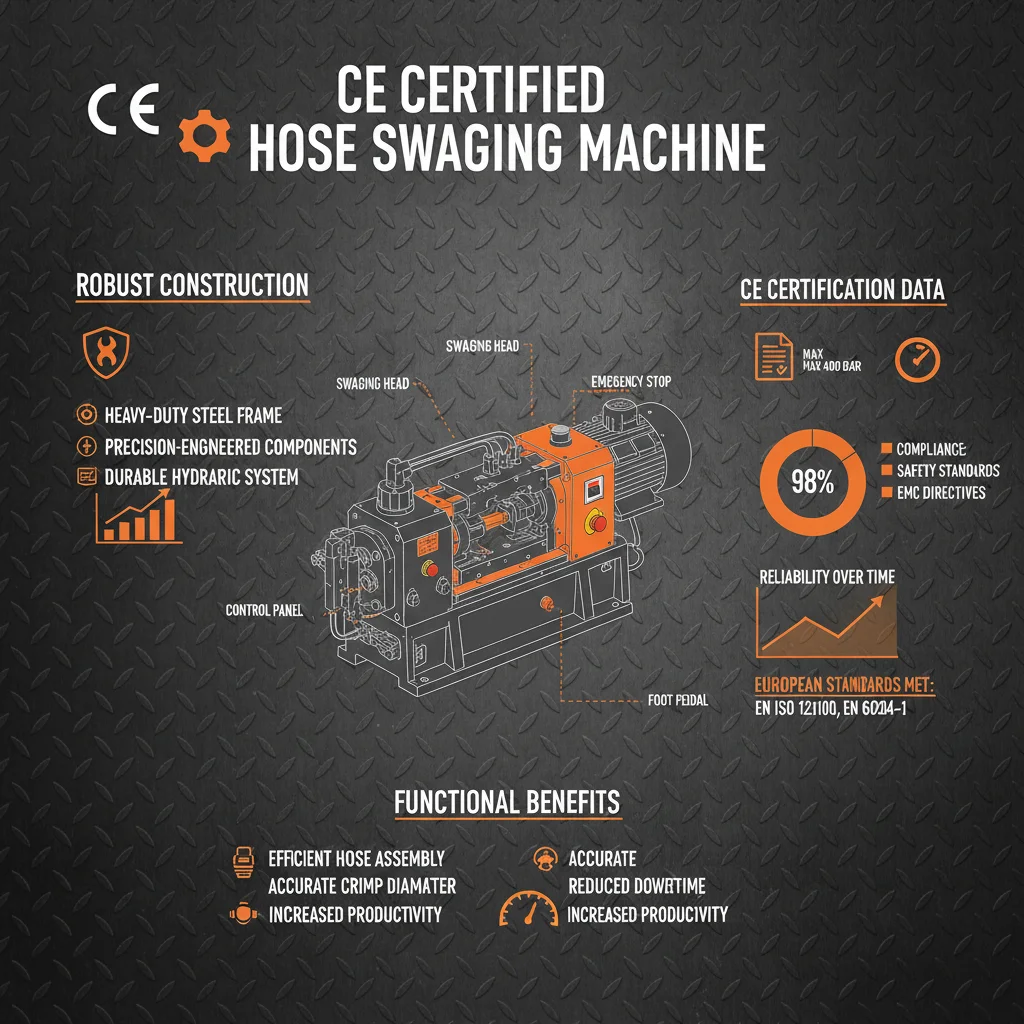
The longevity of a hose press machine depends heavily on its structural rigidity. High-grade alloy steel frames prevent the machine from flexing under the tons of pressure required for large-diameter hoses. This rigidity ensures that the crimping dies remain perfectly centered, preventing uneven compression that could lead to premature hose failure.
Precision dies are the "teeth" of the hose press machine. Manufactured from hardened tool steel and precision-ground to micron tolerances, these components must resist wear and deformation over thousands of cycles. The ability to quickly swap die sets allows a single machine to handle a vast array of hose diameters and fitting types, providing essential scalability for diversified workshops.
Finally, the control system—whether it is a simple pressure gauge or a digital PLC—determines the accuracy of the operation. Advanced systems monitor the displacement of the piston and the hydraulic pressure in real-time. This allows the hose press machine to stop exactly when the specified crimp diameter is reached, eliminating the guesswork and reducing material waste.
Global Applications and Industrial Use Cases
The application of a hose press machine spans almost every heavy-duty industry. In the oil and gas sector, particularly in remote drilling sites in the Middle East or North America, mobile crimping units are used to perform on-site repairs. This reduces the need to ship heavy hose assemblies across long distances, significantly cutting down on operational downtime and logistics costs.
In agricultural hubs, such as the Midwestern US or the plains of Brazil, these machines are essential for maintaining the hydraulic systems of tractors and harvesters. During peak harvest seasons, a burst hose can stop production entirely; having a reliable hose press machine on-site allows farmers to manufacture replacement hoses in minutes, ensuring food security and economic stability.
Efficiency Comparison of Hose Press Machine Types
Long-term Value and Operational Advantages
Investing in a professional hose press machine yields tangible economic benefits. By bringing the assembly process in-house, companies eliminate the markup of pre-assembled hoses and the lead times associated with external suppliers. This shift transforms a variable cost into a controlled operational process, providing a significant competitive edge in fast-paced markets.
Beyond the financial aspect, there is the intangible value of trust and safety. A properly crimped hose, verified by a high-precision machine, minimizes the risk of "blow-offs"—where the fitting separates from the hose under pressure. This reliability protects workers from high-pressure fluid injection injuries, fostering a culture of safety and professional dignity within the workshop.
Future Trends in Crimping Automation
The future of the hose press machine is intrinsically linked to the Industrial Internet of Things (IIoT). We are seeing the emergence of "Connected Crimpers" that upload every press cycle's data to a cloud server. This allows quality managers to audit every single hose produced, ensuring that each assembly meets the exact specifications required for aerospace or medical applications.
Sustainability is also driving innovation. Newer machines are incorporating energy-efficient hydraulic pumps that only draw power during the actual compression stroke, reducing the carbon footprint of the manufacturing plant. Furthermore, the integration of AI is helping machines predict die wear, alerting operators to replace components before they cause quality defects.
Automation is extending beyond the press itself to include integrated cutting and skiving. By combining a hose press machine with a hose cutting machine and a skiving machine in a single cell, manufacturers can achieve a "lights-out" production environment, where hoses are measured, cut, prepped, and crimped with minimal human intervention.
Overcoming Common Technical Challenges
One of the most common issues in the industry is "under-crimping" or "over-crimping." Under-crimping leads to leaks, while over-crimping can crush the hose reinforcement, weakening the entire assembly. The solution lies in the adoption of digital hose press machine models that utilize precise length-stop sensors rather than relying solely on pressure gauges.
Material compatibility also presents a challenge, as different hose polymers and wire braids react differently to compression. To overcome this, expert operators use comprehensive crimping charts provided by manufacturers. Modern machines now integrate these charts into an on-screen menu, allowing the operator to select the hose type and fitting, and have the machine automatically set the correct parameters.
Finally, maintenance neglect often leads to machine drift, where the press no longer hits the specified diameter. Implementing a strict calibration schedule and using high-quality synthetic hydraulic oils can extend the life of the hose press machine, ensuring that the 10,000th hose produced is as safe as the first.
Technical Comparison of Hose Press Machine Performance Tiers
| Machine Class |
Pressure Precision |
Output Volume |
Reliability Score |
| Entry-Level Manual |
Low (Visual) |
1-5 pcs/hr |
5/10 |
| Electric-Hydraulic |
Medium (Gauge) |
10-30 pcs/hr |
7/10 |
| CNC Programmable |
High (Digital) |
50-100 pcs/hr |
9/10 |
| Heavy-Duty Industrial |
Ultra-High |
200+ pcs/hr |
10/10 |
| Mobile Field Unit |
Medium |
5-15 pcs/hr |
8/10 |
| Custom Specialized |
Variable |
Varies |
9/10 |
FAQS
Choosing the right machine depends on your hose diameter range and production volume. For light repair work, an electric-hydraulic press is sufficient. However, for high-volume industrial production, a CNC-driven hose press machine like the DZW-EP120 is recommended for its consistency and speed. Consider the variety of die sets available to ensure the machine can handle all your fitting types.
Leaks are typically caused by under-crimping (insufficient pressure), using the wrong die size, or a misalignment between the fitting and the hose. To prevent this, always verify the crimp diameter using a calibrated caliper and refer to the manufacturer's specific crimping charts for the hose press machine you are using.
Yes, significantly. Digital machines remove the variability of human judgment. They provide precise, repeatable results, which are essential for meeting safety standards (like ISO). A digital hose press machine also increases productivity by reducing the time spent on manual measurements and adjustments.
Calibration should be performed at least once a month in high-production environments, or after every 1,000 cycles. Checking the actual crimp diameter against the target specification ensures that the hose press machine has not drifted due to wear and tear of the hydraulic seals or the dies.
Yes, provided you have the correct set of dies. Most professional machines are designed to be versatile. By swapping the die rings, a single hose press machine can crimp everything from small low-pressure lines to large-diameter high-pressure industrial hoses.
With proper maintenance, a high-quality industrial hose press machine can last 10-15 years. The key to longevity is regular lubrication of the moving parts, timely replacement of hydraulic fluids, and using high-grade hardened dies to prevent frame stress.
Conclusion
The hose press machine is an indispensable asset in the modern industrial landscape, bridging the gap between raw materials and high-performance hydraulic assemblies. From the critical need for precision and safety to the economic advantages of in-house production, the right equipment ensures operational continuity and worker protection across diverse sectors including mining, agriculture, and emergency services.
As we move toward an era of smarter, more sustainable manufacturing, the integration of digital tracking and energy-efficient systems will further elevate the standards of hose assembly. We encourage businesses to transition toward programmable technology to eliminate error and maximize efficiency. For those seeking the pinnacle of crimping precision and durability, we invite you to explore our professional range. Visit our website: www.willexcrimper.com