In the demanding world of hydraulic systems, the integrity of a connection can be the difference between operational efficiency and catastrophic failure. hose pipe crimping is the critical mechanical process of securing a fitting to a hose using a specialized machine to compress a sleeve, ensuring a leak-proof, high-pressure seal that withstands extreme vibration and temperature fluctuations.
Globally, the reliance on high-pressure fluid power has surged across the mining, construction, and aerospace sectors. As machinery becomes more powerful and operating pressures increase, the precision of the crimping process becomes paramount. Understanding the nuances of this process is not just about mechanical assembly; it is about safeguarding personnel and maximizing the lifecycle of industrial assets.
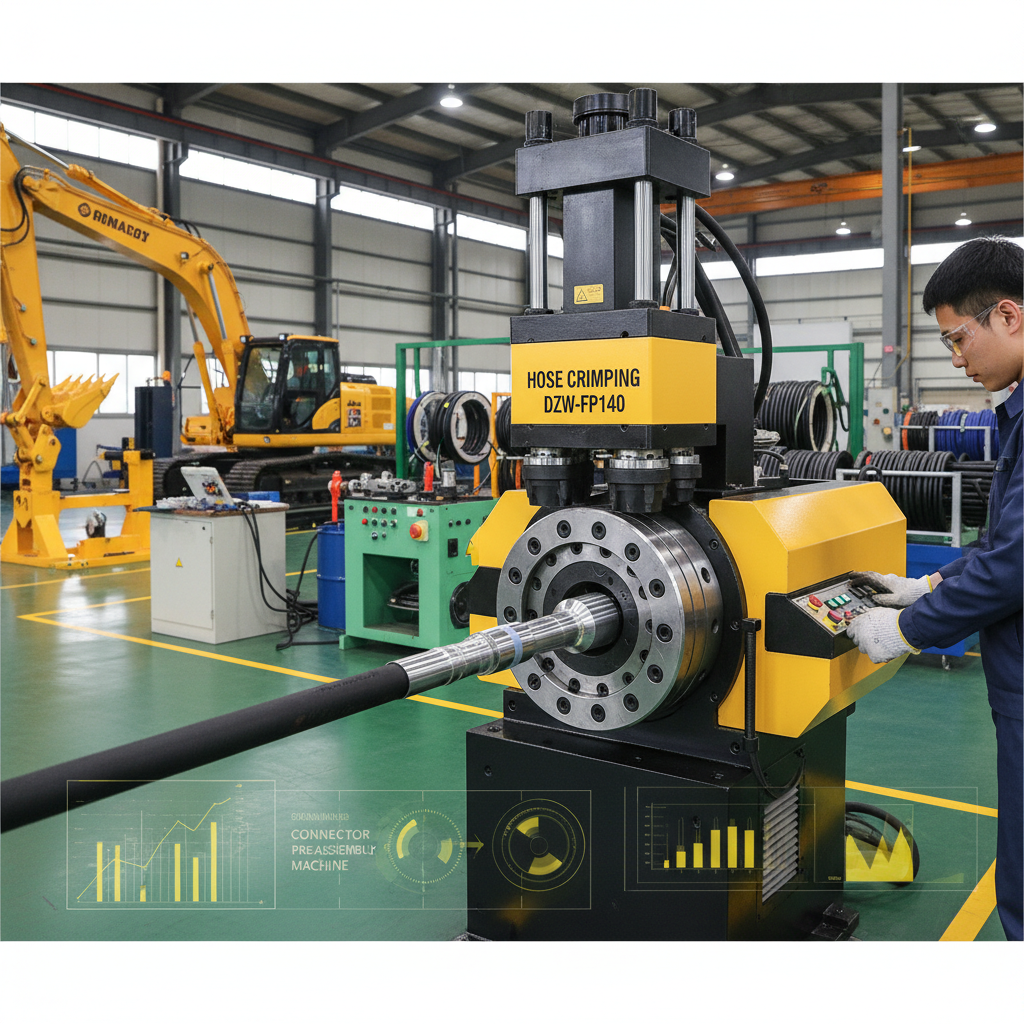
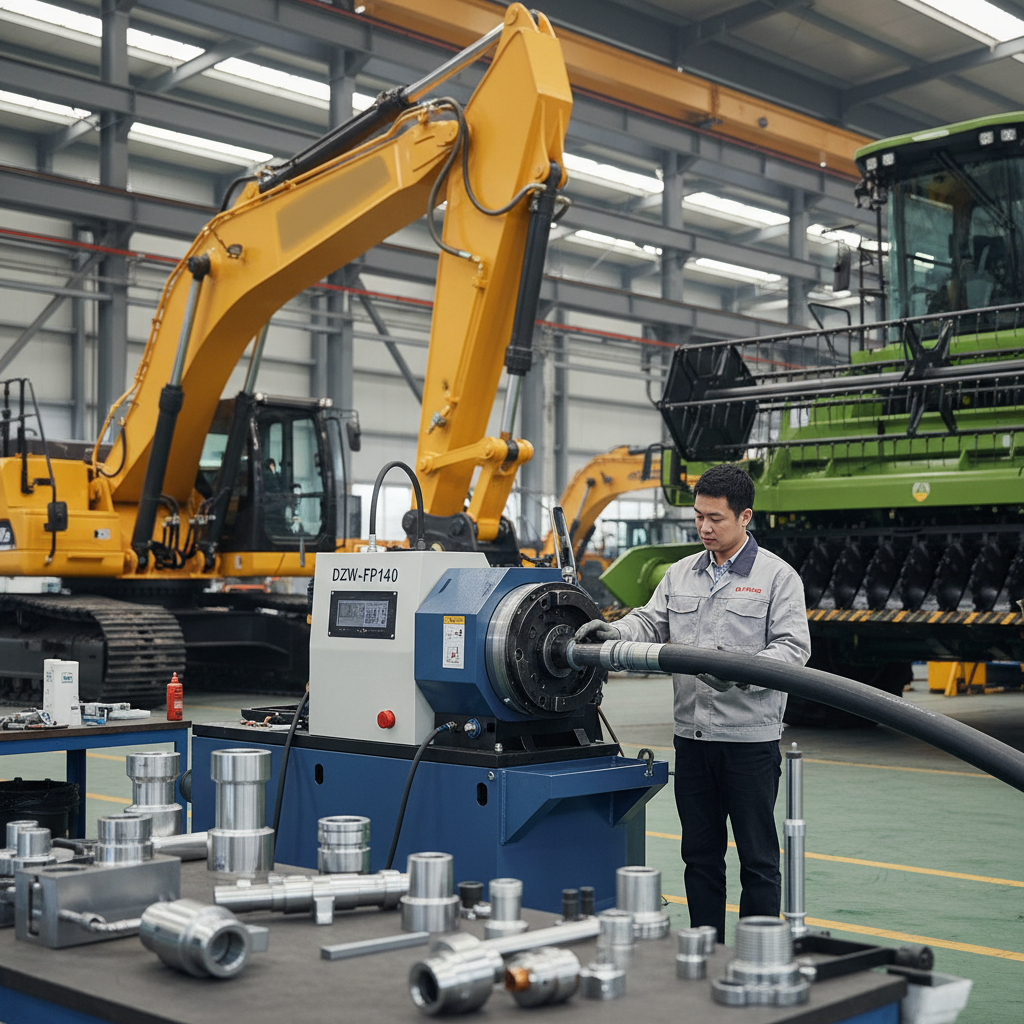
By mastering the art and science of hose pipe crimping, businesses can significantly reduce downtime and maintenance costs. Whether utilizing a compact DZW-P16 for light tasks or a heavy-duty DZW-FP140 for industrial-grade assemblies, the goal remains the same: achieving a perfect deformation of the ferrule that locks the hose in place permanently.
Global Industry Context of Hose Pipe Crimping
The global landscape of fluid power is governed by strict ISO and SAE standards, which dictate the safety thresholds for hose pipe crimping. In sectors like metallurgical plant maintenance and heavy-duty mining, a single faulty crimp can lead to hydraulic fluid injection injuries or massive environmental spills, making the precision of the crimping machine the most critical link in the production chain.
As emerging economies in Asia and Africa modernize their infrastructure, the demand for reliable hose assembly has spiked. This shift has forced a transition from manual, inconsistent methods to automated, digitally controlled systems that ensure every single hose pipe crimping operation is repeatable and verifiable, meeting the rigorous demands of international trade and safety regulations.
Defining the Mechanism of Hose Pipe Crimping
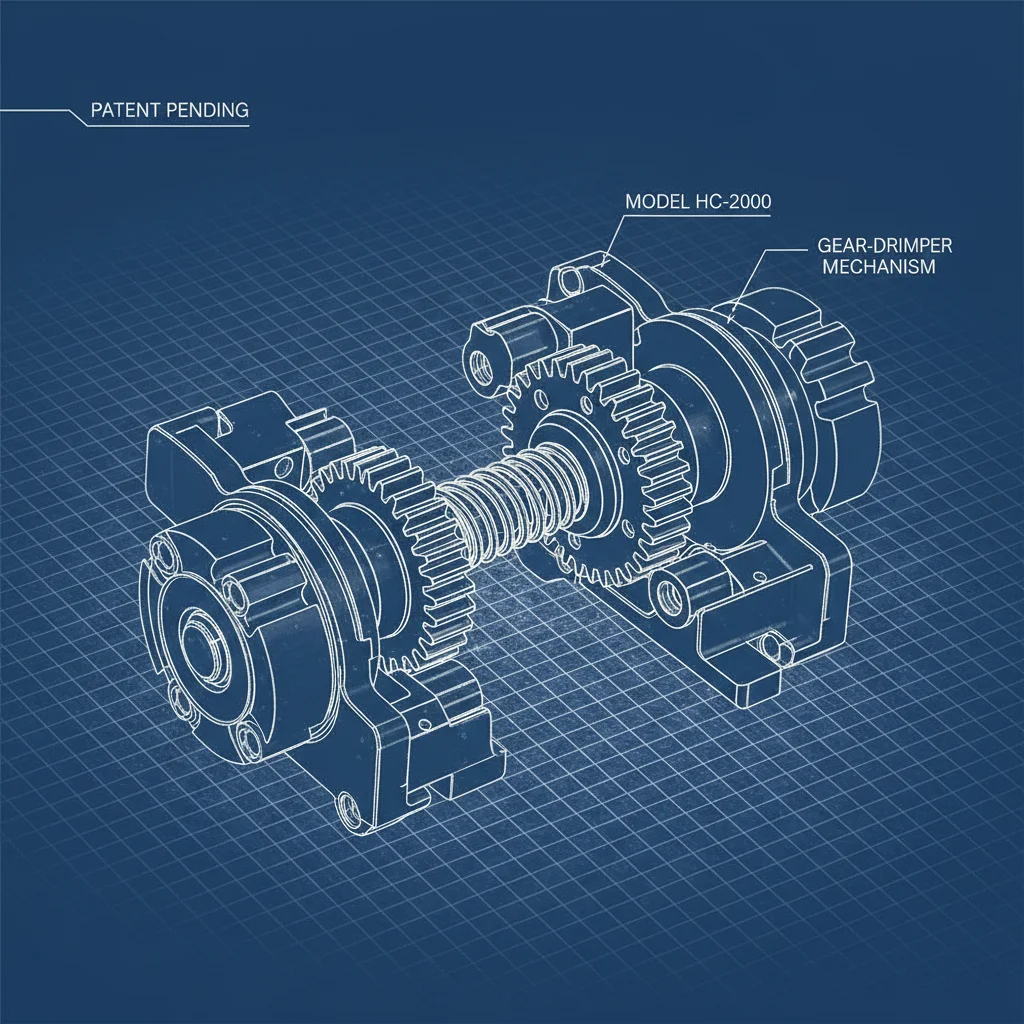
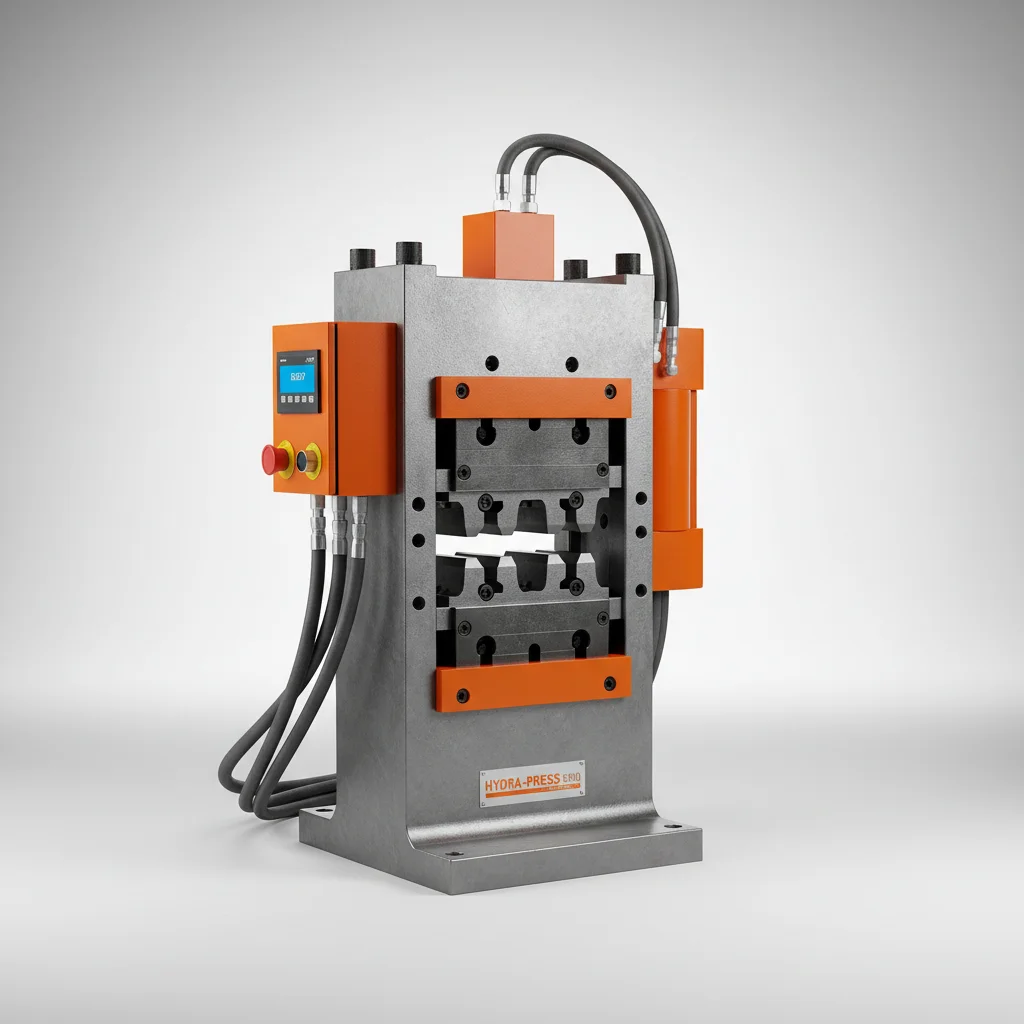
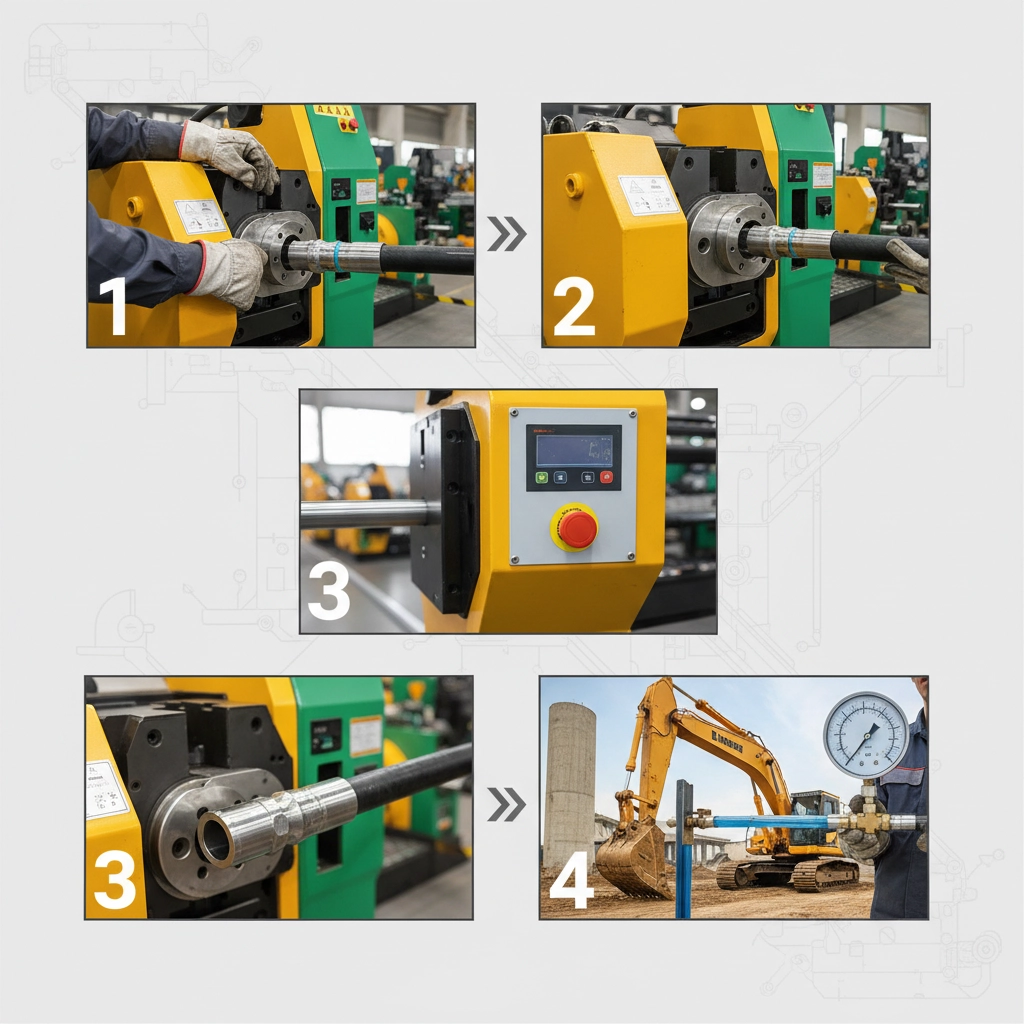
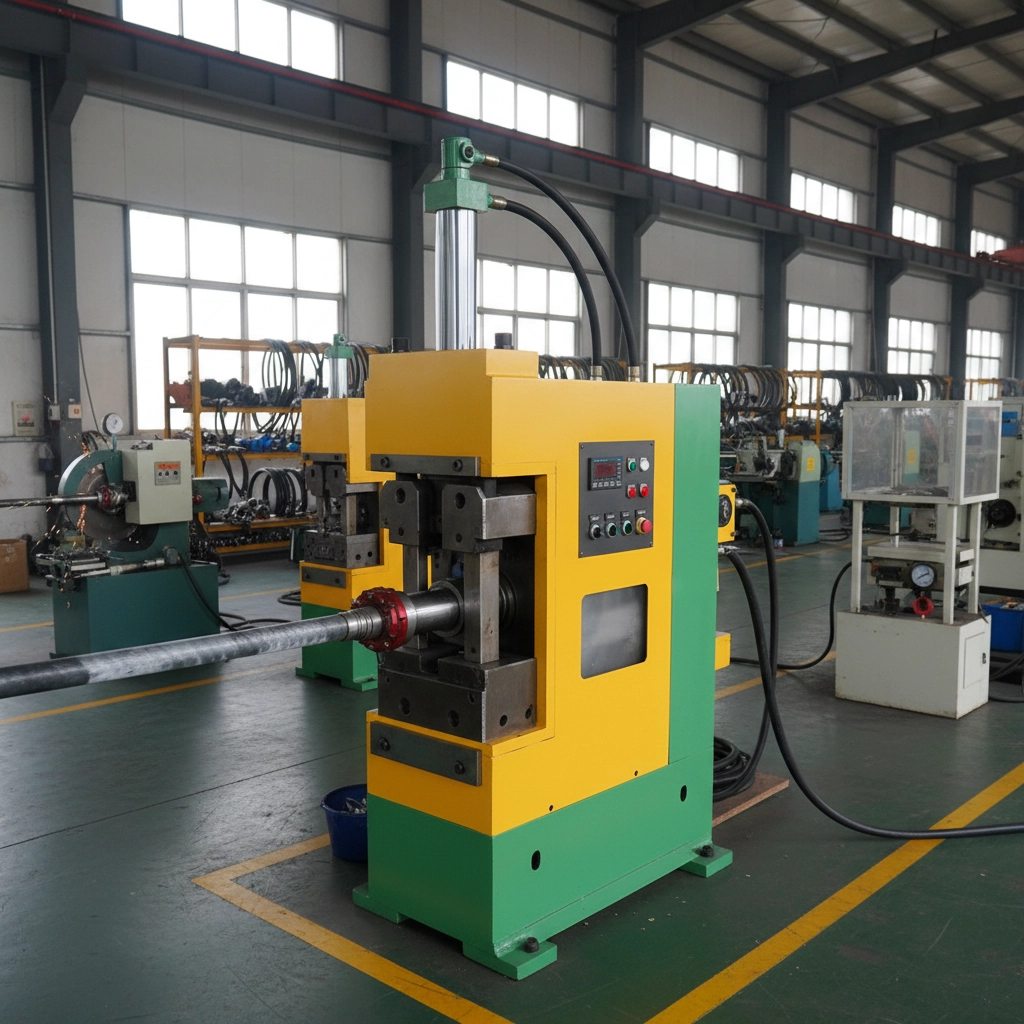
At its core, hose pipe crimping is a cold-forming process where a metal ferrule (or sleeve) is permanently deformed around the hose and the fitting. By applying massive radial pressure through a set of dies, the machine forces the ferrule to bite into the hose reinforcement layers, creating a mechanical bond that is often stronger than the hose itself.
This process is essential for modern industrial needs because it eliminates the need for adhesives or welding, which would degrade the flexible properties of the rubber or thermoplastic hose. In high-pressure environments, such as those utilizing the Hose Crimping Machine DZW-EP120, the crimp must be precise to a fraction of a millimeter to prevent the hose from "blowing off" under peak loads.
Modern hose pipe crimping integrates precision engineering with material science. The interaction between the hardness of the ferrule and the elasticity of the hose allows for a seal that remains tight even under the extreme thermal expansion and contraction seen in outdoor mining equipment or aircraft hydraulic lines.
Core Components for Effective Hose Pipe Crimping
To achieve a professional result in hose pipe crimping, the selection of the correct die set is the most critical factor. The dies must match the outer diameter of the ferrule perfectly; using an undersized or oversized die can lead to structural weakness or hose crushing, compromising the entire assembly's safety.
Furthermore, the calibration of the crimping machine, such as the DZW-P32 or DZW-P51, determines the "crimp diameter." This is the final measured diameter of the ferrule after compression. Precise calibration ensures that hose pipe crimping meets the manufacturer's specifications, preventing leaks while avoiding over-compression that could sever the internal wire braids.
Finally, the quality of the components—the hose, the fitting, and the ferrule—must be compatible. Using mixed-brand components during hose pipe crimping is a common cause of failure in the field. Standardizing on high-quality mechanical top equipment ensures that the mechanical grip is uniform across the entire circumference of the hose.
Performance Metrics in Hose Pipe Crimping
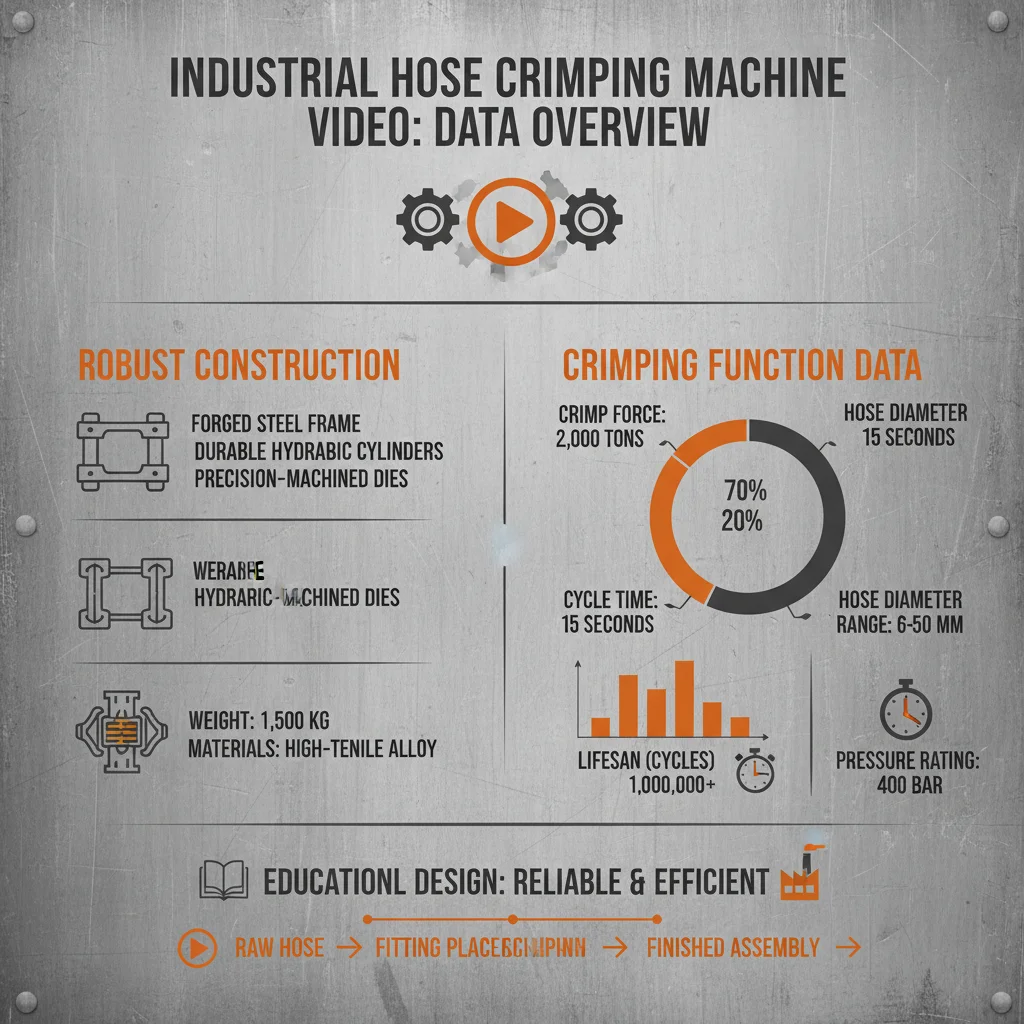
Evaluating the success of hose pipe crimping requires a combination of physical measurement and pressure testing. The primary metric is the "Crimp Diameter," which is verified using digital calipers. However, the ultimate proof of quality comes from using Hose Pressure Testing Equipment to ensure the assembly can handle 1.5x to 2x its rated working pressure without leakage.
Beyond the physical seal, operational efficiency—measured by the cycle time of machines like the DZW-P20—plays a huge role in commercial viability. A balanced approach between speed and precision allows workshops to handle high volumes of orders without sacrificing the structural integrity of the hose pipe crimping process.
Comparison of Hose Pipe Crimping Performance Methods
Global Applications and Industrial Use Cases
The practical application of hose pipe crimping spans across nearly every heavy industry. In remote mining zones of Australia or Chile, mobile crimping stations are essential for repairing hydraulic bursts in excavators on-site, preventing millions of dollars in lost productivity. Here, the durability of the crimp is tested by abrasive dust and extreme temperature swings.
In the agricultural sector, particularly in the Midwest US or Brazil, hose pipe crimping is used to assemble the high-flow lines for irrigation and harvester hydraulics. The use of versatile machines like the DZW-P18 allows local technicians to quickly swap dies and create customized hose lengths, ensuring that farming operations can continue without waiting for factory-shipped parts.
Long-term Value and Safety Advantages
The long-term value of investing in high-end hose pipe crimping equipment lies in the drastic reduction of "leakage risk." A properly crimped hose doesn't just hold fluid; it provides peace of mind. For plant managers, this translates to a safer working environment where the risk of high-pressure fluid injection—a severe medical emergency—is virtually eliminated.
From a sustainability perspective, precision hose pipe crimping extends the life of the hose assembly. When a crimp is perfectly executed, the stress is distributed evenly across the ferrule, preventing premature wear at the neck of the fitting. This reduces the volume of scrap rubber and metal entering landfills, aligning industrial practices with green energy goals.
Moreover, the trust established with end-customers is invaluable. When a supplier can provide certified, pressure-tested assemblies through rigorous hose pipe crimping, they move from being a mere commodity vendor to a critical safety partner. This reliability builds long-term commercial contracts and brand loyalty.
Future Innovations in Hose Pipe Crimping Technology
The future of hose pipe crimping is moving toward complete digitalization. We are seeing the rise of "Smart Crimpers" that utilize IoT sensors to record the exact force and final diameter of every single crimp, uploading this data to a cloud-based quality log. This provides a digital "birth certificate" for every hose, ensuring 100% traceability for aerospace and medical applications.
Material innovation is also playing a role, with the introduction of composite hoses and lightweight alloy ferrules. These materials require more nuanced hose pipe crimping profiles to avoid cracking the composite layers. Next-generation machines are incorporating adaptive pressure control to sense the material's resistance in real-time and adjust the crimp force accordingly.
Automation and robotic integration are the final frontier. Large-scale assembly lines are now integrating Hose Cutting Machines and Connector Pre-assembly Machines into a single automated cell. In this ecosystem, hose pipe crimping becomes a seamless step in a fully autonomous production flow, reducing human error and maximizing throughput.
Technical Analysis of Hose Pipe Crimping Equipment Specifications
| Machine Model |
Crimping Force (kN) |
Max Hose Diameter |
Precision Grade |
| DZW-P16 |
120 kN |
25mm |
Standard (±0.1mm) |
| DZW-P32 |
280 kN |
50mm |
High (±0.05mm) |
| DZW-EP120 |
450 kN |
120mm |
Industrial (±0.05mm) |
| DZW-FP140 |
600 kN |
140mm |
Precision (±0.02mm) |
| DZW-P51 |
320 kN |
65mm |
High (±0.05mm) |
| Custom Heavy |
800+ kN |
200mm+ |
Ultra-High (±0.01mm) |
FAQS
The most common cause is "incorrect die selection" or "improper crimp diameter." If the die is too large, the fitting will slide off under pressure. If it is too small, the hose reinforcement is crushed, leading to a burst. Regularly calibrating your machine and using a digital caliper to verify the final diameter against the manufacturer's spec sheet is the best way to prevent these failures.
Yes, provided you have the correct die sets. Machines like the DZW-P20 are designed to be versatile. However, you must adjust the crimping diameter for different materials (e.g., thermoplastic vs. rubber) because they react differently to compression. Always refer to the specific hose and ferrule compatibility chart before starting the process.
For industrial production, we recommend calibration every 500 to 1,000 cycles, or whenever you change die sets. In high-precision environments (like aerospace), calibration should occur at the start of every shift. Using a test piece of hose and verifying the diameter ensures that hydraulic drift in the machine isn't affecting your output quality.
Manual crimpers rely on a hand-wheel or basic lever and require the operator to "feel" the stop point, which is prone to error. Digital crimpers, such as the DZW-EP120, use electronic sensors to stop precisely at the programmed diameter. This removes human error, increases speed, and provides consistent results across thousands of units.
While not always legally required for low-pressure applications, it is highly recommended for any hydraulic system. Pressure testing identifies "micro-leaks" that calipers cannot detect. A successful test confirms that the hose pipe crimping has created a hermetic seal capable of handling the intended operational load.
The choice depends on your maximum hose diameter and volume. The DZW-P16 is ideal for small-bore hoses and light industrial use. The DZW-FP140 is a powerhouse designed for massive industrial hoses (up to 140mm) and high-frequency production. Assess your most common hose size and your daily output goals to determine the right capacity.
Conclusion
In summary, hose pipe crimping is far more than a simple assembly step; it is a critical safety process that defines the reliability of hydraulic and pneumatic systems worldwide. From the meticulous selection of dies and the calibration of machines like the DZW series to the final pressure validation, every detail contributes to a leak-free, durable connection that supports the backbone of global industry.
Looking ahead, the integration of IoT and automated precision will continue to elevate the standards of fluid power assembly. We encourage operators and business owners to transition toward digitalized crimping solutions to ensure maximum safety, reduced waste, and unparalleled operational efficiency. To explore our full range of professional crimping solutions, visit our website: www.willexcrimper.com