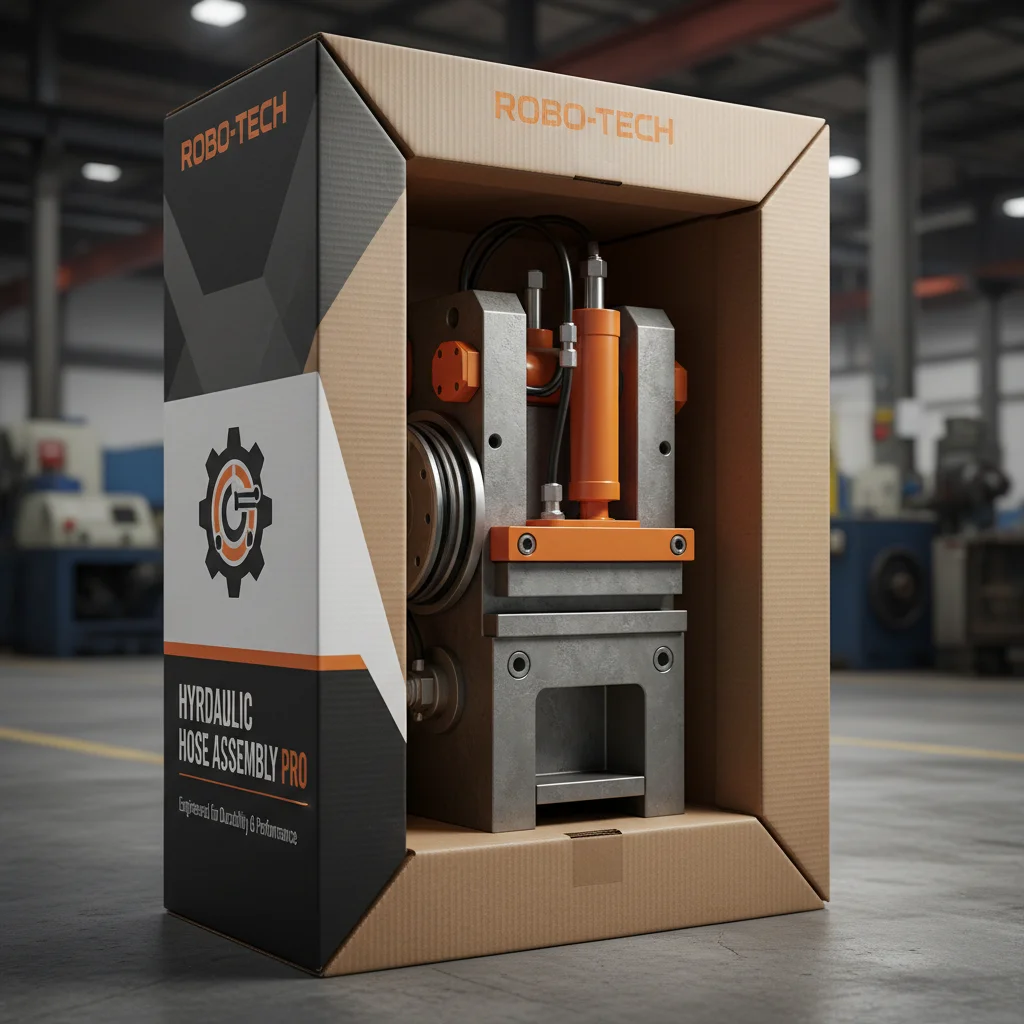
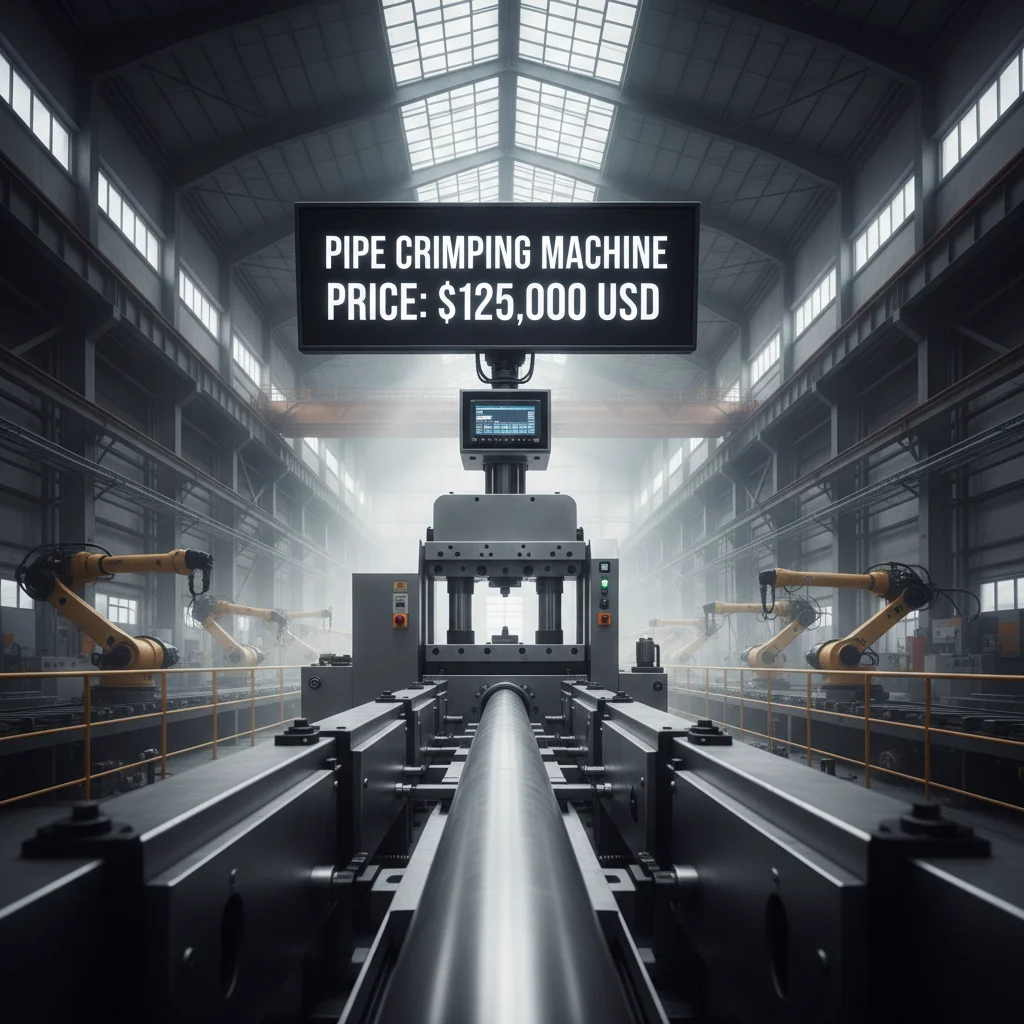
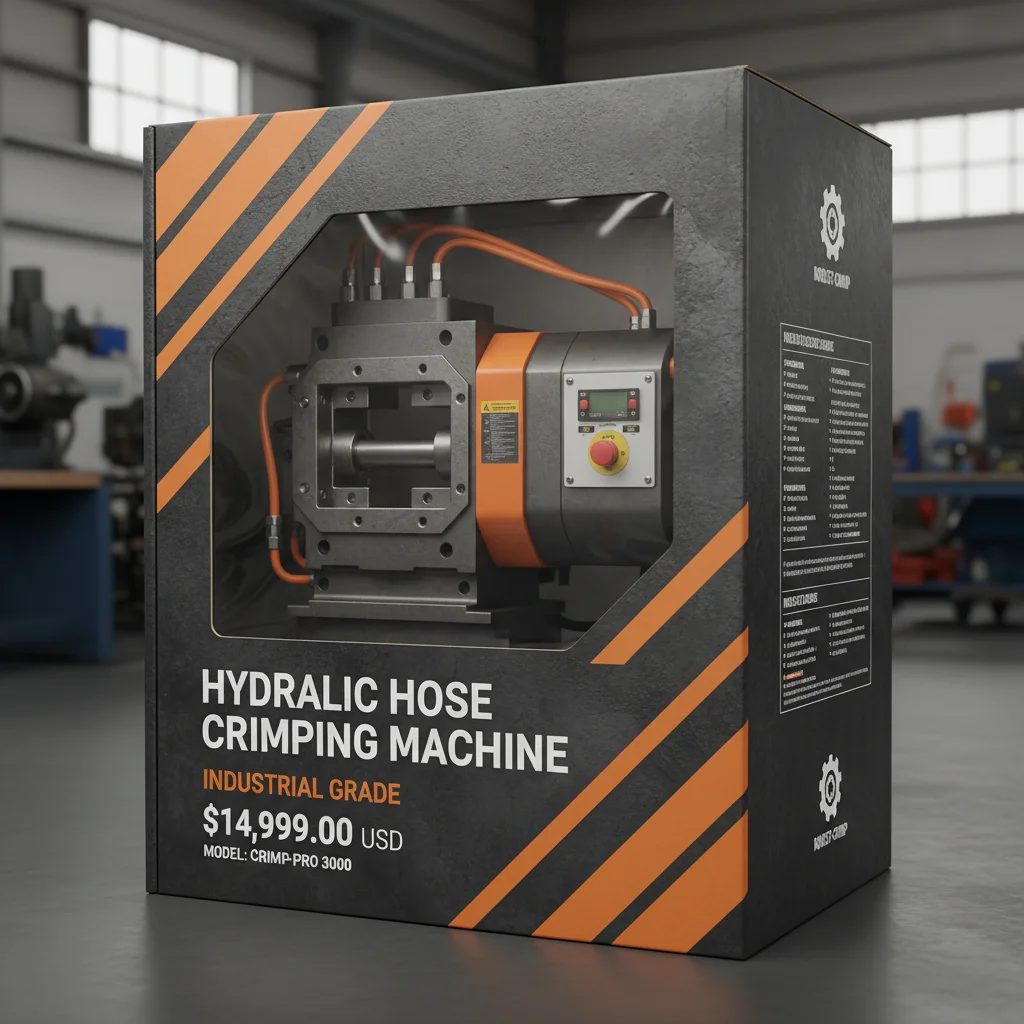
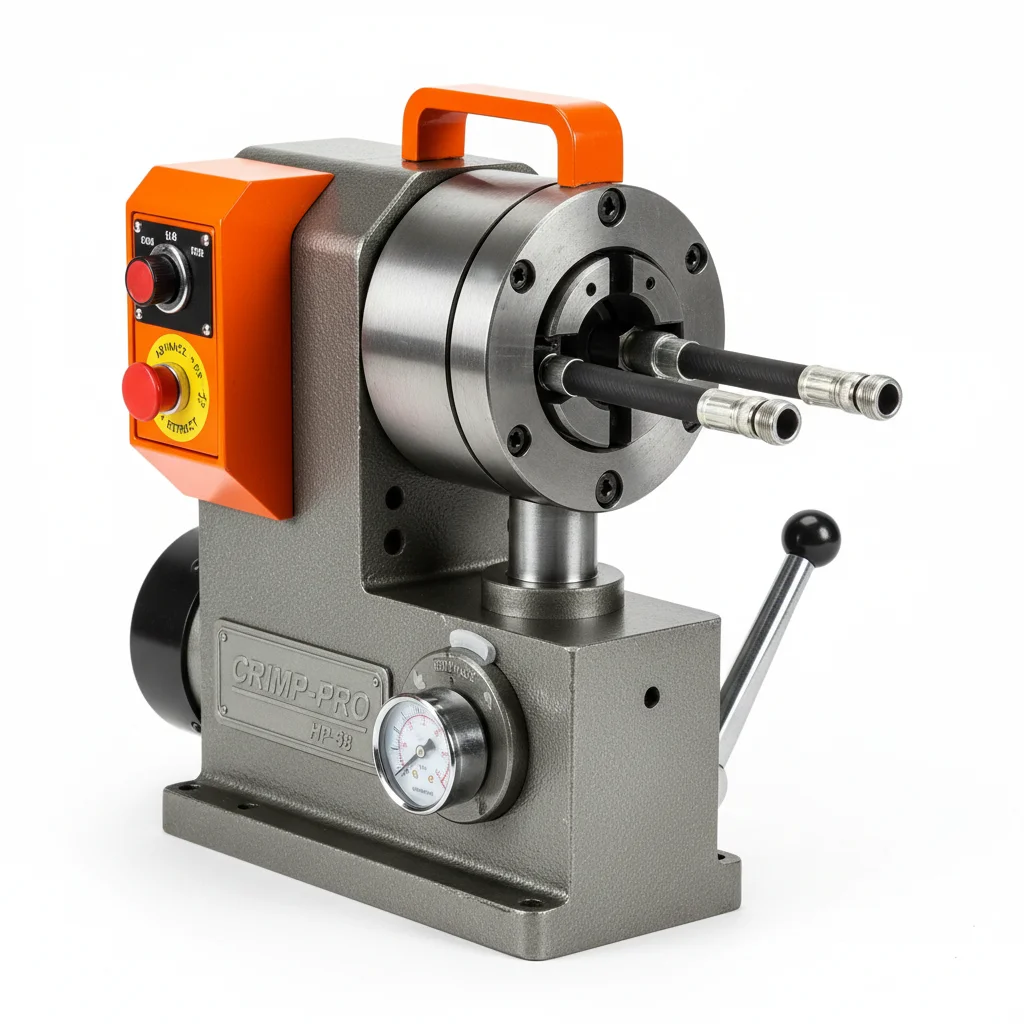
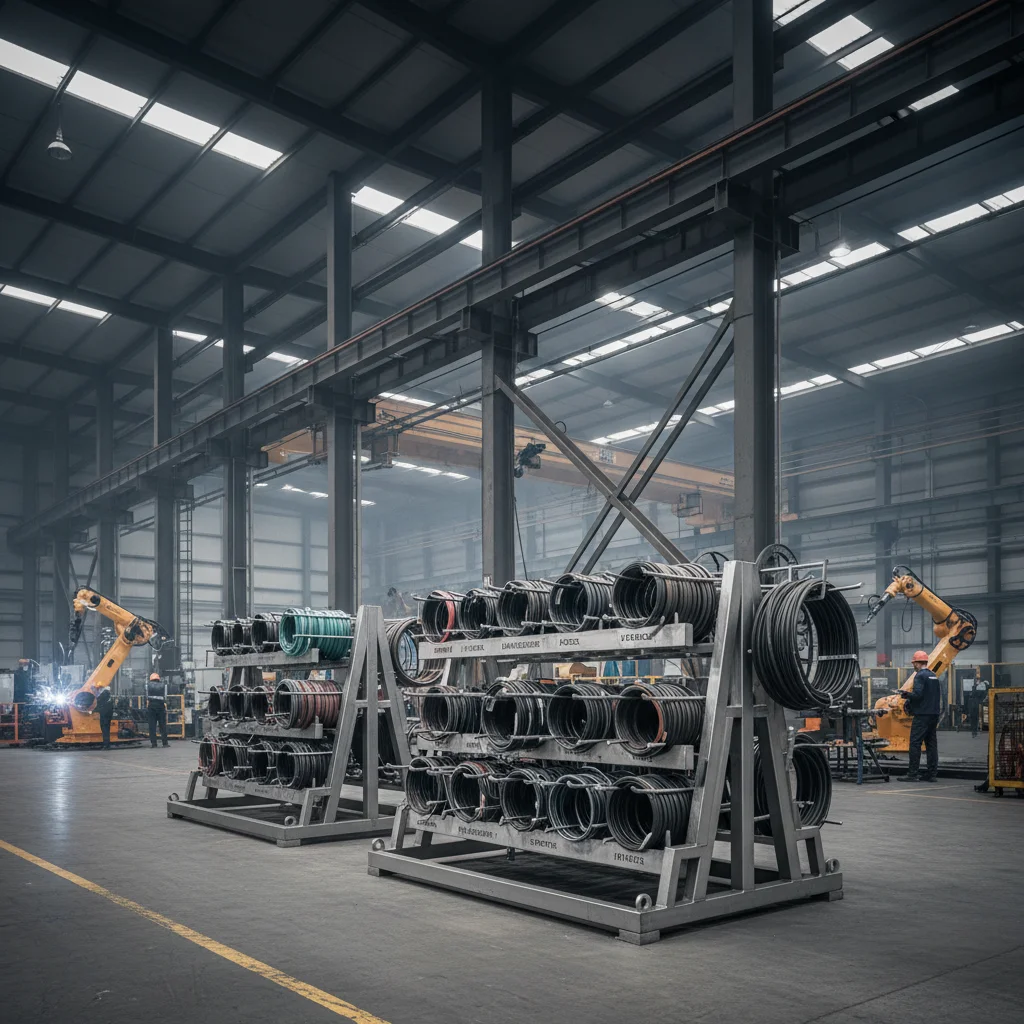
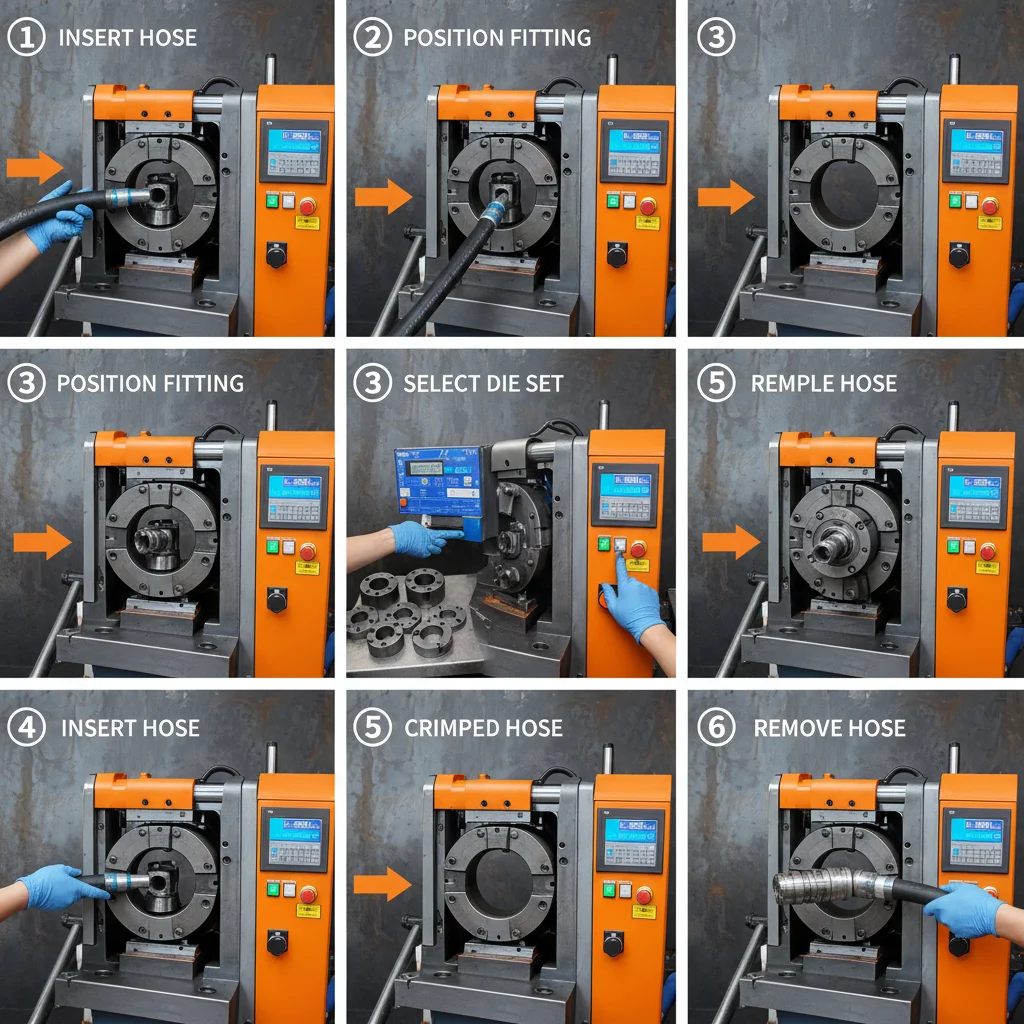
Hose crimping machine video technology has become indispensable across numerous industries, from automotive and construction to agriculture and even aerospace. These videos demonstrate the sophisticated processes and equipment used to create reliable and durable hose assemblies, crucial for fluid and gas conveyance in a vast array of applications. Understanding the intricacies of hose crimping, as illustrated in these videos, ensures optimal performance, safety, and longevity of hydraulic systems.
The global demand for high-quality hose assemblies is steadily increasing, driven by infrastructural development, manufacturing growth, and stringent safety regulations. Hose crimping machine video tutorials are becoming invaluable resources for technicians, engineers, and operators alike, providing step-by-step guidance on machine operation, maintenance, and troubleshooting. This accessibility of information contributes to increased efficiency and reduced downtime.
Moreover, the evolution of hose crimping technology, showcased in modern hose crimping machine video content, reflects a commitment to innovation and precision. From manual machines to fully automated systems, these videos highlight the advancements that enable the production of increasingly complex and specialized hose assemblies, tailored to meet specific industry needs.
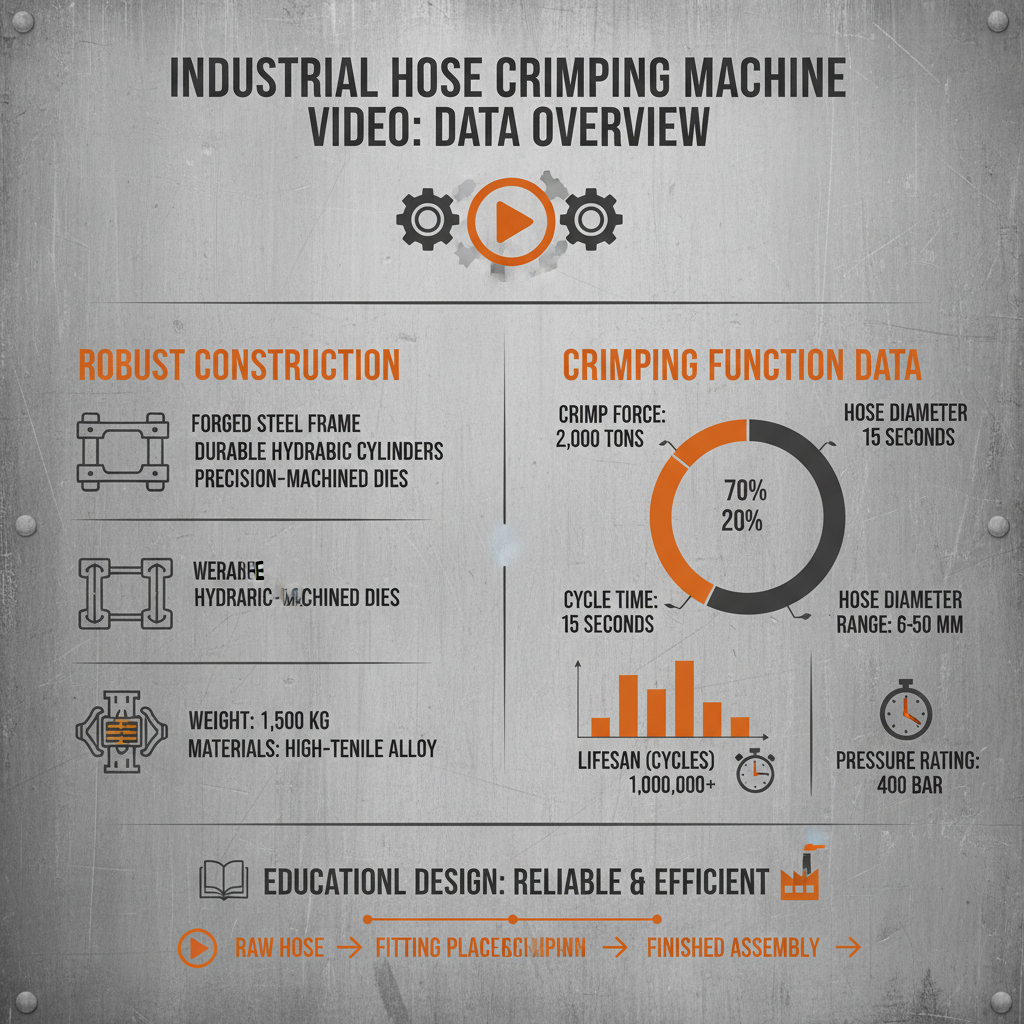
The Significance of Hose Crimping Machine Video
Hose crimping machine video plays a critical role in knowledge transfer and skill development within the hydraulic hose assembly industry. These videos provide visual learners with a clear understanding of complex processes that can be difficult to grasp through written documentation alone. Effective training, facilitated by high-quality video content, minimizes errors and ensures consistent, reliable hose assembly production.
Furthermore, hose crimping machine video content serves as a valuable resource for quality control and troubleshooting. By visually demonstrating proper techniques and identifying potential issues, these videos empower technicians to diagnose and resolve problems quickly and efficiently, reducing downtime and maintaining operational efficiency.
Defining Hose Crimping Machine Video
Hose crimping machine video essentially refers to instructional or demonstrative content focusing on the operation, maintenance, and repair of hose crimping machines. These videos typically showcase the complete process of attaching fittings to hoses using a crimping machine, emphasizing safety procedures, proper machine settings, and quality control checks.
The purpose of these videos extends beyond simple machine operation; they frequently cover fitting selection, hose material compatibility, and the importance of achieving a secure, leak-proof connection. This is particularly vital in industries where hose failures can lead to catastrophic consequences.
Hose crimping machine video content is essential in bridging the gap between theoretical knowledge and practical application. It provides a readily accessible and visually engaging method for learning and refining the skills necessary to produce high-quality, reliable hose assemblies.
Core Components & Operational Principles
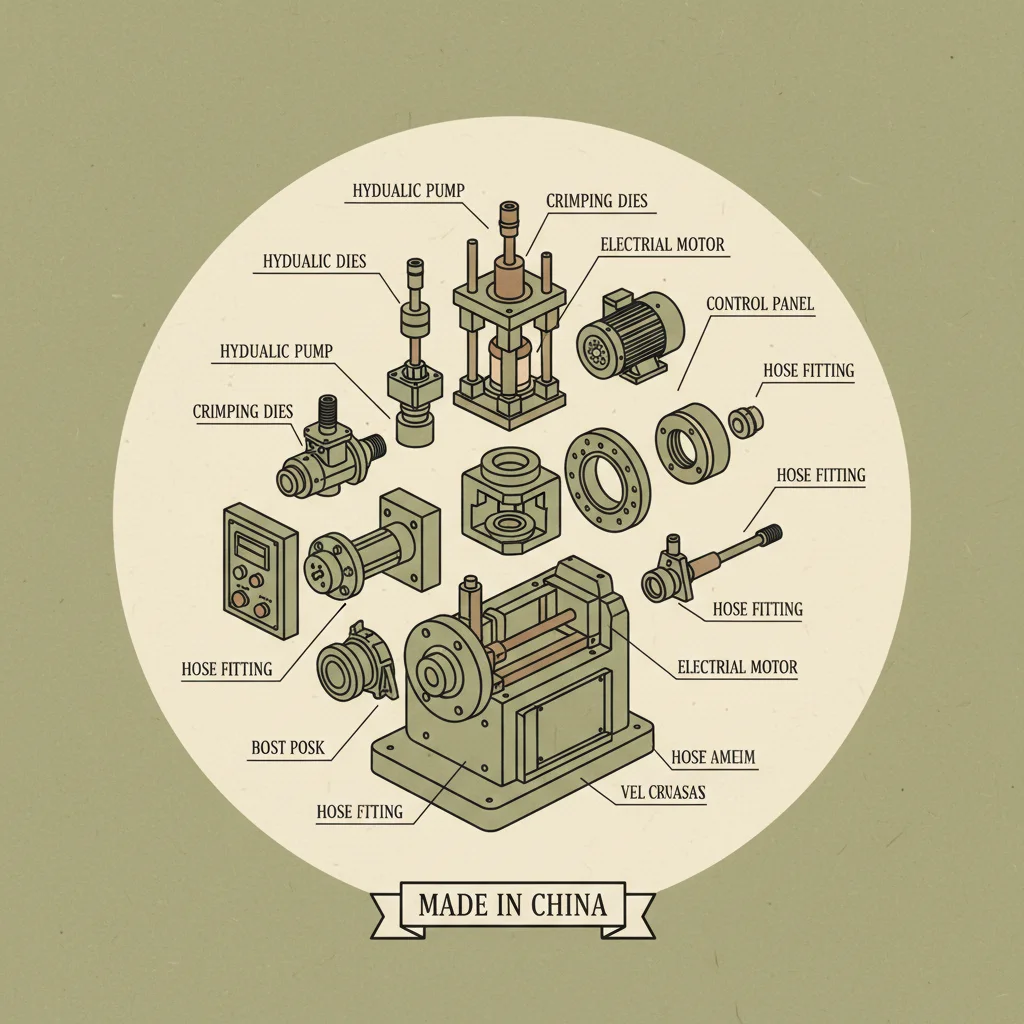
At the heart of any hose crimping operation lies the crimping machine itself. Modern machines incorporate several key components, including a die set (specifically chosen for the hose and fitting size), a hydraulic power unit, and a control system (ranging from simple manual levers to sophisticated programmable logic controllers). hose crimping machine video often highlights the correct selection and use of these components.
The operational principle centers around applying precise pressure to the fitting as it's forced onto the hose. This pressure permanently deforms the fitting, creating a mechanical interlock with the hose reinforcement layers. The accuracy of this crimp is paramount, and hose crimping machine video demonstrates the calibration and adjustment procedures required to achieve optimal results.
Different types of crimping machines exist – manual, semi-automatic, and fully automatic – each offering varying levels of precision, speed, and cost. Hose crimping machine video commonly compares and contrasts these options, allowing viewers to select the machine best suited to their specific needs and production volume.
Key Factors Influencing Hose Crimping Quality
Several factors directly impact the quality and reliability of a hose crimp. Correct die selection is crucial; using the wrong die can result in under-crimping (leading to leaks) or over-crimping (damaging the hose). Hose crimping machine video often emphasizes this point through visual demonstrations of correct and incorrect die usage.
Hose material and fitting compatibility are also vital. Different hose materials (e.g., rubber, thermoplastic, PTFE) require specific crimping parameters. Understanding these parameters and ensuring compatibility is essential to avoid premature failure.
Hose Crimping Machine Video Quality Assessment
Global Applications of Hose Crimping
The applications of hose crimping are incredibly diverse, spanning countless industries worldwide. In the automotive sector, crimped hoses are essential for fuel lines, brake lines, and coolant systems. Construction equipment relies heavily on hydraulic hoses for operating machinery like excavators and loaders.
Agriculture utilizes crimped hoses for irrigation systems and agricultural machinery, while the aerospace industry demands high-precision crimped hoses for aircraft hydraulic systems. In post-disaster relief operations, rapid hose assembly is critical for providing water and sanitation, making portable hose crimping machines and associated training, as demonstrated in hose crimping machine video, incredibly valuable.
Advantages & Long-Term Value Proposition
Employing properly crimped hoses translates directly into increased safety, reduced downtime, and lower maintenance costs. A secure crimp prevents leaks, minimizing the risk of accidents and environmental damage. The long-term value proposition extends beyond initial cost savings, impacting overall operational efficiency.
Investing in quality hose crimping equipment, coupled with comprehensive training accessed through hose crimping machine video resources, builds trust and reliability. This is crucial for maintaining a positive reputation and ensuring customer satisfaction in industries where hose failure can have severe consequences.
Future Trends in Hose Crimping Technology
The future of hose crimping is heavily influenced by advancements in materials science, automation, and data analytics. The development of new hose materials with enhanced durability and chemical resistance will necessitate corresponding innovations in crimping techniques.
Automation, powered by robotics and artificial intelligence, is poised to revolutionize hose assembly processes, increasing speed, precision, and reducing labor costs. Furthermore, the integration of sensors and data analytics will enable predictive maintenance and real-time quality control, minimizing downtime and maximizing efficiency. Hose crimping machine video will undoubtedly play a key role in disseminating knowledge about these emerging technologies.
Sustainability is also a growing concern, driving the demand for eco-friendly hose materials and energy-efficient crimping machines. Innovative crimping techniques that minimize material waste and reduce energy consumption will become increasingly important in the years to come.
Key Performance Indicators for Hose Crimping Operations
| Crimp Method |
Leakage Rate (%) |
Production Time (per hose) |
Operator Skill Level (1-5) |
| Manual Crimping |
5.2 |
60 seconds |
4 |
| Semi-Automatic Crimping |
1.8 |
30 seconds |
3 |
| Fully Automatic Crimping |
0.5 |
15 seconds |
2 |
| Electro-Hydraulic Crimping |
0.8 |
20 seconds |
3 |
| Pneumatic Crimping |
2.5 |
35 seconds |
3 |
| Robotic Crimping |
0.1 |
10 seconds |
1 |
FAQS
Regular maintenance, as often demonstrated in hose crimping machine video tutorials, is key. This includes lubricating moving parts, checking hydraulic fluid levels, inspecting die sets for wear, and cleaning the machine thoroughly. Following the manufacturer’s recommended maintenance schedule will significantly extend the lifespan and reliability of your machine.
Common causes include incorrect die selection, improper machine settings, using incompatible hose and fitting materials, and pre-existing damage to the hose or fitting. Hose crimping machine video often highlights these pitfalls and demonstrates preventative measures to avoid them. Regular inspection of finished crimps is also vital.
Selecting the correct die is crucial. Refer to the die manufacturer's compatibility charts, which specify the appropriate die for specific hose and fitting combinations. Hose crimping machine video tutorials will illustrate how to read and interpret these charts. Ensure the die is clean and free of damage before use.
Always wear appropriate personal protective equipment (PPE), including safety glasses and gloves. Ensure the machine is properly grounded and that all safety guards are in place. Never operate the machine without proper training, often accessible through hose crimping machine video resources. Be aware of pinch points and moving parts.
It depends on the machine's capabilities and the hose materials. While some machines are versatile, others are specifically designed for certain hose types. Refer to the machine’s documentation and, ideally, consult hose crimping machine video content demonstrating the process for various hose materials to ensure compatibility and proper crimping parameters.
Many manufacturers offer comprehensive training videos on their websites or through online platforms. Reputable industry organizations and training providers also offer high-quality hose crimping machine video courses. Look for videos that cover safety procedures, machine operation, maintenance, and troubleshooting in detail.
Conclusion
In conclusion, hose crimping machine video is an invaluable resource for professionals across diverse industries, offering essential knowledge and skills for operating and maintaining critical equipment. Understanding the core principles, key factors, and emerging trends in hose crimping technology is paramount to ensuring safety, reliability, and operational efficiency. Investing in proper training, leveraging the wealth of information available through hose crimping machine video content, and staying abreast of industry advancements will undoubtedly yield significant long-term benefits.
As technology continues to evolve, the demand for skilled technicians capable of operating and maintaining advanced hose crimping equipment will only increase. Embracing continuous learning through resources like hose crimping machine video, and prioritizing safety and quality, will be crucial for success in this dynamic field. We encourage you to explore further and enhance your expertise.