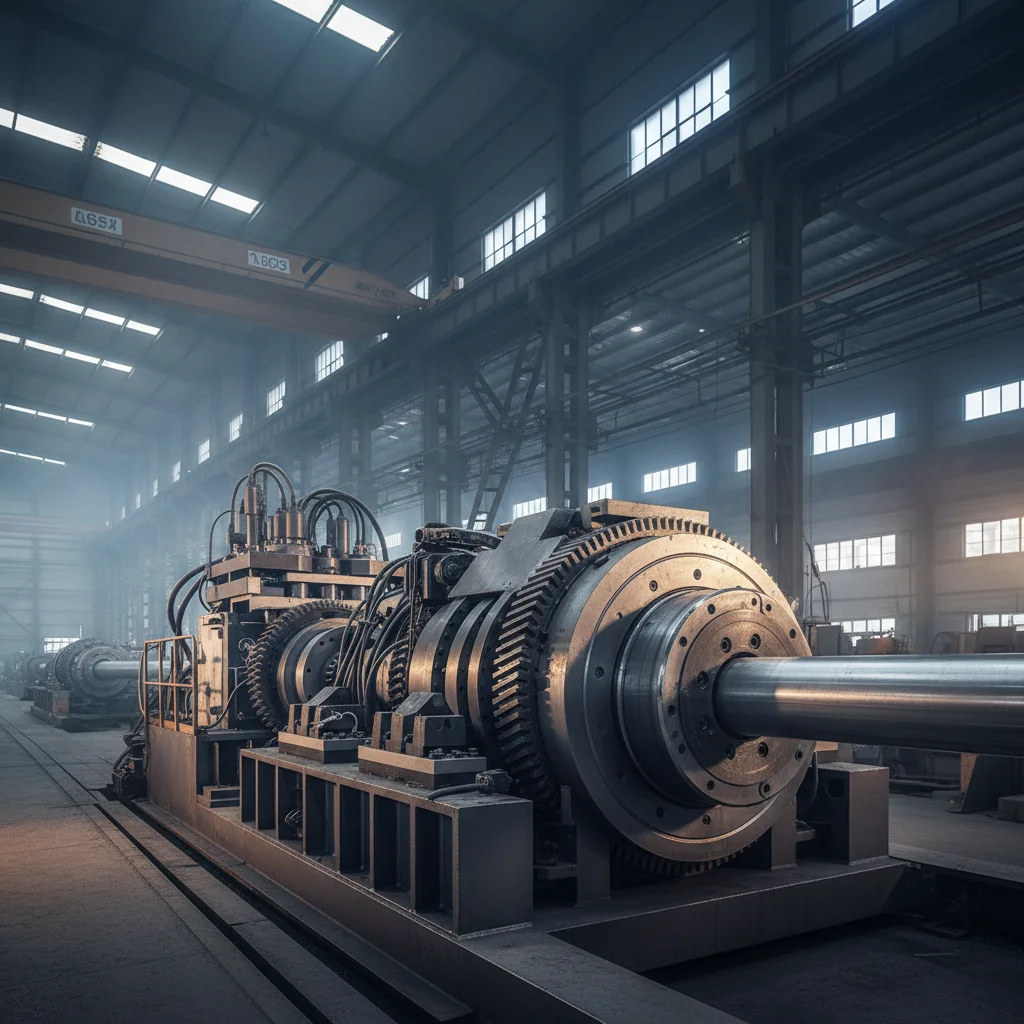
In the demanding world of industrial machinery, the integrity of hydraulic connections is paramount to operational safety and efficiency. A high-performance hydraulic line crimping machine ensures that fittings are permanently and securely bonded to hoses, preventing catastrophic leaks and pressure failures in high-stress environments. Whether in a factory setting or out in the field, the precision of the crimp determines the lifespan of the entire hydraulic system.
The evolution of these tools has shifted from massive, stationary workshop equipment to versatile, portable solutions. Modern requirements demand that technicians be able to perform repairs at the point of failure, reducing downtime for expensive heavy machinery. This shift has led to the development of vehicle-mounted systems that bring industrial-grade power directly to the job site, ensuring that safety standards are never compromised for the sake of convenience.
For professionals managing fleet maintenance or specialized equipment, investing in a reliable hydraulic line crimping machine is no longer optional but a strategic necessity. By mastering the technical aspects of crimping and selecting the right equipment, businesses can significantly lower their operational risks and improve the overall reliability of their hydraulic circuits.

Global Industrial Relevance of Hydraulic Crimping
Across the globe, the reliance on hydraulic power systems is absolute, spanning from the mining sectors of Australia to the automotive assembly lines of Germany. According to international industrial standards, a failure in a high-pressure hydraulic line can lead to massive economic losses and severe safety hazards. The ability to create a secure, leak-proof seal is the foundation of these industries, making the hydraulic line crimping machine an indispensable tool for global infrastructure maintenance.
The challenge lies in the diversity of hose sizes and pressure ratings. Industrial operators often face the dilemma of transporting heavy machinery back to a central workshop or risking suboptimal field repairs. This gap has created a surging demand for portable, high-tonnage crimping equipment that can match the precision of factory-installed machines while operating in the most remote corners of the earth.
Defining the Modern Hydraulic Line Crimping Machine
A hydraulic line crimping machine is a specialized piece of industrial equipment designed to compress a metal fitting onto a hydraulic hose. This process, known as crimping, uses immense force to deform the fitting slightly, creating a mechanical bond that prevents the hose from slipping out under extreme internal pressure. Unlike simple clamps, a professional crimper ensures a uniform 360-degree compression that is critical for maintaining the structural integrity of the line.
In the context of modern industry, these machines have evolved into sophisticated systems like the DZW-P32DC. These units bridge the gap between power and mobility, utilizing DC power sources to provide the thousands of kilonewtons of force required for heavy-duty hoses. This ensures that whether a technician is in a remote mine or a construction site, they can fabricate a hose that meets strict ISO and SAE safety standards.
Beyond the mechanical act of pressing, the modern crimper represents a commitment to safety and humanitarian standards. In disaster relief operations, where hydraulic machinery is used for debris removal, the ability to quickly repair a line can mean the difference between a project's success and a complete operational halt. Thus, the machine is more than a tool; it is a critical link in the chain of industrial reliability.
Core Technical Components for High Precision
The efficiency of a hydraulic line crimping machine depends largely on its power delivery system. For portable units, the integration of selectable 12V/24V battery power allows the machine to adapt to various vehicle systems. This flexibility ensures that the crimping force remains constant regardless of the environment, eliminating the need for external power grids in the field.
Central to the operation is the die set and the crimping force. A high-quality hydraulic line crimping machine must deliver massive force—up to 2000 kN—to ensure that fittings on hoses up to 2 inches are perfectly seated. The use of precision-engineered master dies ensures that the compression is perfectly concentric, which is vital for preventing premature hose failure.
Durability and portability also play a key role in the design. Compact and rugged construction allows the machine to be mounted on service carts or inside maintenance vans without sacrificing stability. This combination of a small footprint and high output enables operators to move between work sites with ease, providing a scalable solution for varying project sizes.
Practical Applications and Versatility
The application of a hydraulic line crimping machine extends far beyond simple repairs. In the agricultural sector, it is used to maintain combine harvesters and tractors during peak harvest seasons where every hour of downtime equals lost revenue. Similarly, in the mining industry, the ability to crimp heavy-duty hoses on-site for excavators and drill rigs ensures that production continues even in the most isolated geographical zones.
From the precision required in aerospace hydraulics to the ruggedness needed for marine salvage equipment, these machines provide the versatility to handle various hose diameters. By using a wide range of die sets—from 6mm up to 87mm—a single machine can address almost every common medium-sized hydraulic fitting, making it a comprehensive solution for multi-industry service providers.
Efficiency Comparison of Hydraulic Crimping Methods
Long-Term Value of Portable Crimping Solutions
The long-term value of integrating a portable hydraulic line crimping machine into a service fleet is measured in reduced downtime and increased safety. By eliminating the need to transport heavy machinery back to a shop, companies can reduce fuel costs and labor hours. More importantly, the reliability of a factory-grade crimp performed in the field ensures that the equipment can return to service immediately with full confidence in its safety.
From a sustainability perspective, the ability to repair and replace individual hose sections rather than replacing entire hydraulic looms reduces material waste. The precision of high-tonnage crimping also extends the life of the fittings, reducing the frequency of replacements. This creates a cycle of efficiency where reliability leads to lower costs and a smaller environmental footprint.
Future Trends in Hydraulic Assembly Technology
The future of the hydraulic line crimping machine is leaning heavily toward digitalization and automation. We are seeing the emergence of smart dies that can communicate the exact compression level to a digital interface, ensuring that every single crimp is documented for quality control. This "digital twin" approach allows companies to track the history of every hose in a fleet, predicting failures before they happen based on crimp data.
Green energy is also transforming the power sources of these machines. While 12V/24V DC systems are currently the standard for portability, we expect a shift toward high-density lithium-ion battery packs and hybrid power systems. This will allow machines to operate longer in the field without relying on a vehicle's alternator, further increasing the autonomy of mobile repair units.
Additionally, the integration of new materials in hose construction—such as advanced polymers and reinforced alloys—will require crimping machines to be even more precise. The ability to switch between standard and special die sets will become even more critical as custom industrial applications demand tighter tolerances and higher pressure ratings.
Overcoming Challenges in Field Crimping
One of the primary challenges in field operations is maintaining precision amidst harsh environmental conditions. Dust, extreme temperatures, and vibrations can affect the alignment of the dies. To overcome this, professional machines like the DZW-P32DC utilize ruggedized housings and high-grade seals to protect the hydraulic core, ensuring that the 2000 kN force is applied consistently regardless of the weather.
Another common hurdle is the complexity of selecting the correct die for various hose brands. The solution lies in a standardized die series approach. By offering a comprehensive range of dies (e.g., P32 series from 6mm to 87mm), operators can quickly find the exact match for their fitting, reducing errors and preventing the risk of over-crimping or under-crimping.
Finally, training and operator error remain significant risks. The shift toward simpler, more intuitive control systems—where the focus is on the ease of installation and operation—helps mitigate these risks. By combining robust hardware with clear technical data, the hydraulic line crimping machine becomes a tool that empowers the technician rather than complicating the process.
Technical Analysis of the DZW-P32DC Series Performance
| Die Set Range |
Crimping Diameter |
Application Type |
Reliability Score |
| P32/06 - P32/14 |
6.0mm - 16.0mm |
Small Gauge Hydraulics |
9.8 |
| P32/16 - P32/22 |
16.0mm - 26.0mm |
Medium Duty Lines |
9.5 |
| P32/26 - P32/34 |
26.0mm - 39.0mm |
Heavy Industrial Hoses |
9.2 |
| P32/39 - P32/51 |
39.0mm - 57.0mm |
Large Diameter Systems |
9.0 |
| P32/57 - P32/69 |
57.0mm - 75.0mm |
Extra Heavy Equipment |
8.7 |
| P32/74 - P32/78 |
74.0mm - 87.0mm |
Specialized Industrial |
8.5 |
FAQS
The main advantage is portability and independence. A DC-powered machine can be connected directly to a vehicle's 12V or 24V battery system, allowing technicians to perform professional-grade crimping on-site. AC machines require a stable mains power supply, which is often unavailable in remote industrial zones or disaster areas, making DC units far more versatile for field service.
Die selection is based on the outer diameter of the fitting after it has been placed on the hose. You should refer to the die set table (e.g., the P32 series) and match your measured diameter to the corresponding crimping range. For example, if your fitting diameter is 11mm, you would use the P32/10 set which covers the 10.0-12.0mm range to ensure a secure bond.
Yes, provided the machine has sufficient crimping force. A professional machine like the DZW-P32DC provides up to 2000 kN of force, which is more than enough to secure high-pressure hydraulic hoses up to 2 inches. The key is using the correct master dies and ensuring the machine is stable during the operation to achieve a precise, high-pressure seal.
Maintenance intervals vary based on usage, but generally, the hydraulic oil should be checked monthly and changed every 6 to 12 months. Since the machine operates under extreme pressure (200 tons), clean oil is essential to prevent valve wear and ensure consistent crimping force. Always use the recommended hydraulic oil grade specified in the technical manual.
Yes, while most machines come with a standard set of dies, the crimping range can often be increased by ordering special dies. For instance, the DZW-P32DC can extend its capacity beyond the standard 87mm if special dies are requested from the manufacturer. This allows the machine to adapt to non-standard or proprietary fitting sizes.
Operators should always wear appropriate PPE, including safety glasses and gloves. Ensure that the hose and fitting are properly aligned before starting the cycle to avoid "cocked" crimps. Never attempt to adjust the fitting while the master dies are closing, and always ensure the machine is securely mounted to a cart or vehicle to prevent shifting during the high-pressure phase.
Conclusion
The integration of a professional hydraulic line crimping machine into an industrial workflow is a critical step toward achieving operational excellence. By combining immense power—such as the 2000 kN force of the DZW-P32DC—with the portability of DC power, businesses can effectively eliminate the downtime associated with hydraulic failures. The precision offered by a wide range of die sets ensures that every connection is a safe connection, protecting both the machinery and the personnel operating it.
Looking forward, the transition toward smarter, more autonomous crimping systems will only further enhance the reliability of hydraulic circuits worldwide. For companies seeking to optimize their maintenance strategies and reduce long-term operational costs, investing in high-quality, portable crimping technology is the most reliable path forward. Visit our website to find the perfect solution for your needs: www.willexcrimper.com