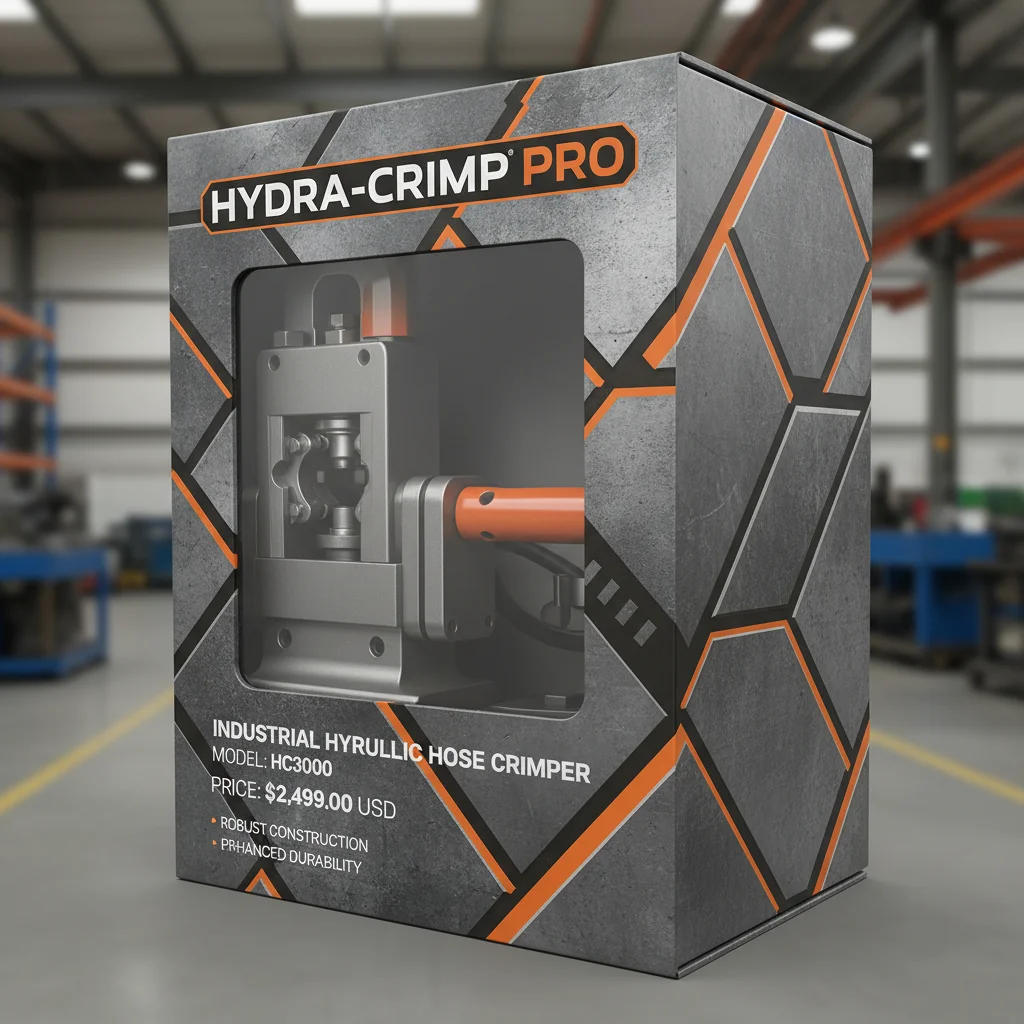
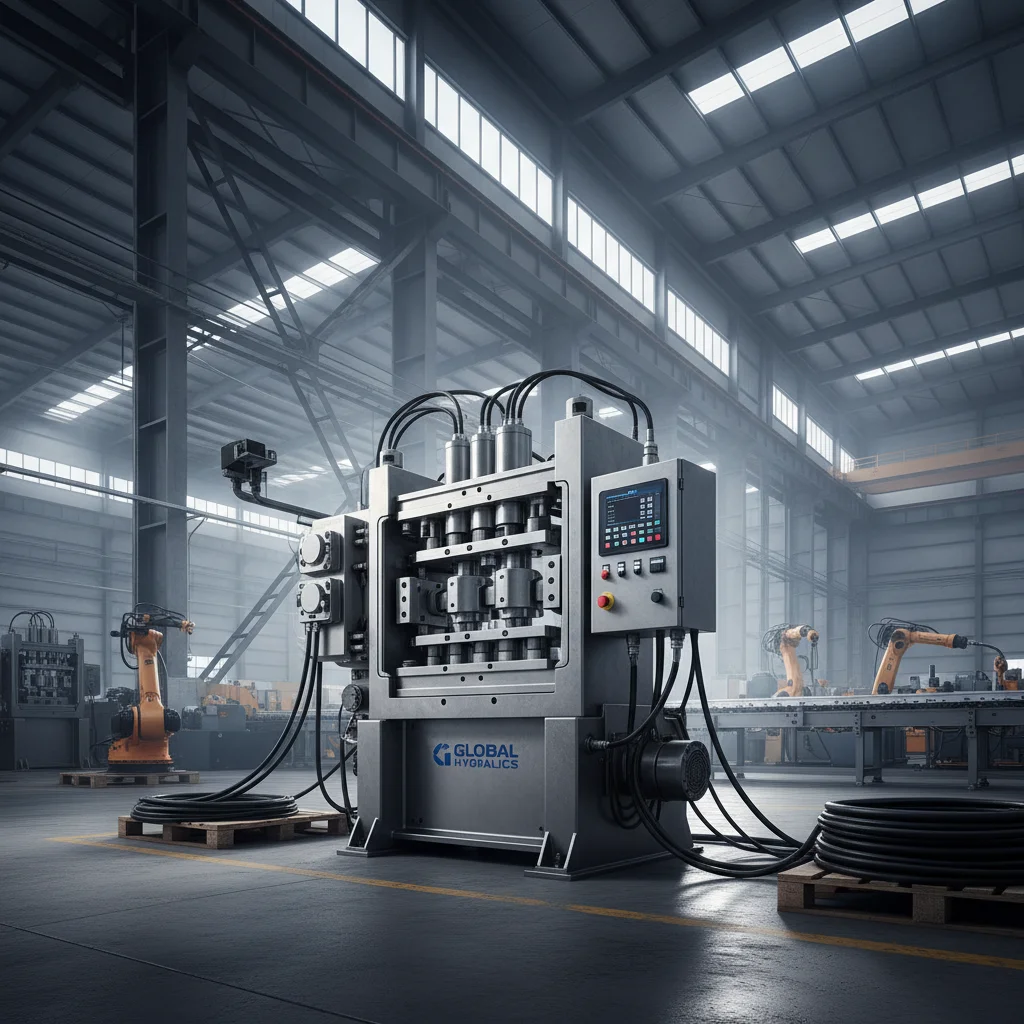
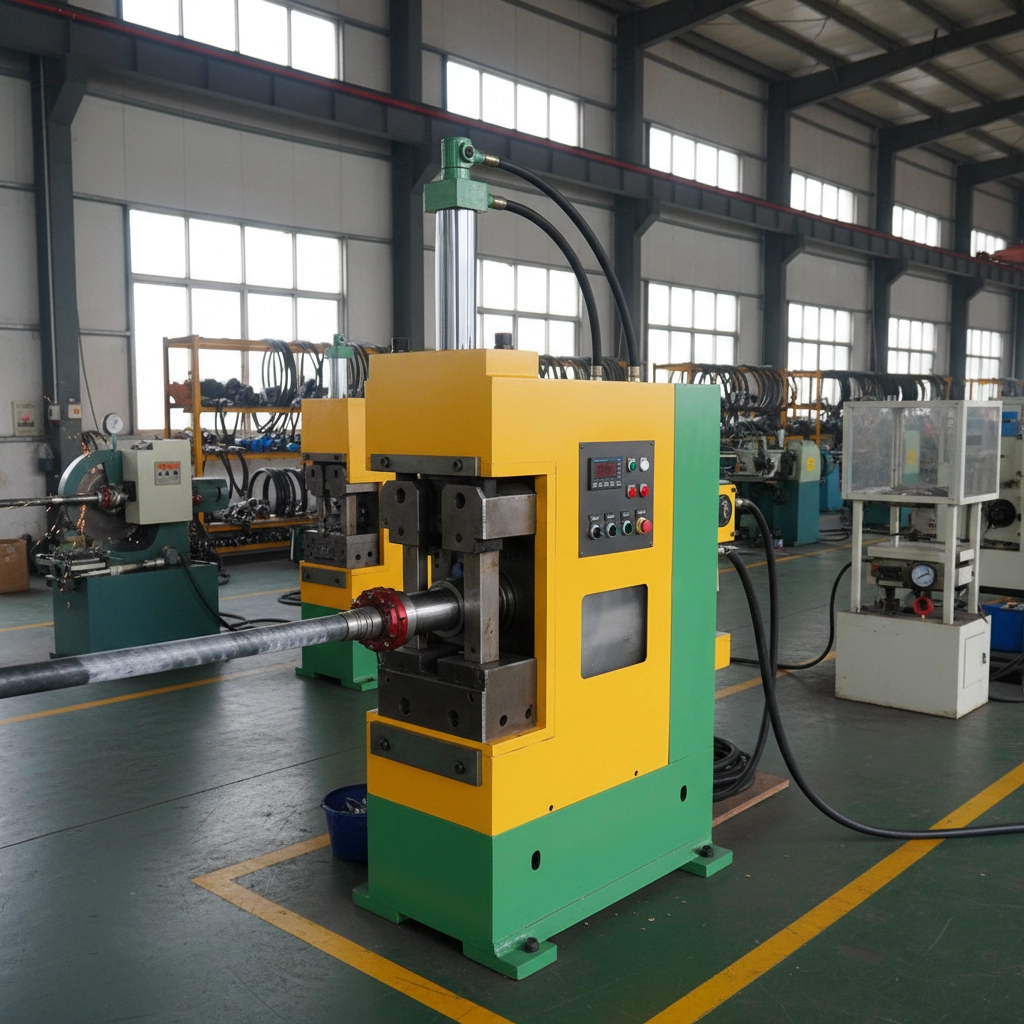
In the high-pressure world of industrial hydraulics, the integrity of a connection can be the difference between seamless operation and catastrophic failure. A professional hyd hose crimper is not merely a tool but a critical piece of precision engineering designed to fuse hoses and fittings with absolute security. By applying controlled mechanical force, these machines ensure that hydraulic fluids are contained even under extreme pressure spikes, maintaining the heartbeat of heavy machinery across the globe.
From the depths of mining operations to the precision of aerospace manufacturing, the reliance on high-quality crimping technology is universal. The global demand for specialized equipment in the metallurgical and electromechanical sectors has pushed the evolution of the hyd hose crimper toward greater automation and tighter tolerances. Understanding the nuances of this equipment allows operators to reduce downtime, enhance worker safety, and extend the lifecycle of hydraulic assemblies.
Whether you are managing a large-scale production facility or a mobile repair service, choosing the right crimping solution involves balancing power, precision, and versatility. This guide explores the comprehensive landscape of hydraulic crimping, detailing how the right machinery transforms raw components into reliable, industrial-grade conduits that power the modern world.

Global Industry Relevance of Hyd Hose Crimpers
The global industrial landscape is heavily dependent on fluid power systems, with the hydraulic market expanding rapidly across Asia and North America. According to ISO standards for hydraulic fluid power, the quality of the termination—the point where the hose meets the fitting—is the most frequent point of failure. Consequently, the hyd hose crimper has become an indispensable asset in maintaining infrastructure, from urban construction cranes to remote mining excavators.
The challenge lies in the diversity of hose materials and pressure requirements. A failure in a high-pressure line can lead to environmental contamination or severe workplace injuries. By utilizing precision-engineered crimping machines, industries can ensure that every assembly meets the rigorous safety thresholds required for 21st-century industrial operations, effectively minimizing the risks associated with hydraulic leaks.
Technical Definition and Industrial Purpose
In simple technical terms, a hyd hose crimper is a specialized hydraulic press designed to permanently deform a metal fitting (ferrule) around a reinforced hose. This process creates a mechanical bond that prevents the hose from being pulled out of the fitting, even when subjected to extreme internal pressure and external vibration. It is the critical bridge between a flexible conduit and a rigid mechanical system.
Beyond simple assembly, these machines serve a vital role in humanitarian and emergency response contexts. In post-disaster relief, where heavy machinery is deployed to clear debris or pump water, the ability to quickly fabricate a custom hydraulic hose on-site can save lives. The mobility of modern crimpers allows for "field-assembly," ensuring that critical infrastructure is restored without waiting for factory-made parts.
Modern crimping technology has evolved from manual levers to sophisticated CNC-controlled systems. This evolution ensures that the "crimp diameter"—the final measurement of the compressed fitting—is accurate to within microns. This precision is essential for maintaining the structural integrity of the hose reinforcement layers, preventing the "over-crimping" that can lead to premature hose failure.
Core Components for Maximum Durability
The longevity of a hyd hose crimper depends heavily on its structural rigidity. The main frame must be constructed from high-grade alloy steel to resist deformation under thousands of pounds of pressure. If the frame flexes, the crimp becomes uneven, leading to potential leaks and safety hazards in the field.
At the heart of the operation is the die set. Precision-machined dies are the contact points that shape the ferrule. A high-quality hyd hose crimper utilizes hardened tool steel for its dies to prevent wear and tear over thousands of cycles, ensuring that the 1,000th crimp is as accurate as the first.
Finally, the hydraulic pumping system—whether electric or manual—must provide a consistent and smooth application of force. Advanced models incorporate pressure sensors and automatic stop mechanisms that trigger once the target crimp diameter is achieved, removing human error from the equation and guaranteeing consistency across different operators.
Performance Metrics and Efficiency Analysis
When evaluating a hyd hose crimper, professional engineers look at three primary metrics: cycle time, crimp accuracy, and versatility. Cycle time determines how many assemblies can be produced per hour, while accuracy ensures the safety of the final product. Versatility, often defined by the range of available die sets, allows a single machine to handle everything from small-bore instrument lines to massive industrial hoses.
To better understand how different crimping methodologies compare, we analyze the efficiency ratings based on industrial throughput and reliability. While manual systems are cost-effective for low-volume repairs, automated systems offer an unparalleled leap in precision and speed, making them the standard for pre-assembly plants.
Efficiency Rating by Hyd Hose Crimper Technology
Global Applications in Heavy Industry
The practical application of a hyd hose crimper spans across diverse geographical and industrial zones. In the mining sectors of Australia and Canada, these machines are used to build heavy-duty lines for haul trucks and loaders, where hoses must withstand abrasive dust and extreme temperature fluctuations. Without the ability to create precise crimps on-site, a single burst hose could halt production for an entire mine.
Similarly, in the maritime industry, specifically within shipyards in East Asia, crimpers are used to assemble steering and propulsion hydraulics. These assemblies are subjected to constant saltwater corrosion and intense vibration; therefore, the crimp must be flawless to prevent leaks that could compromise the vessel's stability. The integration of hyd hose crimper technology ensures that maritime fleets remain operational and safe across global trade routes.
Long-Term Value and Safety Advantages
Investing in a high-tier hyd hose crimper offers tangible economic benefits through the reduction of waste and maintenance costs. Poorly crimped hoses fail prematurely, leading to expensive equipment downtime and the cost of replacing fluid. By ensuring a "first-time-right" assembly, companies can significantly lower their operational expenditure and increase the reliability of their machinery.
Beyond the balance sheet, the primary value is human safety. A hydraulic pinhole leak can create a "fluid injection injury," where high-pressure oil is forced under the skin, often leading to amputation if not treated immediately. A precision hyd hose crimper eliminates these risks by guaranteeing that the fitting will not slip under pressure, providing peace of mind to operators and technicians alike.
Furthermore, the use of standardized crimping equipment fosters innovation. As industries move toward biodegradable hydraulic fluids and high-strength synthetic hoses, the ability to calibrate crimping machines to these new materials allows companies to stay at the forefront of sustainable industrial practices without sacrificing performance.
Future Innovations in Crimping Technology
The future of the hyd hose crimper is inextricably linked to the digital transformation of manufacturing (Industry 4.0). We are seeing the rise of "Smart Crimpers" equipped with IoT sensors that track the number of cycles, monitor die wear, and automatically upload crimp data to a cloud-based quality control system. This ensures full traceability for every hose produced, which is critical for aerospace and medical applications.
Sustainability is also driving innovation. New energy-efficient hydraulic pumps are replacing older, power-hungry motors, reducing the carbon footprint of the assembly process. Additionally, the development of modular die systems allows a single hyd hose crimper to adapt to a wider range of hose diameters without needing entirely new hardware, reducing material waste in the manufacturing process.
As automation continues to evolve, we expect to see fully robotic crimping cells where AI determines the optimal crimp diameter based on the real-time thickness of the hose wall. This will eliminate the need for manual measurement and further enhance the safety and consistency of hydraulic assemblies worldwide.
Comparison of Hyd Hose Crimper Specifications Across Industrial Tiers
|
Equipment Tier
|
Crimping Precision
|
Typical Application
|
Reliability Score (1-10)
|
|
Entry-Level Manual
|
± 0.5mm
|
Light-duty agricultural repairs
|
6
|
|
Professional Electric
|
± 0.1mm
|
Workshop hose fabrication
|
8
|
|
CNC-Controlled
|
± 0.02mm
|
High-volume industrial OEM
|
10
|
|
Mobile Field Unit
|
± 0.2mm
|
On-site mining/construction
|
7
|
|
Heavy Duty Pneumatic
|
± 0.15mm
|
Medium-scale factory lines
|
8
|
|
Custom Special-Purpose
|
± 0.05mm
|
Aerospace/Deep-sea systems
|
9
|
FAQS
Choosing the correct die depends on the hose outer diameter (OD) and the specific ferrule being used. You must refer to the manufacturer's crimp chart, which lists the required final crimp diameter for each hose/fitting combination. Using the wrong die can either lead to a loose fitting that leaks or an over-crimped hose that loses its structural integrity.
Manual crimpers are portable and cost-effective, ideal for low-volume emergency repairs. Electric-hydraulic crimpers provide consistent pressure with a push of a button, reducing operator fatigue and increasing precision. For industrial production, electric models are preferred because they ensure every joint is crimped to the exact same specification, reducing the risk of human error.
While these machines are optimized for hydraulic hoses, they can be used for other high-pressure fluid conduits or reinforced tubing, provided you have the corresponding die sets. However, it is not recommended for electrical cables or thin-walled tubing, as the immense force of a hydraulic press could crush the internal components of non-reinforced materials.
In a professional industrial setting, we recommend calibration every 6 to 12 months, or after any major component replacement (such as the pump or main piston). Regular calibration using a digital caliper to verify the final crimp diameter ensures that your assemblies continue to meet ISO and SAE safety standards, preventing catastrophic failures in the field.
The most common sign is "slippage" or inconsistent crimp diameters across different hoses of the same type. If you notice visible pitting, cracks, or rounded edges on the die surface, the die is likely worn. Worn dies cannot apply pressure evenly, which often results in "oval" crimps that are prone to leaking under high-pressure spikes.
Yes, over-crimping occurs when the ferrule is compressed beyond the recommended diameter. This can crush the internal reinforcement wires or damage the inner tube of the hose, creating a weak point that may burst under pressure. This is why using a high-precision hyd hose crimper with an automatic stop or digital gauge is critical.
Conclusion
The hyd hose crimper stands as a cornerstone of modern industrial maintenance and manufacturing. By bridging the gap between raw materials and high-performance hydraulic assemblies, these machines ensure that the heavy equipment powering our world remains safe, efficient, and reliable. From the critical importance of frame rigidity and die precision to the integration of Industry 4.0 smart technologies, the evolution of crimping reflects the broader drive toward industrial excellence and safety.
As we look toward a future of sustainable energy and automated infrastructure, the demand for precision-engineered fluid power connections will only grow. For businesses looking to optimize their production lines or enhance their field service capabilities, investing in high-quality crimping technology is not just a purchase—it is a commitment to safety and operational longevity. To explore our full range of professional crimping solutions and find the perfect match for your industrial needs, visit our website: www.willexcrimper.com.