In the demanding world of industrial fluid power, the reliability of a connection is the only thing standing between seamless operation and catastrophic system failure. A high-performance hose crimper hydraulic system is not merely a piece of workshop equipment; it is the critical safeguard that ensures hydraulic hoses can withstand extreme pressures without leaking or blowing off. By applying precise mechanical force to secure fittings onto hoses, these machines create a permanent, leak-proof bond essential for everything from heavy construction machinery to aerospace systems.
Across the globe, the shift toward higher operating pressures in hydraulic systems has made the precision of the crimping process more vital than ever. Whether it is in the mining sectors of Australia or the automotive assembly lines of Germany, the ability to produce consistent, ISO-compliant crimps is a hallmark of operational excellence. Failure to achieve the correct crimp diameter can lead to premature hose failure, resulting in expensive downtime and significant safety risks for operators on the ground.
Understanding the nuances of a hose crimper hydraulic allows businesses to optimize their maintenance cycles and reduce waste. By investing in the right technology—ranging from manual systems to fully automated CNC crimpers—companies can ensure that every fitting is secured with mathematical precision. This guide explores the technical depth, global applications, and future innovations of hydraulic crimping technology to help you make an informed decision for your facility.
The Global Industrial Significance of Hose Crimper Hydraulic
The global reliance on hydraulic power is underscored by the sheer volume of machinery operating in the infrastructure and mining sectors. According to international industrial standards, the integrity of a hydraulic circuit is only as strong as its weakest connection. The hose crimper hydraulic addresses the critical challenge of "fitting blow-off," a dangerous phenomenon where the hose separates from the coupling under pressure. By standardizing the deformation of the fitting, these machines ensure that the grip on the hose is uniform and permanent.
From an economic perspective, the efficiency of hydraulic assembly directly impacts the Total Cost of Ownership (TCO) for heavy equipment. In regions like North America and East Asia, where industrial automation is peaking, the integration of high-precision crimping equipment has reduced assembly errors by nearly 30%. This transition from manual guesswork to calibrated hydraulic force has not only improved safety but has also allowed for the use of thinner, more flexible hoses that can still handle immense pressures.
Defining the Mechanics of Hydraulic Crimping
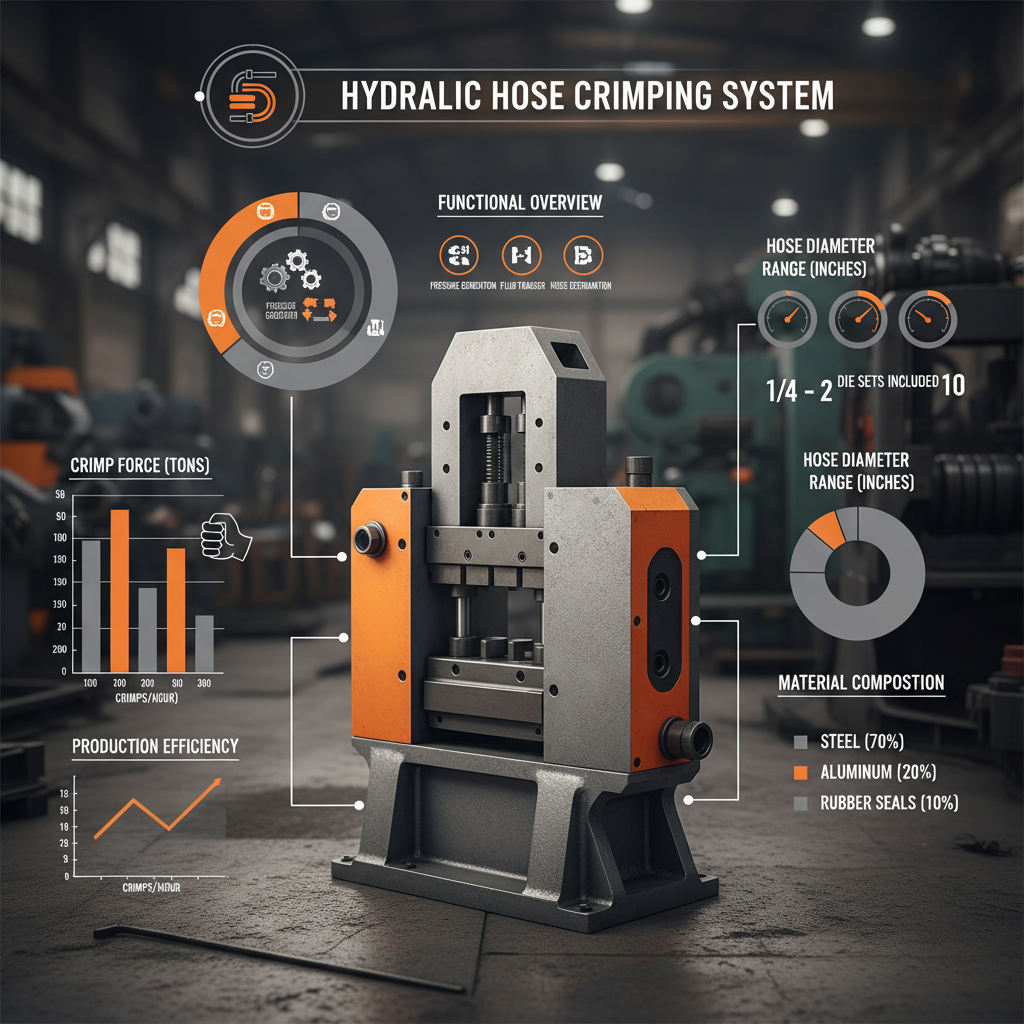
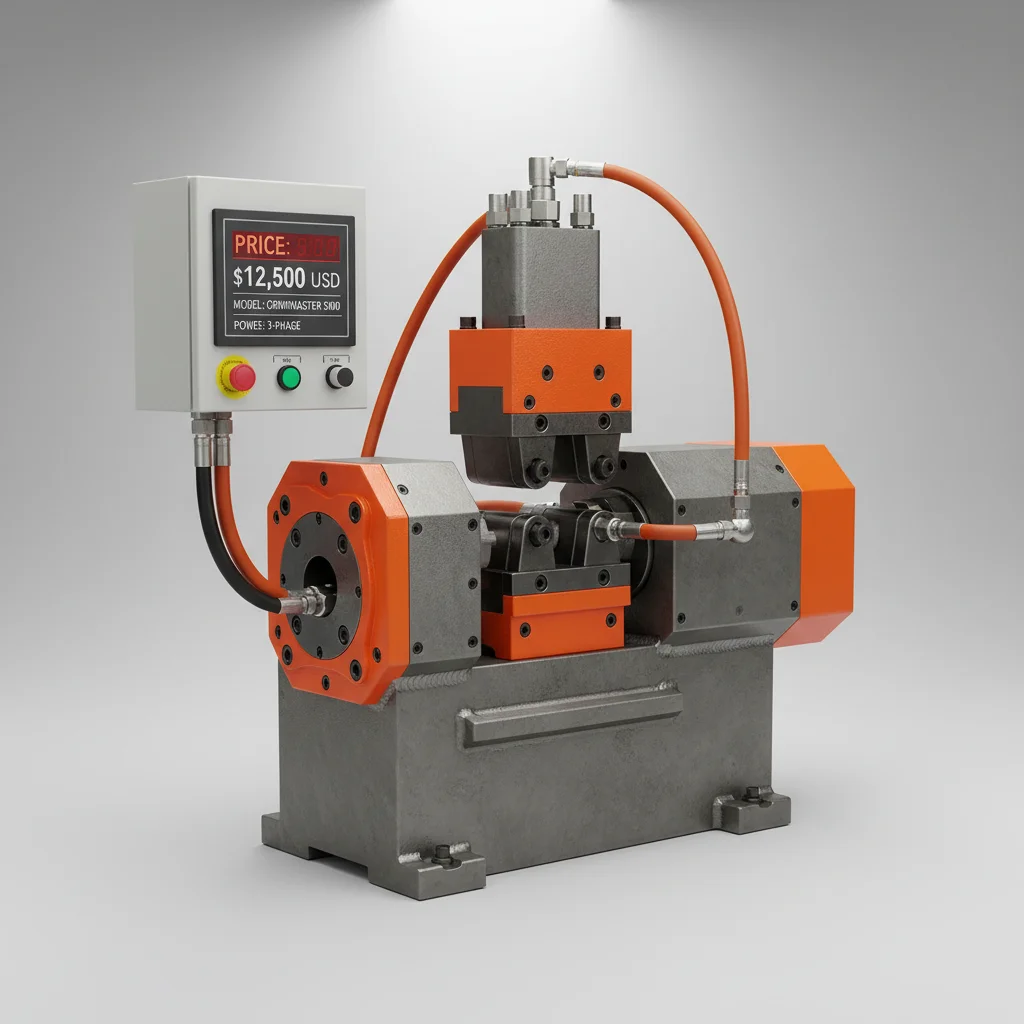
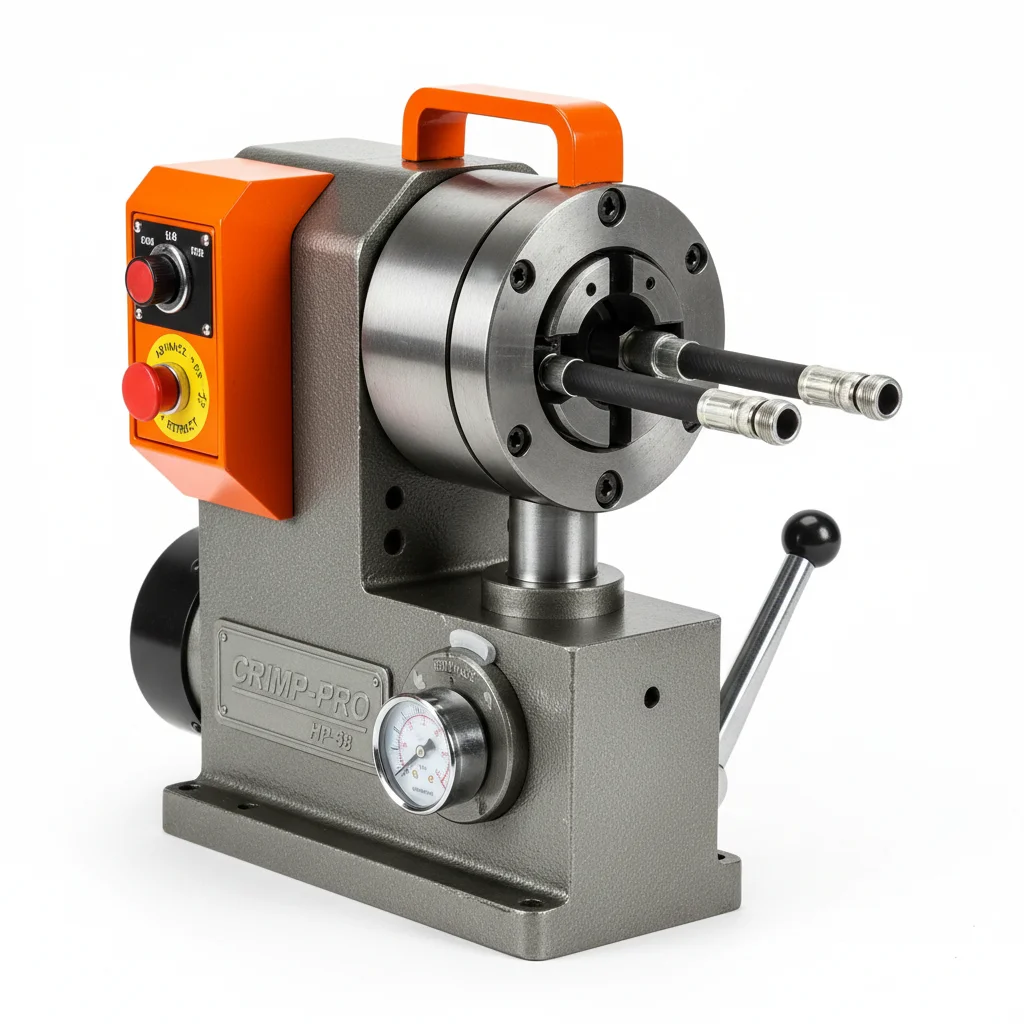
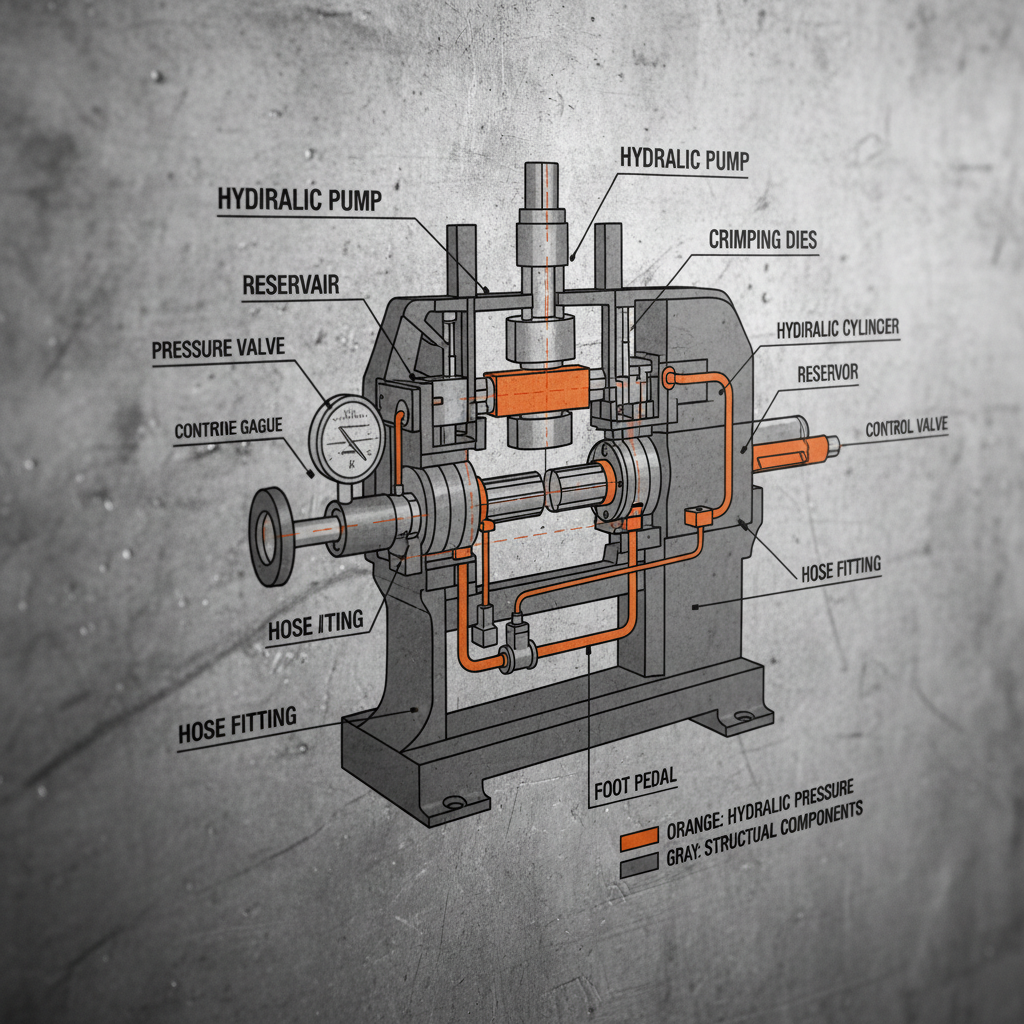
At its core, a hose crimper hydraulic is a specialized press designed to compress a metal fitting onto a reinforced rubber or thermoplastic hose. Unlike simple clamping, crimping involves a controlled deformation of the fitting's outer shell, forcing it to bite into the hose's outer cover and grip the internal wire reinforcement. This creates a mechanical interlock that prevents the hose from sliding out, even when internal pressures reach thousands of PSI.
Modern crimping technology relies on the principle of Pascal's Law, using hydraulic fluid to multiply force and deliver it evenly across the circumference of the fitting. This radial compression is critical; any unevenness in the crimp can create a stress point, leading to a leak or a burst. The process is typically governed by a specific "crimp diameter," which is the final outer measurement of the fitting after the press has completed its cycle.
In the context of humanitarian and emergency infrastructure, such as rapid-deployment water systems or disaster relief machinery, the ability to crimp hoses on-site is a game-changer. Portable hydraulic crimpers allow technicians to repair critical fluid lines in remote areas, ensuring that life-saving equipment remains operational without waiting for factory-made assemblies to be shipped from central hubs.
Core Components and Engineering Factors
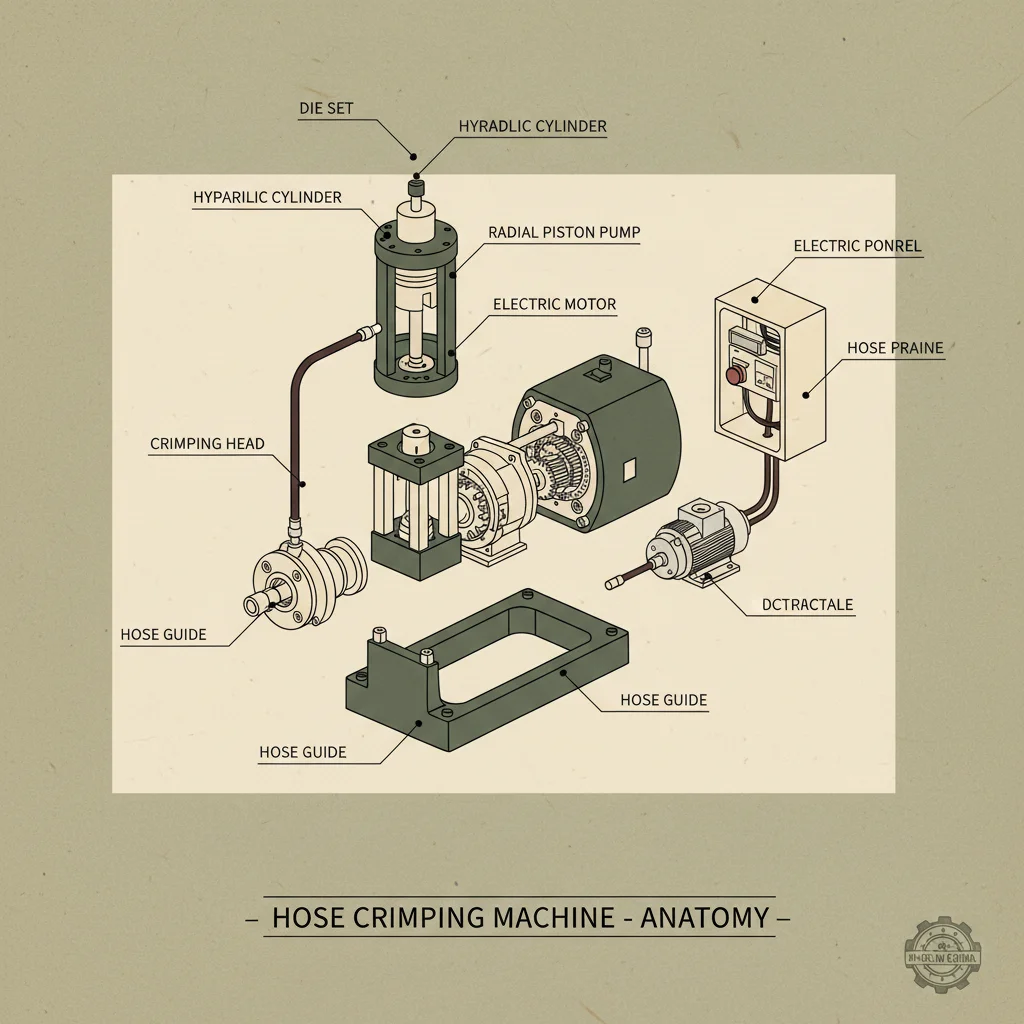
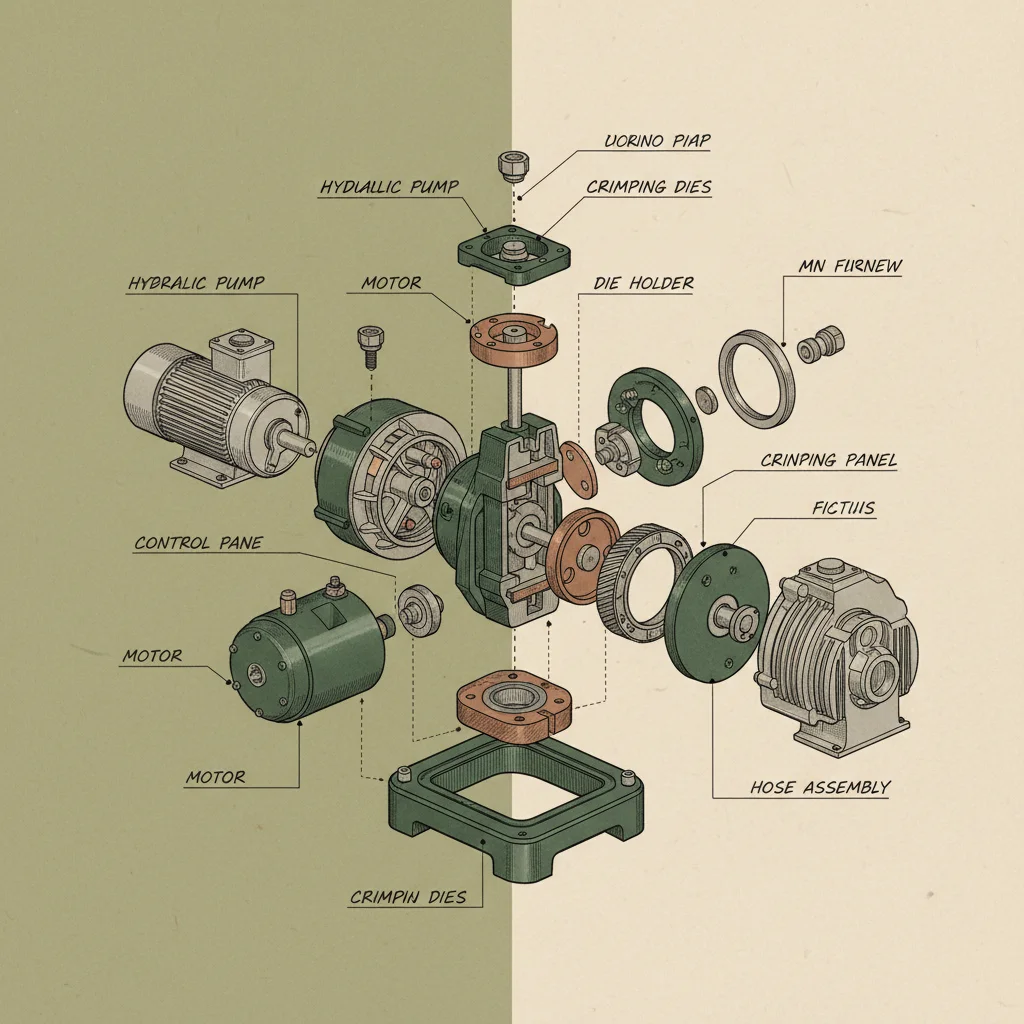
The durability of a hose crimper hydraulic depends heavily on the quality of its die sets. These high-carbon steel rings are the direct interface between the machine and the fitting; they must be precisely machined to avoid scratching the fitting surface while providing enough force to deform the metal. A comprehensive range of dies allows a single machine to handle various hose sizes and types, from small-bore instrumentation lines to massive industrial discharge hoses.
Scalability and precision are managed through the hydraulic control system. High-end machines utilize digital pressure transducers and linear encoders to monitor the exact position of the crimping head. This ensures that the hose crimper hydraulic stops exactly at the pre-set diameter, regardless of slight variations in the hose wall thickness, thereby maintaining a strict tolerance level that meets ISO and SAE standards.
Cost efficiency is realized through the minimization of material waste. By using a calibrated hose crimper hydraulic, operators avoid the "trial and error" approach of over-crimping or under-crimping. Over-crimping can crush the internal reinforcement of the hose, while under-crimping leads to failure. Precision engineering ensures the first crimp is the correct crimp, saving both time and expensive raw materials.
Performance Metrics and Efficiency Analysis
When evaluating the efficacy of a hose crimper hydraulic, we look at key performance indicators (KPIs) such as cycle time, pressure stability, and repeatability. A machine that can maintain a 0.1mm tolerance across a thousand cycles is vastly superior to one that drifts as the hydraulic oil heats up. This consistency is what separates professional-grade equipment from entry-level tools.
Comparing different crimping methodologies reveals that automated CNC systems offer the highest reliability, although they require a higher initial investment. Manual hydraulic systems are excellent for low-volume, mobile repairs, but they lack the data-logging capabilities required for aerospace or medical-grade hydraulic assemblies where every single joint must be documented.
Performance Comparison of Hose Crimper Hydraulic Systems
Global Applications Across Heavy Industries
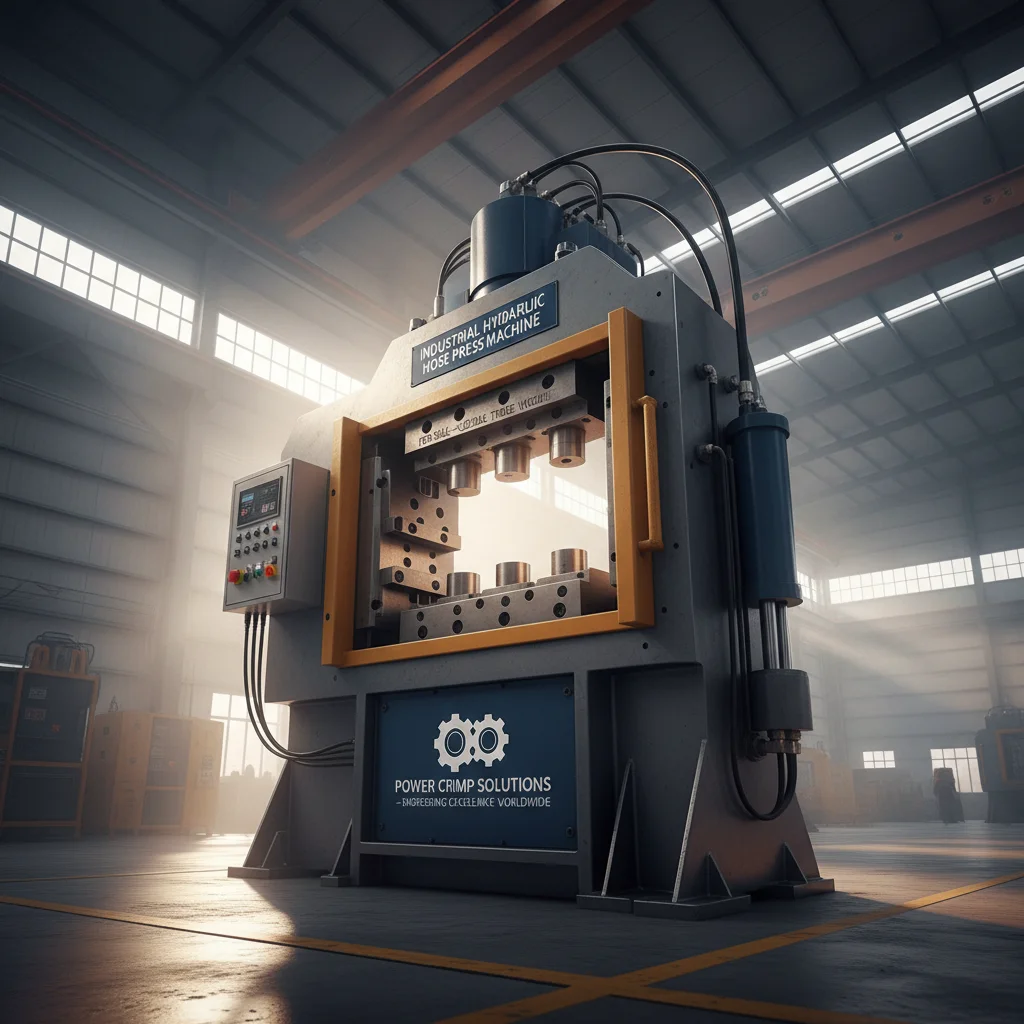
The application of a hose crimper hydraulic spans virtually every sector that utilizes fluid power. In the mining industry, where massive excavators and haul trucks operate in the harshest environments on Earth, hydraulic hoses are subjected to extreme abrasion and pressure spikes. On-site crimping stations allow mines to replace damaged lines in hours rather than days, preventing millions of dollars in lost production.
Similarly, in the maritime and offshore oil sector, the corrosive nature of saltwater demands that every crimp be absolute. A failure in a deep-sea drilling rig's hydraulic system can lead to environmental disasters. Therefore, these industries employ high-tonnage hose crimper hydraulic machines that are tested against rigorous safety certifications to ensure that the bond between the hose and fitting is practically indestructible.
Long-Term Value and Safety Reliability
Investing in a premium hose crimper hydraulic provides value that extends far beyond the initial purchase price. The primary driver is safety. A properly crimped hose eliminates the risk of "projectile failure," where a fitting ejects under pressure, potentially causing fatal injuries. By providing a predictable and repeatable result, these machines instill confidence in the safety of the entire hydraulic circuit.
From a sustainability standpoint, the precision of modern crimpers reduces the frequency of hose replacements. When fittings are applied correctly, the hose is not stressed at the neck, extending its operational lifespan. This reduces the amount of rubber and steel waste entering landfills, aligning industrial operations with global "green" manufacturing initiatives.
Furthermore, the ability to maintain in-house crimping capabilities allows companies to move toward a "Just-in-Time" (JIT) maintenance model. Instead of stocking hundreds of pre-assembled hoses of different lengths—many of which may never be used—firms can stock raw hose and fittings, using their hose crimper hydraulic to create the exact length needed on demand.
Future Trends in Automated Crimping Technology
The future of the hose crimper hydraulic is inextricably linked to Industry 4.0. We are seeing the emergence of "Smart Crimpers" equipped with IoT sensors that upload every crimp's data—pressure, diameter, and time—to a cloud-based server. This allows for total traceability, which is becoming a mandatory requirement in the aerospace and defense industries for quality auditing.
Automation is also evolving toward fully autonomous cells. Robotic arms are now being integrated with hose crimper hydraulic units, where the robot handles the loading and unloading of hoses, and the machine automatically selects the correct die based on a barcode scan of the fitting. This eliminates human error and drastically increases throughput in high-volume production environments.
Lastly, there is a significant push toward hybrid energy systems. Future crimpers are likely to utilize energy-recovery hydraulics, where the energy from the return stroke of the piston is captured and reused, reducing the electricity consumption of the machine. This shift toward eco-friendly power ensures that high-pressure assembly remains sustainable in an era of strict carbon regulations.
Technical Comparison of Hose Crimper Hydraulic Configurations
| Configuration Type |
Pressure Capability |
Precision Level |
Ideal Application |
| Manual Hydraulic |
Low-Medium |
Moderate |
Field Repairs / Mobile |
| Semi-Auto Electric |
Medium-High |
High |
General Workshop |
| Full CNC Automated |
Ultra-High |
Ultra-High |
Aerospace / Mass Production |
| Pneumatic-Assist |
Medium |
Moderate |
Light Industrial |
| High-Tonnage Press |
Maximum |
High |
Mining / Heavy Marine |
| Portable Hand-Pump |
Low |
Basic |
Emergency Maintenance |
FAQS
The correct crimp diameter is typically provided by the hose and fitting manufacturer in a technical specification chart. It is based on the hose's outer diameter and the fitting's thickness. Using a calibrated hose crimper hydraulic allows you to set this exact measurement. Always verify with a digital caliper after the first crimp to ensure the machine is calibrated to the manufacturer's standards.
Yes, as long as you have the corresponding die sets. A professional hose crimper hydraulic is designed to be versatile. By swapping the dies, you can switch from crimping a 1/4" high-pressure line to a 2" industrial hose. However, ensure that the machine's maximum tonnage is sufficient for the hardness of the fitting material you are using.
Under-crimping creates a weak bond, which can lead to the fitting blowing off the hose under pressure, posing a severe safety risk. Over-crimping is equally dangerous as it can crush the internal wire reinforcement or distort the hose wall, creating a point of failure that leads to a burst. This is why using a precision hose crimper hydraulic with accurate stop-settings is non-negotiable.
For high-volume production or safety-critical applications (like aerospace), we recommend monthly calibration. For general workshop use, a quarterly check is usually sufficient. Calibration involves testing known samples and measuring the resulting diameter to ensure the hose crimper hydraulic is operating within its specified tolerance range.
It depends on your volume and risk tolerance. If you are assembling a few hoses a month for simple repairs, a manual hose crimper hydraulic is cost-effective. However, for businesses where downtime is expensive or safety audits are strict, the CNC version's repeatability, data logging, and speed offer a much higher ROI through reduced waste and eliminated errors.
Regular maintenance includes checking the hydraulic oil levels and quality, lubricating the moving slides and die-holding plates, and inspecting the dies for wear or cracks. Keeping the hose crimper hydraulic clean and free of metal shavings ensures that the compression remains uniform and the machine lasts for decades.
Conclusion
The hose crimper hydraulic stands as a cornerstone of modern industrial safety and efficiency. From the fundamental physics of radial compression to the cutting-edge integration of IoT and CNC automation, the goal remains the same: creating a flawless, leak-proof connection that can withstand the harshest conditions. By focusing on precision, utilizing the correct die sets, and adhering to global standards, operators can ensure maximum equipment uptime and an uncompromising level of safety.
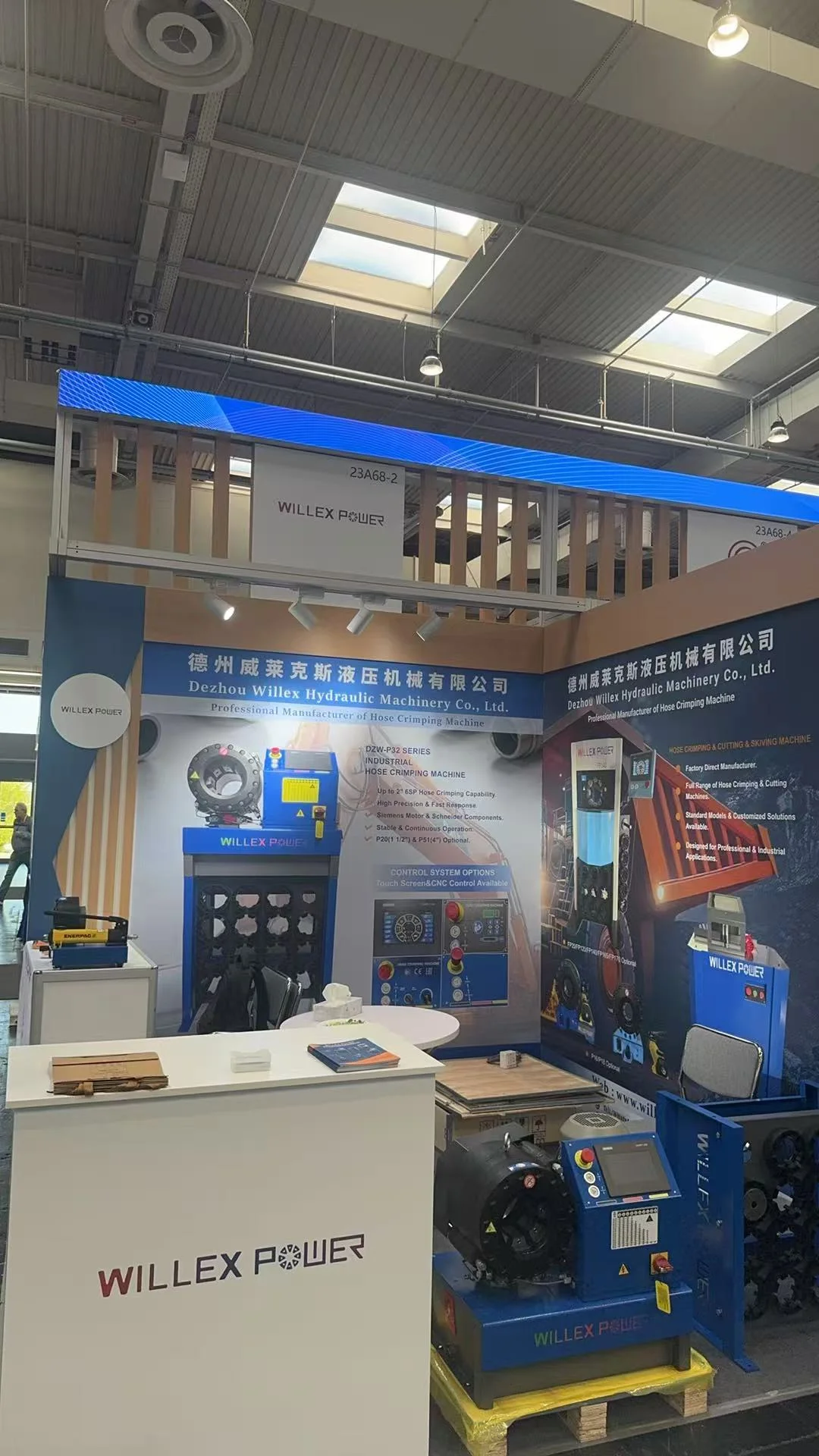
As we move toward a more automated and sustainable industrial future, the role of precision crimping will only grow in importance. Whether you are upgrading a small workshop or equipping a massive mining operation, investing in high-quality crimping technology is an investment in the reliability of your entire hydraulic infrastructure. We invite you to explore our range of professional solutions to find the perfect fit for your operational needs. Visit our website: www.willexcrimper.com