• Home
  • Top Blog
  • Advancements in Hydraulic Pipe Manufacturing Machine Technology and Global Impact

Advancements in Hydraulic Pipe Manufacturing Machine Technology and Global Impact

0%

Table of Contents

The global demand for robust and reliable infrastructure is ever-increasing, driving innovation in manufacturing processes. Central to many of these infrastructures is the need for durable, high-quality piping systems. A hydraulic pipe manufacturing machine addresses this demand directly, providing efficient and consistent production of pipes for diverse applications. Understanding the principles and advancements in this technology is crucial for engineers, project managers, and stakeholders across various industries.

Hydraulic pipe manufacturing plays a vital role in sectors ranging from oil and gas and water distribution to construction and agriculture. The ability to produce pipes quickly, reliably, and to precise specifications is critical for meeting project deadlines and ensuring long-term performance. As global populations grow and infrastructure ages, the need for efficient pipe manufacturing solutions will only intensify. This technology not only supports existing infrastructure but also enables the development of new and more sustainable solutions.

Investing in and understanding a hydraulic pipe manufacturing machine isn’t just about improving production efficiency; it's about bolstering infrastructure resilience, supporting economic growth, and contributing to a more sustainable future. The increasing sophistication of these machines, coupled with advancements in materials and automation, is shaping the future of pipe manufacturing worldwide.
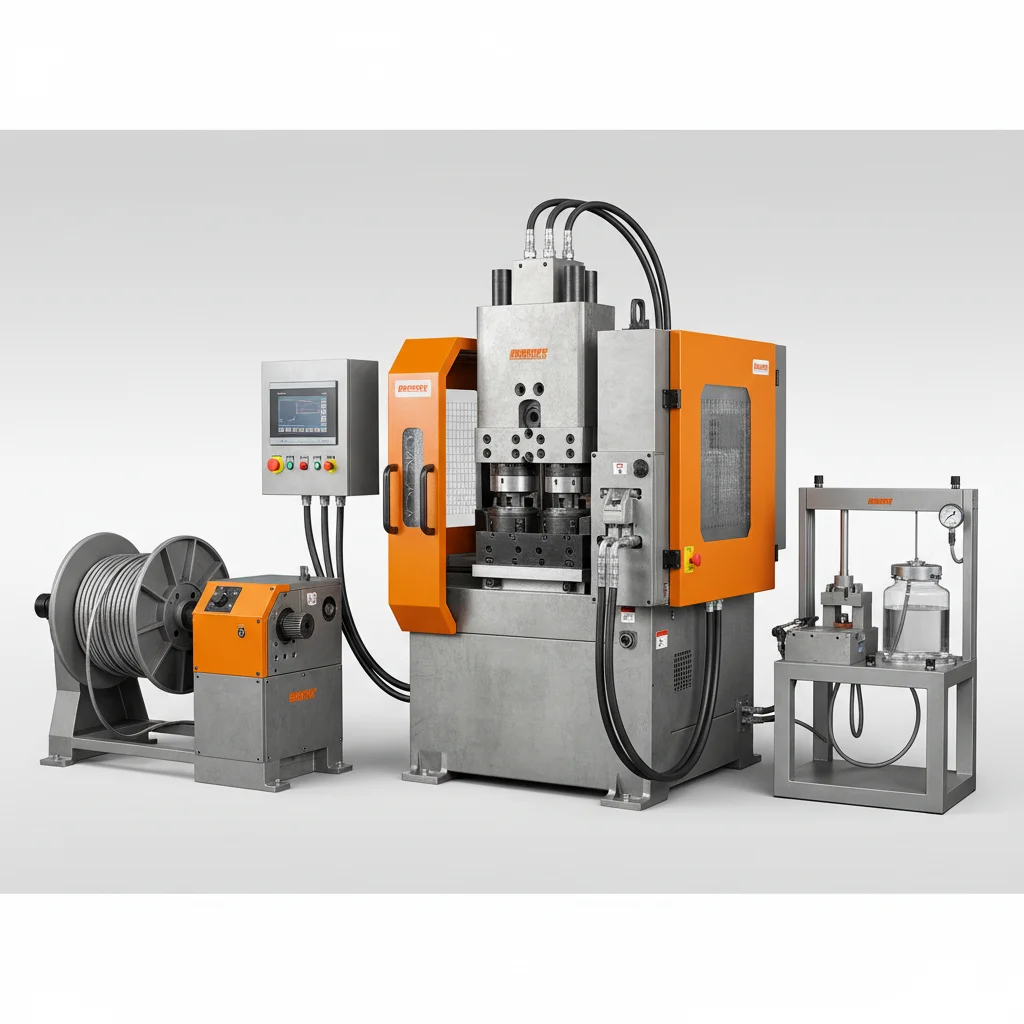
hydraulic pipe manufacturing machine

The Global Significance of Hydraulic Pipe Manufacturing Machine
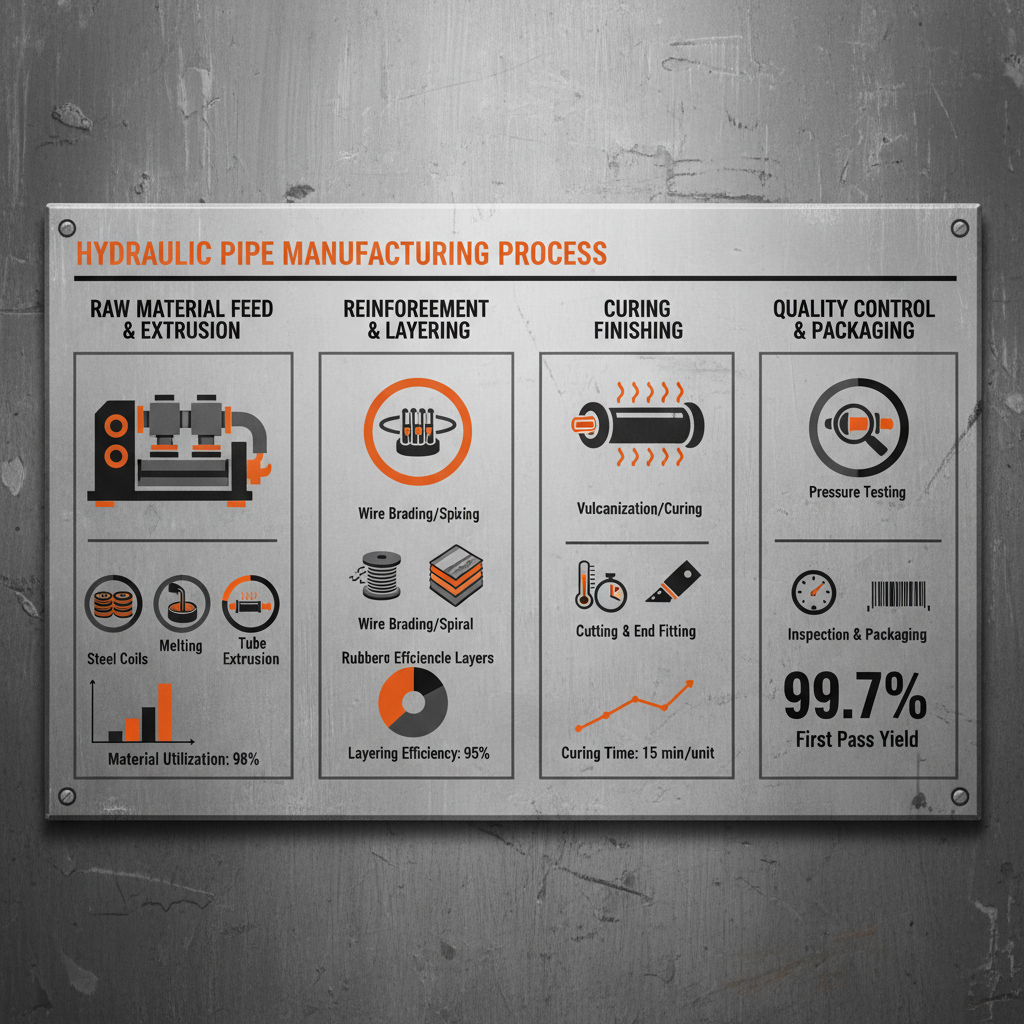
hydraulic pipe manufacturing machine

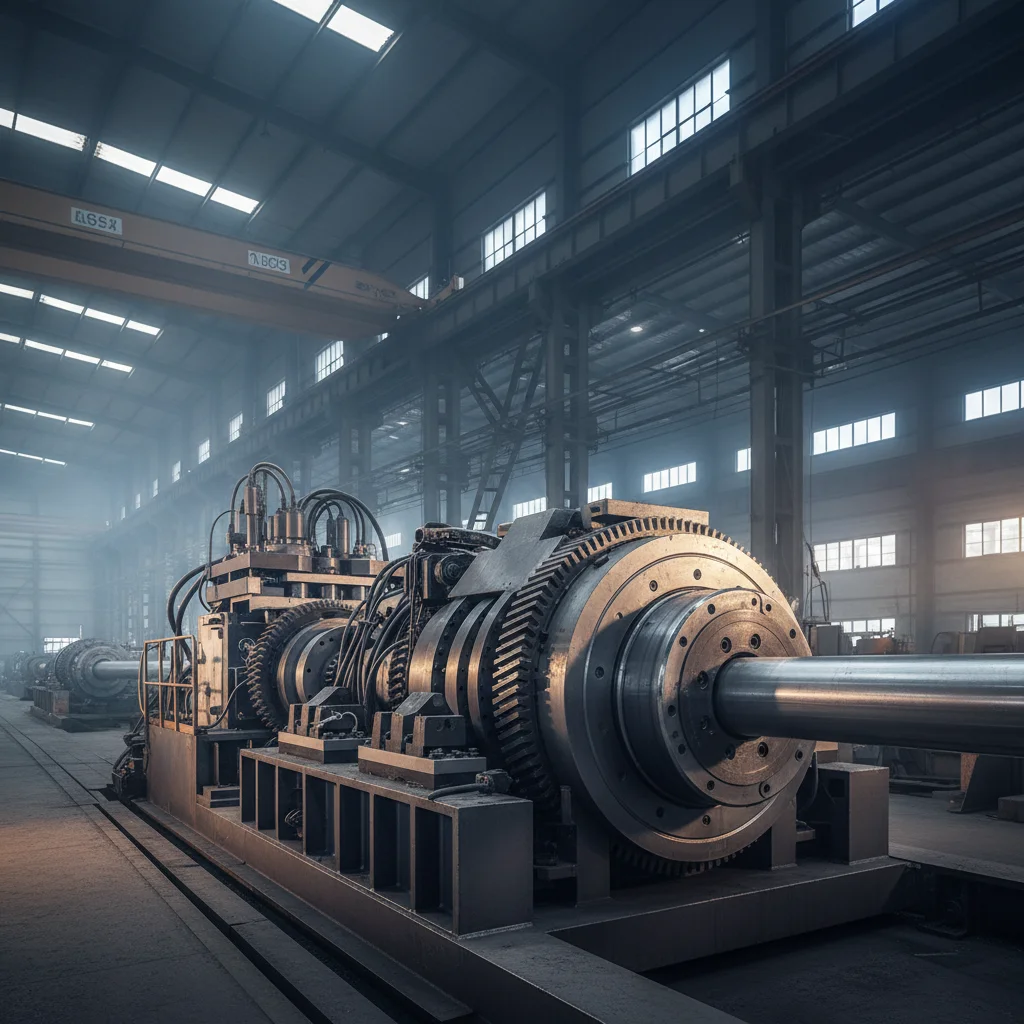
Globally, the demand for robust piping infrastructure is surging. The United Nations estimates that trillions of dollars in infrastructure investment are needed to meet the needs of a growing population and address aging systems. A hydraulic pipe manufacturing machine is pivotal in meeting this demand by providing the capacity to produce high-quality pipes efficiently and cost-effectively.

Statistics from the World Bank show a direct correlation between infrastructure development and economic growth. Efficient pipe manufacturing is therefore not just about building pipes; it's about enabling economic prosperity. The increasing focus on sustainable infrastructure projects further emphasizes the need for durable and environmentally responsible piping solutions produced by advanced machines.

Defining Hydraulic Pipe Manufacturing Machine

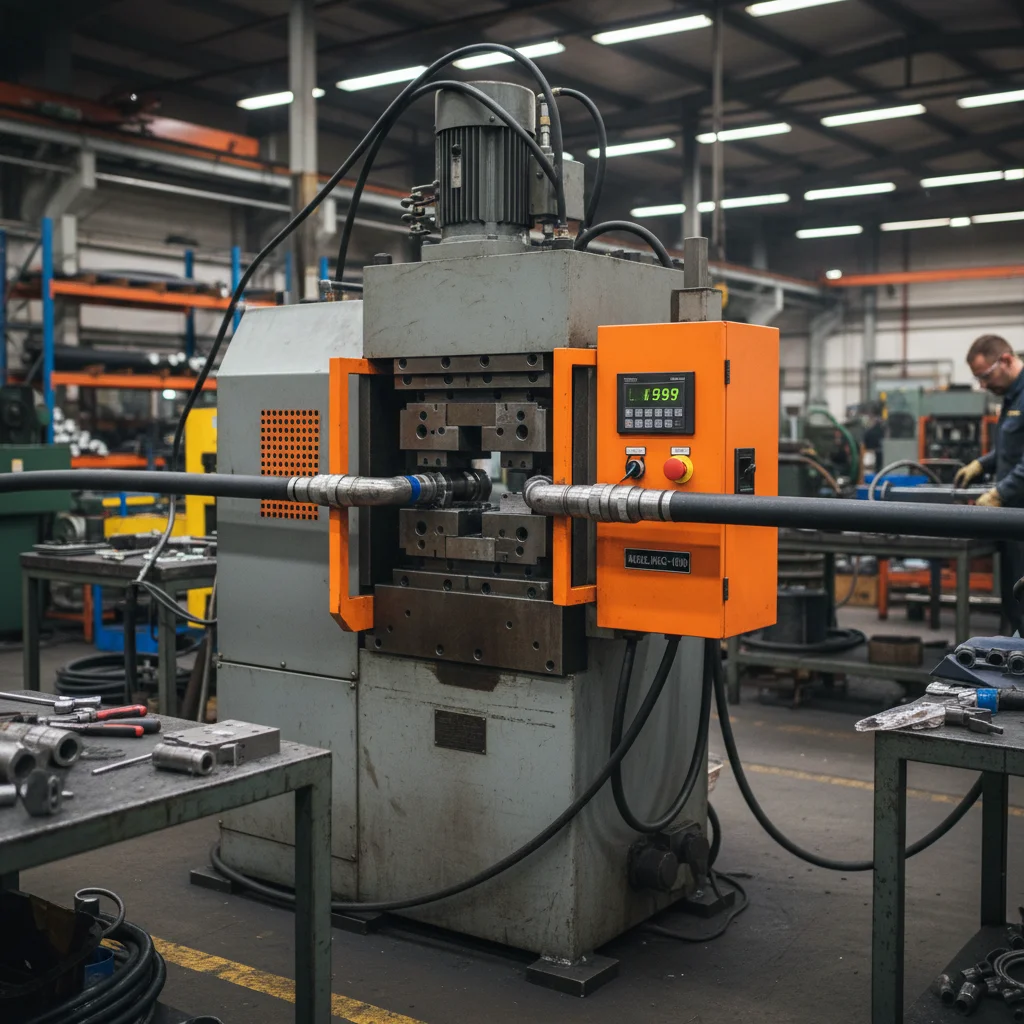
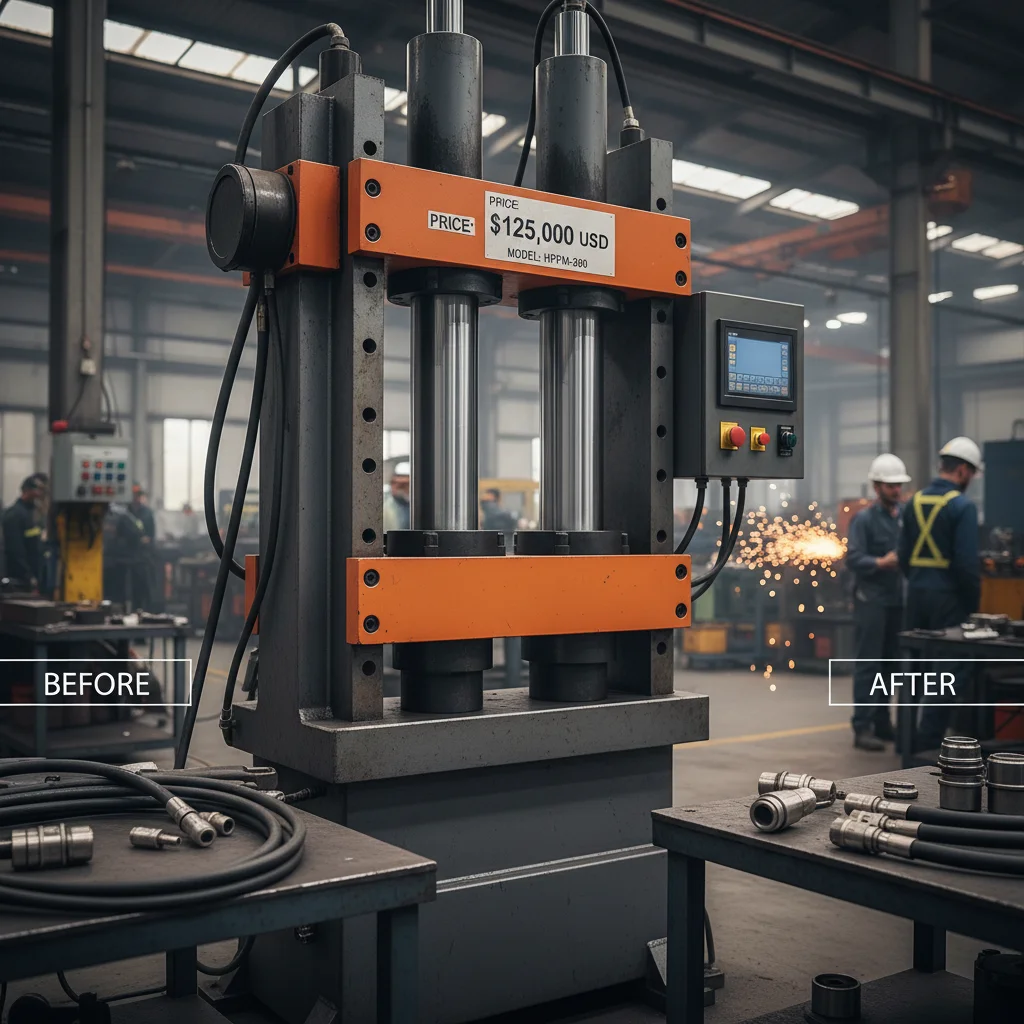
A hydraulic pipe manufacturing machine is a sophisticated piece of equipment designed to form metal sheets into cylindrical pipes using hydraulic power. The process typically involves clamping, forming, welding (in some cases), and cutting. Unlike traditional pipe manufacturing methods, these machines offer greater precision, faster production speeds, and the ability to handle a wider range of materials and pipe diameters.

This technology is fundamental to modern industry, supporting critical infrastructure projects in water supply, oil and gas, construction, and various other sectors. The resulting pipes are essential for transporting fluids, gases, and other materials safely and efficiently. It plays a vital role in humanitarian efforts, providing access to clean water in developing countries and supporting disaster relief operations.

The precision afforded by hydraulic pipe manufacturing machine also extends to specialized applications, like producing pipes for the automotive industry, aerospace components, and high-pressure systems requiring exacting standards. The versatility and reliability of these machines make them indispensable in a wide spectrum of industrial settings.

Core Components and Operational Factors

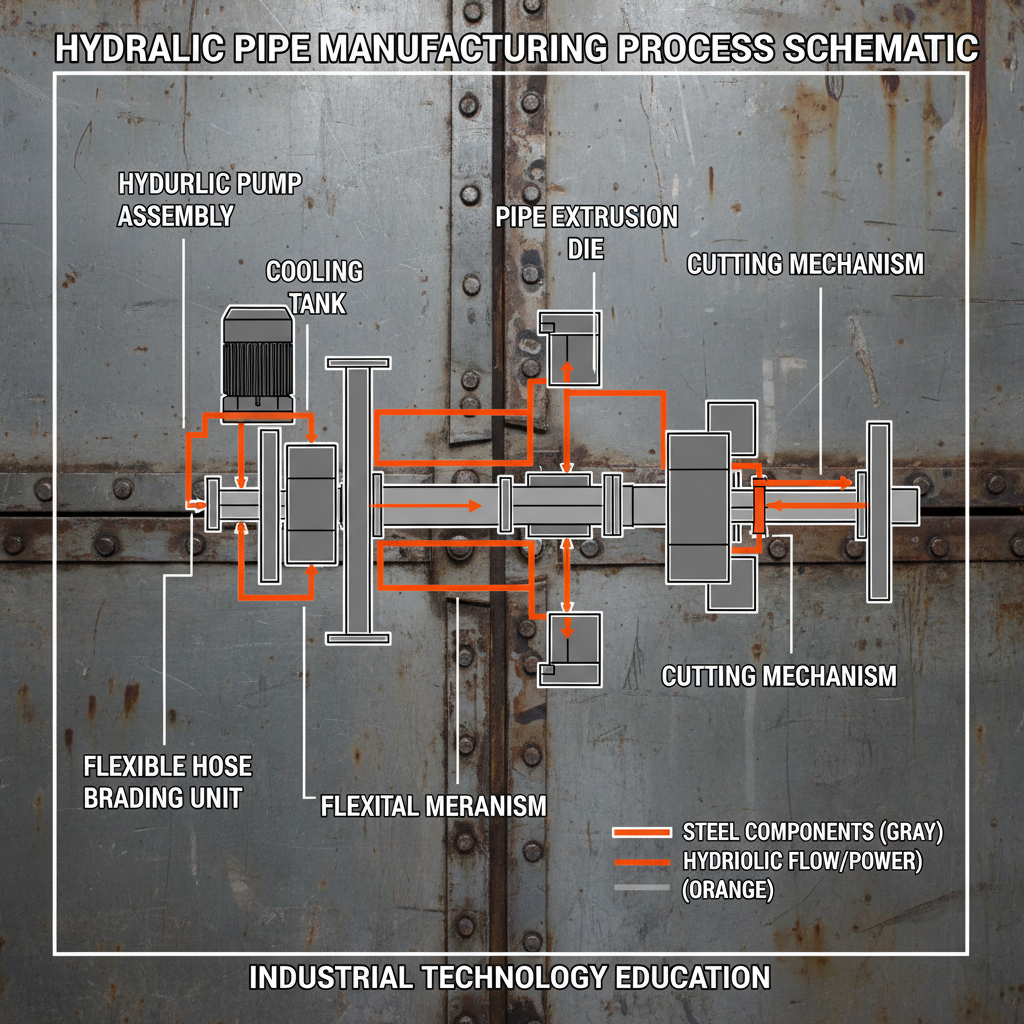
Several key components contribute to the performance of a hydraulic pipe manufacturing machine. These include the hydraulic power unit, which provides the necessary force; the forming dies, which shape the metal; the welding system (if applicable); and the control system, which manages the entire process. The quality of these components, alongside the precision of the design, directly influences the quality and consistency of the produced pipes.

Operational factors also play a crucial role. These include the material being used (steel, stainless steel, aluminum, etc.), the pipe diameter and wall thickness, and the speed of the production process. Optimizing these factors is essential for achieving desired pipe characteristics and minimizing waste. Skilled operators and regular maintenance are equally important for ensuring efficient and reliable operation.

The efficiency of a hydraulic pipe manufacturing machine is heavily influenced by the integration of these components and operational parameters. A well-maintained machine, operated by skilled personnel, will deliver consistently high-quality pipes with minimal downtime and reduced operational costs. Selecting the right machine for the specific application is paramount for maximizing return on investment.

Key Attributes of a Quality Machine

Durability is paramount in a hydraulic pipe manufacturing machine, as it’s expected to withstand continuous operation under demanding conditions. A robust frame, high-quality hydraulic components, and wear-resistant materials are essential. Scalability is another important attribute, allowing for adjustments to accommodate varying production volumes and pipe specifications.

Cost efficiency is vital, encompassing both the initial investment and ongoing operational costs. A well-designed machine minimizes energy consumption, reduces material waste, and requires less maintenance, ultimately lowering the total cost of ownership. Precision is also crucial, ensuring that the produced pipes meet stringent quality standards and dimensional tolerances.

Assessment of Hydraulic Pipe Manufacturing Machine Attributes

Global Applications and Industry Impact

The oil and gas industry relies heavily on hydraulic pipe manufacturing machines to produce pipes for pipelines, refineries, and offshore platforms. These pipes must withstand extreme pressures and corrosive environments, demanding the highest quality standards. In the construction sector, pipes manufactured with these machines are crucial for plumbing, drainage, and structural support systems.

Water distribution networks globally depend on durable and reliable pipes produced by hydraulic pipe manufacturing machine. In post-disaster relief operations, rapidly deployable pipe systems manufactured with this technology provide access to clean water and sanitation, saving lives and preventing the spread of disease. Remote industrial zones, often lacking established infrastructure, benefit from the ability to locally manufacture pipes, reducing transportation costs and lead times.

Advantages and Long-Term Value Proposition

The advantages of investing in a high-quality hydraulic pipe manufacturing machine extend beyond immediate production gains. The cost savings derived from reduced material waste, lower energy consumption, and minimized maintenance contribute to a strong return on investment. Sustainability is also a key benefit, as these machines can be optimized to utilize recycled materials and reduce the environmental impact of pipe production.

The long-term value lies in the enhanced reliability and durability of the produced pipes. This translates to reduced repair costs, extended service life, and increased customer satisfaction. The inherent safety features of modern machines, coupled with operator training, minimize the risk of accidents and ensure a safe working environment. The trust earned through consistently delivering high-quality products strengthens a company’s reputation and fosters long-term relationships with clients.

Investing in a hydraulic pipe manufacturing machine is more than just an acquisition; it is a strategic decision that positions a company for long-term success by improving efficiency, bolstering sustainability, and enhancing safety while delivering a high quality final product.

Future Trends and Technological Advancements

The future of hydraulic pipe manufacturing is characterized by increasing automation, integration of artificial intelligence (AI), and the adoption of advanced materials. Automated systems will further streamline production, reduce labor costs, and improve precision. AI-powered systems will optimize processes, predict maintenance needs, and enhance quality control.

The development of new, lighter, and more durable materials will also drive innovation. The increasing focus on sustainability will lead to the greater use of recycled materials and the development of environmentally friendly manufacturing processes. Digital transformation, with the implementation of IoT sensors and data analytics, will provide real-time insights into machine performance and enable predictive maintenance.

These advancements will culminate in a more efficient, sustainable, and reliable hydraulic pipe manufacturing industry, capable of meeting the evolving demands of a global infrastructure landscape. The integration of green energy sources to power these machines represents another significant trend, reducing carbon footprints and promoting a circular economy.

Summary of Challenges and Potential Solutions in Hydraulic Pipe Manufacturing Machine Operations

Challenge Area Impact on Production Potential Solution Implementation Difficulty (1-10)
Material Waste Increased costs, reduced profitability Optimized cutting algorithms, material recycling programs 6
Machine Downtime Reduced production capacity, missed deadlines Predictive maintenance using IoT sensors, preventative maintenance schedules 7
Operator Skill Gap Quality control issues, inefficient operation Comprehensive training programs, intuitive machine interfaces 5
Energy Consumption Increased operating costs, environmental impact Energy-efficient hydraulic systems, renewable energy integration 8
Quality Control Defective pipes, customer dissatisfaction Automated inspection systems, real-time monitoring 9
Material Handling Increased labor costs, potential for damage Automated material feeding systems, optimized factory layout 7

FAQS

What is the typical lifespan of a hydraulic pipe manufacturing machine?

The lifespan of a hydraulic pipe manufacturing machine typically ranges from 15 to 25 years, depending on the quality of the machine, the intensity of use, and the effectiveness of the maintenance program. Regular maintenance, including lubrication, filter replacements, and component inspections, is crucial for maximizing lifespan. High-quality machines built with durable materials and advanced engineering will generally last longer and require less frequent repairs. Choosing a reputable manufacturer and investing in a comprehensive service contract can also significantly extend the life of the machine.

What types of materials can these machines process?

Hydraulic pipe manufacturing machines are versatile and can process a wide range of metallic materials, including carbon steel, stainless steel, aluminum, and alloy steel. The specific material compatibility depends on the machine’s design and the capabilities of its hydraulic system. Some machines are also equipped to handle specialized materials like titanium or copper alloys. However, it's essential to consult the manufacturer's specifications to ensure compatibility and prevent damage to the machine. Utilizing the wrong material can void warranties and lead to costly repairs.

How does automation affect the efficiency of the process?

Automation significantly enhances the efficiency of hydraulic pipe manufacturing. Automated systems reduce manual labor, minimize human error, and enable faster production cycles. Features like automatic material feeding, welding, cutting, and quality control contribute to a streamlined process. Automation also allows for consistent pipe dimensions and reduces material waste, leading to cost savings. Integrating PLC (Programmable Logic Controller) and CNC (Computer Numerical Control) systems provides precise control and repeatability.

What safety features are standard on modern machines?

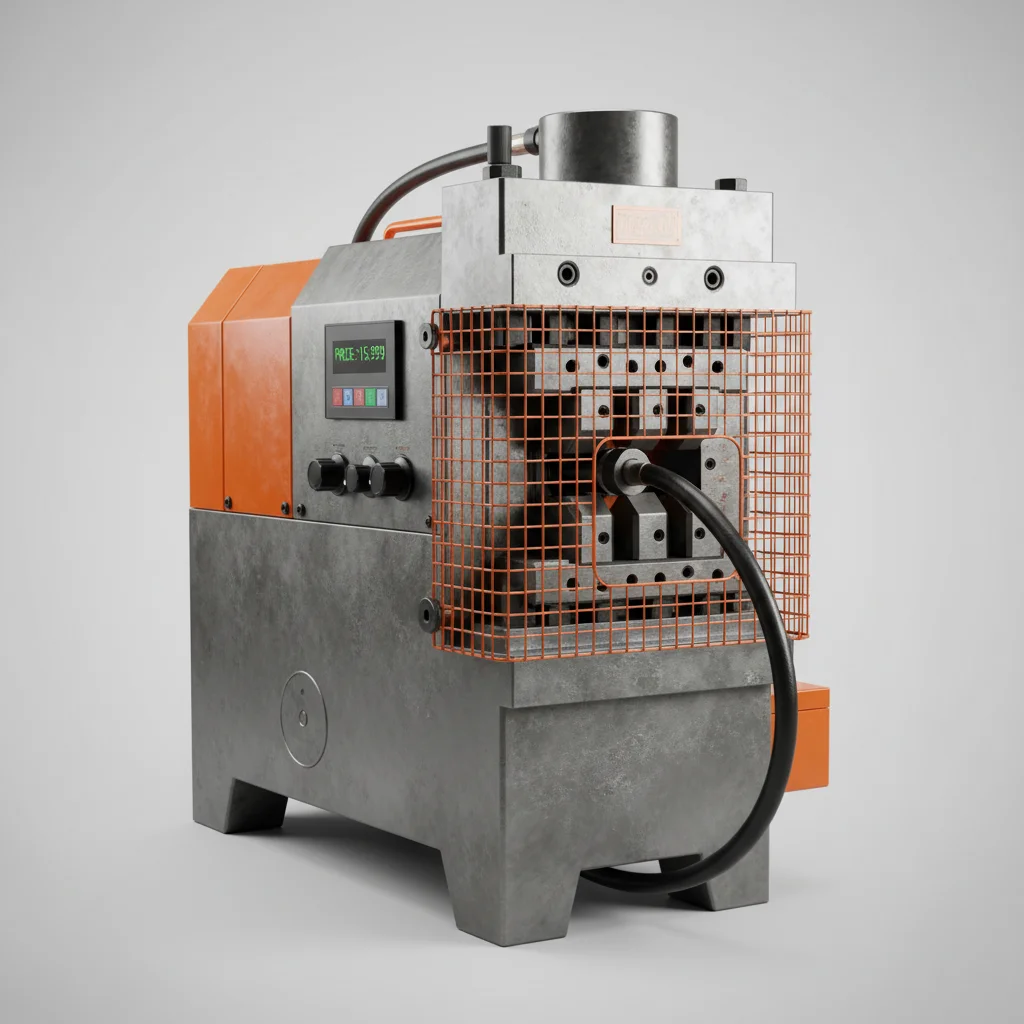
Modern hydraulic pipe manufacturing machines incorporate several safety features to protect operators. These include emergency stop buttons, safety guards around moving parts, light curtains, and interlock systems that prevent operation if guards are removed. Many machines also feature overload protection systems and pressure relief valves to prevent damage to the hydraulic system. Proper operator training on safety procedures is crucial for ensuring a safe working environment. Compliance with relevant safety standards like ISO 12100 is also a key consideration.

What is the typical power consumption of these machines?

Power consumption varies depending on the machine’s size, capacity, and features. Smaller machines may consume around 15-20 kW, while larger, high-capacity machines can require 50 kW or more. Energy-efficient hydraulic systems, variable frequency drives (VFDs), and optimized control algorithms can help reduce power consumption. Implementing energy monitoring systems allows for identifying areas for improvement and optimizing energy usage. Considering renewable energy sources to power the machine can further reduce the environmental impact.

What kind of maintenance is required for these machines?

Regular maintenance is vital for ensuring reliable operation. This includes daily checks of hydraulic fluid levels, filter replacements, lubrication of moving parts, and inspection of hoses and connections. Periodic inspections by qualified technicians are recommended to identify and address potential issues before they escalate. Maintaining a detailed maintenance log and following the manufacturer's recommendations are crucial for preventing breakdowns and extending the machine’s lifespan. Implementing a preventative maintenance schedule can significantly reduce downtime and repair costs.

Conclusion

In conclusion, the hydraulic pipe manufacturing machine stands as a cornerstone of modern infrastructure development, providing the means to efficiently and reliably produce essential piping systems. The technological advancements, coupled with the increasing demand for sustainable and resilient infrastructure, position this technology as critical for addressing global challenges. Understanding its core components, applications, and future trends is essential for professionals across various industries.

Looking ahead, continued innovation in automation, materials science, and energy efficiency will further enhance the capabilities of these machines. Investing in advanced technologies, prioritizing operator training, and embracing sustainable practices will be key to unlocking the full potential of hydraulic pipe manufacturing and building a more robust and sustainable future. Visit our website at www.willexcrimper.com to explore our range of solutions and discover how we can help you meet your piping needs.

Brian Williams

Brian Williams

Brian Williams is a Research and Development Engineer at Dezhou Willex Hydraulic Machinery. Brian focuses on incorporating intelligent control systems and new materials into our hose crimping machines. He is often featured in our ‘News’ section, detailing Willex’s advancements in precision and automation. Holding a Master’s degree in Robotics, Brian specializes in data-driven maintenance and optimization of machinery performance. His work centers around developing predictive maintenance solutions that minimize downtime and maximize customer ROI. He actively explores innovative technologies to enhance energy conservation and environmental sustainability within our products. He’s a key driver in Willex’s commitment to future-proofing its equipment.
Previous Advancements in Hydraulic Pipe Making Machine Technology for Modern Infrastructure

Next The Vital Role of a Rubber Hose Crimping Machine in Modern Industries
Message
  • *
  • *
  • *
  • *

If you are interested in our products, you can choose to leave your information here, and we will be in touch with you shortly.