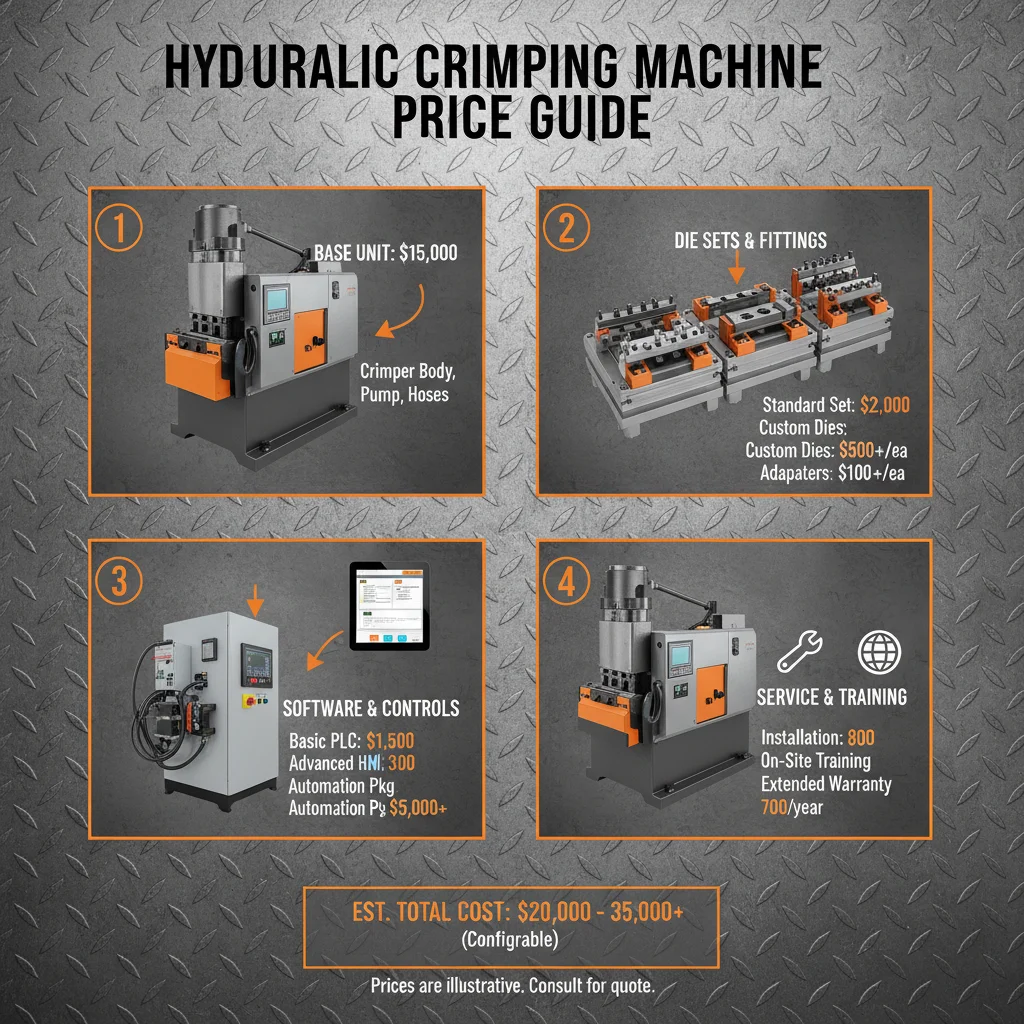
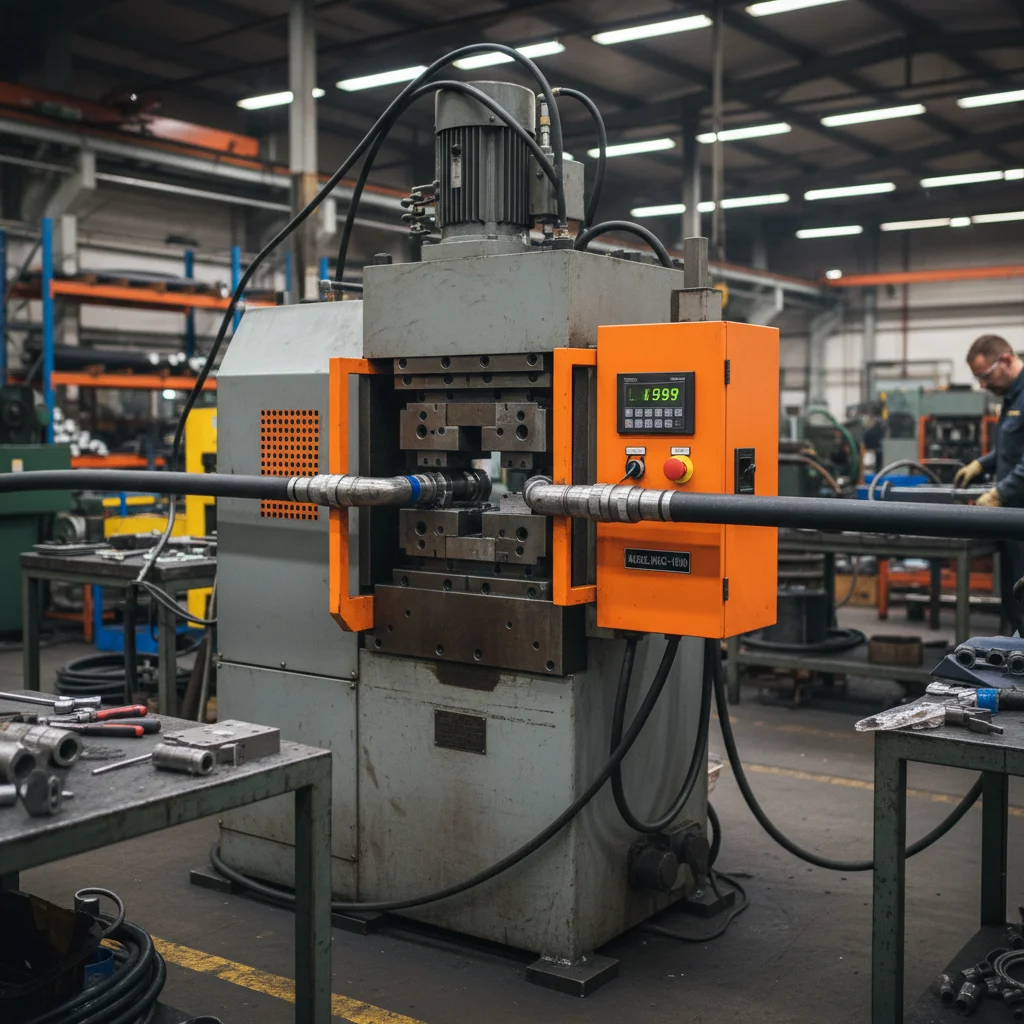
When evaluating the hydraulic hose fitting machine price, it is essential to understand that the cost reflects a combination of precision engineering, material durability, and operational capacity. These machines are critical for ensuring that high-pressure connections in industrial hydraulic systems are secure and leak-proof, which directly impacts the safety and efficiency of heavy machinery.
For many procurement managers in the manufacturing and metallurgy sectors, the primary challenge lies in balancing the initial investment with long-term operational stability. Selecting a machine based solely on the lowest price often leads to higher maintenance costs and increased downtime due to suboptimal crimping quality or frequent component failure.
This guide provides a comprehensive analysis of the factors influencing equipment costs, technical specifications for high-performance models, and strategic selection criteria to help you maximize your return on investment in hydraulic processing equipment.

1Understanding Value Drivers in Machine Pricing

The hydraulic hose fitting machine price is not a static figure but is driven by several critical engineering factors. The quality of the hydraulic system used for crimping, the precision of the molds, and the grade of steel used in the machine frame all contribute to the final cost. High-end machines utilize superior components that ensure consistent pressure application, which is vital for preventing leaks in high-pressure environments.
Furthermore, the automation level of the machine significantly affects the price. Manual machines are more affordable and suitable for low-volume shops, whereas CNC or semi-automated systems increase throughput and precision, justifying a higher price point for large-scale industrial operations.
Finally, the capacity range—specifically the maximum hose diameter and pressure rating the machine can handle—determines the structural requirements of the machine. A machine capable of processing 4SP hydraulic hoses with large diameters requires a more robust frame and a more powerful motor, naturally increasing the cost.
2Core Technical Features and Performance Impact
Technical excellence in hose processing equipment is defined by the accuracy of the crimping cycle and the stability of the pressure output. High-performance machines, such as those developed by Dezhou Willex Hydraulic Machinery Co., Ltd., focus on long-term stability to ensure that every fitting is secured to the exact specification required for industrial safety.
The integration of versatile mold systems allows a single machine to accommodate a wide range of hose diameters. By replacing different molds, operators can switch between high-pressure oil pipes and automotive brake hoses without needing multiple machines, thereby optimizing floor space and capital expenditure.
Moreover, the efficiency of the motor and the precision of the control system reduce energy consumption and material waste. Machines with intelligent control systems can optimize the crimping force based on the material of the hose, which extends the life of the equipment and the quality of the finished product.
3Industrial Application Scenarios and Requirements
Hydraulic hose fitting machines are indispensable across various heavy-duty industries. In mining and metallurgy, where equipment operates under extreme pressure and harsh environments, the requirement for zero-failure connections is paramount. In these scenarios, the reliability of the crimping process is more critical than the initial machine cost.
In the automotive and air conditioning sectors, the focus shifts toward precision and speed. Machines must be capable of handling smaller diameters with high repetition accuracy to meet the tight tolerances of vehicle braking and cooling systems.
Agricultural machinery maintenance also relies on these systems for the rapid repair of hydraulic lines. In these mobile or semi-mobile workshop environments, compact designs that offer both cutting and skiving functions are preferred to minimize the amount of equipment needed on-site.
4Comparative Performance Metrics Analysis
When comparing professional-grade machinery against entry-level options, the difference is most evident in the consistency of the results. Professional equipment maintains a tighter tolerance across thousands of cycles, whereas cheaper alternatives often drift in precision, requiring frequent recalibration.
The data suggests that investment in high-quality machinery reduces the total cost of ownership (TCO) by decreasing the rate of rejected parts and reducing the frequency of unplanned maintenance. The following metrics highlight the performance gap between industry averages and high-spec equipment.
hydraulic hose fitting machine price Performance Metrics
The chart illustrates that while the initial hydraulic hose fitting machine price may be higher for premium models, the gains in precision, durability, and safety are substantial. This makes them the logical choice for enterprises focusing on global industrial expansion and high-quality control standards.
5Procurement Strategy and Selection Criteria
Effective procurement starts with a detailed analysis of the hose specifications you intend to process. If your primary need is cutting 4SP hydraulic hoses up to 2 inches, a compact machine like the DZW-51QG-4 is ideal due to its balance of power and space-saving design.
It is also important to consider the power requirements of the factory. Many industrial machines offer 3-phase and 1-phase motor options. Choosing the wrong power configuration can lead to installation delays or the need for expensive electrical upgrades in the facility.
Finally, evaluate the supplier's capacity for customization. The ability to adjust performance parameters to meet specific industrial needs can prevent the over-purchase of unnecessary features while ensuring that critical requirements are fully met.
6Future Trends in Hydraulic Processing Technology
The industry is moving toward the integration of intelligent control systems to optimize production. Predictive maintenance, powered by data-driven sensors, will soon allow operators to identify wear in the crimping dies before they cause defects in the finished hose assemblies.
Environmental sustainability is also becoming a factor. Newer machines are designed for energy conservation, utilizing high-efficiency motors and materials that reduce the carbon footprint of the manufacturing process without compromising on pressure output.
As global industrial standards evolve, there is an increasing demand for machines that can handle new, lightweight, high-strength composite hoses. This will require a new generation of molds and control algorithms to ensure a secure fit without damaging the hose structure.
7Equipment Selection Comparison Matrix
Choosing the right equipment depends on the volume of production and the diversity of the hoses being processed. A high-volume factory will prioritize speed and automation, while a specialized repair shop will prioritize versatility and a compact footprint.
The following table compares different classes of hydraulic hose equipment based on operational requirements to help you determine which category fits your current business model.
| Equipment Category | Primary Use Case | Main Strength | Cost Factor |
|---|---|---|---|
| Manual Cutting/Skiving | Small Repair Shops | Flexibility & Space | Low Investment |
| Standard Crimpers | General Industrial | Reliable Mid-range | Moderate |
| High-Pressure Series | Mining & Metallurgy | Extreme Stability | Higher Initial Cost |
| Semi-Auto Systems | Mid-size Production | Consistency & Speed | Moderate to High |
| Custom Large-Diameter | Specialized Heavy Ind. | Maximum Capacity | High Investment |
| Integrated Workstations | Full-service Centers | Workflow Efficiency | Premium Price |
Regardless of the choice, ensuring that the equipment is sourced from a manufacturer with proven experience—such as those with over 20 years in the industry—guarantees that the machinery will provide the necessary stability and after-sales support for long-term operation.
Frequently Asked Questions
Conclusion
Investing in the right hydraulic hose fitting equipment is a strategic decision that balances initial capital expenditure with long-term operational safety and efficiency. By understanding the technical value drivers and aligning equipment specifications with actual industrial needs, companies can avoid the pitfalls of under-investment while maximizing their production throughput.
For organizations seeking reliable, high-precision solutions for hydraulic processing, reviewing the full range of capabilities at www.willexcrimper.com can provide the necessary insights to make an informed procurement choice that supports sustainable growth and industrial excellence.