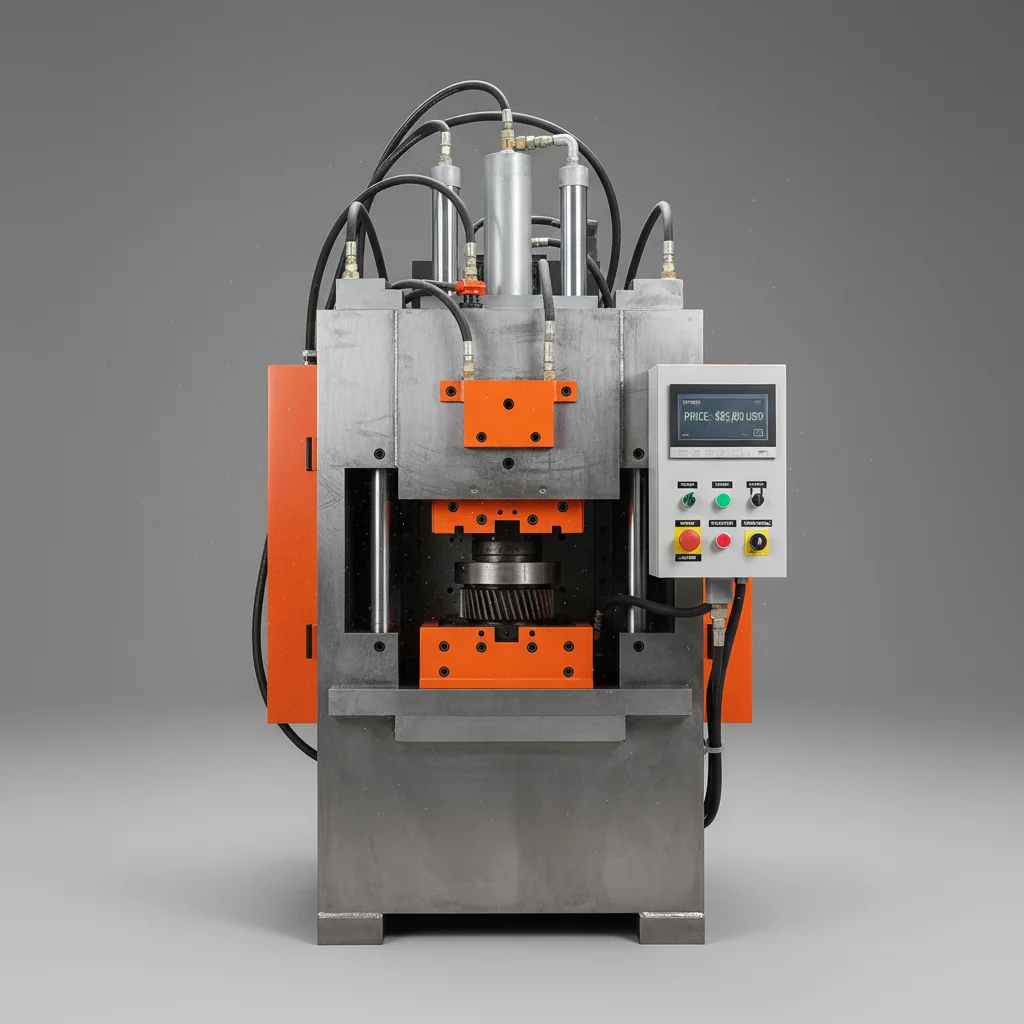
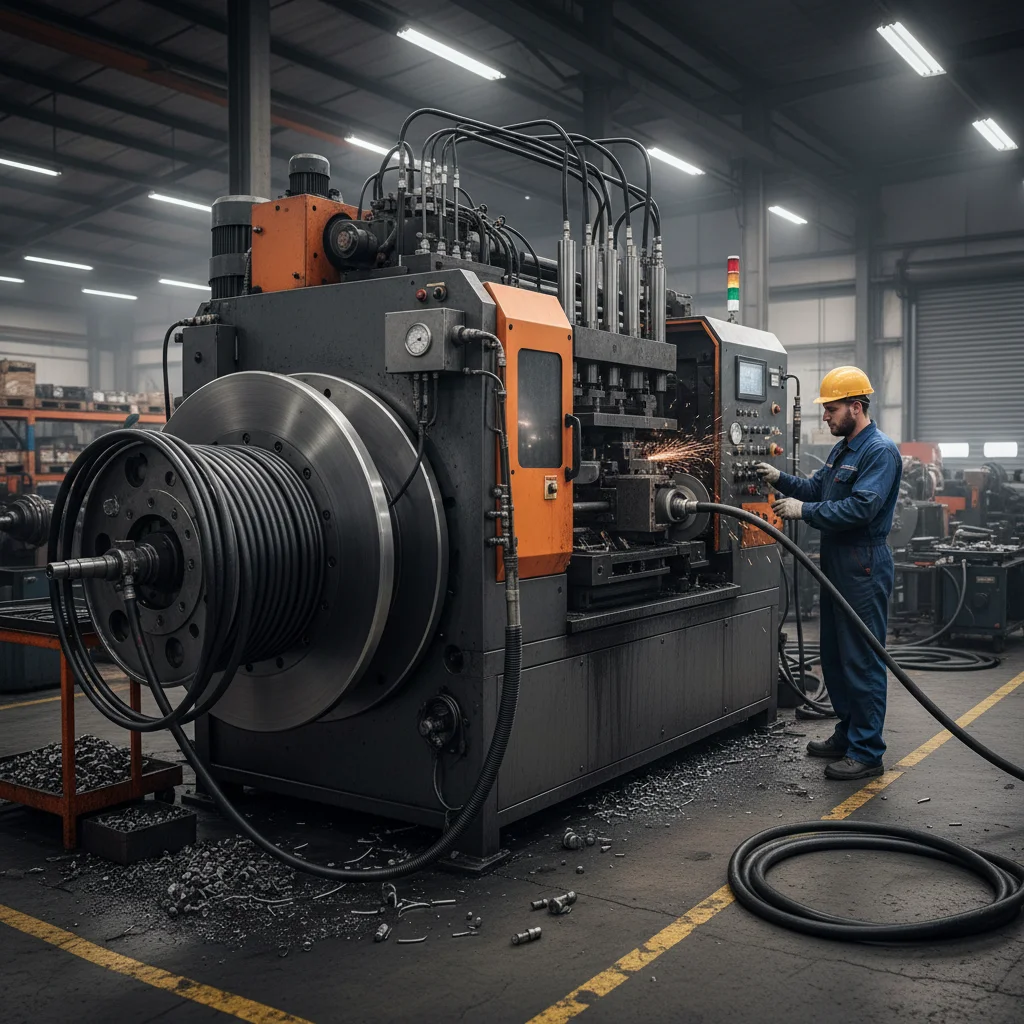
The global demand for high-pressure hydraulic systems has placed an unprecedented emphasis on the precision of hose assembly, making the role of a professional hose crimping machine manufacturer critical to industrial safety. In sectors ranging from mining to heavy machinery, the integrity of a hydraulic connection determines the operational uptime and safety of multi-million dollar assets. Ensuring that every fitting is perfectly seated requires not just the right machinery, but an ecosystem of precision tooling and engineering expertise.
Modern hydraulic engineering has evolved beyond simple assembly, now requiring specialized processes like skiving to enhance the mechanical bond between the hose reinforcement and the fitting. For organizations seeking to minimize the risk of catastrophic blow-offs in high-pressure environments, partnering with a reliable hose crimping machine manufacturer ensures access to technology that meets rigorous international standards. This transition toward precision-driven assembly is essential for maintaining efficiency in the face of increasing industrial pressures.
By integrating advanced skiving solutions, such as the WILLEX POWER DZW-51BJ-C, businesses can achieve a level of reliability that manual processes simply cannot match. Whether you are looking for a comprehensive hose crimping machine manufacturer to equip a new facility or upgrade your field service capabilities, understanding the synergy between skiving and crimping is the first step toward operational excellence.

The Critical Role of Precision Skiving in Hose Assembly
In the world of high-pressure hydraulics, the "skiving" process is a non-negotiable step for heavy-duty applications. Skiving involves the precise removal of the outer rubber cover of a hydraulic hose to expose the internal wire reinforcement. When a fitting is crimped directly onto this reinforcement layer, it creates a significantly stronger mechanical bond, which is the primary defense against hose blow-offs under extreme pressure.
A professional hose crimping machine manufacturer recognizes that the quality of the crimp is only as good as the preparation of the hose. By utilizing a machine like the DZW-51BJ-C, operators ensure that the skiving length is consistent and the cut is clean, removing human error and providing a standardized foundation for the final crimping process.
Technical Specifications of the DZW-51BJ-C System
The WILLEX POWER DZW-51BJ-C is engineered for industrial-grade versatility, supporting external hose diameters from 1/4" up to 2" (approximately 51mm). This broad range allows a single machine to handle a vast array of heavy-duty hose specifications, reducing the need for multiple specialized tools within a workshop. With a motor power of 0.4KW and a tool rotation speed of 170 r/min, the machine balances high-speed efficiency with the torque required for thick-walled industrial hoses.
Precision is maintained through an integrated 10-set outer die system, ensuring a perfect fitment regardless of the hose size. The machine is capable of achieving a maximum skiving length of 100 mm, providing ample coverage for the largest industrial fittings. Its compact dimensions (530 x 570 x 460 mm) and relatively light net weight of 30 kg make it an adaptable asset for both stationary benches and mobile workstations.
Beyond basic removal, the DZW-51BJ-C is designed for durability and ease of maintenance. The simple mechanical structure minimizes downtime, while the availability of multiple power configurations—including 220V/380V AC and 12V/24V DC—ensures that the machine can be deployed in any environment, from a fully powered factory floor to a remote construction site.
Enhancing Field Service with Power Versatility
One of the most significant challenges for a hose crimping machine manufacturer is designing equipment that maintains precision in the field. Mobile repair services often operate in remote zones where mains electricity is unavailable, making battery-powered solutions a necessity rather than a luxury. The DZW-51BJ-C addresses this by offering low-voltage DC options (12V/24V), allowing technicians to perform professional skiving on-site.
By integrating DC power capabilities, a hose crimping machine manufacturer empowers field engineers to deliver workshop-quality assemblies at the point of failure. This eliminates the need to transport heavy hoses back to a central facility, drastically reducing equipment downtime for clients in the mining, agriculture, and construction sectors.
Furthermore, the use of low-voltage power enhances safety during field operations, reducing electrical risks in damp or hazardous environments. This combination of portability, power flexibility, and mechanical precision ensures that safety standards are never compromised, regardless of the location of the repair.
Comparative Efficiency: Manual vs. Mechanical Skiving
Manual skiving is a labor-intensive process prone to inconsistency and human error. Using knives or hand tools to remove the outer cover often results in uneven cuts or accidental damage to the reinforcement layer, which can lead to premature hose failure. In contrast, mechanical skiving via the DZW-51BJ-C provides a controlled environment where rotation speed and depth are standardized.
The transition from manual to mechanical processing transforms the workflow of a hydraulic workshop. Where manual skiving is slow and variable, the mechanical approach offers high speed (170 r/min) and repeatable precision. This not only increases the volume of hoses processed per hour but also ensures that every single assembly meets the exact safety specifications required for high-pressure certification.
Operational Performance Analysis by Hose Crimping Machine Manufacturer Standards
Bidirectional Rotation and Specialized Material Handling
One of the standout features of the DZW-51BJ-C is its bidirectional rotation capability. Different hose materials and reinforcement structures react differently to cutting forces; some materials may tear or fray if cut in only one direction. By allowing the operator to switch the rotation direction, the machine ensures a cleaner, smoother cut across a wider variety of specialized industrial hoses.
This flexibility is essential for high-end hydraulic workshops that handle custom-engineered hoses. The ability to adjust the cutting direction based on the specific material structure prevents the "spiraling" effect often seen in lower-quality skiving, resulting in a professional finish that improves the overall quality of the final crimped assembly.
Expanding Application Ranges with Internal Skiving Tools
While external skiving is the most common requirement, certain specialized fittings require the inner wall of the hose to be prepared. The DZW-51BJ-C offers optional internal skiving tools, which significantly expands the machine's application range. This allows technicians to handle complex hose structures where the inner lining must be precisely removed to ensure a leak-proof fit.
Integrating internal skiving capabilities means a workshop can take on more complex contracts without needing to purchase multiple separate machines. This versatility is a hallmark of a forward-thinking hose crimping machine manufacturer, providing a comprehensive solution that covers both the outer and inner preparation needs of the hydraulic industry.
By combining external and internal preparation in one compact footprint, the DZW-51BJ-C maximizes workflow efficiency. Operators can transition from external cover removal to internal wall preparation with minimal setup time, ensuring that the assembly line remains fluid and productive.
Strategic Investment ROI for Hydraulic Workshops
Investing in professional skiving equipment is not just about purchasing a tool; it is about reducing operational risk and increasing throughput. The cost of a single hose failure in a heavy-duty industrial environment can far exceed the price of the DZW-51BJ-C. By ensuring every hose is skived to precision, companies protect themselves against liability and improve their reputation for reliability.
From a financial perspective, the return on investment (ROI) is realized through the reduction of labor costs and the elimination of wasted materials. Mechanical skiving is exponentially faster than manual methods and produces far fewer rejects. This efficiency allows workshops to take on a higher volume of orders while maintaining a lean workforce.
Ultimately, the long-term value lies in the ability to offer a certified, high-safety product. In an industry where "good enough" can lead to disaster, the precision offered by a top-tier hose crimping machine manufacturer provides the peace of mind and technical edge necessary to compete in the global market.
Comparative Analysis of Skiving Methods and Operational Impact
| Methodology |
Processing Speed |
Safety Consistency |
Operational Cost |
| Manual Hand-Cutting |
Very Low |
Low (Human Error) |
High Labor Cost |
| Basic Mechanical Tool |
Medium |
Medium |
Moderate |
| DZW-51BJ-C (AC Power) |
High |
Very High |
Low Energy Cost |
| DZW-51BJ-C (DC Power) |
High (Field) |
Very High |
Low Downtime Cost |
| Automatic Industrial Line |
Ultra High |
Maximum |
High Initial CapEx |
| Hybrid Semi-Auto |
High |
High |
Moderate |
FAQS
A hose skiving machine is used to remove the outer rubber cover of a hydraulic hose. This process exposes the reinforcement layer, allowing the fitting to grip the hose more securely, which is critical for high-pressure applications to prevent blow-offs.
Yes, the DZW-51BJ-C offers flexible power options, including 12V and 24V DC versions, which allow it to be powered by batteries, making it perfect for field service and mobile repair units.
Bidirectional rotation allows the operator to adjust the cutting direction based on the hose's material structure or the specific type of reinforcement, ensuring a cleaner cut and improving the overall quality of the skived end.
The machine is highly versatile, handling external diameters from 1/4 inch up to 2 inches. It comes equipped with 10 sets of outer dies to accommodate various standard sizes within this range.
Yes, the DZW-51BJ-C features an optional internal skiving tool. This is used to prepare the inner wall of the hose for specific fitting installations, significantly expanding the machine's application capabilities.
By removing the outer cover, the crimping process applies pressure directly to the wire reinforcement of the hose. This creates a much stronger mechanical bond with the fitting, reducing the risk of failure under extreme pressure.
Conclusion
Precision in hydraulic hose preparation is the foundation of industrial safety and operational efficiency. From the critical need for cover removal to the strategic advantage of bidirectional rotation and power versatility, the WILLEX POWER DZW-51BJ-C embodies the standards that a leading hose crimping machine manufacturer must provide. By replacing labor-intensive manual processes with mechanical precision, businesses can drastically reduce the risk of assembly failure and increase their production throughput.
As the industry moves toward more demanding pressures and more complex hose structures, the integration of professional skiving and crimping technology will become a primary differentiator for successful workshops. We recommend that hydraulic engineers and facility managers prioritize equipment that offers both workshop precision and field flexibility to ensure maximum uptime and safety. Visit our website for more professional solutions: www.willexcrimper.com