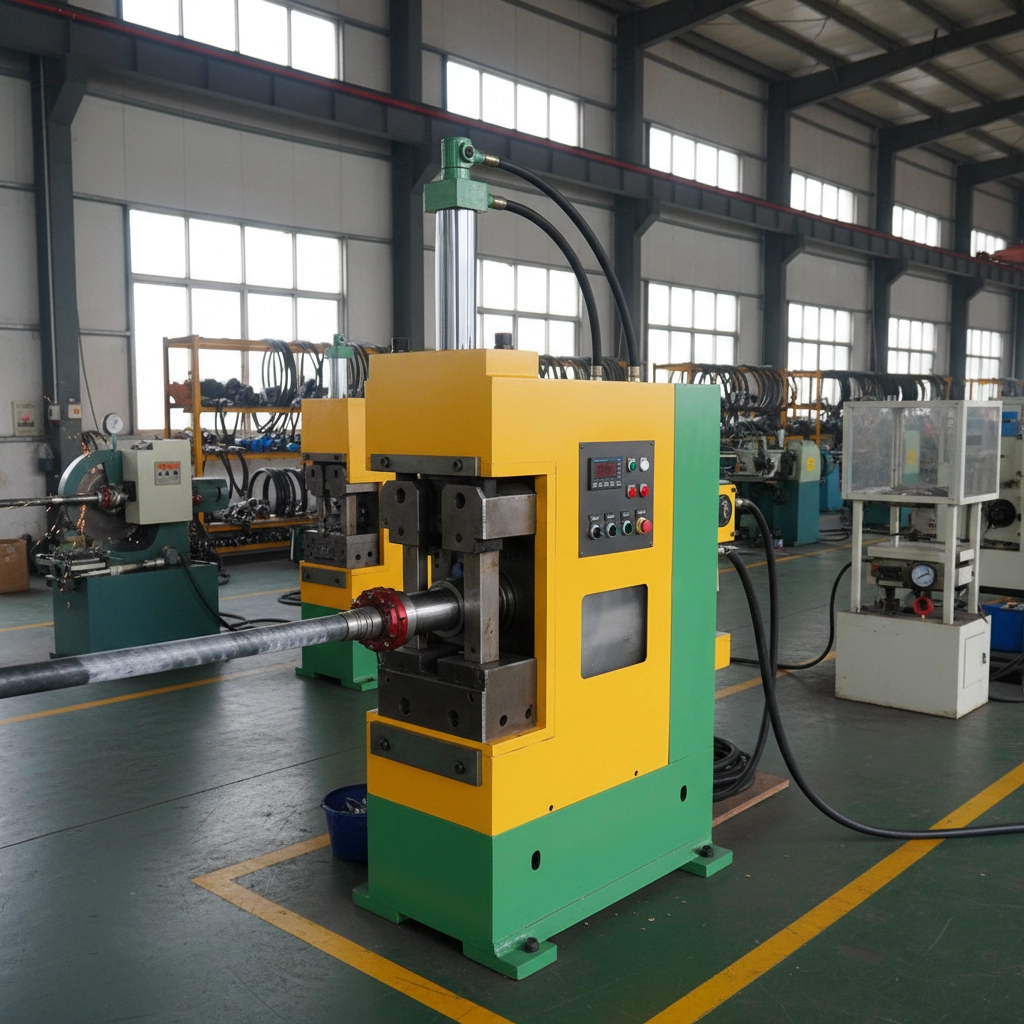
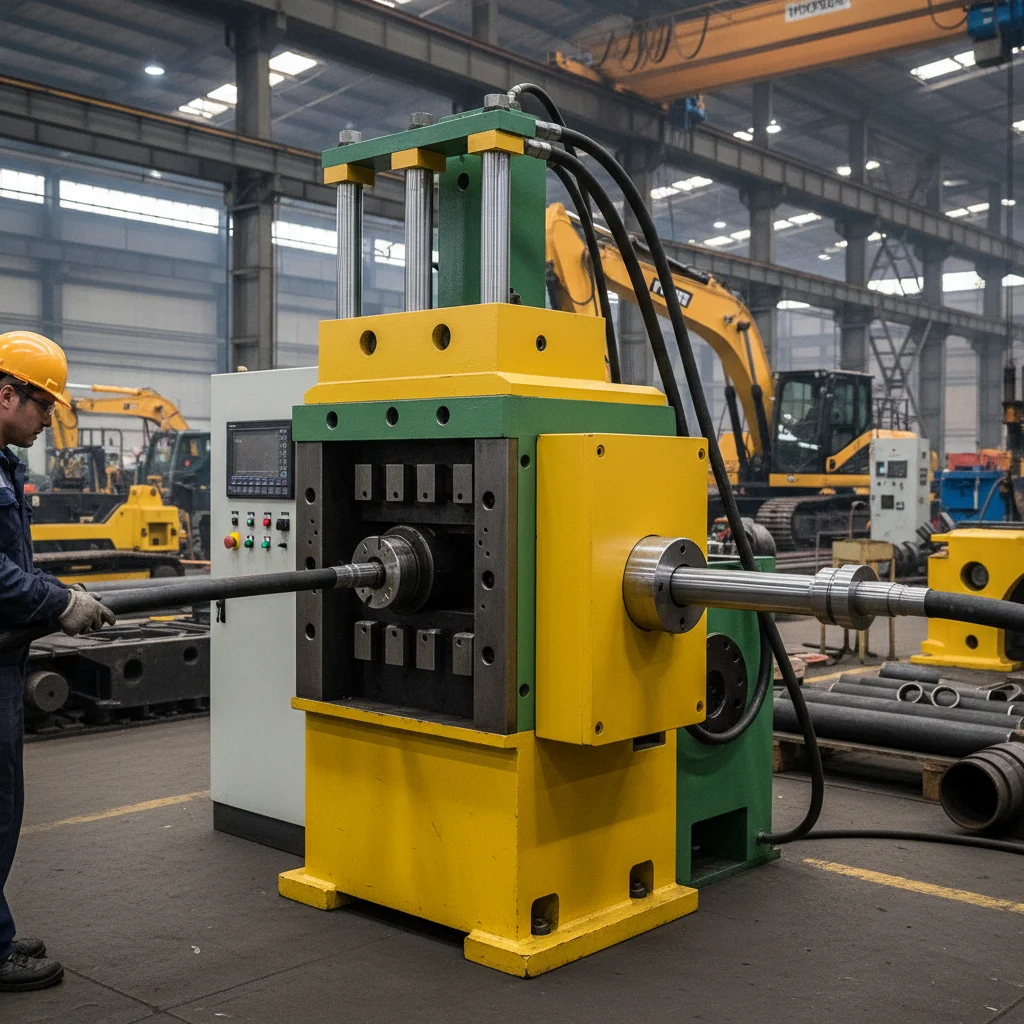
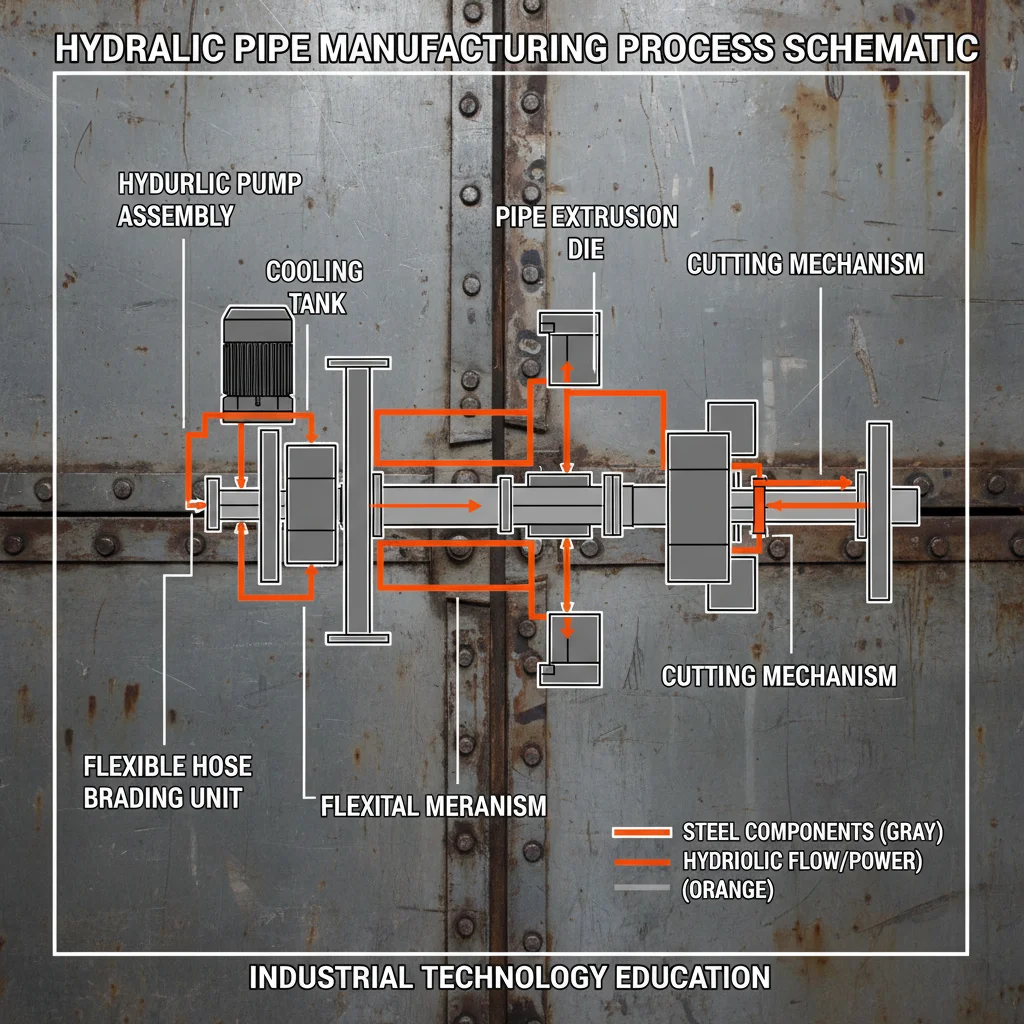
In the demanding landscape of heavy industrial manufacturing, the integrity of hydraulic connections is non-negotiable. The pursuit of leak-proof, high-pressure joints has led to the evolution of specialized equipment designed to secure fittings with absolute precision. Among these, the hydraulic pipe swaging machine stands as a cornerstone for enterprises that cannot afford the risk of joint failure in critical machinery.
Global demand for high-performance hose assemblies is surging, driven by the expansion of mining, metallurgy, and heavy-duty construction sectors. As systems operate under increasingly extreme pressures, the shift toward automated, digitally controlled crimping solutions has become a necessity rather than a luxury. Modern industrial standards now demand a level of repeatability and stability that manual processes simply cannot achieve.
Addressing these challenges requires a sophisticated approach to mechanical engineering, combining raw power with delicate precision. By utilizing a high-performance hydraulic pipe swaging machine like the DZW-FP140, manufacturers can ensure that every hose assembly meets rigorous safety certifications while optimizing production speed and reducing operational overhead.

Global Relevance of Hydraulic Hose Assembly Technology
The global industrial infrastructure relies heavily on the seamless transmission of hydraulic power. From massive excavation equipment in remote mining zones to precision machinery in metallurgical plants, the reliability of hose connections is paramount. A failure in a single joint can lead to catastrophic downtime, environmental hazards, and significant safety risks, making the technology behind the hydraulic pipe swaging machine essential for maintaining operational continuity.
As ISO standards for fluid power systems become more stringent, manufacturers are forced to move away from imprecise methods toward high-tonnage, digitally calibrated solutions. The ability to produce consistent, leak-proof assemblies at scale is now a competitive advantage, allowing companies to guarantee the longevity of their equipment and reduce the total cost of ownership for the end-user.
Defining the Modern Hydraulic Pipe Swaging Machine
In simple terms, a hydraulic pipe swaging machine is a high-pressure industrial device used to permanently join a fitting to a hydraulic hose. By applying massive radial force through a set of precision-engineered dies, the machine compresses the fitting onto the hose, creating a mechanical bond that can withstand extreme internal pressures without slipping or leaking.
Beyond the basic mechanical function, modern versions like the DZW-FP140 integrate advanced electronics to eliminate human error. These machines utilize touch-screen interfaces and electronic rulers to ensure that the crimp diameter is accurate to a fraction of a millimeter, ensuring that the joint is neither under-crimped (which leads to leaks) nor over-crimped (which damages the hose structure).
This technology is fundamentally linked to the modernization of heavy industry. By providing a reliable way to assemble heavy-duty hoses—up to 4.88 inches in standard diameter—these machines empower industries to build larger, more powerful hydraulic systems that drive the global economy's most demanding sectors.
Core Components Driving Precision and Durability
The efficiency of a hydraulic pipe swaging machine depends on the synergy between its mechanical strength and its control system. At the heart of the DZW-FP140 is a robust frame capable of delivering a massive 3200 KN (320 Tonnage) of crimping force, ensuring that even the thickest industrial hoses are secured with absolute stability.
Durability is further enhanced by the use of premium materials; the molds are crafted with a hardness of 60-65 HRC. This ensures that the hydraulic pipe swaging machine maintains consistent crimp lines over thousands of cycles without deformation, significantly reducing the need for frequent tool replacement and minimizing production downtime.
Control is managed through a sophisticated integration of Siemens and Schneider electronics. A Siemens touch screen provides an intuitive symbolic interface for the operator, while a high-precision Turkish electronic ruler offers real-time dimensional feedback. This combination transforms the hydraulic pipe swaging machine from a simple press into a smart manufacturing tool.
Industrial Applications and Sector-Specific Use Cases
The versatility of a hydraulic pipe swaging machine makes it indispensable across various high-stakes environments. In the mining sector, for example, hydraulic hoses power the massive cylinders of haul trucks and excavators. In these remote industrial zones, the ability to produce high-precision, heavy-duty assemblies ensures that machinery can operate in abrasive environments without catastrophic failure.
Beyond mining, the metallurgical industry utilizes these machines to build systems for high-temperature fluid transport and heavy press operations. Whether it is assembling a P140 series hose for a blast furnace cooling system or a P32 series for a general industrial lift, the precision of the crimp determines the overall safety of the facility.
Performance Comparison of Assembly Methods
Long-Term Value and Operational Advantages
Investing in a high-end hydraulic pipe swaging machine delivers tangible financial returns through reduced waste and increased throughput. The integration of customized fast-acting silent oil pumps allows for rapid cycle times without the disruptive noise typically associated with heavy machinery, creating a more ergonomic and productive workspace.
Furthermore, the reliability of Siemens and Schneider components ensures a prolonged operational lifespan with minimal maintenance. When compared to standard machines, the DZW-FP140 reduces the frequency of part replacement and minimizes operator training time due to its intuitive symbolic interface, providing a sustainable solution for scaling production without sacrificing quality.
Future Innovations in Hydraulic Crimping Automation
The future of the hydraulic pipe swaging machine is inextricably linked to the digital transformation of the factory floor. We are seeing a move toward "Industry 4.0" integration, where machines provide real-time telemetry data to central management systems, allowing for predictive maintenance and automated quality auditing of every single joint produced.
Sustainability is also becoming a primary driver. Future iterations of these machines are focusing on energy optimization, using smarter motor synchronization to reduce energy waste during idle periods. This shift toward green manufacturing ensures that high-tonnage production does not come at an excessive environmental cost.
Additionally, the development of adaptive die sets and AI-driven calibration will further reduce the learning curve for operators. By automatically adjusting pressure based on the material properties of the hose, the next generation of the hydraulic pipe swaging machine will virtually eliminate the possibility of human error.
Overcoming Challenges in High-Pressure Assembly
One of the most persistent challenges in hydraulic assembly is the variation in hose diameter and fitting tolerances. Traditional machines often struggle with this inconsistency, leading to a higher rate of rejects. To solve this, the DZW-FP140 employs a high-precision Turkish electronic ruler that provides instant feedback, allowing operators to make real-time adjustments for a perfect fit every time.
Another common issue is mold wear under high-intensity industrial use. When molds deform, the crimp line becomes uneven, compromising the seal. By utilizing materials with 60-65 HRC hardness, the hydraulic pipe swaging machine solves this problem, maintaining razor-sharp precision even after thousands of high-pressure cycles.
Finally, operational safety in high-pressure environments is a critical concern. The integration of Schneider electronic guards and Siemens system diagnostics ensures that the machine monitors its own status constantly. If a parameter falls outside the safe range, the system provides instant alerts, preventing operational errors and ensuring operator safety.
Technical Specification and Performance Analysis of DZW-FP140
|
Performance Metric
|
Standard Specification
|
Maximum Capability
|
Industrial Impact
|
| Crimping Diameter |
124 mm |
150 mm (Master Dies) |
Supports Heavy-Duty Hoses |
| Crimping Force |
3200 KN |
320 Tonnage |
High-Pressure Stability |
| Mold Hardness |
60-65 HRC |
Wear-Resistant Steel |
Extended Tool Lifespan |
| Control System |
Siemens Touch Screen |
Digital Interface |
Reduced Operator Error |
| Electrical Components |
Schneider Electronics |
Industrial Grade |
System Long-term Stability |
| Motor Power |
7.5 KW |
Siemens Assembly Standard |
Energy-Efficient Power |
FAQS
The standard maximum crimping diameter for this hydraulic pipe swaging machine is 124mm (4.88 inches). However, by utilizing specialized master dies, this capacity can be extended up to 150mm (5.9 inches), making it suitable for an exceptionally wide range of heavy-industrial hose sizes.
The Siemens touch screen features an intuitive symbolic interface that drastically reduces the learning curve for new operators. By minimizing manual input errors and providing lag-free performance, it ensures a seamless workflow and faster setup times between different hose specifications.
Yes, the molds are specifically engineered for high-intensity environments, crafted with a hardness of 60-65 HRC. This makes them highly wear-resistant and capable of maintaining strict dimensional precision even under the constant stress of high-pressure crimping cycles.
Absolutely. Through the use of interchangeable P140 and P32 series die sets, the machine can cover a vast spectrum of hose diameters. Furthermore, customized die sets can be manufactured upon request to meet specific non-standard industrial requirements.
The DZW-FP140 utilizes a customized high-pressure, fast-acting, and silent oil pump. This system provides the necessary 320-tonnage force while significantly reducing ambient noise and increasing the speed of the crimping cycle compared to standard industrial pumps.
Accuracy is ensured by a high-precision Turkish electronic ruler integrated into the system. This component monitors the crimping process in real-time and provides digital feedback, allowing for precise calibration and ensuring every joint meets strict industrial safety standards.
Conclusion
The transition to high-precision, automated assembly is no longer optional for companies operating in the hydraulic sector. By integrating a professional hydraulic pipe swaging machine like the DZW-FP140, manufacturers can bridge the gap between raw power and digital precision, ensuring that every hose assembly is a testament to safety and durability. From the 60-65 HRC hardness of its molds to the reliability of Siemens and Schneider controls, every aspect of the machine is designed to eliminate failure.
Looking forward, the integration of smart diagnostics and energy-efficient motors will continue to redefine industrial assembly. For enterprises seeking to scale their production while maintaining an uncompromising standard of quality, upgrading to a digitally controlled swaging system is the most effective path to long-term profitability and operational safety. Visit our website for more information: www.willexcrimper.com