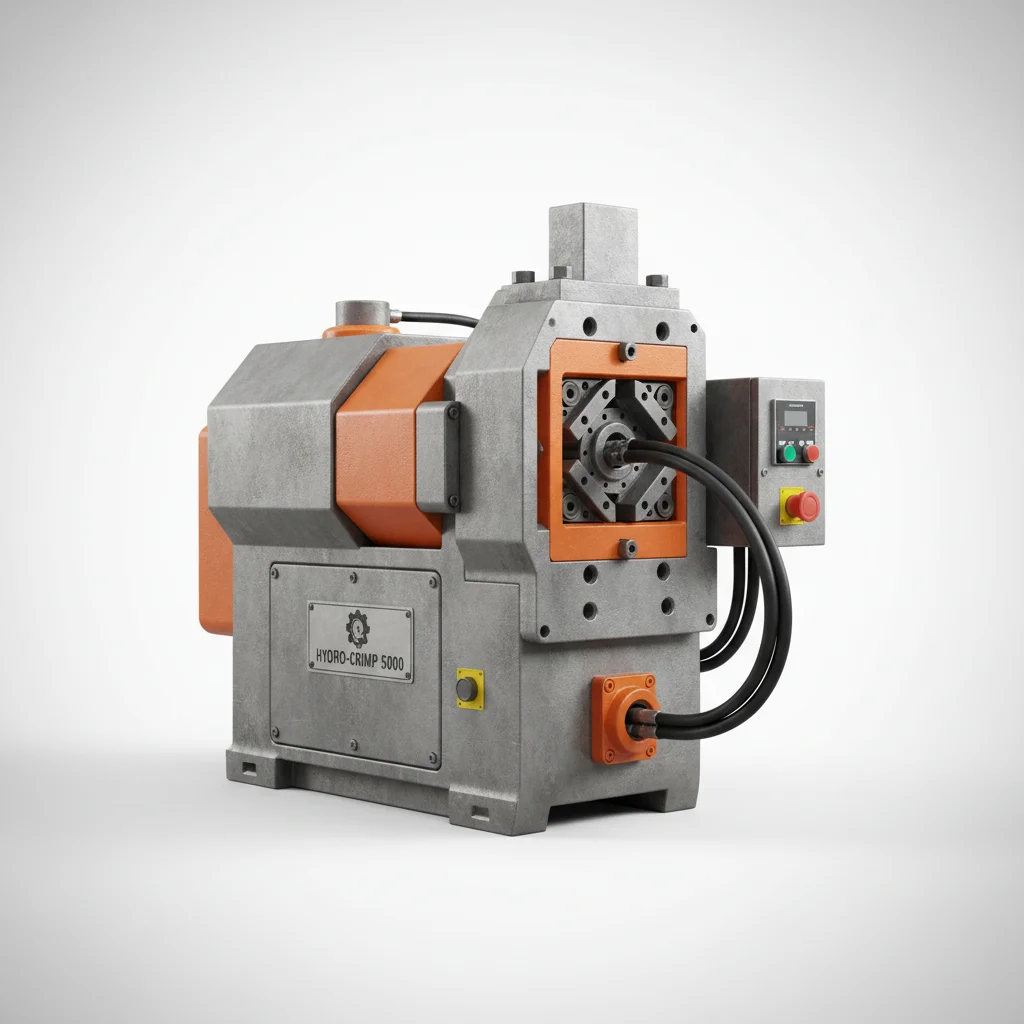
In the demanding world of industrial fluid power, the precision of a cut can be the difference between a secure, leak-proof seal and a catastrophic system failure. A high-quality hydraulic hose machine is no longer just an optional luxury but a critical requirement for workshops aiming to meet rigorous safety and performance standards across global industries.
From the depths of mining operations to the precision of automated manufacturing plants, the ability to rapidly and accurately process reinforced hoses ensures minimal downtime and maximum operational efficiency. Utilizing advanced cutting technology allows technicians to handle a variety of materials, ensuring that every hose is prepared perfectly for the subsequent crimping process.
Understanding the nuances of the right hydraulic hose machine—such as the WILLEX POWER DZW-C200—empowers businesses to scale their production while maintaining a commitment to operator safety and material conservation. By transitioning from manual methods to motorized precision, enterprises can significantly enhance their competitive edge in the global hydraulic market.

The Industrial Significance of Hydraulic Hose Machines
The global reliance on hydraulic systems in construction, agriculture, and aerospace means that the tools used to maintain these systems must be flawless. A professional hydraulic hose machine ensures that the cutting edge of the hose is perfectly square, which is the foundational requirement for a successful crimp. Without this precision, the fitting may not seat correctly, leading to premature wear or high-pressure leaks that can cause expensive machinery failure.
By integrating high-speed steel (HSS) blades and robust motor power, modern machines like the DZW-C200 eliminate the irregularities found in hand-cutting. This transition to mechanical precision allows companies to adhere to ISO and other international quality standards, ensuring that every assembly delivered to a client is consistent, safe, and durable under extreme pressure conditions.
Core Components of the DZW-C200 Cutting System
At the heart of the WILLEX POWER DZW-C200 is a professional-grade HSS (High-Speed Steel) serrated blade. This specific material choice is critical because hydraulic hoses are often reinforced with high-tensile steel wire, which can dull standard blades almost instantly. The HSS blade provides the necessary hardness and heat resistance to maintain a sharp edge across thousands of cuts, ensuring a smooth finish without fraying the outer cover.
Supporting the blade is a powerful motor capable of reaching 2860 RPM, providing a cutting force that effortlessly slices through hoses up to 80mm in outer diameter. This combination of torque and speed ensures that the machine doesn't bog down even when processing the toughest 1" 4SP specifications, maintaining a constant velocity that prevents the "tearing" effect common in underpowered cutters.
The framework of this hydraulic hose machine is engineered for stability, weighing 24kg to minimize vibration during operation. A stable base is essential for achieving perpendicular cuts; any shift in the machine's position during the cutting stroke could result in an angled edge, which would compromise the subsequent locking and crimping phase of the assembly process.
Versatility in Power and Mobile Applications
One of the most significant challenges for field technicians is the lack of consistent power sources in remote industrial zones. To address this, the DZW-C200 hydraulic hose machine is engineered with an exceptional power supply compatibility range, supporting everything from AC 110V to 415V.
Crucially, the integration of DC 12V/24V compatibility makes this machine a game-changer for mobile service vehicles. Technicians can operate the cutter directly from a service van's electrical system, allowing them to perform on-site hose replacements in mines, forests, or construction sites without needing external generators or portable power stations.
This versatility ensures that the quality of the cut remains professional regardless of the environment. Whether it is installed as a stationary unit in a factory or mounted in a mobile workshop, the consistent 3KW power output ensures that the hose is prepared with the same precision every time, reducing the risk of field-assembly failures.
Comparative Efficiency: Manual vs Motorized Cutting
When comparing traditional manual hand-cutting to a motorized hydraulic hose machine, the difference in business impact is stark. Manual cutting is often inconsistent, leading to higher scrap rates and a higher probability of fitting leaks due to uneven hose ends. In contrast, a motorized system produces a square cut every time, which maximizes material usage and minimizes waste.
Beyond the quality of the cut, the human element is significantly improved. Manual cutting of heavy-duty 4SP hoses is physically exhausting, leading to operator fatigue and an increased risk of injury. A motorized cutter handles the heavy lifting, allowing the operator to focus on precision and safety, which directly translates to a higher daily output of completed hose assemblies.
Performance Analysis: Hose Cutting Methods
Enhancing Workflow with Integrated Assembly Systems
A hydraulic hose machine does not operate in isolation; it is the first critical step in a multi-stage assembly chain. By syncing the cutting process with a Hose Crimping Machine sequence, workshops can create a streamlined flow that reduces the time between material procurement and final product delivery.
When the DZW-C200 produces a perfect perpendicular cut, the hose sits flush against the fitting. This eliminates the need for corrective trimming and ensures that the crimping die applies pressure evenly across the fitting surface. This synergy between the cutting and crimping stages is what separates professional industrial assembly from makeshift repairs.
Safety Standards and Ergonomic Design in Processing
Safety in the workshop is paramount, especially when dealing with high-speed rotating blades. The DZW-C200 is engineered with structural guards that prevent accidental contact with the HSS serrated blade. By isolating the cutting zone, the machine minimizes the risk of workplace injuries, allowing operators to work with confidence and speed.
Ergonomics also play a vital role in long-term productivity. The machine's height and loading area are optimized to reduce the need for awkward bending or straining. This focus on the operator's posture reduces muscle fatigue during prolonged shifts, ensuring that the 100th cut of the day is just as precise as the first.
Furthermore, the compact build of this hydraulic hose machine allows it to be integrated into any workshop layout without creating bottlenecks. A well-organized workspace, combined with safety-first machinery, leads to a more professional environment and higher employee morale.
Long-Term ROI and Maintenance Strategy
Investing in a high-performance hydraulic hose machine offers a tangible return on investment through reduced material waste and increased throughput. When scrap is minimized due to precise cutting, the cost per assembly drops, which is critical for maintaining margins in competitive industrial bidding.
To sustain this value, a systematic maintenance schedule is required. Tracking blade wear and motor health prevents unplanned downtime, which can be incredibly costly if a critical machine fails during a high-priority rush order. Regularly inspecting the HSS blade ensures that cutting velocity remains consistent and the edges remain clean.
Ultimately, the transition to a motorized system is an investment in quality control. By ensuring every cut meets industry standards for fitting compatibility, businesses reduce the rate of warranty claims and build a reputation for reliability and trust among their clients.
Operational Comparison: Manual Cutting vs. DZW-C200 Machine
|
Performance Metric
|
Manual Cutting Method
|
DZW-C200 Machine
|
Business Impact
|
| Cut Precision |
Low/Inconsistent |
High/Square |
Less Scrap Material |
| Processing Speed |
Slow |
Rapid |
Higher Daily Output |
| Operator Fatigue |
High |
Very Low |
Increased Safety |
| Cut Quality |
Rough Edges |
Smooth/Clean |
Better Fitting Seal |
| Versatility |
Limited |
Universal (AC/DC) |
Field Service Ready |
| Equipment Cost |
Minimal |
Moderate Investment |
Long-term ROI |
FAQS
The DZW-C200 is specifically engineered to handle a maximum hose outer diameter (OD) of 80mm. This makes it an exceptionally versatile choice for a wide range of heavy-duty industrial hoses, including those used in high-pressure hydraulic systems where durability is key.
Yes, absolutely. One of the standout features of the DZW-C200 is its support for DC 12V/24V power supplies. This allows the machine to be powered directly from a vehicle's electrical system, making it the ideal solution for mobile hydraulic repair services in the field.
The machine utilizes a High-Speed Steel (HSS) serrated blade. HSS is chosen for its superior hardness and ability to maintain a sharp edge while cutting through tough, reinforced hose materials that contain steel braiding, ensuring long-term durability and clean cuts.
Yes, it offers extensive voltage compatibility ranging from AC 110V to 415V. This ensures that the machine can be deployed in various global industrial environments without the need for complex power converters, making it a truly international tool.
A precise, square cut ensures that the hose sits perfectly flush against the fitting. This alignment is critical because any gap or angle can lead to an uneven crimp, which is a leading cause of leaks in high-pressure hydraulic systems.
Yes, with its 4HP motor and HSS blade, it is specifically designed for high-pressure variants, including the 1" 4SP specification. It provides the necessary force to cut through multi-layer reinforced hoses without distorting the hose structure.
Conclusion
In summary, the adoption of a professional hydraulic hose machine like the WILLEX POWER DZW-C200 represents a critical upgrade for any industrial assembly operation. By combining high-speed steel precision, universal power compatibility, and ergonomic safety, this equipment ensures that every hose cut is a perfect foundation for a secure crimp, thereby reducing material waste and increasing overall workshop throughput.
Looking forward, as industrial standards for hydraulic safety continue to tighten, the transition from manual to motorized precision will become the baseline for competition. We recommend that businesses integrate cutting automation early to safeguard their operational efficiency and ensure long-term reliability in their fluid power assemblies. Visit our website for more information: www.willexcrimper.com