The precision of hose assembly is critical in specialized industrial and medical sectors, where a single leak can lead to systemic failure or safety hazards. Understanding the utility of a hydraulic hose crimping machine used for specific applications, such as medical sprayer hoses, ensures that technicians can maintain rigorous safety standards regardless of their location. By integrating high-pressure seals with portable technology, industries can reduce downtime and increase the reliability of their fluid transfer systems.
Across the globe, the demand for mobile and manual crimping solutions has surged as construction and medical facility maintenance move toward decentralized service models. The ability to perform a professional-grade crimp without relying on a fixed electrical grid allows for rapid deployment in remote areas, mirroring the global shift toward "on-site" infrastructure repair. This evolution in tooling is not just about convenience; it is about ensuring that critical equipment remains operational in the most challenging environments.
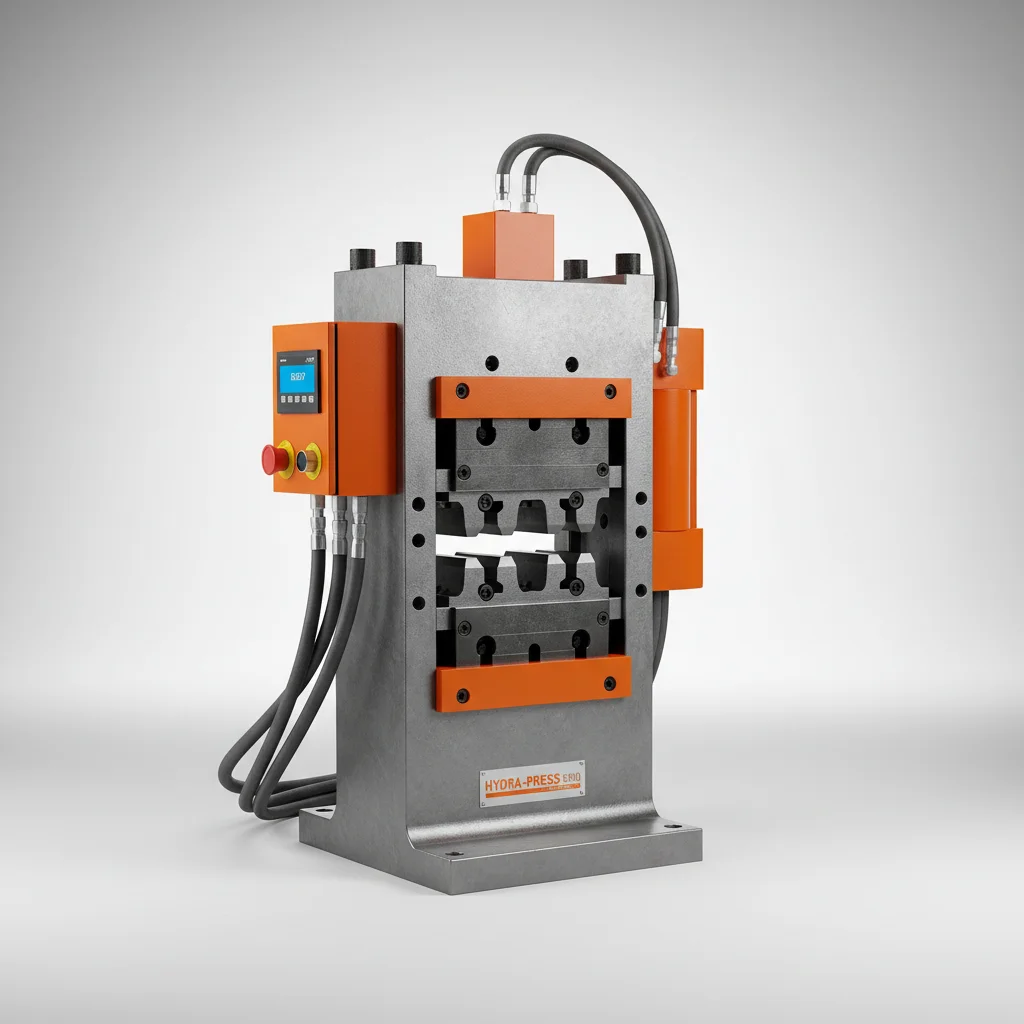
For professionals seeking an efficient balance between cost and performance, the WILLEX POWER DZW-D10 represents a specialized approach to the hydraulic hose crimping machine used market. By focusing on a 150 KN piston force within a compact, manual frame, this equipment bridges the gap between heavy industrial machinery and portable hand tools, specifically tailored for the unique requirements of trachea and medical sprayer hose assemblies.

Global Context of Portable Hose Crimping Solutions
In the modern industrial landscape, the reliance on hydraulic systems is ubiquitous, from heavy mining machinery to intricate medical devices. The global market for hose assembly equipment is increasingly shifting toward versatility, as ISO standards demand higher precision and leak-proof certifications for safety-critical applications. This has created a significant niche for the hydraulic hose crimping machine used in field service, where the lack of power outlets often hinders immediate repairs.
The challenge for many operators is the trade-off between power and portability. Traditional electric crimpers, while fast, tether the technician to a workshop, leading to costly transport of components back and forth. By utilizing manual high-force systems like the DZW-D10, industries can ensure 100% uptime, performing critical assemblies on-site in medical facilities or construction zones without compromising the 150 KN of force required for a secure seal.
Defining the Manual Hydraulic Crimping Process
A manual hydraulic hose crimping machine used for specialized tasks is a mechanical device designed to compress a fitting onto a hose using a high-pressure piston. Unlike automated systems, a manual crimper relies on operator-driven mechanical leverage to generate the force necessary to deform the sleeve, creating a permanent, airtight bond between the hose wall and the connector.
For medical sprayer hoses and trachea, this process requires extreme precision. Because these hoses often have unique wall characteristics, the crimping machine must apply force evenly across the circumference of the fitting. The DZW-D10 achieves this through a precision-engineered piston system that delivers a consistent 150 KN force, ensuring that the hose is not crushed but securely locked.
This method of assembly is essential for humanitarian and medical aid operations where infrastructure is limited. The ability to assemble medicine sprayer hoses in a portable format means that critical healthcare equipment can be repaired or customized in the field, directly impacting the speed of medical response and the reliability of patient-care devices.
Core Components of the DZW-D10 System
The effectiveness of a hydraulic hose crimping machine used for manual operations depends on its mechanical integrity. The DZW-D10 features a high-strength piston system capable of generating 150 KN of force, which is the heart of the machine, allowing it to handle outer diameters from 5mm to 34mm with absolute stability.
Beyond the piston, the machine is built with industrial-grade materials to prevent frame flexion during high-pressure cycles. This ensures that the hydraulic hose crimping machine used maintains a perfectly concentric crimp, which is vital for trachea hoses where any asymmetry could lead to a failure under pressure.
The portability aspect is managed through a compact footprint (500x350x80 mm) and a lightweight chassis weighing only 11 kg. This design allows the operator to integrate the tool seamlessly with other equipment, such as hose cutting machines and pressure testing units, creating a complete, mobile processing line for small-batch medical hose production.
Comparative Performance and Efficiency Metrics
When analyzing the investment return of a hydraulic hose crimping machine used in a manual configuration versus an electric one, the primary metrics are mobility and operational cost. While electric machines offer higher speeds for mass production, the DZW-D10 excels in "zero-power" environments, eliminating the need for expensive electrical installations and reducing long-term maintenance costs.
The operational cycle of approximately 10 seconds per crimp is highly efficient for specialized, small-batch assemblies. This allows technicians to maintain a professional pace without the complexity of electrical calibration or the risk of power-surge-related downtime, making it the logical choice for field maintenance and specialized medical labs.
Performance Rating of Manual vs Electric Hose Crimping Solutions
Real-World Applications in Medical and Industrial Fields
In medical facility maintenance, the hydraulic hose crimping machine used for sprayer hoses is indispensable. Imagine a scenario in a remote clinic where a specialized sprayer hose fails; the ability to crimp a new fitting on-site using the DZW-D10 ensures that medical services are not interrupted for days while waiting for a factory-made replacement.
Beyond healthcare, the tool is widely applied in confined industrial spaces, such as aircraft maintenance bays or high-altitude construction sites. In these environments, the 11kg weight and manual operation allow the machine to be carried to the exact point of failure, providing a professional 150 KN seal exactly where it is needed, thereby reducing the risk of hose failure in high-pressure systems.
Long-Term Value and Sustainability of Manual Tooling
Investing in a manual hydraulic hose crimping machine used offers a sustainability advantage that electric alternatives cannot match. By eliminating electricity consumption and the need for complex electronic circuit boards, the DZW-D10 has a significantly lower carbon footprint over its lifecycle and a virtually nonexistent electronic waste profile.
From a financial perspective, the "budget-friendly" nature of manual tooling allows small-scale workshops and mobile technicians to acquire professional-grade equipment without a massive initial capital outlay. This democratizes high-quality hose assembly, enabling smaller enterprises to compete by offering fast, on-site repair services with the same seal integrity as larger factories.
The long-term reliability is anchored in the simplicity of the mechanical design. With only basic lubrication points for the 150 KN piston system, the machine avoids the common "planned obsolescence" associated with digital controllers, ensuring that the equipment remains operational for decades with minimal upkeep.
Future Trends in Specialized Hose Assembly
The future of the hydraulic hose crimping machine used market is moving toward "hyper-specialization." As medical technology evolves, we expect to see more tools like the DZW-D10 that are precision-engineered for specific wall thicknesses and materials, such as bio-compatible polymers and reinforced synthetic trachea hoses.
We are also seeing a trend toward modularity, where manual crimpers can be quickly fitted with a wider variety of die sets to cover an even broader range of outer diameters. This allows a single portable unit to adapt to evolving industry standards without requiring the purchase of entirely new machinery.
Finally, the integration of manual tooling into digital quality assurance workflows is emerging. While the crimping remains manual, the use of digital calipers and pressure testing equipment allows operators to log the precise results of each manual crimp, combining "old-world" mechanical reliability with "new-world" data tracking.
Comparative Analysis of Manual Hose Crimping Tooling vs Industrial Electric Systems
| Feature Dimension |
DZW-D10 Manual |
Standard Electric |
Field Utility Score |
| Power Dependency |
Zero (100% Manual) |
High (Fixed Outlet) |
10/10 |
| Mobility/Weight |
11kg (Ultra-Portable) |
50kg+ (Limited) |
10/10 |
| Piston Force |
150 KN |
Variable (High) |
9/10 |
| Setup Time |
Instant Operation |
Calibration Required |
10/10 |
| Maintenance |
Mechanical Lubrication |
Electrical/Hydraulic |
9/10 |
| Initial Cost |
Budget Friendly |
High Investment |
8/10 |
FAQS
The DZW-D10 is specifically designed for crimping medicine sprayer hoses and trachea, handling outer diameters ranging from 5mm to 34mm. It is ideal for specialized medical hose assemblies where precision and portable on-site assembly are required.
No, the DZW-D10 is a fully manual machine. It requires no electricity or batteries, making it perfect for outdoor maintenance, construction sites, and remote medical facilities where power is unavailable.
The machine is engineered to provide a powerful piston force of 150 KN. This ensures a secure, professional-grade, leak-proof crimp every time, meeting rigorous industrial and medical safety standards.
A typical crimping operation takes approximately 10 seconds. This provides a balanced blend of manual precision and speed, making it highly efficient for small-batch production and urgent field repairs.
It is best suited for small-batch production, on-site repairs, and specialized medical hose assemblies. For massive industrial volume, electric crimpers are faster, but the DZW-D10 is unmatched for portability and specialized field use.
Yes, it complements a full suite of hydraulic equipment. It can be seamlessly integrated with hose cutting machines and pressure testing equipment to create a complete, portable hose processing line.
Conclusion
The WILLEX POWER DZW-D10 redefines the utility of a hydraulic hose crimping machine used in specialized sectors. By combining a massive 150 KN piston force with a portable, power-independent design, it solves the critical problem of on-site hose assembly for medical sprayer hoses and trachea. Its durability, ease of maintenance, and precision make it a high-value asset for technicians who cannot be tethered to a workshop.
Looking forward, as medical and industrial fields move toward more decentralized and rapid-response maintenance models, the significance of manual high-precision tooling will only grow. We recommend that facility managers and field engineers integrate such portable solutions into their toolkit to ensure maximum uptime and safety. For more information on enhancing your assembly efficiency, visit our website: www.willexcrimper.com.