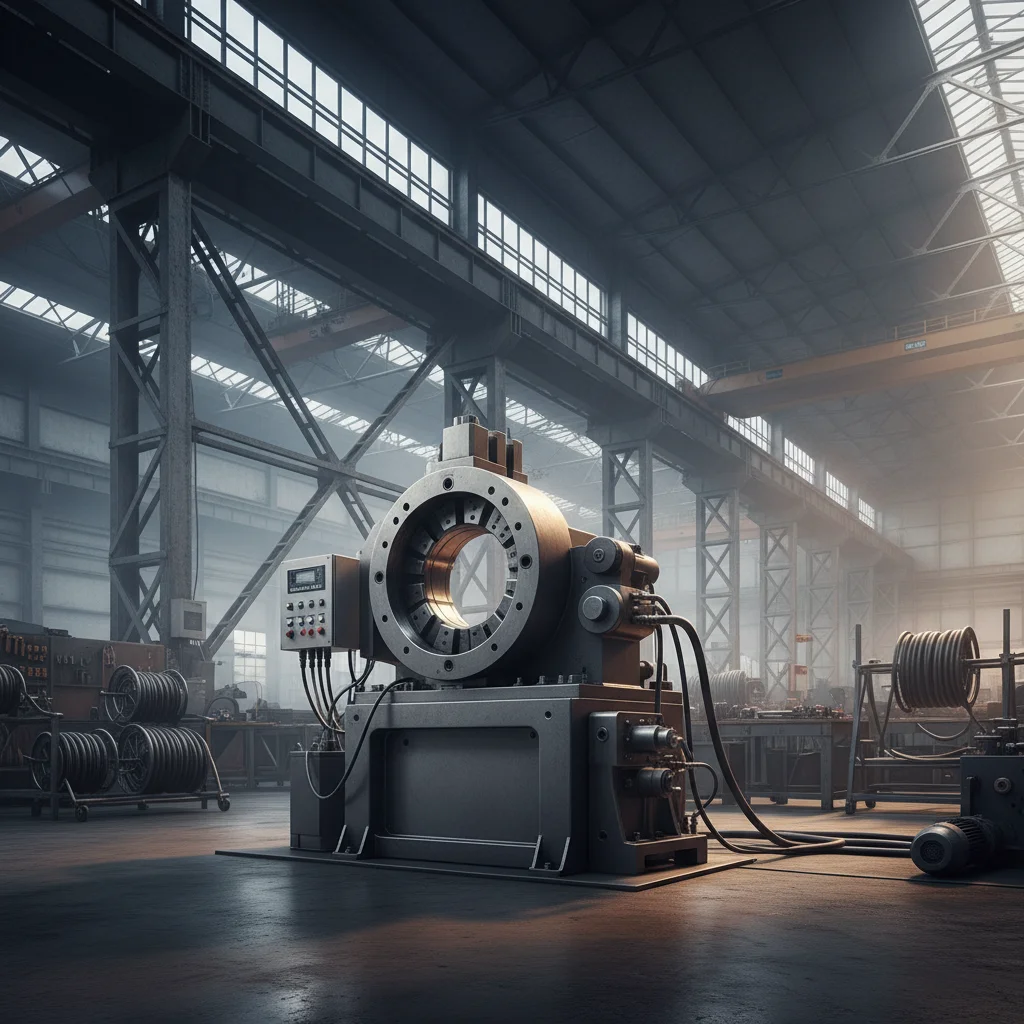
In the high-pressure world of hydraulic systems, the integrity of a connection can mean the difference between seamless operation and catastrophic failure. A professional hose fitting machine is not merely a piece of workshop equipment; it is the primary safeguard that ensures hydraulic hoses are permanently and securely bonded to their fittings. By applying precise mechanical force, these machines create a leak-proof seal capable of withstanding extreme pressures in the most demanding environments.
Globally, the demand for precision-engineered fluid power systems has surged, driving the need for advanced crimping technology. Whether in the depths of a mining operation or the assembly line of a heavy-duty vehicle, the reliance on a consistent, repeatable hose fitting machine is paramount. As industries move toward higher operating pressures and more complex chemical environments, the equipment used to assemble these components must evolve to maintain safety and efficiency.
Understanding the nuances of hose assembly—from the selection of the right crimping dies to the calibration of pressure settings—allows operators to maximize the lifespan of their hydraulic components. By integrating a high-performance hose fitting machine into their production workflow, companies can reduce waste, eliminate costly leaks, and ensure that every hose assembly meets rigorous international safety standards.
Global Industry Context of Hose Fitting Machine
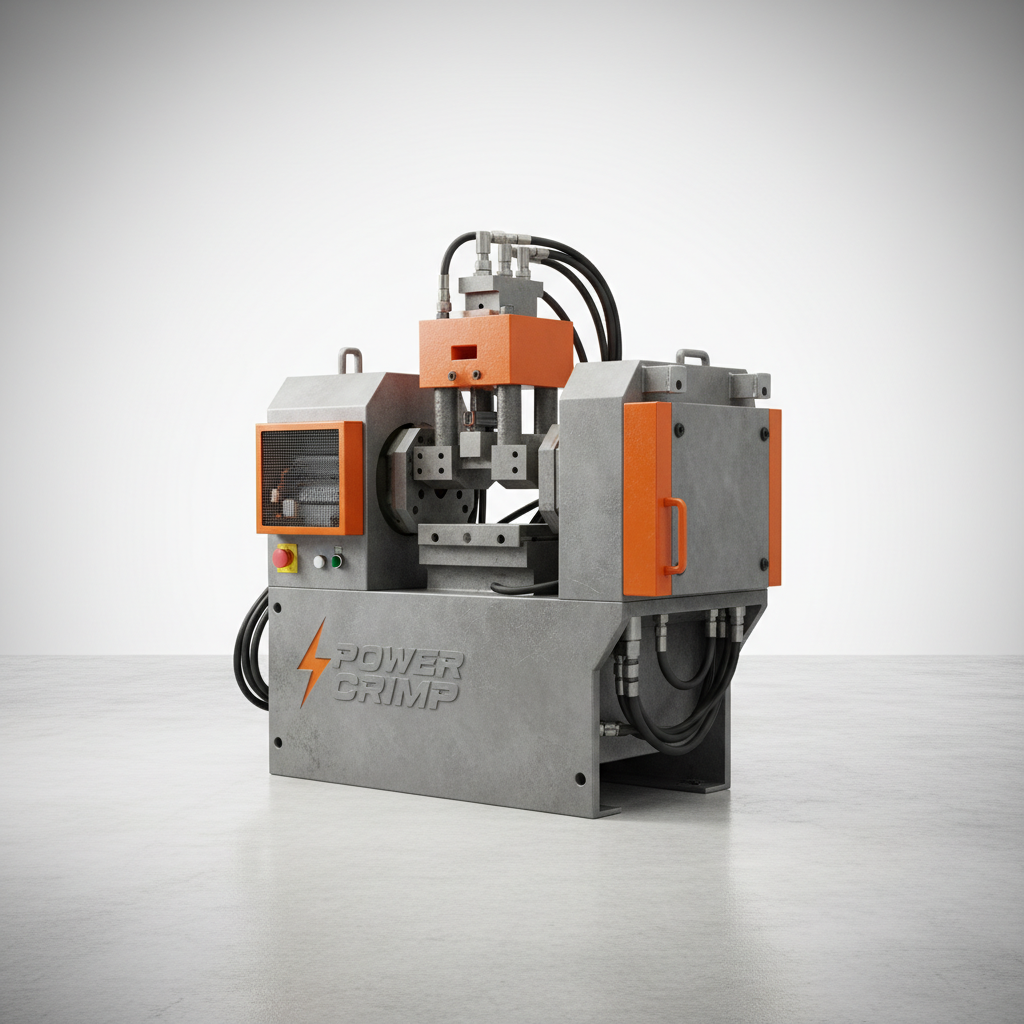
The global hydraulic machinery market is an essential pillar of modern infrastructure, with the hose fitting machine serving as the critical link in the supply chain. According to ISO standards for fluid power, the precision of the crimp determines the safety rating of the entire system. In regions like North America and Europe, where industrial automation is peaking, the move toward standardized, high-pressure hose assemblies has made the adoption of digital crimping technology a necessity rather than a luxury.
The primary challenge facing the industry today is the volatility of pressure spikes in heavy-duty applications. Without a precisely calibrated hose fitting machine, hoses are prone to "blow-offs," where the fitting separates from the hose under load. This not only causes expensive downtime but poses a severe risk to human life. Consequently, the industry is shifting away from manual methods toward automated, data-driven crimping solutions that ensure 100% consistency across every single unit produced.
Defining the Modern Hose Fitting Machine
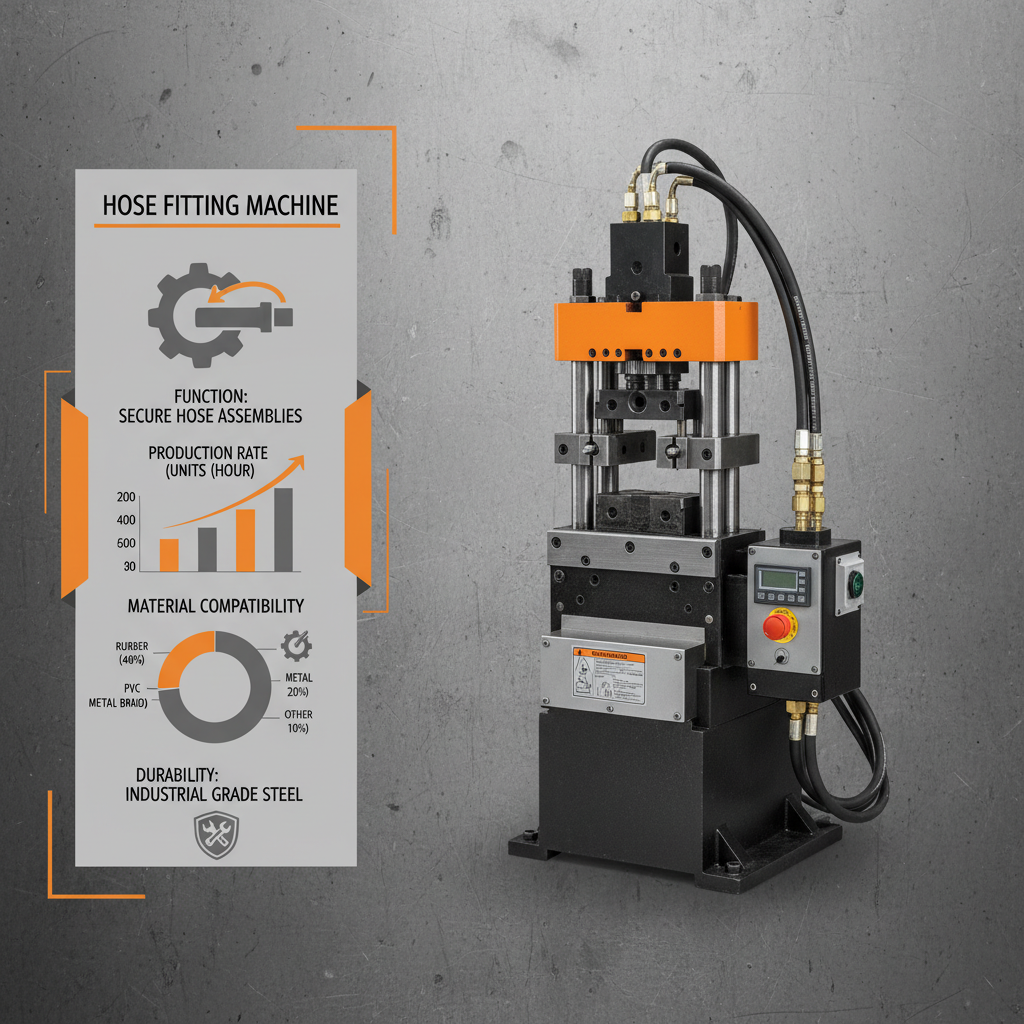
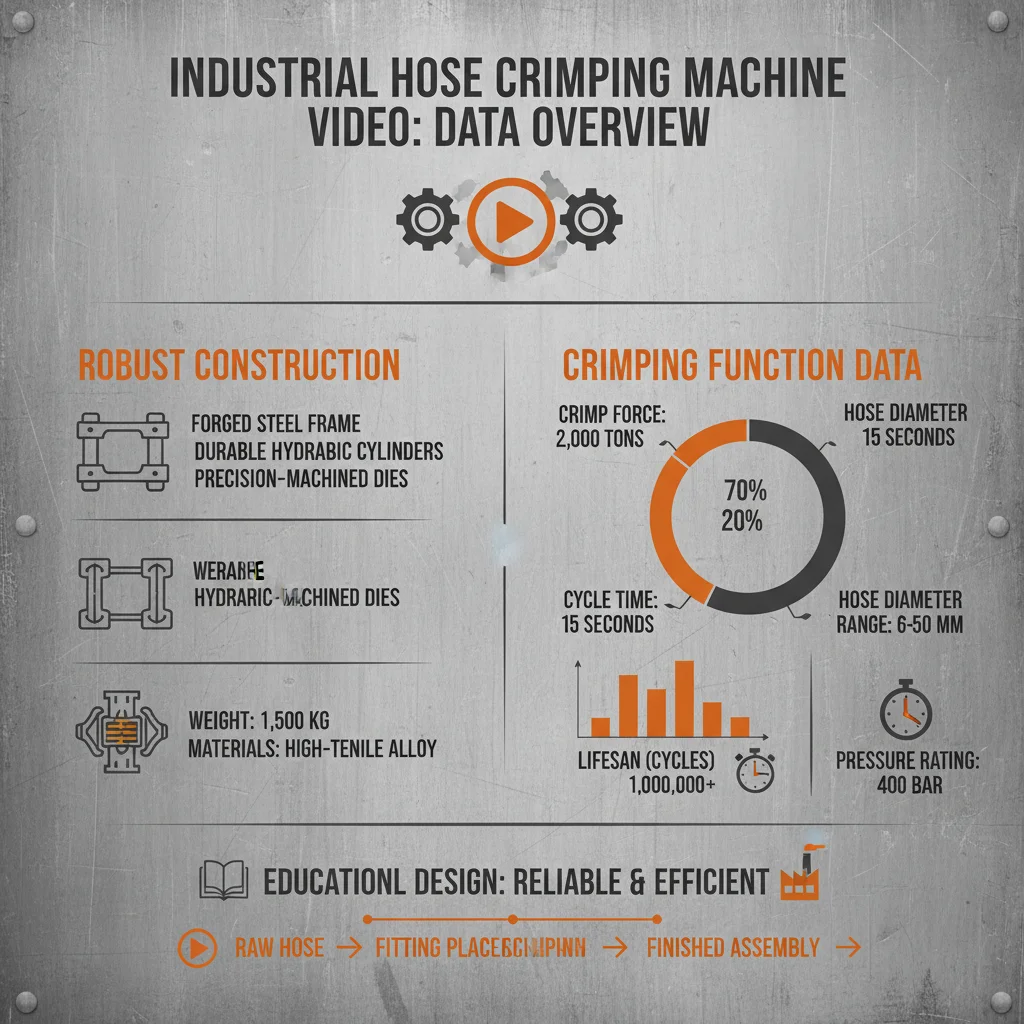
At its core, a hose fitting machine is a specialized piece of industrial equipment designed to compress a metal sleeve (ferrule) over a hose and fitting. This process creates a mechanical bond that prevents the hose from slipping out, even when subjected to internal pressures that can exceed 60,000 PSI. Modern iterations of these machines utilize hydraulic cylinders and high-strength dies to apply uniform radial pressure, ensuring the hose is gripped evenly around its entire circumference.
Beyond simple compression, the modern hose fitting machine is an intersection of metallurgy and mechanical engineering. It must handle a vast array of materials, from braided steel wires to synthetic polymers, requiring interchangeable dies and adjustable pressure settings. The evolution of these machines has mirrored the growth of the "smart factory," incorporating PLC controls and digital displays to remove human error from the assembly process.
In a humanitarian or emergency context, such as rapid deployment of water purification systems or disaster relief machinery, a portable hose fitting machine allows technicians to repair critical infrastructure on-site. This capability transforms the machine from a static factory tool into a mobile lifeline, ensuring that essential fluids—be it fuel, water, or hydraulic oil—continue to flow in environments where failure is not an option.
Core Components for Maximum Reliability
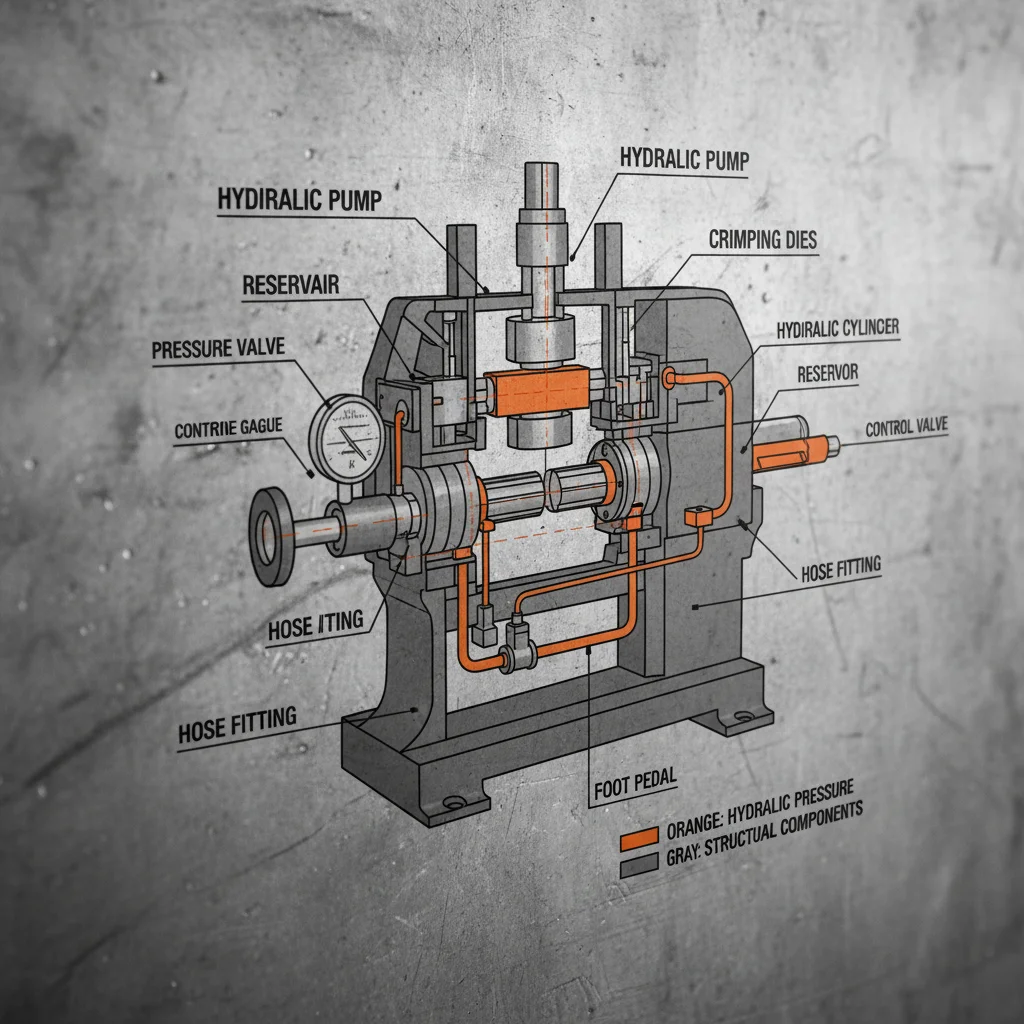
The heartbeat of any hose fitting machine is the hydraulic pump and cylinder system. The pump must provide a steady flow of oil to generate the immense pressure required for the crimp, while the cylinder ensures that this force is applied linearly and consistently. Any fluctuation in pump performance can lead to under-crimping, which is a leading cause of field failures in hydraulic systems.
Precision dies are the "teeth" of the hose fitting machine, and their quality determines the final finish of the fitting. These components are typically crafted from high-grade alloy steel and heat-treated to resist wear. A perfectly matched die set prevents the deformation of the ferrule and ensures that the compression is distributed equally, avoiding "flat spots" that could create weak points in the hose assembly.
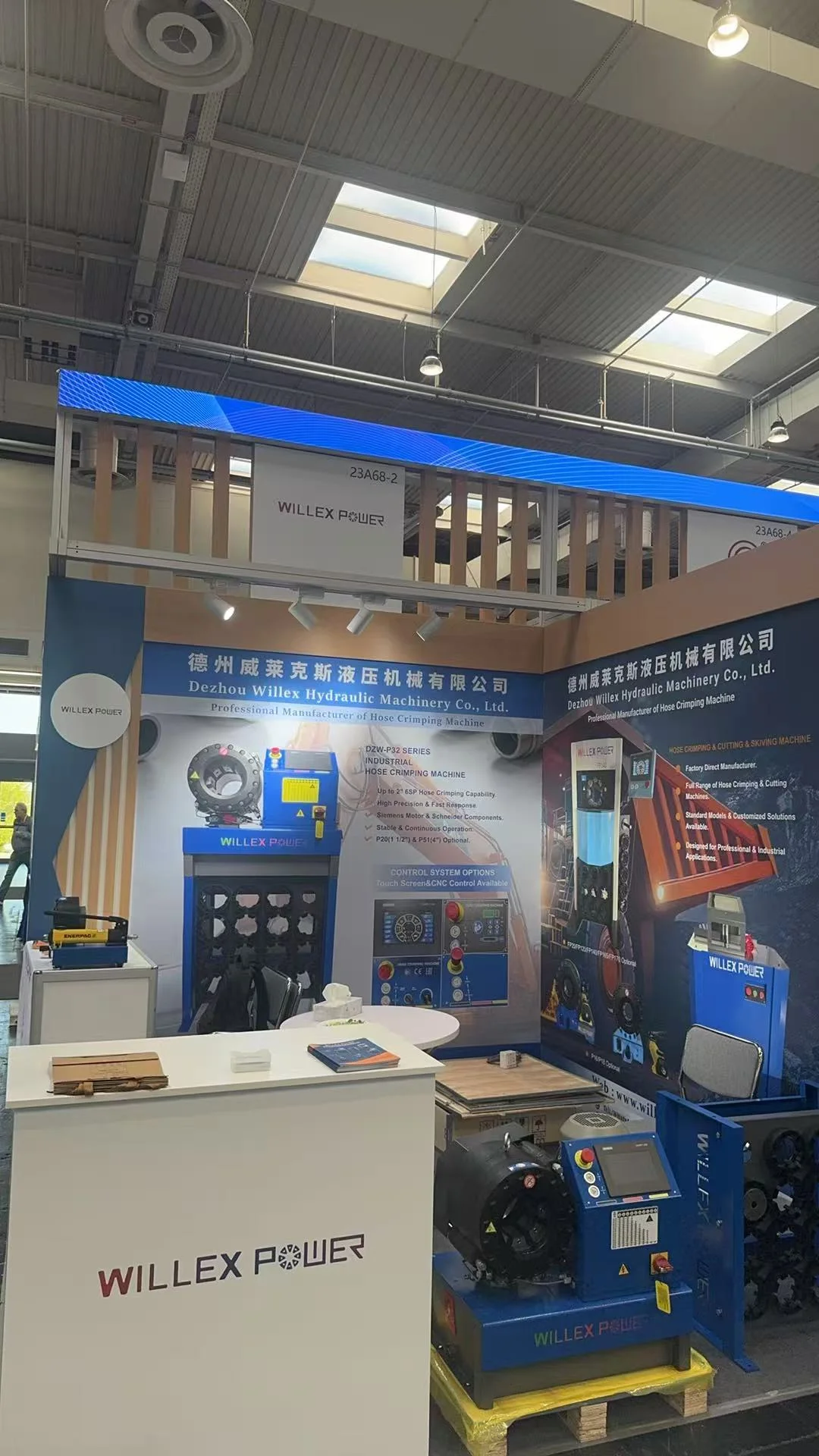
The control interface—whether it is a manual lever or a digital PLC—governs the timing and depth of the crimp. Advanced hose fitting machine models now feature automatic stop sensors and programmable presets for different hose sizes. This allows operators to switch between a 1/4" and a 2" hose with a single button press, dramatically increasing throughput while maintaining strict adherence to technical specifications.
Key Performance Factors in Hose Assembly
When evaluating the efficacy of a hose fitting machine, several performance metrics take center stage. Durability is the first; these machines must operate in dusty, oily environments for thousands of cycles without losing calibration. Scalability is equally important, as a facility may need to handle everything from small-diameter precision lines to massive industrial conduits using the same base machine platform.
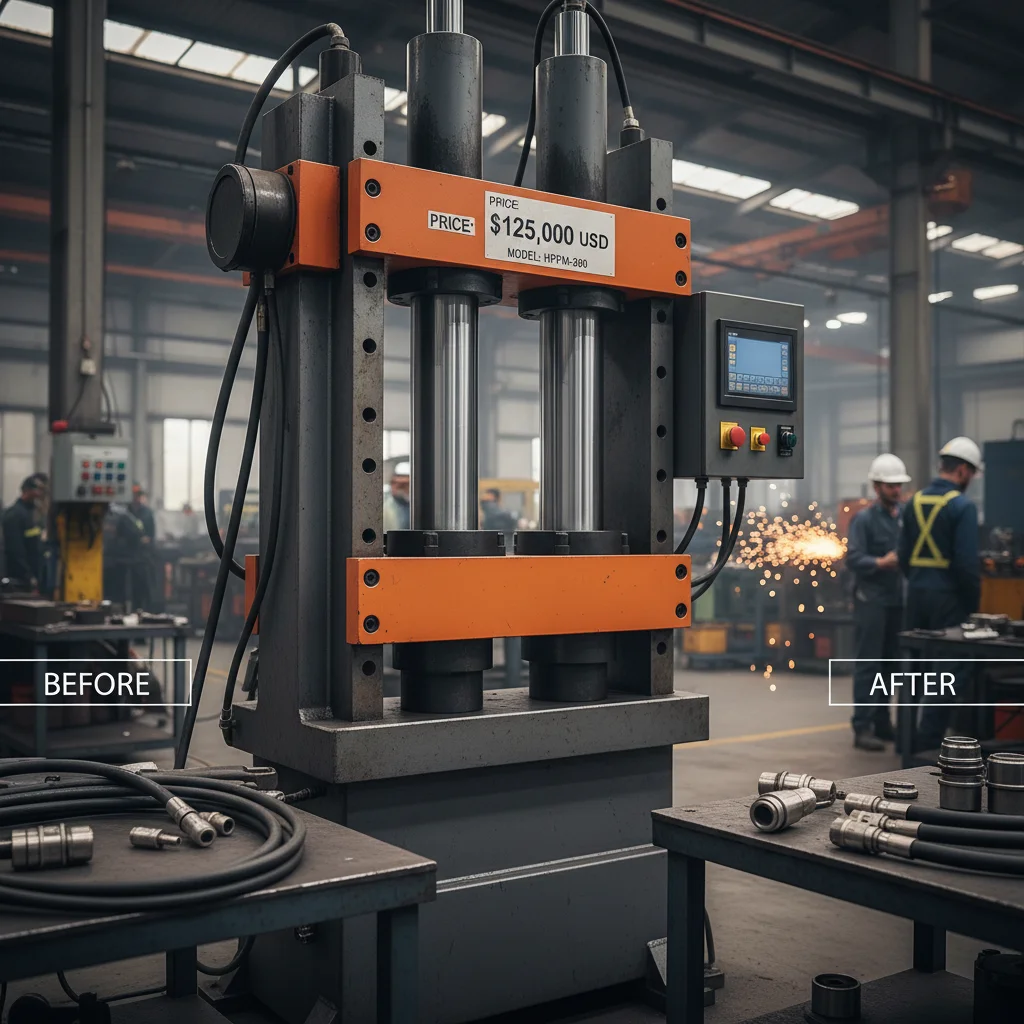
Cost efficiency is not just about the purchase price, but the reduction of scrap material. A high-precision hose fitting machine minimizes the "trial and error" phase of assembly, meaning fewer wasted ferrules and hoses. By ensuring a right-first-time approach, the long-term operational costs are significantly lowered, providing a better return on investment.
Efficiency Comparison of Hose Fitting Machine Methods
Global Applications and Industrial Use Cases
The versatility of the hose fitting machine makes it indispensable across diverse sectors. In the mining industry, where massive hydraulic excavators operate in abrasive environments, on-site crimping stations are essential for reducing downtime. A broken hose in a remote pit can halt production for hours; having a dedicated hose fitting machine allows for immediate replacement and repair, maintaining the operational rhythm of the site.
Similarly, in the aerospace and automotive sectors, precision is non-negotiable. High-pressure brake lines and fuel conduits require a level of accuracy that only a calibrated hose fitting machine can provide. In these industries, every assembly is often logged with a digital fingerprint—recording the exact pressure and diameter—to ensure total traceability and compliance with aviation and safety regulations.
Long-Term Value and Safety Advantages
Investing in a premium hose fitting machine provides value that extends far beyond mere production speed. The primary advantage is the peace of mind that comes from uncompromising safety. A properly crimped hose prevents the "projectile effect," where a fitting failure sends a metal piece flying at high speed. This reliability builds trust between the manufacturer and the end-user, fostering long-term commercial relationships based on quality.
From a sustainability perspective, high-quality crimping reduces the environmental impact of industrial operations. Leaking hydraulic fluid is not only a waste of resources but a significant pollutant. By using a hose fitting machine that ensures absolute sealing, companies can drastically reduce fluid spills and the subsequent need for hazardous waste cleanup.
Furthermore, the longevity of the hose assemblies produced by professional equipment means fewer replacements over the lifecycle of the machinery. This reduces the total cost of ownership for the customer and positions the assembly shop as a provider of high-end, durable solutions. The emotional value of "trust" in a connection is what separates a budget shop from an industry leader.
Future Innovations in Hose Fitting Technology
The future of the hose fitting machine lies in the integration of AI and IoT. We are moving toward "intelligent crimping," where the machine can sense the material density of the hose in real-time and automatically adjust the crimping force to compensate for slight variations in hose wall thickness. This eliminates the need for manual calibration and guarantees a perfect seal every time.
Digital transformation is also bringing cloud-based monitoring to the workshop. Managers can now track the usage and health of their hose fitting machine fleet from a central dashboard, receiving alerts for preventative maintenance before a component fails. This shift from reactive to proactive maintenance ensures that production lines never stop unexpectedly.
Additionally, the rise of green energy is pushing the development of electric-drive hose fitting machine units that replace traditional hydraulic power with high-torque servo motors. These machines are quieter, more energy-efficient, and offer a level of precision that was previously impossible, aligning industrial manufacturing with global sustainability goals.
Comparative Analysis of Hose Fitting Machine Specifications
|
Machine Model Type
|
Max Crimping Force
|
Precision Level
|
Operational Speed
|
|
Manual Lever Type
|
Low (2-5 Tons)
|
Moderate (6/10)
|
Slow
|
|
Semi-Auto Hydraulic
|
Medium (10-30 Tons)
|
High (8/10)
|
Medium
|
|
PLC Digital Series
|
High (50-100 Tons)
|
Extreme (10/10)
|
Fast
|
|
Heavy Duty Industrial
|
Ultra (200+ Tons)
|
Extreme (10/10)
|
Very Fast
|
|
Portable Field Unit
|
Medium (5-15 Tons)
|
Moderate (7/10)
|
Medium
|
|
Customized Servo-Drive
|
Variable (10-150 Tons)
|
Highest (11/10)
|
Optimized
|
FAQS
Choosing the correct die set depends entirely on the outer diameter of the ferrule and the specific hose standard (e.g., SAE, DIN, or BS). You must refer to the manufacturer's crimping chart, which provides the exact die size and the corresponding crimp diameter. Using an incorrect die can result in either a loose fitting that leaks or an over-crimped hose that compromises the internal reinforcement layers.
Manual machines rely on the operator's judgment and manual levers, making them suitable for low-volume or emergency repairs. PLC-controlled machines use programmable logic controllers to automate the crimping cycle, ensuring identical pressure and depth for every piece. PLC machines are essential for high-production environments where consistency, speed, and digital record-keeping are required to meet quality audits.
Calibration should be performed at least once a year, or more frequently if the machine is used in a high-volume production setting. Regular calibration ensures that the pressure gauges and digital readouts accurately reflect the force being applied. We recommend performing a "test crimp" and measuring the result with a calibrated caliper at the start of every shift to ensure ongoing accuracy.
While a single machine can be very versatile, it is limited by its maximum crimping force and the size of the dies it can accommodate. For instance, a machine designed for small-diameter lines cannot crimp a 4-inch heavy-duty industrial hose. However, by investing in a wide range of interchangeable die sets and a machine with a high tonnage capacity, you can cover a vast majority of industrial applications.
The most common causes are under-crimping (insufficient pressure), over-crimping (damaging the hose structure), or using mismatched components. Additionally, if the hose is not inserted fully into the fitting before the hose fitting machine is activated, the seal will be compromised. Always verify the "insertion depth" before starting the crimping cycle to prevent premature failure.
Yes, as long as the application requires a radial compression bond. Many industries use these machines for pneumatic lines, fuel hoses, and even certain types of electrical conduits. The key is to ensure that the dies are specifically designed for the material being compressed to avoid crushing the internal core of the hose or tube.
Conclusion
In summary, the hose fitting machine is far more than a simple tool; it is the cornerstone of hydraulic safety and industrial efficiency. From the precision of the die sets to the power of the hydraulic cylinders, every component plays a vital role in preventing system failures and ensuring operational continuity across global industries. By prioritizing precision, adopting digital controls, and maintaining strict calibration standards, manufacturers can deliver hose assemblies that withstand the most extreme pressures and environments.
Looking forward, the integration of AI-driven adjustments and servo-electric power will continue to redefine the benchmarks of the hose assembly industry. We encourage workshop managers and industrial engineers to move toward smarter, more sustainable crimping solutions to stay competitive in an evolving market. Investing in high-quality equipment today is the best way to guarantee safety and reliability for tomorrow. Visit our website: www.willexcrimper.com