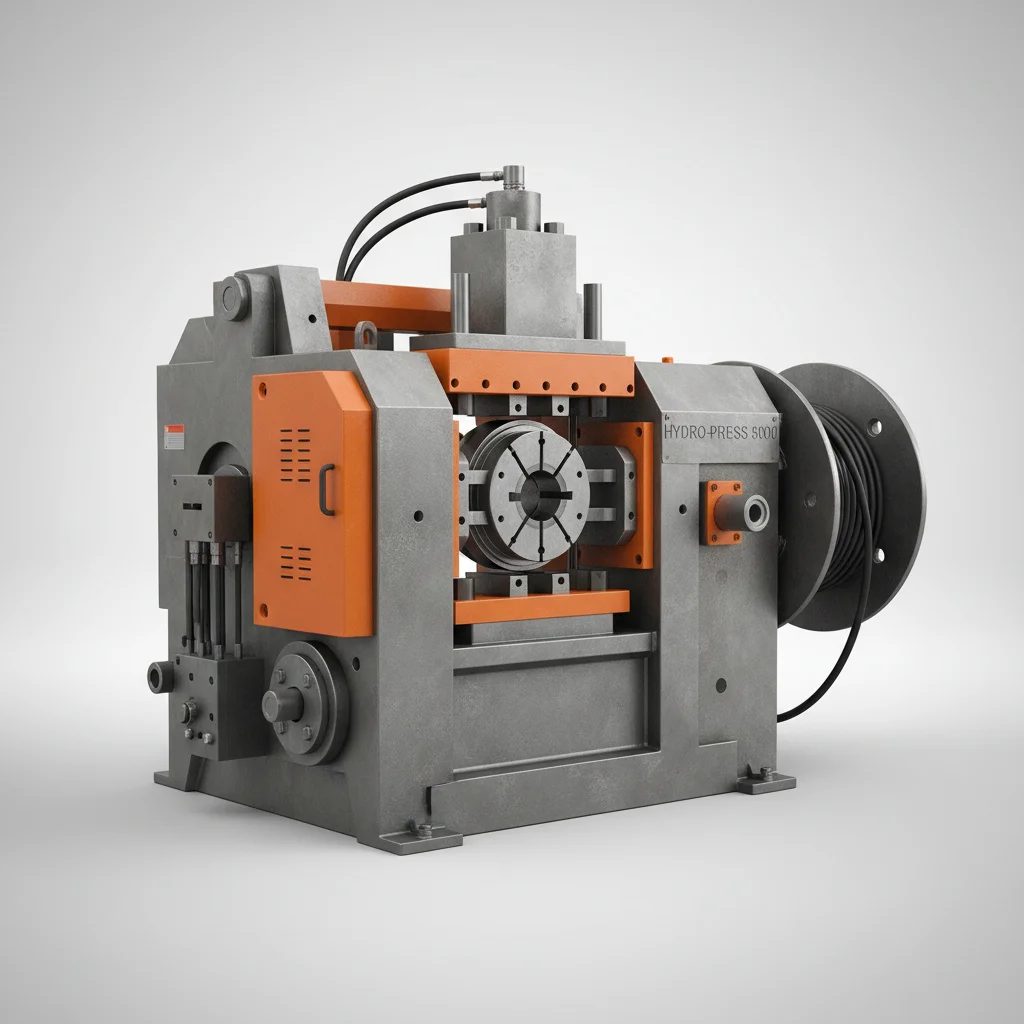
The global demand for efficient and reliable cable termination is constantly increasing, driving the need for quality hydraulic crimping machines. Understanding the nuances of hydraulic crimping machine price is crucial for businesses and professionals across various sectors, ensuring safety, performance, and cost-effectiveness in electrical connections. This understanding isn’t limited to technical specifications; it encompasses the total cost of ownership, including maintenance, lifespan, and potential downtime.
The price of a hydraulic crimping machine isn’t merely a purchase cost; it’s an investment in the longevity and reliability of critical infrastructure. From power distribution networks to renewable energy installations, and even smaller-scale applications like automotive repair, properly crimped connections are fundamental. The global market for these machines is influenced by factors like raw material costs, manufacturing advancements, and evolving industry standards, impacting the overall hydraulic crimping machine price.
Fluctuations in the price of hydraulic crimping machines can significantly affect project budgets and operational expenses. Therefore, informed decision-making, considering not only the initial cost but also the long-term value and operational benefits, is paramount. A well-chosen machine, even with a higher upfront hydraulic crimping machine price, can prove more economical in the long run due to reduced maintenance and increased productivity.
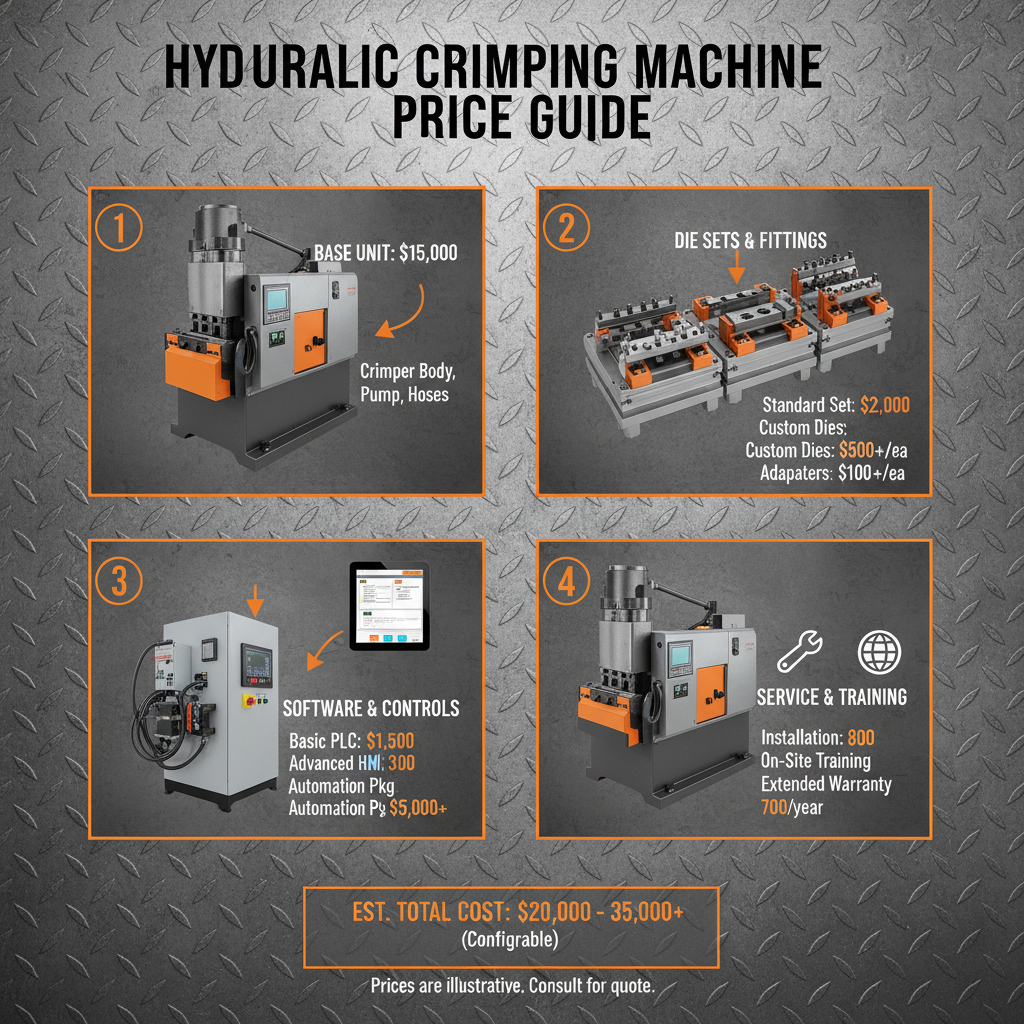
Introduction to hydraulic crimping machine price
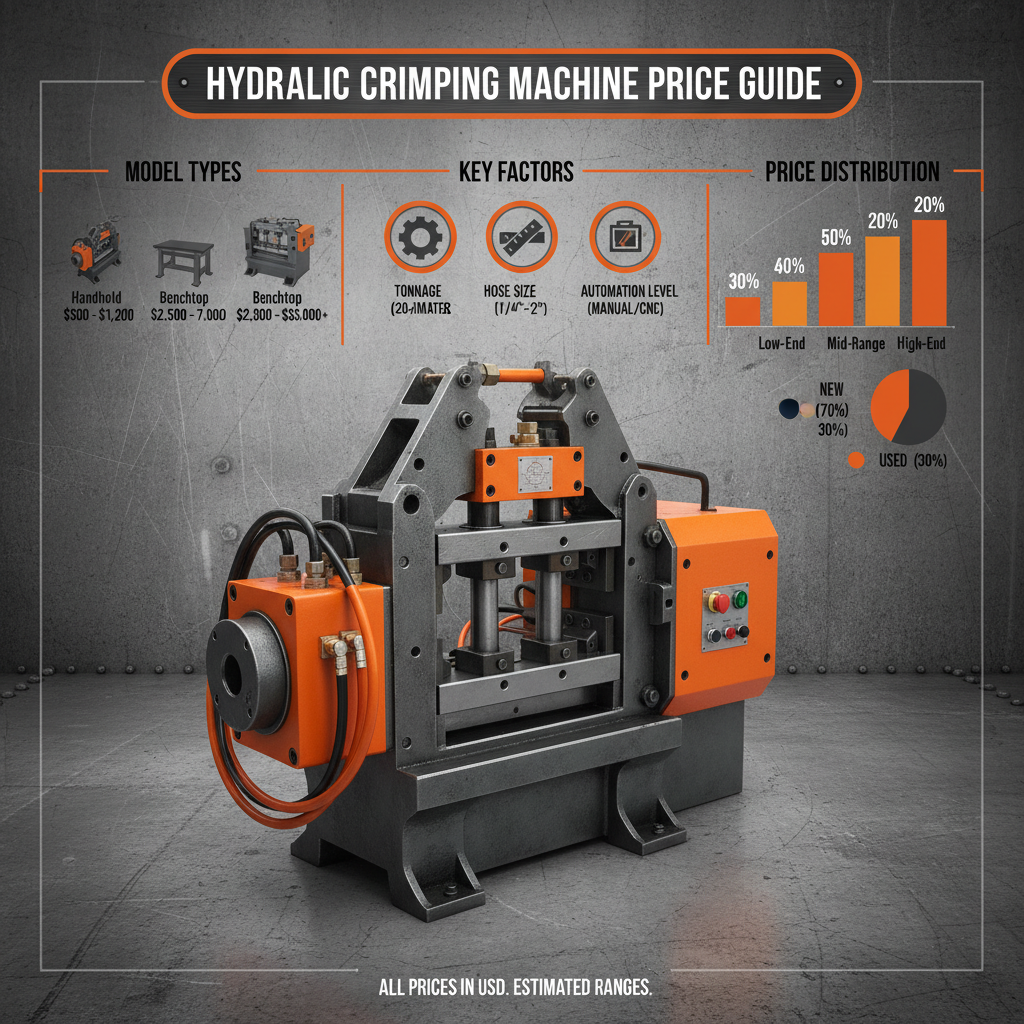
Understanding the factors that contribute to hydraulic crimping machine price is essential for making informed purchasing decisions. The cost can vary widely based on specifications like tonnage, automation level, and brand reputation. A basic manual machine will naturally have a lower price point compared to a fully automated, high-tonnage model designed for industrial applications.
It's important to consider not just the initial purchase price, but also ongoing costs like tooling, maintenance, and potential repairs. A cheaper machine may require more frequent maintenance or replacement parts, ultimately increasing the total cost of ownership. Therefore, evaluating the long-term value proposition is critical when assessing the hydraulic crimping machine price.
Defining hydraulic crimping machine price
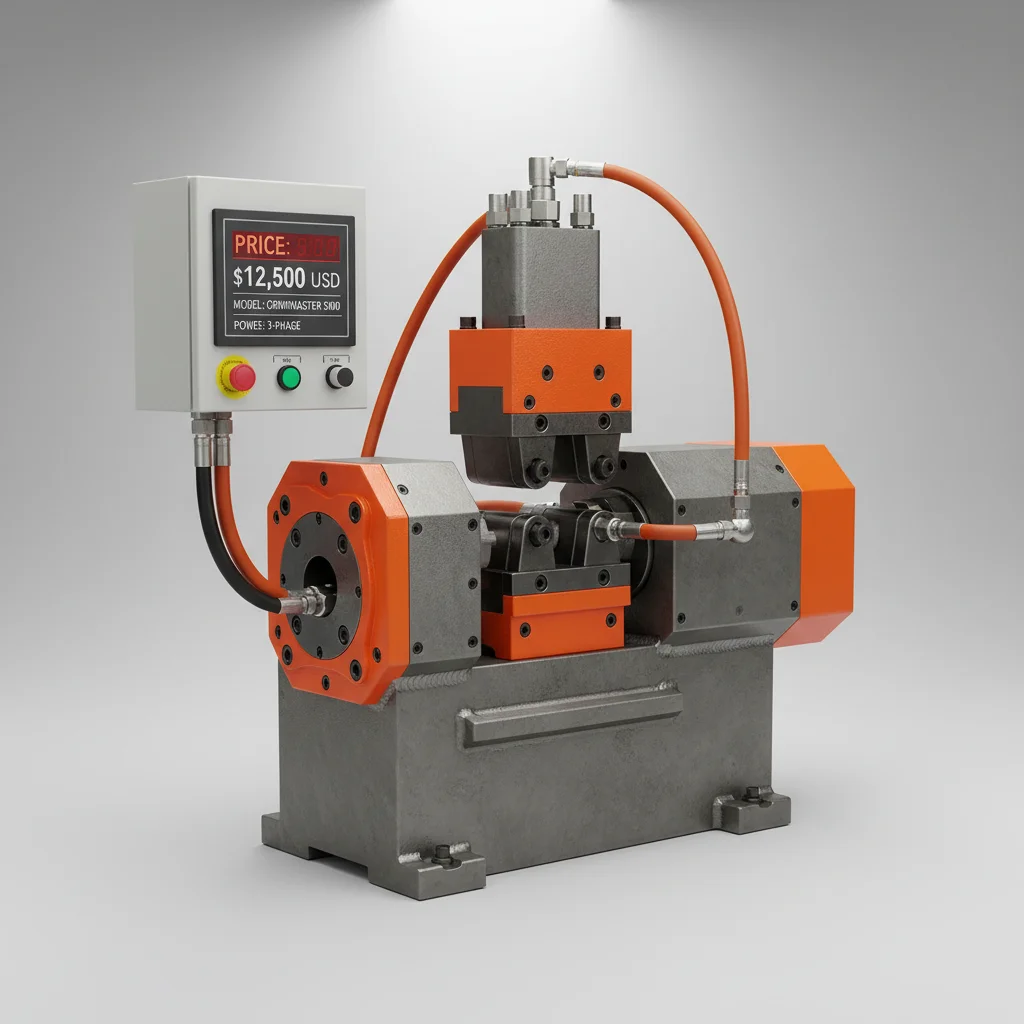
The term “hydraulic crimping machine price” encompasses the total expense associated with acquiring and utilizing a machine designed to create secure electrical connections through compression. This includes not just the manufacturer’s suggested retail price (MSRP), but also shipping costs, taxes, and the price of any necessary accessories like dies and fittings. The price range can span from a few hundred dollars for a small, portable manual unit to tens of thousands of dollars for a large, automated industrial system.
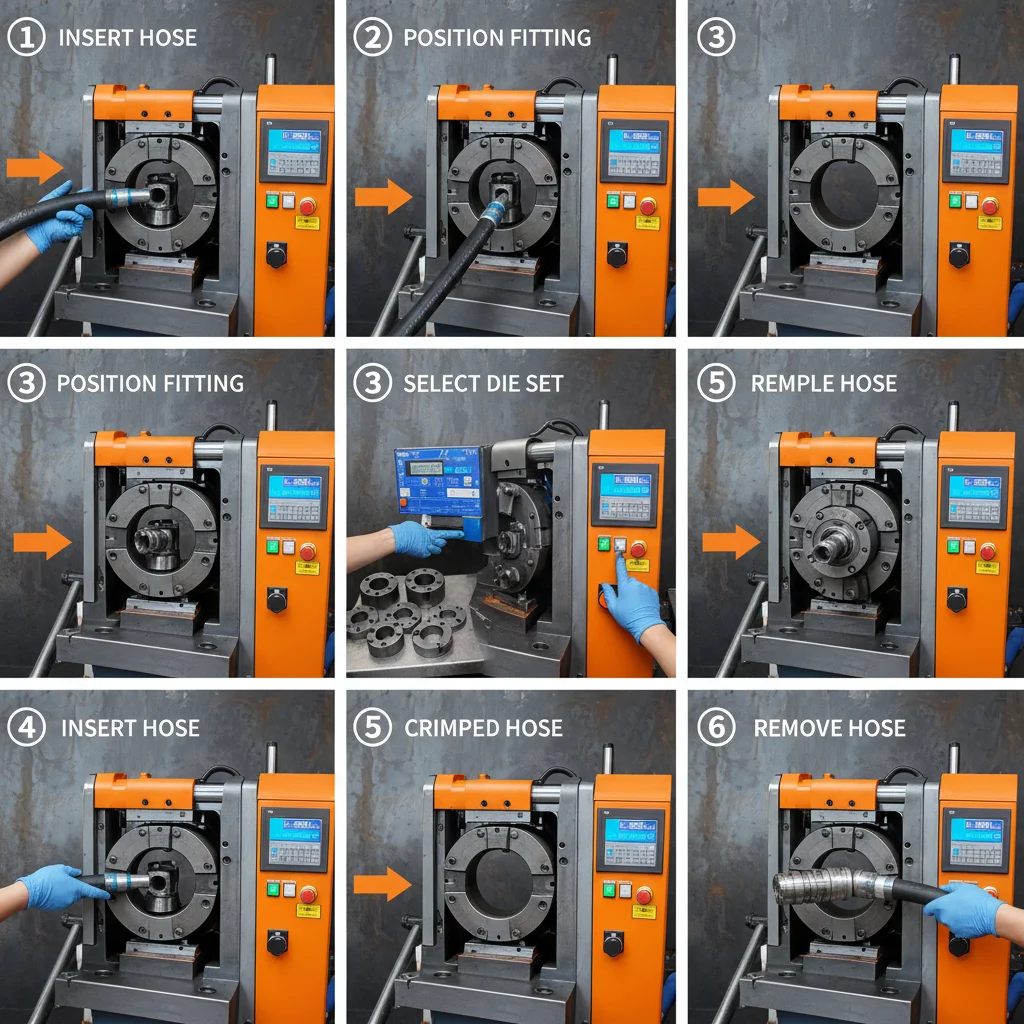
The core function of a hydraulic crimping machine is to apply controlled force to compress a connector onto a conductor, creating a reliable electrical and mechanical bond. The price reflects the machine’s ability to deliver this force accurately and consistently, with factors like hydraulic pressure capacity, die precision, and overall build quality all influencing the cost.
The hydraulic crimping machine price is therefore indicative of the quality of components, manufacturing processes, and the level of control and precision offered by the machine, which directly translates into the reliability and longevity of the electrical connections it produces.
Key Factors Influencing Price
Several factors contribute to the hydraulic crimping machine price. Tonnage, which represents the maximum force the machine can exert, is a primary driver. Higher tonnage machines capable of handling larger connectors and heavier-gauge wires are naturally more expensive. Another critical aspect is the level of automation – manual machines are generally the least expensive, while fully automatic machines with programmable controls command a higher price.
The brand reputation and the manufacturer’s commitment to quality also significantly impact the price. Established brands with a proven track record of reliability and customer support typically charge a premium. The materials used in construction – such as the type of steel and the quality of hydraulic components – contribute to both the machine's durability and its price.
Finally, the features included with the machine, such as integrated pressure gauges, adjustable crimping cycles, and safety mechanisms, all influence the final hydraulic crimping machine price. The complexity of the control system and the availability of advanced functionalities also play a role.
Practical Applications and Industries
Hydraulic crimping machines find application in a remarkably diverse range of industries. In the power sector, they are essential for terminating high-voltage cables used in transmission and distribution networks. The renewable energy sector relies heavily on these machines for connecting solar panel wiring and wind turbine cables.
Automotive manufacturing and repair utilize hydraulic crimping machines for creating reliable connections in wiring harnesses and electrical systems. The aerospace industry demands high-precision crimping for critical aircraft wiring, requiring machines capable of meeting stringent quality standards. Beyond these, industries such as shipbuilding, construction, and even DIY electrical work benefit from the consistent and secure connections provided by hydraulic crimping.
Hydraulic Crimping Machine Price by Application
Advantages of Investing in Quality
Investing in a high-quality hydraulic crimping machine, even if it comes with a higher initial hydraulic crimping machine price, offers significant long-term advantages. These machines are typically built with more durable materials and engineered for greater precision, resulting in more reliable and consistent crimps.
Reduced downtime due to fewer repairs and maintenance requirements contributes to increased productivity and lower operational costs. Improved safety features, such as emergency stop mechanisms and protective guards, minimize the risk of workplace accidents. Furthermore, a quality machine can improve the overall quality of electrical connections, reducing the likelihood of failures and enhancing system reliability.
Future Trends in hydraulic crimping machine price
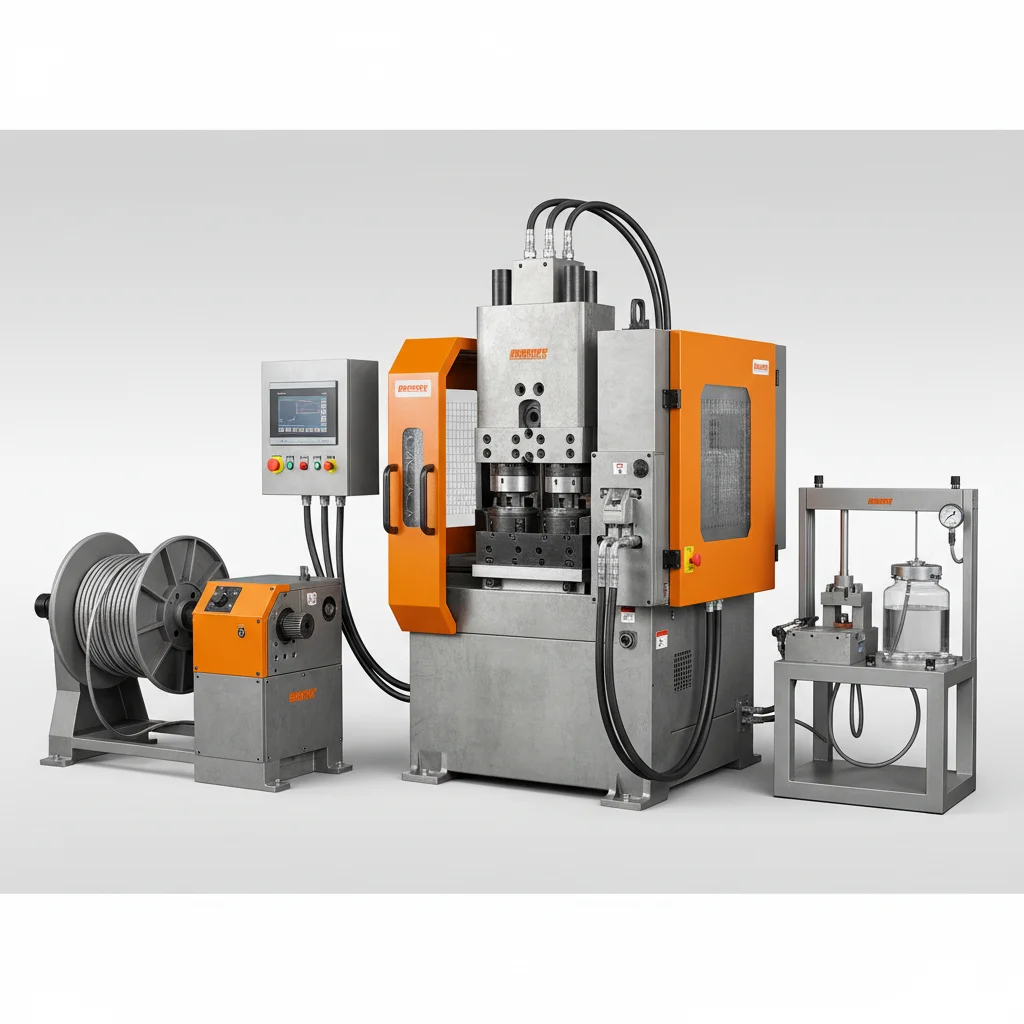
The future of hydraulic crimping machines is likely to be shaped by advancements in automation, digitalization, and sustainability. We can expect to see more machines incorporating advanced sensors and data analytics to monitor performance and predict maintenance needs. The integration of robotic arms and automated die changing systems will further enhance efficiency and reduce labor costs.
Furthermore, there's a growing trend towards developing more energy-efficient machines that minimize environmental impact. The use of sustainable materials and environmentally friendly hydraulic fluids is also gaining traction. These innovations are likely to influence the hydraulic crimping machine price in the years to come, with advanced features commanding a premium.
Challenges and Cost Considerations
One of the main challenges in the hydraulic crimping machine market is maintaining a balance between affordability and quality. The initial hydraulic crimping machine price can be a barrier for small businesses or those with limited budgets. Another challenge is ensuring compatibility with a wide range of connector types and wire gauges, requiring a diverse set of dies and tooling.
Proper training and maintenance are also crucial for maximizing the lifespan and performance of the machine. Neglecting maintenance can lead to costly repairs and downtime. Understanding the total cost of ownership, including tooling, maintenance, and training, is essential for making a sound investment decision.
Carefully assessing your specific needs and selecting a machine that offers the right balance of features, performance, and price is the key to overcoming these challenges and maximizing the return on your investment.
Comparative Analysis of Hydraulic Crimping Machine Cost Factors
| Machine Type |
Initial Cost (USD) |
Maintenance Cost (per year) |
Lifespan (Years) |
| Manual Hydraulic Crimper |
500 - 1500 |
50 - 100 |
5 - 10 |
| Benchtop Hydraulic Crimper |
1500 - 4000 |
100 - 200 |
8 - 15 |
| Portable Hydraulic Crimper |
2000 - 6000 |
150 - 300 |
7 - 12 |
| Automated Hydraulic Crimper |
8000 - 20000+ |
300 - 1000+ |
10 - 20+ |
| High-Tonnage Industrial Crimper |
15000 - 50000+ |
500 - 2000+ |
15 - 25+ |
| Specialty Crimping Machine (e.g., Fiber Optic) |
3000 - 10000+ |
200 - 500+ |
6 - 15 |
FAQS
Several key factors determine the price, including tonnage capacity, the degree of automation (manual, semi-automatic, or fully automatic), brand reputation, build quality, and included accessories like dies and fittings. Higher tonnage machines, advanced automation features, and reputable brands generally command higher prices. The overall robustness and precision of the machine also contribute to its cost.
While automated hydraulic crimping machines have a higher upfront cost, they often lead to long-term savings through increased efficiency, reduced labor requirements, and improved consistency. Automated systems minimize the risk of human error, reducing scrap rates and improving overall product quality. Reduced labor costs and increased throughput can quickly offset the initial investment.
The lifespan of a hydraulic crimping machine varies depending on usage, maintenance, and the quality of the machine. A well-maintained manual machine can last 5-10 years, while a benchtop model may last 8-15 years. High-end automated and industrial machines, with proper care, can operate reliably for 15-25 years or even longer.
Beyond the initial hydraulic crimping machine price, budget for costs such as dies and fittings (which will need to be replaced periodically), hydraulic fluid, maintenance (including lubrication and seal replacements), potential repairs, and operator training. Regular preventative maintenance is crucial for extending the machine’s lifespan and minimizing unexpected repair costs.
Many manufacturers and suppliers offer financing options, including lease-to-own programs and installment plans, to help businesses spread the cost of purchasing a hydraulic crimping machine. Additionally, some banks and financial institutions offer equipment loans specifically for industrial machinery. Exploring these options can make a higher-quality machine more accessible.
Determining the appropriate tonnage depends on the size and type of connectors you'll be crimping. Consult the connector manufacturer's specifications to find the recommended crimping force. It’s generally better to have a slightly higher tonnage capacity than required to ensure a secure and reliable crimp, but excessively high tonnage can damage the connectors.
Conclusion
In conclusion, the hydraulic crimping machine price is a complex equation influenced by a multitude of factors, ranging from technical specifications to brand reputation and automation level. A thorough understanding of these variables is crucial for making an informed investment that aligns with specific operational needs and budgetary constraints. Prioritizing quality, durability, and long-term value over solely focusing on the initial cost will ultimately yield significant benefits.
Looking ahead, the market for hydraulic crimping machines is poised for continued innovation, driven by advancements in automation, digitalization, and sustainability. Investing in a machine that embraces these trends will not only enhance efficiency and productivity but also position your business for long-term success. For reliable and competitively priced hydraulic crimping machines, visit our website: www.willexcrimper.com.